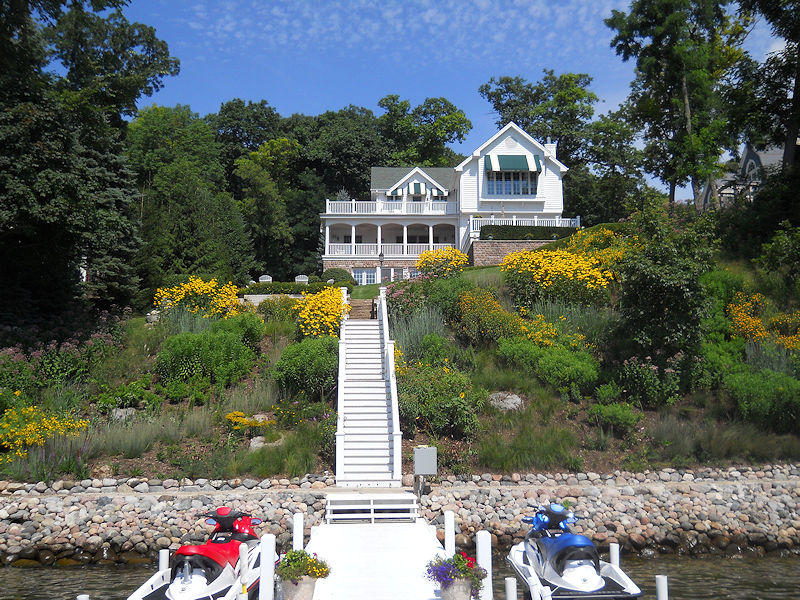
Increasing mortgage rates are inevitable, and as a lake homeowner, you need to know what that means for the value of your property. Lake Homes Realty’s CEO, Glenn Phillips, shares four things to consider as interest rates rise.
Less DIRECTLY Important: The fluctuation in mortgage rates will influence the demand for your home. Selling before the rise in mortgage rates will ensure a larger pool of interested buyers.
Slow Price Appreciation: With inventory being so high and demand being so low, prices have skyrocketed in recent times. The increase in mortgage rates will contribute to slowing this down.
Influences Buyer Mindset: As interest rates go up, buyer demand goes down. Inflation can cause buyers to be more conscious of their spending habits.
Think About Timing: If you want to maximize the return on your investment, you have to time the sale of your home to the market’s peak.
Owning a lake home is an investment, and as a homeowner, you want to maximize this investment when you’re ready to sell. Be sure to research the current state of the market before you decide to list your home!
It’s easy to make costly mistakes when selling your lake home, especially if it’s your first time. Lake Homes Realty’s CEO, Glenn Phillips, gives four tips you should know before selling!
Pricing Too Far Above Market: Pricing too high initially will cause your house to sit on the market. Eventually, you’ll cut the price, and may even get lowballed in the end.
Agent-Only on Friendship: Your selection of real estate agents shouldn’t be limited to your friends. You shouldn’t feel pressure to hire your friend, especially if they are not the right fit.
Agent-Only LOCAL Visibility: You need an agent who isn’t limited to local reach. There are potential, quality buyers across the country, not just the surrounding area.
Not Thinking Nationally: Consider how the price of your lake home competes with other lake homes nationally. Plenty of buyers want the lake lifestyle, no matter the location.
You need to look at the bigger picture before selling your lake home. Choosing the right price, the right agent, and understanding your market will help prevent you from making those costly mistakes!
The incoming fall season inspires change in the current lake homes market. Lake Homes Realty’s CEO, Glenn Phillips, gives five keys to follow in order to keep up with this fall lake homes real estate market!
Price Growth Peaking: The acceleration in price growth is finally coming to a plateau now that the summer rush is over.
Mortgage Rates MIGHT Matter: Mortgage rates could be a hedge against inflation. Paying off a mortgage with a lower interest rate than inflation rate may be an option.
Inventory to Remain Low: Inventory will most likely remain in low supply, meaning there still won’t be many homes coming to the market.
“Less” Competition: The competitive edge of today’s market will begin to subside, especially because people are losing the extra time they gained in the midst of Covid.
Long Distance Buyers Remain: These buyers should be taken into account when selling, and it’s important to have an agent who can tap into this pool of buyers.
The change in season doesn’t stop the lake homes real estate market, but it does have an effect on it! It’s crucial to stay on top of this shifting market, whether you’re buying or selling a lake home.
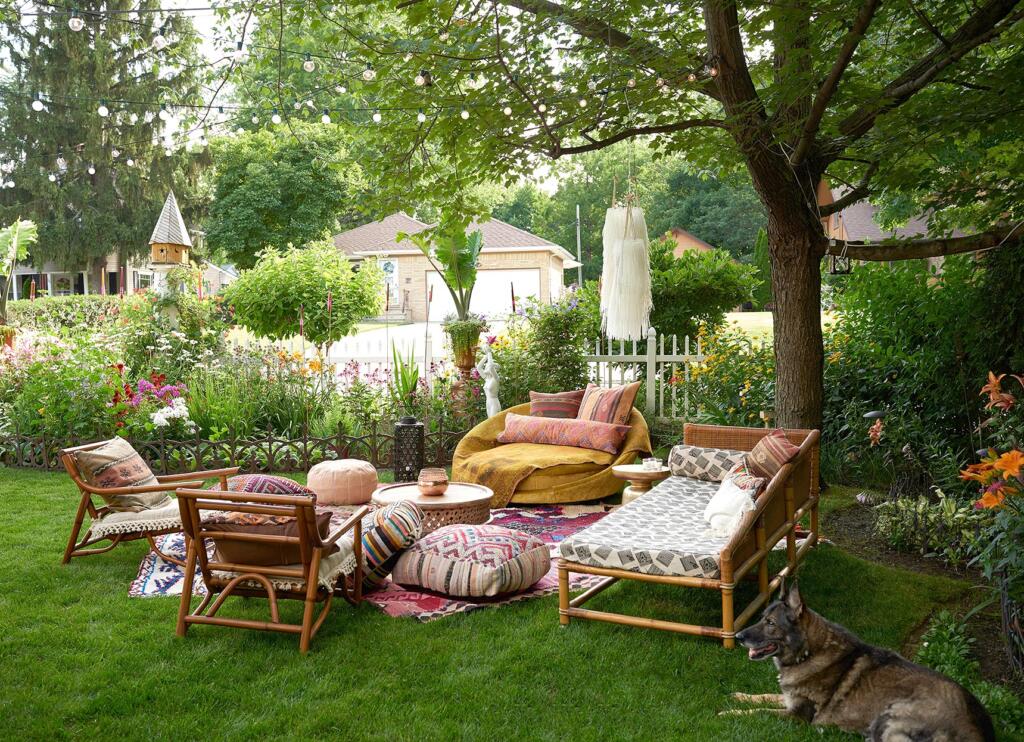
Bringing the outdoors in has been one of the top trends among lake home design for years. Interior decor ideas like driftwood art, warm green tones, and woven materials can create a seamless transition between your lake property and your living spaces. However, more than a year into the COVID-19 pandemic, this trend has now reversed. Instead of bringing the outdoors in, lake homeowners are looking to take the comfort of indoor living outside.
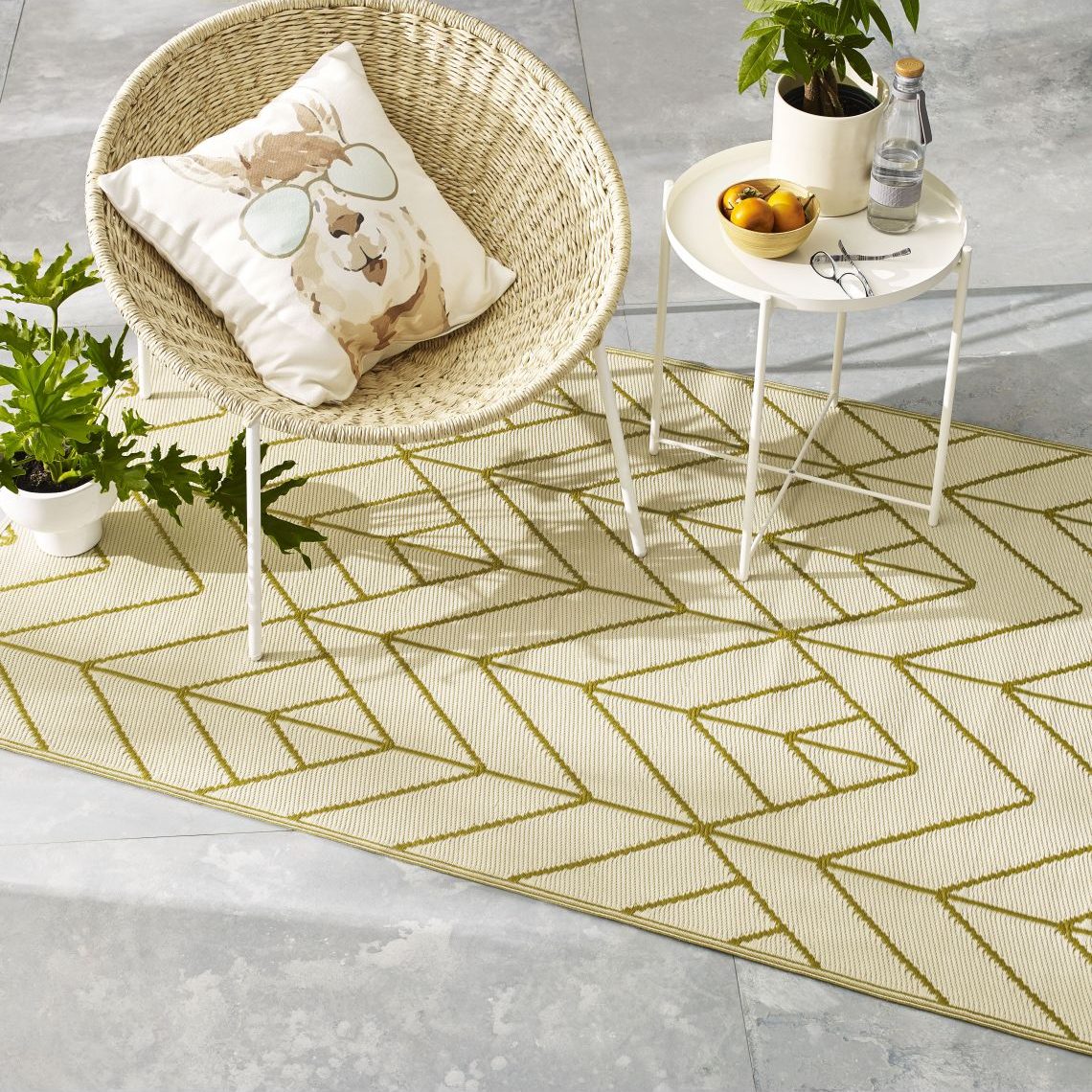
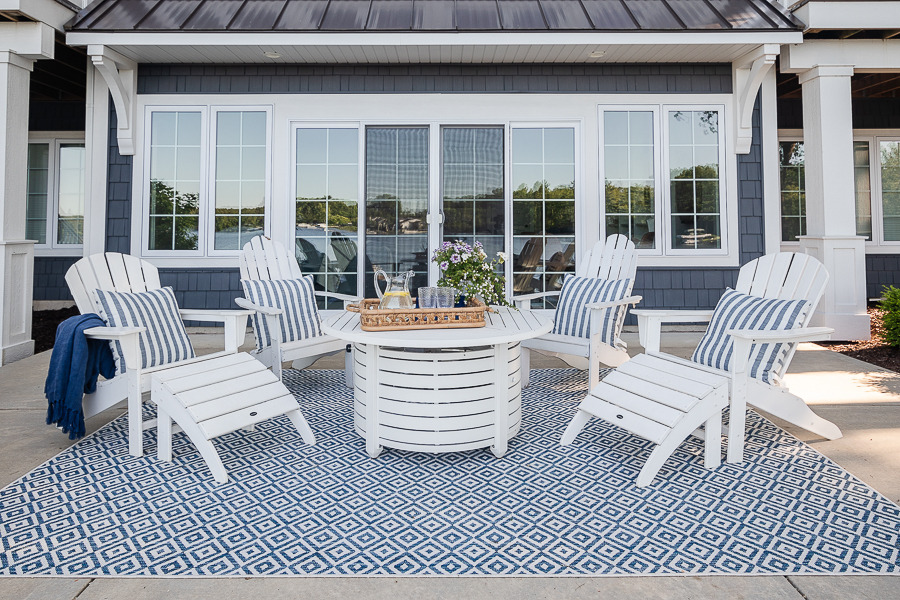
In this season of 2021, outdoor living projects are forecasted to be the “new norm,” according to outdoor contractor company Belgard. One new element of these living room spaces is outdoor rugs. Since these items are increasing in popularity, we at Lake Homes are here to address all your questions.
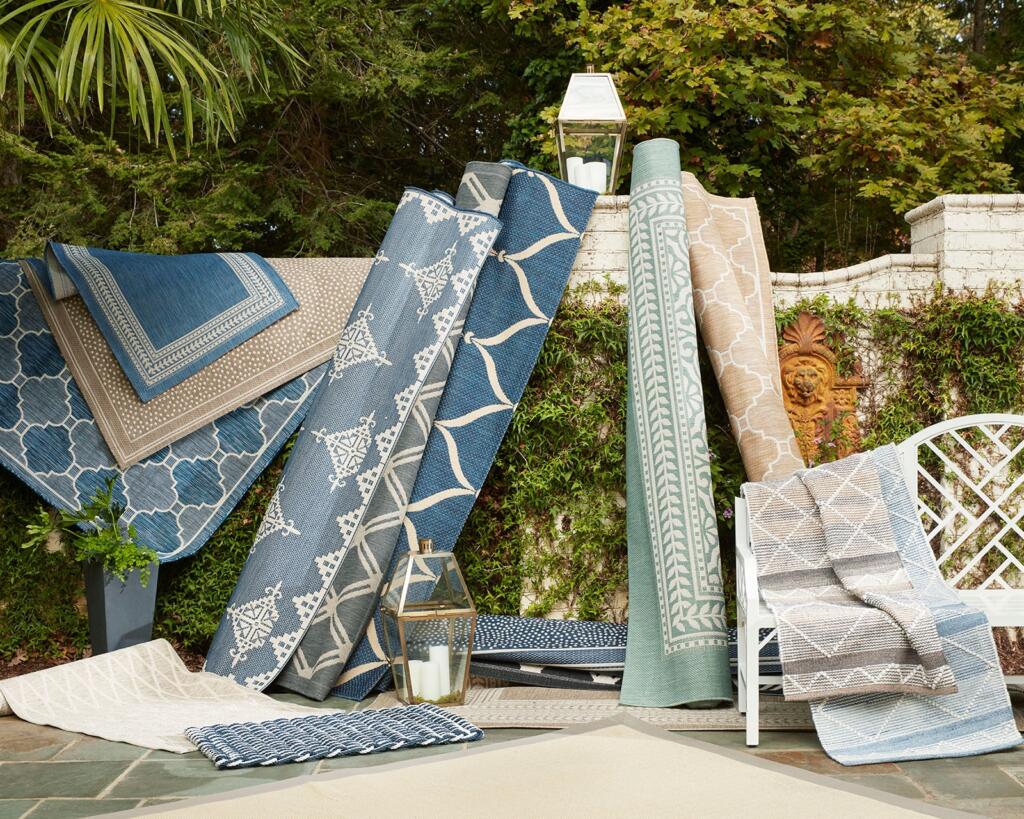
Usually, we’re always raving about natural materials. However, when it comes to outdoor rugs, synthetic materials are best because they’re less likely to be impacted by traffic and the elements. Andra DelMonico, the lead interior designer at Trendey, says that synthetic materials such as nylon, polyester, and polypropylene that are both mold and mildew resistant are ideal for your outdoor rugs. If you prefer natural materials, jute, bamboo, hemp, and sisal are good options. However, these tend to last longer in covered spaces.
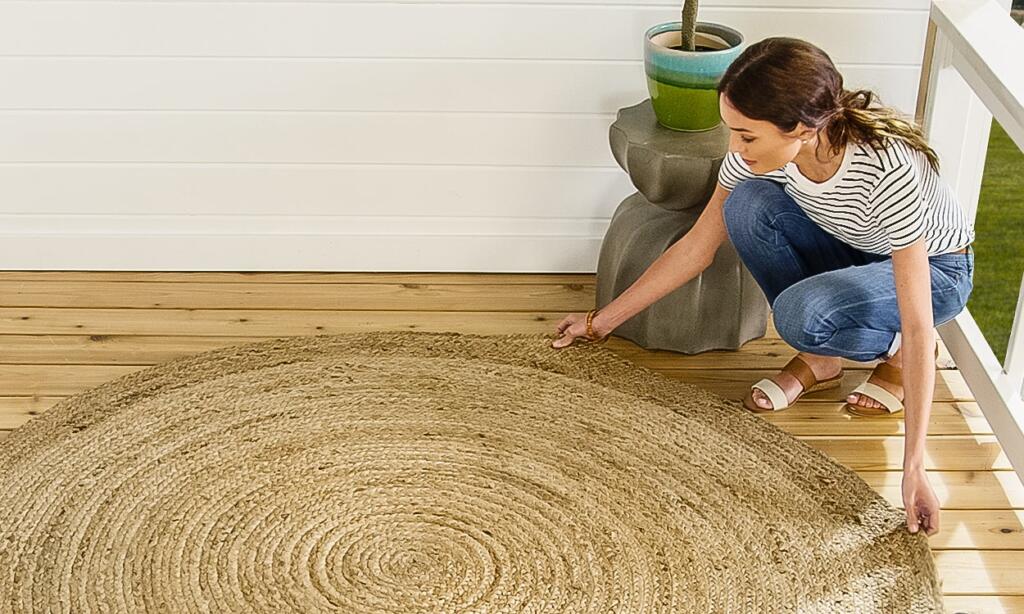
Unlike the rugs in your living room, outdoor rugs are subject to the elements — UV rays from sun exposure, wind, rain, and snow. Therefore, it’s essential to know what types of rugs can be used outdoors. The materials mentioned above are the most popular types of rugs that will withstand the unpredictability of the outdoors. But there are other features to consider as well. Andra says, “The rug should have a tight weave to make it impervious to spills and dirt.” She also adds that it’s best to choose a lightweight rug because “you’ll be able to roll them up and easily clean your patio.” This will help you keep your space clean from fallen leaves, pollen, and other factors that affect your outdoor area.
The way you care for an outdoor rug all depends on the season. When it’s a long winter, roll up the rug and keep it in storage. When it’s in use during the warmer months, spot clean stains as needed. “For larger cleaning tasks,” Andra notes, “use a mixture of dish soap and water with a nylon brush to clean the entire rug. Rinse the rug when done. Make sure your rug dries well to prevent mold growth.” Also, be sure to avoid harsh chemicals to keep the colors intact.
fWhen using an outdoor rug at your lake house, there’s a couple of considerations to keep in mind. First, using a pad under your rug isn’t necessary, but it’s a good idea to allow circulation underneath. “Apply the same principles that you would use when buying an indoor rug. This will help your outdoor space feel more like a living area. The right rug can make your patio feel larger, more welcoming, and professionally styled,” says Andra.
Whether you prefer a tiny lakeside cabin tucked far away from it all, or an expansive modern-style haven with a sweeping wall of windows that captures your stunning shoreline view, lake homes across the country are as unique as the dwellers within. But no matter where you live, a lake residence offers this in common—a peaceful sense of sanctuary, a place to unwind and connect with nature, and a place to enjoy family and friends.
If you’ve ever traveled across the country, you can’t help but notice certain architectural styles that reflect the area’s overall aesthetic and climate conditions. Like regional cuisine, lake homes embody the quaint characteristics of their location and reveal a charming sense of place. Today, we turn our focus to the South/Southeastern region of the country as we take a guided tour of some of the most notable architectural styles and how they came to be.
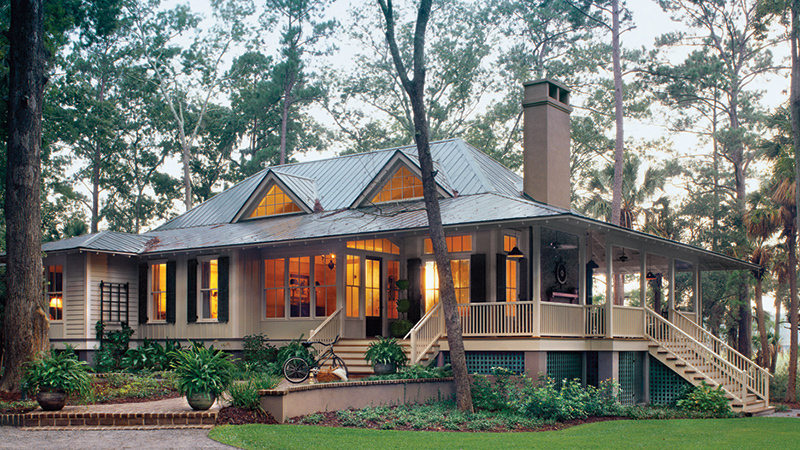
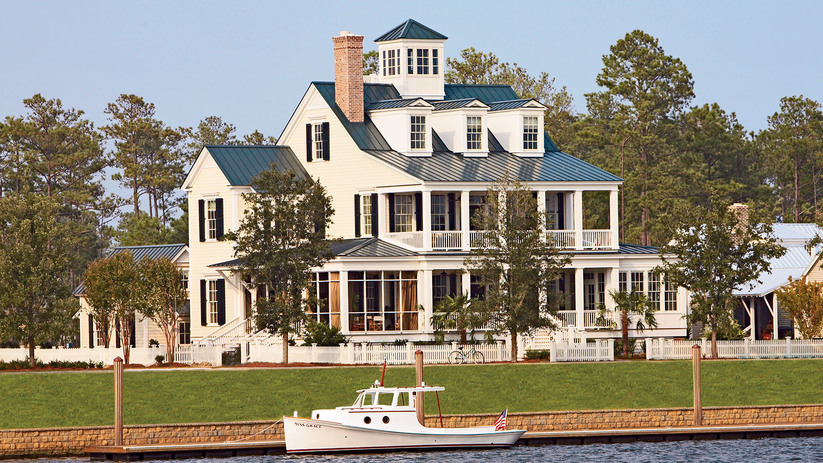
Originating along the coast of South Carolina—a region known as the Lowcountry—this beloved Southern style radiates an air of refined simplicity and elegance. Developed in the 1700s, Lowcountry-style architecture was intentionally designed to invite natural airflow and ventilation for residents of this subtropical climate. A regional favorite deeply rooted in tradition and Southern hospitality, Lowcountry style exudes comfort and practicality with its spacious open-concept rooms, shady verandas, and breezy screened porches.
Other features quintessential to Lowcountry design—and well-suited for warmer lake climates—include high ceilings, shutters, and double-hung windows with top openings to allow hot air out and bottom openings to let in cool evening breezes. Transoms help create more ventilation and natural light, and durable metal roofing reflects the hot sun and protects against harsh winds and tropical rain.
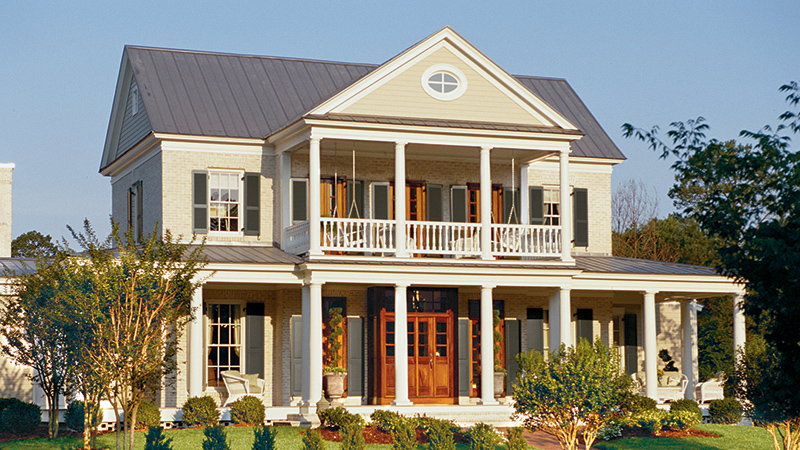
Colonial plantation-style homes typically feature stately columns and an expansive porch with a balcony above it. Like traditional colonial-style homes, these symmetrical structures include regal front entries usually accented with pediments, a quaint balance of windows with shutters, and clapboard or brick siding. Built initially on cotton plantations, these exquisite homes also embody characteristics of French colonial style.
This modern take on the iconic Southern style still honors the symmetrical attributes associated with the plantation home aesthetic. Built for warm and humid climates, these homes boast tall ceilings, grand central entryways, elegant stairways, and spacious rooms where the air can flow freely. The timeless appeal of this traditional Southern style makes it perfect for families who appreciate gracious lakeside living.
An all-time favorite, cottage style has a wonderfully relaxed and inviting appeal that makes it ideal for lake home retreats. Colorful and comfortable, the look is often characterized by airy porches that connect visually to the great outdoors. Worn and weathered finishes, charming beadboard walls, a delightful texture mix of wicker and natural-fiber rugs, and a lovely color palette inspired by nature create an unmistakable sense of warmth that speaks of home.
Rustic surfaces show their rich patinas and the imperfections of age while combining effortlessly with the sheen of modern appliances and quartz countertops. This no-fuss look emulates the easy-living mindset of those who embrace the lake life. Kids, dogs, wet bathing suits, and bare feet are always welcome here.
The ease and practicality of coastal style make it a beloved favorite for many Southern lake home dwellers. Often referred to as beach style—no matter if you reside on a lake or a coast—this style incorporates high ceilings and large windows to invite breezes throughout the home while forcing the heat to rise far above the living spaces. In addition, expansive covered porches, verandas, and other exterior spaces extend the living areas outside—the place to be when you’re relaxing at the lake.
Some coastal-style homes are raised to help prevent flood damage that comes with tropical storms and driving rains. Durable roofing and siding, shutters, and impact-resistant windows also protect against high winds and heavy rainfall.
Interiors bathed in shades of white, vibrant accent colors, and plenty of comfy slip-covered seating create a casual coastal vibe like no other. This style is all about connecting with the outdoors and enjoying water views from nearly every vantage point.
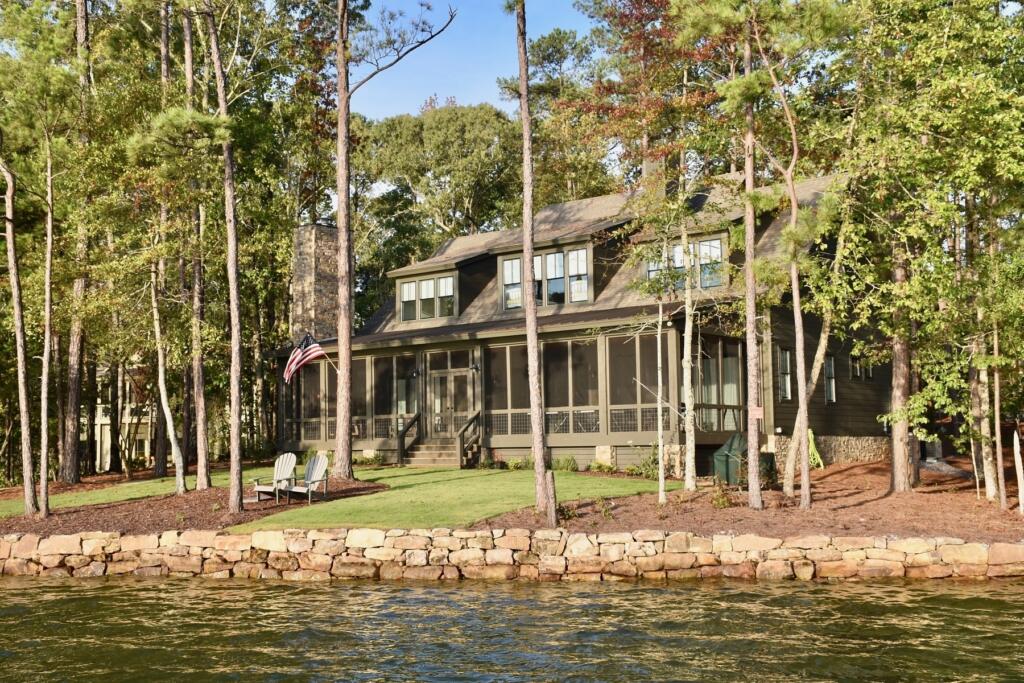
But no matter your architectural tastes, a sense of charm, comfort, and hospitality are the common threads intrinsic to Southern style. Within the walls of the Southern home, there is a palpable feeling of warmth, welcome, and timelessness that celebrates the beauty of gracious living. For this stunning waterfront property on Georgia’s Lake Oconee, award-winning Atlanta interior designer Melanie Turner put her talents to work to transform what was once a bachelor pad into a cozy retreat for the homeowner and his new bride.
“The house was bought and owned by a bachelor, and the design had changed multiple times over the years,” says Melanie. “Once he married, his gift to his new wife was to renovate and redesign the house to fit their new lifestyle.”
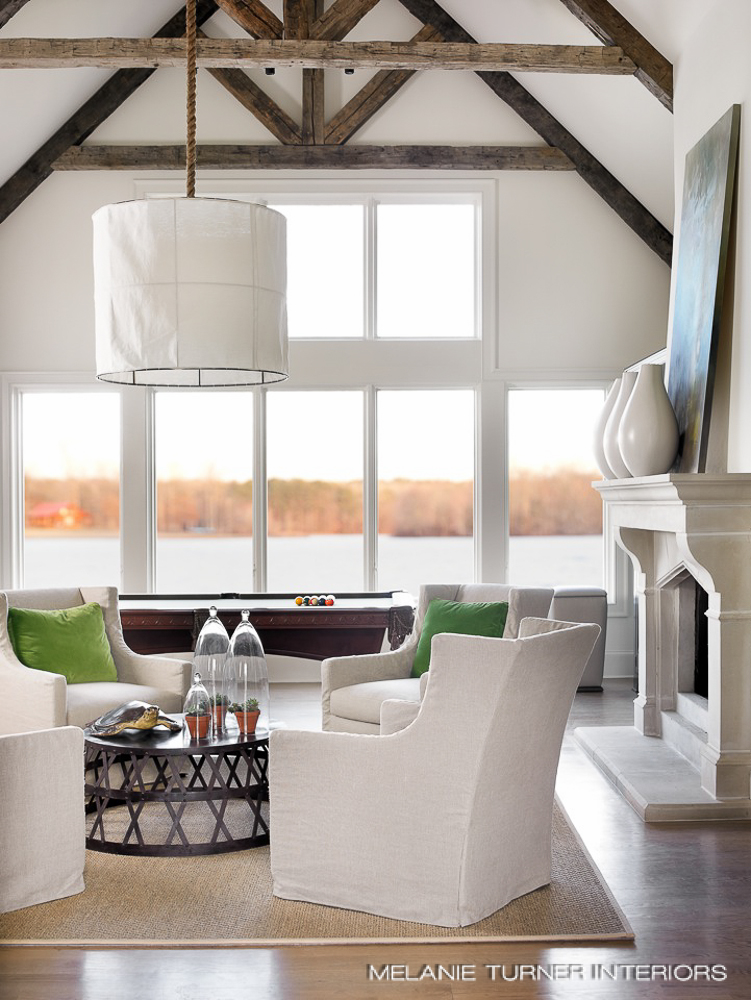
The couple found they never really used the living room, so they decided to move the pool table out there to capture the beautiful lake view and add four comfy slip-covered chairs for drinks and socializing.
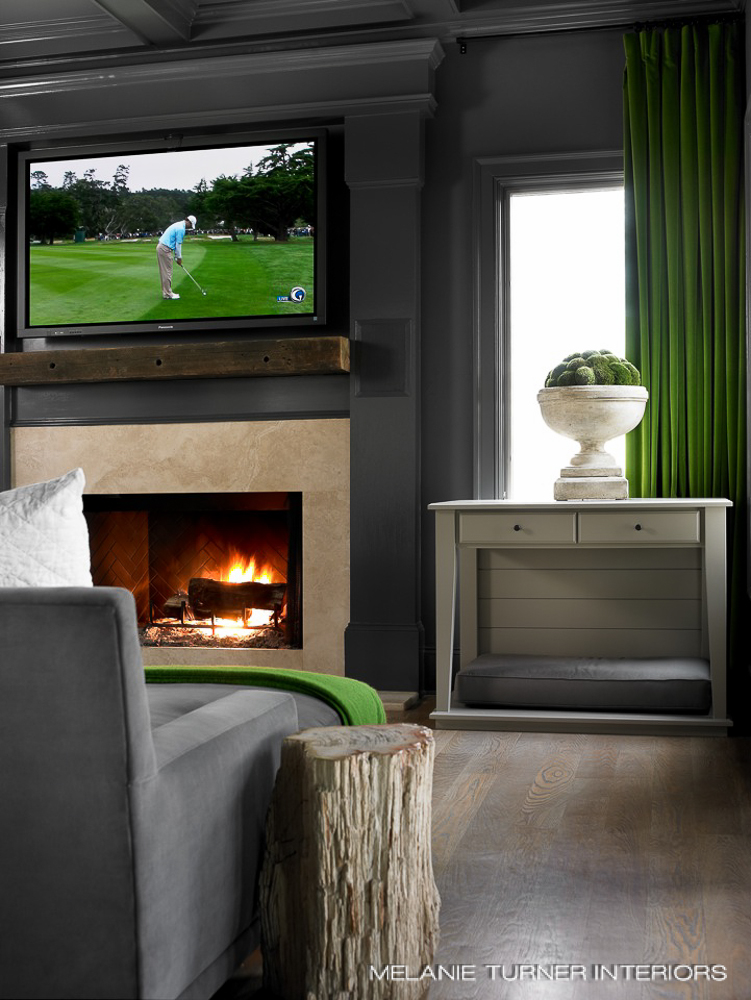
Melanie divided the family room into two sections. In front of the fireplace, she incorporated big “man chairs” for watching TV. “For a surprise feature, I incorporated dog beds into the bases of a pair of console tables flanking the fireplace,” says the designer.
Here, Melanie added a sofa facing the kitchen to keep the chef company. “The overall color palette was based on the lake setting itself—rich greens, weathered and rustic textures, and soft neutral-hued linens,” she says. “The homeowners are big dog lovers, so we added a playful composition of dog portraits for a personal touch,” she sums.
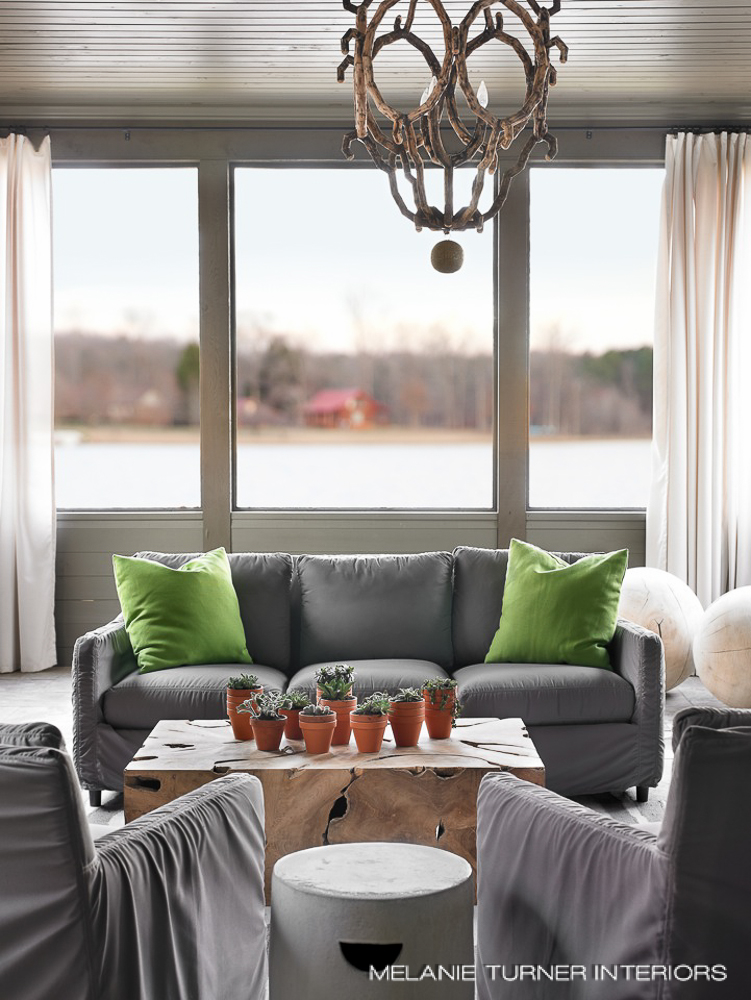
There’s nothing like having a breezy screened-in porch at the lake. The soft upholstered seating makes it feel like an outdoor living room. “We used monochromatic, calming colors throughout to infuse the interiors with the surrounding colors of nature,” says Melanie. “This place has an easy lake lifestyle feel to it, so our plan for this house was to bring life into the spaces without making them too formal.”
Outdoor living is one of the joys of lake life—so now that summer is here, let’s make the best of it. A well-balanced landscape design should complement your lifestyle and add value to your lake property. It’s typically made up of two main elements that define outdoor living spaces—hardscapes and softscapes. In simple terms, think of softscapes as the living things in your yard and hardscapes as the hard stuff like bricks, wood, stone, and concrete. For part one of our two-part feature, we’re going to first focus on hardscapes.
Retaining Walls & Steps
Photo courtesy of Mom’s Design Build via Turf Magazine
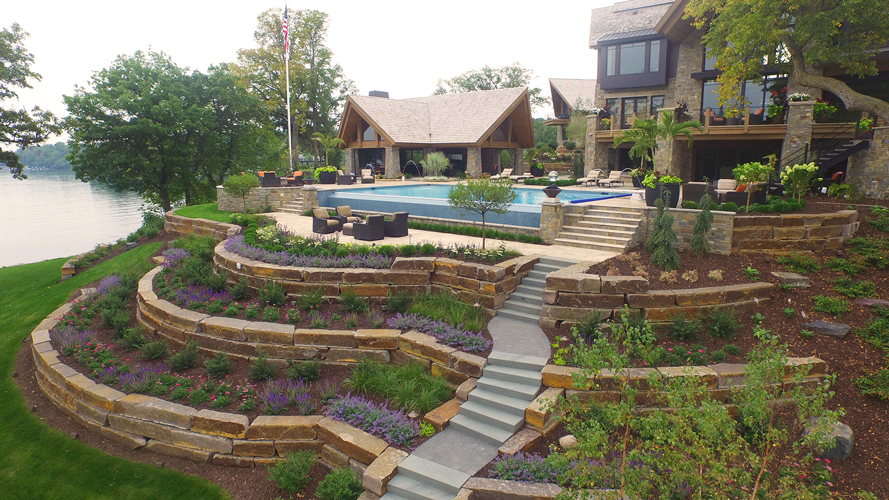
If your lakeside landscape sits on a slope, you might benefit from a retaining wall. Creating a hillside terrace adds visual interest and more usable land and reduces soil erosion and water runoff by slowing down the flow of rainwater and diverting it to a drainage system. Low retaining walls can even double as extra seating for outdoor entertaining. Incorporate a cascading stairway into your retaining wall, and you now have an elegant pathway down to the shore. Say the experts at Gardenista, “Think of retaining walls as support hose for sloped terrain: they hold everything in place—discreetly.”
When considering material options, select those that will complement your lake home’s surrounding natural landscape and architectural style. Building material choices are abundant and range from brick and stone to poured concrete to treated and stained woods.
Before getting started, it’s best to consult a landscape architect or gardening professional to guide you. Click here for more inspiring ideas.
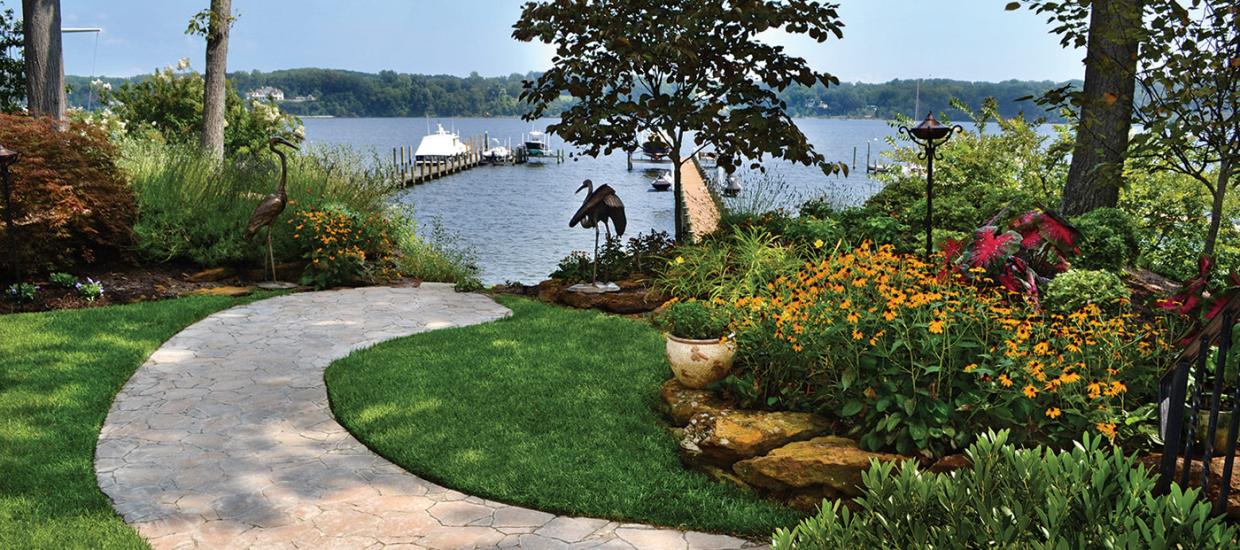
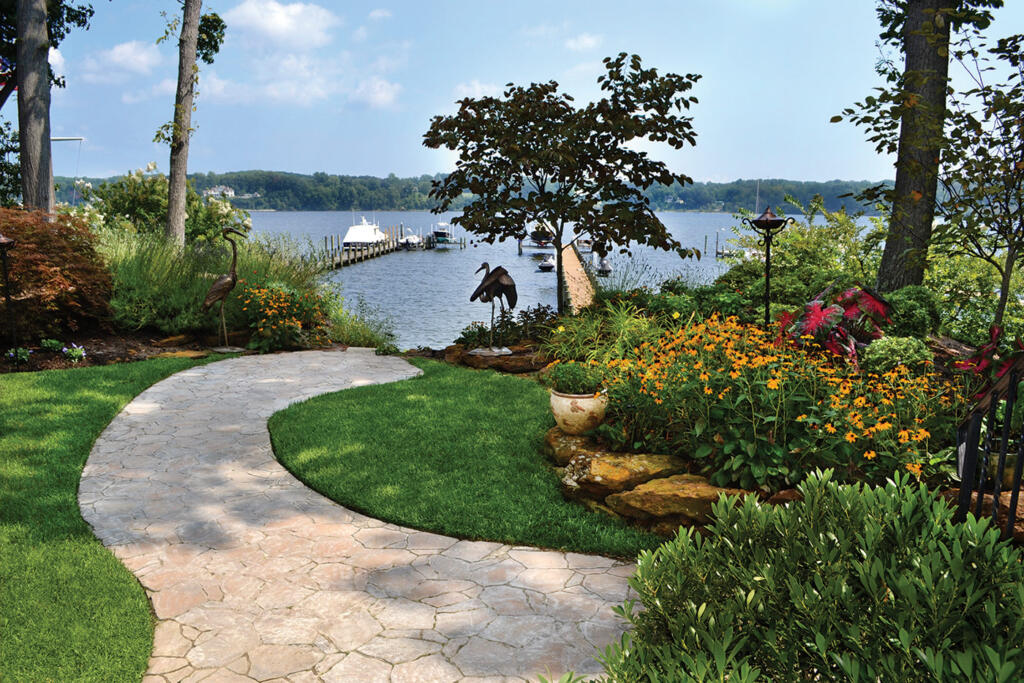
Alluring pathways and driveways lend instant visual appeal and create a welcoming first impression for visitors. A dynamic driveway or walkway to your front door adds pleasing curb appeal and can even increase the resale value of your lake home.
Whether you decide to go with solid pavers for a sleek, contemporary vibe, or charming steppingstones that lend an English cottage feel, your options are virtually endless. A good rule of thumb to follow? Always choose surfaces that complement the style of your lake-dwelling and the surrounding environment.
If you’re not a DIY enthusiast, start by calling in a landscape professional to help you find the best design for your property. They can also guide you through the array of material choices that include brick, concrete, bluestone, granite, gravel, limestone, and more. If your lake home is in a colder climate, consider options that can stand up to freezing temperature, such as terracotta, travertine, and slate. Click here for more creative ideas for walkway designs.
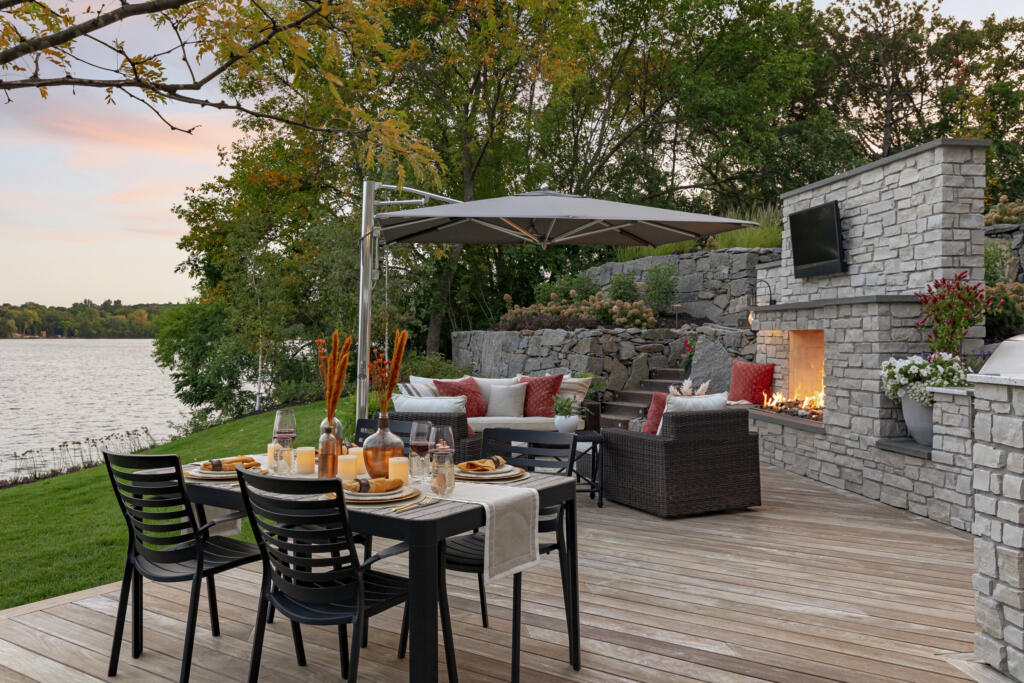
There is nothing more blissful than sitting by a fire while relaxing at the lake. Firelight creates an ambiance like no other and brings warmth, a soft romantic glow, and an inviting interactive experience. So, whether you want to incorporate an outdoor fireplace or fire pit, there are a few things first to consider:
When placed on the edge of a patio or pavilion, a fireplace takes up less space and can be used in inclement weather if it’s under cover. This architectural element can also bring a graceful focal point to your outdoor entertainment space. The benefits of a chimney direct the smoke upward and outward, ensuring a pleasant, fresh-air environment.
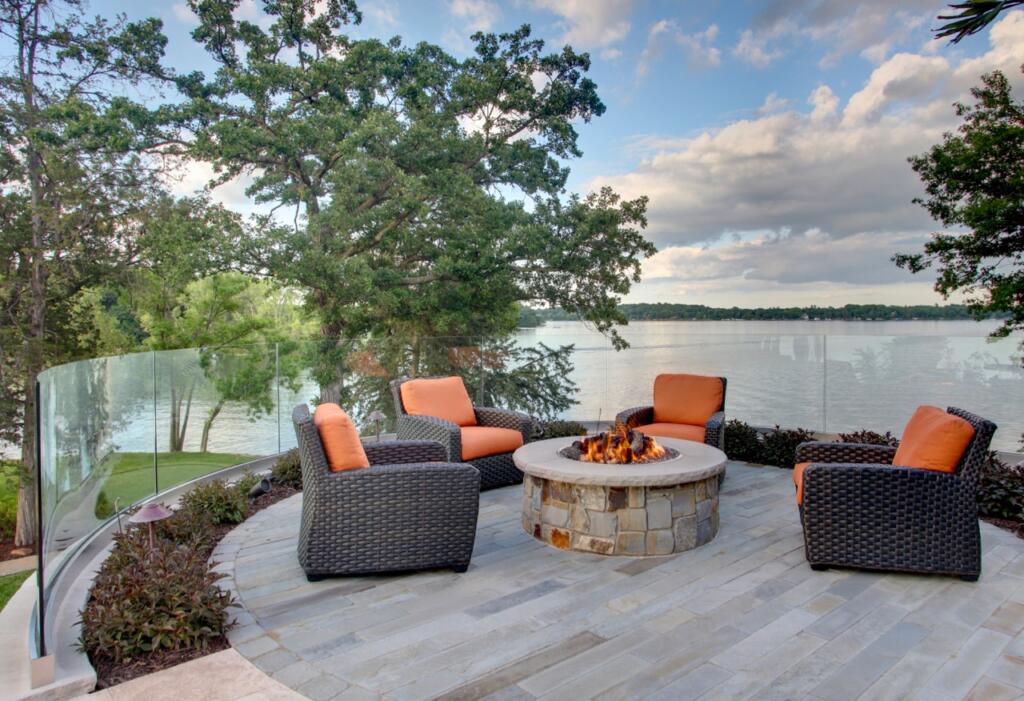
On the other hand, a fire pit is a bit more like having a cozy bonfire or campfire. You can place seating all around it for fun family gatherings, like roasting marshmallows with the kids and making s’mores. If you’re looking to design a custom immovable firepit, make sure you choose the perfect spot with the desired view and have a landscape professional guide you on its placement—where lake breezes can move the smoke away from your other outdoor areas. For more fireside inspiration, visit HGTV.
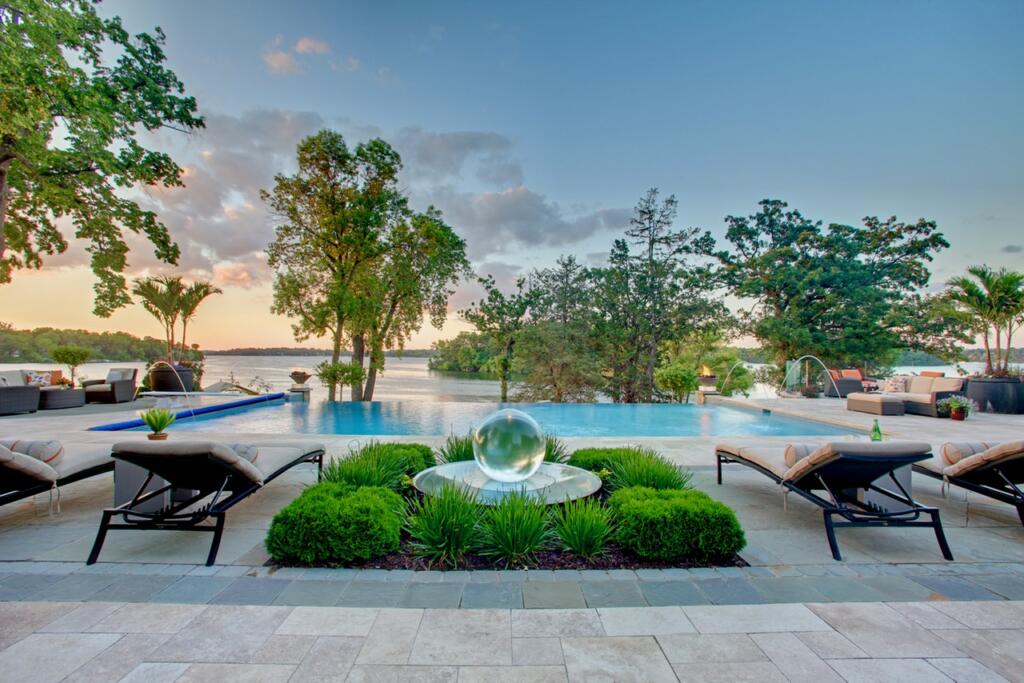
Pools—and the lavish, lounge-like seating areas that surround them—can create a splendid oasis for your lake landscape. Crisp and cool, the refreshing element of water always provides a calming visual connection to your lakeside environment.
First, decide what type of pool best suits your needs, budget, and lifestyle. Pools are costly to install, and the upkeep may not be for everyone. Consider pool shapes and styles, such as a seamless infinity pool spilling over a vanishing edge, a long narrow lap pool, a therapeutic spa feature, or even a non-chlorine natural swimming pool. You’ll definitely want to consult with a landscape architect or pool specialist to discuss material options, cost, and maintenance.
Other considerations include lighting and underwater lights, poolside landscape plant materials, seating areas, furniture arrangements, and outdoor furniture options, including luxurious poolside loungers, chaises, patio sets, and plush water-resistant cushions and upholsteries. For more inspiration, check out these dreamy pool design ideas.
A deck or patio added to your lake property will instantly create an additional room and expand your living space to the outdoors.
Typically made of wood, decks float above the ground—from a few inches to many feet—and are framed with support structures. If your lake setting sits on a slope, then a deck might be the perfect choice for you. Deck flooring materials include natural wood—cedar, redwood, mahogany, teak, ipe, bamboo—and other options such as pressure-treated lumber and sustainable composite decking.
Patios are constructed on a flat surface at ground level with hard materials like brick, concrete, stone tiles, and pavers. Ideal for poolside areas or level outdoor spaces where you want to enhance the architectural appeal of your home, patios are a durable and aesthetically pleasing choice. For more ideas on creating spectacular outdoor spaces, click here.
In an upcoming post, we’ll show you how to balance your lakeside hardscape designs with lush, green softscapes. In the meantime, happy hardscaping!
Do you know what the term “seller net” means? “Seller net” is the amount of money a seller makes from a real estate transaction after all costs and fees are accounted for. When selling a lake home, there are many factors that could distract you from the overall “seller net” equation. In this video, Lake Homes Realty’s CEO, Glenn S. Phillips explains four reasons lake home sellers should focus on the “seller net.”
Cost of Selling. A common mistake most lake home sellers make is being fixated on the small details of home selling costs such as commission fees.
Time Matters. The time your house stays on the market affects your bottom line. Things home sellers often overlook are mortgage payments, insurance, and home maintenance costs that cost you more over time.
Brokerage Commission. If you pay a lower commission rate and get a lower price for your house, that could affect your “seller net.” In other words, you get what you pay for.
Service Level of Agents. When selling a home, it’s important to look for an agent that can provide you with exceptional service. This includes someone that is knowledgeable about your lake property and location and is capable of properly pricing your home for the best return on investment.
Whether you’re buying or selling your lake home or property, our agents at Lake Homes Realty can help provide insight into today’s lake real estate market and guide you in your home journey.
On the Lake Homes blog, we often cover interior design trends related to lake living. Hygge, a Danish concept defined simplistically as “coziness,” evokes comfort in the home by using warm tones, candles, fireplaces, and blankets. Another recent trend is wabi-sabi design, a Japanese concept that focuses on finding beauty in imperfections. Natural materials like driftwood, personally significant artwork, and repaired pottery are all emblematic of wabi-sabi. Each of these trends reflects the spirit of lake living in different ways.
Today, we’re introducing a new concept for lake lovers to adopt in their homes — biophilic design. Although it was introduced in the 1970s by biologist E.O. Wilson, it’s been practiced since ancient times (e.g., the rumored Hanging Gardens of Babylon). To learn more about this style, we talked with Hope McMahan, project manager at Deltec Homes in Asheville, NC. Read on for everything you need to know about biophilic design.
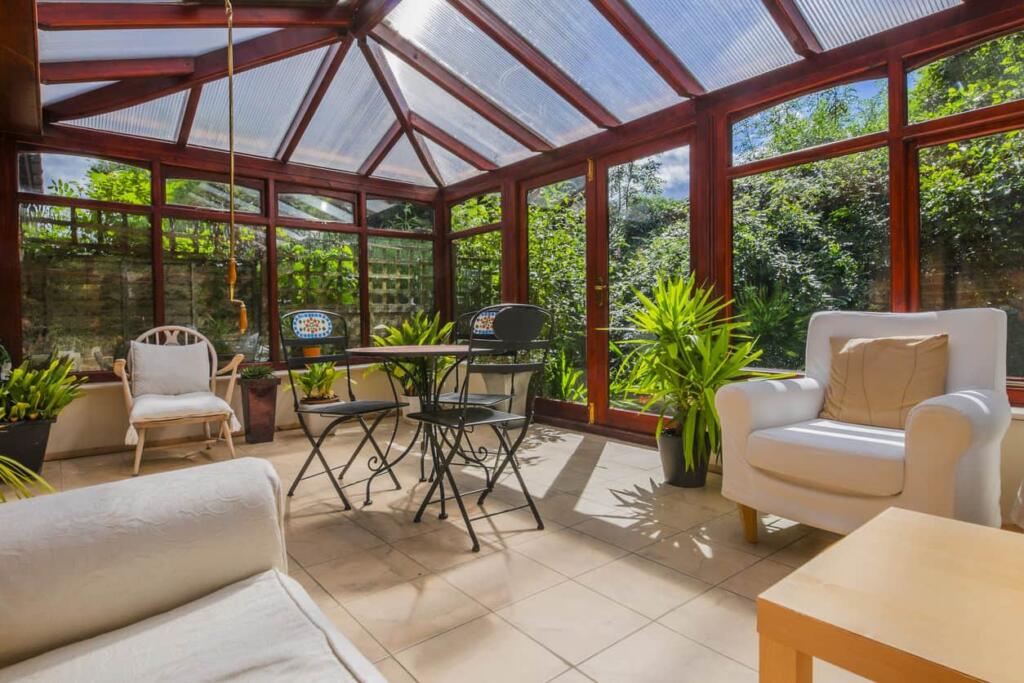
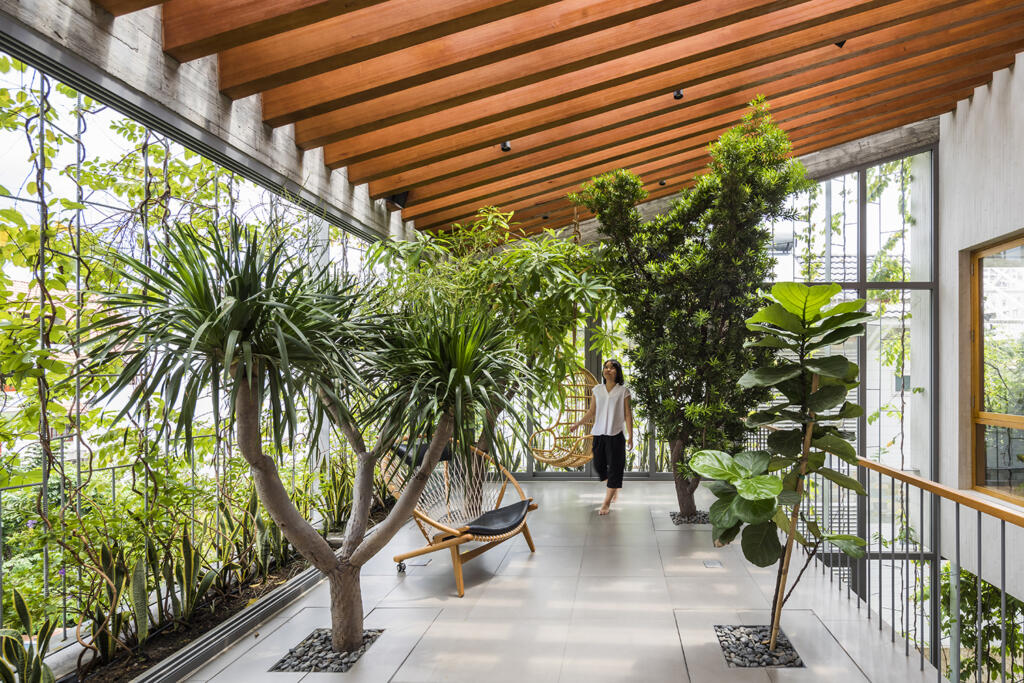
Biophilic design is all about connecting back to nature through architecture and decor. But it’s more holistic than simply adding a few indoor plants to your lake home. McMahan explains that biophilic design can be broken down into three components. The first is the direct experience of nature (e.g., letting in more natural light, incorporating greenery). The second is the indirect experience of nature (e.g., paintings of scenery, natural colors, wood furniture). Finally, the third component is the physiological connection to nature.
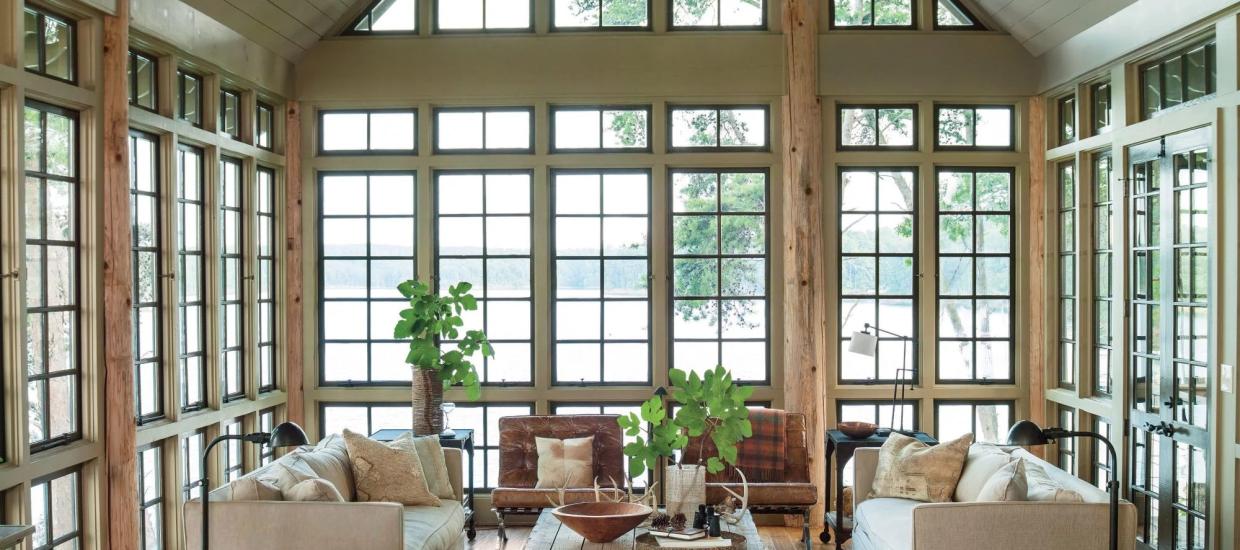
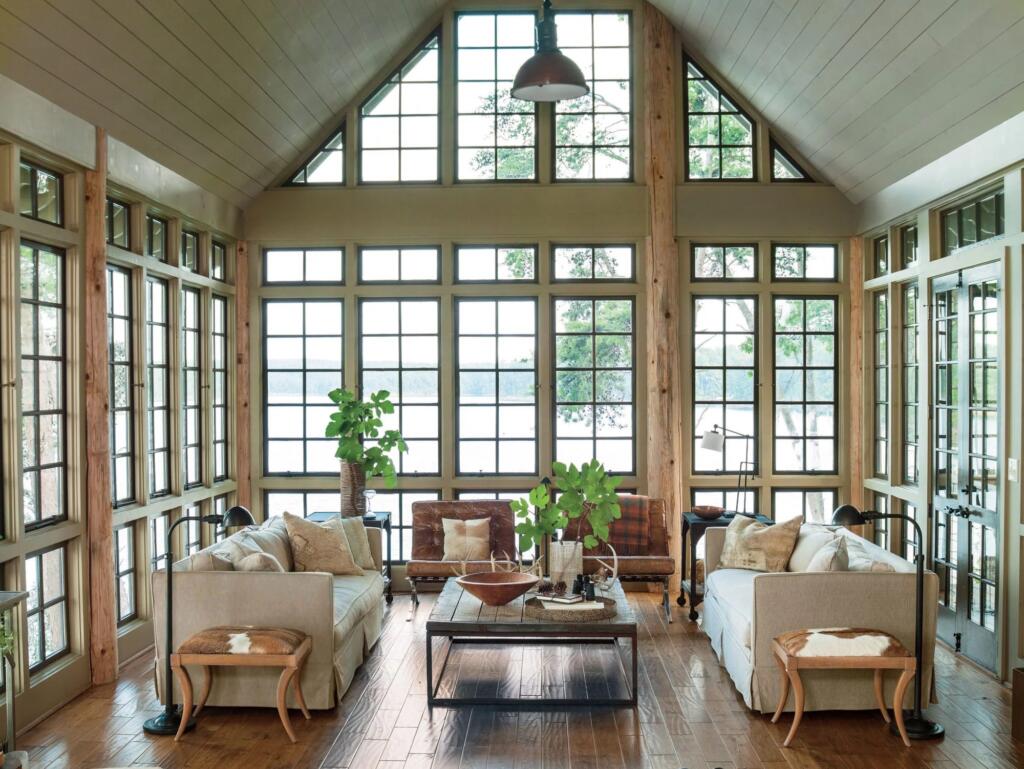
McMahan clarifies, “There’s fear in nature, and at the end of the day, we’re still animals. We need to feel safe and secure in our environments.” Features like large windows play into this sense of safety, allowing you to physically witness any impending threats and rest in the security of your home’s protective qualities. In the same way, many biophilic homes expose the beams of the trusses so you can see the structures that are keeping you safe at home.
Essentially, all three components focus on enhancing our connection to the natural world. This connection, McMahan says, is one that’s often lost in traditional homes. “Biophilic design reminds us that we’re still animals, and we need to exist more like that. We can actually think about the living things in our world.”
According to research from the University of Vermont, more people, especially women, are turning to the outdoors for comfort these days. The resurgence of biophilic design reflects this desire for nature that has become more prominent since the rise of COVID-19. McMahon says, “During the past year, we’ve all been trapped inside. We’re experiencing this trauma together. We’re also starting to understand how our homes make us feel.”
To illustrate this point, she explains the ways in which architecture can evoke certain feelings. For example, the brutalist, concrete structure of a courthouse creates solemn, stoic vibes. By contrast, a biophilic design with wooden cabinets and expansive windows manifests a sense of peace and comfort that we’re all craving amid this global crisis. “Biophilic design is not just functional — it’s also an art,” she says.
Another reason behind biophilic design’s revival is its connection to the popular sustainability movement. Although it’s possible to practice biophilic design without being environmentally friendly, they often go hand in hand. McMahon describes biophilic architects as “the green builders before it was cool to be green.”
Perhaps the most apparent benefit, biophilic design is simply beautiful. By bringing the outdoors in, both literally and metaphorically, your home blends more seamlessly with the natural world. But beyond aesthetics, biophilic design also has several psychological benefits. Many research studies have demonstrated that those who inhabit biophilic spaces experience lower stress levels and more positive moods. It also has physical health benefits. McMahon mentions the myriad of studies suggesting that patients in hospitals with biophilic design recover more quickly than those in traditional buildings. In workspaces, biophilic design is also linked to greater productivity. With all these clear benefits, what’s not to love?
How Can I Incorporate Biophilic Design in My Lake Home?
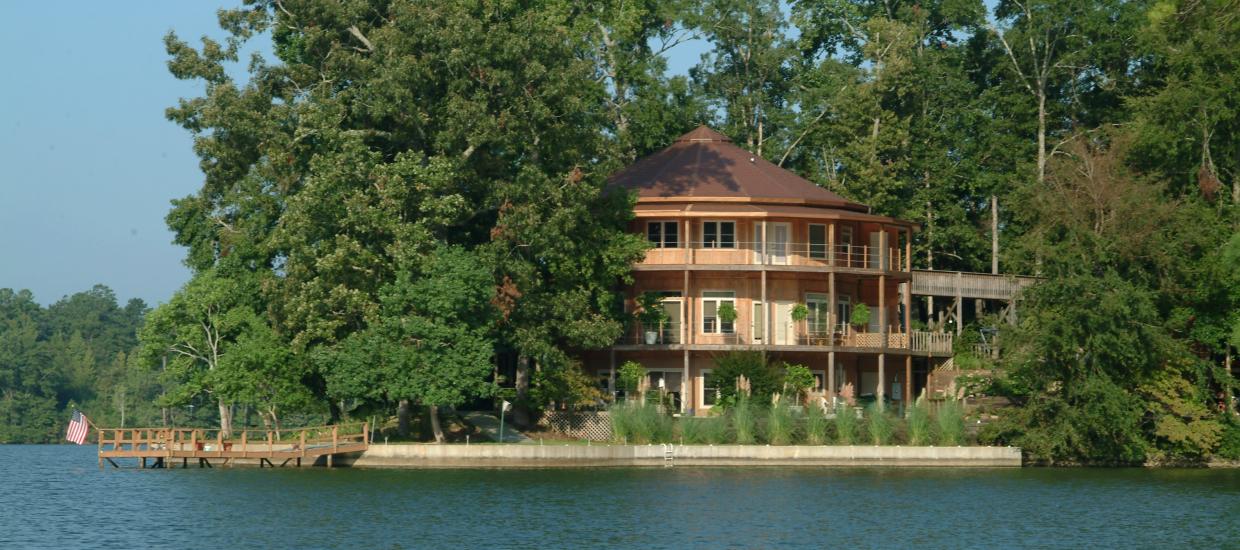
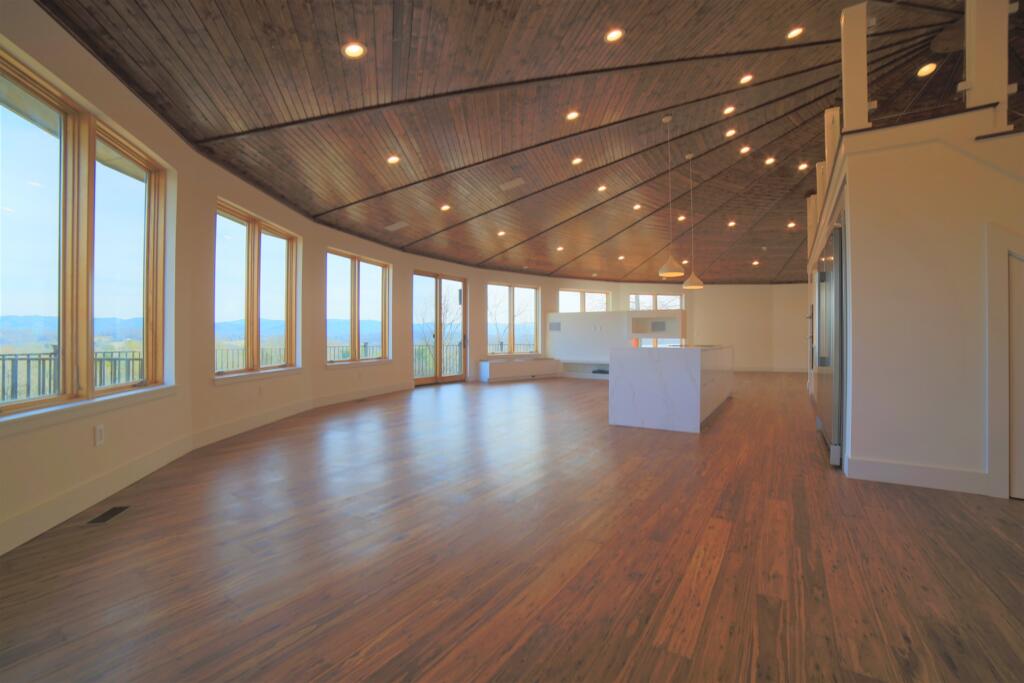
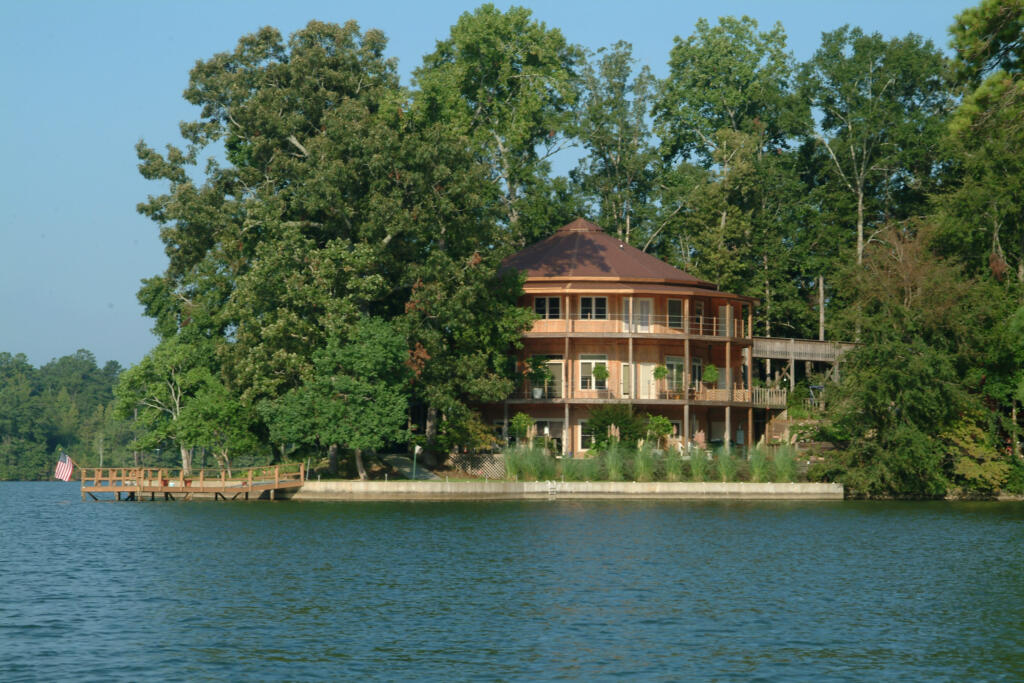
Whether you’re redesigning a home or looking for minor improvements, biophilic design can be for you. If you’re remodeling your lake home, consider a round wooden ceiling. Deltec Designs features a 360 Collection that is completely round, allowing it to withstand higher winds due to its aerodynamic frame. From a design perspective, its structure resembles a tree, eliciting a sense of biomimicry. In these round homes, be sure to install wide windows to connect the home to the landscape. At a lake house, this is especially important since the lake view is a central feature of the home.
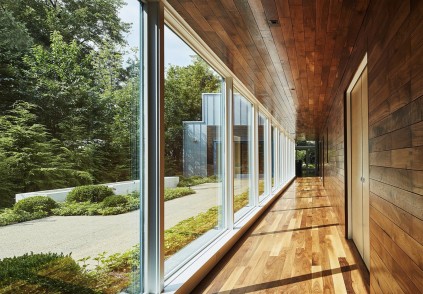
However, you don’t have to completely rebuild in order to incorporate biophilic design into your home. Simple changes like adding indoor plants, choosing curtains with natural materials like 100% cotton, installing hardwood floors, and picking native plants can go a long way in establishing your biophilic home. The important thing is to keep it natural. “The more synthetic it is, the less we’re able to realize that it’s from the earth,” McMahon explains. If you don’t have a green thumb, fake plants or photos of plants can offer the same effect.
From the ancient Hanging Gardens to your own lake home, biophilic design is both beautiful and beneficial. We wish you luck in incorporating this trend into your home!
Whether you’re a beginner or a seasoned ‘green thumb,’ anyone who attempts to garden—from hostas to hydrangeas—needs to have some basic knowledge to get things growing. And as a lake homeowner, it’s essential to know a few lake-specific garden terms to ensure you get the most from your scenic waterside landscape.
We spoke with Peter Wodarz, the owner of Gardenbau Group and a landscape architect/project manager for Michael Schmechtig’s firm Sheldon Landscape in Lake Geneva, Wisconsin. This full-service landscape management company and its award-winning staff have served residents throughout the beautiful lake region for more than 42 years. Here, Peter shares—and demystifies—some of his top gardening terms and tells us why these are important to lake homeowners.
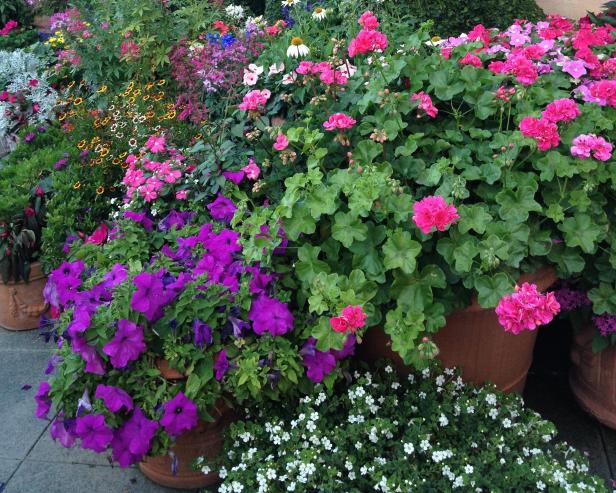
An annual is a plant that lives for just one growing season. You must replant annuals every year, as they will sprout, flower, seed—and then die in the winter. “Annuals provide seasonal displays of abundant color and texture,” says Peter. “Their colorful masses—mixed in with perennial borders and shrub beds— brighten the landscape throughout the season, and annual displays in containers bring a splash of color to front entrances, porches, balconies, and piers,” he adds.
The advantage for many lake homeowners is that annual plants quickly display their color and hold it all summer long—the most common time for lake dwellers to enjoy their outdoor setting. New varieties of New Guinea impatiens and begonias are perfect for shadier areas of the garden. Marigolds and petunias are common choices for sunnier spots, and in the southern regions, they can provide three full seasons of color. Pansies, vincas, and zinnias are trusted standbys for long seasonal colors in warmer climates.
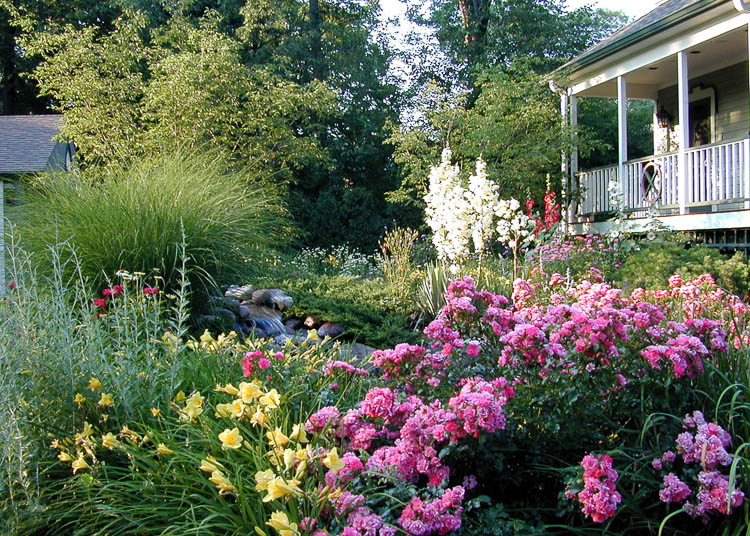
Perennials are plants that return year after year with little required care. These “forever” plants are often used to highlight the seasons as different varieties typically provide color for four to six weeks when in bloom. Woven together, they can form a tapestry of color.
“Perennials such as coneflowers, bee balm, catmint, and astilbe found in Midwest lake home regions provide easy care with long seasonal color displays,” says Peter. “They are perfect for those weekend staycation days meant for relaxing at the water’s edge and not toiling in the garden.”
Other easy-to-grow perennials include Shasta daisies, black-eyed Susan, yarrow, hardy hibiscus, aster, Siberian iris, daylilies, hostas, and moss phlox. When designing your lake home garden, be sure to plant a mix of varieties that will flower at different times of the year to ensure a continuous burst of blooms. If you’re unsure of what to plant, ask a gardening professional to recommend perennials—and annuals—that will thrive in your garden zone.
“Native plants thrive in their natural environment—the region’s climate and soil conditions—and therefore require little care and watering,” says Peter. The U.S. Forest Service defines native plants as: “All indigenous terrestrial and aquatic species that evolved and occur naturally in a particular region, ecosystem, and habitat.” Life forms include hardwood trees, conifer trees, shrubs, grasses, wildflowers, and others. Generally, native North American species are recognized as those appearing on the continent prior to European settlement.
“Native plants in the Midwestern region such as blazing star, false indigo, and blue star can attract birds and butterflies common to the area, adding movement and activity to the lake home lifestyle,” Peter adds.
These plants also create beautiful landscapes, promote biodiversity, and offer many environmental benefits, making them essential for lake home gardens. Large swaths of native plantings also provide habitat for wildlife such as foxes, rabbits, and other small mammals. For a list of native plants in your region, visit PlantNative.
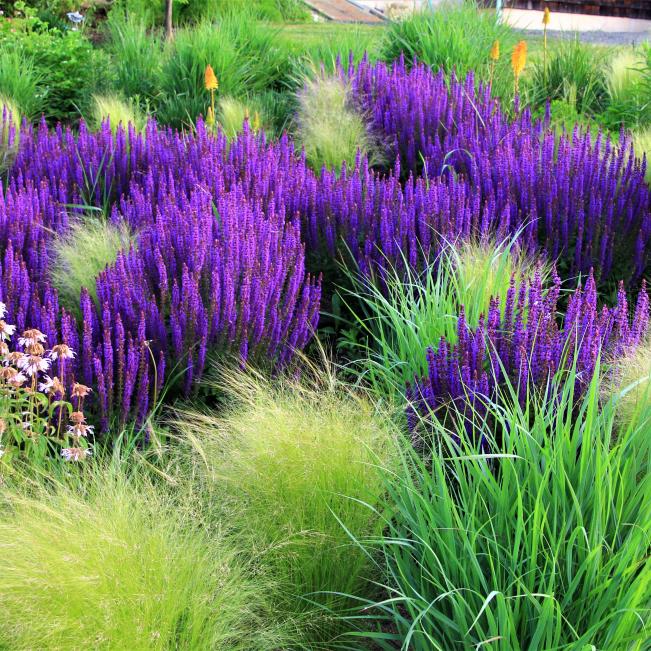
Ornamental grasses bring a dynamic element to your lakeside environment. They sway gracefully with the breeze, color the landscape, and provide beautiful visual interest even in winter. There are many types and sizes of ornamental grasses that can punctuate your exterior spaces with tall plumes or large, vibrant masses low to the ground.
“One type of tall grass ideal for screening out unpleasant views is maiden grass,” says Peter. “Varieties such as ‘Purpurascens’ (flame grass) begin to flower in late summer and retain their showy plumes through winter. It begins to turn red in late summer, changing to a striking orange-red in fall,” he explains. Prairie dropseed is another outstanding ornamental grass that reaches a height of nearly two feet. Airy seed heads appear in late summer and dramatically capture the morning sunlight as it peeks over the water. It can be used in large masses or interspersed with perennials to provide contrasting foliage. To find the best options for sun and shade, visit HGTV.
Raised Beds
Photo courtesy of Hortus, Ltd./P. Allen Smith via HGTV
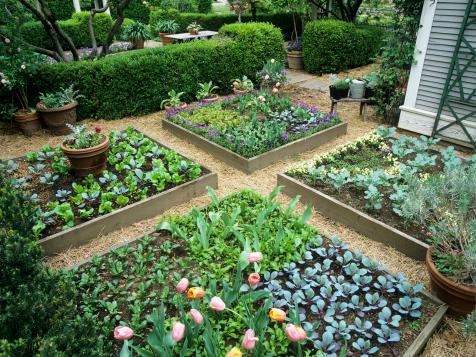
Raised beds are typically used to grow annual flowers and vegetable gardening. They help prevent overwatering and allow the plants to perform their best. Combined with a permaculture technique of using logs and wood chips at the bottom of the raised bed, proper soil moisture is much easier to maintain. As the logs decompose, they act as a sponge soaking up excess moisture and releasing it when the plants need it. This makes the task of daily watering unnecessary and provides peace of mind when you’re out of town or occupied with friends and family.
“Raised beds typically warm up quicker, giving lake homeowners a jump on the season,” explains Peter. “They also deter slugs and snails, making pest management easier as well,” he adds. By merely adding fresh compost and not tilling the soil every year, weeds are suppressed, freeing up time to enjoy life while still reaping a harvest of fresh vegetables and flowers. For more information, visit HGTV.
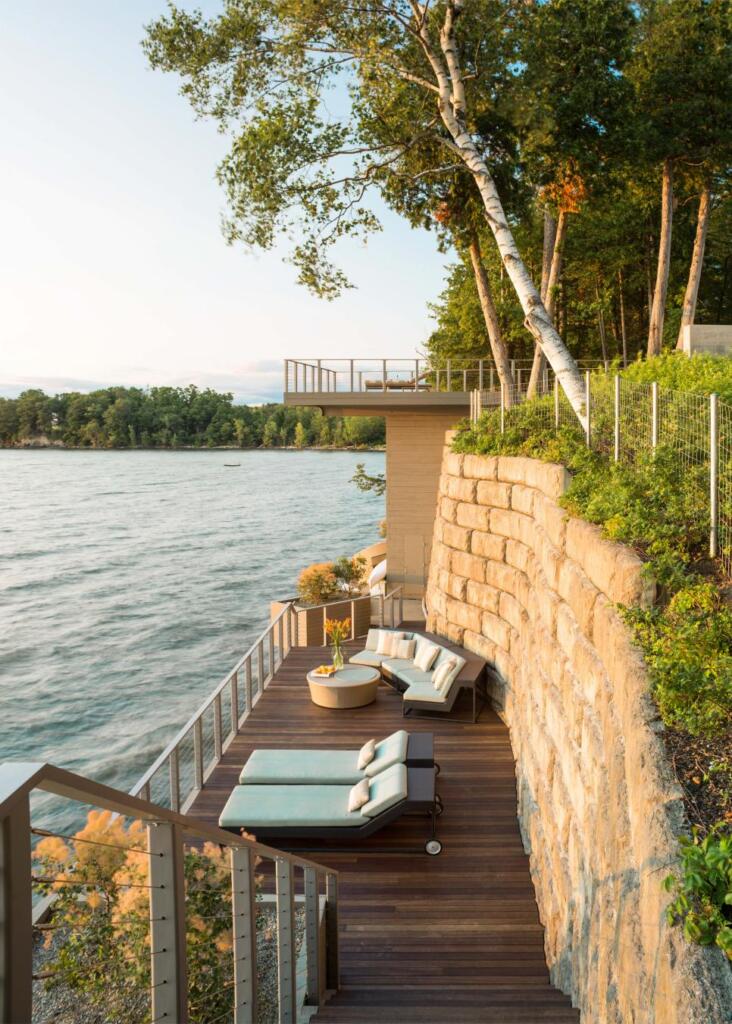
One of the most compelling elements of any lake home is the view. When properly placed, an outdoor terrace provides a setting for daily activities while capturing that all-important vista.
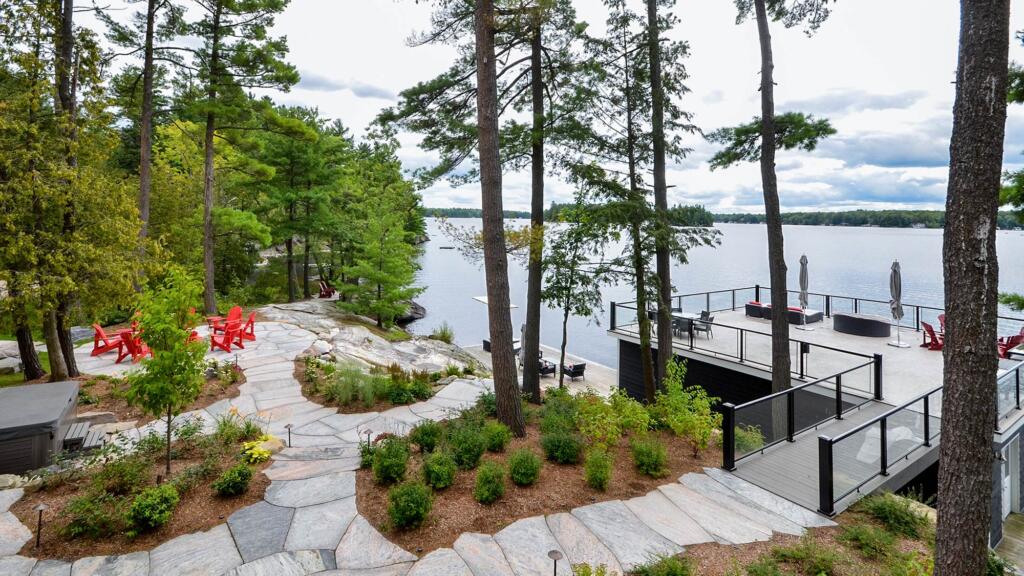
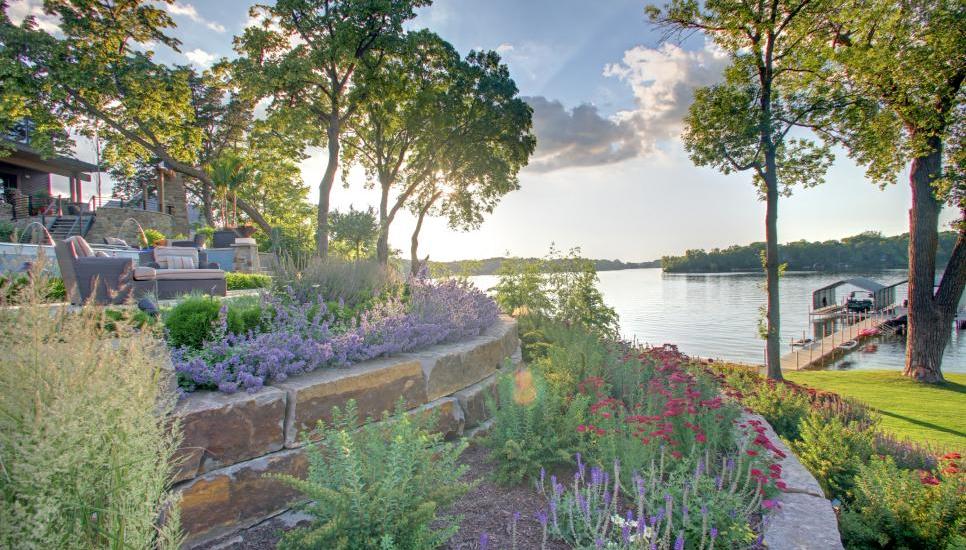
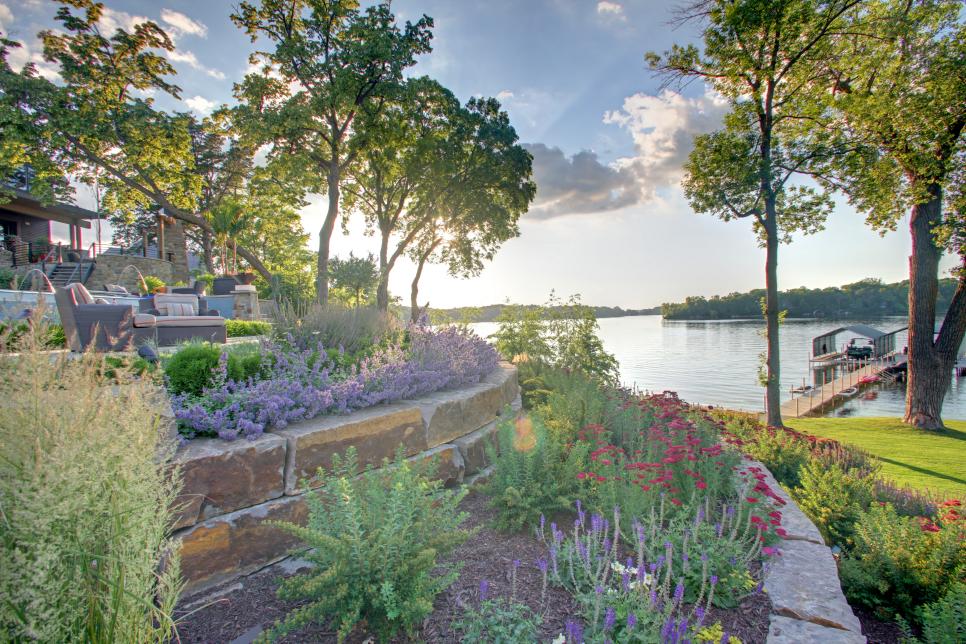
Lake homes are typically situated on a sloped lot, with the terrain angled towards the water. This can be used to the homeowner’s advantage to create a beautiful backyard terrace. Nestling the terrace into the hill can be done using a retaining wall of natural stone or other material, which will hold back the slope while also creating the opportunity to incorporate a seating area directed toward the water.
“Constructing the walls of locally sourced materials such as granite boulders or outcrop stone can help tie the area to its natural surroundings, making it feel at home in the landscape,” Peter explains. “You can reiterate this look in the materials chosen for your terrace surface as well. Large irregular flagstone pieces lend a casual lake house vibe, while patterned stone such as bluestone creates a more formal aesthetic,” he notes.
Nothing says relax more than a pair of Adirondack or lounge chairs looking out over the water. Having some moveable seating allows you to capture that perfect sun and water angle throughout the day, and incorporating a fire pit into your terrace extends the entertainment possibilities into the night. Bringing the elements of fire and water together make for a great gathering spot for friends and family. For more techniques on terracing, talk to a landscape professional.
Many shoreline properties are sloped towards the lake and require thoughtful solutions to avoid erosion. Plants play an essential role in stabilizing the sloped areas by setting down deep roots. These plants work together to hold soil in place.
“Plants such as Siberian Iris, fox sedge, and Joe Pye weed are valuable plants used to prevent soil erosion and add color to the landscape,” says Peter. “The Iris variety Caesar’s Brother blooms from late spring to early summer and has graceful grass-like foliage. Fox sedge is very adaptable and has a spray of bronze seed heads in late summer, creating a beautiful display,” he adds.
For more information, visit Solitude Lake Management, or contact your lake management professional to help determine the best plant species for your area.
Ready to start a gardening project at your lake home? Get growing, enjoy, and share your results with us!