The war between Russia and Ukraine may be a good distance away, but it affects the American real estate market more than you think. Lake Homes Realty’s CEO, Glenn Phillips, shares how could affect your real estate transaction.
Crisis Fatigue: From the pandemic to inflation to the war, all of these back-to-back crises can start to weigh on everyone. This can encourage buyers to buy more lake homes as a way to relax and ‘get away’ for a while.
Life is Short: With everything going on, people are realizing now more than ever that life is short. Why push off buying your dream lake home when the future is not always promised?
Inflation: An overall rise in prices has been taking the country by storm, and the Russian/Ukraine war will only further expedite this. This could deter buyers from buying, and encourage sellers to sell in order to avoid unnecessary costs.
It can be jarring to know that something happening across the world can directly affect the lake real estate market right here in America. Staying informed will help you navigate the market as it adapts to fit in today’s world!
After everything we’ve been through these past couple of years, we could all use a fresh start—and so could our homes. Just as personal rejuvenation is therapeutic for mind, body, and soul, so is it for the dwellings we live in. If your lake home could use a little pick-me-up, here are some simple upkeep tips that pack a powerful punch and make your rooms look and feel renewed.
We all dread household chores but love the feeling and satisfaction we get from a clean home. After all, it makes no sense to spend a fortune on our homes and all the furnishings if we don’t keep them clean. The payoff is well worth it, so let’s face it—we can’t avoid this unpleasant task. But it doesn’t have to be as unbearable as you think if you plan ahead and implement some handy gadgets that make cleaning a breeze.
Consider investing in hi-tech housekeeping tools such as a robot vacuum, a carpet spot cleaner, and an electric mop to make tasks go quicker and seem virtually effortless. Keeping floors, furniture, baseboards, ceiling fans, and surfaces dirt and dust-free—and washing windows regularly—makes all the difference in the world in how you and others perceive the look and feel of your home. Plus, if you keep things clean regularly, you won’t have to put as much effort into it each time.
Also, make a schedule and stick to it. Break up chores in simple, easy-to-digest increments, so they won’t be such a pain and take up an entire day. If you’re not doing it all yourself, make it a family project and delegate jobs each week. For truly huge tasks, don’t be afraid to call in a professional.
Removing visual clutter from your life is a beautiful way to keep your home looking smart, stylish, and organized. Also, as many of us are downsizing to smaller places these days, it’s the perfect time to take inventory of our belongings and get rid of things we no longer want in our lives. The minimalist look continues to trend today—so less is more.
In the kitchen especially, keep countertop clutter to a minimum and arrange the daily objects you use efficiently and within easy reach. Group items on trays and in canisters to keep things looking clean and orderly. Don’t forget to edit and arrange your pantry, cabinets, and drawers neatly—even though their contents are hidden from sight. Most of us accumulate clutter in those very places, including our closets, and later dread the thought of clearing them out.
We all know how difficult it is to part with our personal possessions, so be mindful and practical about the process. Consider gifting or donating things you no longer need—or have a yard sale. Without all that baggage, we tend to feel lighter, freer, and more at peace in our surroundings.
Our lake homes are our sanctuaries, so make it a priority to maintain what you already have. Keep your beloved rugs and plush carpets clean and odor-free, replace any worn rugs, patch holes in the wall, polish bathroom and kitchen fixtures, replace cracked tiles, and regularly clean grout on all your tile surfaces. If your rooms look tired and outdated, give them a fresh facelift with new fixtures, hardware, and lighting.
Don’t forget to maintain your lake home’s exterior features as well. For example, clean your gutters to direct water away from your house, seal your driveway to prevent cracks and preserve your pavement, and touch up your home’s exterior paint if you notice any chipping or peeling.
By keeping up with these essential maintenance tips, you can avoid living in a house that looks and feels neglected and instead enjoy a well-dressed home that feels fresh, clean, and cared for.
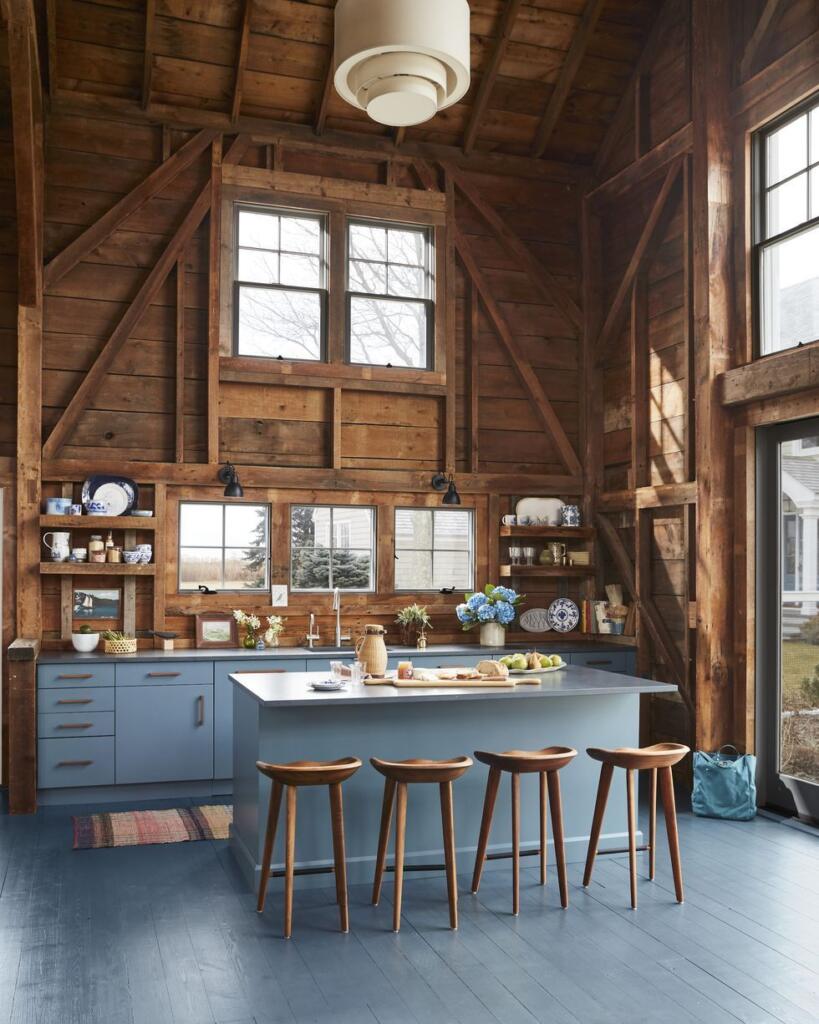
There is nothing like a fresh coat of paint to change the complexion of any room. So don’t be afraid to introduce a splash of color to your kitchen with painted cabinetry, an island base, or even your wooden floors. Paint will instantly transform your rooms and dramatically change the mood with a simple color change.
If your bright white walls look sad and dull, there’s no better way to revive them than with a brilliant new coat of your favorite hue. To create an eye-catching focal point, consider painting an accent wall in a darker, more richly pigmented tone that will make a striking contrast to the adjacent walls while still complementing the style of your interior.
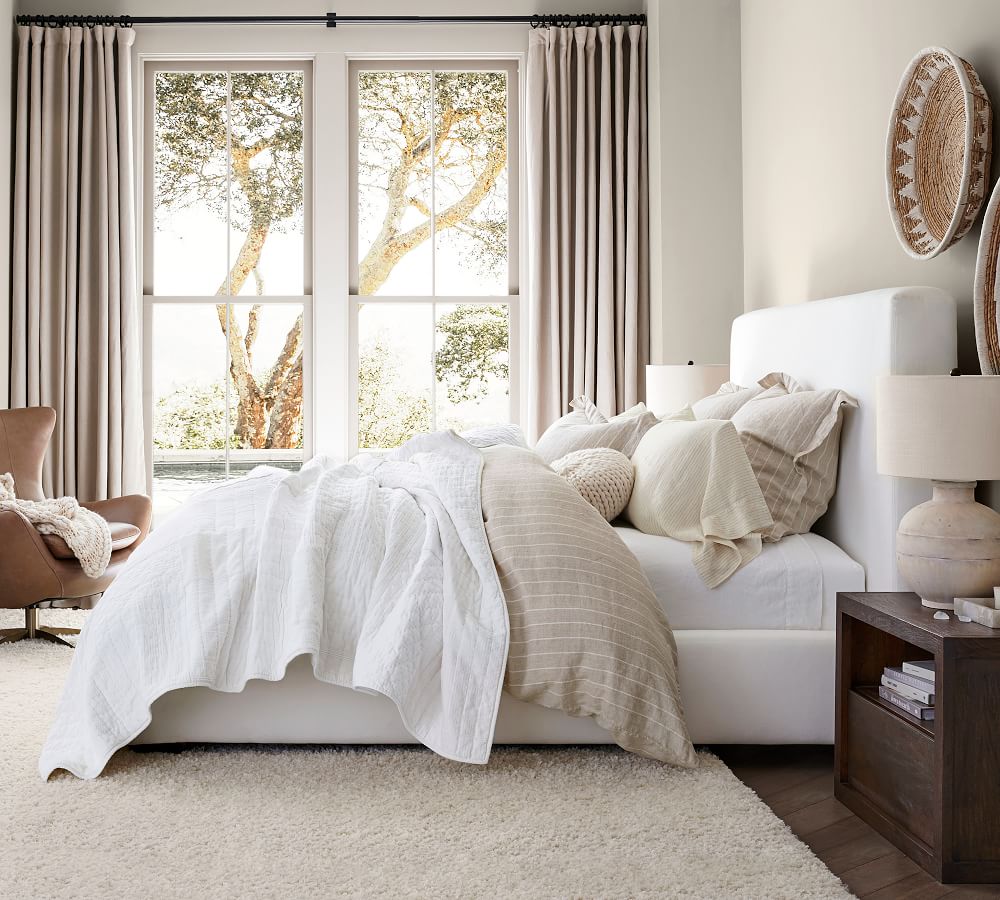
Let’s confess, we all have them—flattened pillows, ratty towels, and old worn-out sheets that are either stained or torn. And the sad truth is, nothing makes bedrooms and bathrooms look more unkempt than having these less-than-luxurious items in plain view. However, you can elevate your spaces instantly simply by replacing them with plush, luxurious bed linens, fluffy towels and bathmats, and plump new pillows—either down-filled or a down alternative. Also, consider using two duvets to get a more sumptuous plumped-up look. You can stuff two duvets into one duvet cover or simply layer them one on top of the other over your bed.
For more tips on how to freshen up and rejuvenate your home, click here. From all of us at Lake Homes Lifestyles—here’s to a beautifully renewed 2022!
Buying a foreclosed home may sound like a great idea in theory, but the process may not turn out the way you expected. Lake Homes Realty’s CEO, Glenn Phillips, busts three myths about lake home foreclosures to help settle your expectations.
You can “Get a Deal”: With the market at an all-time high, foreclosed homes won’t be selling as low as they would if the market was down. Banks may even turn a profit after listing a foreclosed home because of the demand for property.
Foreclosures are Up!: Foreclosures may be common in other real estate sectors, but it’s rare to see them at the lake. The general population that owns lake homes is older and more financially stable.
Banks Will Discount Foreclosures: Again the demand for lake property is so high right now, that banks don’t need to discount foreclosed homes. The home market is not crashing, and as we mentioned, banks could likely make a profit off the homes they have in their possession.
You know what they say: if it sounds too good to be true, it’s usually because it is. Before you begin your lake home foreclosure search, you need to know the truth about these properties!
Buying a lake home is a big commitment, so you have to be sure the timing is right. Lake Homes Realty’s CEO, Glenn Phillips, shares 4 reasons why you may want to postpone purchasing your dream lake home.
Peak-ish Prices: We are still at the peak of the real estate market. Because of the high demand/ low supply of homes and growing interest rates, now may not be the best time to invest in a home.
Patience Required: Competition for lake homes is at an all-time high which will make it difficult for you to get the home of your dreams. It may be best to avoid the hassle of waiting for the perfect property until demand starts to slow.
Time: Taking on a new lake home is exciting, but it doesn’t come without its maintenance. If you don’t have the time to go between two homes, travel to and from the lake, and do general upkeep, now may not be the time to take on the responsibility.
Chapter of Life: Before you buy, it’s important to assess what chapter of life you are in. Are you ready for a change in pace and to relax by the lake, or are you still heavily involved in your job and other time-consuming activities?
‘Not now’ doesn’t mean ‘Not ever’. Wait to buy your dream home until the market is right, and you feel ready to take on the long-term commitment of lake living. You’ll find that the perfect home is worth the wait!
With high demand and low supply, selling your lake home might seem like the right move, but is it? Lake Homes Realty’s CEO, Glenn Phillips, gives reasons why you may want to reconsider letting go of your lake property now.
Lake Life Matters: If you love the lake lifestyle, life is too short not to enjoy it. Spend time making memories on the lake of your dreams.
Where Do We Go?: When your lake home is your primary residence, it can be daunting to find a new place to live. It could mean it’s time to make your lake home, your permanent home.
Money Does Not Matter: Even though we are currently in a seller’s market, if you’re in a stable financial situation, the money may not matter. The value of life at the lake may overshine the money you’d make from your home now.
Don’t let the lake life you love pass you by if you’re not ready to let it go. Take some time to enjoy your lake home before you put it on the market!
You need to be sure that the home you choose is on a lake that allows you to have the lake lifestyle of your dreams. Lake Homes Realty’s CEO, Glenn Phillips, explains why choosing a lake expert is so beneficial for a buyer.
Unlike Other Property: Lake real estate is a specialized market. Agents that only focus on primary residence homes lack critical lake knowledge that only a lake expert would have.
Regulations: To live your preferred lake lifestyle, you need an agent who can tell you the rules and regulations of the water. Owning a property doesn’t automatically give you the right to make changes or engage in certain lake activities. The rules also vary from lake to lake.
Lake Behavior: A lake’s water level can depend on the season or even the time of day. A lake expert can detail the behaviors of your preferred lake so that you aren’t surprised after you buy.
Zoning and Restrictions: While many lakes have regulations for residents to follow, there may be so parts of a lake that don’t have to follow the same rules. You’ll need an expert from that lake who can show you homes that follow or bypass these restrictions.
Don’t settle for a real estate agent who is unfamiliar with your lake of choice. Working with a lake expert will make all the difference to your buying experience!
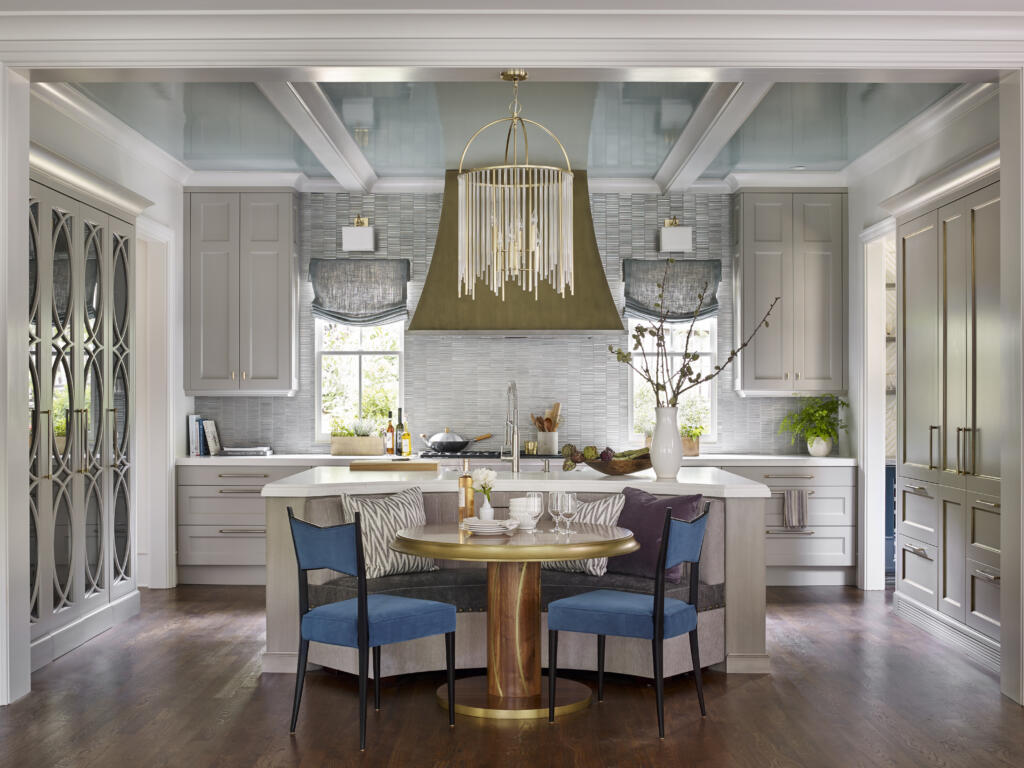
If your lake home kitchen is begging for a refresh this year, read on and enjoy. Today, we’ve tapped into top talent Matthew Quinn, a leading expert in kitchen, bath, and product design, to get his take on what’s hot in 2022.
Author of Volumes One and Two of his book series, Quintessential Kitchens and Quintessential Kitchens and Spaces, Matthew is a principal of the Atlanta and Nashville-based Design Galleria Kitchen and Bath Studio and founder of the Matthew Quinn Collection, a luxury kitchen, bath, and architectural hardware showroom that blends the best of today’s products with his own expanding lines of kitchen, bath, and closet product designs.
The recipient of numerous national design awards, Matthew’s designs have been published in magazines and books, including House Beautiful, Architectural Digest, Traditional Home, Elle Décor, Atlanta Homes & Lifestyles, Luxe, and Veranda.
Matthew is also a passionate lake homeowner who knows first-hand what it takes to create fresh, functional, and beautiful spaces that make lake living a breeze—especially in the kitchen. Here are his top 7 kitchen trends for 2022.
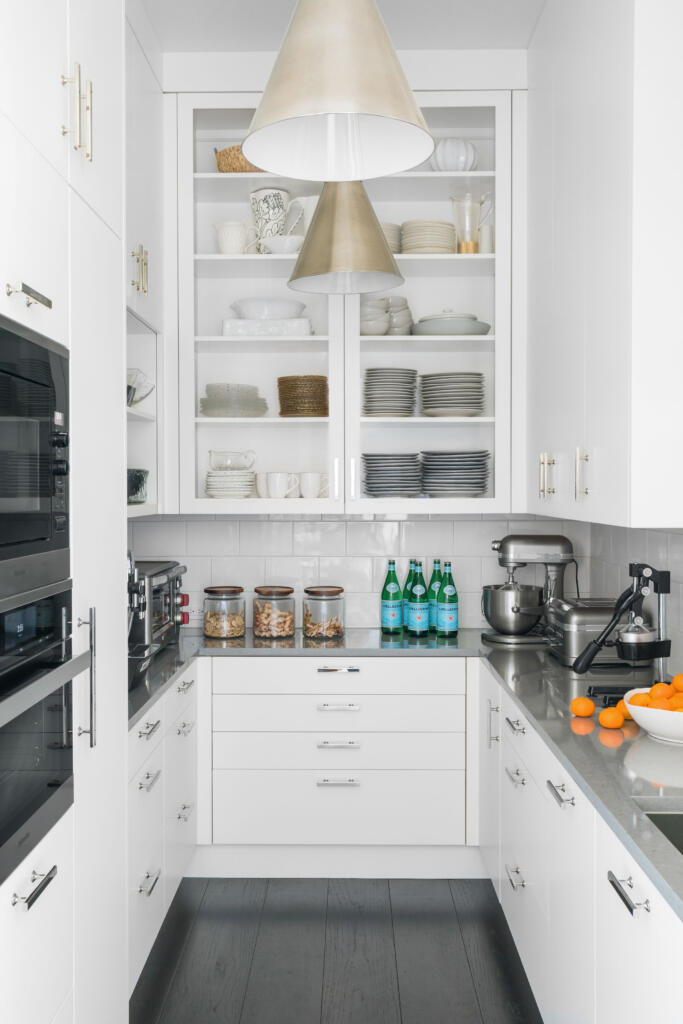
“A larger version of the walk-in pantry, these hardworking spaces feature deep countertops for all the small appliances that can be plugged in and used right there,” explains Matthew. “A sink, microwave, and sometimes an additional oven and refrigerator are popular add-ons for this highly functional and versatile kitchen space,” he adds. “These are especially perfect for lake houses, so your coffee maker, toaster, and other self-serve items are easily accessible and out of the way of the chef making pancakes in the main kitchen area.”
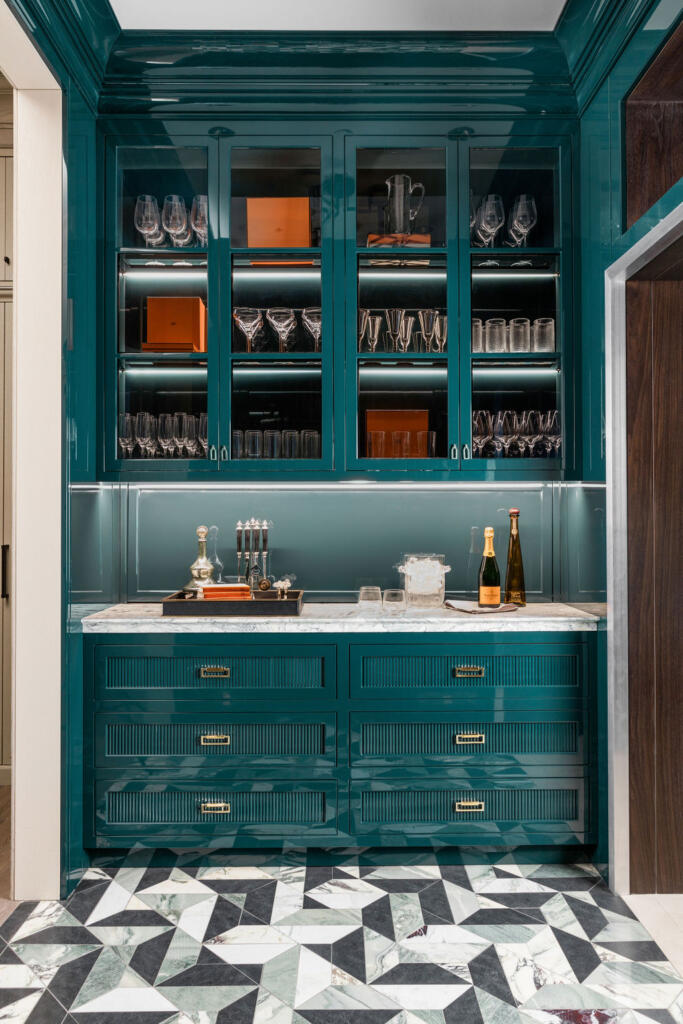
For this sleek working pantry, Matthew used dark ebony flooring against contrasting glossy white cabinetry and contemporary pendant lights overhead. Glass-front cabinets showcase beautiful dishware and serving pieces that connect to the overall color palette.
“When designing or renovating your kitchen, keep in mind that all the features of a traditional city kitchen can easily be translated to the comforts of your lake home,” notes Matthew.
Handmade Tile Backsplashes
Matthew Quinn’s lake house kitchen. Photo courtesy of Emily Followill
“I love the perfect-imperfect aesthetic of handmade tile,” says Matthew. “The more uneven edges and undulating surfaces, the better,” he adds. “This look is especially ideal if you’re wanting a relaxed yet sophisticated lake home vibe.”
Create unique looks to suit any taste using oversized rectangles or even 4-inch square tiles. Depending on your style, you can incorporate a wide range of complementary hues to design eye-catching patterns or simply select one color for harmonious continuity.
“I love using a honed countertop with a glossy handmade tile and letting candlelight reflect on the tile—similar to what you see when the moon reflects on the water,” sums Matthew.
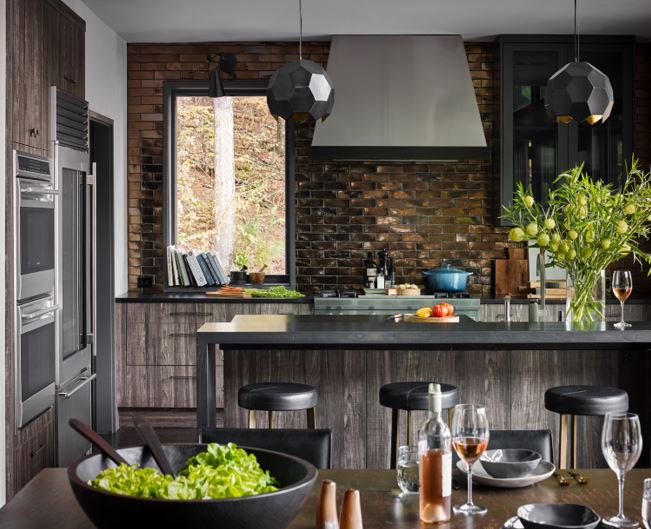
“Antique finishes are warm, inviting, and casual,” says Matthew, “and they also represent a relaxed lifestyle. You can even mix them with more lustrous contemporary surfaces to introduce a charming vintage feel in your kitchen,” he notes.
Here, an otherwise modern kitchen gets a hint of antique-like patina via a brass-topped pub-style table that connects visually to an antique brass and stainless-steel hood over the stovetop. “Lake homes are all about entertaining with effortless ease,” says Matthew. “When you’re at the lake, having to maintain or worry about polished finishes should not be a priority or an item on your to-do list,” he laughs.
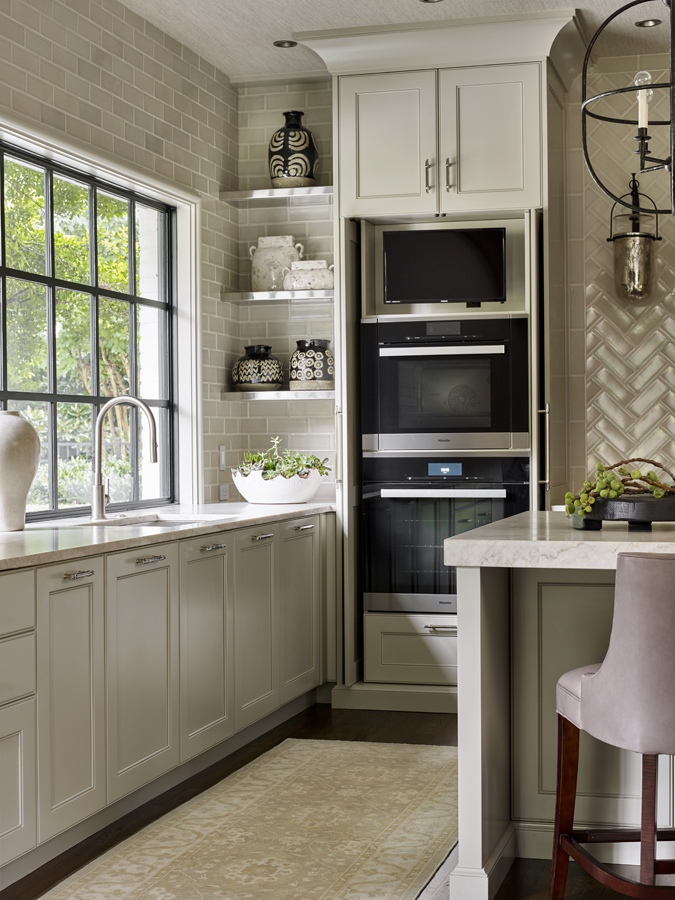
“Microwaves are becoming a thing of the past,” says Matthew. “These days, single-serve coffeemakers are the norm, so there is no reason to reheat coffee—and popcorn is mostly bought in bags in the chips aisle,” he adds. “Enter steam ovens. This innovative appliance will reheat your food as if you just made it fresh and cook just about anything else perfectly with healthier results,” he adds.
Steam ovens maintain more nutrients in your food, cook more evenly, and eliminate the need for oil. They look just as sleek as other built-ins, so no worries that your steam oven will appear cumbersome, even in a smaller lake home. And if you still insist on having a microwave, simply stack both for an elegant, uniform look that will bring more versatility to your kitchen.
“Vertical and horizontal wall planking has been the rage for many years—especially in lake houses,” says Matthew. “Now, designers are pushing the envelope with cabinetry, walls, and entire rooms outfitted in fluted, ribbed, and square-beaded facings. It looks amazing—like these high-gloss fluted butler’s pantry cabinets. But be careful with fluted or ribbed walls, as art can be difficult to hang,” he cautions.
“I have never before seen technology in lighting move so quickly,” says Matthew. “LED strips and accent lighting are becoming smaller and smaller, making the source of the light almost unnoticeable. We are installing them everywhere—under each stair tread, under the toe-kicks of bathroom cabinets, under beds for night lights with motion sensors that turn on when you get out of bed, and, of course, in ceilings, outdoor kitchens, and open shelves,” he sums.
These high-tech lights offer lake homeowners endless opportunities to install wherever you like—especially in the kitchen. Here, soft and subtle cabinet lighting illuminates wine bottles and barware, creating a dazzling focal point when entertaining family and guests.
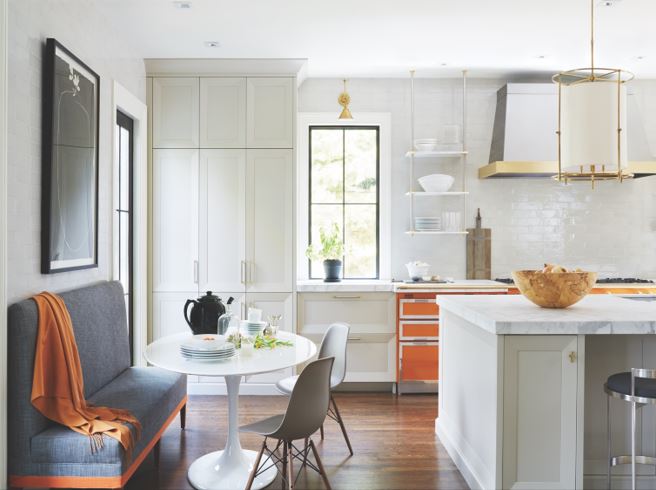
“At no time in my career have I seen such enthusiasm to use lots of color in the kitchen—from cabinets to ranges to countertops,” says Matthew. “Although white will always be classic, it is now considered too safe. Clients are wanting to make this highly visible and most-used space all about their personalities and not about the marketability of selling the house later. And at the lake, there is no better inspiration for color than looking out the window to all the colors outside,” he adds.
For this kitchen, orange is the superstar, even though used sparingly. Just small pops of vibrant color—a La Cornue range, orange throw, and orange-trimmed upholstered banquette—are all it takes to create dynamic visual impact and personalize this most beloved space.
If you’re interested in working with Matthew on your own dream kitchen, click here. From all of us at Lake Homes, here’s wishing you a blissful 2022 at the lake—cheers!
The rules of real estate are difficult enough to grasp, but the rules of lake real estate can get even trickier. Lake Homes Realty’s CEO, Glenn Phillips, shares why you need a lake expert, and how to tell if your agent meets the criteria of one.
History: Having general real estate knowledge is valuable, but the lake real estate market is a specific market that only lake experts can successfully navigate.
Water knowledge: Water levels can be affected by a variety of causes such as seasonal conditions, flood preparations, and location. It’s imperative that your lake agent is able to break down the habits of your prospective lake.
Regulations Knowledge: Regulations vary by lake and can have specific restrictions regarding motor crafts, dock additions, and other water activities. Rules like these should be communicated thoroughly by your agent before you make the commitment to live on a lake.
Generic Out-of-Area Marketing: Question if an agent lumps in lake listings with other generic real estate properties when marketing homes. Lake real estate is a unique market, and true lake experts take the extra step to ensure lake properties are reaching a targeted demographic, similarly to the Lake Homes website.
Dismisses Differences: Again, the rules of the lake real estate market set it apart from other generic property transactions. If your agent dismisses fundamental differences within this market, it’s a clear sign they are not a lake expert.
There are so many moving parts when you enter the lake real estate market. The only way to make the most out of your investment, as a buyer or seller, is by ensuring your agent is a lake expert!
To understand lake real estate, you have to realize that it’s in a class of its own with rules specific to the market. Lake Homes Realty’s CEO, Glenn Phillips, shares why you need a lake expert to help you navigate the world of lake real estate.
Specialty Property: Your home is unique and requires an agent knowledgeable in the lake market to help you sell it.
Remote Buyers: Out-of-state buyers make up a large portion of potential prospects. With this in mind, it’s essential that your agent is comfortable engaging with and bringing in those remote buyers.
Thinks Long-Term: A lake home is a discretionary product, which can make purchasing one a lengthy process. To combat this, a good lake-expert agent will already have a pipeline of interested buyers with whom they have developed long-term relationships.
Local is Not Enough: Most of the time your buyer pool won’t include your neighbors on the lake. You need an agent who has experience marketing lake homes nationally.
Lake real estate varies from the typical commercial market in a lot of ways. To stay on top of the lake market, be sure to find a lake expert agent to help you sell your home!