

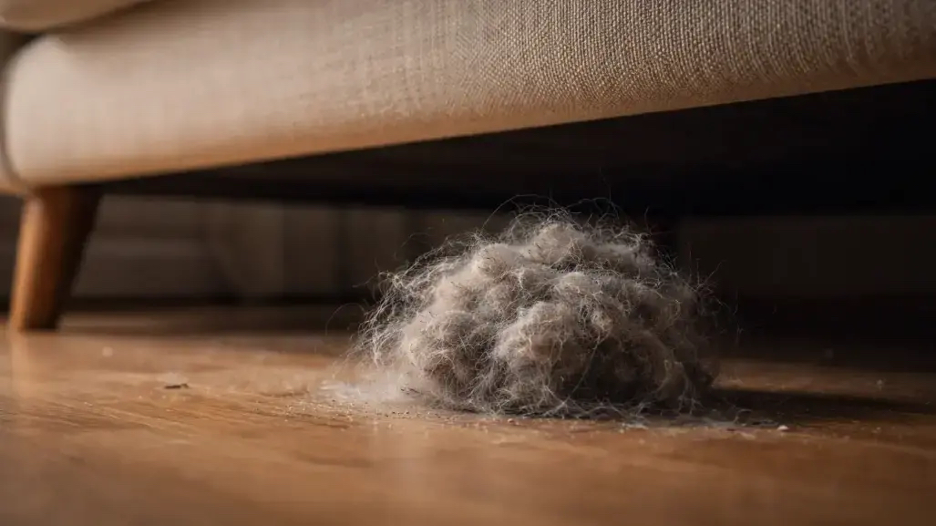
Dust seems harmless enough—a soft veil across a windowsill, a fine scatter on sunlit floors—but in the context of a well-kept lake home, it quickly becomes a persistent and unwelcome presence. Household dust is not a singular substance but a constantly shifting mixture of the everyday: soil tracked in from shoreline paths, pollen drifting off surrounding trees, textile fibers, pet dander, microscopic debris, and even airborne pollutants carried across open water. In lake environments, this blend is often amplified by humidity, seasonal winds, and increased indoor-outdoor movement. The result is a fine layer that settles everywhere—from wood beams and stone fireplaces to upholstered seating and breezy linen drapes.
A critical principle often overlooked is that dust doesn’t stay put—it travels downward. As you clean, particles fall from higher surfaces to lower ones, which is why a top-to-bottom approach is essential. Start with ceiling fans and light fixtures, then move to crown molding, shelves, and furniture before finishing with baseboards and floors. This simple order prevents you from redistributing dust and having to repeat your work.
For lake homeowners across the U.S., eliminating dust is less about chasing perfection and more about controlling accumulation through smart systems and material choices. A well-managed home should feel clean without constant effort, particularly in properties designed for relaxation and retreat. The key lies in understanding how dust enters, where it settles, and how regional conditions affect its behavior. The following six strategies focus on high-impact areas of the home where dust collects most—and how to address them with intention.
Air Vents and Registers
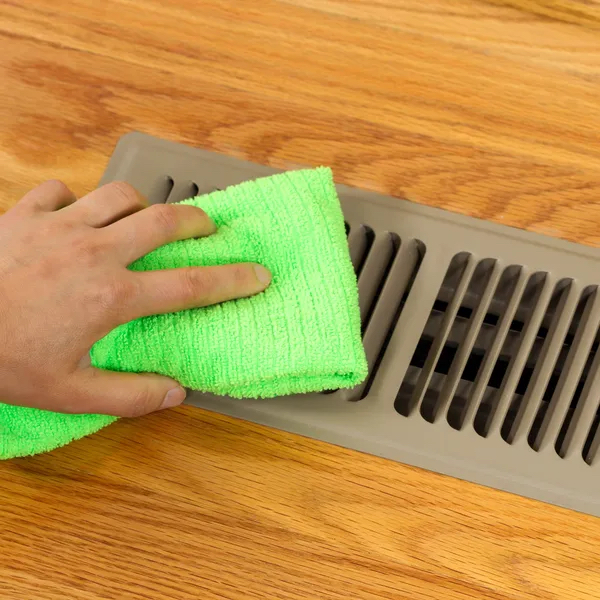
Concept: Remove buildup at the source of air circulation.
Why it matters: Vents quietly distribute dust throughout the home if neglected. In lake properties—often closed for stretches—dust can accumulate thickly and recirculate once systems restart.
What you need: A portable vacuum with a round brush attachment, a ladder, and a damp natural-fiber cloth (such as cotton or bamboo). For deeper cleaning, use a screwdriver to remove vent covers.
Vacuum surface dust thoroughly, then follow with a damp wipe to capture remaining residue. Periodically removing the vent cover allows you to clear hidden buildup just inside the duct. Prioritize floor-level vents last, as dust will settle downward during cleaning.
Key regions: Upper East, Northern Great Lakes, and Mid-Atlantic—where seasonal closures and HVAC reliance are common.
Ceiling Fans and Overhead Surfaces
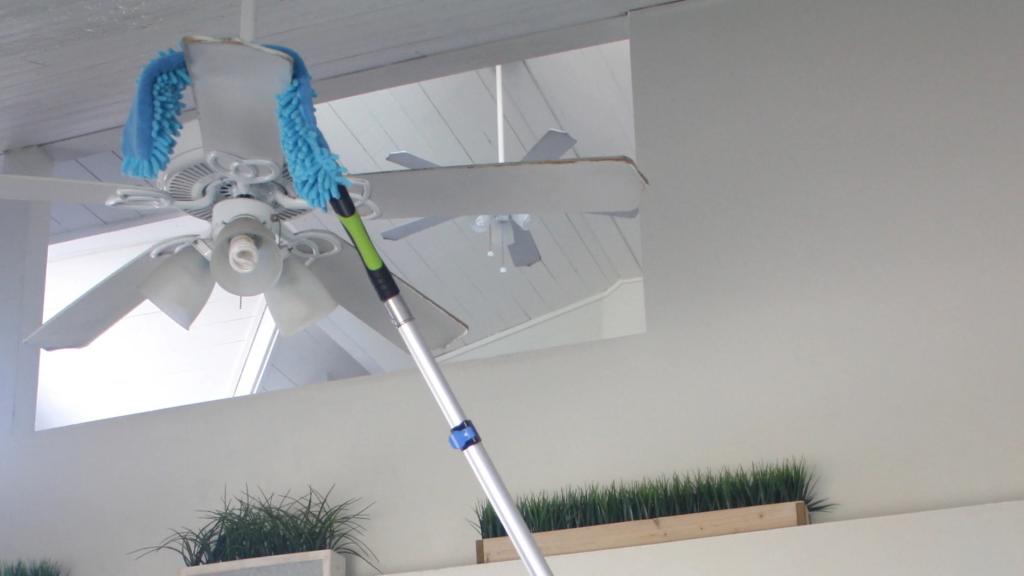
Concept: Address elevated dust zones that redistribute particles.
Why it matters: Ceiling fans are among the most efficient dust dispersers when left uncleaned, especially in open-concept lake homes with vaulted ceilings.
What you need: A sturdy ladder, damp microfiber or natural-fiber cloths, and an extendable dusting tool for interim upkeep.
Wipe each blade with a slightly damp cloth to trap dust rather than push it into the air. Avoid feather dusters, which tend to scatter particles. Regular maintenance prevents buildup from becoming airborne every time the fan is switched on.
Key regions: Southeast and Texas lake regions, where ceiling fans run frequently due to heat and humidity.
Fabric-Covered Architectural Details & Accents
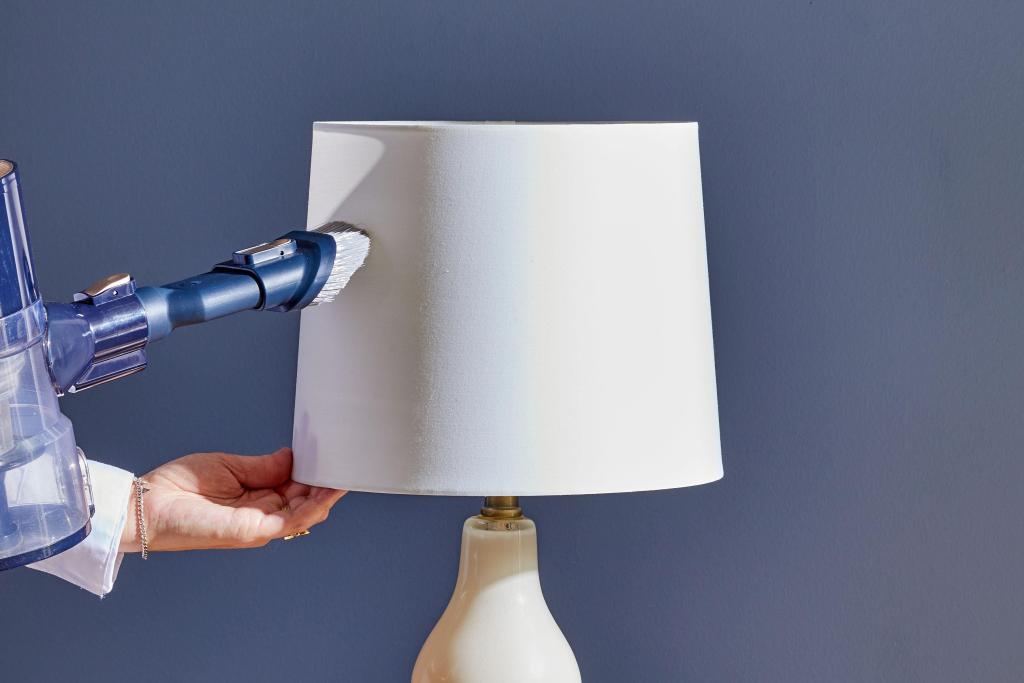
Concept: Treat textured surfaces like curtain cornices, lamp shades, and headboards prone to dust buildup and compaction.
Why it matters: These elements are often overlooked but act as dust magnets due to their fabric composition and vertical placement. In lake homes with ample natural light, they’re also highly visible.
What you need: A vacuum with a soft brush attachment and a damp cloth for follow-up.
Begin by vacuuming gently to lift dust from the surface without embedding it further. Then wipe lightly with a damp cloth to remove residual particles. For carved or detailed pieces, use a small brush designed to reach crevices.
Key regions: Pacific Northwest and California lake regions, where layered textures and soft, coastal-inspired interiors are common.
Window Treatments and Surroundings
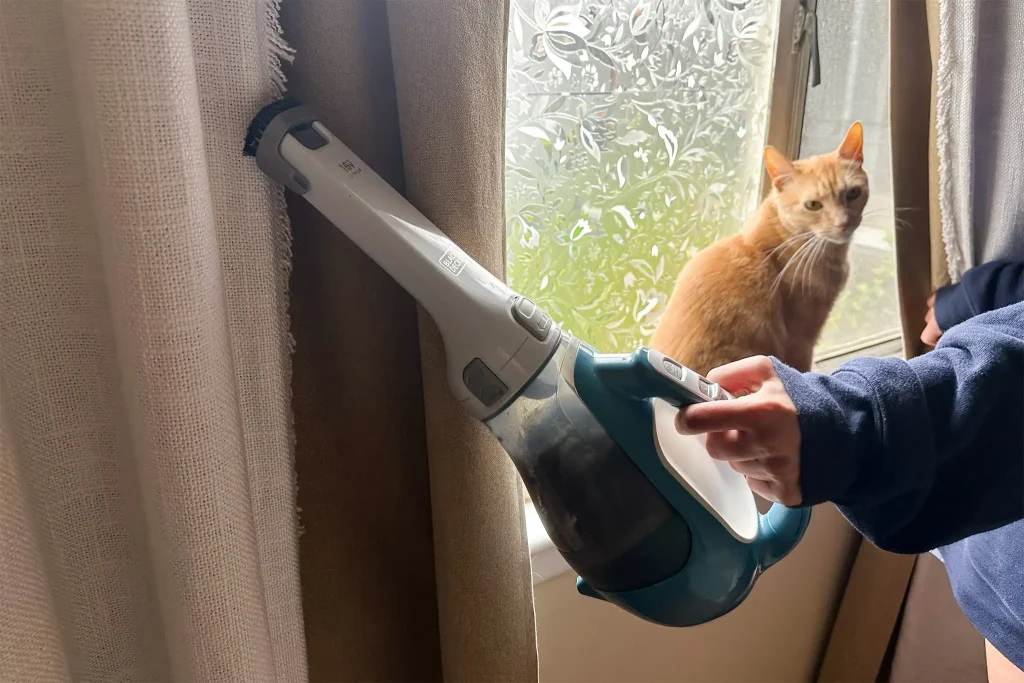
Concept: Clean high-contact zones where air and light meet.
Why it matters: Open windows invite fresh air—but also pollen, lake moisture, and fine debris that settle into blinds, curtains, and valances.
What you need: A canister vacuum with a soft-brush attachment and a lint-free cloth; for wood blinds, a wood-safe polish.
Vacuum thoroughly, paying attention to folds, edges, and the tops of treatments where dust accumulates unnoticed. Follow with a cloth wipe to remove lingering particles. Wood blinds benefit from a light polish applied to the cloth rather than directly to the surface.
Key regions: Southeast, Mid-Atlantic, and California—where indoor-outdoor living encourages frequent window use.
Wood Furniture and Hard Surfaces

Concept: Maintain surfaces that show dust most visibly.
Why it matters: Wood tables, shelving, and built-ins are central to lake home design, but their flat surfaces highlight even the finest layer of dust.
What you need: Soft cloths, a diluted gentle cleaner, and a small amount of natural oil for conditioning.
Wipe surfaces regularly with a barely damp cloth to collect dust without streaking. Occasional use of a mild, diluted cleaner helps remove residue buildup. To maintain the integrity of the wood, a minimal application of natural oil can restore luster and prevent drying.
Best regions: Northern Great Lakes and Upper East, where wood interiors and cabin-style architecture are prevalent.
Upholstery, Cushions, and Soft Furnishings
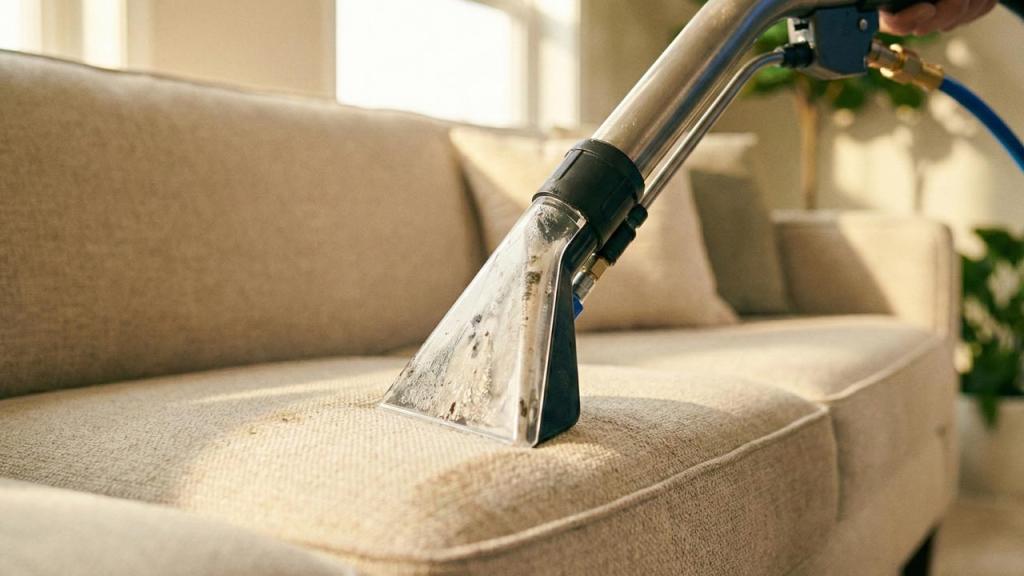
Concept: Eliminate embedded dust within high-use areas.
Why it matters: Sofas, chairs, and cushions trap dust deep within fibers, releasing it with everyday use. In lake homes, where relaxation is central, these surfaces see constant activity.
What you need: A vacuum with upholstery and crevice tools, and optionally a steam cleaner.
Remove cushions and vacuum thoroughly, including seams and hidden areas beneath. Taking cushions outdoors and gently shaking or beating them helps dislodge deeply embedded dust. For a more complete refresh, periodic steam cleaning restores both cleanliness and texture.
Key regions: Southwest (Texas), Southeast, and Mid-Atlantic—where dust and humidity combine to settle into fabrics quickly.
Managing dust in a lake home requires a shift in perspective—from reactive cleaning to targeted intervention. By focusing on the areas where dust naturally gathers—air systems, elevated surfaces, textiles, and high-use furnishings—you reduce both its presence and its impact. Regional conditions will always play a role, but a thoughtful approach ensures that dust remains a minor maintenance task rather than a constant distraction. In a home designed for connection to the outdoors, the goal is clarity: clean air, clean surfaces, and an environment that supports the calm, restorative pace of lake living. For more inspired ideas to live your best lake life, visit Lake Homes Lifestyles.