Fresh-Air Fun: Get Your Game On at the Lake

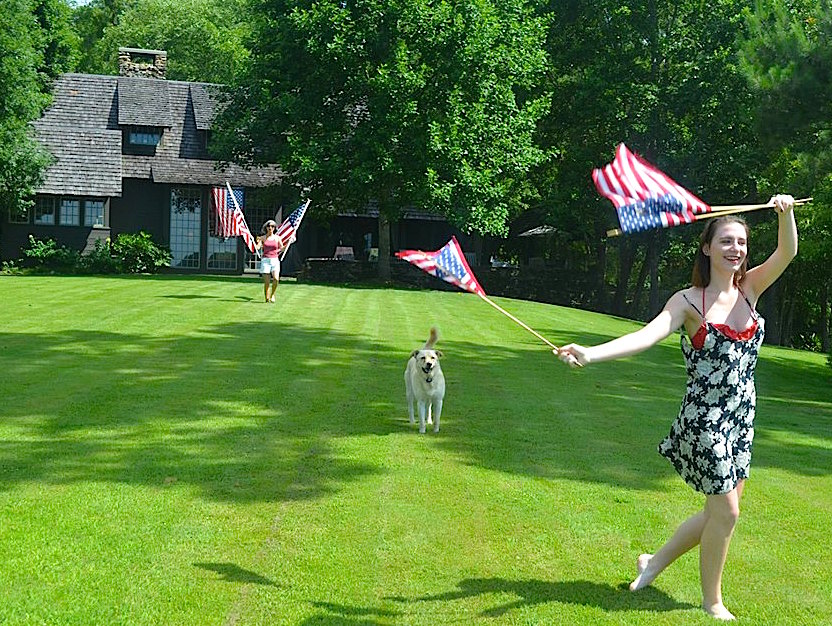
Photo courtesy of McAlpine House

After a long winter of cozying up inside by the fire, spring is here, and that means it’s time to get OUTSIDE! According to the Outdoor Industry Association, heading out into the fresh air is the best way to de-stress during these challenging times. As health officials have strongly discouraged traveling to recreation spots during the pandemic, they do recommend engaging in outdoor activities close to home—especially with family members in our own backyards. The rewards to our physical and mental health are reason enough to get out there, as many studies suggest that outdoor exercise is directly associated with increased energy, feelings of revitalization, and positive engagement.

When the weather warms up in your neck of the woods, consider adding some of these socially distanced lawn games to your must-do list. These fun games can bring an element of excitement, teamwork, and friendly competition to your outdoor get-togethers and help create new memories. Just remember to be safe and have hand sanitizer ready to clean any shared play equipment.

A Timeless Classic

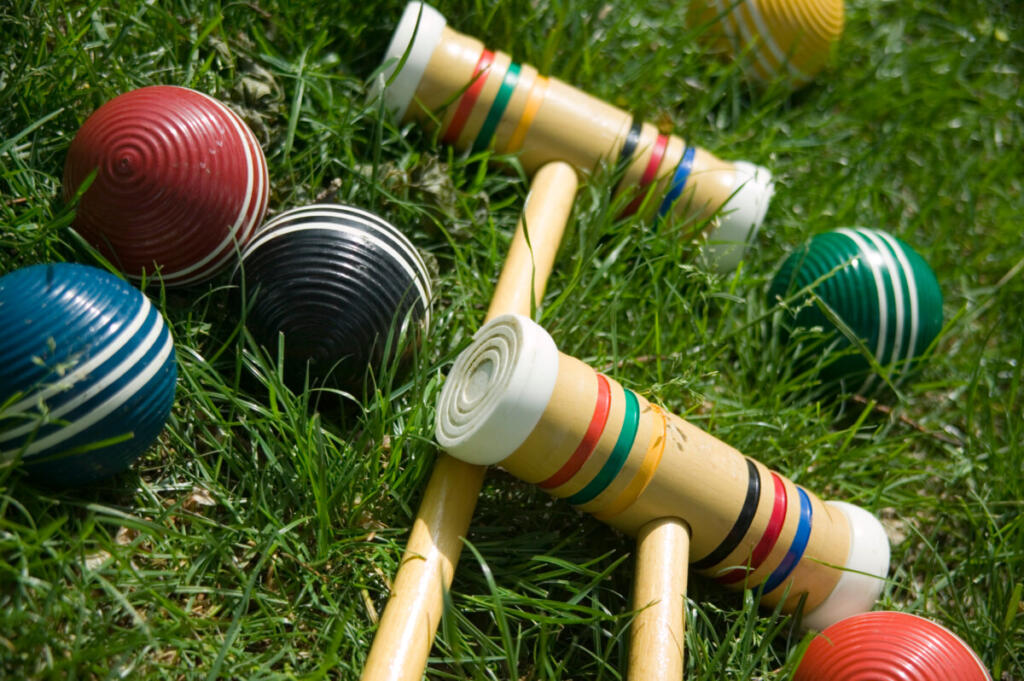
Photo courtesy of Backyard Sidekick

Croquet is an Old-World sport that began hundreds of years ago. Back in the day, the six-wicket international game was typically played in a formal manner—wearing crisp and starched all-white apparel—while adhering to a decidedly rigid set of rules. Today, the nine-wicket American version is far more relaxed, all-inclusive, and can be played on any lawn anywhere. Freshly mowed grass is still preferable and creates an even, level surface for the balls to roll smoothly. To “croquet” means to ruthlessly smack your opponent’s ball far away—a HUGE part of the fun indeed.

For a deeper dive into croquet and all its forms, visit the United States Croquet Association. If you’re looking for a great croquet set for your lake home lawn, check out these Amazon best sellers.

On A Roll

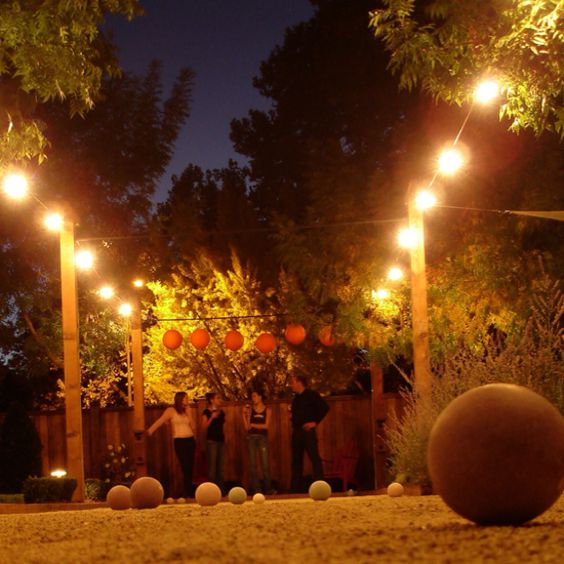
Photo courtesy of Pinterest

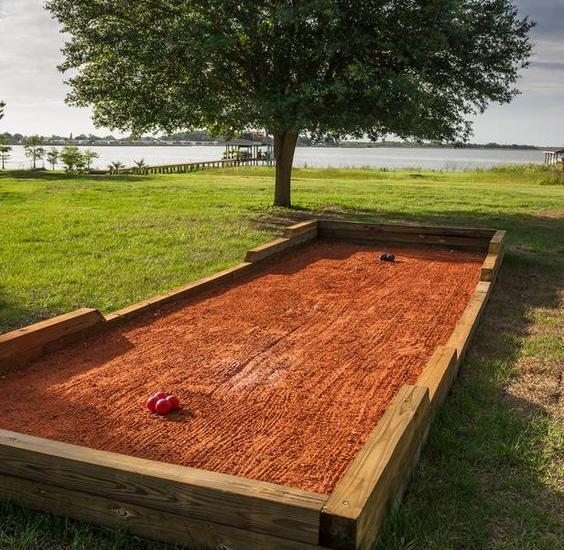
Preferably played outdoors with a glass of wine in hand—so sayeth the Italians—the beautiful game of bocce has a captivating and complex history. Also known as Italian lawn bowling, it is the third most-played sport in the world and one of the oldest yard games known. According to the United States Bocce Federation, Roman soldiers played Bocce to unwind between confrontations with the Carthaginians. Some believe this ancient version of the game involved throwing big rocks at a smaller rock, and now, 2,000 years later, our modern-day adaptation basically adheres to the same concept.

Over the last few years, everyone from Gen-Xers to baby boomers to winery owners has caught up with the Romans, claims Bocce Builders of America. And why not? This is an outdoor sport that anyone can enjoy, especially at the lake. It’s the perfect activity for safe social distancing while capturing the spirit of joyful comradery we’ve all been craving during the pandemic. 

Regulation bocce courts are 91 feet by 13 feet, but the dimensions of home courts can be whatever fits into your backyard. Variations are acceptable provided foul lines for throwing, mid-court lines for first throw of the pallino (the smaller target ball), and inbound markers are clearly established. 

Serve It Up

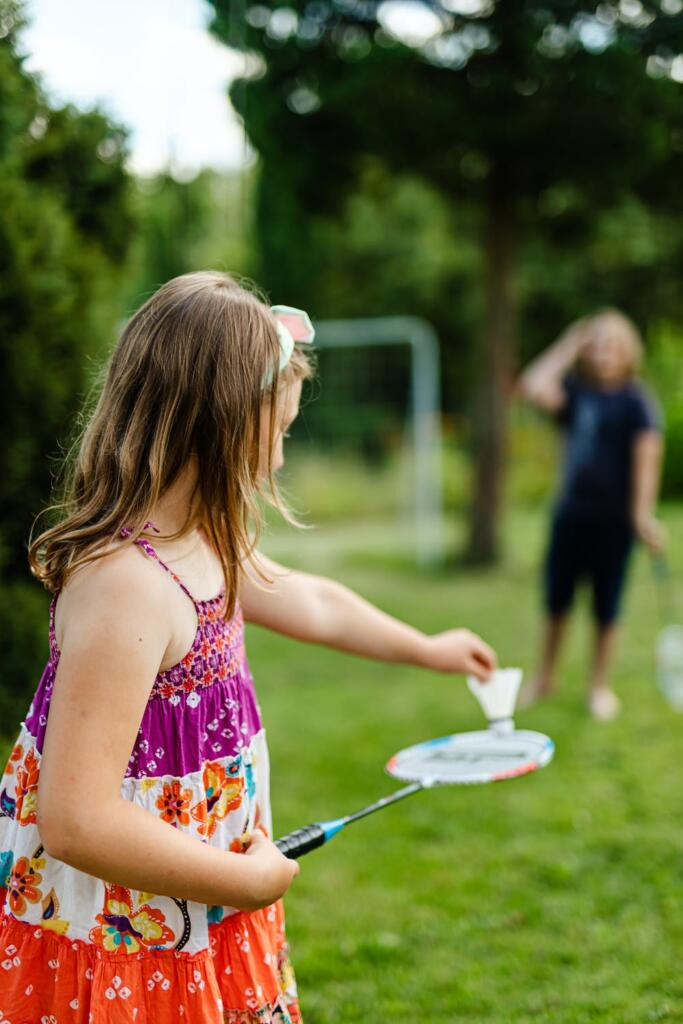
Photo courtesy of Karolina Grabowska via Pexels

Badminton or volleyball, anyone? There’s a reason why both kids and adults love these engaging net games you can quickly set up on the lawn at the lake. You can play either one of these team sports out in the fresh air with safe social distancing yet still feel like you’re part of a competitive group.

For an instant, easy-to-assemble fun, check out the Beyond Outdoors Standard Volleyball/Badminton Set that includes a net, stakes, four badminton racquets, two shuttlecocks, a volleyball, and an air pump.  

Lawn Dice—Let’s Roll!

Photo courtesy of Jen Woodhouse

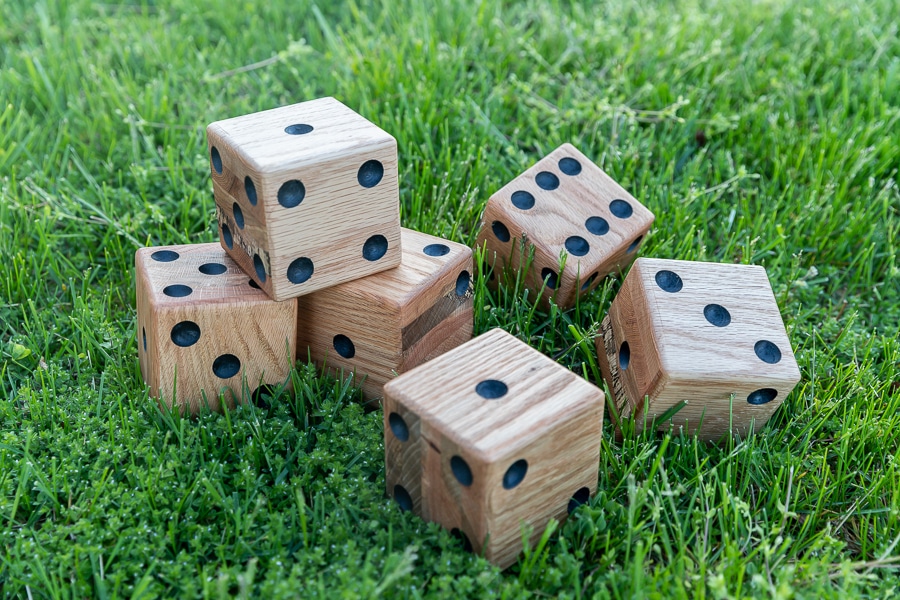
This all-weather set of giant dice is just the thing to shake things up on the lawn at your lake house. Made of sustainably sourced kiln-dried New Zealand pine, this literal bucket of fun includes 20+ dice games—Yardzee (Yahtzee), Farkle, Bunco, Pig, and more—plus five dry-erase laminated and reusable scorecards, and a handy lidded bucket for easy storage. Jumbo dice are 150x regular dice size with deeply carved dots and rounded edges for safety and comfort. The game creators at Splinter Woodworking Co.—now known as SWOOC Games—partner with Trees for the Future and will plant a tree for every order. Check out their Giant Tower Game and other awesome lawn games, all made with eco-friendly materials.

Whether it’s a traditional game of horseshoes or a lively party game like Kan Jam, get outside and get your game on!

SUP Yoga: The Basics

Are you someone who enjoys yoga on the boat dock? If you’re feeling like taking on a new lake hobby, consider SUP yoga. An acronym for Stand Up Paddleboard yoga, this activity refers to standing up on a paddleboard in a body of water. Typically, this sport is practiced in calmer bodies of water such as lakes or harbors. SUP yoga has become a trending activity in recent years, embraced both by yogis and paddleboarders alike. Today, we’re going to be answering some common questions about SUP yoga on the lake.

What exactly is SUP yoga?

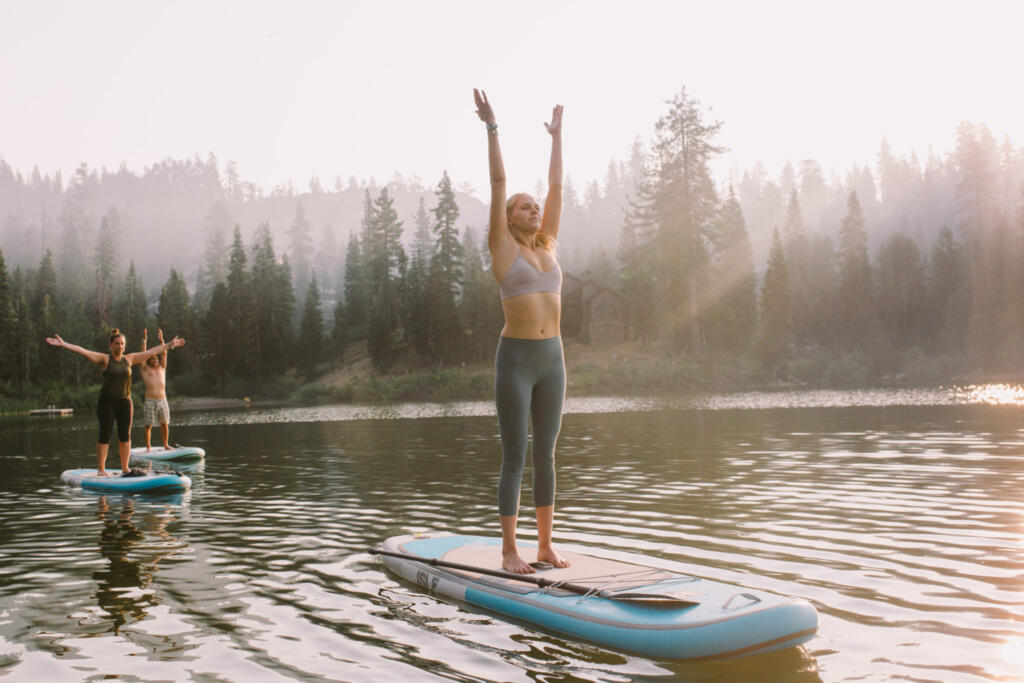
Image courtesy of Real Style Network

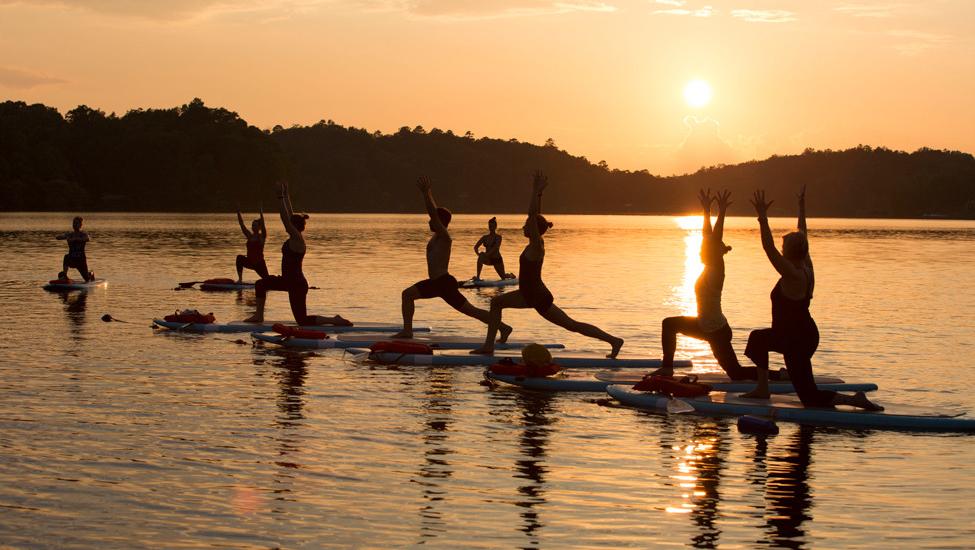
Essentially, SUP yoga involves doing the same types of yoga positions that you would in a traditional yoga class and applying them to a paddleboard surface on the water. In yoga, finding balance is a key component of the practice. And what better place to challenge your stability than standing on a paddleboard? 

However, the physical component is only a surface-level part of this activity. The origins of SUP yoga come from yoga itself, a 5,000-year-old practice from Northern India, with roots in Hinduism and Buddhism. At its core, yoga is less about challenging your body and more about the mind-body connection. Therefore, when doing SUP yoga, it’s helpful to consider what a pose may be teaching you or even settle into the experience of quietly breathing.

How difficult is SUP yoga?

Image courtesy of Isle

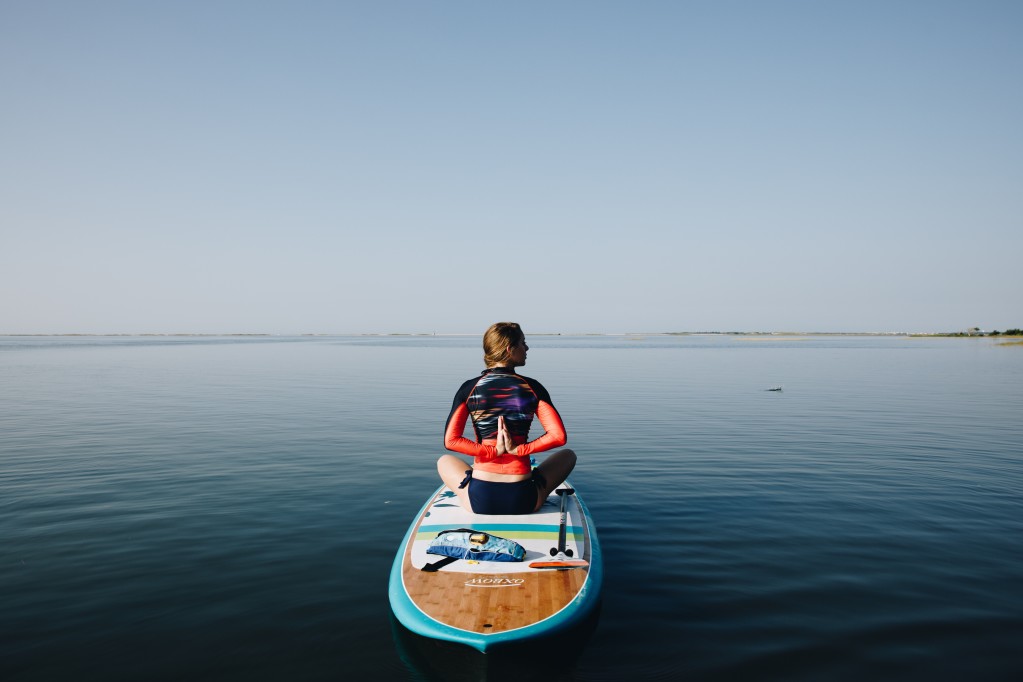
As you might expect, SUP yoga is considerably more challenging than yoga on land. You’re always grounded on a solid surface on land, whereas with SUP, you have to adjust your movements to the wind and water currents. Plus, your surface (a paddleboard) is more restricted than it would be on land. These extra challenges require a more intense sense of balance.

What equipment do I need?

Photo courtesy of REI

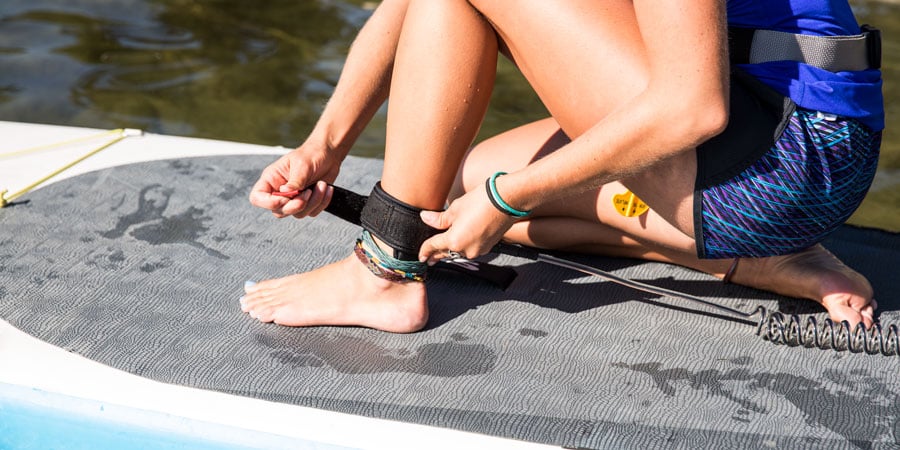
First and foremost, you’ll need a paddleboard. While there are a few different options you can choose from, a stable inflatable platform is generally recommended. This is because the thickness of the board affects its stability. You’ll also need a leash and personal flotation device (PFD) for your safety. When doing SUP yoga, it’s also important to wear proper attire. Clothes that are both stretchy and water-resistant are ideal. Bathing suits with a rashguard will usually do the trick! 

What are the benefits?

Image courtesy of Little Rock Soiree

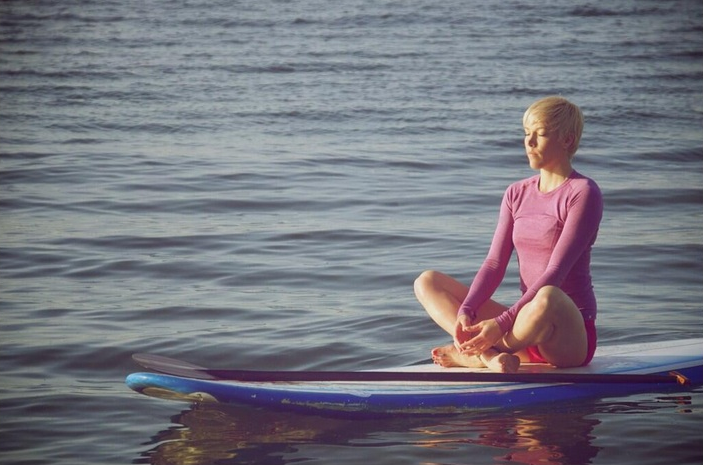
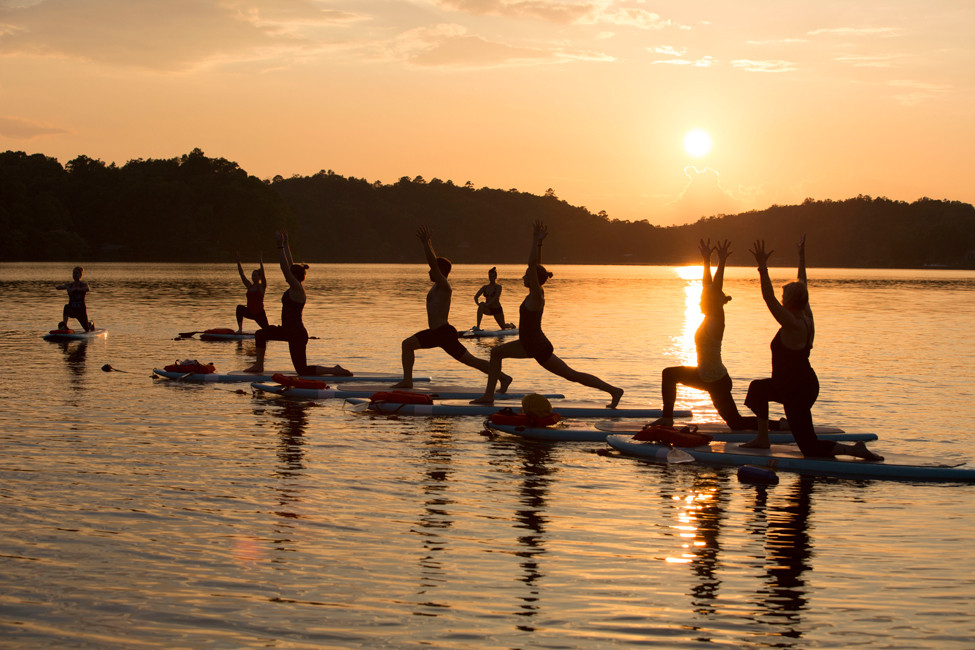
One of the most apparent benefits of SUP yoga is the joy of being outdoors. Doing yoga on the water is a unique experience that will allow you to connect with nature. In addition, the mental health benefits of being outdoors, especially near a body of water, are well-documented. With SUP yoga, you’ll get these stress-relieving benefits. Additionally, from a physical standpoint, SUP yoga practice will help you build muscles that on-land yoga won’t. It’s a full-body workout that increases your flexibility and strengthens your muscles.

How do I get started?

Image courtesy of Pau Hana Surf Supply

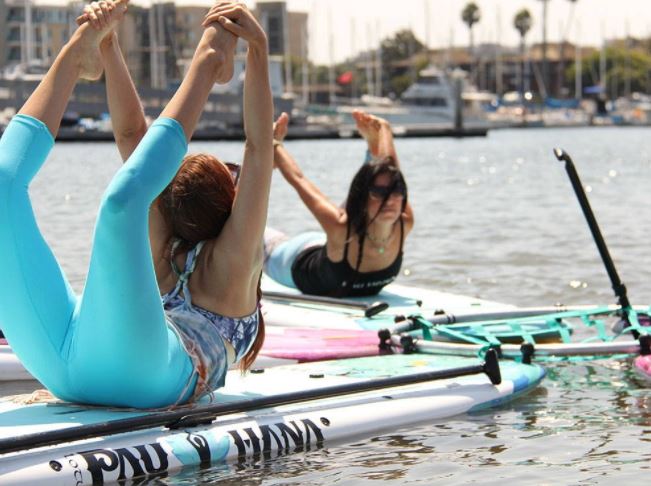
Probably the best way to get started with SUP yoga is by taking a class. If you Google search for “SUP yoga classes {insert name of your town or city}” you’re bound to come up with results. If you choose to start out on your own, the following poses are suitable for beginners: downward-facing dog, chair pose, warrior 2, boat pose, and savasana. You can also check out several YouTube videos detailing how to do these poses on your paddleboard. 

If you’re looking to jump on board the trend of SUP yoga (no pun intended), we hope this information helps! And most of all, we hope you enjoy your time on the lake this summer.

DIY Lake Toys for 2021

Photo courtesy of A Family Lifestyle & Food Blog

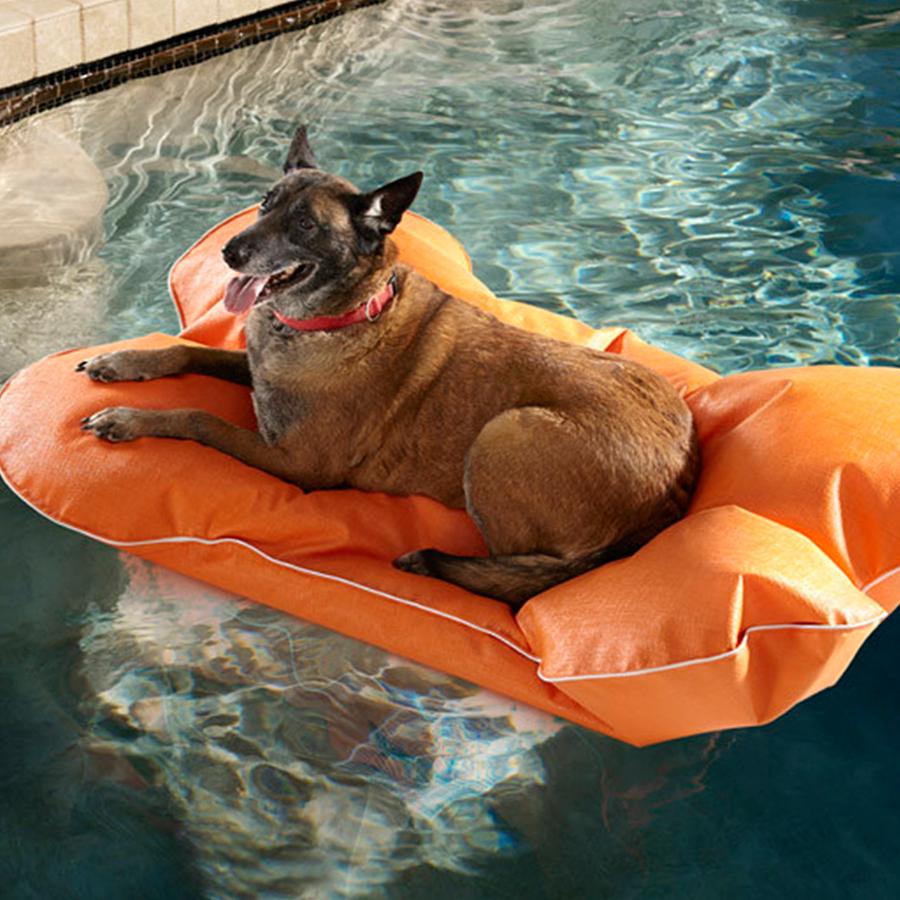
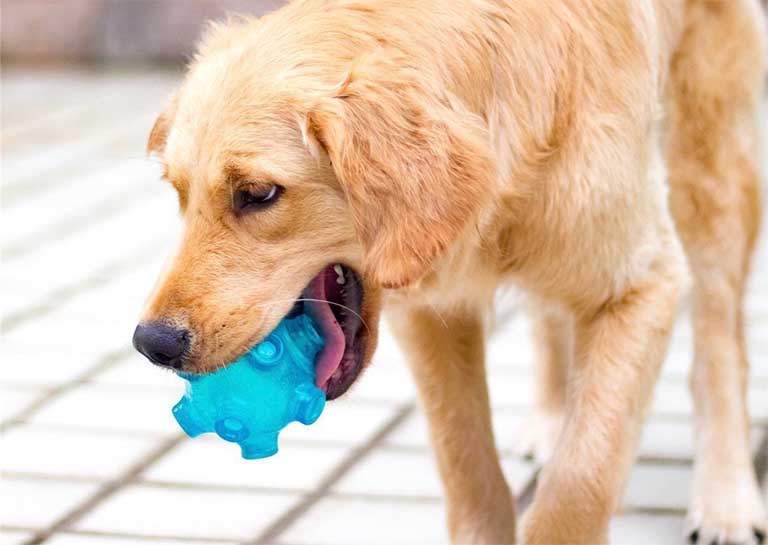
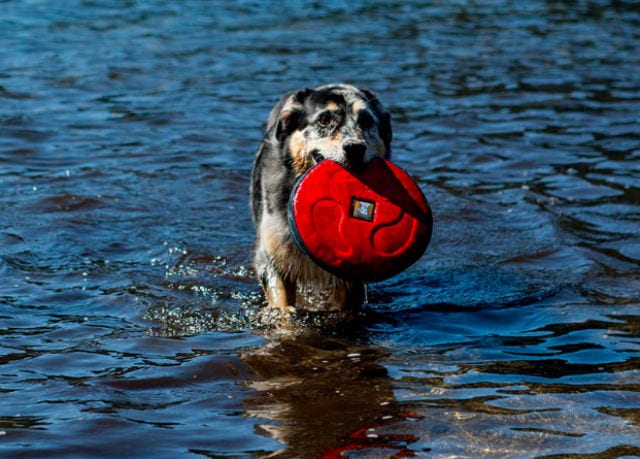
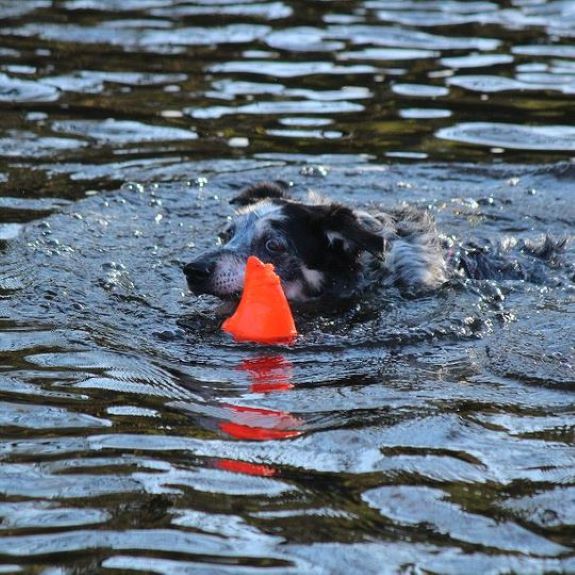
When it comes to toys at the lake, there are plenty of options on the market that can add to your summer fun. Inflatables, water guns, and even toys for pets. But what if you’re on a budget or don’t have time to go out and buy an inflatable? Just a few supplies and your creative mind are enough to make fun lake toys for the summer. For many of these projects, all you need is floating material and some rope. Check out some ideas to make your DIY lake toys!

Swim Noodle Raft

Photo courtesy of Instructables Outside

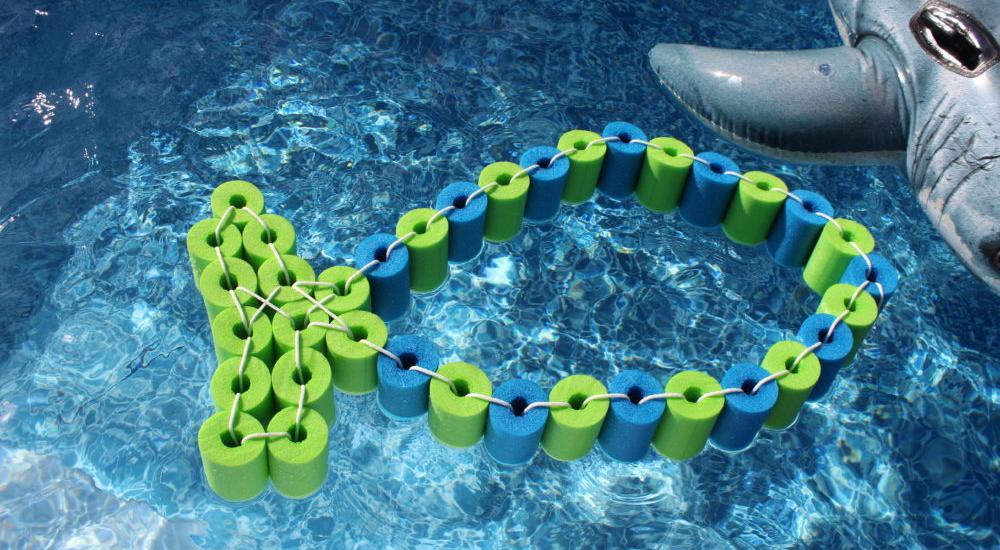
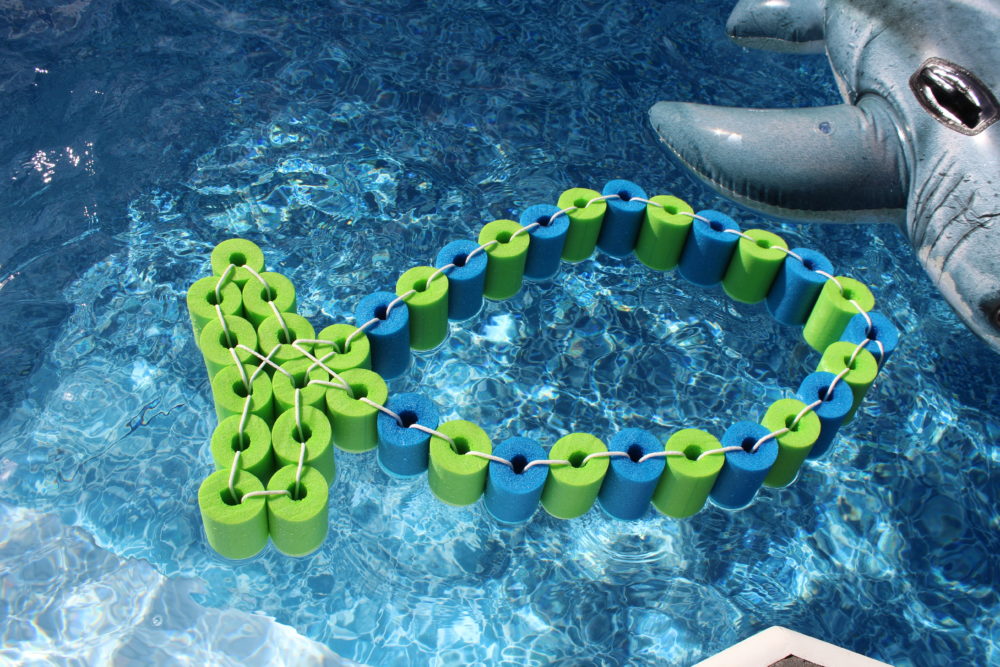
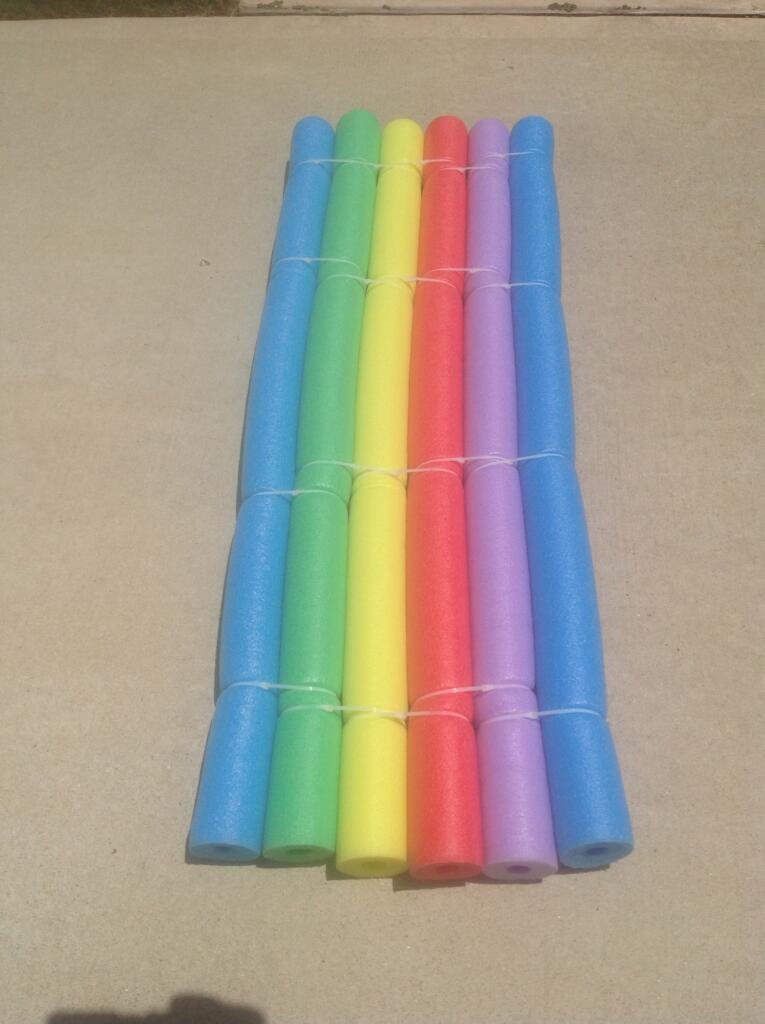
Why get just one pool float when you can make an entire raft? With this swim noodle raft, all you need are zip ties, several pool noodles, and a pair of scissors. Once you’ve tied them together, you’ll have your full-sized inflatable. Although it may not be as buoyant as one filled with air, it’s still perfect for lounging on the lake. Just make sure all the sharp ends of the ties are cut off before diving in.

Toy Boats

Photo courtesy of Inner Child Fun

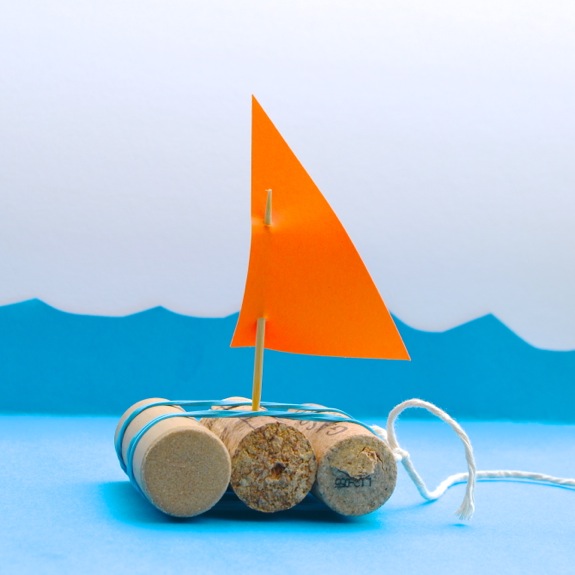
Calm waters on the lake today? Try building one of these small toy boats. This is a perfect crafting activity with just a few supplies needed. A few corks from wine bottles, a toothpick, some construction paper, and rubber bands are all you need. In addition to setting these little boats out to sea, the creative activity part of building these DIY lake toys will be fun for both parents and kids.

Water Balloon Pinata

Photo courtesy of ZiggityZoom Family

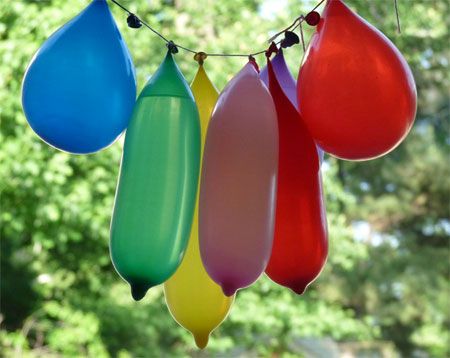
There’s nothing like creating your waterpark in the backyard of your lake home. For this DIY lake toy, the only necessary components are balloons and water. From there, just hang them with rope or string on a nearby tree and treat these water balloons like a pinata. See who is the most soaked by the end!

Floating Cooler

Photo courtesy of Heart Hook Home

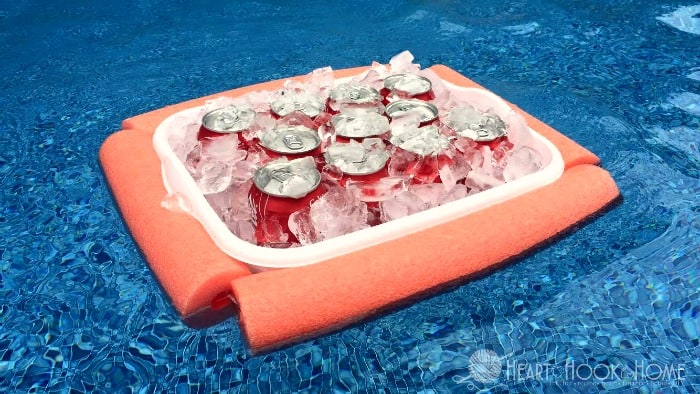
Who says you have to get out of the water to enjoy a beverage? While there are undoubtedly great floating coolers on the market, this DIY option is super simple and can work in a lake or pool. Just take your usual ice bucket, fill it with your drink of choice, and wrap it in severed pool floats with a rope to connect the contraption. Just don’t let these drinks float away when some big waves roll by.

Sponge Bombs

Photo courtesy of A Pumpkin & A Princess

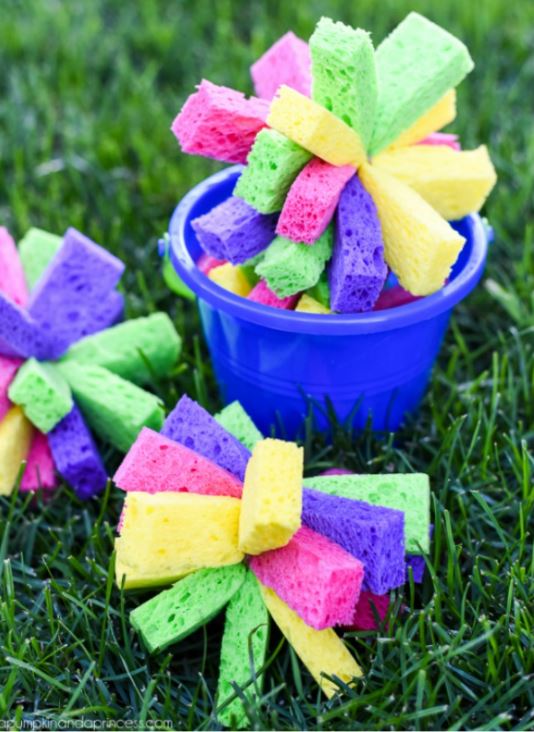
Whether for an outdoor shower, a makeshift car wash, or simply for tossing around in the backyard, these sponge bombs are perfect. They’re super simple to make, too! Essentially, your task is cutting up sponges, tying them together, and dipping them in water. From there, you have a durable, colorful lake toy on your hands that’s fun for a variety of activities. 

When it comes to summertime at the lake, a big budget isn’t necessary. You can easily make your toys to enjoy on a hot summer’s day. Plus, these crafts can be great opportunities to bond with family and friends. Whatever DIY toys you make this season, we hope you enjoy your time at the lake!

Largest Record-Breaking Fish By Species

Of all lake activities, fishing is inarguably one of the most popular. It’s a staple of lake living. Whether you prefer catch-and-release or catching-for-dinner, it’s always exciting to reel in a big one. Maybe you’ve even dreamed of landing a world record. As in many aspects of life, catching a big fish is about luck in addition to skill. Today, we’re looking back at some of the luckiest anglers out there who currently hold the titles for catching record-breaking fish. Who knows? Maybe you could top one of their catches.

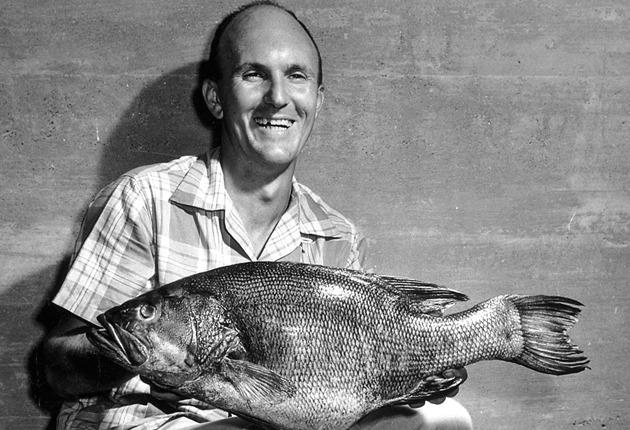
Smallmouth Bass

Angler: David Hayes 
Weight: 11 pounds, 15 ounces 
Location: Dale Hollow Reservoir, Tennessee 
Date: July 1955
Photo Credit – Sporting Classics Daily

Usually found in pristine streams with a fairly heavy water flow, smallmouth bass are a particularly sought-after fish. They’re known for being aggressive fish who fight back, which makes them thrilling for fishers. This lucky angler, David Hayes, was well-renowned for his ability to catch bass and walleye in deep waters. So much so that other anglers shadowed him to learn his craft. On one fishing trip on the Dale Hollow Reservoir that was initially uneventful, Hayes spent a few minutes wrestling with a massive smallmouth and landed the world record. There was subsequent controversy over the catch, including claims that dock hands at Cedar Hill Resort added weight to the fish, fabricating the truth. Thankfully for Hayes, this claim was later debunked, and he restored his world record.

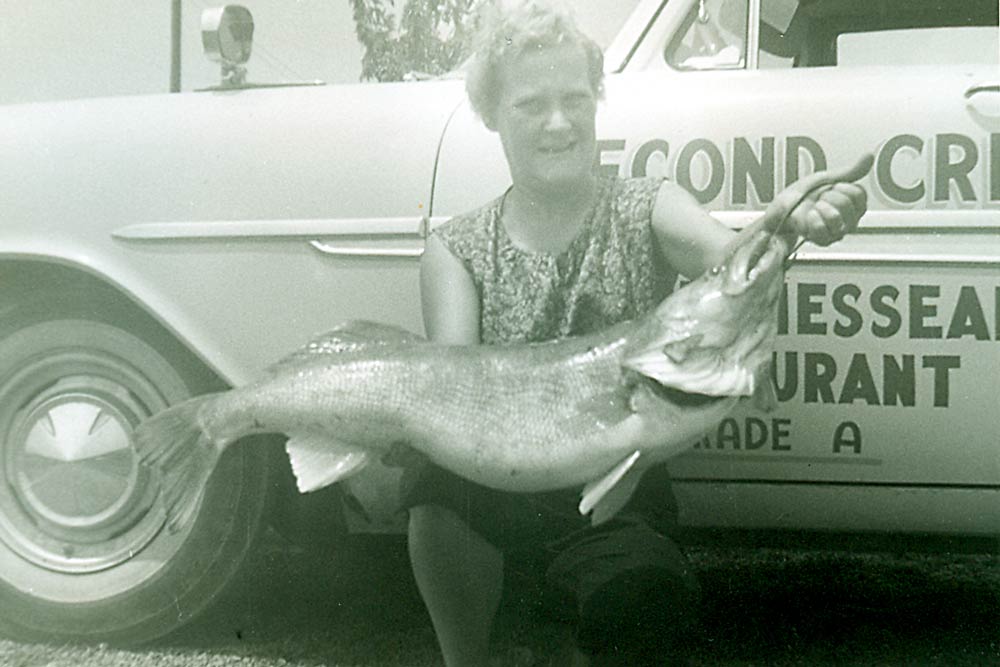
Walleye

Angler: Mabry Harper 
Weight: 25 pounds
Location: Old Hickory Lake, Tennessee 
Date: August 1960
Photo credit – Wawang Lake Resort

On the day that Mabry Harper caught this record-breaking fish, he was about to eat it for dinner. However, upon noticing its large size, Harper’s wife (seen in photo) pushed him to bring it to Tennessee officials to be weighed. Although adult walleyes weigh 24 pounds on average, Harper’s catch of the day was just a pound heavier, at 25 pounds. That night, he finally got to eat the fish for dinner.

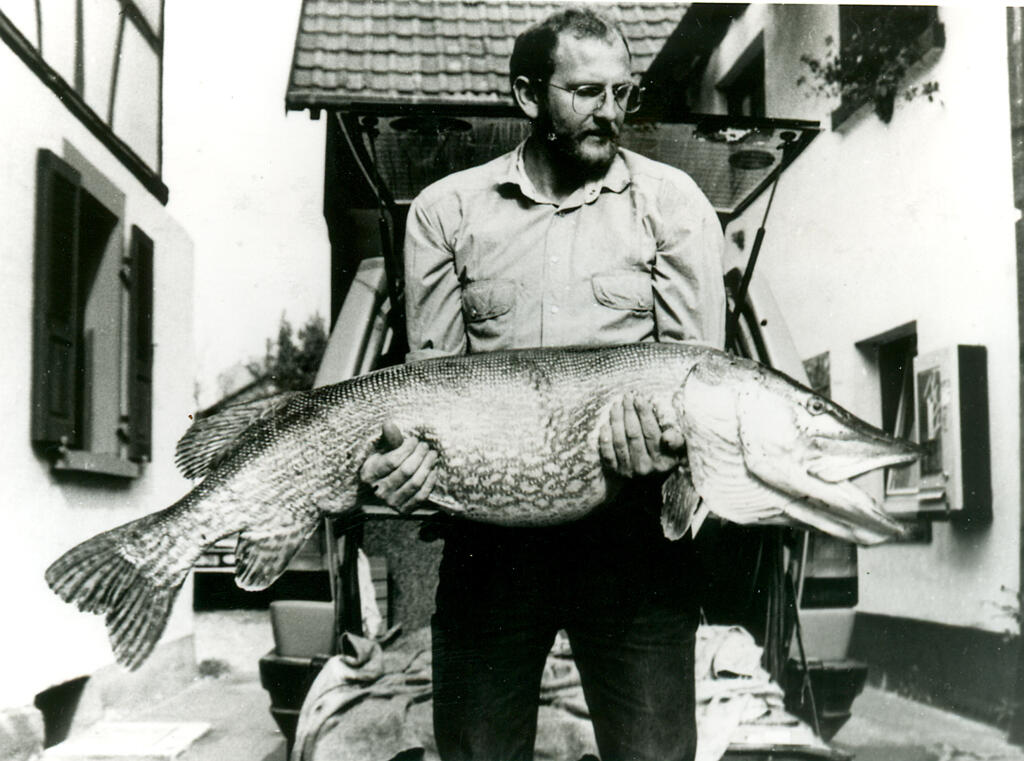
Pike

Angler: Lothar Louis 
Weight: 55 pounds 
Location: Lake Grefeern, Germany
Date: October 1986
Photo credit – Game & Fish

When he began his fishing trip that day, Lothar Louis didn’t set out to catch pike. The plan was to catch carp and roach, but the trip took a surprising turn when a massive pike took his bait. The fish was so heavy that Louis had to put his hands inside the gill covers to catch it. In a subsequent interview, he said he was so excited that he didn’t feel the pain of the pike’s sharp teeth. It was all worth it for this record-breaking fish.

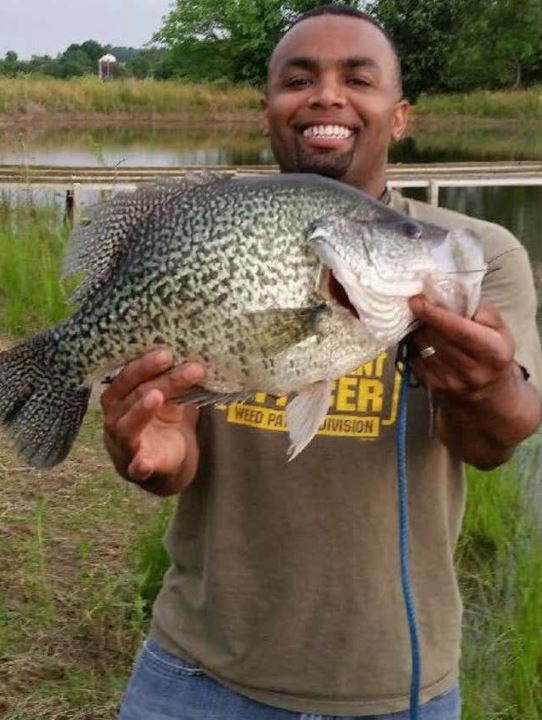
Crappie

Angler: Lionel “Jam” Ferguson 
Weight: 5 pounds, 7 ounces 
Location: Loudon County, Tennessee 
Date: May 2018
Photo credit – Tennessean.com

This fish is one of the more recent world record-breakers, just two years ago. In 2018, Lionel “Jam” Ferguson caught a large crappie on a small private pond in Loudon County. After being weighed by a Tennessee wildlife officer, it is now the International Game Fish Association (IGFA) all-tackle record and the Tennessee state record. But this isn’t his first record. Earlier that year, Ferguson caught a crappie that was indeed a record for the species. However, since no officials were on site to weigh it, he couldn’t register the fish at the time. Thankfully this time, he reported an even larger fish!

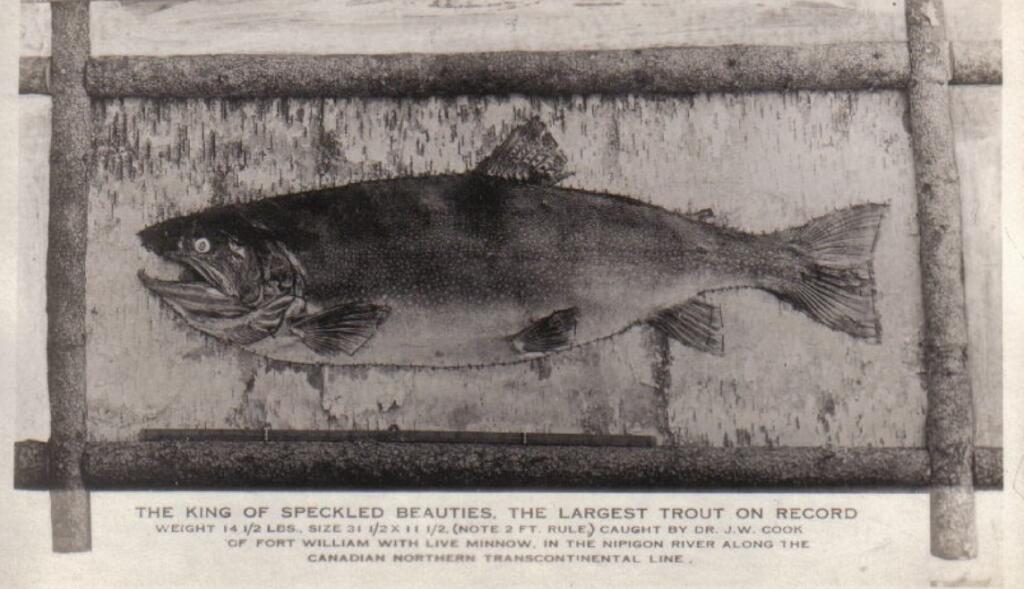
Brook Trout

Angler: J.W. Cook
Weight: 14 pounds, 8 ounces 
Location: Nipigon River, Ontario, Canada 
Date: July 1915
Photo credit – Brook Trout Heaven

J.W. Cook’s record-breaking fish is the second oldest record in the IGFA books. Several pounds heavier than the runner-up brook trout, this prize winner — more than 100 years old — will be challenging to top. If you’re in Ontario, be sure to check out Cook’s bamboo rod at the Thunder Bay Historical Museum.

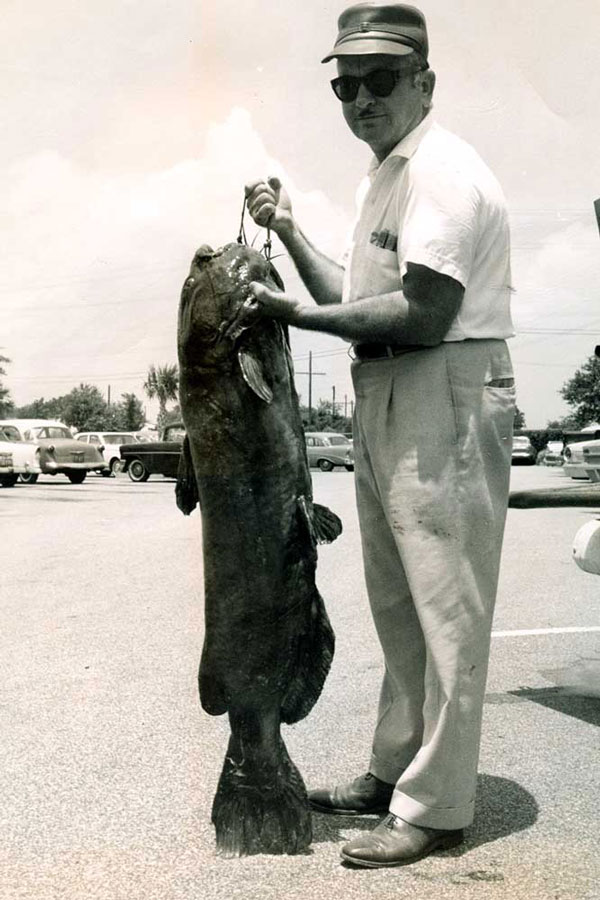
Channel Catfish

Angler: W. Whaley
Weight: 58 pounds
Location: Santee-Cooper Reservoir
Date: July 1964
Photo credit – In-Fisherman

W. Whaley’s record-breaker is more than 50 years old, which is surprising given that channel catfish are quite common. It seems likely that someone would have broken the record by now. However, Whaley must have been very lucky on that July day. To date, not even the runner-up fish have come within 10 pounds of his record.

Which Winter Activity Should You Do Today?

Throughout the pandemic, health professionals have encouraged us to stay inside more often. And when engaging in outdoor activities, we should stay at least 6 feet away from those who aren’t in our household.

Thankfully for those of us who live at the lake, social distancing is easier than ever. We have the luxury of a remote location, surrounding nature, and plenty of space to enjoy the lake lifestyle. 

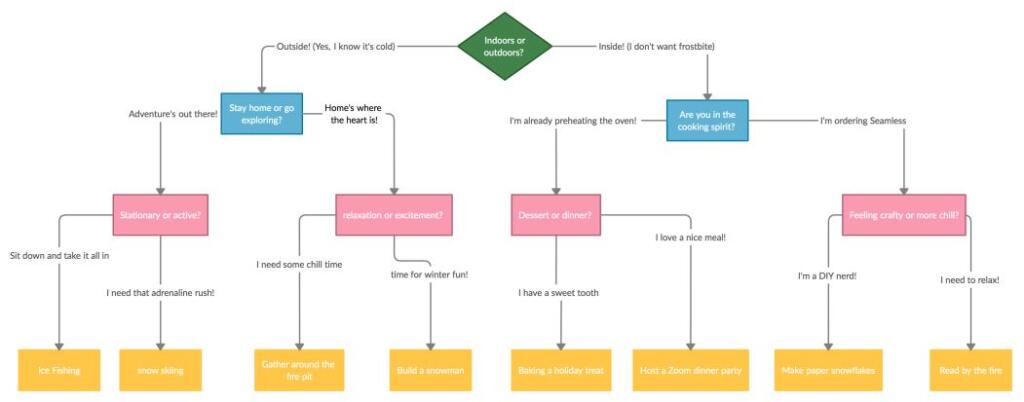
During the winter, it’s easy to get bummed about the impending cold weather. However, the chill outside shouldn’t stop you from enjoying a variety of socially distant winter activities! If you’re having trouble picking an activity for today, check out this flowchart we’ve created. Just start at the top, answer each question, and determine what activity is right for you today! 

Download Flowchart

Indoor Activities

If your result landed on one of the indoor winter activities, we hope you’re excited about a cozy day inside, full of hygge and relaxation. As fellow lake lovers, we know there’s nothing more relaxing than snuggling up with a blanket while looking out your window at falling snow around your lake’s shoreline. It’s the essence of winter comfort.

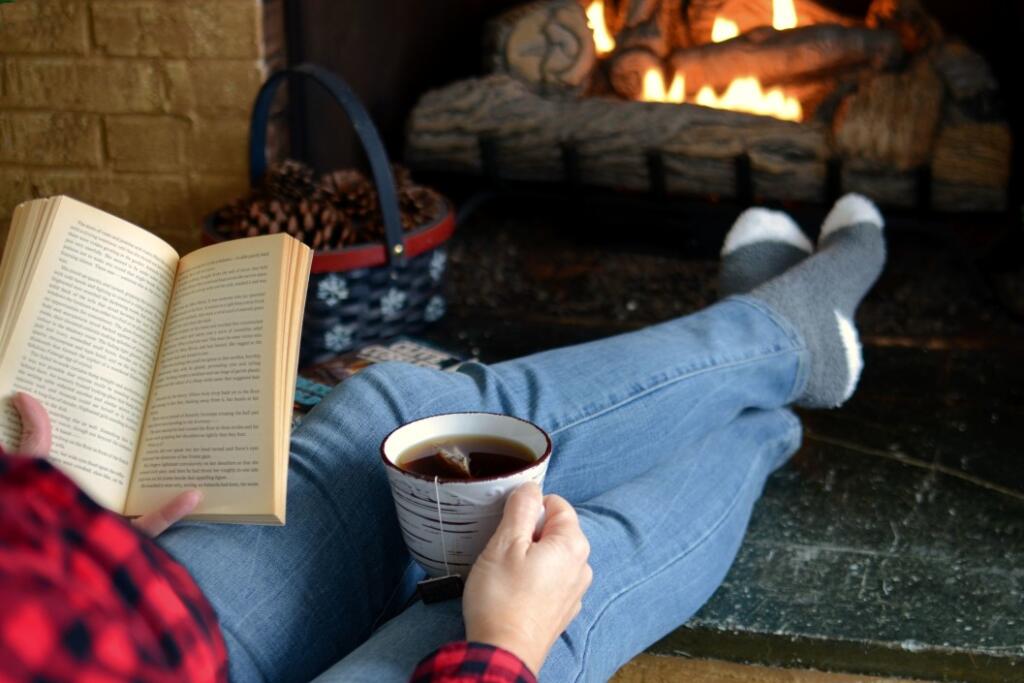
If you’re feeling like lounging around, try starting the fireplace and picking up one of the popular books in 2020. If you’re interested in a DIY project, start a winter-themed craft such as paper snowflakes.

Today, for those of us who love baking, it may also be a great day to begin a new cooking project. Whether you’re hosting a dinner party over Zoom or baking cookies for one, there’s something about homemade dishes that warm the soul during this cold season. 

Outdoor Activities

If your quiz results settled on an outdoor activity, make sure to bundle up! Depending on your lake house’s region, you might be in for some snow activities.

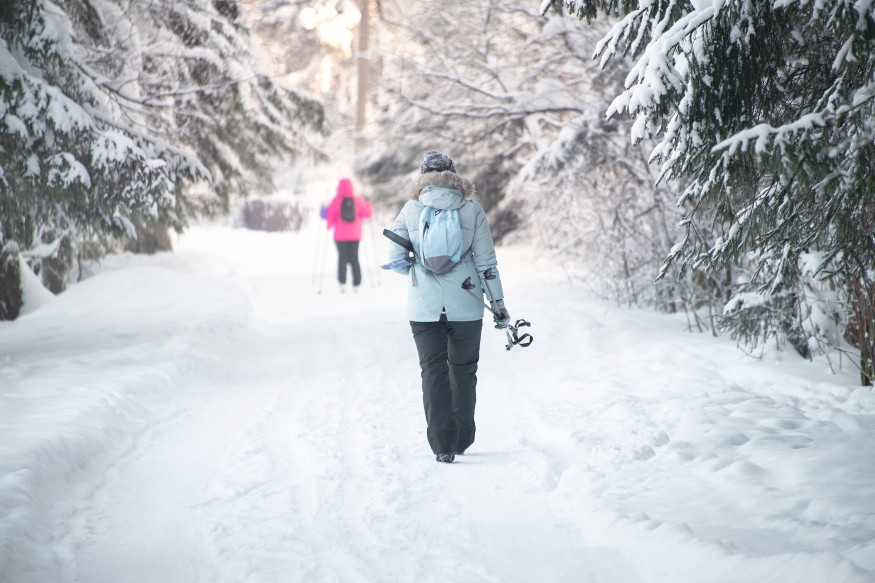
If you live in a northeastern lake area such Lake Placid, you might be lucky enough to hit the slopes. Skiing is one of the winter activities that are COVID-ready. It already requires an eye shield and neck warmers that can double as face masks — win-win for social distancing!

For a stationary adventure, you can try ice fishing. Especially if you’re an avid angler, this winter version of your favorite hobby is sure to be a fun adventure.

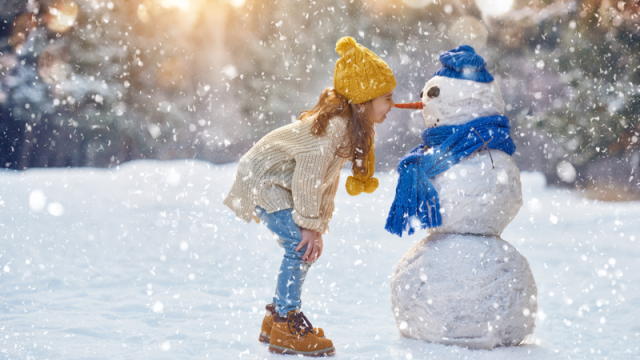
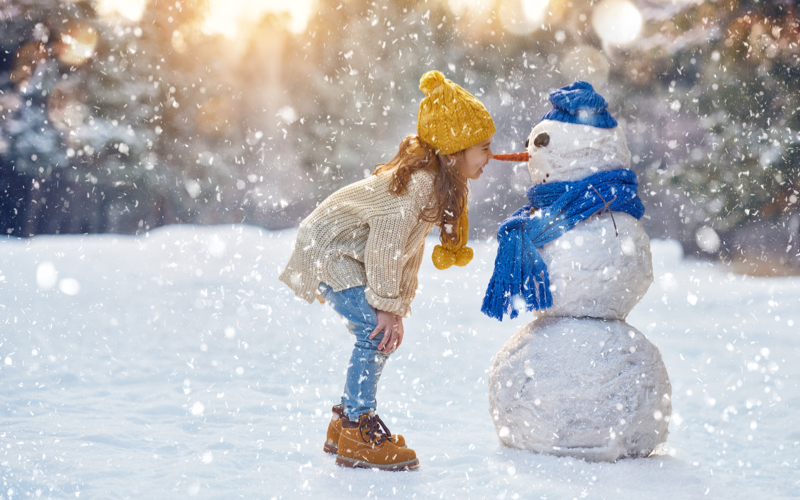
If you’d rather stay at home, you can still enjoy being outside in your backyard. For a more low-key day, gather around the fire pit with some blankets. For a more active afternoon, enjoy the snow layers by building a snowman or playing footprint tag.

If you’re not familiar with footprint tag, it’s the same as the traditional game — except you can only walk in each other’s snow footprints! 

Enjoy Your Winter Wonderland

Regardless of which kind of winter activities you pick for today, we hope you make the most of your time at the lake. Even in the cold weather, embracing both the cozy indoors and the exciting natural world is what the lake lifestyle is all about. From our lake house to yours, we hope you enjoy your winter wonderland!

Happy Halloween: Ghostly Tales from the Lake

October is finally here! Everywhere you look, doorsteps are adorned with carved pumpkins, colorful leaves are scattered across the streets, and cable TV is screening Hocus Pocus again. In other words, “spooky season” has arrived. If you’re a lake homeowner, this holiday is particularly festive for many reasons. First, your Halloween decor will blend seamlessly into your lakeside scenery’s fall colors and outdoorsy charm.

Further, lakes serve as backdrops to classic scary movies like Friday the 13th. In honor of this spooky holiday that we love, we’re sharing our favorite ghost stories, myths, and haunted facts about U.S. lakes. We hope you enjoy — and pass these stories onto your friends! 

Gardner Lake Ghost House

Photo courtesy of Only In Your State.

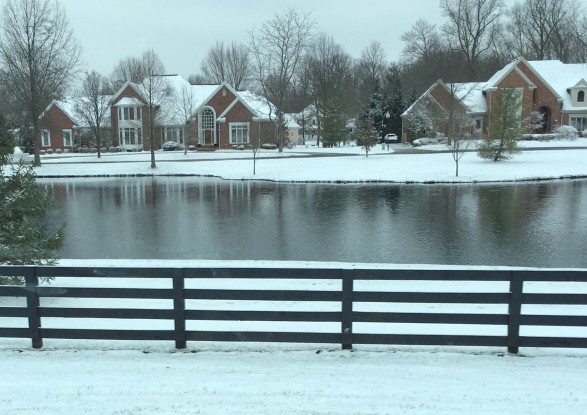
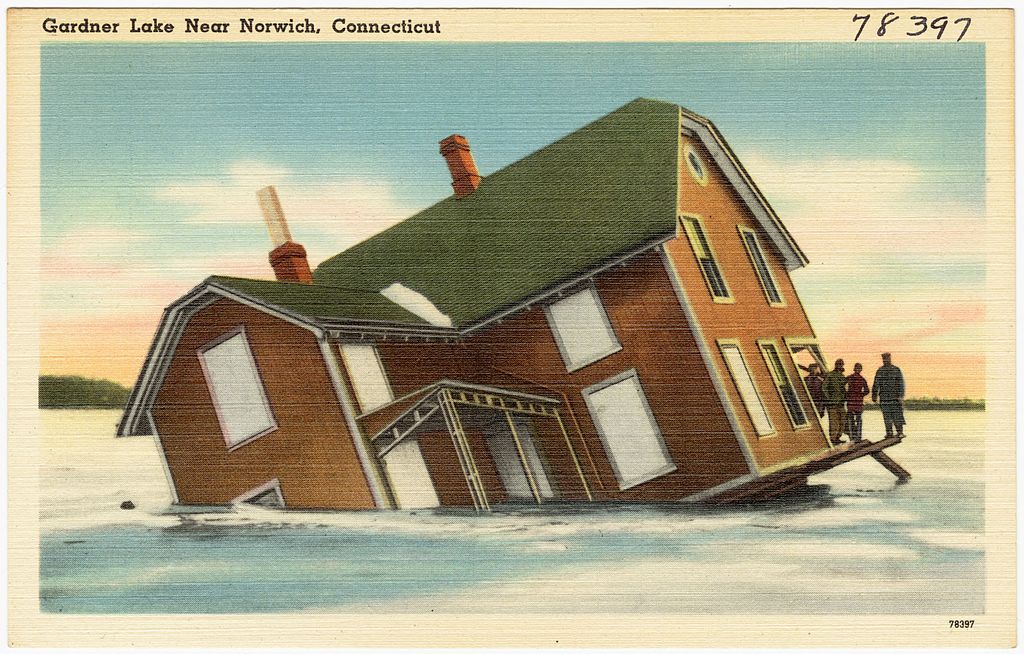
Some ghost stories are pure myths. However, the one about Gardner Lake, Connecticut, is rooted in a true story. In 1895, one local, lake-dwelling family wanted to move their lake house to the other side of the lake. So, they waited until the water had frozen over to put their home on slabs and slid it to the other side. The move was a two-day endeavor. Day one went fine, but when the family returned the next day to move their house along a second trek across Gardner Lake, the ice had broken, and their home had sunk. 

Although they rescued smaller possessions, larger items (like a piano) had to remain underwater. Scuba divers have confirmed the existence of this underwater house. Now, here comes the spooky part — many visitors to Lake Gardner have reported hearing piano sounds from the lake. Legend has it that the music is coming from the underwater house.

Lady of the Lake, White Rock Lake

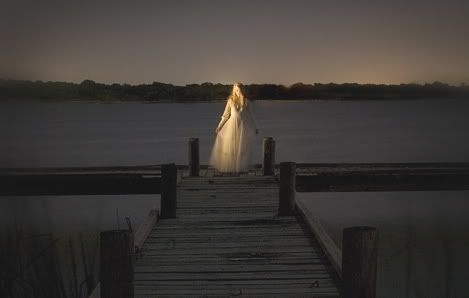
It’s not unusual for a friendly neighbor to offer a ride home in the south if someone is lost. However, on Dallas’s White Rock Lake, this person in need of a lift could be a ghost. Some White Rock residents and visitors have reported seeing a young woman dressed in 1930s clothing wandering around the lake, soaking wet, and looking for a ride home. She’s known as the “Lady of the Lake.”

According to legend, if you offer her a ride, she’ll vanish as soon as she gets in your car, leaving the passenger seat drenched with water. So, if you want to keep your vehicle dry and ghost-free — don’t offer her a lift!

The Black Dog of Lake Erie

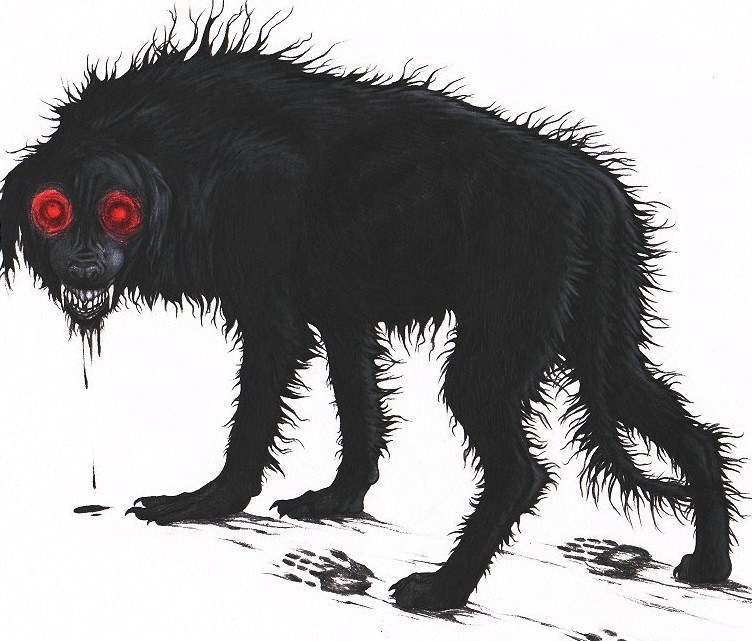
If you’ve ever wondered whether animals can be ghosts, it turns out they can! According to a Lake Erie legend, a black Newfoundland dog fell overboard on the Welland Canal, and the crew ignored him. After the incident, the crew reported hearing its howls throughout the night. But this dog’s appearances aren’t limited to this one ship. Allegedly, the dog appears on the Great Lakes to warn ships that are in danger.

Alternatively, the dog has also been said to curse ships as revenge against the sailors who allowed him to drown. The dog’s appearance is linked to wrecks like the Mary Jane on Lake Erie, the Isaac G. Jenkins on Lake Ontario, and the Thomas Hume on Lake Michigan.

Lady of the Lake, Lake Lanier

Photo courtesy of Thomson200, CC0, via Wikimedia Commons

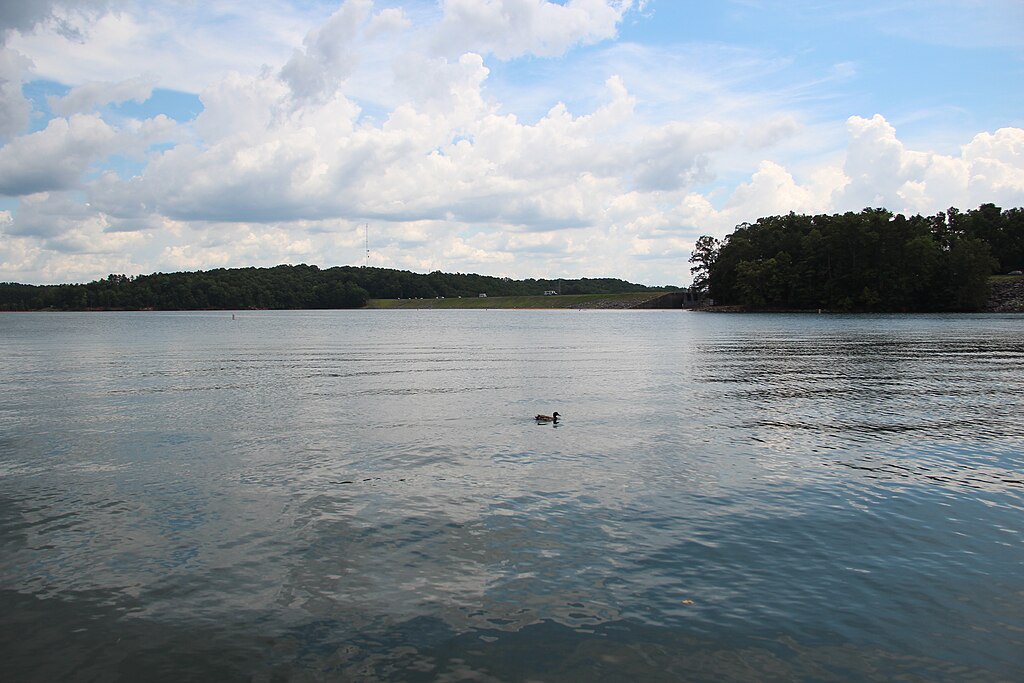
Lake Lanier is one of the most popular travel destinations in Georgia. The lake is located just outside of Atlanta and is known for water sports like rowing, gorgeous sunsets, and a beloved water park. However, most locals will be quick to acknowledge that this lake has a haunted history. Rather than being one ghost story, Lake Lanier is associated with several bizarre incidents.

Perhaps the most famous ghost tale is the “Lady of the Lake,” Susie Roberts, who fell into the lake in a 1950’s car accident. Sightings of this woman, often described without hands and wearing a blue dress, have been reported consistently since her accident.

You’re welcome for the goose pimples! From our lake house to yours, Happy Halloween!

Camping Series #2: Pitching a Tent

Photo courtesy of Pinterest.

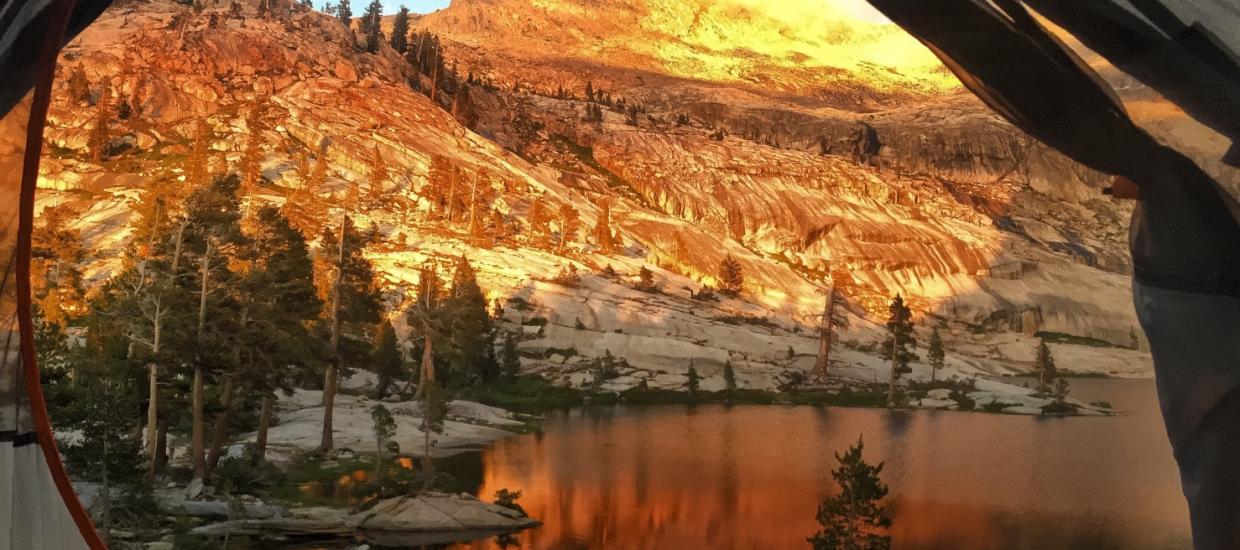
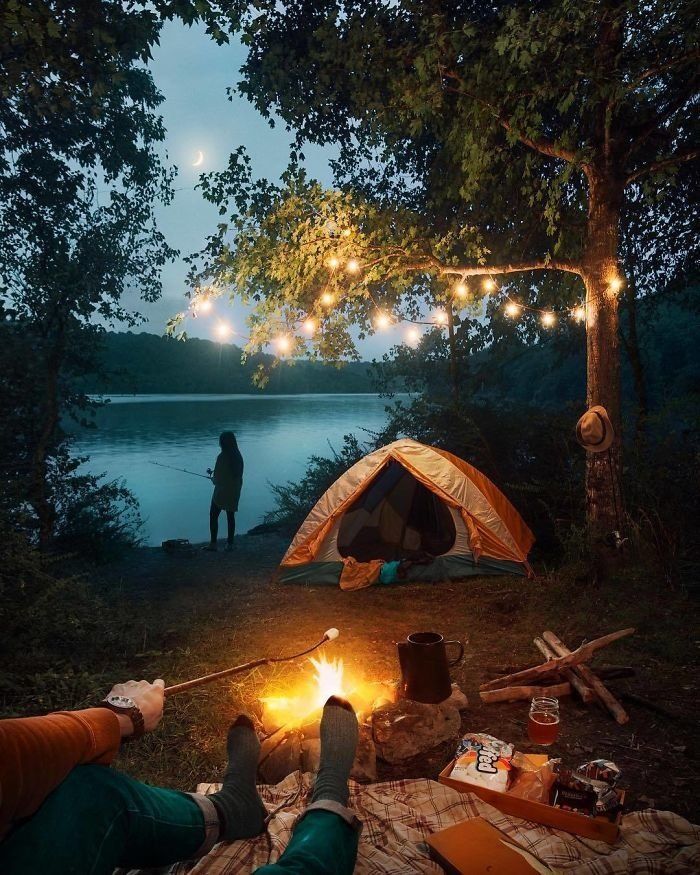
Nothing says “autumn” more than a good old fashioned camping trip near your lake house. This time of year, roasting marshmallows and sleeping under the stars is a great way to get in touch with nature. However, this classic activity comes with some arduous responsibilities, such as building a campfire. But perhaps the most daunting task is pitching a tent. Unless you’re a seasoned camper or former Eagle scout, this endeavor isn’t intuitive. With so many poles, ties, and fabric, how do you know where to start? To help you prepare for your next camping adventure, we’ve compiled a list of pointers for pitching a tent!

1. Make Sure You Have Everything

Photo courtesy of Fresh Air Junkie.

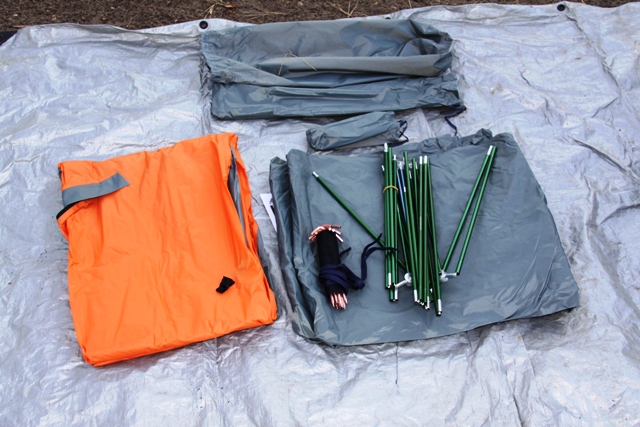
There’s nothing worse than starting your journey, being deep in the woods, reaching into your tent bag, and realizing that you’re missing pieces. You don’t want to be stranded without everything you need to construct your tent. As such, it’s best to make sure everything’s in the bag first. Ideally, you should accomplish this step before you leave your lake house. Better yet — set up a practice tent in your backyard by the water! 
Depending on the type of tent that you have, the required components will be different. However, the most standard tents include the main body, a rain fly, ground cloth, and stakes.

2. Lay the Groundwork

Photo courtesy of Camping Maniacs.

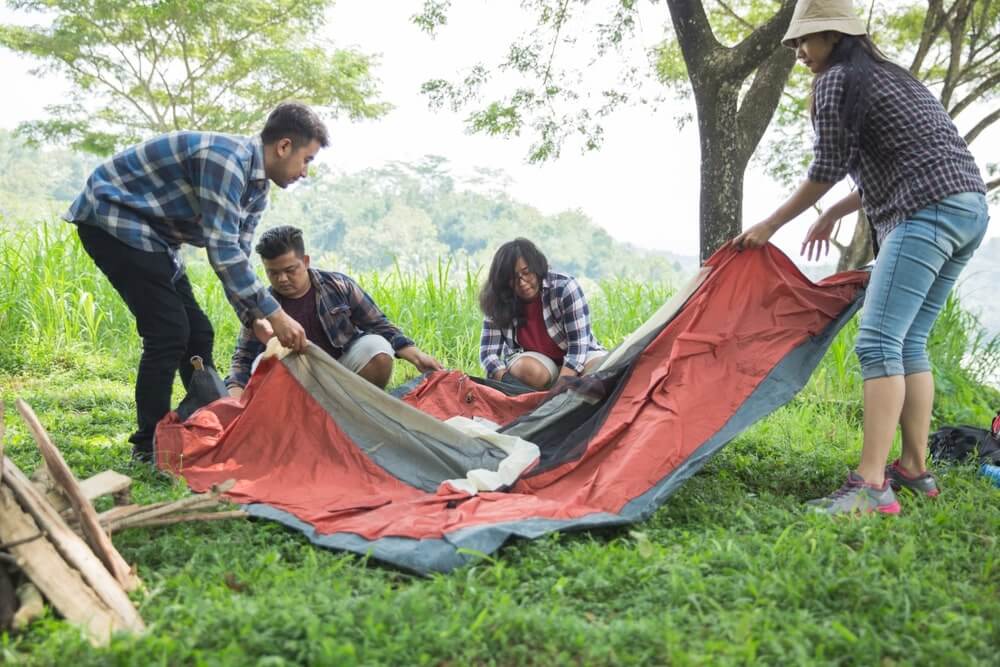
Just like a proper foundation is essential for any home, it’s also crucial for pitching a tent. This means choosing a site with a flat surface and clearing away any sharp rocks, twigs, and stones from the general area. After all, you want to create a comfortable environment conducive to sleeping soundly. Once you’ve found your spot, lay all of your components out of the bag onto the ground and line them up visibly. This way, you’ll be able to assemble them quickly without fumbling around at every step. 

Once you’ve found a spot, cleared the ground, and laid out your pieces, the real work comes next. First, lay the tent’s main body on top of the ground cloth. The hooks should be facing up so that you can assemble the poles later. Typically, the tent corners have color-coded tags, making sure the colors on the ground cloth align with those on the main body.

3. Assemble the Poles

Photo courtesy of REI.

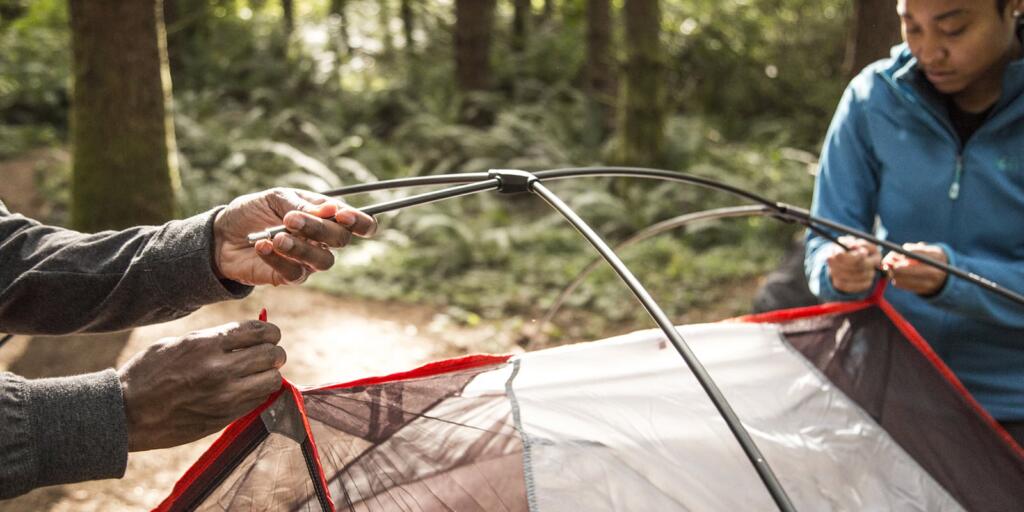
Usually, a standard tent comes with four poles – two larger ones and two smaller ones. Since the tent curves at the top, assemble the poles so that the smaller pieces are facing towards the center. Then, lay the assembled poles onto the main body and set them up one at a time. 

To set up a pole, first, insert the end piece into the holder on the tag. Then loop it through the provided slots in the tent, as though you’re looping a belt onto a pair of jeans. Once you’ve pulled the pole through all the loops, insert the other end into the hole or slot provided. Repeat the process for other poles! 

If this step is the most frustrating for you, you’re not alone! It’s the most detailed step, and you’re bound to make errors, especially if this is your first time pitching a tent. If you’re camping with others, ask for help on this part to minimize errors. 

4. Stake the Tent

Photo courtesy of GudGear.com.

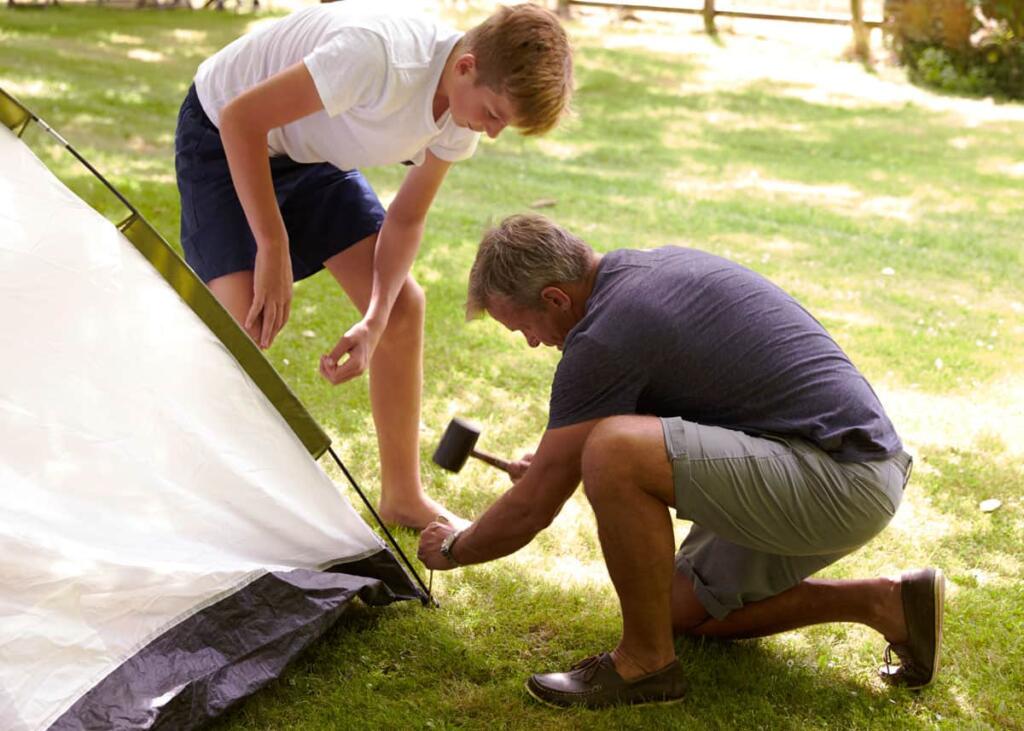
Each corner of the tent should come with loops for staking. Loop these features around the stake. Then, using a foot or hammer, stake the tent into the ground at a 45-degree angle (this angle should be facing away from the tent to create tension and keep the tent standing). Do this for all four corners of the tent. As a pro tip, it’s helpful to stake opposite corners first for the utmost stability. 

Finally, slide the rain fly over the tent’s top and attach it to the same loop as the stake loops. Hopefully, you won’t catch too much rain. But if you’re unlucky, there’s plenty of advice on pitching a tent in bad weather.

5. Enjoy the Tent

Photo courtesy of @heidi.mag via Twenty20.

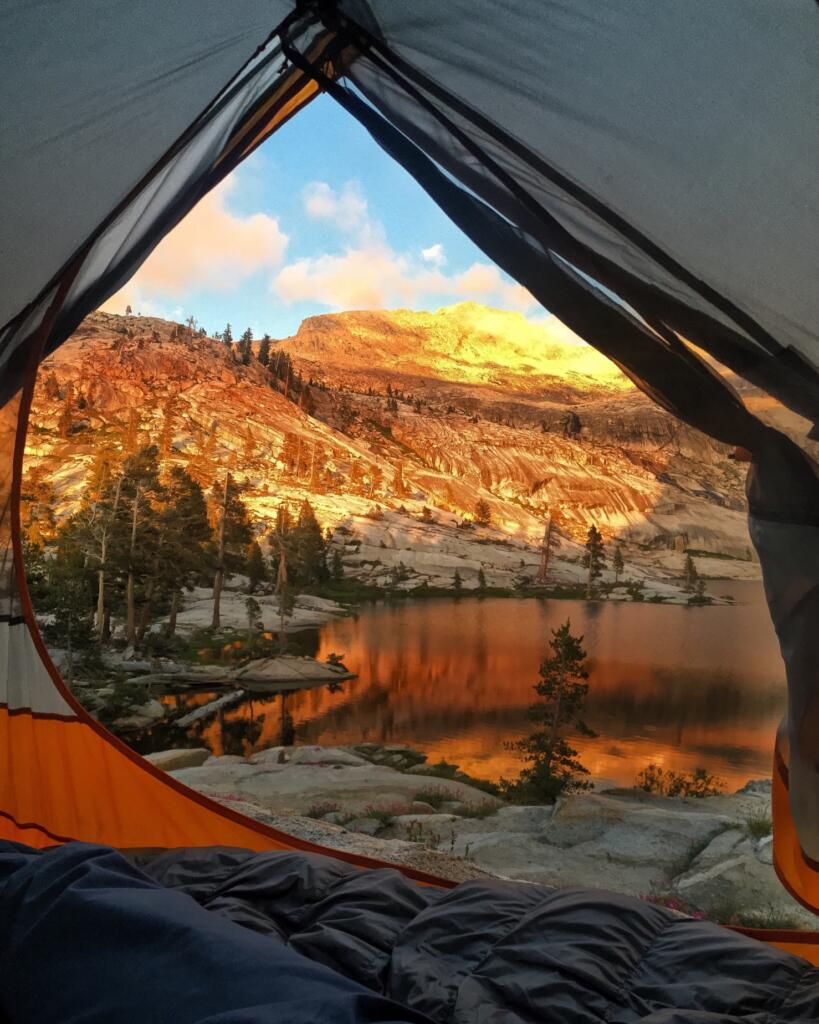
Finally, your tent is ready! It’s time to unroll your sleeping bags inside and enjoy your camping trip to the fullest. Clean air and cool temps make for the best sleeping experience. Waking up to a slice of nature is divine. If you have never tent camped or if it has been a while, do yourself a favor and reconnect with the natural world in a tent!

This Season’s Staycation: A Regional Guide to Fall Leaves

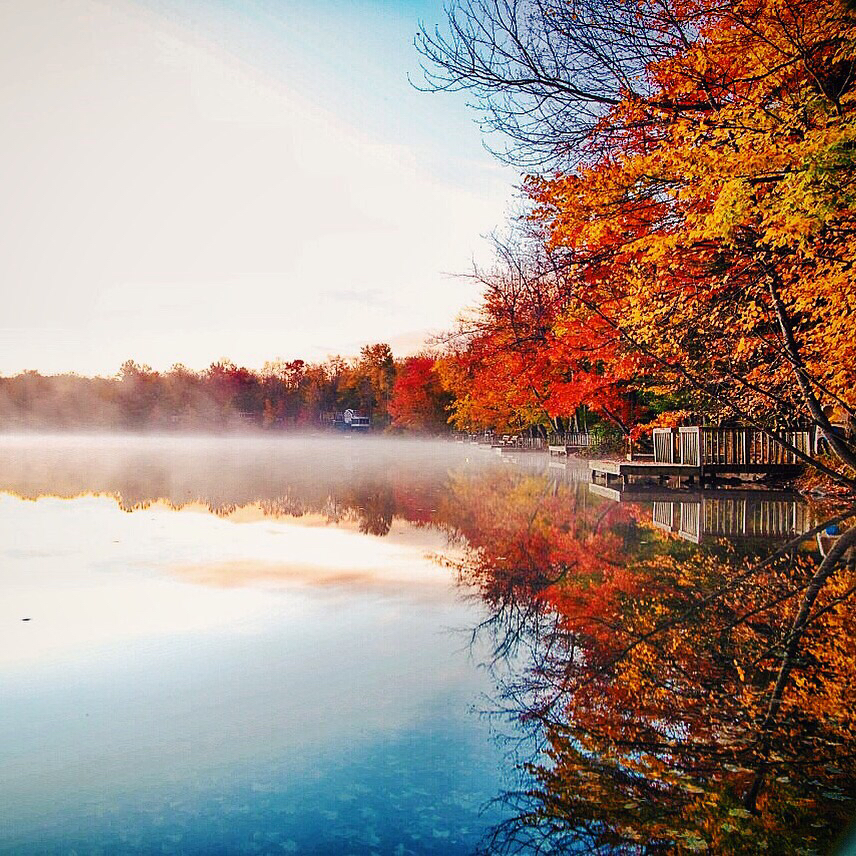
Photo courtesy of @kickhisasscbass via Twenty20.

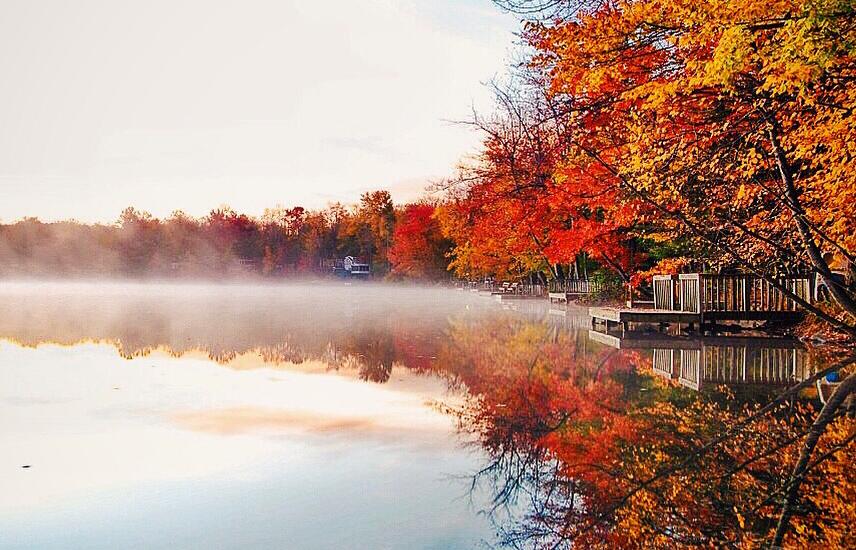
Across the U.S., viewing fall leaves in various parts of the country is a popular hobby — especially for lake homeowners who love the outdoors. Last year, we wrote about the top 5 lakes for viewing autumn foliage as a testament to this pastime.

However, since the onset of the COVID-19 pandemic, people have been traveling less to avoid exposing or transmitting the virus. According to The Washington Post, the pandemic will likely change the future of travel.

So what does that mean for leaf peepers across the country? While you won’t fly to faraway destinations to pursue this seasonal hobby, that doesn’t mean that you can’t view beautiful foliage locally.

Think of it as a staycation. Within driving distance from your home, you’re bound to find plenty of gorgeous autumnal colors to photograph. When it’s peak season in your region, here are the best spots to see fall leaves! 

Southeast

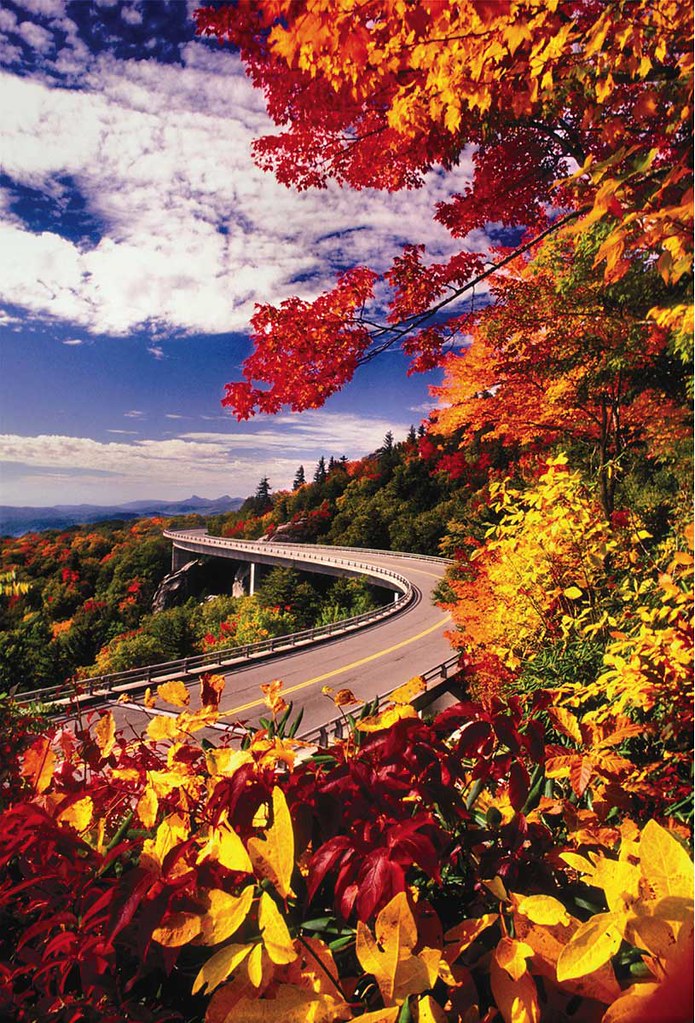
Photo courtesy of Smart Destinations via Flickr

For this region, late October marks the peak season, just in time for curating Halloween photos of pumpkin carvings against a backdrop of fall leaves. 

But if you venture beyond your lake house’s backyard, there are even more picturesque foliage views in store. Given that this region is where the Appalachian Trail ends, it’s no surprise that one of these locations is the Blue Ridge Parkway in Virginia and North Carolina.

This scenic trail stretches 469 miles into the Appalachian highlands, and the panorama of multicolored leaves on a mountain is simply stunning. Close to the hip, thriving city of Asheville, you can visit the nearby Lake RhodhissDouglas Lake, or Lake Jacossee on your trip. 

Midwest

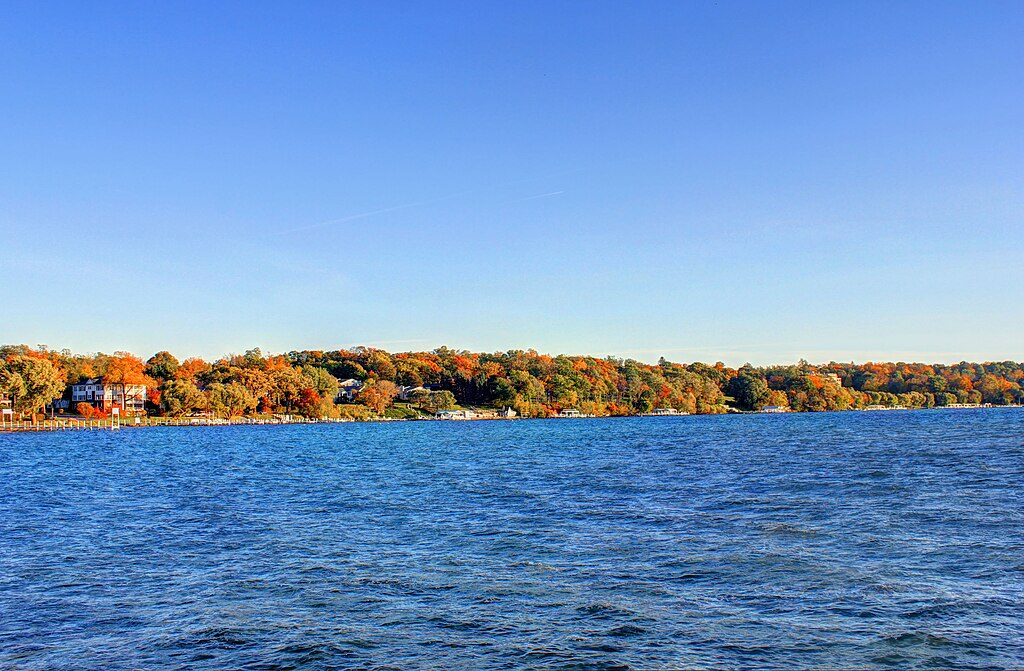
Lake Geneva – Photo courtesy of Yinan Chen, Public Domain, via Wikimedia Commons

From Lake Michigan to the Missouri River, the Midwest offers much more than its reputation of friendliness. There’s plenty of gorgeous destinations for viewing fall leaves.

One of these hidden gems is Geneva Lake in the town of Lake Geneva (confusing, we know). Just 80 miles northwest of Chicago, this historical town is fantastic for classic fall activities like boat tours, apple picking, and Oktoberfest.

Slightly further east is Brown County, Indiana. Renowned as a hotspot for artists, its rolling hills are incredible during the fall. For a more adventurous trip, try out a biking trail in Minnesota’s Root River Valley. 

Northeast

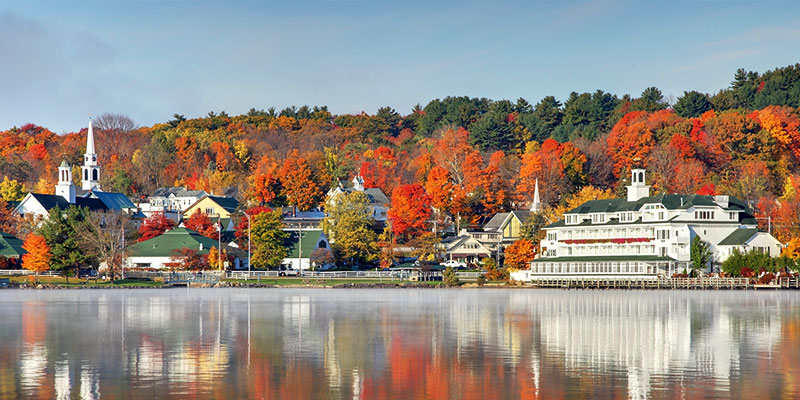
Lake Winnipesaukee – Photo courtesy of Denis Tangney, Jr. via VisitNH.gov.

When it comes to Fall leaves, the northeast region is perhaps the first that comes to mind. You may envision charming small towns draped in fall foliage — like the fictional Stars Hollow from Gilmore Girls— scattered across states like Connecticut and Vermont. While not entirely accurate, there’s truth to this New England fall fantasy.

One of these is New Hampshire’s Lake Winnipesaukee loop. The state’s largest lake offers a 97-mile drive around its border. Especially during the fall, you’ll want to schedule plenty of time for pit stops at quaint towns Laconia and Meredith.

Outside New Hampshire, Maine’s Acadia National Park, Connecticut’s Route 7, and Woodstock, Vermont, are other must-sees in the region. 

West

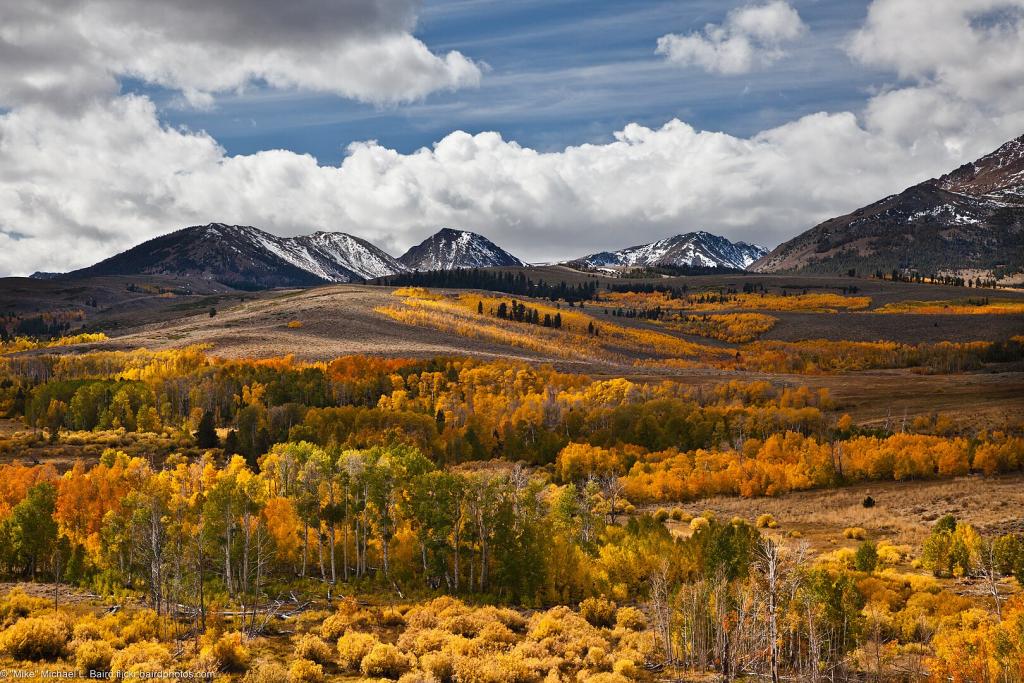
Photo courtesy of “Mike” Michael L. Baird, CC BY 2.0 https://creativecommons.org/licenses/by/2.0, via Wikimedia Commons

This region’s wide-open spaces make fall leaves more visible than ever. Whether your home is on California’s Lake Tahoe or Washington’s Puget Sound, there’s a place to take photos of fall leaves nearby. 

In the northwest region, a stand-out location is Idaho’s Teton Scenic Byway. It’s technically on Wyoming’s outskirts, but the real star is the Teton Mountains’ incredible view. Around sunset, the orange and red glow matches the leaves’ colors for a stunning show. 

Further south, New Mexico’s Enchanted Circle is a popular autumn destination due to its hiking and biking trails and picturesque views. 

Although COVID-19 has stopped many of us from traveling, it can’t stop us from enjoying fall leaves locally this year! No matter what region your lake house may be in, we hope you enjoy your autumn staycation.
Best Practices for Catch and Release Fishing

Photo courtesy of the National Park Service.

Fish and wildlife experts disagree on the ethics of catch and release fishing. According to PETA (People for the Ethical Treatment of Animals), it’s cruel. Their opinion is backed by the research of scientists like James Rose, who told the New York Times that fish do feel a little pain.

However, proponents of catch and release fishing assert its conservation benefits. According to the National Parks Service, it allows more native fish to remain in the water and reproduce in the ecosystem. Some lakes such as Deerfield Lake and Westcolang Lake only allow catch and release fishing for this reason. Whatever your stance on this controversy, if you decide to try it, it’s important to do it properly to decrease fish mortality risk. 

We talked with Greg Gerlich, assistant regional director for the fish and aquatic conservation program in the U.S. Fish and Wildlife Service to learn best practices. Based on his expertise and research as a fish biologist, he feels that “done properly, catch and release can be a way to enjoy fishing, particularly for people who don’t want to harvest the fish. It’s also very rewarding.”

So, before grabbing your fishing rod, consider these best practices for catch and release fishing. 

Stick to Active Fishing

Photo courtesy of Active.com.

As opposed to passive fishing (e.g., nets, longlines, and traps), active fishing involves intentionally watching your contraption (e.g., fishing hooks and seining). With active methods, fish are less likely to swallow the bait and stay on the hook for too long. This is safer because when anglers are consciously paying attention to their bait, it’s easier to bring in a fish quickly and release it.

Gerlich adds, “Another key point is that you don’t want to overplay the fish and fight to exhaustion. It’s also important to make sure your line is sufficient weight and quality to bring in fish quickly.” Essentially, active fishing helps with speed and reaction time. The faster you can reel in the fish, the faster you can release it. 

Limit the Fish’s Time Out of Water

Photo courtesy of FishingBooker.com.

To reduce the fish’s stress and ensure survival, minimize its time out of water. This shorter interval involves thinking ahead of time. Get your line, tackle, and bait in order, pre-plan your photograph, and make sure your hands are wet to reduce the loss of the fish’s protective mucus. Then, lift the fish efficiently for a quick photo and immediately release it into the water. 

A few tools can help enable a quicker release. According to the National Parks Service, artificial lures are the best choice for catch and release fishing because the hooks are easier to remove. Barbless hooks are much easier to remove. Plus, according to one Florida study on snappers and groupers, there’s no difference in catch rates between barbed and barbless hooks. Overall, stay mindful of handling the fish as little as possible.

Keep the Species in Mind

Photo courtesy of cottonbro studio via Pexels

The impact of catch and release fishing differs depending on your lake’s biodiversity. Gerlich warns, “You don’t want to practice on species in water that is pushing their psychological tolerance.” One example is trout fishing. According to Gerlich, water above 70 degrees negatively impacts trout, especially if they’re stressed. Avoid trout fishing in these warm waters.

Similar precautions apply to fish that reside in deep water. A deep-water fish has limited time to acclimate to each water stratification level when you’re reeling them in. According to South Carolina Coastal Resources, this is called “barotrauma,” referring to a body part or organ’s injury due to sudden changes in barometric pressure. Snapper and grouper are most commonly affected by barotrauma. To remedy this, use descending devices to return fish to their homes at lower depths. 

Do Your Research

Photo courtesy of NESEA.

If you aren’t sure what precautions to take for the fish in your lake, educate yourself. If you’re on a private lake, talk to the homeowners association and connect with other anglers. If you’re on public waters, contact the state’s fish and wildlife management agency and your local fisheries.

Especially if you’ve just bought a lake home and you’re new to the area, it’s important to inquire about best catch and release practices in your area. Gerlich adds that sporting stores and fly fishing shops are excellent resources for anglers too. “It’s their business to know what fish are out there,” he says of guides at fly fishing stores. 

Are you an avid angler at your lake house? What other catch and release fishing practices have you adopted?