How to Fish in New Water

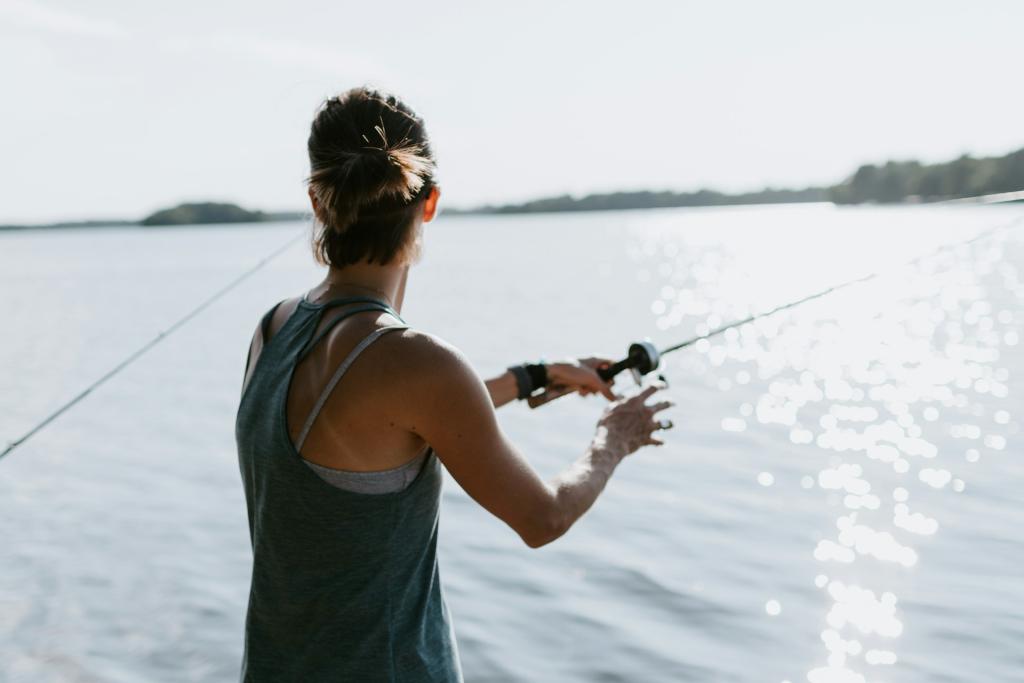
Photo by Kelly Sikkema on Unsplash

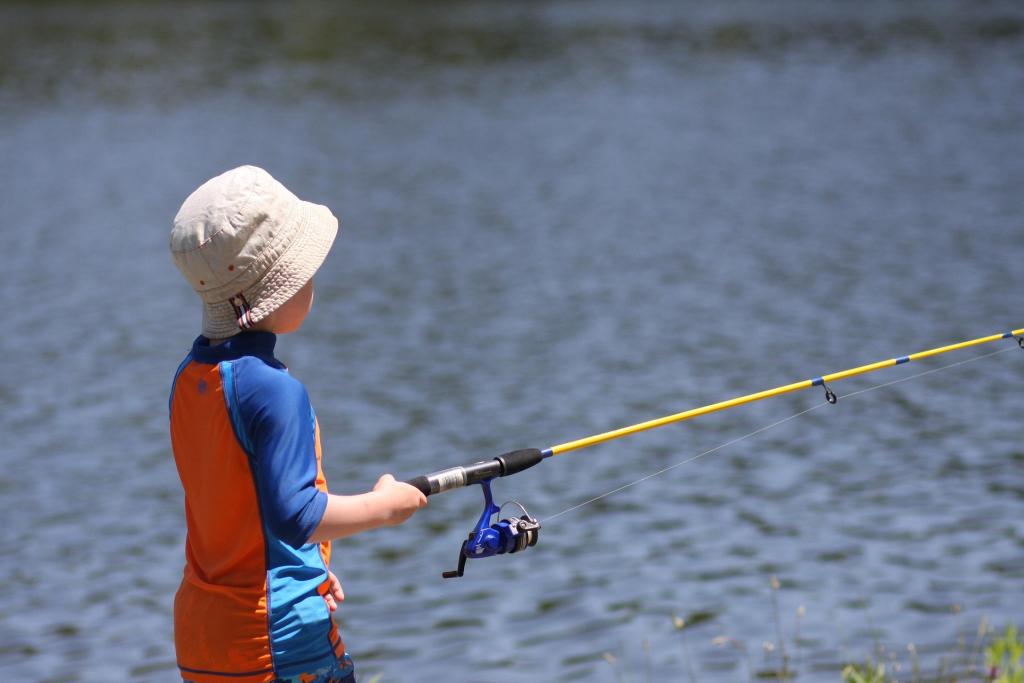
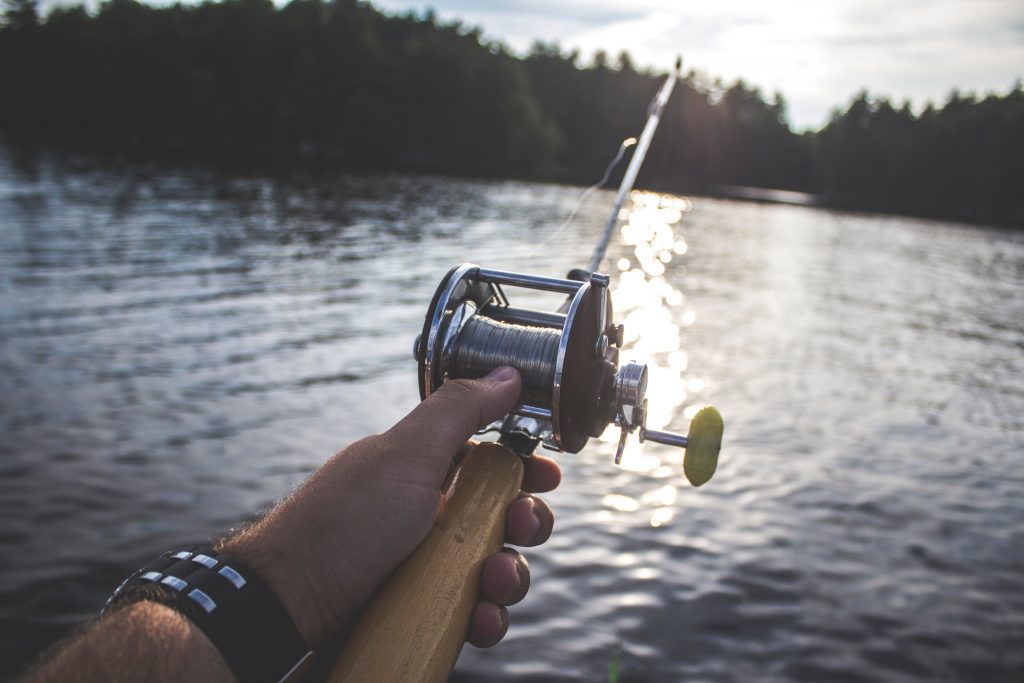
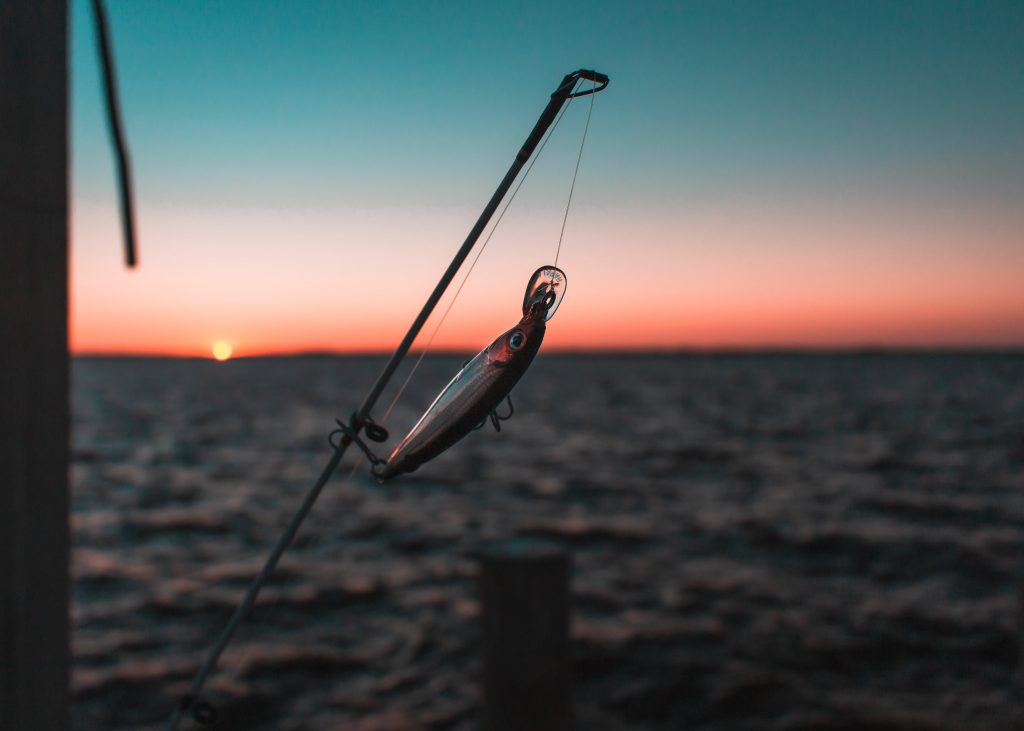
If you’re a lake homeowner and angler, chances are, you know your lake very well. You know exactly what time to wake up to get on the water, you know what times the fish are biting, and you know what sloughs to try for good luck. However, when you’re exploring a new lake for the first time, you might feel uncertain. How do you know where to start? Whether it’s a large or small lake, the same rules tend to apply for fishing in new water.

Do Your Research Beforehand

Photo by Benjamin Dada on Unsplash

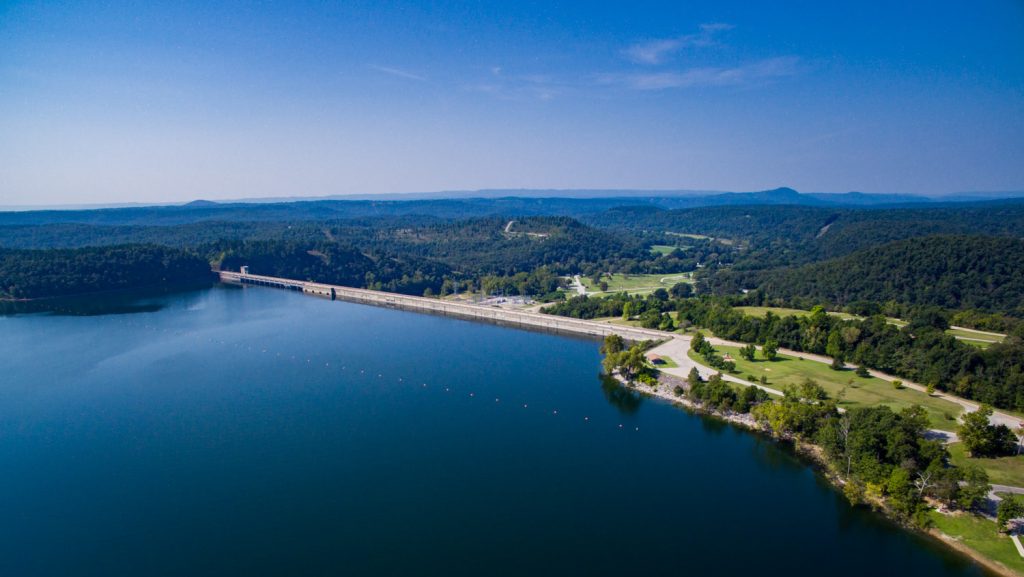
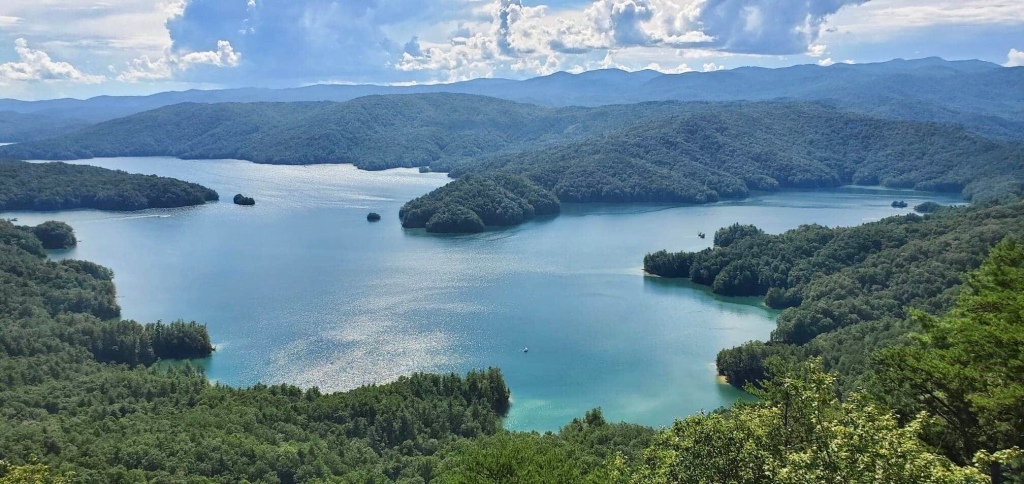
Before you arrive, learn as much about the lake as you can! The internet is a wealth of knowledge with maps of topography, online resources, and blog posts. Additionally, there are plenty of videos (like this one for Lake of the Ozarks) of anglers who are familiar with your lake area. Locally, you can also gather intel from your neighborhood bait shop or other community lake resources.

Assess the Season and Temperature

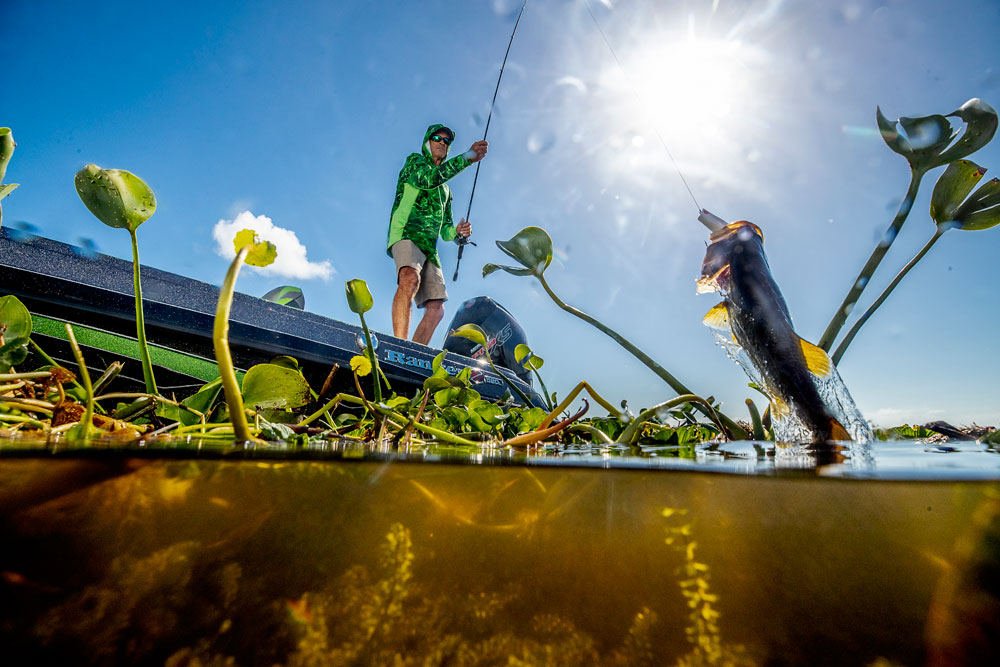
Photo courtesy of Mossy Oak

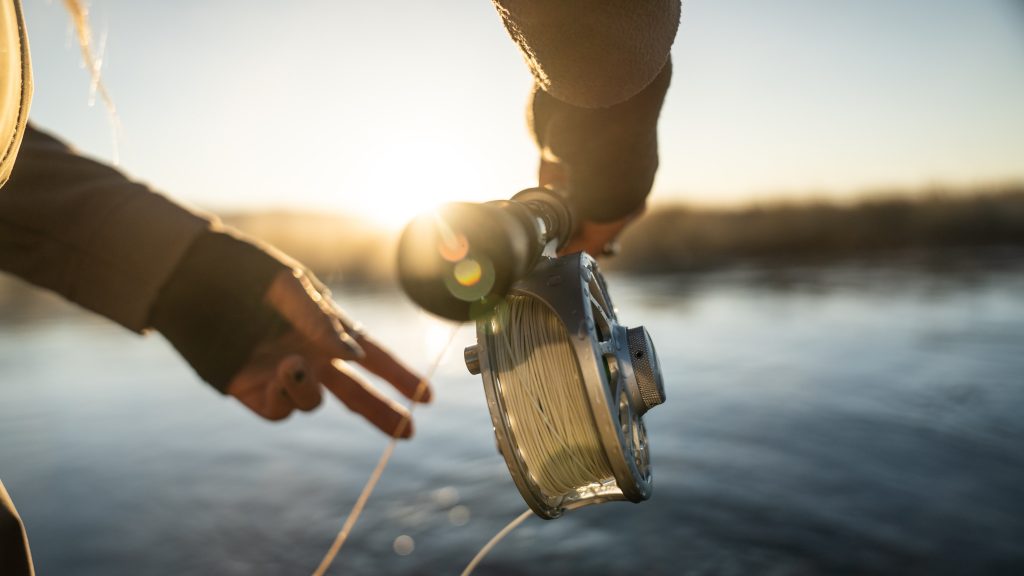
Without knowing a new lake, you can rely on the general rules of seasonality and temperature, which play a huge role in the location of fish — no matter the lake! It’s important to consider both factors, as they intersect with one another. In winter, fish seek out the warmest waters available. Due to lake stratification, the warmest spot on cold days is at the bottom of the water. However, if there’s a spike in temperature, they’ll swim toward the center of the lake. In spring and summertime, it’s best not to fish in deep water, when instead, fish will be spawning in shallower areas.

Pay Attention to Environmental Micro-Changes

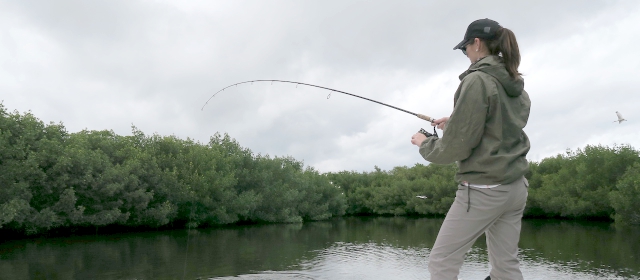
Photo courtesy of takemefishing.org

The best anglers know that these rules about seasonality are simply guiding principles, rather than infallible truths. It’s just as important to keep a keen eye on the micro-changes in the environment — the day-to-day differences on the lake. For instance, if you’re in a heatwave but there’s a sudden cloudy day, fish will take the opportunity to feed, which in turn is an excellent opportunity for you to fish. Micro-changes also include adjustments in water level. For instance, when water levels rise, fish gravitate closer to the shallow shoreline waters.

Know Your Type of Bait Fish

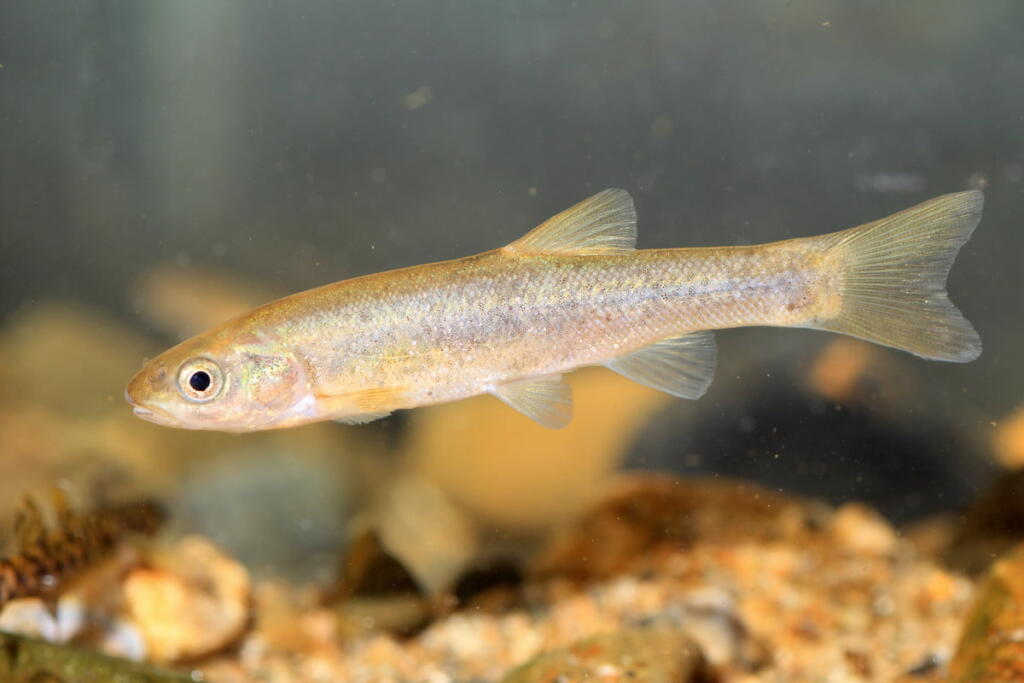
Photo courtesy of pawtracks.com

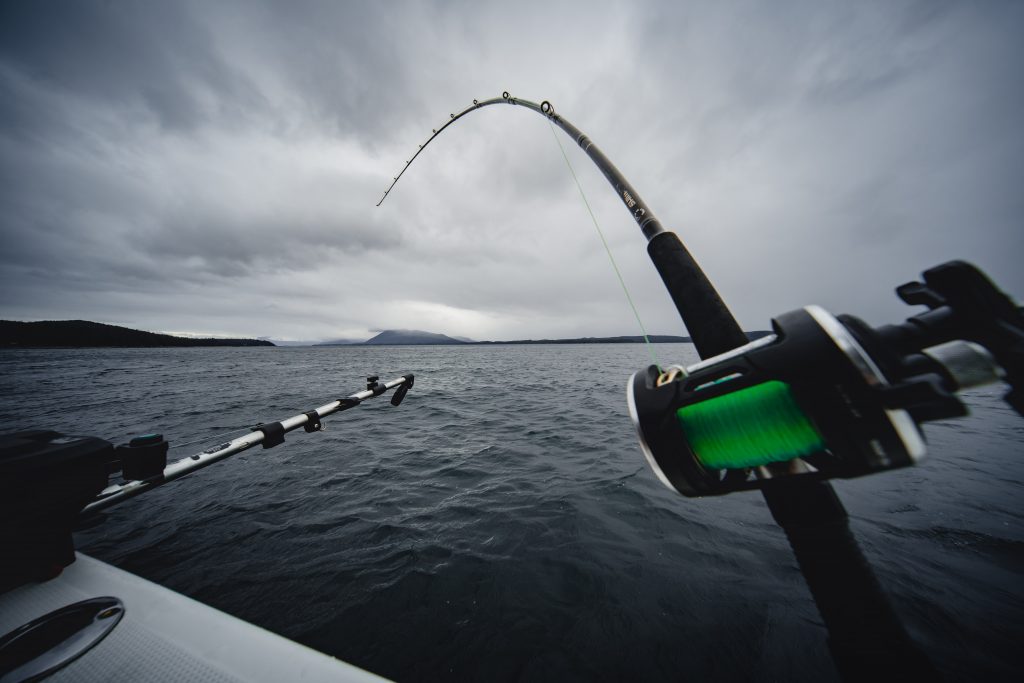
On any lake, a crucial part of fishing is knowing which bait to use. On an unfamiliar lake, the best way to gauge this is by observing the baitfish that your target is already chasing after. Have you noticed a group of minnows around the dock? Or white suckers swarming in one particular slough? These observations clue you into what your target fish is after, and you can choose similar bait that will lure them in.

Take a Bird’s Eye View

Photo by Brittany Clark on Unsplash

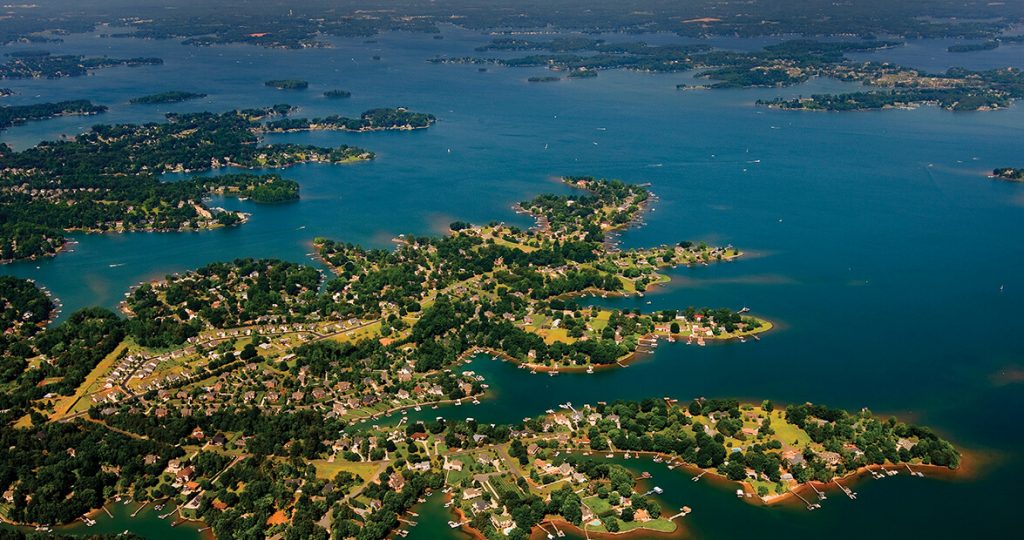
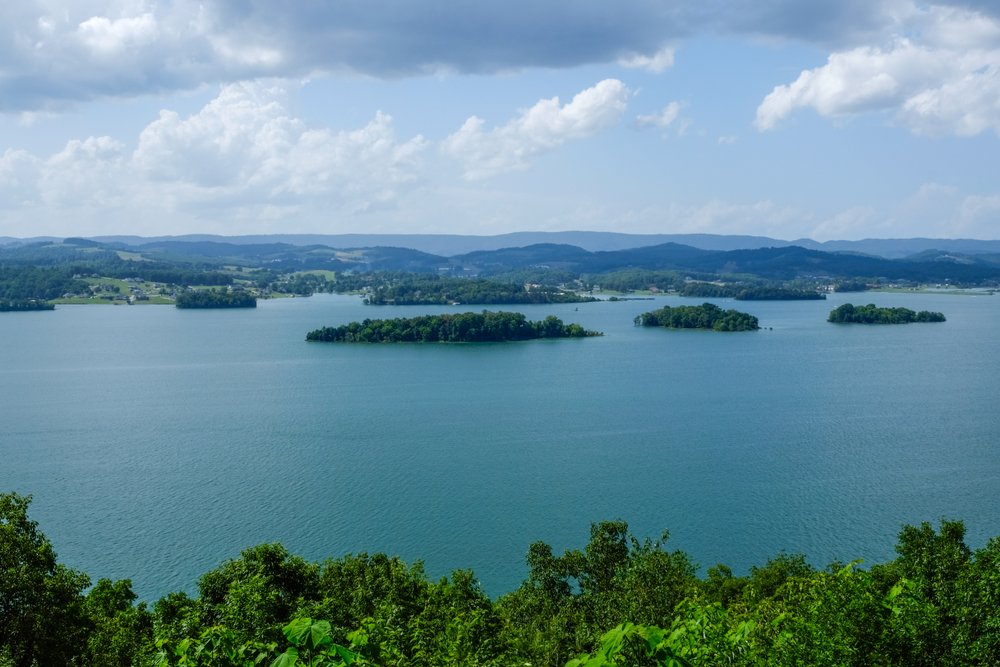
When fishing in new water, many anglers make the common mistake of stopping at one intriguing area of the lake. They see a slough they like, turn off the motor, and stay there. However, there are many benefits to surveying a larger portion of the lake first! This tactic will help you understand the lake on a holistic level, learn the ideal hiding spots for fish, and ultimately improve your ability to understand quickly and fish on a new lake. 
We hope these tips help you reel in more fish as you explore your next lake area!

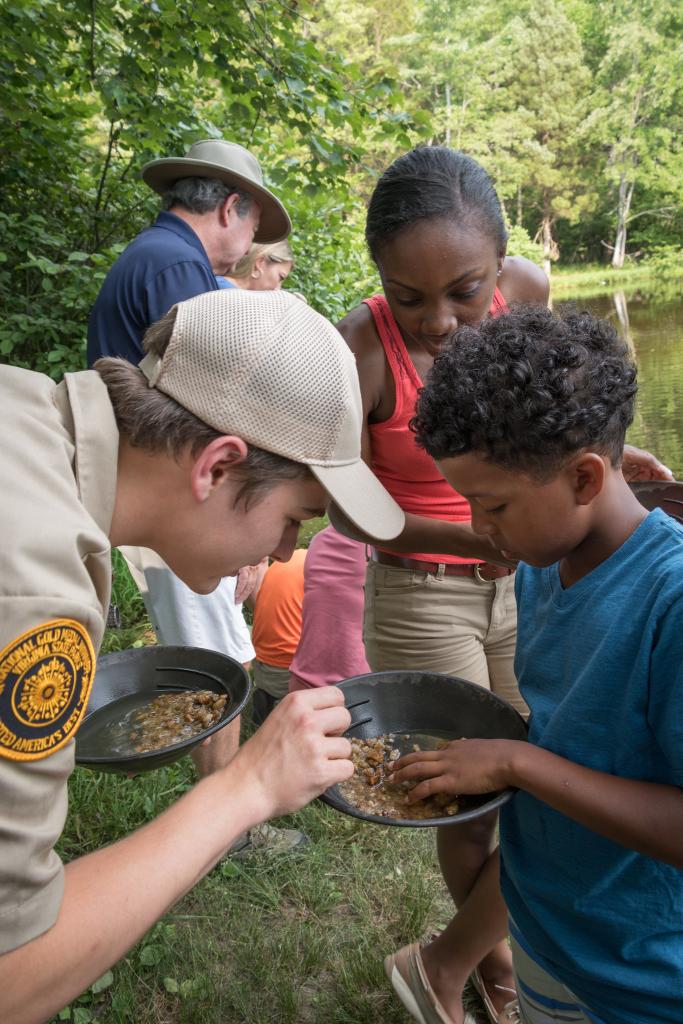
5 Facts About Lake Anna

Photo courtesy of Wikimedia Commons

For miles of gorgeous shoreline, plenty of fishing opportunities, and an interesting slice of history, look no further than Lake Anna. One of the largest freshwater reservoirs in Virginia, Lake Anna is a popular recreational spot with close proximity to major cities such as Richmond and Charlottesville. Between fishing, swimming, boating, and water sports (including several triathlon competitions), there’s something for everyone on this beautiful southeastern lake.

Close Proximity to Historic Landmarks

Image from National Park Service/Buddy Secor via Lake Anna Guide

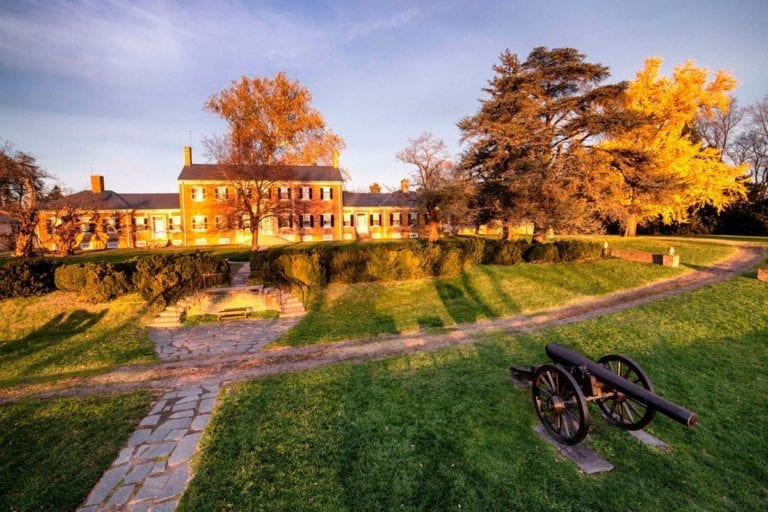
A short day trip away from Lake Anna is Spotsylvania, also known as the “Crossroads of the Civil War.” Many major battles were fought at this location, including the Battle of Spotsylvania Court House, the site of 20 hours of brutal hand-to-hand combat. Other interesting attractions like the Historic Courthouse, the Old Jail, and the National Park Service Spotsylvania Battlefield will delight all history buff visitors. While you’re there, stop for some beer, wine, and spirit tasting at the Grapes and Grains Trail.

Third-Largest Lake in Virginia

Photo courtesy of Virginia.org

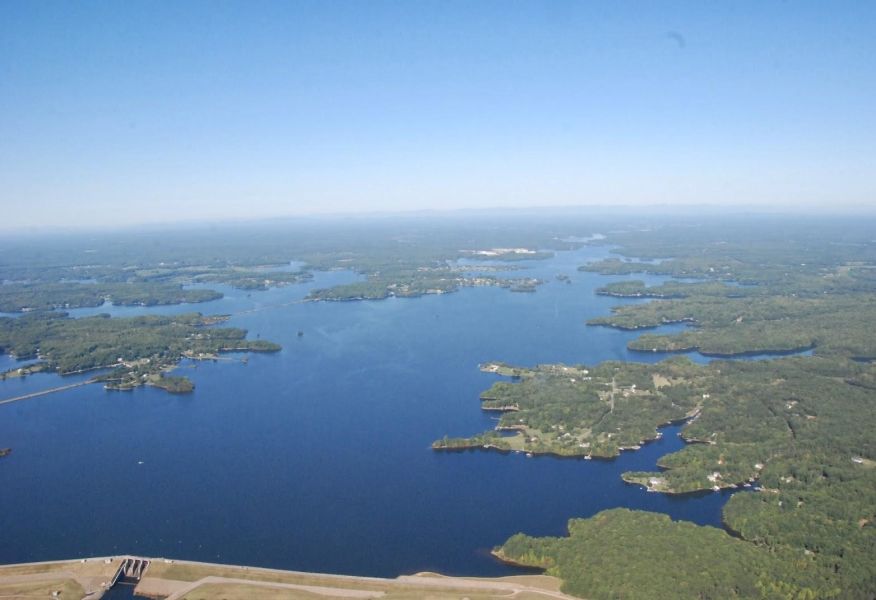
Lake Anna is the third-largest lake in the state of Virginia and is the second-largest lake located entirely in the state. Kerr Lake is ranked the largest lake, but it lies in both Virginia and North Carolina. Overall, the lake measures 17 miles long with about 200 miles of shoreline. This shoreline is divided into public and private sectors, with the latter being closed off to commercial operation and available only to private residents. With this division, boats on one side cannot cross over to the other. If you’re not a private resident, you’re still in luck. One of the most popular spots on the public shoreline is Lake Anna State Park, full of sandy beaches, swimming, and hiking trails.

History of Gold

Photo courtesy of Flickr

When you think of Gold Mining, perhaps the famous California Gold Rush comes to mind. However, the West wasn’t the only place in the country where people discovered gold. In 1829, gold was discovered in Louisa County, Virginia, during the peak of gold mining in the U.S. Between 1830 and 1849, the Goodman Gold mine, also known as “Gold Hill,” was the third-largest gold mine in the country. The Goodman Gold mine flourished for about a century until the 1940s, replaced three decades later by the man-made Lake Anna.

Hotspot for Fishing

Photo courtesy of Franklyn Zhao from Pixabay

Of course, most of our lakes are known for their abundance of fishing opportunities. But Lake Anna in particular is special in this regard. It’s lauded as one of the top spots to fish for largemouth bass on the East Coast. Besides largemouth bass, crappie and stripers are the most popular catches on this lake, and many anglers come to Lake Anna specifically to reel in a bass. About 99% of fishing on Lake Anna is catch and release, but if you want to take one home for the grill, you’ll need to meet the minimum size requirement. If you’re new to fishing on this lake, get in touch with a fishing guide from the Lake Anna Visitor’s Center. 

If you’re searching for a lively, picturesque lake home near Virginia, you might find your dream home on Lake Anna. Check out our available listings in this area, and consult with one of our lake expert agents!

Enjoy trivia? Be sure to join our newsletter for weekly article updates! SIGN UP

Professional Bass Fishing: Bassmaster Tournaments

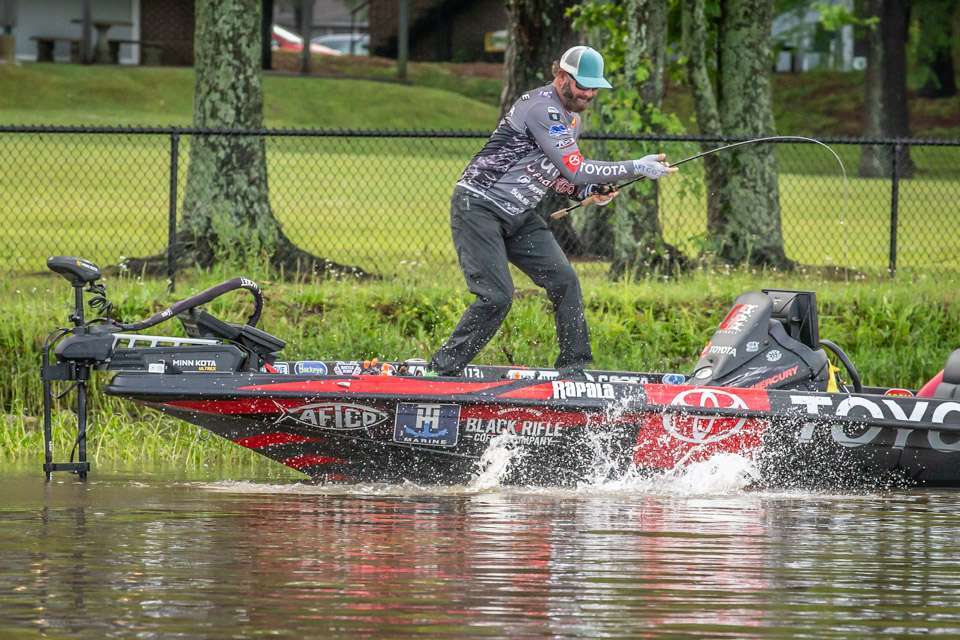
Photo courtesy of Bassmaster.com

By Fletcher Allen and Lacey Spear

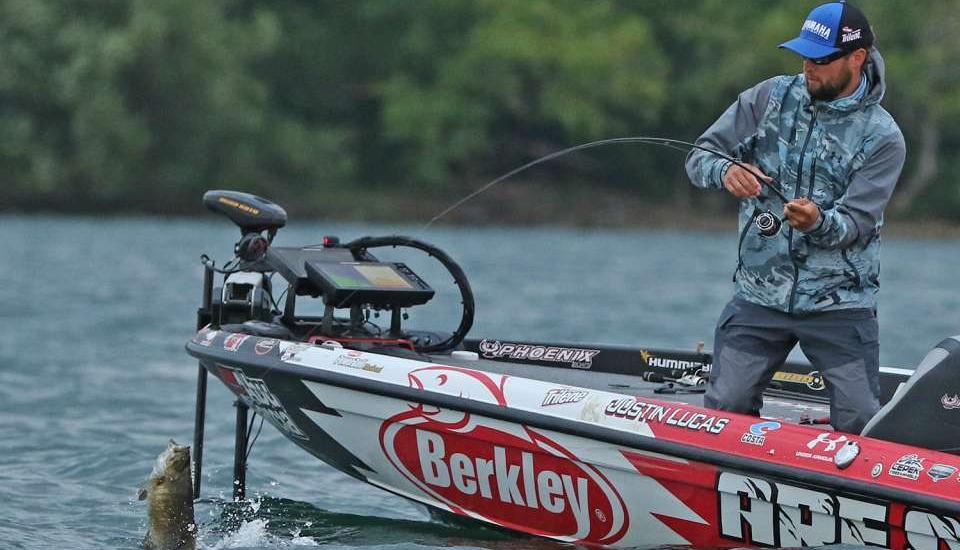
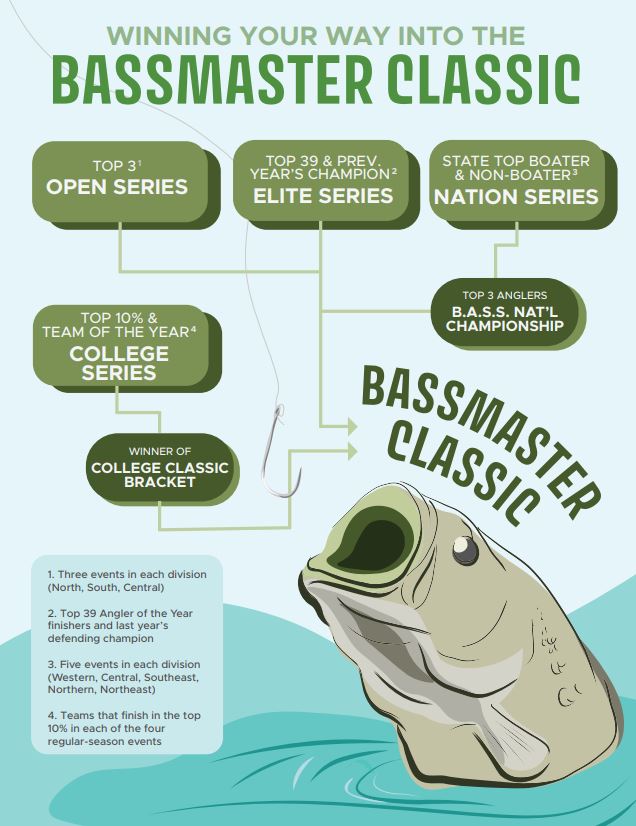
​​Picture premier bass fisheries, expert anglers, and prestigious awards. This is the Bassmaster Classic, gathering over 100,000 people annually and serving as the Super Bowl of the bass fishing world. The winner of the Classic gains $300,000 and boasts the most coveted title in all of bass fishing, but how does one procure this prestigious award? Here is the path to the Classic.

During all events, each angler competes to reel in the heaviest combined catches. At the weigh-in, the angler with the most weight to their name obtains first place and gains 300 AOY (Angler of the Year) points. All other anglers still acquire points, but the amount decreases relative to the angler’s event ranking. The AOY award is given to the person who accumulates the most points from all events and is on par with winning the Classic.

In this article, we’re highlighting nine lakes that will feature some of these exciting events, including the 2022 Classic!

Alabama

Photo courtesy of Bassmaster.com

Lewis Smith Lake

Photo courtesy of Cullman Economic Development Agency via Major League Fishing

Lewis Smith Lake is deep and clear, with a maximum depth of 264 feet. The transparency of the water — sometimes up to 20 feet — makes it the perfect place for lighter test lines and natural-colored creature bait. It is set to host three Bassmaster events this year: the High School Series on March 13, the Nation Southeast Regional April 27-29, and the Kayak Series on May 21.

Logan Martin Lake

Photo courtesy of Best-Wallpaper.net

Logan Martin Lake has a long history of tournament play because of its ideal stained freshwater conditions — the perfect place to find bass. Largemouth and spotted bass are the most popular catches, sought out under docks, laydowns, and brush piles. The College Series Wild Card will take place June 17-18 and give teams who are on a waiting list for the regular qualifiers a chance to make it to the College National Championship.

Arkansas

Photo courtesy of Brady Rogers on Unsplash

Lake Norfolk

Photo courtesy of Arkansas.com

Although it’s nationally famous for stripers, Norfork Lake has fantastic opportunities to catch largemouths, smallmouths, and spotted bass. Norfork has less underwater structure than other lakes, but anglers find action when focusing on limited brush piles or steep shoreline drop-offs. A high school and college qualifier will take place back to back, with the college qualifier happening April 22-23 and the high school qualifier on April 24.

South Carolina

Photo courtesy of Samantha Deleo on Unsplash

Lake Norman

Photo courtesy of Our State

Another consistent setting for bass fishing tournaments is Lake Norman. There is plenty of cover to fish here, such as docks, bridge pilings, and creeks, but the most popular fishing spot is the hot water discharge chutes at the McGuire Nuclear Station. Baitfish crowd the warm waters, drawing in the white bass, stripers, largemouths, and spots here. A college series qualifier will take place March 25-26.

North Carolina

Photo courtesy of Chris Hardy on Unsplash

Lake Hartwell

Photo courtesy of seekthescenic.com

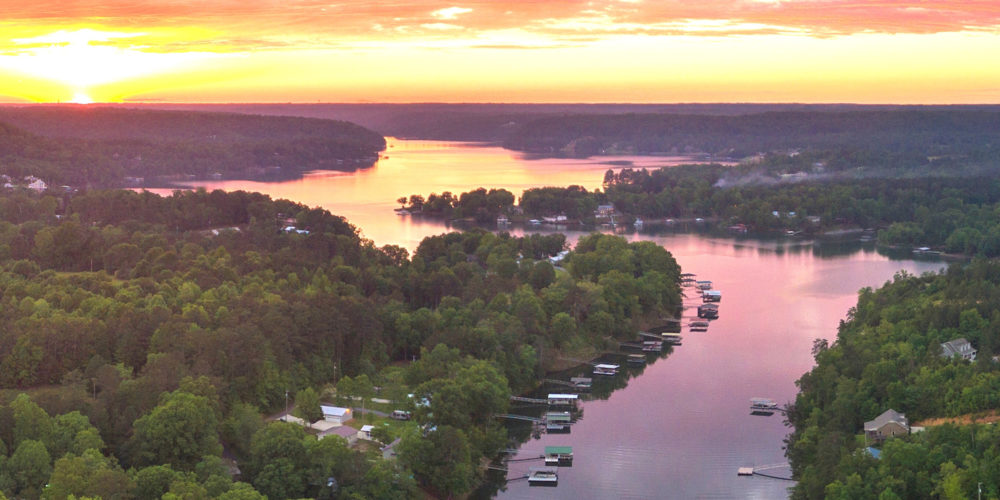
Lake Hartwell is one of the southeast’s largest and most popular recreational lakes, measuring a whopping 56,000 acres. Anglers know it as a fantastic bass fishing lake, with species like stripers, large and smallmouths, spots, and hybrid stripers present. Hartwell has hosted many Bassmaster events in the past, including three classics. Besides hosting 2022’s Classic, there will be a Southern Open October 6-8.

Tennessee

Photo courtesy of Yiran Ding on Unsplash

Cherokee Lake

Photo courtesy of 9 Lakes of East Tennessee

Cherokee Lake, a hotbed for smallmouth bass, is known for its abundant forage base of threadfin shad, gizzard shad, and alewife. This forage creates stellar fishing prospects by providing cover for three black bass species, white, striped, and hybrid striped bass, walleye, sauger, sunfish, and catfish. The Southern Open will debut on Cherokee Lake March 31-April 2.

Chickamauga Lake

Photo courtesy of Major League Fishing

Chickamauga Lake, nicknamed “The Land of the Giants,” contains hundreds of 10-pound largemouth bass. The aquatic vegetation and strategic landscaping create ideal conditions for smallmouth and striped bass, as well as bluegill, redear sunfish, walleye, sauger, and catfish. On April 7-9, the Bassmaster Elite Series will premiere on Chickamauga Lake, providing viewers the chance to see the experts take on these prolific waters.

Texas

Photo courtesy of Sportsman Channel

Lake Fork

Photo courtesy of Bassmaster.com

In 2021, Bassmaster magazine named Lake Fork the Best Bass Fishery in the nation. The lake was created as a textbook fishery and offers a stellar fish habitat with 80% of the standing timber remaining. On these waters, fishermen catch largemouth and white bass; black and white crappie; channel, flathead, and blue catfish; bowfin, and sunfish. On May 19-22, Lake Fork residents and guests can watch the Elite Series.

Sam Rayburn Reservoir

Photo courtesy of FishingBooker.com

Spanning 114,500 acres, the Sam Rayburn Reservoir is the second-largest lake in Texas. This lake provides successful fishing all year round. Most fish are concentrated in the deeper water near brush piles or in creek channels, and anglers reel in largemouth and white bass, crappie, sunfish, bluegill, and channel catfish. On October 20-22, fishing fans can view the Central Open on Sam Rayburn Reservoir.

Bassmaster not only hosts competitive tournaments with large prize pools but also teaches bass anglers at an early age to appreciate preserving fish populations and their respective waterways. Bassmaster’s primary goal is “to advocate for clean water, habitat preservation, invasive species control, public access, and ethical fish care,” proving that there is more to bass fishing than just reeling in the largest catch.

Popular Polar Plunges in Lake Areas

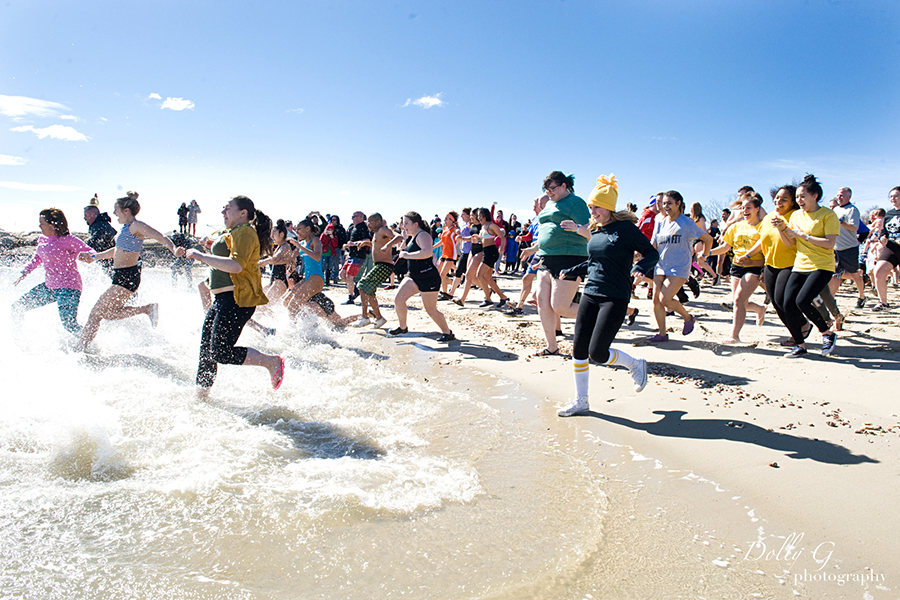
Photo courtesy of Dolly G Photography via Boston Magazine

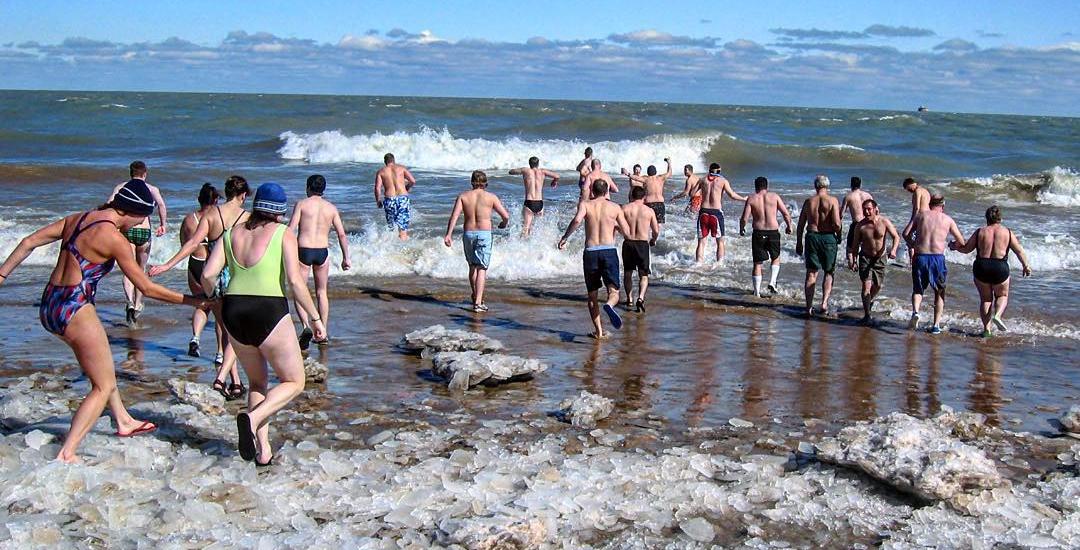
In the middle of winter, the last activity on most of our minds is diving headfirst into a freezing lake. However, thousands of people do it every year. If you aren’t familiar, a polar plunge is a winter event in which a crowd of people jumps into a cold body of water. Typically, polar plunges take place to benefit a charity of some kind, such as the Special Olympics. Beginning in 1904 with the first recorded polar plunge in Boston, these events have been popular for over 100 years. In 2021, there’s no sign that the enthusiasm is dying down. Check out these upcoming polar plunges in our lake areas!

Lake George Polar Plunge

Photo courtesy of LakeGeorge.com

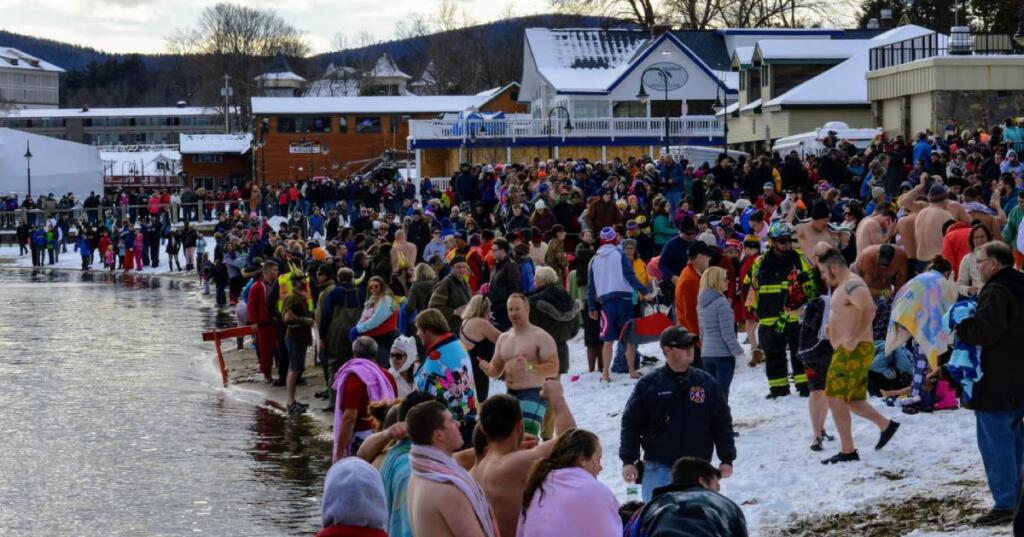
Looking for a unique way to ring in the new year? Start off 2022 with the Lake George Polar Plunge. For this annual tradition, over a thousand people gather at Shepard Park Beach and dive into the freezing New York waters of Lake George. Due to the northern climate, in some years, there’s been a thin layer of ice that participants need to swim through. Be sure to bring your own towel and fresh set of warm clothes!

Chicago Polar Plunge

Photo courtesy of Urban Matter

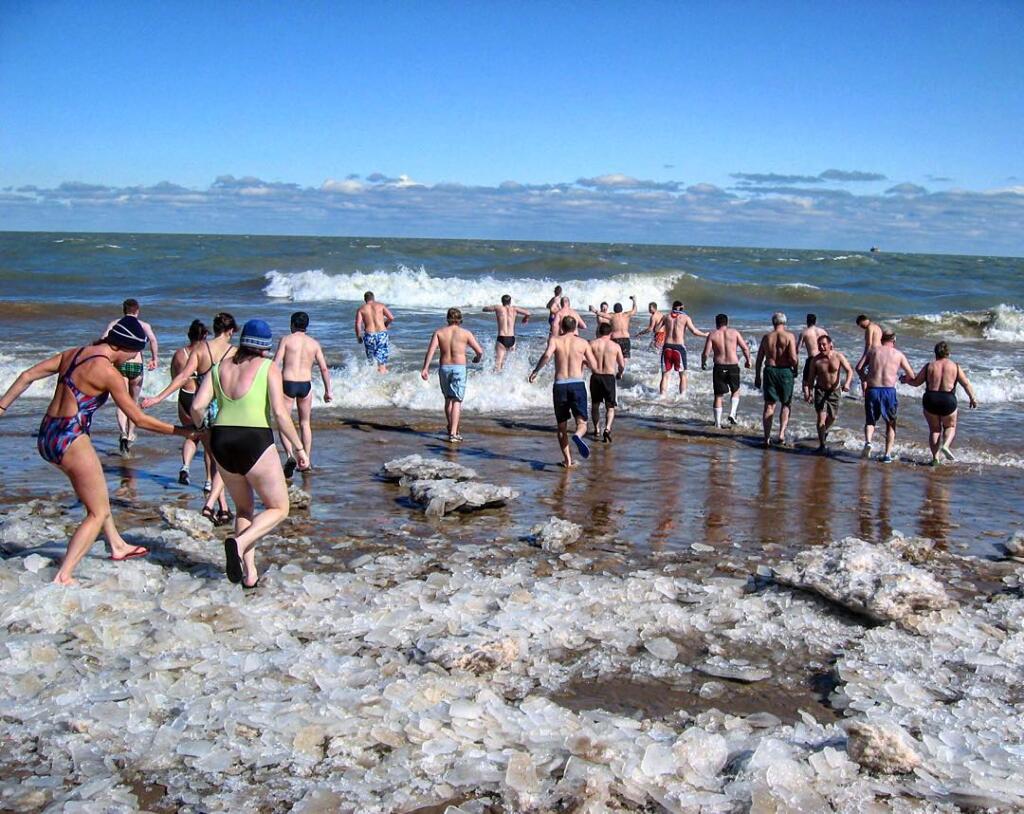
Chicago is known for its thriving comedy scene, deep dish pizza, and loyal sports fans. But one of its main features is the incomparable Lake Michigan. On March 6th, 2022, this city will host its annual Chicago Polar Plunge where brave plungers will dive into the cold Lake Michigan waters to support the thousands of Special Olympians who compete each year in the city. In past years, celebrities like Jimmy Fallon and Lady Gaga have taken the plunge here too!

Lake of the Ozarks Polar Plunge

Photo courtesy of Lake Expo

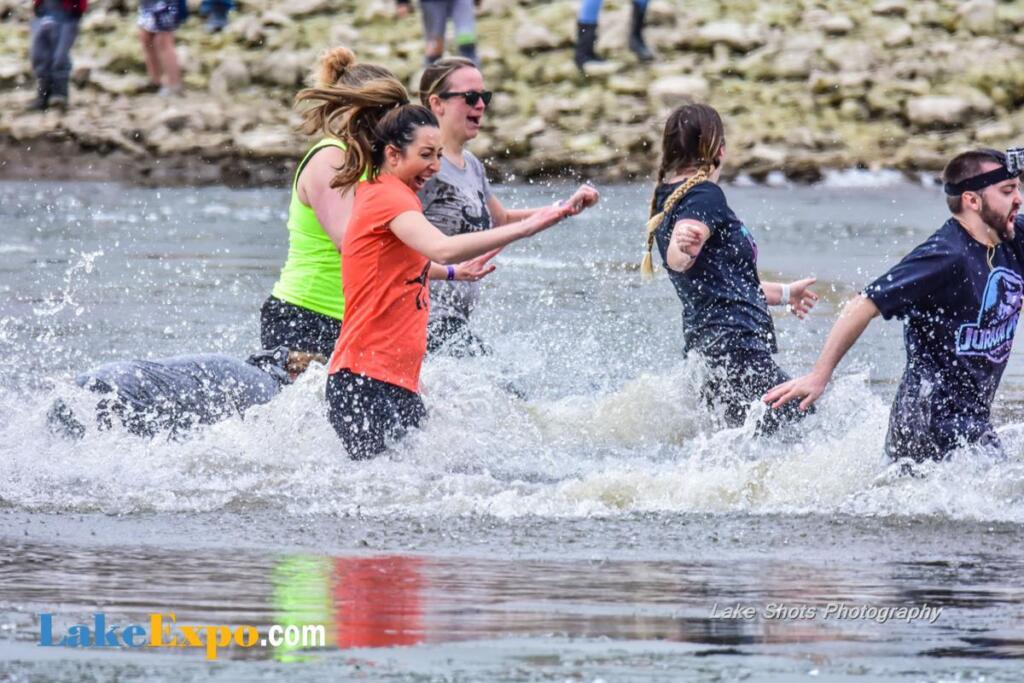
Although Lake of the Ozarks is most famous for Party Cove, crowds of people in this lake area are doing more than drinking on boats. They’re also diving into cold water for charity! This lake’s 2022 polar plunge will take place on February 26th to benefit Special Olympics Missouri. To make things more fun, this event will be complete with music and fun costumes. Not yet comfortable in crowds after the pandemic? There’s also an at-home option where you can participate by jumping in a cold shower, kiddie pool, or any other body of water that’ll have you shivering!

Maryland Polar Plunge

Photo courtesy of NorthBeachMD.org

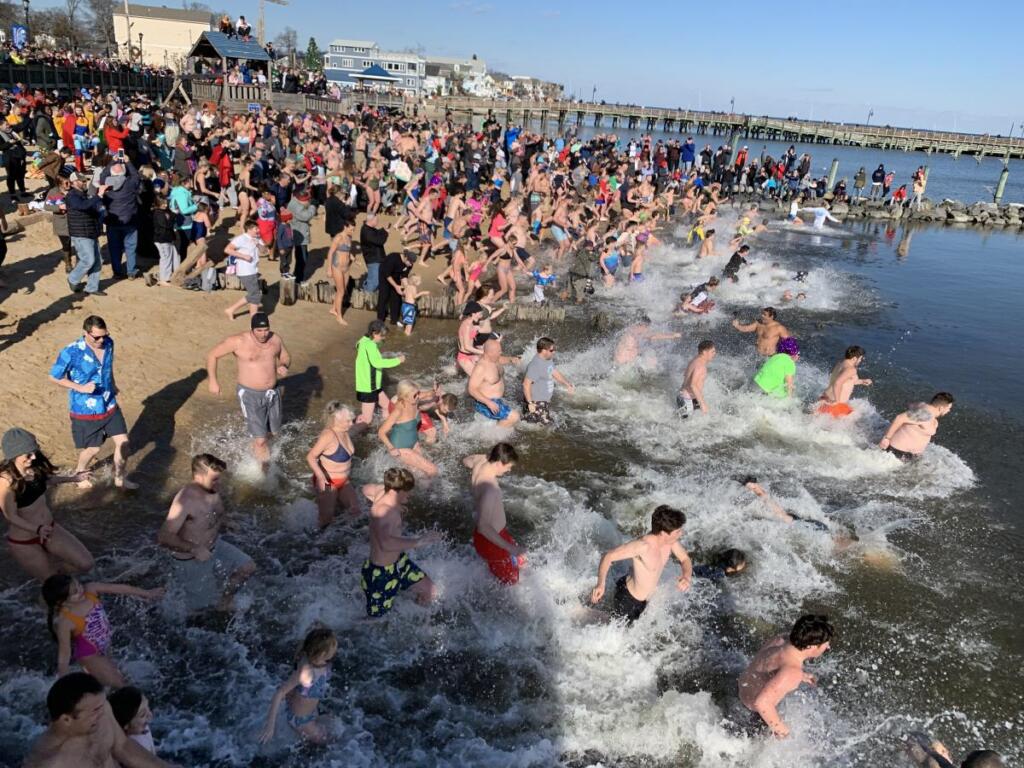
One of the country’s most long standing polar plunge traditions takes place on the Chesapeake Bay in Maryland, near Lake Ogleton. For the past 25 years, thousands of attendees have dove into these waters to support the Special Olympics athletes of Maryland. But if you thought jumping into cold water once was enough, you’ll be amazed by the Super Plungers who do it 24 times in 24 hours! The Maryland Polar Plunge even has specific dates for various groups of plungers such as teachers, police officers, and corporate employees.

Lake Acworth Polar Plunge

Photo courtesy of Around Acworth Magazine

Even though the water is a little warmer down south, there’s still a lot of bravery required to plunge into the waters of Lake Acworth, Georgia. On February 19th, 2022 these plungers will take the dive to support Special Olympics Georgia. Stay after the event for live music, food, and prizes. If you’re looking for a polar plunge event in a more remote lake area without huge crowds, this one is perfect. 

All across the country, lake lovers are taking the dive this winter! If you can relate to the lyric from Frozen “The cold never bothered me anyway” chances are, you could be one of them. We hope you have a (n)ice event!

5 Types of Bird Baths for Your Backyard

Photo by Dan Loran on Unsplash

For those of us who live on the lake, birdwatching is a fun and accessible hobby. From your back porch, you have a front row seat to every migration season. Just get out the bird book and binoculars, and you’re set for an enjoyable afternoon! When attracting birds to your lake house, a few bird baths can go a long way. Besides adding aesthetic appeal to your yard, bird baths serve a dual purpose — drinking and preening. Preening refers to self-grooming. Much like a cat, birds go through a self-bathing process to remove dust and parasites from their feathers. Since most birds preen throughout the day to keep themselves clean, your bird baths provide a much-needed respite for our aviary friends. 

If you’re not sure what type of bird bath to invest in, you’ve come to the right place! Check out these 5 different types of bird baths for your backyard.

Ground Bird Bath

Photo courtesy of Backyard Boss

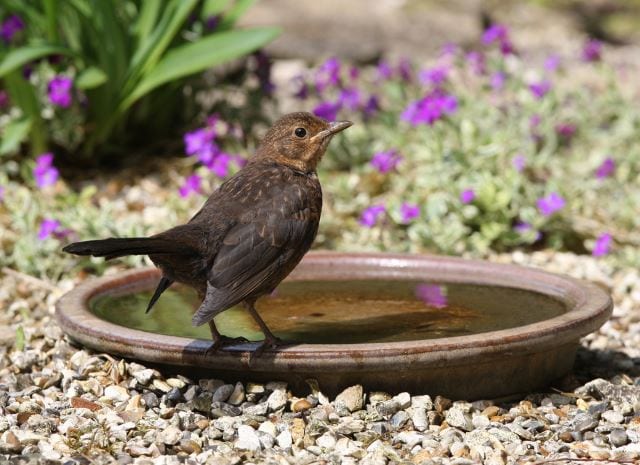
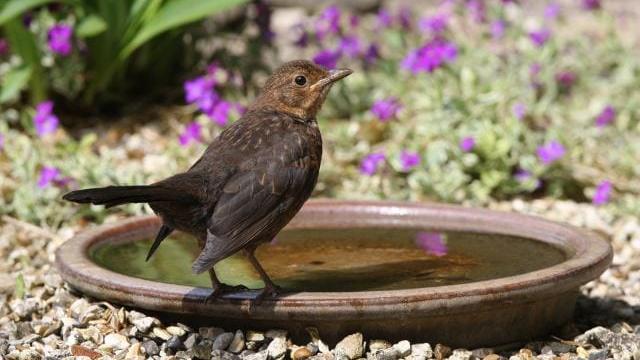
Let’s start with the lowest elevation. This simple birdbath model is essentially a basin of water resting on the ground. Usually a circular or oval shape, this style mimics water sources in nature, such as lakes and ponds, which have no elevation. Some benefits of this type of bird bath are its lack of complexity (you could easily create a ground bird bath from an unused ceramic plate), its ease of portability, and no chance of damage. Plus, the low elevation is perfect for larger birds like quail, grouse, or ducks. However, keep in mind that ground bird baths are more risky for predators and more susceptible to leaf litter.

Hanging Bird Bath

Photo by Habranthus on Unsplash

For the most elevated bird bath option at your lake house, a hanging bird bath is ideal. Essentially, this is a shallow basin hanging from a chord or chain, typically attached to a pole or tree branch. Because this type of bird bath is the smallest, its water capacity is limited, and the design options are fewer. You’ll also want to be mindful of higher winds, which can cause these small baths to fall. Despite these considerations, there are several advantages to hanging bird feeders. For small birds, this type of bath is the safest because the height protects them from predators. They’re also simple to DIY with saucers.

Pedestal Bird Bath

Image courtesy of MyGardenLife

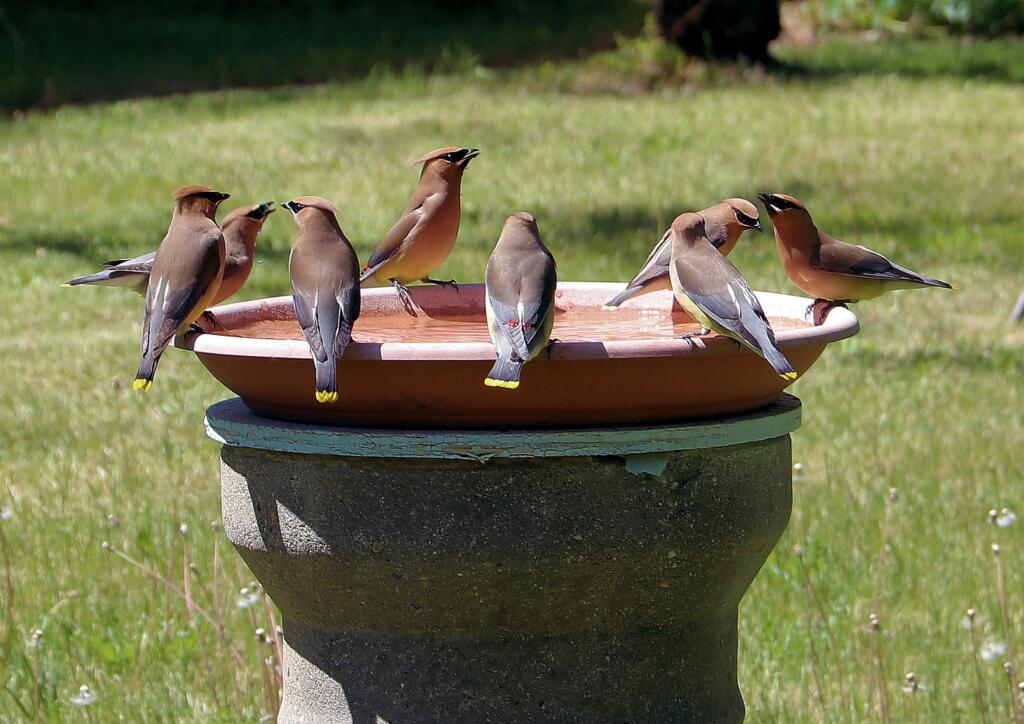
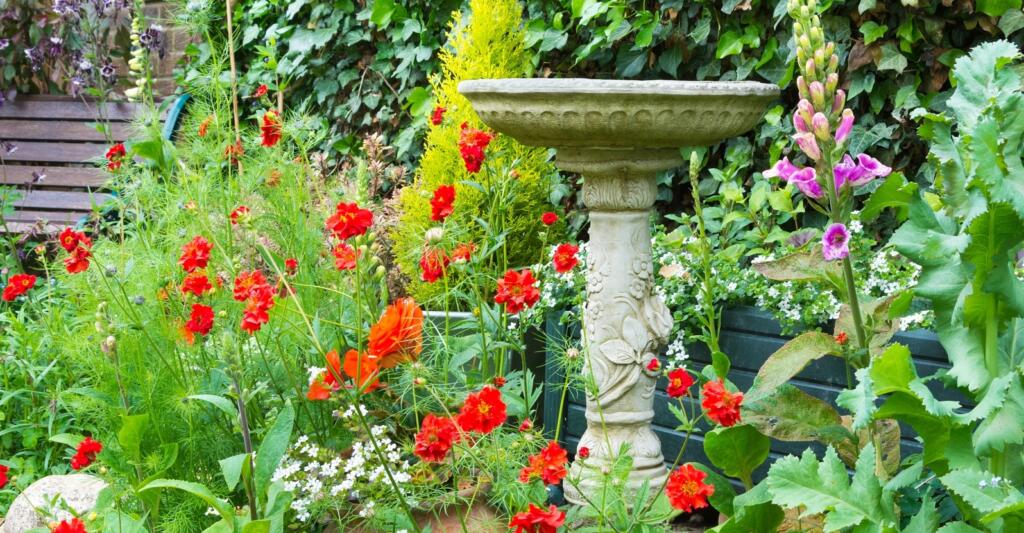
When you picture a bird bath, a pedestal bird bath is likely what comes to mind. By far, these are the most popular, and as a result, there are tons of available designs. Usually made from ceramic, granite, or plastic, the downside of pedestal bird baths is their bulkiness and the difficulty of cleaning. However, the benefits outweigh the costs. For one, their taller height prevents squirrels from climbing and interfering with the birds’ safety. Aesthetically, they blend seamlessly into an elegant garden look. Any magazine-ready backyard may feature a high-quality pedestal birdbath.

Heated Bird Bath

Photo courtesy of Wild Bird Store

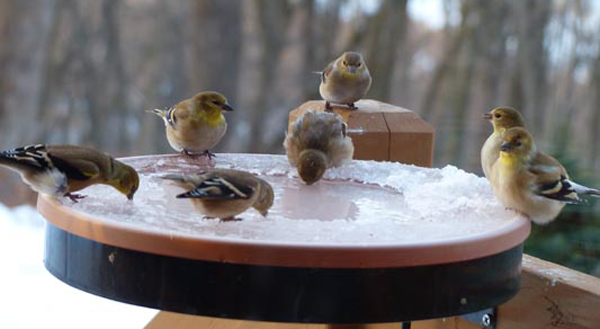
Depending on where in the U.S. you live, wintertime often means that birds’ water supply is frozen. So, during this time of year, they’ll be searching for lukewarm water for drinking and preening. To help them out in these cold times, consider investing in a heated bird bath, especially during the upcoming season. Contrary to what you may expect, a heated bird bath does not actually produce hot water. Instead, it keeps the water at a temperature warm enough to avoid freezing. In the winter, a heated bird bath will be especially helpful when most birds’ water supply is frozen. If you purchase a bath with a built-in heater, all you need to do is plug it in. If you’d like to convert an existing bird bath to a heated one, simply purchase an immersion heater.

Fountain Bird Bath

Photo by monk 333 on Unsplash

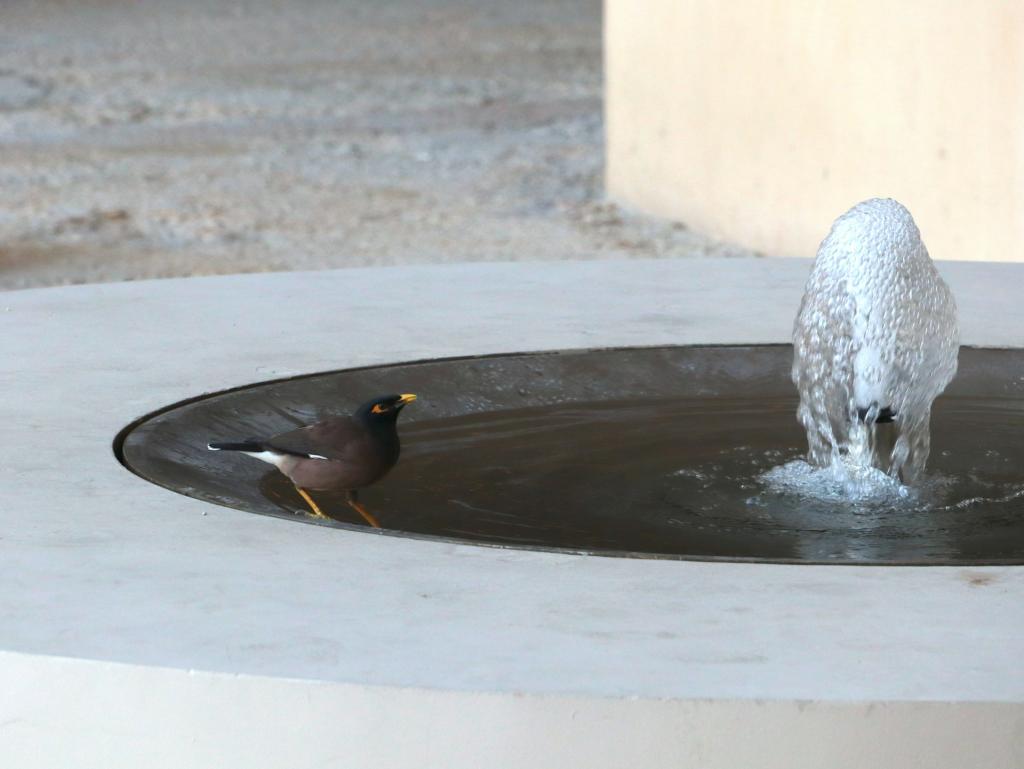
If you want to attract more birds to your backyard, a fountain bird bath is a surefire way to do so. Birds are highly attracted to the sound of water, and a bubbling fountain will alert them to the presence of your bath. With this type of bird bath, a solar-powered fountain is particularly popular. Rather than electricity, it’s powered by the sun’s energy, making it a sustainable investment. 

We hope these tips are helpful! Soon, you’ll have birds flocking to your lake house in no time.

Sliding Safely: Diving Boards and Slides for Your Lake House

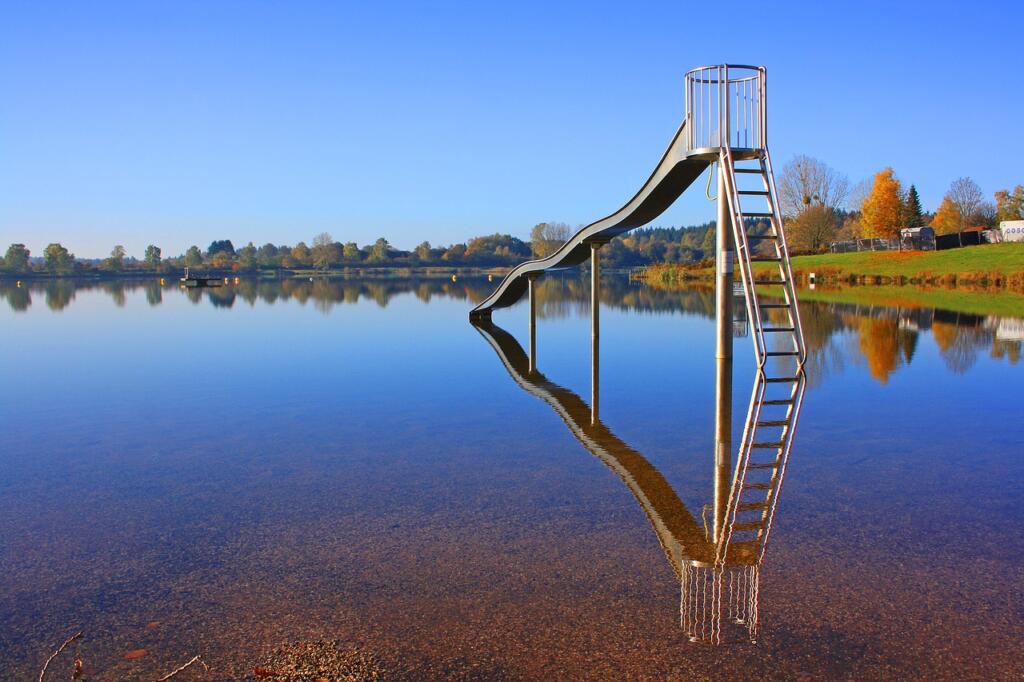
Photo courtesy of Pixabay

When it’s summertime at the lake, there’s nothing better than taking a plunge in the water. This is especially true on a hot day when cool lake water is the epitome of refreshing. To transform your lake property into a water park, installing a slide or diving board can be a great way to enhance the fun. However, for any lake homeowners, especially parents, safety is a concern. So how can you balance having fun in the sun with staying safe? At Lake Homes, we’re here with some recommendations of how to choose slides and diving boards for your lake house.

The Basics

Photo courtesy of Better Boat

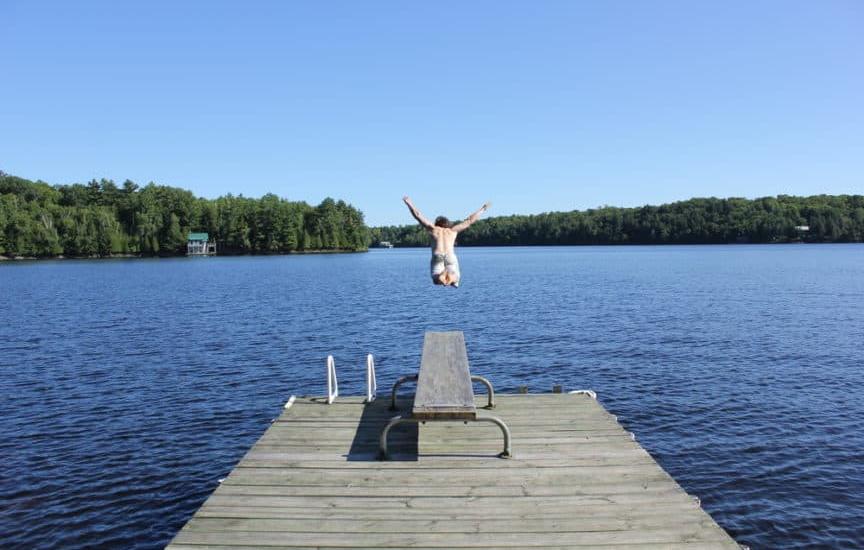
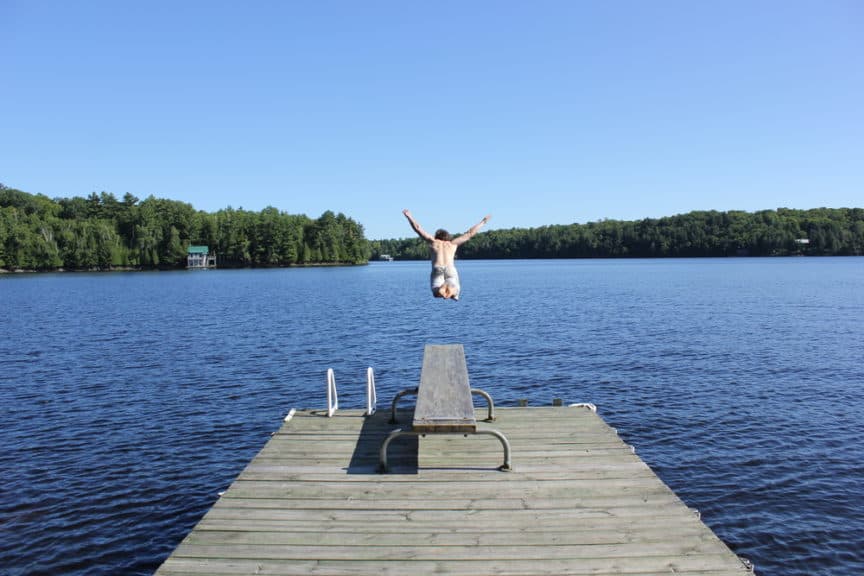
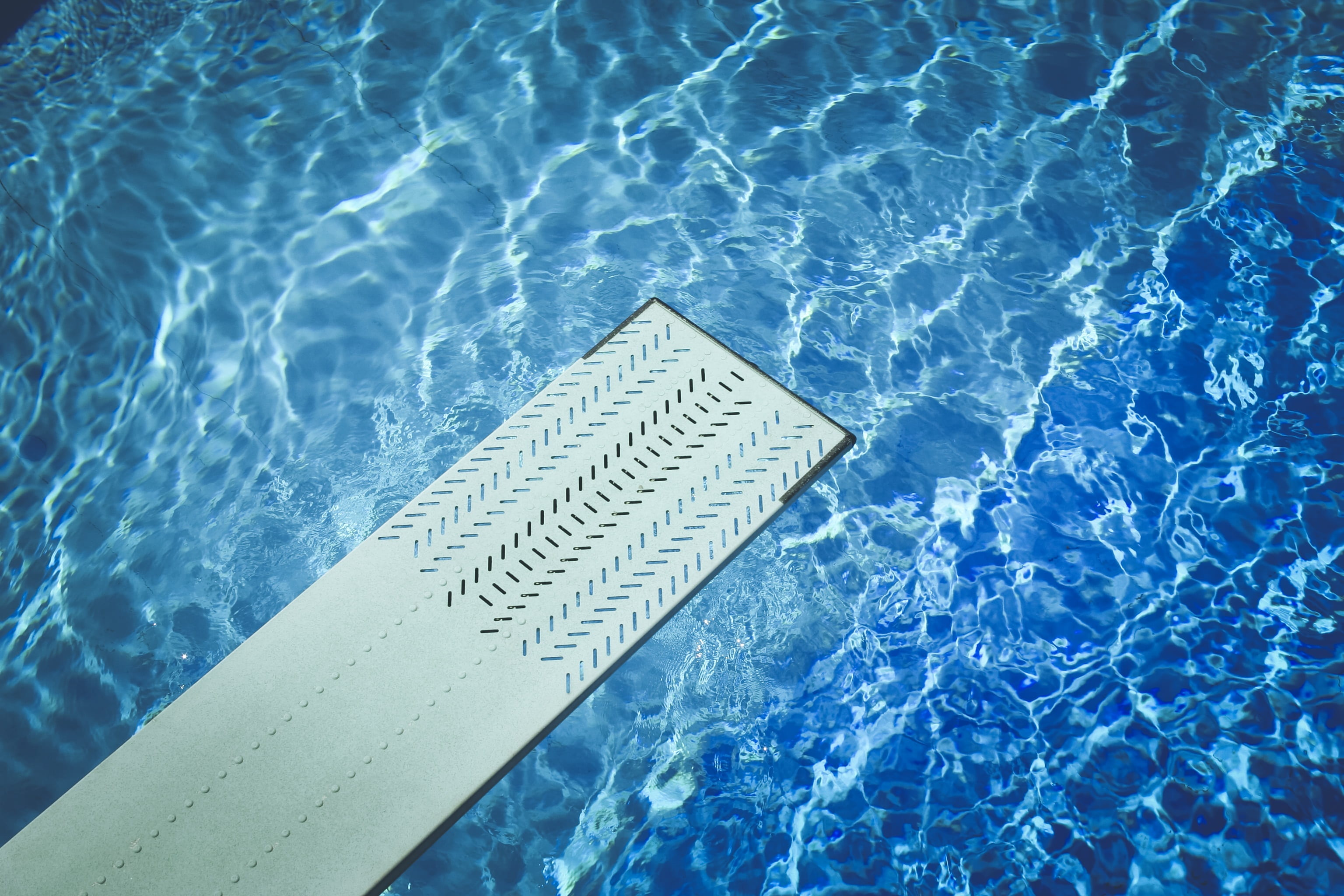
When it comes to diving boards, there are few basics to be aware of. Typically, they are 6 to 8 feet in length and made of laminated wood. The lamination stabilizes the material and makes it more durable. First, an acrylic shell covers the diving board for weather protection. Then, it’s mounted onto concrete stands with springs below, allowing people to bounce up and down before diving in. 

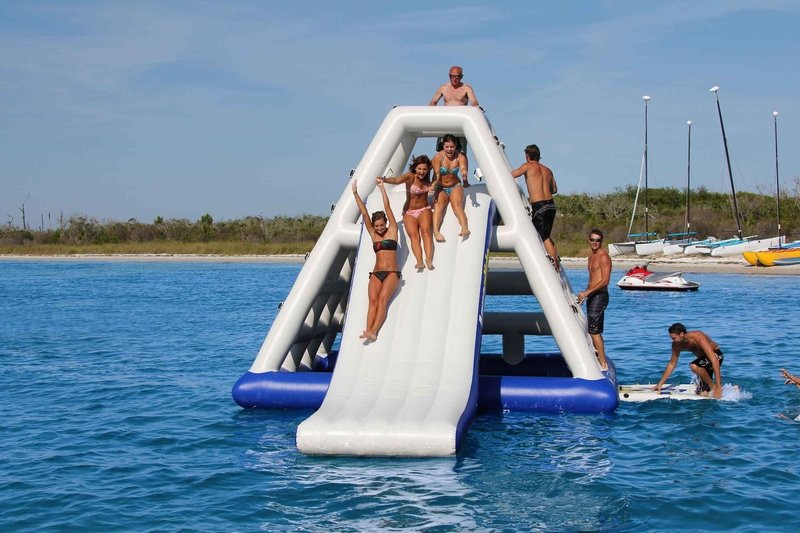
For water slides, the construction can vary depending on the type. Many are made of fiberglass, a material often used at commercial water parks. Depending on your preference, you can choose between tube water slides, open water slides, and drop water slides. If you’d prefer the inflatable route, these water slides are easy to install and are just as fun!

How to Make Them Safe

Photo courtesy of Foter

Usually, diving boards and water slides are fitted for swimming pools. As such, it can be challenging to find one that is specifically tailored to a boat dock. In addition, the lack of a perfect fit may automatically cause some challenges. However, there are steps you can take to make them safe.
First, consider the water depth. Make sure the water is at least 8 or 9 feet but perhaps even deeper to stay cautious. Additionally, avoid high dives. This refers to a diving board on the second story of a boat dock, which could lead to more danger as someone could hit the water harder. For slides, the size is important to consider when it comes to safety. For example, a large slide that can hold a lot of weight will be better for multi-person use.

Taking Care of Them

When taking care of diving boards, it’s essential to make sure that the top of the diving board is textured. If it’s not, it needs to be replaced, as someone could easily slide off. It’s also important to make sure there are no cracks on the bottom. Finally, check the screws on the bottom to make sure they don’t need replacing. When taking care of a water slide, basic dish soap will do the trick for an inflatable water slide. For fiberglass, use automotive cleaners and waxes.

Product Recommendations

Photo courtesy of Amazon

When picking a diving board or slide for your lake house, there are a few ways you can go wrong! The Lillipad diving board is energy-canceling, designed for kids and adults up to 250 pounds. With heavy-wall aluminum and stainless steel hardware, it’s built to last. You can also easily take it down for storage during the winter. A similar option is the SR Smith diving board. This board and stand combination contains all the required hardware you need, plus a non-slip thread for maximum security. For a fun water slide option, the RaveSports Water Slide is all the rage these days. This massive slide has a large turbo chute section measuring 20’x3’10”x9” that offers commercial strength sliding power. Writers at House Beautiful have commended this water slide as being perfect for a lake house! 

Lake-Friendly Dog Breeds

Photo courtesy of @Florin via Twenty20

For families with dogs, a lake home is a perfect way to ensure that both you and your furry friends have plenty of outdoor space. From adventuring down dog-friendly hiking trails to playing fetch in the water with lake toys, these canines are a bundle of fun at the lake. Just like us, dogs enjoy being in nature. However, some breeds are more likely to thrive on your lakefront property than others. So if you’re a lake homeowner considering getting a dog, check out these five lake-friendly dog breeds to consider.

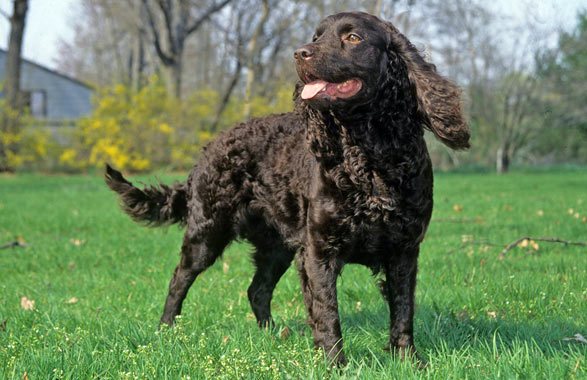
American Water Spaniel

Photo courtesy of Vet Street

With traits of a golden retriever and a spaniel, the American water spaniel is an excellent hunter in water. At the perfect height for canoes, they’re well-equipped to join you on lakeside adventures. These dogs were first bred in Wisconsin during the 19th century from other breeds such as the English and Irish water spaniels. Although they are a state dog in Wisconsin, the breed itself is rare because hunting became less popular around the 20th century.

Boykin Spaniel

Photo courtesy of Hill’s Pet

This medium-sized spaniel is fun-loving, sociable, and easy to train. Bred in the Wateree River Swamp in South Carolina, they’re excellent at hunting wild turkey and waterfowl. Many dog owners describe them as a “dog that doesn’t rock the boat,” emphasizing their good size for riding in canoes. Besides their hunting capabilities, Boykin spaniels are known for their love of water. In fact, they’ll probably want to swim in the lake longer than you!

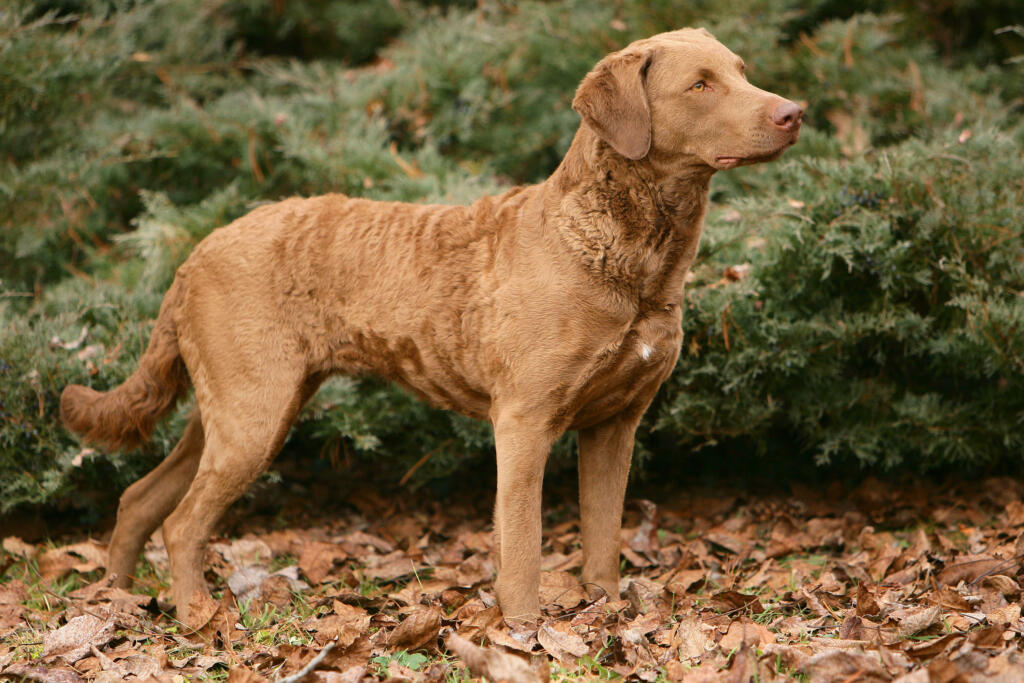
Chesapeake Bay Retriever

Photo courtesy of Gear Junkie

This lake-friendly dog breed embodies all the positive traits of a retriever — loyal, upbeat, and full of love. But the Chesapeake Bay retriever also comes with a bonus love of water. Their waterproof fur, strength, and endurance make them a perfect lakeside companion. A gun dog bred to run through the cold waters of Chesapeake Bay, they’re born for the lake lifestyle. While they can be easy to train, they may take more effort than other breeds. These midsized retrievers are known to have minds of their own. Overall, this breed is great for active families who enjoy lots of time outdoors.

Spanish Water Dog

Photo courtesy of American Kennel Club

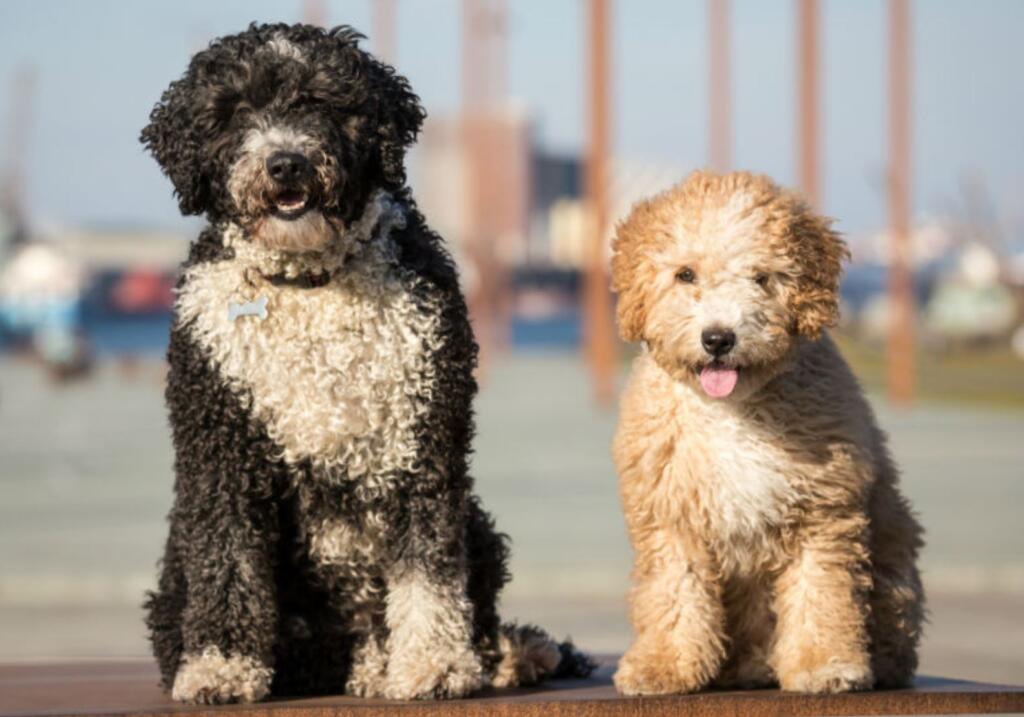
With a wooly, curly coat and a high-energy personality, what’s not to love about the Spanish water dog? Unlike the other lake-friendly dog breeds on this list, this pup is a herder rather than a hunter by nature. Put simply, they’ll herd anything that moves, whether it’s a flock of geese or a group of guests at your lake house. They are very active; they love playing outside with humans, and their quick intelligence makes them easy to train. One of the most notable traits of the Spanish water dog is their love for water — a rare quality for a herding dog. As expert swimmers, they’ll love playing all day at the lake.

Poodle

Photo courtesy of carah_ from Pixabay

The standard poodle is known for being a show dog. But that doesn’t mean that these seemingly pampered pups prefer cushy, indoor environments. In fact, poodles are very lake-friendly dog breeds. Originally bred to be water retrievers in Germany, their name comes from the German word “pudel,” meaning “to splash in the water.” The traditional poodle fashion look (shaven with puffs of hair around the feet) is actually functional for hunting. The shaved fur allows them to swim faster, while the tufts of hair around the ankles protect critical joints. Friendly and easy to train, the standard poodle is an excellent breed for lake living. 

We hope you and your pup enjoy the great outdoors this season!

The Basics of Barefoot Skiing

Photo courtesy of Discover Boating

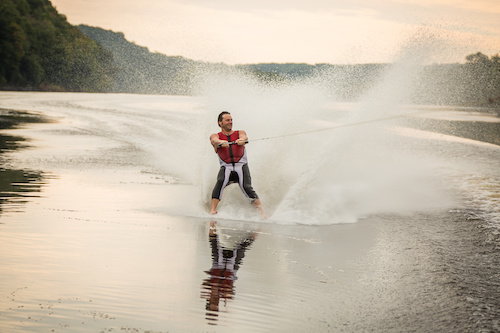
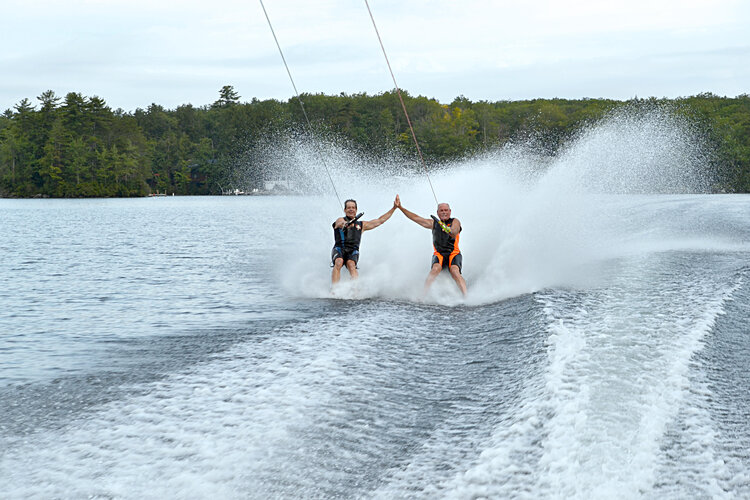
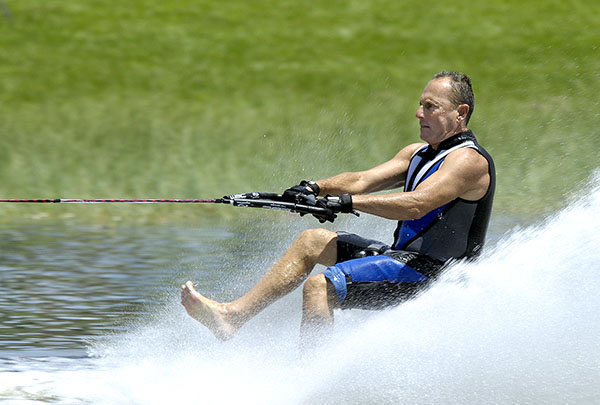
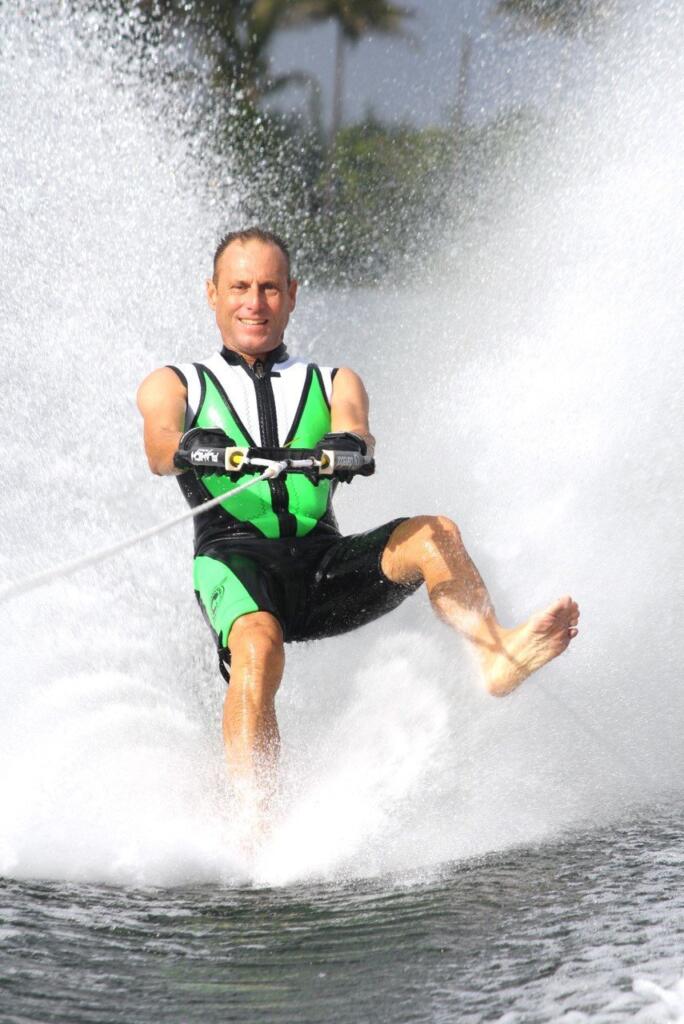
As a lake homeowner, you’re probably familiar with water skiing. One of many “behind the boat” sports involves being towed behind a boat on a body of water, using a set of skis to propel forward. On any given day at the lake, especially July 4th, you’re bound to find water skiers everywhere enjoying the sun. But, while water skiing is undoubtedly an impressive sport, have you heard of barefoot skiing? 

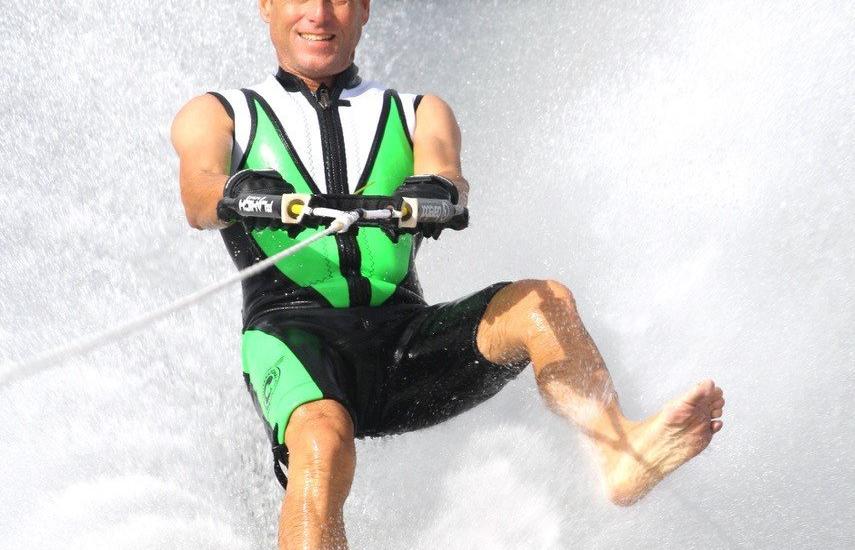
Instead of relying on skis, barefoot skiers use their feet to skim the water’s surface. To learn more about this unique sport, we spoke with Zenon Bilas, a barefoot water skiing champion and coach who trains new and experienced barefoot skiers across the globe. He discovered his passion for barefoot skiing after seeing it done in a 1977 ski show. The rest is history. Read on to learn more about this adventurous lake activity.

Barefoot Skiing Popularity

Photo courtesy of The Laker

In the 1980s, barefoot skiing had its peak popularity. While it began as a fun acrobatic trick, the enthusiasm quickly caught on. “In the beginning, it was just an act in a ski show,” Zenon elaborates, “but Mike Seipel made it so that anybody could learn.” Throughout this decade, adventurous lake lovers sought coaching for this popular sport. But similar to skateboarding, its fame has ebbed and flowed with participation and popularity through the years. In response, Zenon focuses on bringing this sport to a broader audience and emphasizes the joys and benefits of barefoot skiing.

What’s Great About Barefoot Skiing

Photo courtesy of The Town-Crier

The barefoot skiing professionals make it look easy. But in reality, it’s a very exact and technical sport that requires a high level of focus. “It’s not a daredevil sport,” Zenon says. “I see it as a Bruce Lee type of mind/body sport. Once you master focus, discipline, teaching, and knowledge, then you can do whatever you want out there.” Because of this, one of the main benefits of barefoot skiing is the sense of focus that it provides you. “It’s the basis for how I am in my philosophy and my thinking,” Zenon says. Above and beyond the sport, the concentration that barefoot skiing requires can transfer to other areas of your life. Plus, it’s a great workout and an excellent way to spend time in the sun.

How Can I Learn?

Photo courtesy of St. Louis Boat & Sportshow

In Zenon’s view, people should be utilizing their boats to their potential by doing sports! If you decide to give barefoot skiing a shot, it’s best to get a coach. “Trial and error is not a good way of learning,” he advises. “Being coached from the beginning is the best way to do it. Having a patient person next to you in the water can make the biggest difference in your skill development and confidence.” In fact, Zenon attributes his own development as a skier to his brother’s friend, who coached him through his first foray into barefoot skiing. The second part of the equation is driving. “The better the driver, the better the success will be for the person behind the boat,” he says. “It’s a collaboration.”
If you’d like to learn more about Zenon Bilas, be sure to visit his website: ZenonBilas.com

The Best Lake Toys for Dogs in 2021

Photo courtesy of iStock.com/TeamDAF via be chewy

Summer is finally here! It’s time to open the boat dock closet and dust off all your favorite lake toys for swimming. Whether it’s an inflatable dart board or a massive float in the shape of a flamingo, these toys add an extra fun element to the summer lake experience. But of course — let’s not leave the pets behind! Your animals are ready to enjoy the season just as much as you are. If you’re looking for the best lake toys for dogs at your lake house, check out these recommendations!

Aqua Pup Pool Float

Photo courtesy of Frontgate

Although pups are famous for enjoying lake water, why should they doggy paddle if they don’t have to? This bright orange, bone shaped float is perfect for any medium-sized dog. It’s built to resist odors and mildew — plus the vibrant color is great for lake safety.

Floating Squeaky Ball

Photo courtesy of Dog-Eared

If your dog loves playing fetch indoors, they’ll love playing in the lake too! That’s exactly what these floating squeaky toys are for. With any dog toy, you’ll want to make sure it’s hardy enough for their teeth. As such, most brands such as this one from Calling All Dogs make them to be durable to withstand dogs biting down on them.

Ruffwear Hover Craft

Photo courtesy of Bark Post

For the pup who enjoys chasing frisbees more than balls, this Ruffwear Hover Craft is for you. Essentially a floating frisbee, this toy is perfect for the open water, where you can throw it as far and wide as you’d like. Since it can be used on land or water, it’s also a versatile toy!

Amphibious Shark Fin Toy

Photo courtesy of Petmate.com

Oh no, there’s a shark in the water! Actually, it’s just the amphibious shark fin toy. This fun, floating toy from Chuck It always sits upright in the water, resembling a fish fin. The bright green and orange colors make it especially visible in water, so your dog can go “hunting” any time of day.

Flying Fish Floating Dog Toy

Photo courtesy of Amazon

Another one for the dogs trying to reel in the catch of the day! Made from non-toxic materials and recycled rubber, these fake fish are cleared for your pet’s safety on the lake or in a pool. They come in a pack of multiple, brightly colored fish — perfect for a full day of staying active at the lake!

SwimWays Spring Float

Photo courtesy of Amazon

This portable, durable float from Swimways is perfect for your pet to relax on the lake. Although it’s specifically designed for small dogs, it can hold up to 65 pounds. A major plus, the fabric is paw-and-claw friendly so it won’t get destroyed by your pup after just one day of summer fun.

Flying Squirrel Dog Toy

Photo courtesy of Chewy

Does your dog love chasing squirrels, and you’re always pulling them away? Then your pet will absolutely love this chewable flying squirrel. Since it floats, this lake toy can be used in the water or in your backyard. Complete with glow-in-the-dark corners, you can play fetch on cool summer evenings! 

We hope you and your pampered pooch enjoy the lake this summer!