Finding the Perfect Fishing Spot

big fish on fishing line coming out of the water

You have the rod and reel packed. The morning sun is shining across the water. Bait is in the bucket, drinks are in the cooler and the boat is officially in the water. Your cell phone is set to “do not disturb,” and it is Time. To. Fish.

You’re only missing one thing: the perfect fishing spot.

Once you get on the river or lake, finding the perfect fishing spot by yourself isn’t easy. It might take years of experience, both in fishing and getting the lay of the land (or the water.)

Here are some tips on finding that perfect spot to drop your line.

The Easy Way: Ask around

A little research can go a long way. If you have time beforehand, check out the local bait shops and ask around. The smaller and older the bait shop, the better! These are great resources for local expertise, whether you get it from the employees or the fellow patrons.

Getting to know your fellow anglers is always a great plan, too. They may help you out more than you know.

If that’s not an option, you can always look around online. Most lakes of moderate size have a forum, website or other online resource where you can talk to other fishing enthusiasts. Anglers are often very leery of giving away their secrets, so be polite and respectful.

And remember they are prone to tell “big fish” stories, so don’t get offended if someone brags about a great catch and refuses to say where!

Do it yourself

Even if you don’t have a native guide, you can probably find a few areas on the lake that are prime targets for a fishing spot. Make sure you know what kind of fish are in your lake, too. Bass, perch, trout and other fish all gravitate toward different areas, depths and temperatures.

Vegetation: Like all of us, fish need to eat! Water-dwelling weeds, plants and other plants are often teeming with smaller fish and insects that big fish feed on. The edge of weeds are typically a buffet for fish.

Overhangs: Take a careful look at fallen trees, overhangs and other shady areas. Algae often attracts food for our finny friends. Predatory fish also like to hide under overhangs and fallen trees to wait for prey to pass by.

Drop-offs: Fish are drawn to the edges of different parts of the lake. Areas where shallow water drops off into deep water are great spots to cast for deep water fish. They often come to the edges here to hunt, before returning to deeper waters.

If you want a simple depth gauge, just drop anchor and see how far it goes until it stops!

Fishing sonar

When fishing sonar for recreational fishing was introduced more than 10 years ago, it was a game changer. Today, a dozen brands of technology offer ways to look down into the water and find your next catch.

Here’s how fishing sonar works:

A device called a “transducer,” mounted in or through the hull, emits sound waves down into the water. These sound waves travel in a cone– think of a flashlight beam – from the hull to the lake (or ocean) floor, picking up any objects in their path. This includes the terrain, sunken boats, trees – and fish!

These objects are then displayed onscreen on a device in the boat, in varying degrees of resolution. Most come out as blobs or grainy shapes. It takes some skill to interpret these. But you would be amazed to see just how much aquatic life is right below your boat!

Expert mode: Trial and Error

When all else fails, there’s good, old-fashioned trial and error. Fish the lake! Getting to know every inlet and stretch of your lake can make for years of fun. If you want to track your success, try to find a topographical map of your lake. Mark any big catches, and see where the “hot spots” are.

Remember, a bad day of fishing is always better than a good day at work!

Before long, you just might realize that you’re the seasoned angler, and find yourself looking across the bait shop at someone asking for a few tips on the perfect fishing spot to cast their line!


5 Ways Lakes Make the World a Better Place

We all love the pristine beauty and endless fun that our favorite lake brings, but have you ever stopped to consider what it was intended to be used for in the first place?

Most significantly sized in the US are man-made, and while recreation is one reason some are created, it’s definitely not the most common.

Here are 5 reasons lakes are beneficial for everyone:

Drinking Water

Many lakes are created to maintain a supply of drinking water for the local population.

Couple Drinking Water

One big example? Lake Lanier, which provides drinking water for nearly 3 million people in the metro Atlanta area. Built by the U.S. Army Corp. of Engineers in the 1950s, Lake Lanier encompasses approximately 38,000 acres in Northern Georgia.

Other examples include Lake Lanier’s sister reservoir, Lake Allatoona, and Lake Rhodiss in North Carolina.

Flood Control

Flood control is almost always a factor in creating man-made lakes, particularly those on river systems with multiple dams.

These reservoirs can hold in or release extra water depending on the needs of the downstream environment.

Such lakes that factor in downstream flood control include Lake Texoma in Texas and Oklahoma and Logan Martin Lake in Alabama.

These water bodies protect countless communities along their shores from devastating floods caused by area rivers and streams.

Hydroelectricity

Almost all dams on major rivers and lakes are now outfitted with turbines that produce hydroelectricity.

As water is released and flows through the dam, it spins these turbines, generating “green” energy.

While it is a growing, important, clean source of energy, hydroelectricity only generates about 7 percent of the country’s total energy production.

Lakes with hydroelectricity plants include Lake Oconee in Georgia, Lake Hamilton in Arkansas and Lake Murray in South Carolina.

Natural Coolant

Some lakes are created to keep nuclear power plants cool.

Like hydroelectricity, nuclear power is also a much cleaner energy source than coal or natural gas burning facilities.

Such reservoirs include Lake Anna in Virginia and Lake Keowee in South Carolina.

Efficient and clean energy — it’s a win/win.

Recreation

While recreation may not be the primary reason many lakes were created, it is what draws most people to the area.

At first glance, recreational activities may not seem as important as accessible drinking water, flood control or hydroelectricity, but they play a major part in driving tourism in the area, which brings in significant revenue to help boost local economies.

Not only are these bodies of water wonderful places to live, they also provide many unseen benefits to everyone in the region.

What is your favorite lake and how does it impact your community? Comment below and let us know!


Fort Loudoun Lake

Located in East Tennessee on the upper Tennessee River, Fort Loudoun Lake stretches across 14,600 acres.

The lake takes its name from the nearby site of a British fort built in 1756, which was named for Scotsman John Campbell, the fourth Earl of Loudoun, who served as commander of British Forces in North America at the time.

Lake Fort Loudoun possesses strong ties to its rich history extending back to the French and Indian War, when its namesake fort was one of the few British outposts west of the Appalachian Mountains.

Today, the lake is a major recreation destination for East Tennessee residents and out-of-state visitors but for you…Fort Loudoun is simply home.

Your social life is merely a boat ride away

The best part about living on Fort Loudoun? You don’t bother with pulling the car around because inding the social hub of the lake is, instead, only a short boat-ride away.

Prater’s Flat, the “party cove,” is THE place to be on a sunny weekend. You and hundreds of other boaters gather, tie up and enjoy the best of what lake life has to offer.

After the sun sets, you love that you can get to most restaurants by boat. Restaurants like Calhoun’s, Willie’s and Lakeside Tavern, for a more upscale night out, are a few of your favorites.

Two Words: Tennessee. Volunteers.

Because of Fort Loudoun’s proximity to Knoxville, you know you are in the best position to cheer on the best team in the SEC.

Neyland Stadium, one of only two college football venues accessible by boat, makes “Vol’s Navy” one of your, and all of college football’s, most beloved traditions.

Inspired by Volunteers broadcaster George Mooney, Vol’s Navy is a fleet of some 200 vessels of all sizes whose passengers watch the game from monster TVs on their tricked-out boats. Game Day is made even more special on the water with family and friends.

At Fort Loudoun, boats rule the world

Fort Loudon Lake is a particularly boat-centric lake. Throughout the year, festivals and fishing tournaments are accessed and enjoyed on boats.

Friends and families gather to cheer on competitors in the Dragon boat races, and locals love supporting the Concord Sailing Club, based out of Knoxville.

And on holidays? Nothing’s better than gathering friends and family for Rockin’ The Docks, an elaborate fireworks display, on the Fourth of July, Memorial Day and Labor Day.

The event, held in Lenior City Park, is also well attended by boat just off the shoreline.

The entire Southeast is at your disposal

One of the greatest things about Fort Loudoun would have to be its convenient location in East Tennessee.

Just west of Knoxville, Fort Loudoun Lake is a straight shot to major cities like Atlanta, Nashville and Charlotte.

Favorite band playing in Atlanta? No problem. The lake is only a couple hours away from civilization, and the best part is that you always get to come home to the peaceful waters of Fort Loudoun Lake.

Most beautiful sunsets in the southeast

Known for its picturesque views, it’s no surprise that Fort Loudoun Lake is home to some of the most exquisite sunsets in the region.yellow and orange sun setting over the lake with reeds in foreground

While you’re waiting for the sun to set, you like to keep an eye out for bald eagle and osprey sightings.

With a perfect location, rich culture and undeniable beauty, Fort Loudoun Lake is an excellent choice for a weekend retreat or a permanent residence. At 535 listings and counting, there is sure to be something for everyone here.

Fort Loudoun homes range anywhere from $100,000 to $5,000,000. For more information, visit lakehomes.com and find your dream lake home today!


6 Exercises That Are Better At The Lake

For the fitness fans, exercising can be fun, but it is even more fun to exercise at the lake. Anything from swim routines to yoga can be refreshing at the lake. The following are six exercises that you can do at the lake and enjoy every minute of your fitness routine.

Swimming at your lake

There are several types of swimming that can be done at a lake. With a large, refreshing, and scenic body of water at your disposal, swimming can whip you into shape quickly, or help maintain your fitness goals.

Distance swimming is easily done in lake waters without the confinement of laps in a pool. Water Aerobics are fun in a shallow area that you can easily touch bottom. It is a guaranteed way to get your heart rate up while simultaneously strength training.

The resistance of the water serves the same purpose as weights, and high repetitions will burn calories and tone muscles in no time. The water also provides buoyancy, which will help build muscle endurance at low impact. Jogging in place, jumping jacks, and leg kicks are great examples of exercises to include in your regimen.

Running around lakeRunning around the lake

Find a trail through the woods and take off. Dodging limbs, shuffling over roots and hurdling fallen logs not only add interest to your run, but also shakes up the monotony. The variations in movements make a great cardio workout and allows for upper body toning.

Natural inclines and declines change up the terrain of your path without pressing a button on a treadmill. Fill your lungs with fresh air, indulge in the shade of the trees, and allow yourself to get distracted by the beautiful scenery.

It will make the time go by faster and will likely become a healthy addiction.

Ground Cardio

Take advantage of the ground’s natural cushion and stretch out on your back. Crunches and sit-ups are a great way to work abs, and there are many variations that employ other muscles such as arms and legs to get the most out of your workout. Flip over and do push-ups.

For the fitness ambitious, add squats, burpees, and hold plank for a minute or two. If you work up a sweat, no problem. Take a dip in the lake water to cool off, then start up your exercise again!

Cycling at your favorite lake

Hop on your bicycle and do two things at once: cycle and explore. Find smooth pavement and follow the curves and hills, or take your bike off-road for a cycling challenge. Keep your mind occupied with the beauty of your surroundings and allow the RPM’s to do their job. But why go at it alone? Grab a bicycle for each family member and enjoy a great workout with great company.

Kayaking 

Kayaking on lakeAnother way to take advantage of lake waters is to toss a kayak into the water and go on a water adventure. Kayaking is primarily an upper-body sport, but it also works core muscles in your back and stomach. Be sure to have the right equipment, such as a helmet, life jacket, and throw ropes. Don’t let cool weather stop you. Just pull on a wet suit and paddle away!

Pilates and Yoga while at the lake

yoga at lakePilates and Yoga work every muscle group effectively. By nature, yoga is calming. But take the routine outdoors lakeside and refresh the body as well as the soul. Pilates is much more challenging and involved with moves that will make calories and muscles burn. Choose one or the other, or throw them together in a Pi-Yo combination to get the best of both worlds.

Many exercises can be done outdoors. Get creative and use your natural surroundings at the lake to your advantage. There’s no reason that you couldn’t combine fitness and fun for yet another outdoor activity that can be done at your lake home.

Trotline Fishing: Fill Your Freezer

A trotline is a long rope or cord, used for fishing, which features with multiple hooks that dangle from it.

These lines require little attention or effort to maintain.

The wonderful thing about a trotline is that you are fishing without standing there for hours on end.

trout on trotline

You can put the line out and then in the morning go back to it for your fish.

As you take the fish off the line, you can replace the bait and throw it right back in the water!

Setting up Your Line

First, bait the hooks with the bait of your choosing. Live bait, such as worms, shrimp and minnows, usually work well.

After baiting each hook, simply attach one end to a tree limb or something similar on one side of the lake.

Next, extend the rope out to its full length, and tie to opposite end to a second anchor. Be sure the line is submerged in the water and not sitting at the surface.

Caution and Local Laws

Make sure to always clearly mark your trotline, as it can be dangerous to others who are swimming or fishing in the area.

You can mark these lines by attaching such things as plastic jugs to the anchor points to call attention to where you line extends to and from.

Many states have laws in place limiting how long a trotline can be out, how it has to be marked, and a limit to the number of hooks that can be used.

Check with your local game and wildlife ranger for more information.

Making a Trotline

The easiest way to get a trotline is to buy a pre-made one, like this one from Bass Pro Shop.

You can also create one out of rope, cord, and fishing hooks, dangling a hook from the rope every three to five feet or so. You can find easy, step-by-step instructions here.

Why a Trotline?

Trotlines are fantastic for catching a large number of fish in a relatively short period of time, particularly catfish.

These edible fish are perfect for throwing a big get together at the lake, such as a fish fry!

Or you can always filet and then freeze the fish, which can keep for up to six months and is an excellent source of protein.


How Living on a Lake Can Reduce Your Stress

Research has shown bodies of water, including lakes, seas and oceans and rivers, can have significant positive impacts on one’s physical, mental and spiritual well-being.

These “blue spaces” as the article calls them, can reduce stress levels and increase feelings of happiness.

People who live close to lakes often experience a variety of these benefits including the following:

Privacy

Unlike noisy, overpopulated, and polluted cities, lakeside properties are generally more secluded and properly maintained to promote remoteness and privacy.

This is a great advantage for people who prefer to keep to themselves or are looking for a nice place to which they can retreat after a long day at work.

This privacy also often means homes are away from noisy highways and nosey neighbors.

Relax

SunsetWaking up and seeing a magnificent view is sure to please any home owner, but nothing quite parallels the breathtaking view of a sunrise over the lake.

The sound of water flowing or lapping against the shoreline is soothing, and is commonly used in mental health clinics and on sound machines for aiding sleep.

Unwind in the evening with a peaceful, colorful sunset and the tranquil sounds of crickets singing and fish rolling on the water.

Fun & Entertainment

Lake FunThe lake practically screams excitement.

With so many activities to choose from, from boating and fishing, to swimming and skiing, the lake is the perfect spot for some summertime fun.

Having guests over for entertaining is better at the lake too!

Many lake homes have giant decks, pools, or docks designed to accommodate large parties and are great for holiday celebrations and cookouts.

Health & Fitness

In addition to benefits mentioned above, living on the lake also gives you the opportunity to focus on your fitness.

By living on the lake you will most likely have easy access to activities such as canoeing, paddle boarding, biking, swimming, or hiking, which are all fun but also great cardiovascular workouts.

Lake living comes with many built-in benefits that can positively impact your mental and physical health and is a great way to reduce your stress levels. For more ways the lake can benefit you, check out our article about the healing affects of water therapy!

Boating License 101: Must-Know Boating Regulations

man, woman and child on boatHave you ever been in a boat with an operator that seemed a bit reckless and/or ignorant of seemingly obvious safety issues?

Has anyone ever admitted to you that they have a boating license but that their spouse, child or friend took the online test for them?

If so, you will be interested to know there are a variety of ways to educate yourself and others on common boat terminology, regulations and restrictions.

When it comes to water sports you can never be too careful so share your knowledge with anyone operating a boat.

State Boating License Requirements

Most states require boat operators to obtain a boating license prior to driving in the water.

Obtaining a state license requires you to pass a written or online test.

Although state regulations may differ slightly there are numerous requirements that are the same across the country from lakes to oceans and rivers.

There are only eight states that do not require a boating license in the United States. America’s Boating Course has the full list showing which states require and which do not require a boating license.

Vessel Versus Boats and Ships

Vessel is a catch all term for all types of floating devices designed to carry people or goods. Larger boats and ships are usually referred to as vessels more often than smaller boats.

Boats are small vessels propelled by oars, sails, or engines.

Ships are large vessels that usually carry boats as a safety measure.

What Boats Need Registered

Small non-powered boats such as canoes and kayaks do not require a boating license.

Sailboats, personal watercraft (PWC) and power boat regulations differ state to state depending on the engines horsepower and/or the size of the boat.

Basic Terminology

Make sure to know these common terms for boats prior to taking the drivers seat.small boat near dock with labeling letters around it

A. Bow – front of the boat

B. Stern – rear of the boat

C. Port – the left side of the boat when onboard and facing bow

D. Starboard – the right side of the boat when onboard and facing the bow

Hull – main body of the boat (i.e. bottom, sides and deck)

These terms are just the beginning of the detailed information on regulations you will need to know to pass your test.

Other important terms include certain lights and other items that help one to pinpoint the direction and location of your boat in the water.

Age Variations

Alabama requires that all operators 12 and over pass a boating license test unless they were born prior to April 28, 1954. Those born prior to this date need a vessels license but are exempt from taking the test.

Other states only require vessels license for those under the age of 16.

The minimum age that can obtain a license in a lot of states is 12 but others are 14.

The United States Coast Guard (USCG)  has a detailed listing of age restrictions, personal flotation device requirements, minimum passing scores and more useful information broken down by state.

Approved Online Test

The USCG link above provides information regarding which states allow and which do not allow online testing. All of the states reviewed for this article, Lake Homes Realty states, allow online testing.

This link also provides a lost of several boating courses and tests boat operators must take.

Cost of Courses and Tests

Most states require an online course be taken prior to taking the test. Boater-ed.com offers online courses with the final exam at the end.

Pricing for the course and test in Texas is $20 whereas pricing in most of the Southeastern states is $29.50.

Boater Exam also offers courses by state and the online test for around the same pricing.

Renewal Periods

The majority of states have no expiration date for boating license certificates.

Texas boating license are only valid for a year and Minnesota boating licenses expire at the age of 18 when the license is no longer required.

Boating License 101 Extra Prep 

For the overachievers, Boater Exam has 134 videos on YouTube that detail all of the information you will need to take a boating license exam and be safe operating your boat or PWC.

Why Boating Regulations Matter

For your safety and the safety of those around you the knowledge of boating regulations, standards, requirements and terminology is priceless.

Knowing boating laws makes you all the wiser and more prepared for any adventure you may encounter even when your state does not require you to obtain a license.

Lake Home Parties – Tips for Creating an Unforgettable Experience

A fun lake home party is not stressful when you organize, plan and prepare properly. Parties at the lake can create unforgettable memories for family and friend when you plan appropriately.

Prior to Party Prep

group of men and women in bathing suits dancing

Pick a party theme that correlates with the special occasion or time of year. Set a date and time for your guests.

To ensure optimal attendance send out a ‘Save the Date’ message via text, Facebook, and/or email as soon as the date is set.

If you are having a birthday party pick an age appropriate theme that the guests of honor chooses.

If you are having a party for another occasion, do your best to pick a fun, colorful theme that correlates well with the dreamy lifestyle of lake home living.

Lake Home Party

three kids catching air on a tube being pulled behind a boatSome parties require games and expensive rental equipment for guests entertainment.

A great lake home party will allow guests to enjoy swimming, boating, skiing, floating, paddling, sunning and any other sports the hosts already own equipment for.

Decoration Preparation

At lake home parties the main goals are spending time together and making memories while soaking in the sun and enjoying aquatic sports.

Keep decorations simple ~ the lake is picturesque enough. Take advantage of the view and let your lake home create the dream party.

Allow the scenery to naturally relax your guests and promote lake life conversations on the wonders of the lake.

Food Preparation

Unless you plan to spend your time maintaining food and refreshment areas be sure to prepare foods that take little to no attention after preparation.

toddler drinking from a water bottle One easy idea is a crock pot full of hot dogs. Simply add water, heat the dogs then turn the slow cooker to the keep warm setting when they are hot. Keep a cooler nearby with condiments for the dogs.

Single serving bags of chips and other easy single serving snacks will not consume your time during the party.

Have a few coolers with a variety of can drinks and make sure there is plenty of bottled water.

Be sure to have paper plates, napkins, plastic utensils and trash cans in a few places to decrease clean up time later.

On the Eve of the Party

Make sure to have everything you need so that you can start preparing for your guest arrival. If you have decorations, start hanging them the night before.

If you are making specialty drinks or foods make them the night before the party so you do not feel rushed the day of.

Do everything you can the night before so that you can spend time being a host to your guests rather than their cook or waitress.

Lake Home Parties Safety

To be sure everyone stays safe while having fun always have enough life vest and other required safety equipment. Lake Homes Realty has numerous safety articles you can read for more information on keeping your guests safe.

And if there’s a chance the party might last through the night, check out our “Lake Home Guests – Invite the Family for Extended Stays and Be Prepared” story for more advice!

Relax, have fun and take a lot of pictures to remember your lake home party fun!


Lake Home Essentials – Make Your Stay Convenient

Moving to your summer vacation lake home is easy if you have the essentials you need.

Be prepared and get organized to live conveniently at your lake home.

Kitchen

Spending quality time at your lake home means cooking utensils and supplies are necessities. Here are some things you will need in the kitchen to prepare food:

  • A can opener/bottle opener
  • Silverware, cooking knives, cutting board, wooden spoon, spatula and tongs
  • Oven mitts
  • Coffee and coffee maker
  • Measuring spoons and cups
  • Sponge and scrub brush
  • Dishes: bowls, plates, cups, pots, pans
  • Dish soap and detergent
  • Trashcan and kitchen bags
  • Corkscrew

Baking Items

If you enjoy baking, bring these items along for the pantry to save you a trip to the grocery store. You can cook quite a bit of food if you are well stocked with these items:

  • Recipe book
  • Glass cooking dishes and cookie sheetspie resting on chocolate decorated plate
  • Large mixing bowls, blender
  • Sugar
  • Salt
  • Eggs
  • Milk
  • Baking soda
  • Baking powder
  • Flour
  • Butter
  • Shortening
  • Vegetable oil, olive oil
  • Chocolate bits

Bathroom

It is important to keep a clean and orderly bathroom at your lake home. Here is a list of the things you will need:

  • Plunger
  • Soap, shampoo/conditioner
  • Toothbrush, toothpaste, floss, mouthwash, comb and brush
  • Bath mat
  • Towels, washcloths and hand towels
  • Scale
  • Small trashcan
  • Shower curtain, liner, rings (if applicable)

Living room

Your personal taste will determine some of the things you will want to bring to your lake home. A few essentials for the living room are:

  • Coasters
  • Board games
  • Table lamps
  • TV, DVD player, DVDs
  • Furniture and preferred décorwood-paneled bedroom with large window

Bedroom

It is always important to get a good night’s rest. Here are things you will want to remember for lake home comfort:

  • Bed, bed sheets, pillows and pillow cases
  • Hamper
  • Hangers for the bedroom closet
  • Side table and lamp
  • Dresser and clothes. Don’t forget the bathing suits and beach towels.
  • Full length mirror

Laundry room

Where ever you spend time doing laundry, you will need these items:

  • Laundry detergent, bleach and dryer sheets
  • Laundry baskets
  • Iron and ironing board
  • Small trash can

Cleaning Closet

To keep your lake home clean, you will want to store these supplies in a closet or cabinet somewhere:

  • Toilet brush and bowl cleaner
  • Rubber gloves
  • All purpose cleaner for glass, tile and wood
  • Stove cleaner
  • Mop and bucket, broom and dustpan

General Items for Around the House and Garage

Here are some essential items you’ll also want:

  • Flashlight and batteries
  • Extra batteries (different sizes)
  • Duct tape, scotch tape, electrical tapetools resting on wood
  • Wood glue
  • First aid kit
  • Tool set which includes: hammer, phillips and flat head screwdrivers, mix of nails, screws, and hooks, wrenches. A saw and sawhorses would be ideal.
  • Fire extinguisher
  • Hose
  • Rakes and outdoor leaf bags
  • Shovel
  • Large trash barrel
  • Sweatshirt, light jacket/rain jacket for cool and wet days
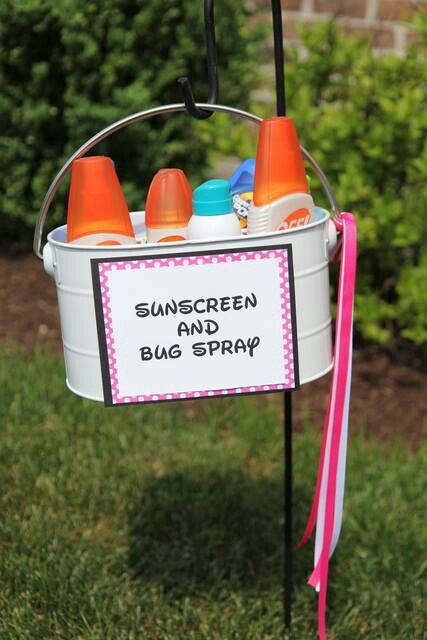
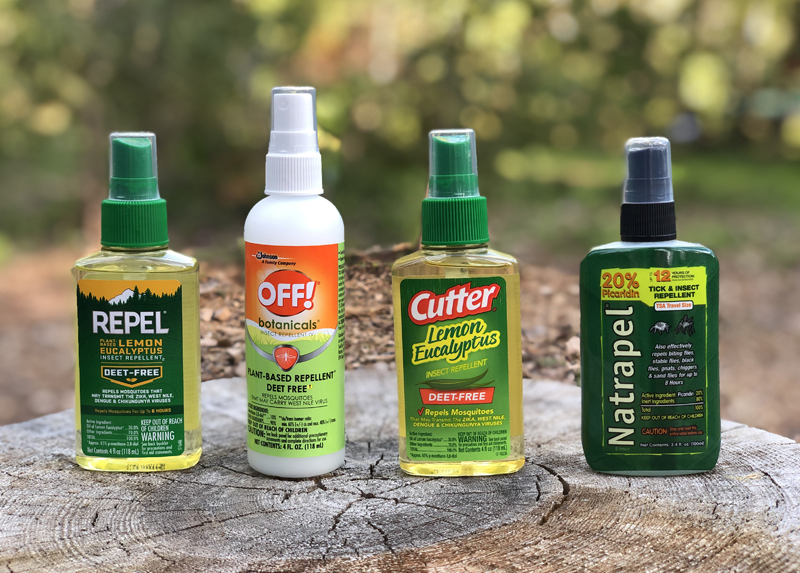
  • Bug spray and Sun block