Decking 101: Lumber and Lumber Alternatives

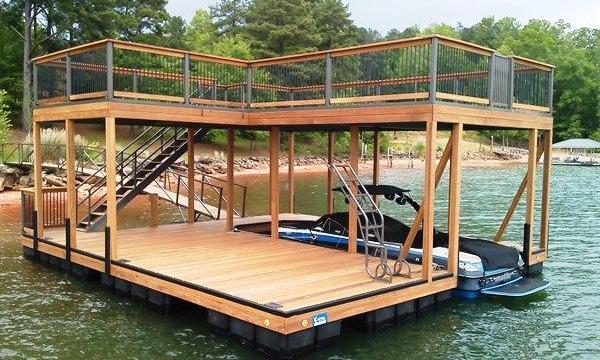
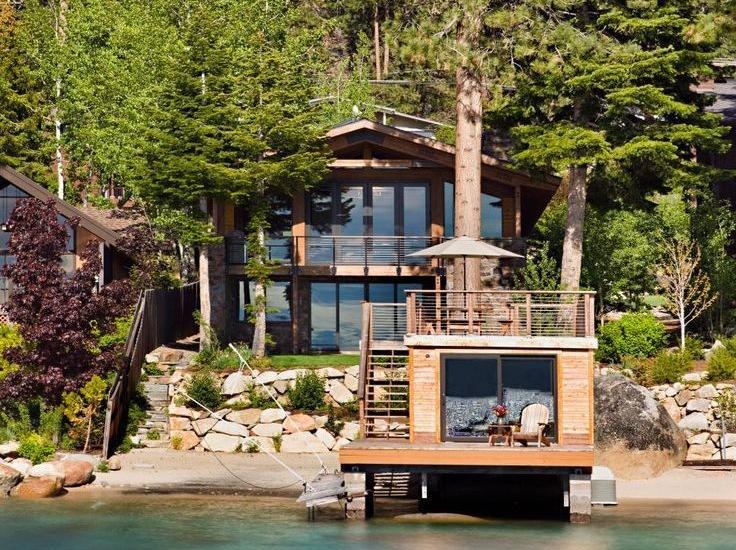
A deck is the favorite hangout and entertainment spot of any home no matter where you are located, but this can be especially true for a lake home.

In the past, many types of treated lumber have been used for decking. But today, the most commonly used product is green lumber. Green lumber is a good option for decking materials, but there are a few more selections to choose from when deciding on decking material.

There are a few newer products available on the market today that are more sustainable and can last a lifetime.

Pressure Treated Lumber

This is the cheapest alternative when it comes to choosing a long lasting decking material. This pressure treated lumber is the same type of lumber that was used on some of the earlier decks.

Instead of being treated with a liquid solution, it goes through a process where the treatment is cooked into the lumber while under pressure. This works much like a big pressure cooker.

Pressure treated decks are great for high moisture locations. This pressure treated lumber is not only long lasting, but it is resistant to rot and insect damage.

A pressure treated deck still needs to be washed and treated with a preservative sealer. With the proper maintenance, a pressure treated deck will last up to 30 years.

Redwood and Cedar Wood

Redwood and cedar decks are naturally insect, rot, and fire resistant. Cedar does not have to have the yearly spray treatment that a pressure treated deck requires. Redwood and cedar lumber will also provide a unique color and finish. The natural color and finish of the wood can be enhanced with a sealer or it can be stained with a variety of colors that are available from local hardware stores. Some companies and contractors that use cedar or redwood will offer lifetime warranties on their decks.

Wood and Plastic Composite

Wood and plastic composite will also give you a long lasting alternative. These materials are made in the same style and look as real wood. Wood and plastic composites are available to you in a wide variety of pre-made colors. This material can also be cleaned with soap and water and will always hold the color for a long lasting great look. Many manufacturers of these products offer a 25 year warranty on their product.

Rubber Composite

As the name states, this lumber alternative is made of recycled rubber. This material is also long lasting and will almost always come with at least a 25 year manufacturer’s warranty. It is also not as commonly available as the other options, so it may cost more to use this material. It is also not recommended for very cold climates in which the weather frequently falls below zero degrees (F).

No matter what materials are used to build, a deck is certain to add value to your lake home. When it comes to lake homes, an elaborate deck can even be a key selling point when it comes time to put the home on the market. Check with your local contractor to see what options are available. Or, if you are looking for a DIY project, you can check with your local hardware store.

Lake Property and Shoreline Ownership

Person holding set of keys with house keychain in the air

Every lake home buyer has the same question when it comes to shoreline ownership. Do you own this land, or lease it? The choice does not always belong to you.

Who Legally Owns the Land?

The owner of the lakebed and the shoreline property may have stipulations on the way they can legally offer building lots. Most owners of major, developed lakes in the United States are public utilities. Utilities such as power companies or government agencies like the U.S. Army Corps of Engineers.

In fact, some estimates show that these kinds of shoreline ownership accounts for about 90 percent of the approximately 41 million acres of lakes and reservoirs in the United States.

When a public utility builds a lake because it needs water for industrial use, such as hydroelectric power, cooling of industrial power plants, etc., the public utility, within Federal Energy Regulatory Commission (FERC) agreements, retains possession of much of the land around the lake, including shoreline areas.

The FERC may allow the public utility to only lease shoreline lots to homeowners. In other cases, the public utility is able to actually sell the lots to homeowners.

Whether they lease or sell the lot is based on the individual public utility’s agreement with the FERC regarding a particular lake. Additionally, highly detailed state or local lake protection ordinances contain restrictions covering many concerns. These concerns include how many homes can be built along shorelines, how close to the water they can be, and how wide visibility buffers must be between them.

Things to Consider with Leased Land and Shoreline Ownership

Potential lake home residents are cautioned to read the fine print on land lease documents. For instance, a lease may stipulate that if “improvements” are not made within a certain number of years, the lease could be terminated.

This means that a person who intends to eventually build a retirement home on leased land, let’s say in 40 years, may not be allowed to do so. This is because the lease could stipulate that “improvements” or building of the home must occur within 5 years.

Land leases can run for a maximum of 99 years, while some lake leases are much shorter. Sometimes running 35 or less. A mortgage lender will typically not issue a mortgage to buy or build your lake home for longer than the length of the lease on the lot. For instance, seeking a 30-year mortgage to build on a lot that is leased for 25 years is futile.

Person holding house and keys in hand while homebuyer signs leased land contract

Consideration for inheritance must include the length of the property lease and whether it is renewable. With many leases, after the lease term expires and there is no renewal option, all land and “improvements” (inclusive of houses and other structures) revert back to the organization who has issued the lease to the person.

So don’t build a lake home on leased land with no ability to renew. Also don’t expect your heirs to automatically have ownership of the lake home.

At some lakes, ownership of the ground might be an option when deciding to build a new home or purchase an existing home. There is usually more opportunity for this on a privately-owned lake, although many publicly-owned lakes offer ownership as well.

Some public utility officials say the trend at public utility-owned lakes is moving more toward selling the lots, rather than leasing them. But, only if it is allowed in the FERC agreement.

Floodplains and Your Shoreline

Keep in mind that whether leasing or buying land to build on, power companies by law must retain ownership of the floodplain. In practical terms, a floodplain is a certain number of feet of land extending from the shore of a lake.

This boundary is determined by federal and state agencies. It is vital for storm runoff, vegetation diversity, water quality, wildlife habitat, and aesthetic qualities.

Turn to an Expert

There can be many complications when it comes to purchasing or leasing property on a lake. This is why it is always best to enlist the help of a real estate agent. Specifically one who focuses on lake real estate.

A true lake specialist will be very familiar with all of the details of their lake. They will be glad to walk you through all available options and what each will mean to you as a buyer.

Enjoying the Lake in the Off Season

On a lake, it is easy to find things to do on hot, summer days. Swimming, boating, skiing. The list is unlimited. But what about during the off season?

Forget about “winterizing” your lake home and staying away until spring. There are many things to do at a lake during the off season. Keep these activities in mind to enjoy your lake home year round!

Boating

Never underestimate the fun of a fast boat, but not the kind of watercraft into which you climb and speed away.

Consider giving an RC boat a try. Remote control boats are not just for children. There are plenty of models intended for “kids” of all ages.

Many are inexpensive and dependable, and some models are for those with a competitive streak requiring a small investment.

Whatever your level of interest, toss an RC boat into the cold waters during winter, grab that remote control, and prepare for a great time.

But why limit yourself to boats? The wide open spaces and low population at the lake during frosty months is the ideal time to try out RC planes as well.

Fishing

Although summer is the season for fishing, committed anglers will tell you that fish bite in the cold months as well. Specifically bass and hybrids.

The lake waters are much more calm because it isn’t crowded. A good tip is to use a small crankbait. Target rocks or wood structures, moving along slowly.

The fish may be sluggish, but they still have to eat!

Eating 

Okay, so you don’t have to necessarily be at a lake to eat during the brisk seasons. But, there’s nothing like cooking a large pot of chili and lounging by the fire in the evenings at your cozy lake home.

After dinner, bundle up and take a night walk to the bank and admire the way the waters glitter, reflecting the moon in the clear, winter sky.

Or build an outdoor fire using a fire pit or within a circle of stones. Roast marshmallows and exchange fun conversation, or a ghost story or two.

Or watch the sun rise in the still quiet from the back porch with a steaming mug of coffee.

Hiking

Although many animals hibernate during the winter, there is still plenty of wildlife to observe on a walk down a winding trail.

Deer, rabbits, and foxes can be spotted year-round as well as brilliantly colored species of birds.

Don’t be surprised if you encounter types of birds that are not indigenous to the area as they take a rest from migration.

Majestic eagles can still be spotted in the winter, but may not be as numerous as they are in summer.

Shopping

Nearby towns often have fall craft shows, Thanksgiving festivals or Christmas parades. What a great way to spend time with family attending a community event involving winter holidays.

Local shops often have an eclectic blend of Christmas selections that would make great unique gifts.

While you’re out, choose a restaurant to warm up in and order a winter dish that normally wouldn’t be available in summer months.

Lake homes are not just for summer fun. There are numerous ways in which a lake home can be a pleasure during the winter. This winter start a few new traditions that will allow you to return to your wonderful lake home in the cooler months as well as the warm ones.

Value of My Home Is Rising … Do I Need More Homeowners Insurance?

Home prices fluctuate considerably, often times leaving people to wonder whether or not they have adequate homeowners insurance coverage.

That’s especially true whenever home prices are on the rise around the country.

But just because the value of your home has risen recently doesn’t mean you need additional insurance coverage, as there are a number of things that play a role in determining the amount of coverage that you’ll really need.

Continue reading “Value of My Home Is Rising … Do I Need More Homeowners Insurance?”

Tips for Maintaining Your Lake Home in The Off Season

It’s getting to be that time of year when the days are shorter and the shadows are longer. That means it’s time to start planning to seal up and begin maintaining your lake home for the offseason.

This is one of those cases where effort spent in the late summer and early fall will save time and money as the season changes and the temperatures start to drop.

If you’d like making the house maintenance during the off-season a little bit easier, we have several tips that can really simplify maintaining your lakefront home in the winter months:

Continue reading “Tips for Maintaining Your Lake Home in The Off Season”

How to Compete in the Lake Home Market Without Cash

A lake home can be a great investment, whether you’re looking for a vacation home for your family to enjoy, or a primary residence.

Finding the right lake home can be difficult as there are a lot of different factors to consider. This includes proximity to the lake, proximity to a town, homeowners insurance requirements, and much more.

This means that there’s no better feeling than finding that perfect lake home. However, you may run into problems if you are bidding for the lake home against another home buyer. This is especially so if that home buyer is offering to pay in cash.

The following are a few tips that you should use in order to compete for your dream lake home against someone willing to pay in cash:

  • Get a pre-approval – You should be pre-approved for a mortgage before you begin looking for a lake home. This way, you know exactly how much you can spend and won’t waste your time looking at homes that you won’t be able to afford. There’s nothing more frustrating than finding your dream lake home and realizing, after the fact, that you won’t qualify for the price of that home. Having a pre-approval on hand will also show the homeowner that you will be able to pay for the lake home. A lake homeowner who’s faced with two bidders, one with cash in hand and the other with nothing, is going to choose the bidder who can prove that he or she can pay quickly with no problems.
  • Have proof of funds – In addition to having your mortgage pre-approval for the lake homeowner to see, you should also provide proof of funds. This is to show that you can afford the down payment and the monthly mortgage payments. While a cash payment might still look a little more attractive to the owner, showing the owner that you have the means to pay for your pre-approved mortgage is a good start.
  • Personalize your bid – Provide some information about yourself and why you want the home. You can swing the seller’s emotions into your direction by telling him or her a little about yourself. For example, explain why you want the lake home. Maybe it reminds you of a vacation home you used to visit when you were a child, and you want your own children to have a similar experience. This could help make the seller favor you. Especially if they have no idea who the other bidder is, or if the bidder is simply someone that’s buying up property in order to flip it at a later date. There’s nothing wrong with tugging on the seller’s heartstrings. Especially since you’re trying to get him or her to come down on the price.
  • Offer more – If the lake home truly is the perfect lake home in your eyes, then maybe you would be willing to offer a little bit more for the home than what the seller is asking for (as long as your pre-approved mortgage will cover it). Most buyers who are looking to buy property in cash aren’t willing to go higher than the asking price. This means you’ll have a better chance of outbidding them. You can even have an escalation clause added to your bid. This basically gives authorization to your real estate agent to offer a specific amount above the best offer that the lake home seller receives. This is an excellent way to gain an advantage in any potential bidding war and shows the seller that you are serious about the lake home. If you decide on an escalation clause, just realize that you may end up overpaying for the lake house.
  • Waive the home inspection contingency – If you’re very serious about the lake home, pay for a home inspection before you make an offer. If everything looks okay, offer to waive the home inspection contingency, which would favor the seller.
  • Waive the appraisal contingency – If you can afford to cover the gap between a low appraisal of the lake home and the offer you have made, offer to waive the appraisal contingency.

If you find the lake home of your dreams but are competing against someone willing to pay cash, don’t give up just yet.

Keep in mind that at the end of the day, the seller of the lake house usually only cares about how much money he or she will get. Not whether it’s in cash or if it’s financed. While cash will always be slightly more attractive, you can still win over the seller by using these tips.

Waterfront Home Renovation for Dummies

Waterfront home renovations give you the opportunity to convert it into a business, increase property value, improve appearance, or simply live more comfortably. Many times homeowners are not sure where to begin with renovation, but it all depends on your intentions.

If you are trying to sell the home, then you need to do a lot more research and conform to market demands. This guide will help guide you in deciding how to improve your waterfront property. Whether it’s for personal, or profitable reasons.

Architects, Designers and Builders

Naturally, you will need to decide if you’ll use your own DIY skills or hire architects, designers and builders to remodel your home.

Many homeowners who try to save money on home renovations have either carefully learned these crafts and produced successful results, or wound up in an unfinished dilemma that doesn’t meet building codes, leading to higher expenses than expected.

Careful planning is necessary, which is usually best handled by professionals. There are some things you may want to do yourself to cut costs, such as interior painting, while leaving the more advanced home renovations to experienced experts who can produce results to exact specifications.

Scenic View Considerations

Regardless of your remodeling goals, you should first assess the probability of improving your views of the water and surrounding scenery.

Natural settings can be much more effective than manufactured waterfronts, although artistically designed water fountains can be just as pleasant as lakes and rivers.

One way to add charm to your view is to build a covered patio or deck that also encourages gardening.

Adding a sun room to a garage or other parts of the home serves many purposes beyond cosmetic appeal. Purposes such as reducing consumption of electric lighting and heating, as well as providing opportunities for indoor plants to grow.

Improving Utility

An important point to think about is how waterproof your existing home is and how much flood protection it needs.

If you live near a river, for example, is the levee system secure? Some levees leak and can cause severe damage, which is why you should be aware of levee history, especially during storms.

This information can be gathered from the U.S. Army Corps of Engineers, who can provide a wealth of data on flood planning, sewage overflow, water conservation and many other issues in regard to your property.

You may also want to improve electrical and mechanical functions of the home. If you live in an area that is prone to floods, you should consider renovating your drainage system around the home’s perimeter.

Increasing Property Value

You can increase your property value by ten percent or more, simply by modernizing it to be more energy-efficient and eco-friendly. Methods for cutting energy costs include sealing or replacing leaky doors, windows, ceilings, walls and pipes.

Another way to increase property value is to remodel your bathrooms and kitchen with durable cabinets made of oak, maple or cherry wood.

Upgrading an old HVAC system with a modern heating, ventilation and air conditioning system should further cut energy costs as well as improve indoor air quality. Installing a brick fireplace is another way to cut down on heating bills.

The more glass your waterfront home has, the more you can use natural sunlight to replace electric heating while adding to your scenic views at the same time.

Sustainability 

Merging with the environment as much as possible will bring authenticity and value to your home, creating a pleasant atmosphere.

If your region gets plenty of sunshine, consider installing a solar thermal water heating system, which is a much cleaner, cheaper way to produce hot water.

Since energy from the sun is free once you pay for the equipment and the government may provide tax credits, you may also consider a photovoltaic system (PV) that converts sunlight into electricity to power the entire home.

PV systems can provide electricity either as off-grid standalone systems or can be used as a backup system.

Replacing toxic materials such as asbestos ceilings with eco-friendly materials will add even more authenticity and value to your home.

Compact fluorescent lights (CFLs) contain mercury, a dangerous material that is found in older thermostats and electronics.

Other toxic building materials you should consider replacing include those that contain lead, polyvinyl chloride, dioxin and foam products known as halogenated flame retardants (HFRs). Some of these materials can cause cancer and other illnesses.

In order to enjoy a healthier and more sustainable life, invest in lead-free faucets, copper pipes and mercury-free lighting such as Light Emitting Diodes (LEDs).