It’s no secret that fishing is a favorite activity among lake homeowners. Whether you enjoy cooking a dish with your latest catch or prefer to catch and release, something is exciting yet meditative about this popular hobby.
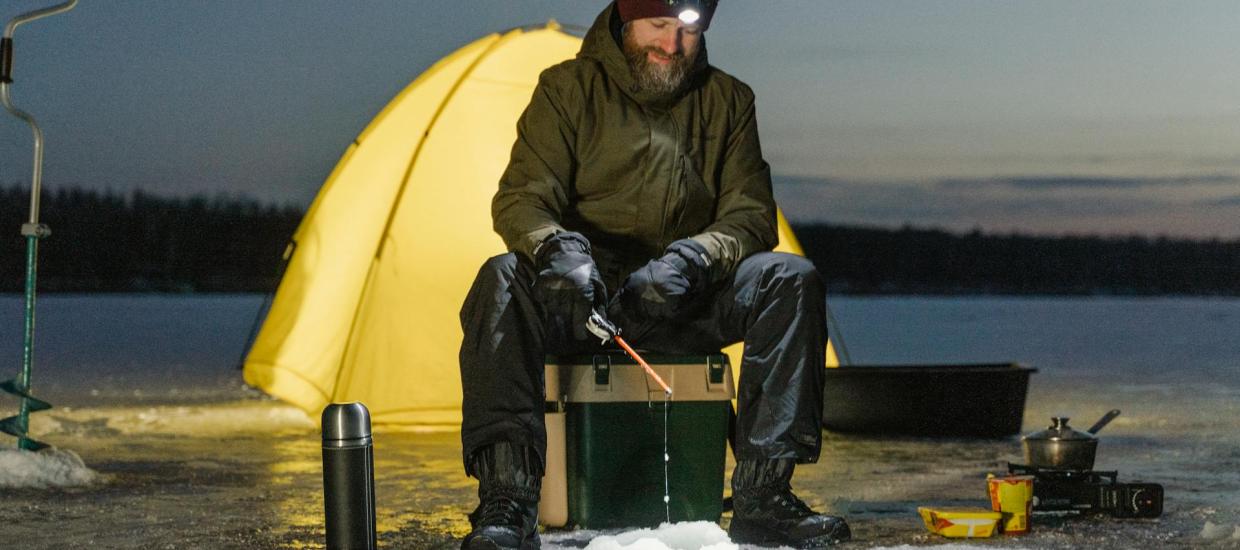
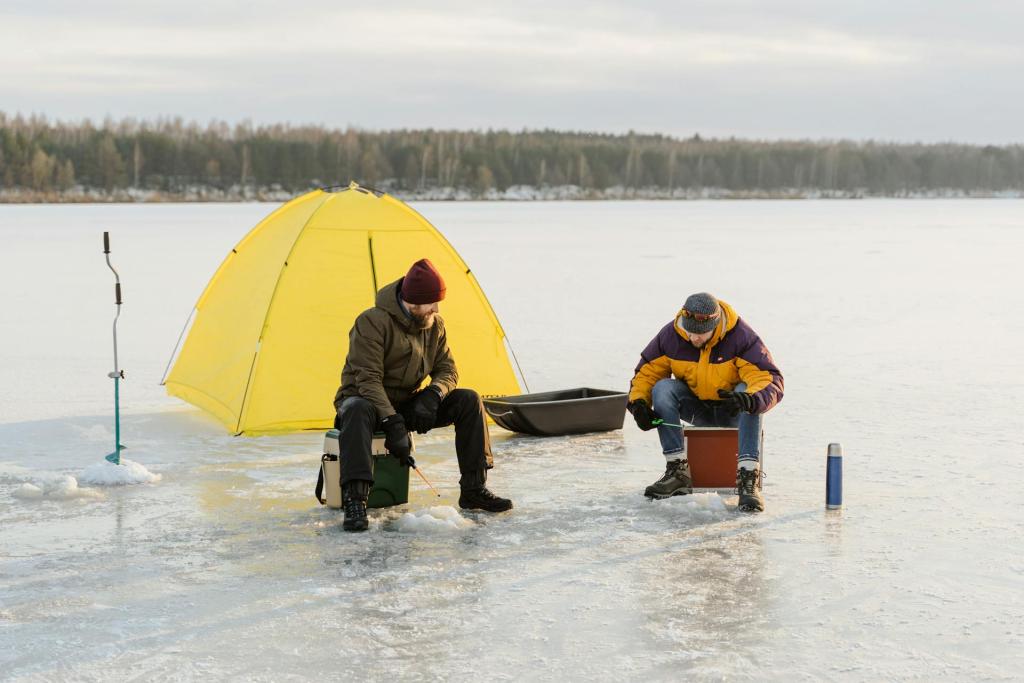
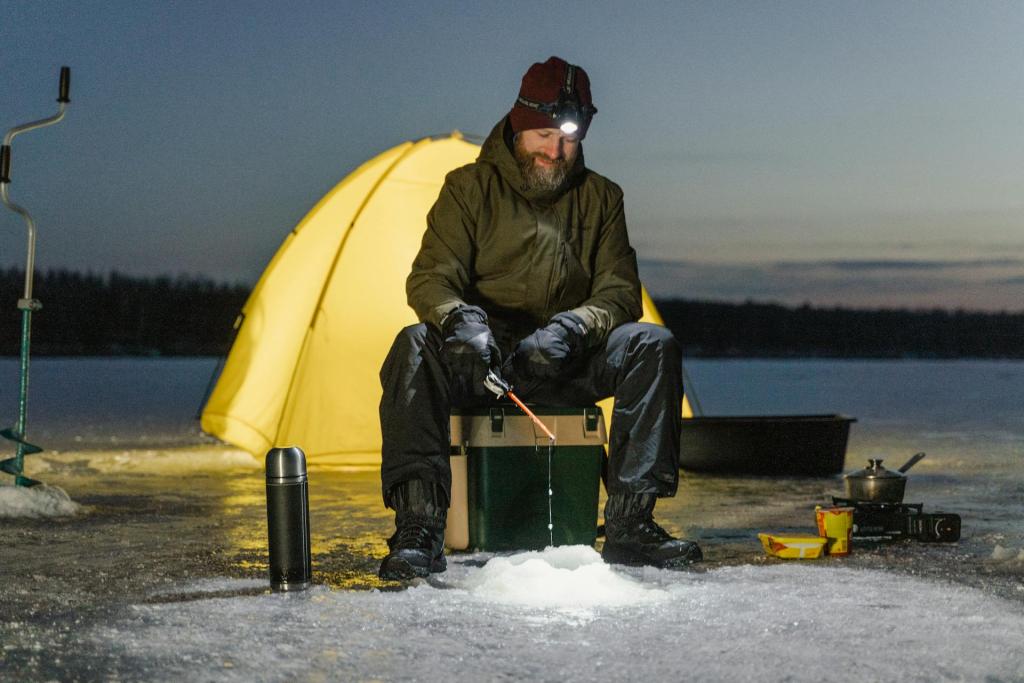
However, fewer lake dwellers have tried the winter version of this sport. But with the right equipment and guidance, ice fishing can be just as fun — if not more — than the traditional canoe setting. If you live on a northern lake and want to give ice fishing a try, check out this beginner’s guide!
To ice fish properly, you’ll need a different set of gear than for regular fishing. You’ll most definitely need to invest in an auger, a sled, an ice scoop, and a few jigs.
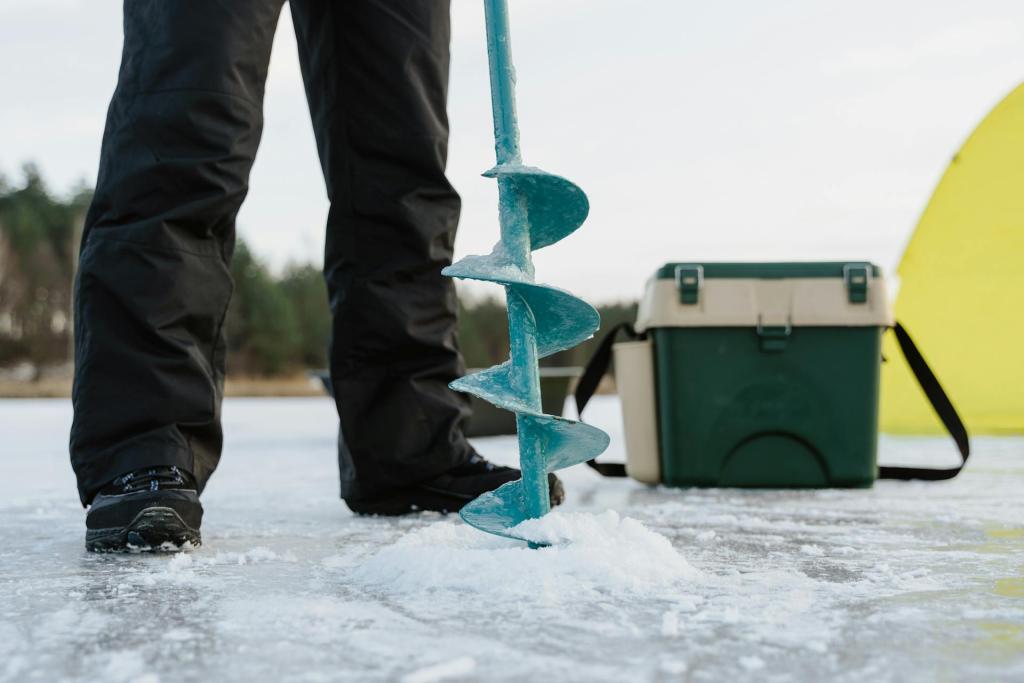
Unless you want to go old-school and use a spud bar or ice chisel to cut a hole in the ice, the most necessary piece of equipment is an auger. Fuel-powered and electric augers tend to work more quickly, while less expensive hand-powered augers take longer to drill holes. Either way, you’ll create a hole between 6 and 10 inches to use for fishing.
Besides this tool, a sled is necessary to transport gear from your car to the fishing hole, and the ice scoop keeps your fishing hole clear of slush. Although this gear can be a financial investment, it’s certainly possible to keep costs low and get started for around $200.
Because ice fishing is an extreme-weather sport, warm, dry clothing is essential. Remember to layer up as much as possible — you can always remove layers if you get too warm, but you can’t add more layers if you’ve left them behind. Also, don’t forget a personal flotation device (PFD) in case of an emergency.
Finally, and certainly not least, invest in some ice claws, also known as ice picks. These are handles made from wood or plastic with metal spiked tips that anchor into the ice so you can pull yourself out of the water if you fall in.
One of the biggest things that scares anglers away from ice fishing is the potential of falling through the ice. While this is a legitimate concern, it shouldn’t deter you from practicing this sport at all. Instead, there are some considerations to keep in mind.
First, according to anglr.com, you need at least four inches of clear, solid ice to go ice fishing. This ice type typically forms around a lake’s edges, which means you won’t need to sled too far. Once you’ve found a spot, it’s wise to drill a few test holes with your auger to see if fish are moving. If not, pick a new location!
It’s also important to choose your lake or reservoir wisely. Jim Root, angler and guest writer for Deeper Sonar’s blog, says to avoid rivers, streams, and spring-fed lakes, which often have weak ice. Instead, pick lakes with large fish populations or ponds deeper than 10 feet.
Finally, it’s time for the fun part — the actual process of ice fishing. At this stage, you have the possibility of catching trout, walleye, perch, and crappie, among others.
To catch these fish, you need to have good tools and techniques. While a traditional fishing rod and line can still work in a pinch, it’s worth investing in a jigging rod for ice fishing, which will allow you to catch fish at greater depths than a standard rod.
When ice fishing, keep in mind that jig color matters for catching fish. Just set up a simple trap with a sinker and minnow, then wait for the fish to come to you! If you don’t get any action for about an hour, it’s worth trying a different spot.
If you’re an angler who doesn’t mind extreme weather, ice fishing may be your perfect sport! We hope you reel in some good ones this winter.
Want more videos like this one? Subscribe to our YouTube channel!
This article was originally published on January 29, 2021.
Photo Courtesy of M. Baxley/Bear Witness Media, Outside
Sauna culture and winter lakeside life are a natural pairing. The slow, dry heat of a wood- or electric-fired sauna followed by a brisk plunge (or merely an icy view for the less adventurous) sharpens the senses and signals a kind of seasonal reset. Floating saunas—saunas built on pontoons, barges, or small boats—add another layer. The gentle motion of water, panoramic windows, and direct access to a plunge make the ritual part spa, part expedition. For lake enthusiasts and waterside travelers, a floating sauna trip is both practical and restorative. You can roll from heat into the cold water in seconds, and the health benefits include improved circulation, reduced muscle soreness, stress relief, and a reset of your circadian rhythm and mood.
Below are seven travel-worthy floating saunas that span from luxe to rustic, and city to true wilderness. Each option transports you to an exquisite natural setting, offering both a jumpstart to your wellbeing and an exhilarating experience. So, what are you waiting for? Take the plunge this year and plan your next cold-weather wellness escape.
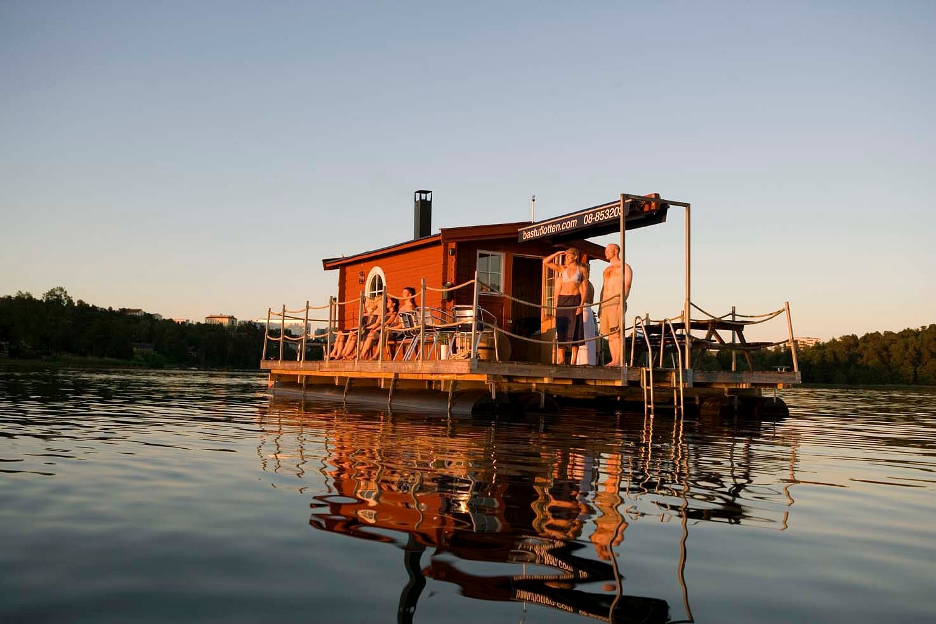
Mooring quietly in Stocksunds Harbour just north of Stockholm, the wood-fired sauna raft of Bastuflotten offers a gentle, intimate way to experience the Swedish archipelago. You’ll enjoy a traditional sauna session, then step onto a sundeck for a cooling break, with genuine access to clean seawater for a refreshing dip. What makes Bastuflotten special is the way it blends sauna, simple archipelago cruising, and socializing — you could combine a sauna session with a boat ride to one of the small maritime restaurants nearby. Healthwise, the dry heat warms your muscles and improves circulation, while alternating with a cold-water dip further enhances circulation and can boost your mood. The best time to visit is late autumn through early spring, when fewer tourists crowd the waters and the crisp air or near-winter ocean adds to the contrast therapy.
Laguuni Keilaniemi — Espoo/Helsinki region, Finland
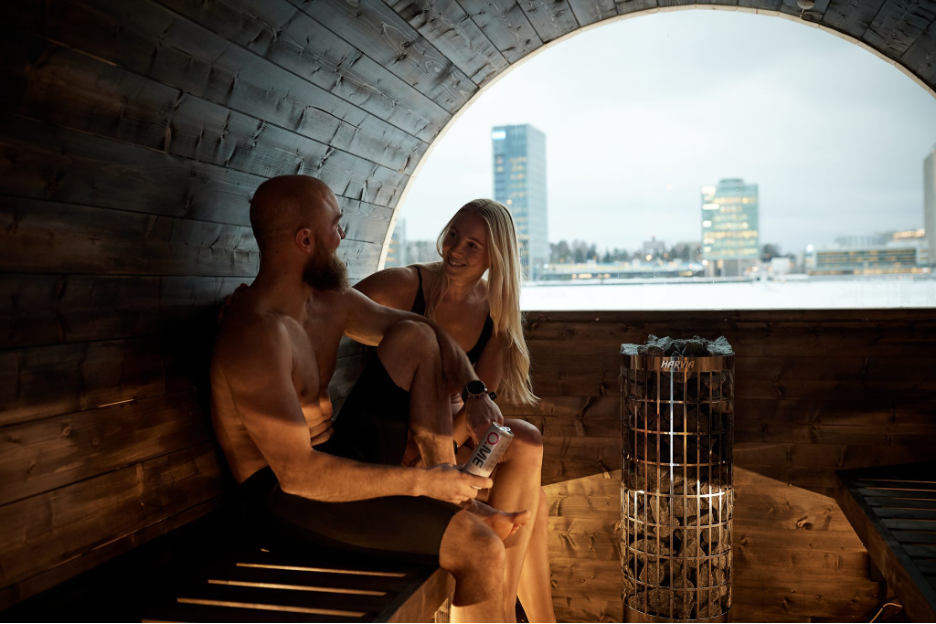
Located on the sheltered shores of Keilaniemi near Helsinki, this contemporary floating sauna blends modern architecture with traditional Finnish practices. A uniquely urban setting, it still feels intimate—perfect for combining an overnight Helsinki stay with authentic sauna time—and strong design attention to materials and views. Health benefits include stress reduction, better sleep, and social connection, typical of Finnish sauna etiquette. Winter visits are especially potent when you can step out into crisp Nordic air for a plunge. The best time to go is from November through March for the whole Arctic contrast experience. Visit Laguuni for more information.
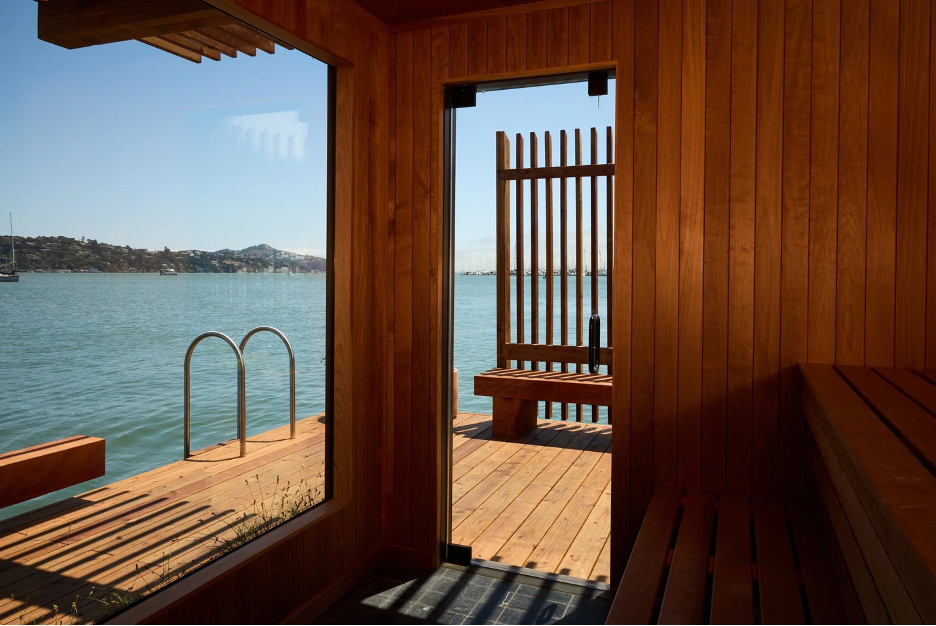
Fjord offers a floating sauna and plunge experience on the Bay—an urban yet elemental escape. This unique California setting combines metropolitan convenience with open-water exposure, plus programming geared to both everyday wellbeing (morning saunas) and social events. Health benefits include stress reduction, improved mood, and the restorative effects of sea air combined with heat therapy. Winter and early spring bring bracing air and dramatic light over the water, but the mild California climate makes year-round visits easy. For more information, visit Fjord.
Tofino Resort & Marina — Remote Clayoquot Sound, Vancouver Island, Canada
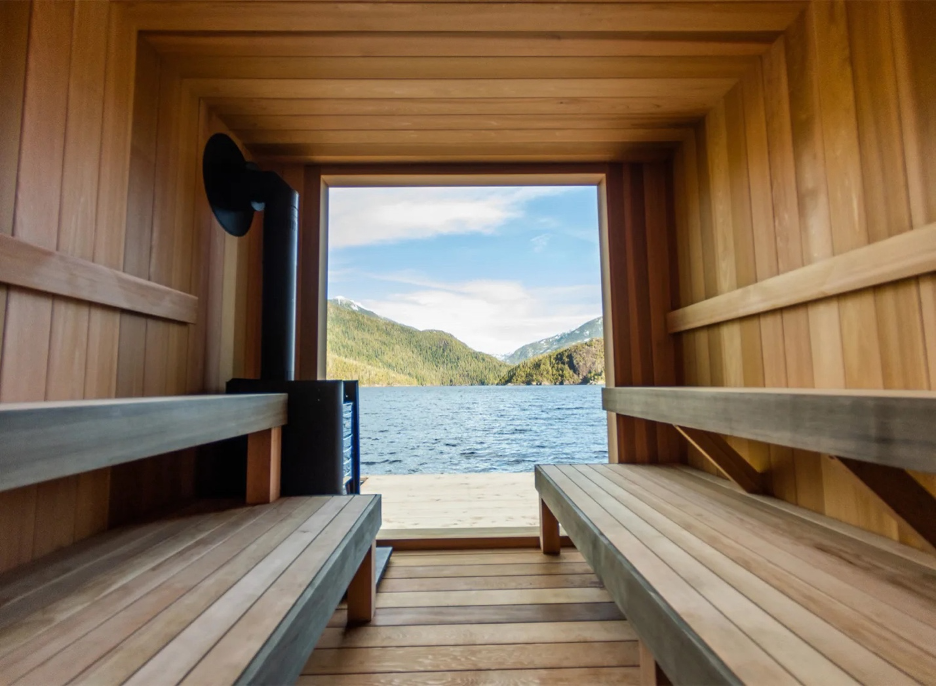
Anchored deep inside a UNESCO Biosphere Reserve on Vancouver Island’s rugged west coast, Tofino Resort & Marina’s floating sauna is reached via a short boat ride into the wild—salt-spray, sea birds, quiet bays, and dense coastal forest. The cedar sauna is wood-fired, and after heat therapy, you can plunge or float in protected seawater, breathing salty ocean air. What makes this experience unique is its remoteness: no cell service, no noise, just wilderness and waves. The health benefits include not only the usual hot-cold contrast effects but also a deep nervous-system reset from silence, sea air, and immersion in nature—ideal for stress relief, improved sleep, and mental clarity. The best time to visit is late fall through early spring, when storms and solitude heighten the sensory contrast. Summer offers mild temperatures and rich wildlife viewing if you prefer gentler conditions.
Cedar & Stone Nordic Sauna (Lake Superior, Duluth harbor)
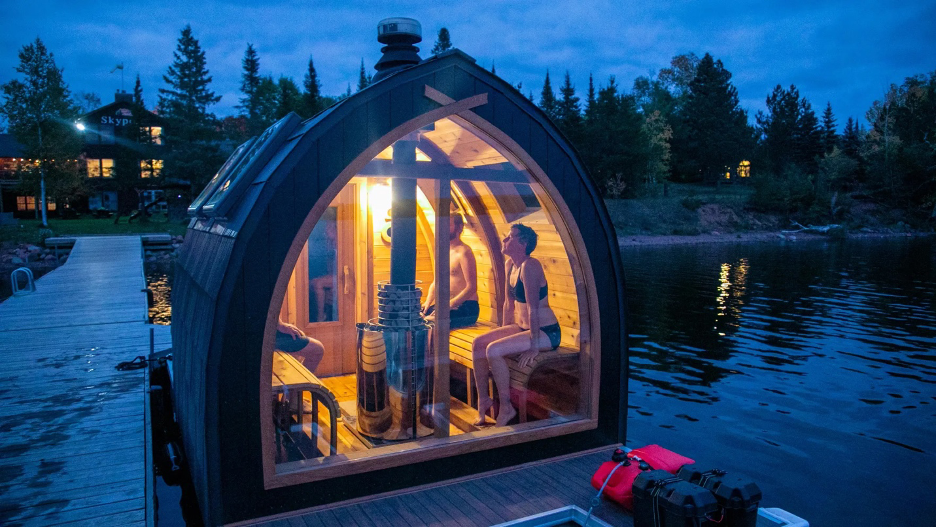
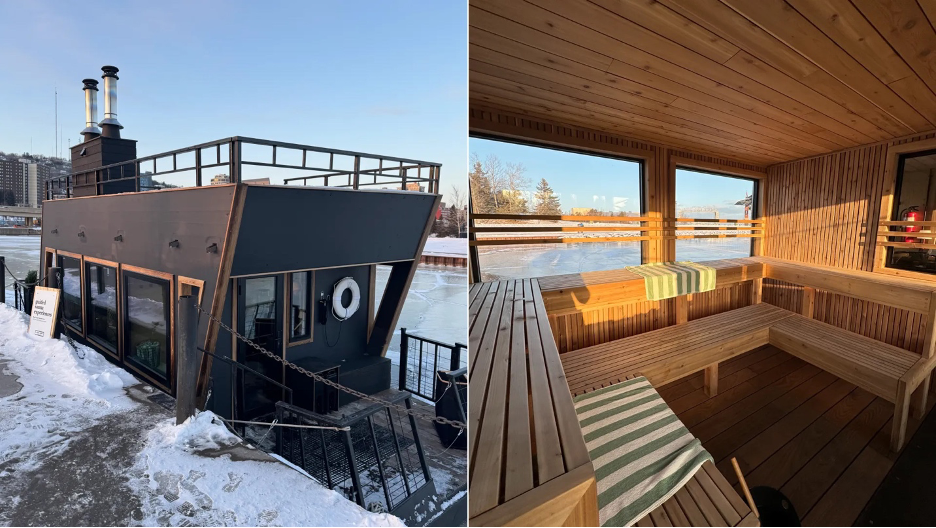
Situated right on the harbor of Lake Superior in Duluth, Cedar & Stone’s flagship floating sauna occupies a barge with panoramic windows facing open water and a rear deck that leads directly into the lake for cold plunge jumps. What makes this option stand out is its careful design: wood-fired stoves, trained sauna guides, herbal teas, and complete “hot-cold-rest-rehydrate” sessions that mimic authentic Nordic sauna traditions. Healthwise, the contrast therapy promotes cardiovascular health, reduces inflammation, improves sleep and immune function, and offers profound stress relief—especially beneficial during long winter nights. The best time to visit is mid-winter through early spring, when skies are dramatic and you might even find icy water for plunging (assuming open water)—but sessions run whenever ice conditions allow. For booking information, visit Cedar & Stone.
Floating sauna aboard M/Y Fortune — Helsinki archipelago, Baltic Sea, Finland
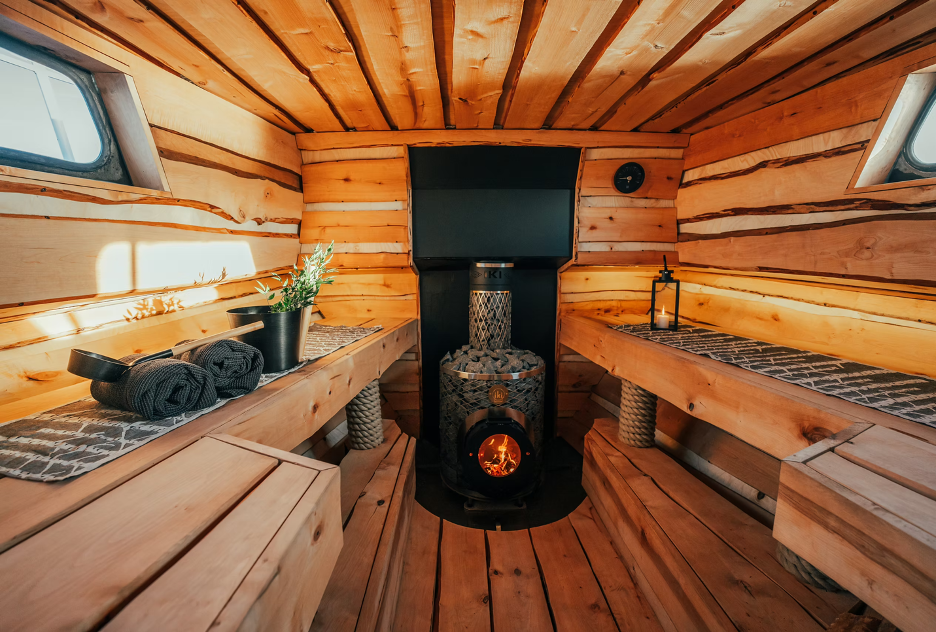
For those who want a sauna combined with a seascape and a touch of adventure, M/Y Fortune offers a floating sauna cruise in the Helsinki archipelago. The boat houses a wood-heated sauna using traditional Finnish “IKI” stove technology and allows passengers to alternate warmth with icy sea dips—even ice-floating when conditions allow. This melding of sauna and sea invites a dramatic contrast therapy: the steam’s softness, the salty spray, and the gentle rocking of the boat all contribute to a deeply sensory experience. Health benefits include cardiovascular conditioning, improved immune response, muscle recovery, and a pronounced boost in mental calm, heightened by Nordic sea air and minimal light. The best time to book is late autumn through early spring, when the water is crisp, and the archipelago is quiet. For smoother sailing and mild weather, late spring or early autumn works well too. To book a cruise, visit M/Y Fortune.
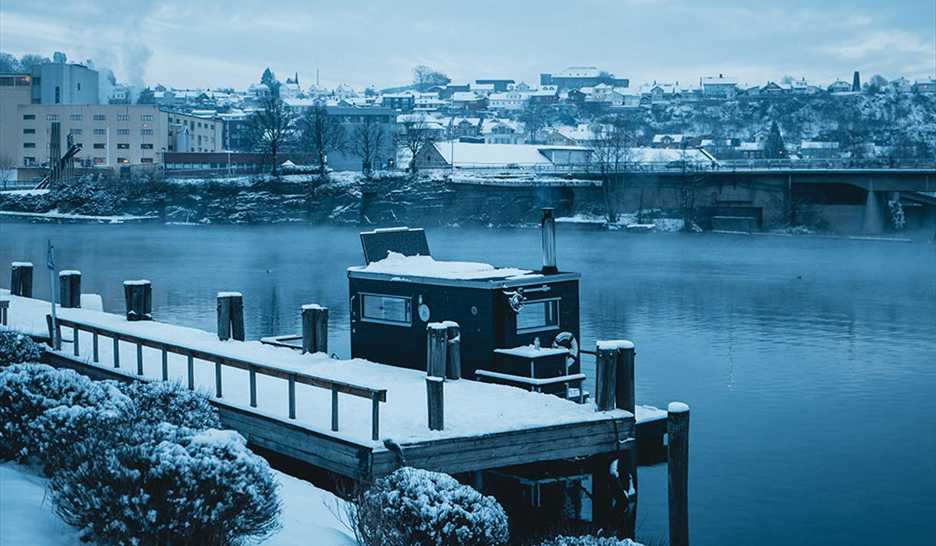
Just outside the center of Skien, near Bakkestranda beach, is the floating sauna boat “Leo.” This 26-meter-long vessel houses a wood-fired sauna and accommodates up to six people. When the heat builds, you step out of a hatch onto a ladder and drop into the water for a cooling swim, or float gently beside the boat. What distinguishes “Leo” is its low-key charm: a small-group, rustic, year-round sauna boat that’s ideal for friends or couples seeking an authentic Scandinavian sauna ritual without frills. The health benefits echo those of larger spas: circulation boost, thermal contrast benefits, muscle relaxation, and stress reduction—plus a sense of simplicity and connection with the water. The sauna is available year-round, but the best time depends on your preference. Summer is best for warm water swims, or autumn through winter for the brisk, bracing contrast between sauna heat and chilly Nordic water. For rental inquiries, go to Visit Norway and email telemark@dampsauna.no
Selecting a floating sauna, from Scandinavia’s archipelago rafts to Canada’s coastal wilds, reveals a common thread—immersion. You submerge yourself (mentally and physically) in heat, cold, water, and landscape. This immersion offers more than momentary warmth—it becomes a ritual of awareness, a tonic for mind and body. Whether you choose the simplicity of a six-person boat in Norway or the dramatic Lake-Superior plunge in Duluth, each floating sauna becomes an anchor in time, a chance to slow down, reconnect with nature, and reset as winter settles in. For anyone who treasures lakeside settings or dreams of a waterside retreat, these floating saunas are both inspiration and invitation to travel, to build, or to dive in. Visit Lake Home Lifestyles for more inspired ideas to live your best lake life.
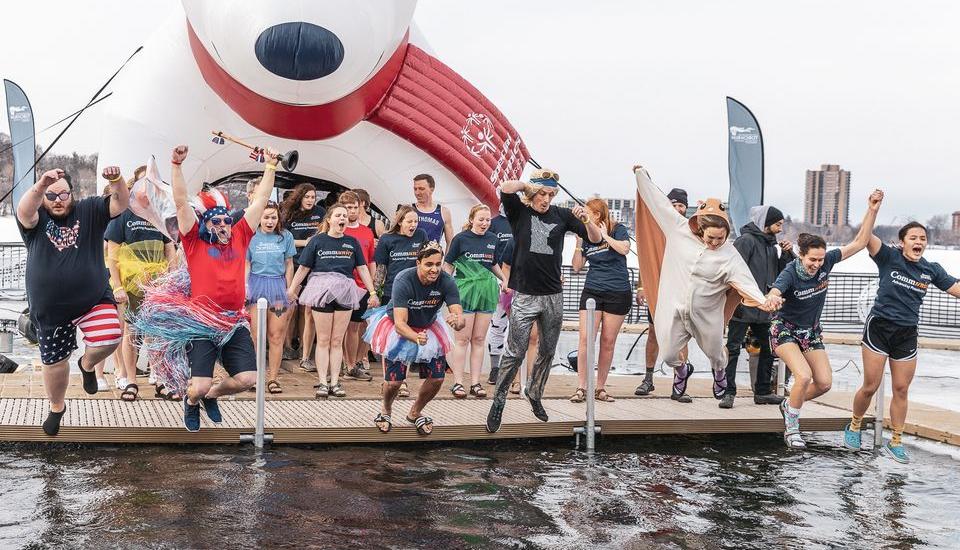
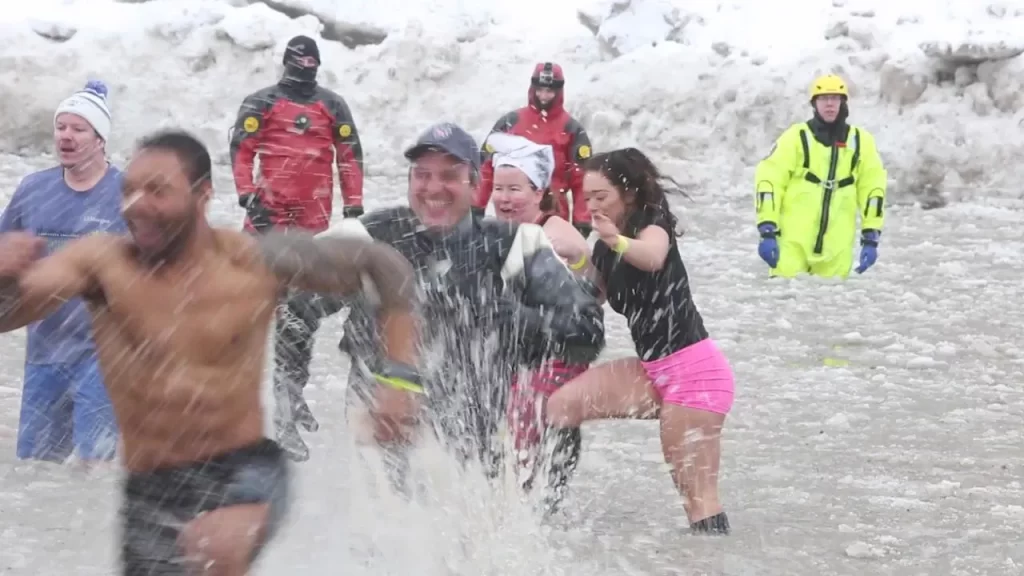
Remember the days of the ice bucket challenge back in 2015? Celebrities, athletes, and CEOs dumped ice on themselves in increasingly creative ways to promote awareness of the disease ALS. The challenge took over social media, with famous names like Barack Obama, “Weird Al” Yankovic, and Justin Bieber participating. But now, the ice bucket is out, and the Polar Plunge is in!
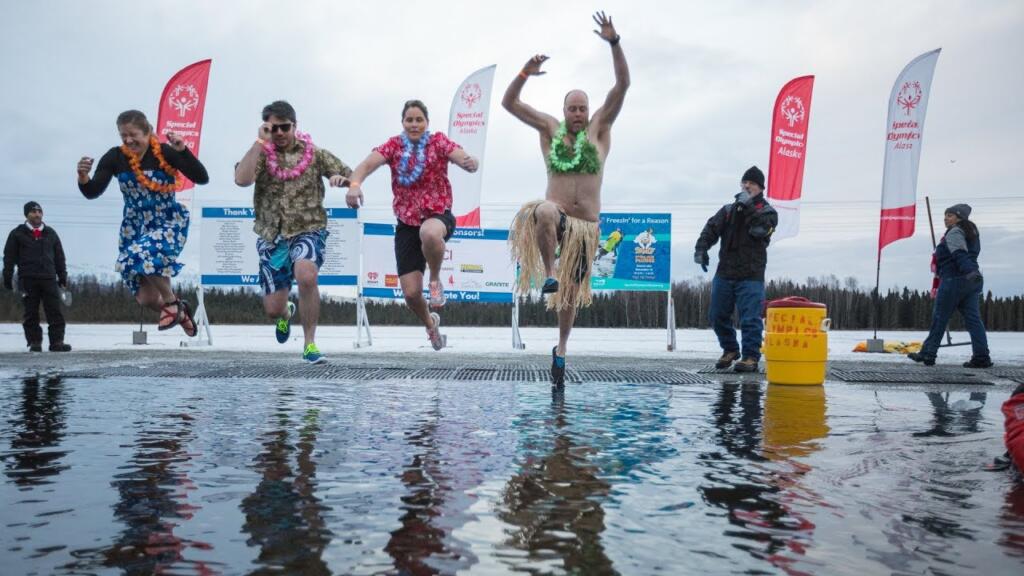
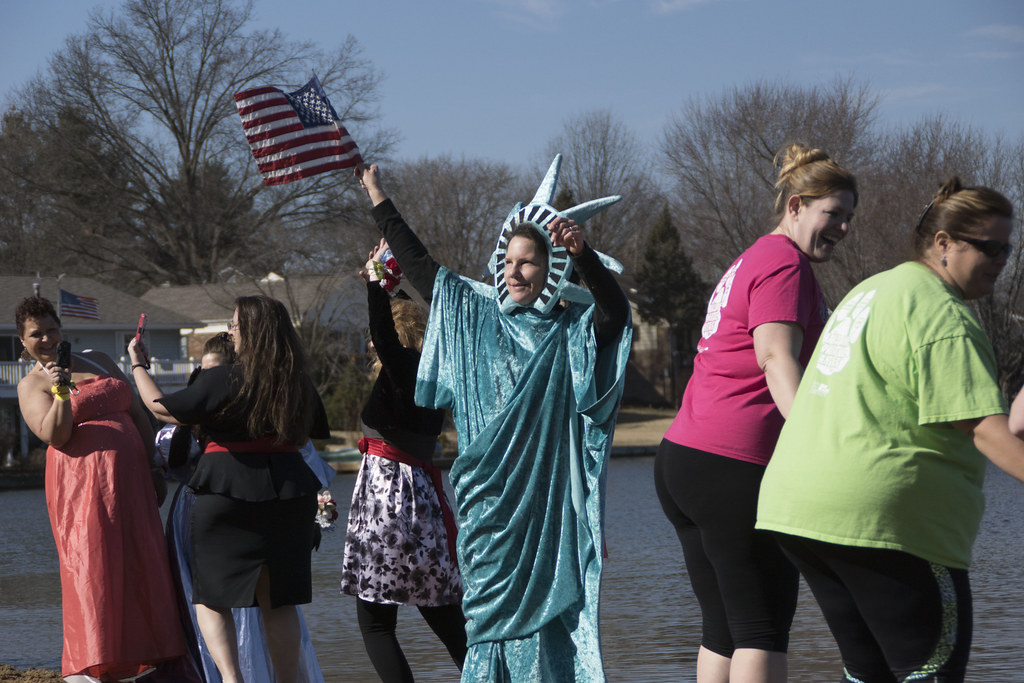
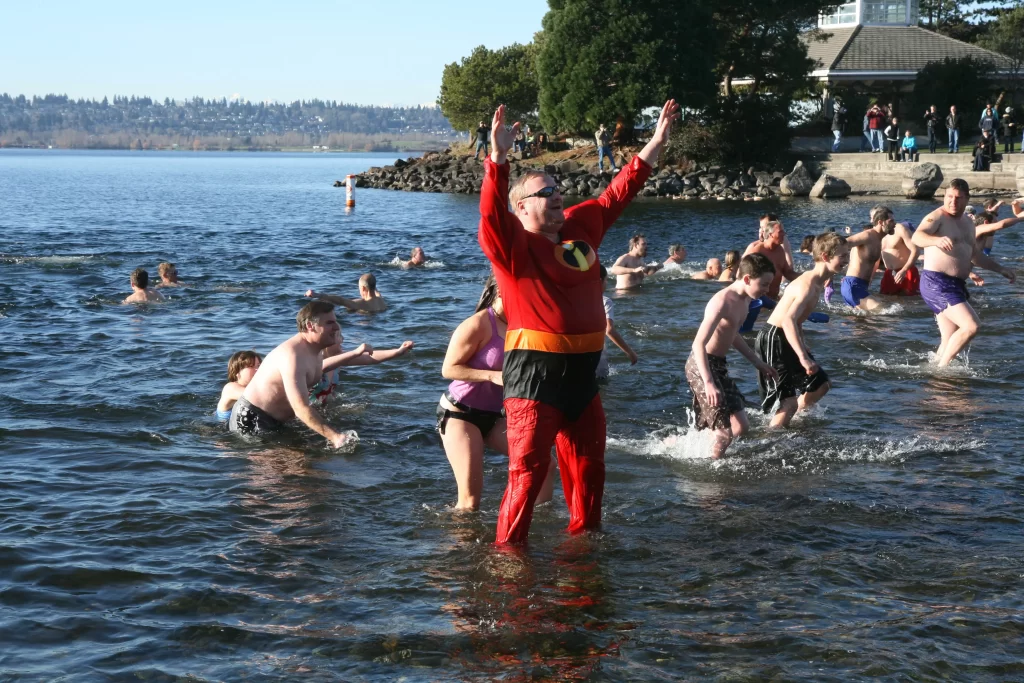
First performed in Boston in 1904, this long-standing tradition has become a fundraising effort for various charities like the Special Olympics and the Make-A-Wish Foundation. Polar Plunges are a great way to support causes while having loads of fun with your family and friends. So this winter, join thousands around the world by grabbing your most creative costume and jumping in your favorite freezing lake!
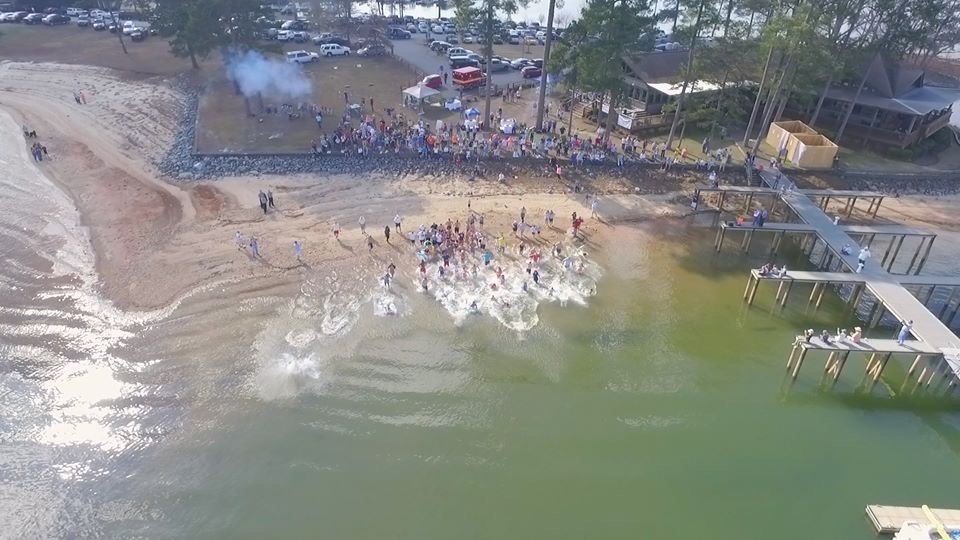
Located in central Alabama, Lake Martin hosts a milder polar plunge compared to many Northern lakes. Here, adventurous lake lovers can take the plunge far away from the frigid waters of the north. Situated on the Western side of the lake, Kowaliga Restaurant hosts the event every year to raise money for the protection of the lake. They craft a special polar plunge menu showcasing Alabama’s best hot comfort food. Last year, over 200 flocked to Lake Martin to take the plunge, so expect a crowd on January 15!
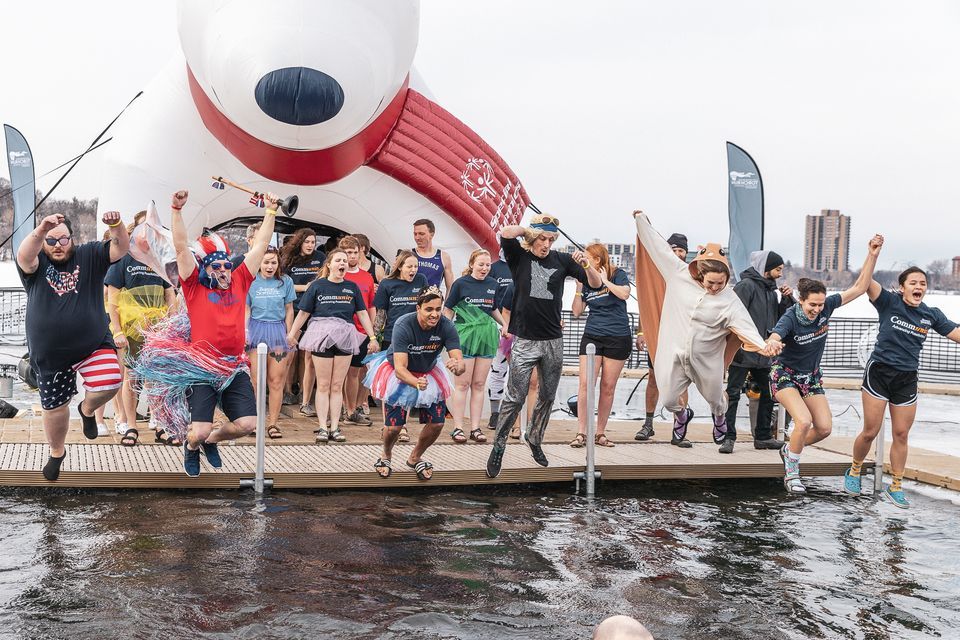
For 16 years, Minneapolis has organized a Polar Plunge to benefit Special Olympics Minnesota. In the course of those 16 years, the Minneapolis plunge has attracted more than 50,000 people and raised over $15 million. On March 4, Lake Nokomis will host the event and expects it to be Minneapolis’s largest polar plunge yet. Featuring live music and food trucks, this two-day event is a fun winter activity for the whole family!
Lake Ontario in Rochester sees the largest polar plunge in New York State every year. Last year, participants consolidated over $200,000 to support Special Olympics New York. On February 5, plungers can participate in teams or as individuals, and there are amazing prizes for those who raise the most money.
The polar plunge coincides with the Lakeside Winter Celebration—a local favorite featuring a wine and craft beer festival, contests, live music, and sleigh rides. So, it’s a great alternative if jumping into freezing water is not your speed. You can still make a donation to the plunge, grab a beer, and watch the festivities from dry land.
Last year the polar plunge at Lake St. Louis in Missouri raised over $70,000 for Special Olympics Missouri, making it possible for children with mental disabilities to pursue the sports that bring them joy.
Known for its increasingly bizarre costumes, teams participating love to dress up as polar bears, superheroes, Disney princesses, clowns, cowboys, and more! This polar plunge on February 4 is perfect for families who want to have a blast while supporting an amazing organization.
Are you a cold-weather enthusiast who loves the environment? Then the polar plunge in Lake Sammamish, Washington, is perfect for you! The Friends of Lake Sammamish State Park host this event to support the protection of the land and water habitats.
The first 180 people to arrive at the lake on January 1 will receive a Polar Plunge souvenir campfire mug, hand warmer, and a coupon for a cup of Ivar’s clam chowder. So take the plunge for the clam chowder, or take it for charity; we won’t judge either way!
Whether you attend these polar plunge events as a local or an adventure-seeker, you can connect with lake communities and support America’s most beloved charities.