Summer is in full swing, and the weather on the lake is perfect for showing off that new pedicure. To follow up on last year’s post on the best waterfront shoes for Winter and Spring, we’re showing off the best shoes for summer when you live on the lake. So, whether you’re planning on braving the summer heat or simply enjoying the lake views from your home, there’s a perfect piece of footwear for you.
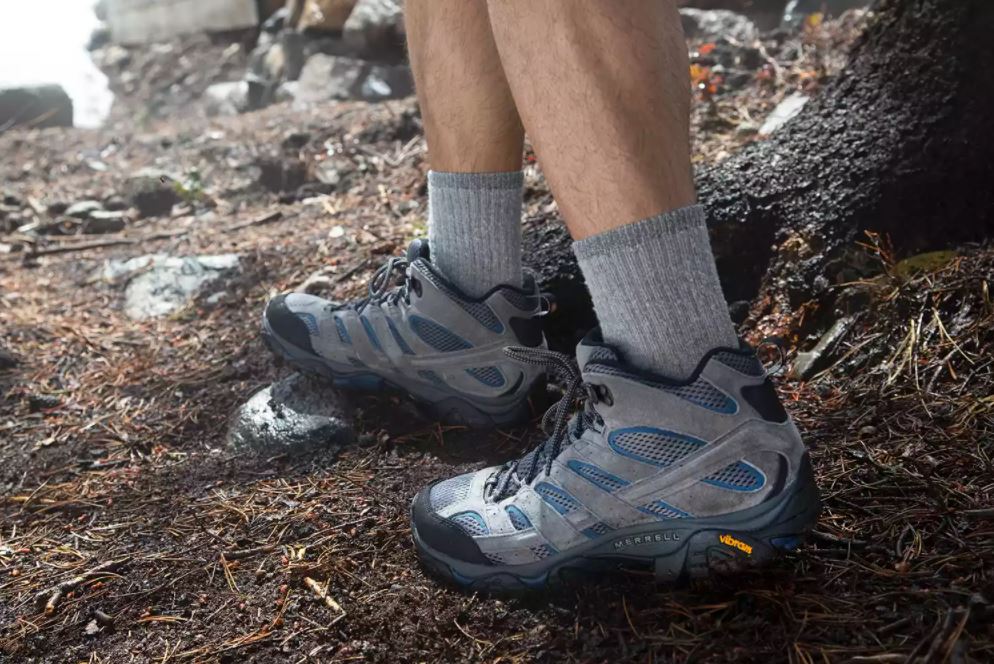
For this popular year-round activity, closed-toed shoes are a must. But during summertime, how do you avoid getting overheated in heavy footwear? Introducing the Merell Moab 2 Vent Mid Hiking Boot. Designed for both men and women, these boots are highly rated on Amazon. While they are not water-resistant, they are specifically designed for summer weather with foot ventilation to allow air to escape. Ultra-comfortable, you also won’t worry about getting blisters while you’re on the trail!
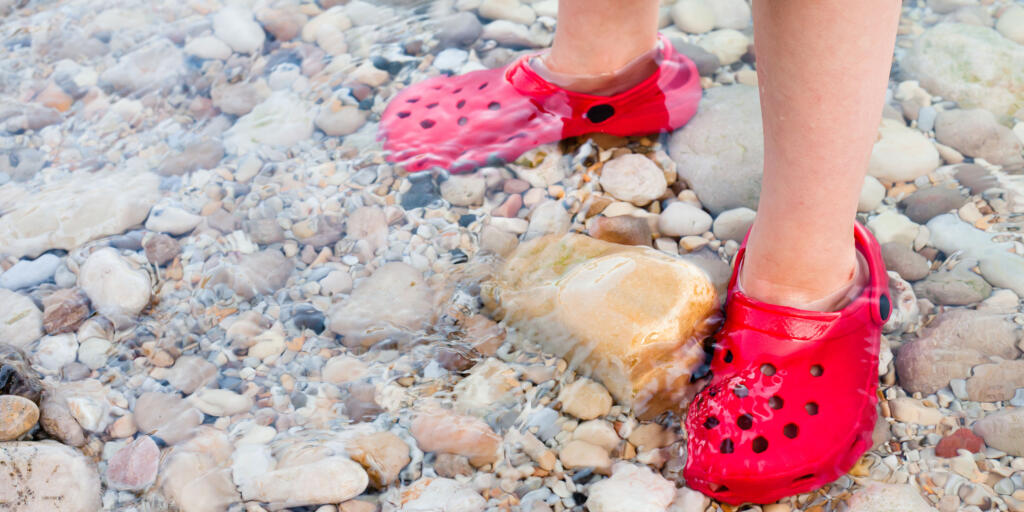
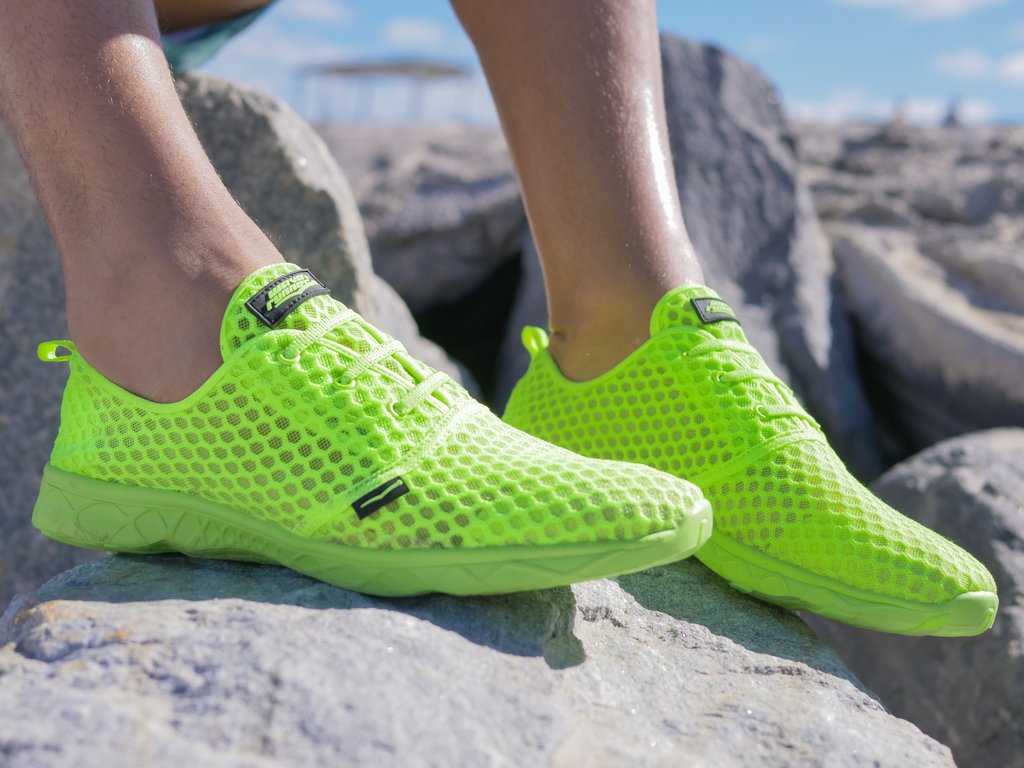
Summertime always means it’s warm enough to go swimming in the lake. But what if you just want to wade in the lake water without injuring your feet on rocks? Check out these fun, simple, and brightly colored aqua shoes! The wave runner quick-drying shoes are lightweight, no-slip footwear perfect for immersing yourself in the lake. Plus, they come in lots of vibrant shades like bright red and neon yellow.
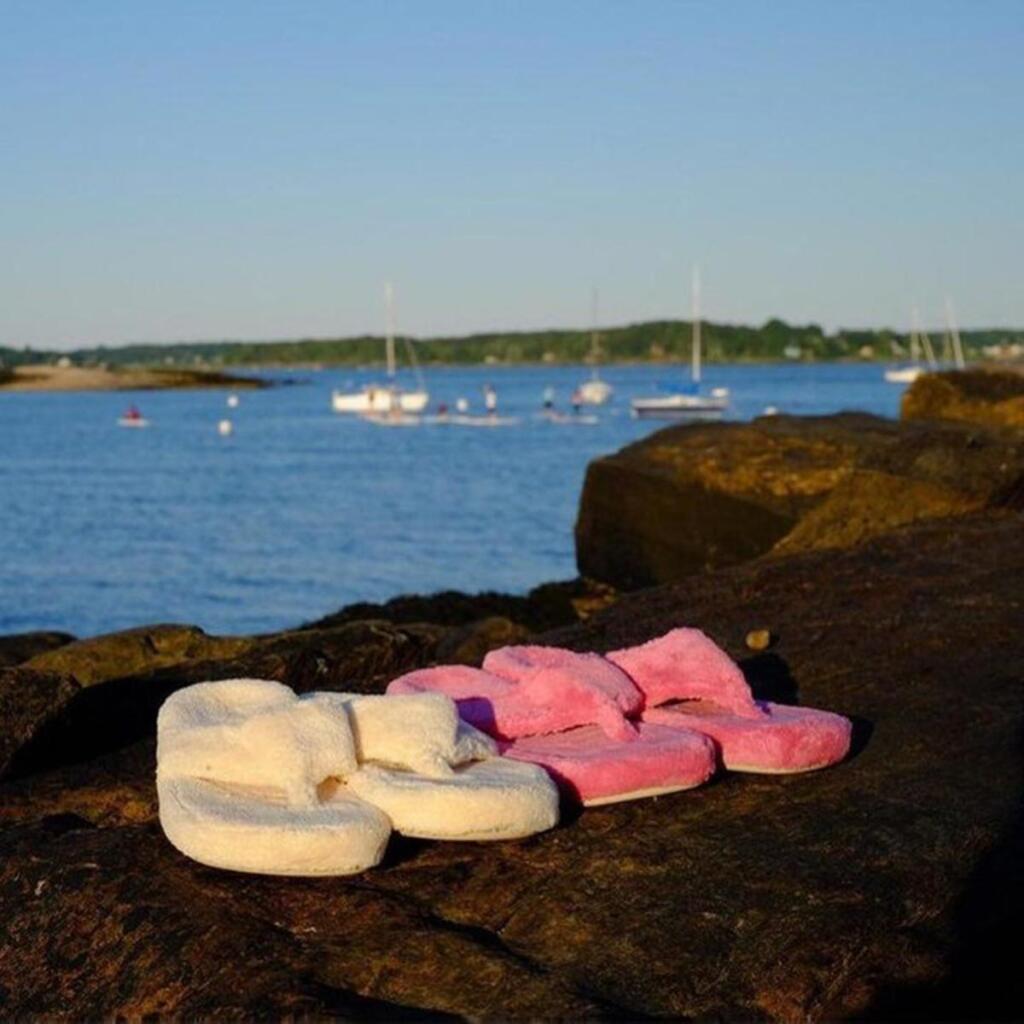
If there’s a season that’s prime time for relaxation, it’s summer. So, why not make every day at your lake house feel like a spa day? Once you experience these spa slippers, you’ll want to live in them all summer long. Made of soft, plush material with memory foam and arch support, these shoes are designed with maximum comfort in mind. The open-toed form allows your feet to breathe in warmer weather, so it’s time to toss those closed-toed wintertime house slippers to the side. This fuzzy and stylish footwear also comes in 16 different colors, so honestly, you could get one for every day of the week!
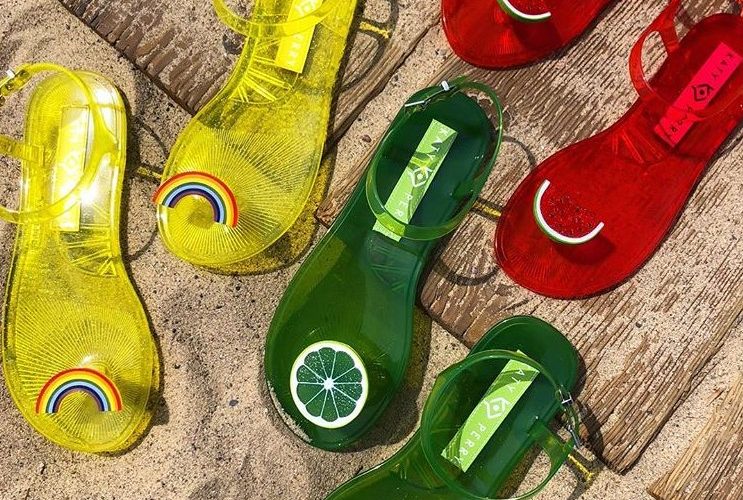
Remember those jelly sandals that you used to wear as a kid? Well, they’re back in style now and just in time for summer. From pop singer Katy Perry’s brand, these cute jelly sandals come in a variety of bright colors, and each strap features a cute symbol of summer. So whether it’s watermelon red or lemon yellow, you’ll be showcasing your summertime enthusiasm at the lake. Even better — these 90’s-inspired sandals are also scented, so say goodbye to stinky feet. These shoes prove that colorful footwear with fruity designs is not just for toddlers.
We hope these brands of fine footwear get you in the spirit of summer! Now get out there and enjoy the lake.
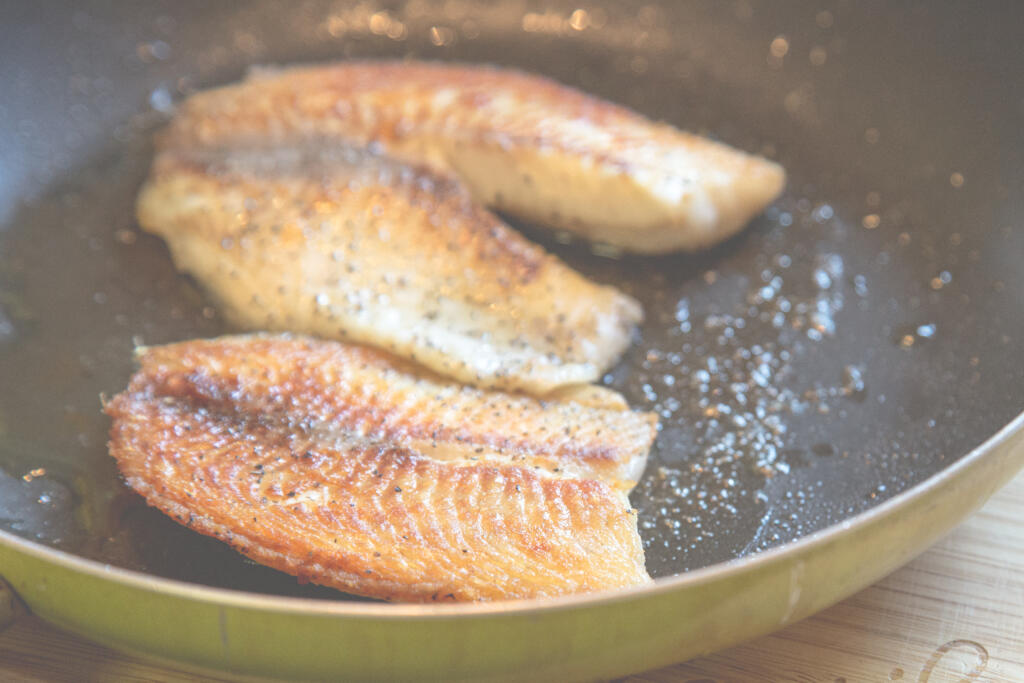
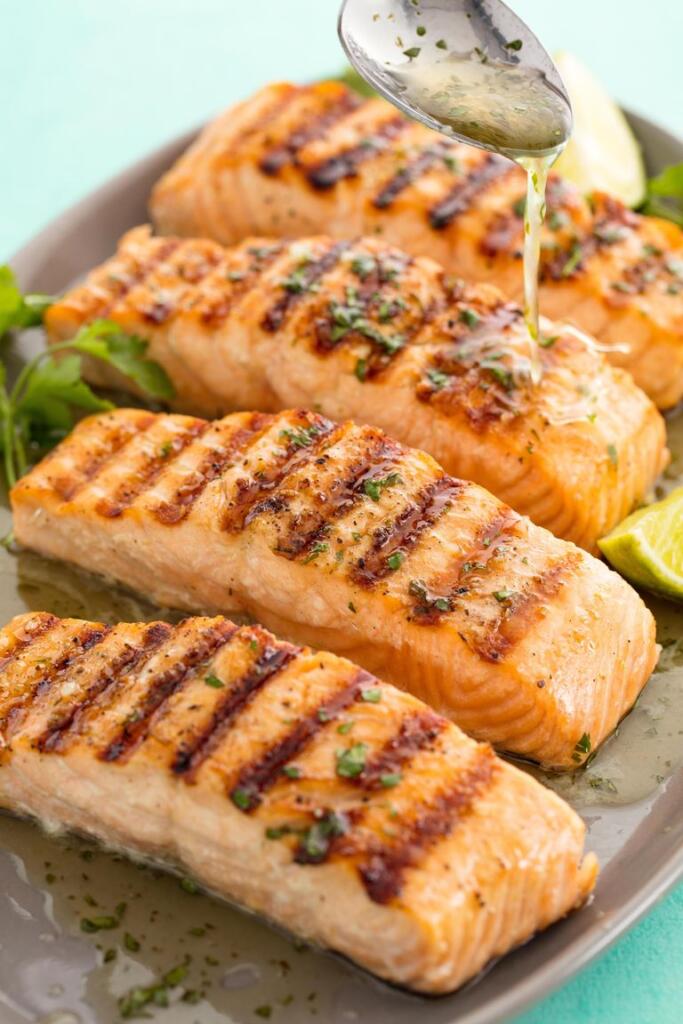
Unless you’re doing catch-and-release fishing, one of the biggest perks of summer at the lake is cooking a fish that you’ve reeled in yourself. There’s an unbeatable sense of pride that comes with reaping the benefits of your day on the boat. Plus, fish are filled with omega-3 fatty acids and vitamins. Low in fat and higher in protein, fish is often considered a superfood. But what if you’re experienced with bait and hook but clueless in the kitchen? If this is you, check out these five ways to cook your fish. One “catch-of-the-day” dinner coming up!
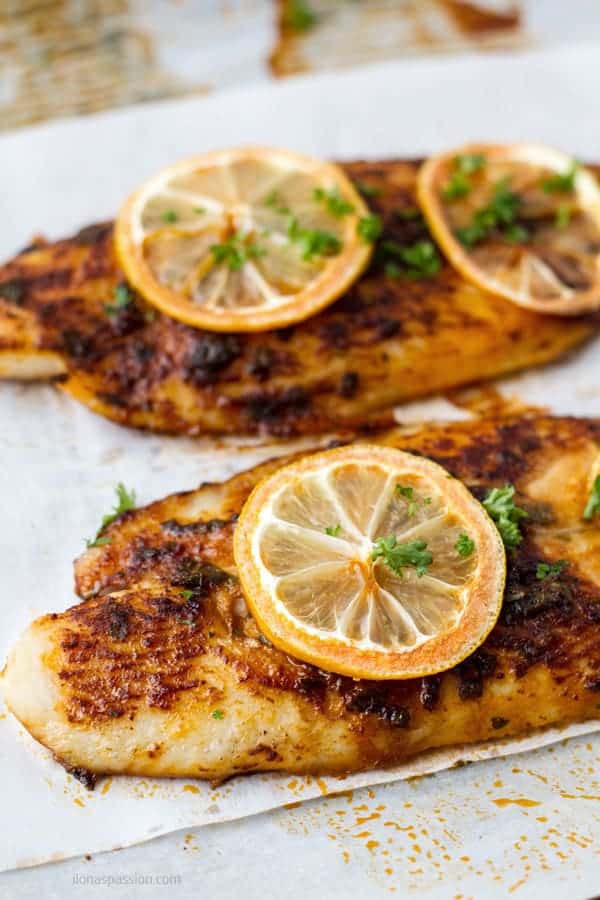
One of the simplest ways to cook fish is by baking it. For most fish, you can accomplish this by heating the oven to 450 degrees Fahrenheit, spraying a baking sheet or dish with cooking spray or olive oil, placing the seasoned fish onto the sheet, and putting it in the oven. The cooking time can vary based on the thickness of your fish. According to Better Homes and Gardens’ blog, 4-6 minutes for every ½ inch of thickness is a good rule of thumb. If your fish is frozen, be sure to thaw it before baking. While the most optimal strategy is to move it from the freezer to the fridge overnight, you can also quickly thaw on a microwave defrost setting.
If you’d prefer a crisper texture to your fish entree, it’s time to grab a pan instead of an oven mitt. This stovetop technique produces meat that’s lightly crispy and tender. Although it’s best used for seafood such as shrimp and scallops, firmer fish can also be pan-fried, especially if you cut them into strips first.
For a classic pan-frying technique, you’ll need these ingredients: flour, milk, eggs, and bread crumbs. First, coat the fillet in flour, dip it in the egg and milk mixture, and cover it in bread crumbs. The eggs and milk are essentially the glue that holds these ingredients together. Then, cook the fish for 4 to 5 minutes per side, depending on the thickness of the fish.
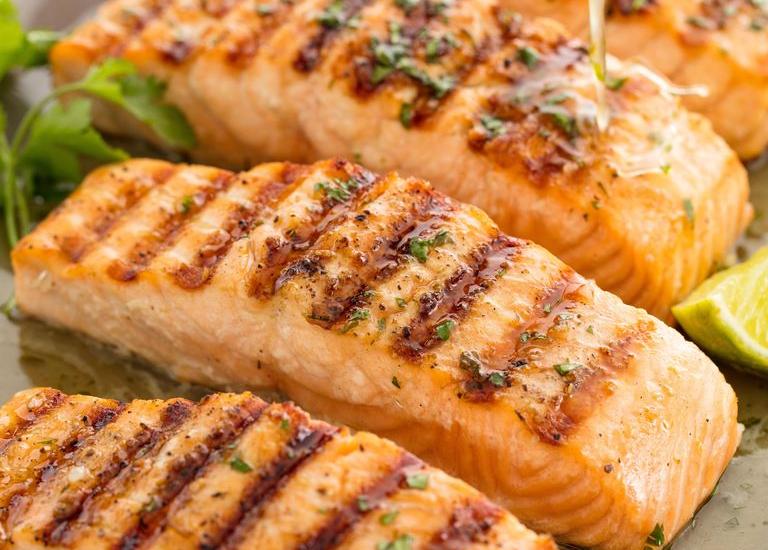
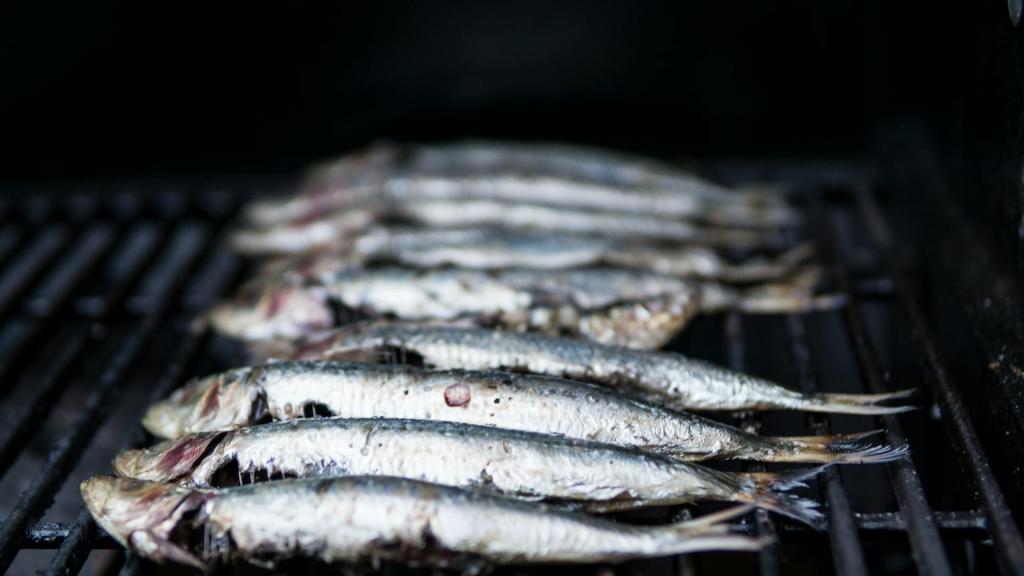
Since it’s summertime, outdoor grilling is a fun, seasonally appropriate way to cook fish. As opposed to pan-frying, which works best with smaller cuts of fish, grilling is best for hardy, thicker cuts of fish such as tuna, halibut, swordfish, or salmon. If it’s your first time firing up the grill, the process can seem intimidating. However, grilling fish is simpler than you think. First, make sure the grill is clean and oiled. Then heat the charcoal for 30 minutes or gas grill for 10 minutes with the lid closed. Be sure to heat it on “high” to increase the caramelization and get those classic grill marks on the fish. From there, place the fish on the grill and cook for 4-6 minutes per inch of thickness on each side.
Poaching is one of the healthier ways to prepare fish. This is because the lower temperature and the lack of oils used in cooking helps preserve the omega-3s that make fish such a healthy choice of protein. Typically, poaching fish has four key ingredients: liquid, herbs, an acid, and a combination of celery, greens, and carrots. While almost all fish can be cooked in a heated liquid (e.g., wine, water, milk, fish stock), the best candidates include thicker, meatier cuts like salmon, tuna, and sturgeon. Just pour the liquid of choice into a pan to cover the fish, cover the pan tightly, and cook for 10-15 minutes. Different mixtures of herbs can also be used to elicit more flavor from the meat.
Do you own a deep fryer at your lake house, and are you looking for a reason to use it? If so, then this method of preparing fish is perfect for you. It’s also pretty easy! The toughest part of deep-frying fish is creating the breaded mixture. A combination of flour, cornmeal, and a mixture of seasonings should do the trick. Throughout the process, you’ll want to monitor the oil temperature with a candy thermometer. Oil that’s too cool will make your fish too soggy and filled with grease, while overheated oil will burn the fish. Anywhere between 350 and 375 degrees Fahrenheit will generally produce nice, crispy results. Before serving, drain on a paper towel to remove excess grease.
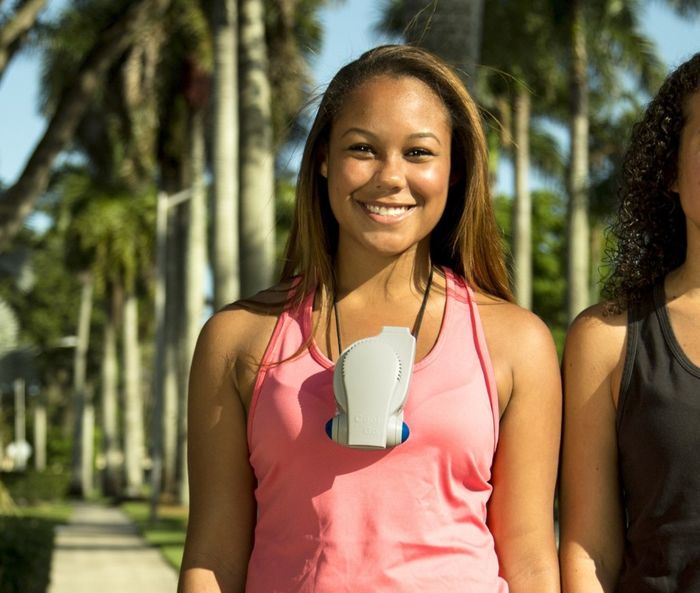
Especially when you’re living at the lake, the summer heat is no joke. When you’re out all day hiking, swimming, and boating, it can be easy to get overheated. This is because, in hot weather, we tend to lose our body fluids through sweat. So, in addition to staying hydrated by carrying portable water bottles around, you can also invest in some gadgets that help keep you cool this summer. From spinning fans to cooling towels, we’ve got you covered. Check out our top 5 recommendations.
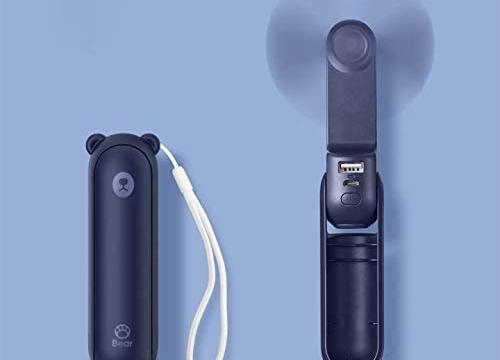
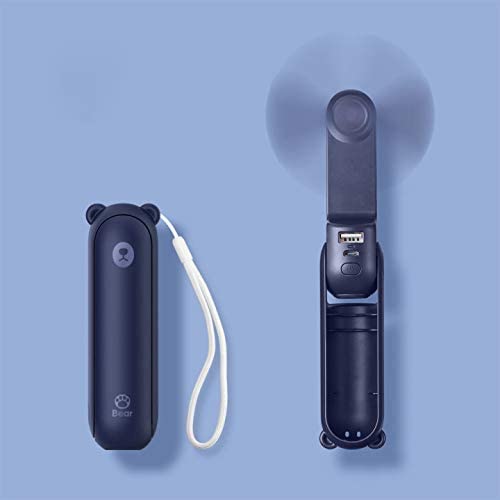
If you ever went to sleep-away camp as a kid, this portable mini fan will bring back some nostalgia. These gadgets are practically emblematic of summer, and guess what? They never go out of style. Small and practical, these contraptions fit conveniently into bags and pockets. This way, it’s easy to take with you on outdoor excursions. Also, since it can usually run for up to 12-24 hours on a few AA batteries, it’s perfect for camping trips where you’ll need to stay cool for more extended periods of time.
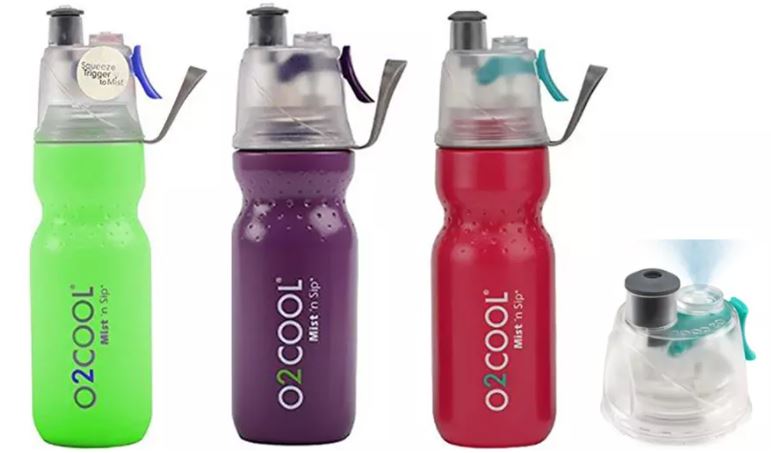
Of course, water bottles are a timeless necessity for the summer. But what about keeping your face cool, in addition to your body? This water bottle from O2 Cool is equipped with a double feature — hydration and misting in one. Its medium size fits in most bicycle cages, and the carry loop provides easy transport so that you can bring it on many outdoor adventures. And the best part? It’s less than $10, so it’s very affordable for all lake lovers!
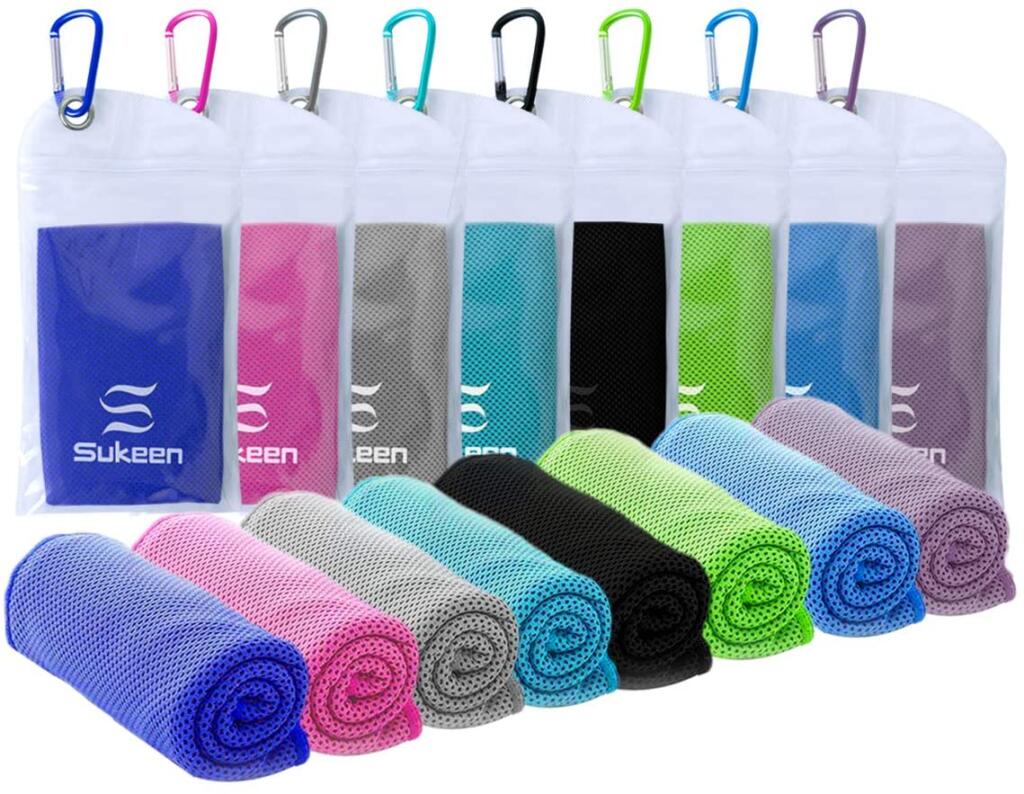
We’ve all been there. Getting out of the lake on a hot day, only to wrap yourself in an even hotter towel. So, when it comes to cooling gadgets at the lake, the cooling towel is essential. These towels are here to give you instant relief on hot days. Lightweight and eco-friendly, this towel is activated by soaking it in cold water, wringing it out, and packing it in the ziplock container. This way, the cold temperature of the towel is contained whenever you need it. It can even be used as a headband or bandana!
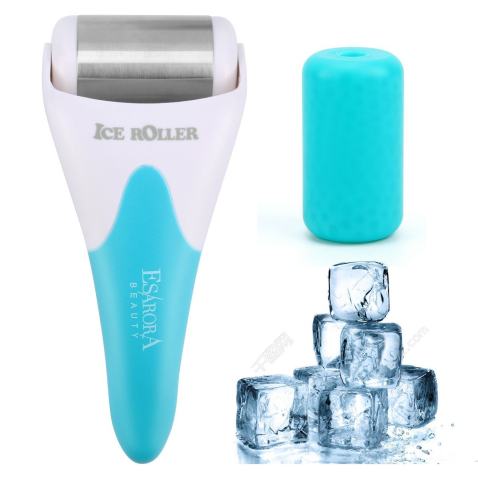
Sometimes, the heat exhaustion is extreme, and you need a solution that’s as cold as ice. Enter the ice roller. Keep this gadget in your freezer until you need it, and then simply roll it along your skin. This gadget is handy for cooling down sunburns, especially when the aloe vera alone isn’t enough. But, of course, the ice roller has other benefits, such as revitalizing skin and relieving fatigue, which we need all year round!
Thankfully, nights at the lake tend to be much cooler than sunny days. However, it can still be nice to keep your head cool in the evenings. For this reason, an ultra-cool pillow is a great choice. This pillow’s technology absorbs excess heat to keep your body temperature regulated. Although this product is on the pricier side, it’s definitely worth it for those who get overheated at night during the summer!
While these are just a few examples, there’s plenty of gadgets for staying cool this summer that are on the market right now. Whatever you choose, please remember to use sun protection, drink plenty of water, and regulate your body temperature.
As lake lovers, we all embrace the beauty of nature and the essential need to preserve our environment. And these days, going green—even in small steps—is easier than you might think. As designer Michelle Rohrer-Lauer explains, “Eco-friendly home décor and construction is like switching to organic foods—you can start with a few sensible choices and expand from there. Even small changes at home can make an important difference in your indoor air quality and the health of the planet.”
An interior designer based in Chicago—and an avid lake lover and lake homeowner—Michelle is a proud member of the Sustainable Furnishings Council and a certified GREENleader. In one of her talks at an event series she calls “50 Shades of Green,” co-hosted by Orren Pickell Building Group, Michelle shared her ideas for eco-friendly design options along with a display of sustainable fabrics, woods, and cork flooring. Here is a summary of her top tips.
We all know that forests are vital to our existence on the planet. Trees generate oxygen, breathe in carbon dioxide, and help regulate the global climate by absorbing fossil-fuel emissions. Forests also provide a natural habitat for animals and plants, and millions of people depend on forest resources for their livelihoods. So, doesn’t it make sense to use sustainably harvested woods, reclaimed woods, and other recycled materials in our home furnishings? Yes, absolutely.
Michelle recommends Red Grandis eucalyptus wood for flooring and cabinets—a high-quality, kiln-dried wood that’s both strong and durable. “It has beautiful grain and a smooth finish that requires minimal maintenance,” she says. “I love all of that, but the minimal maintenance is even more important at a lake home,” she adds.
This species is a fast-growing sustainable wood with a long, straight grain that yields one of the strongest and most stable hardwood building materials—as durable as teak and 10 to 20 percent denser. “Red Grandis also has a high oil content that repels water and moisture,” says the designer. “What could be better for a lake home? I like it so much I also put it throughout the first floor of my primary home in suburban Chicago.”
Another one of Michelle’s favorites is reclaimed French farm-house oak. Beautifully rustic, it brings a casual, organic elegance along with a lived-in feel and a sense of history. “Pair it with modern cabinetry and furniture for an industrial-modern look that is casual, warm, and inviting. My supplier harvests the boards from a variety of homes that date back for generations, resulting in rich variations of color and markings,” she adds.
Teak is also a great choice because it’s sustainably raised on plantations, conserving our valuable forests, and providing jobs. “Because of its high oil and rubber content, teak is naturally weather-resistant,” says Michelle. “And because it is slow-growing, it is very durable. I love it because the organic look is perfect for outdoors at the lake.” Click here for more on eco-friendly wood furnishings.
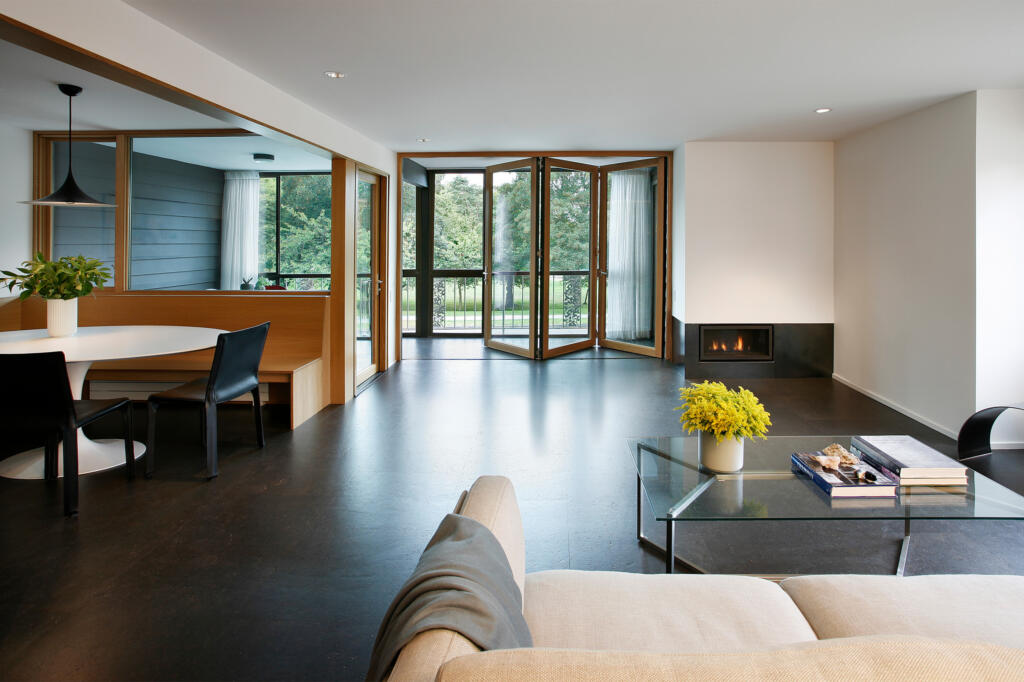
Who would have thought that the material most associated with wine bottles also makes a fantastic sustainable flooring? Surprise! Harvested from the bark of the cork oak, this highly resilient resource is also naturally hypo-allergenic, anti-microbial, and anti-fungal.
“Cork is very durable, too,” says Michelle. “Your floor can last over 50 years. It resists dents, absorbs sound, and feels warm underfoot because of its high insulation value. My go-to vendor for this sustainable, renewable resource is Duro-Design. Their product has a water-based finish with minimal off-gassing. It is resistant to abrasion and only needs routine damp mopping with water,” she sums.
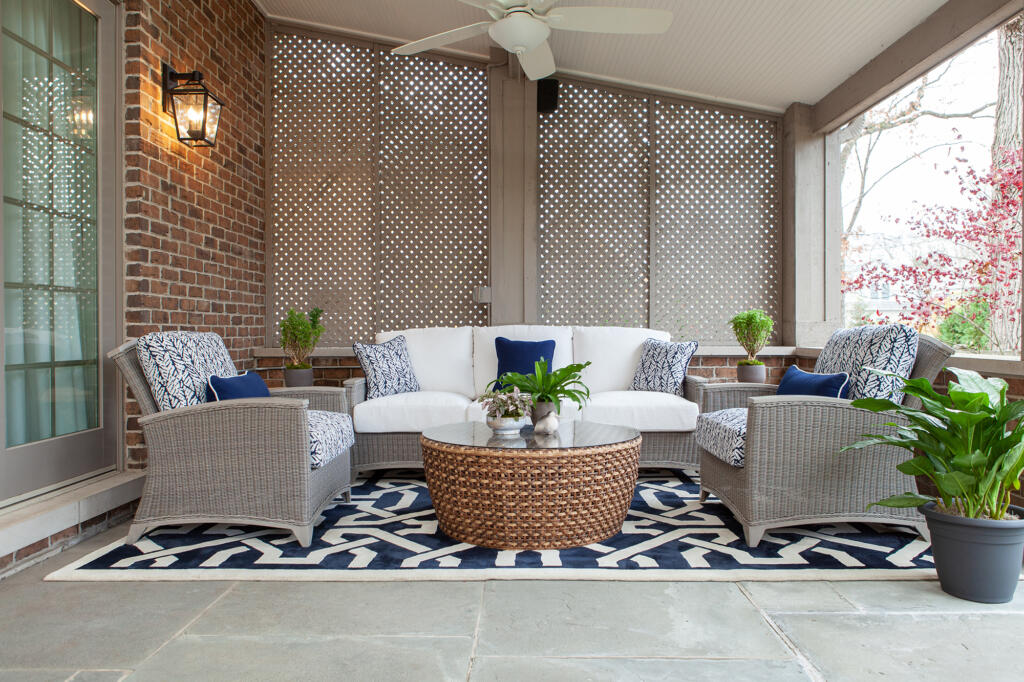
Michelle recently chose a sustainable indoor-outdoor rug from The Delos Company for a client’s covered porch that would be perfect in your lake home family room—it’s incredibly plush and soft on your feet. The rug is woven from fibers made of recycled water bottles.
“It’s good for the planet, and it provides a naturally durable, stain-resistant carpet that is stylish and holds its color,” says the designer. “These rugs are pet-friendly, too, which is great because my kids always bring my ‘granddogs’ up to our lake home. They schlep in and out of the house with sandy, wet paws—but I just can’t say no to my kids,” she laughs.
Wool rugs are also a win-win for your home. Made with sheep’s wool—a natural, renewable resource— they are durable, easy to clean, and biodegradable.
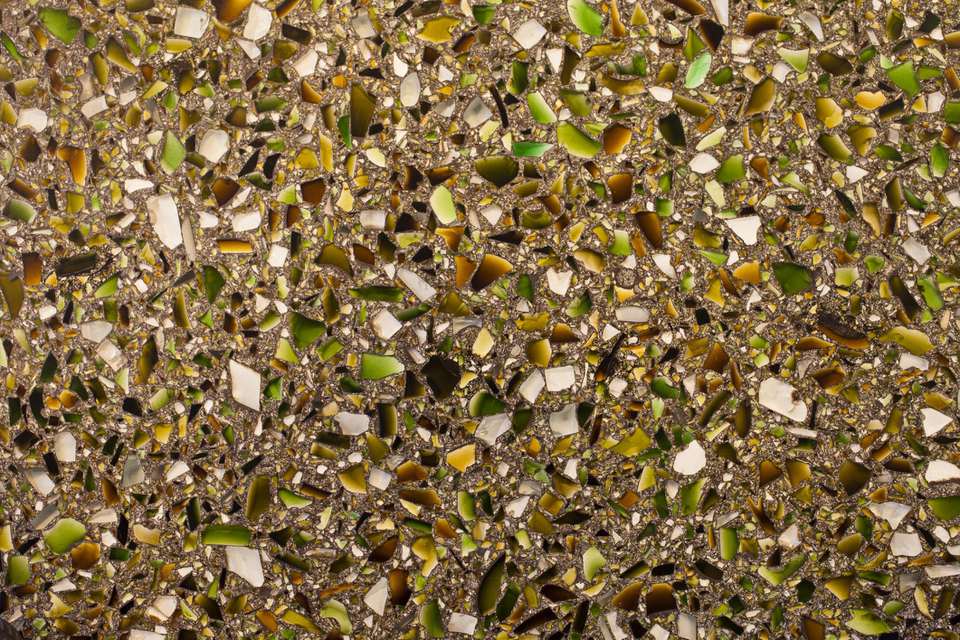
Eco-friendly countertops? “I’m not kidding,” laughs Michelle. “Manufacturers are recycling everything— from glass and waste-stone from quarries, to paper and post-industrial scrap—and transforming those materials into fabulous countertops you can feel good about.” Click here for more ideas.
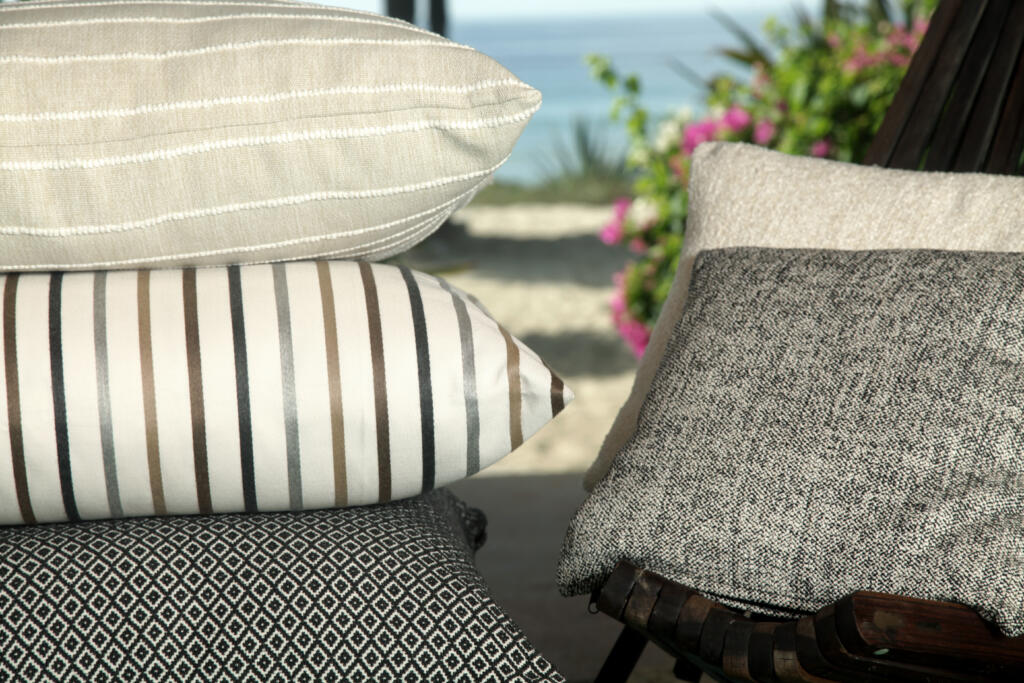
“Sustainable indoor-outdoor fabrics and fibers are a perfect choice for lake homes. Remember how these fabrics used to be rough and stiff? The newest indoor-outdoor materials have a wonderfully soft, supple feel.
“Durability is a top priority,” says Michelle. “Like so many people, we enjoy sharing our lake home with family and friends. It’s crazy fun with everybody and their dog going in and out of the house all day and into the evening, from our beach and the lake. But that translates into more wear and tear,” she adds.
Michelle’s current favorite is Kravet’s first-ever line of indoor-outdoor fabrics. They are 100 percent recyclable, and the company uses almost no water to produce them. You won’t believe these are indoor-outdoor fabrics—they feel so luxurious. The designer recommends them for upholstery in the family room and kitchen, and they are excellent for Roman shades, too, even in the laundry room.
“I believe you can have beautiful furnishings that are also durable, luxurious, and sustainable,” says Michelle. “Lake homes are ideal for these furnishings. After all, people who live on the lake—like me—love the outdoors and want to protect it. I think of eco-friendly furnishings as a life insurance policy for the future.”
Whether you prefer a tiny lakeside cabin tucked far away from it all, or an expansive modern-style haven with a sweeping wall of windows that captures your stunning shoreline view, lake homes across the country are as unique as the dwellers within. But no matter where you live, a lake residence offers this in common—a peaceful sense of sanctuary, a place to unwind and connect with nature, and a place to enjoy family and friends.
If you’ve ever traveled across the country, you can’t help but notice certain architectural styles that reflect the area’s overall aesthetic and climate conditions. Like regional cuisine, lake homes embody the quaint characteristics of their location and reveal a charming sense of place. Today, we turn our focus to the South/Southeastern region of the country as we take a guided tour of some of the most notable architectural styles and how they came to be.
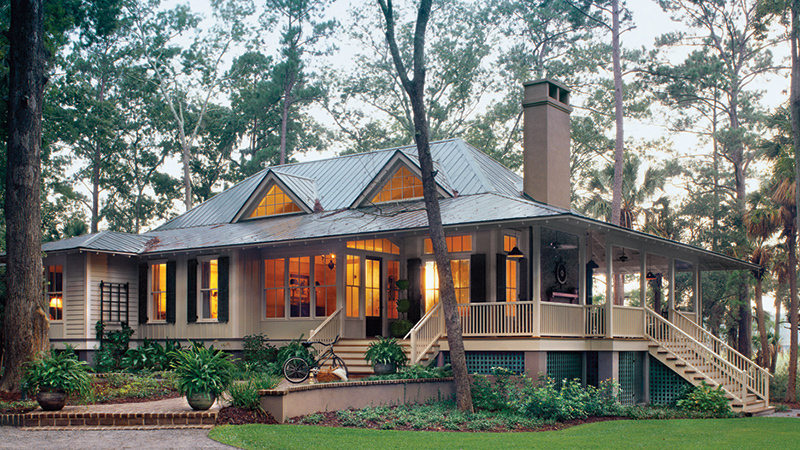
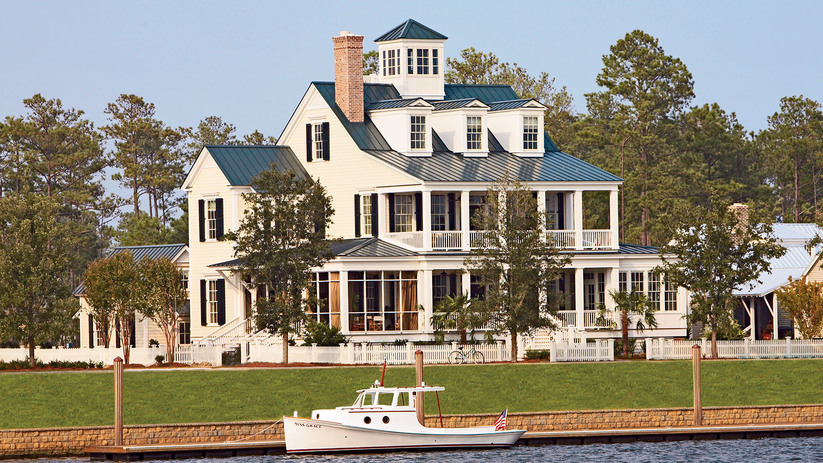
Originating along the coast of South Carolina—a region known as the Lowcountry—this beloved Southern style radiates an air of refined simplicity and elegance. Developed in the 1700s, Lowcountry-style architecture was intentionally designed to invite natural airflow and ventilation for residents of this subtropical climate. A regional favorite deeply rooted in tradition and Southern hospitality, Lowcountry style exudes comfort and practicality with its spacious open-concept rooms, shady verandas, and breezy screened porches.
Other features quintessential to Lowcountry design—and well-suited for warmer lake climates—include high ceilings, shutters, and double-hung windows with top openings to allow hot air out and bottom openings to let in cool evening breezes. Transoms help create more ventilation and natural light, and durable metal roofing reflects the hot sun and protects against harsh winds and tropical rain.
Colonial plantation-style homes typically feature stately columns and an expansive porch with a balcony above it. Like traditional colonial-style homes, these symmetrical structures include regal front entries usually accented with pediments, a quaint balance of windows with shutters, and clapboard or brick siding. Built initially on cotton plantations, these exquisite homes also embody characteristics of French colonial style.
This modern take on the iconic Southern style still honors the symmetrical attributes associated with the plantation home aesthetic. Built for warm and humid climates, these homes boast tall ceilings, grand central entryways, elegant stairways, and spacious rooms where the air can flow freely. The timeless appeal of this traditional Southern style makes it perfect for families who appreciate gracious lakeside living.
An all-time favorite, cottage style has a wonderfully relaxed and inviting appeal that makes it ideal for lake home retreats. Colorful and comfortable, the look is often characterized by airy porches that connect visually to the great outdoors. Worn and weathered finishes, charming beadboard walls, a delightful texture mix of wicker and natural-fiber rugs, and a lovely color palette inspired by nature create an unmistakable sense of warmth that speaks of home.
Rustic surfaces show their rich patinas and the imperfections of age while combining effortlessly with the sheen of modern appliances and quartz countertops. This no-fuss look emulates the easy-living mindset of those who embrace the lake life. Kids, dogs, wet bathing suits, and bare feet are always welcome here.
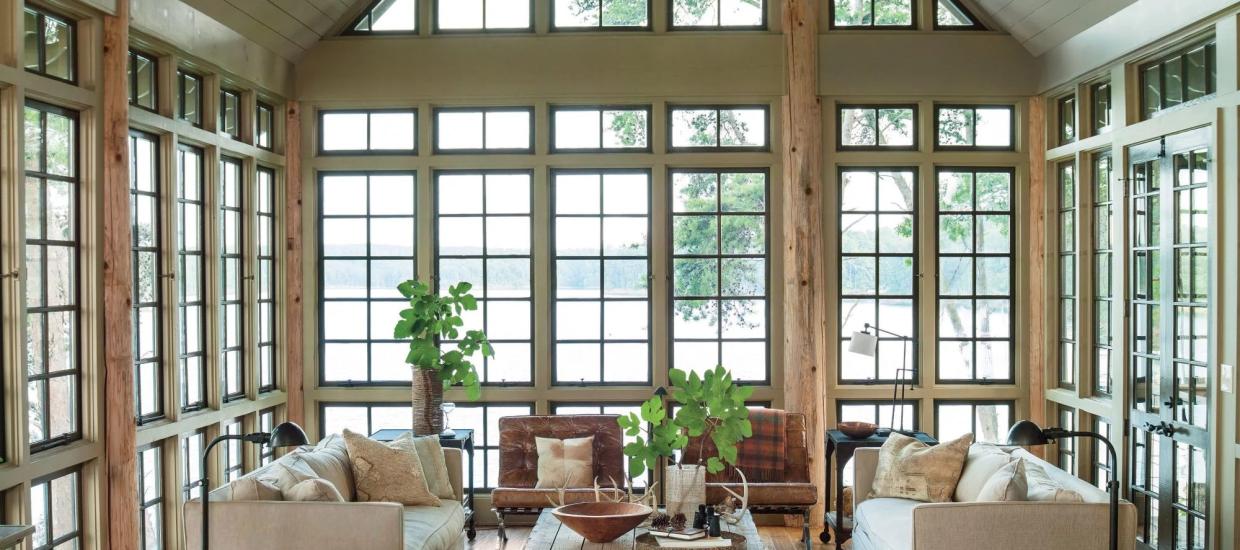
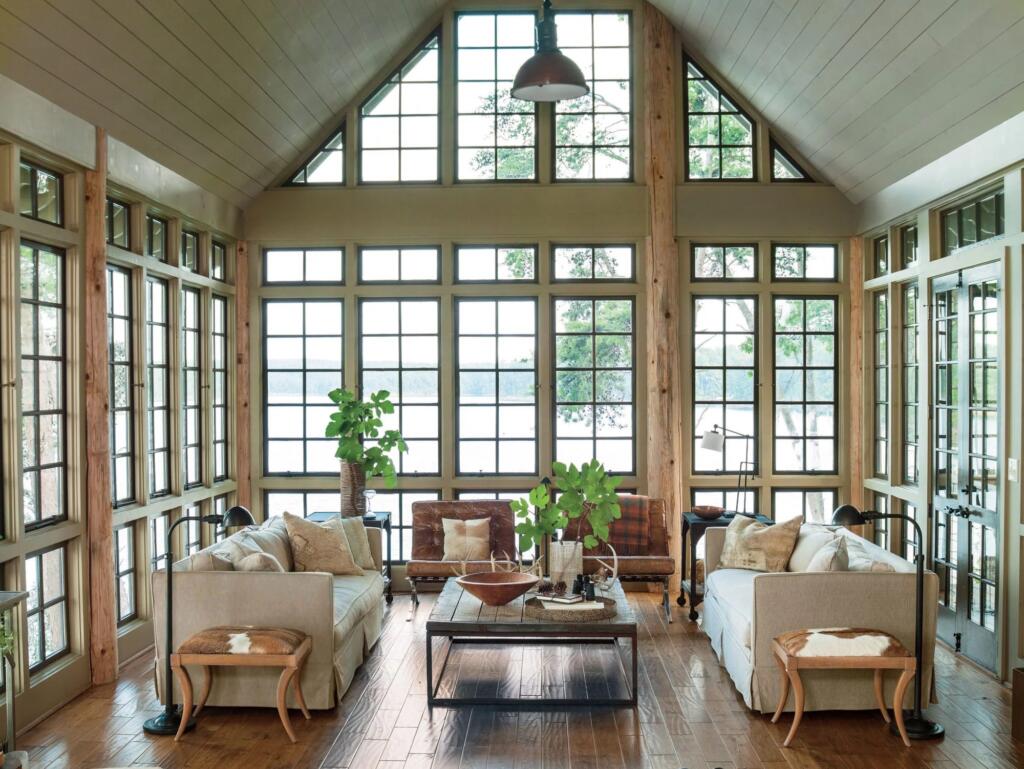
The ease and practicality of coastal style make it a beloved favorite for many Southern lake home dwellers. Often referred to as beach style—no matter if you reside on a lake or a coast—this style incorporates high ceilings and large windows to invite breezes throughout the home while forcing the heat to rise far above the living spaces. In addition, expansive covered porches, verandas, and other exterior spaces extend the living areas outside—the place to be when you’re relaxing at the lake.
Some coastal-style homes are raised to help prevent flood damage that comes with tropical storms and driving rains. Durable roofing and siding, shutters, and impact-resistant windows also protect against high winds and heavy rainfall.
Interiors bathed in shades of white, vibrant accent colors, and plenty of comfy slip-covered seating create a casual coastal vibe like no other. This style is all about connecting with the outdoors and enjoying water views from nearly every vantage point.
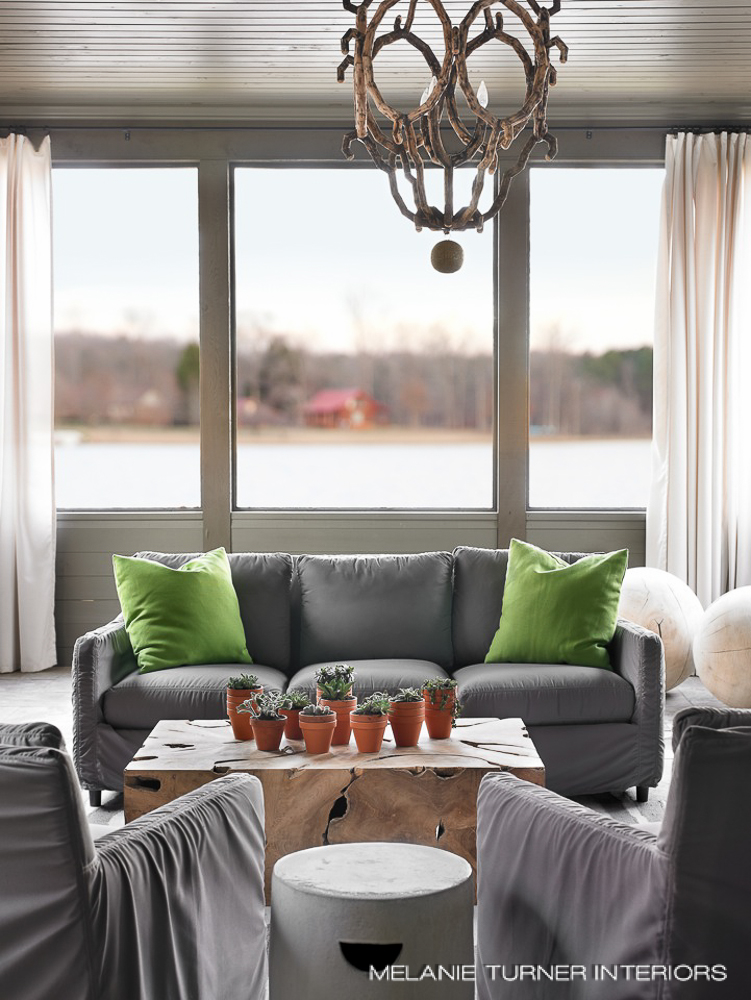
But no matter your architectural tastes, a sense of charm, comfort, and hospitality are the common threads intrinsic to Southern style. Within the walls of the Southern home, there is a palpable feeling of warmth, welcome, and timelessness that celebrates the beauty of gracious living. For this stunning waterfront property on Georgia’s Lake Oconee, award-winning Atlanta interior designer Melanie Turner put her talents to work to transform what was once a bachelor pad into a cozy retreat for the homeowner and his new bride.
“The house was bought and owned by a bachelor, and the design had changed multiple times over the years,” says Melanie. “Once he married, his gift to his new wife was to renovate and redesign the house to fit their new lifestyle.”
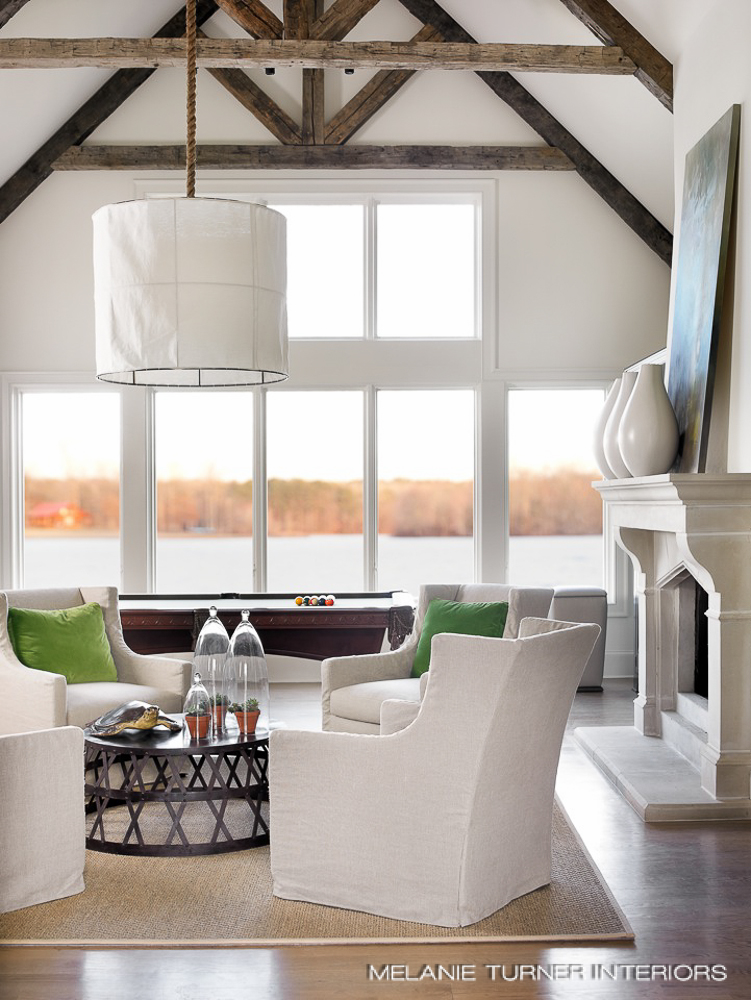
The couple found they never really used the living room, so they decided to move the pool table out there to capture the beautiful lake view and add four comfy slip-covered chairs for drinks and socializing.
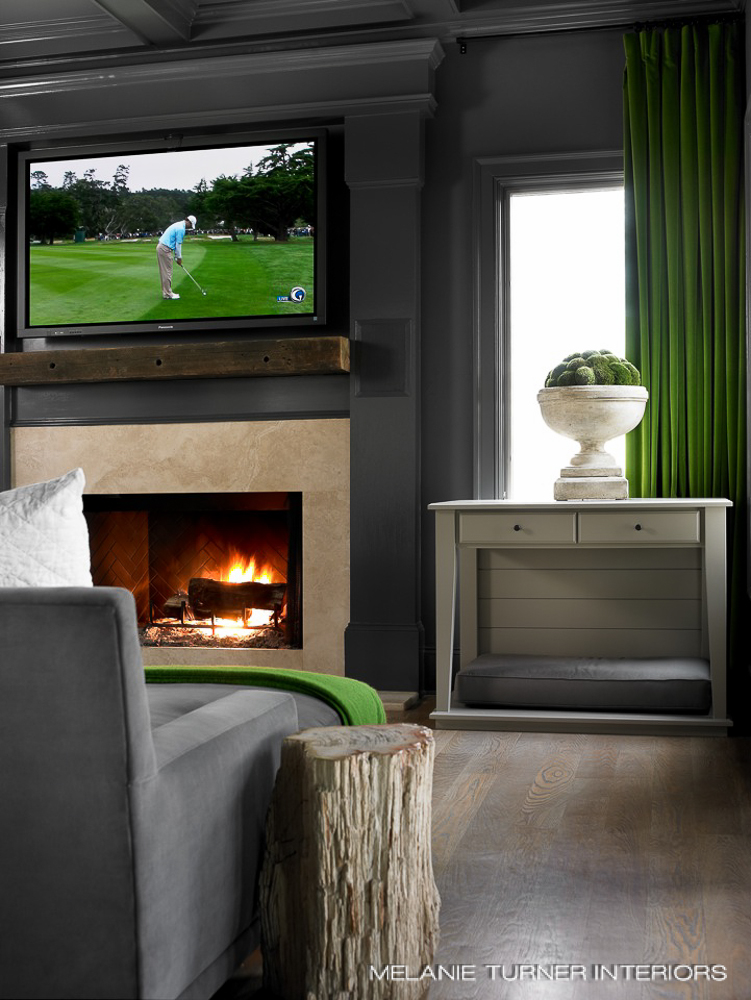
Melanie divided the family room into two sections. In front of the fireplace, she incorporated big “man chairs” for watching TV. “For a surprise feature, I incorporated dog beds into the bases of a pair of console tables flanking the fireplace,” says the designer.
Here, Melanie added a sofa facing the kitchen to keep the chef company. “The overall color palette was based on the lake setting itself—rich greens, weathered and rustic textures, and soft neutral-hued linens,” she says. “The homeowners are big dog lovers, so we added a playful composition of dog portraits for a personal touch,” she sums.
There’s nothing like having a breezy screened-in porch at the lake. The soft upholstered seating makes it feel like an outdoor living room. “We used monochromatic, calming colors throughout to infuse the interiors with the surrounding colors of nature,” says Melanie. “This place has an easy lake lifestyle feel to it, so our plan for this house was to bring life into the spaces without making them too formal.”
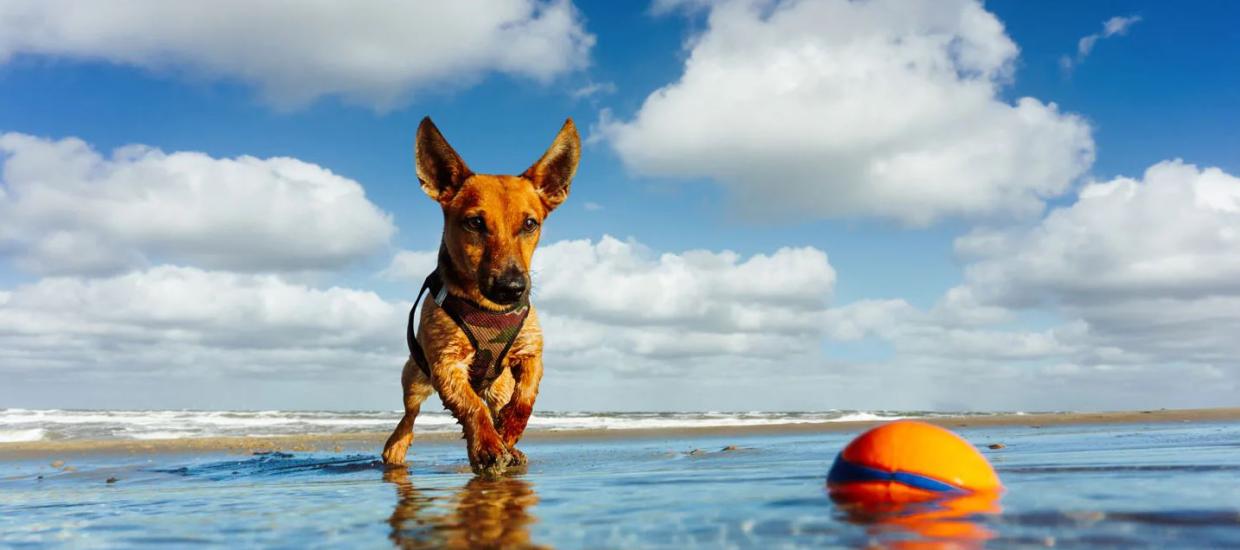
Summer is finally here! It’s time to open the boat dock closet and dust off all your favorite lake toys for swimming. Whether it’s an inflatable dart board or a massive float in the shape of a flamingo, these toys add an extra fun element to the summer lake experience. But of course — let’s not leave the pets behind! Your animals are ready to enjoy the season just as much as you are. If you’re looking for the best lake toys for dogs at your lake house, check out these recommendations!
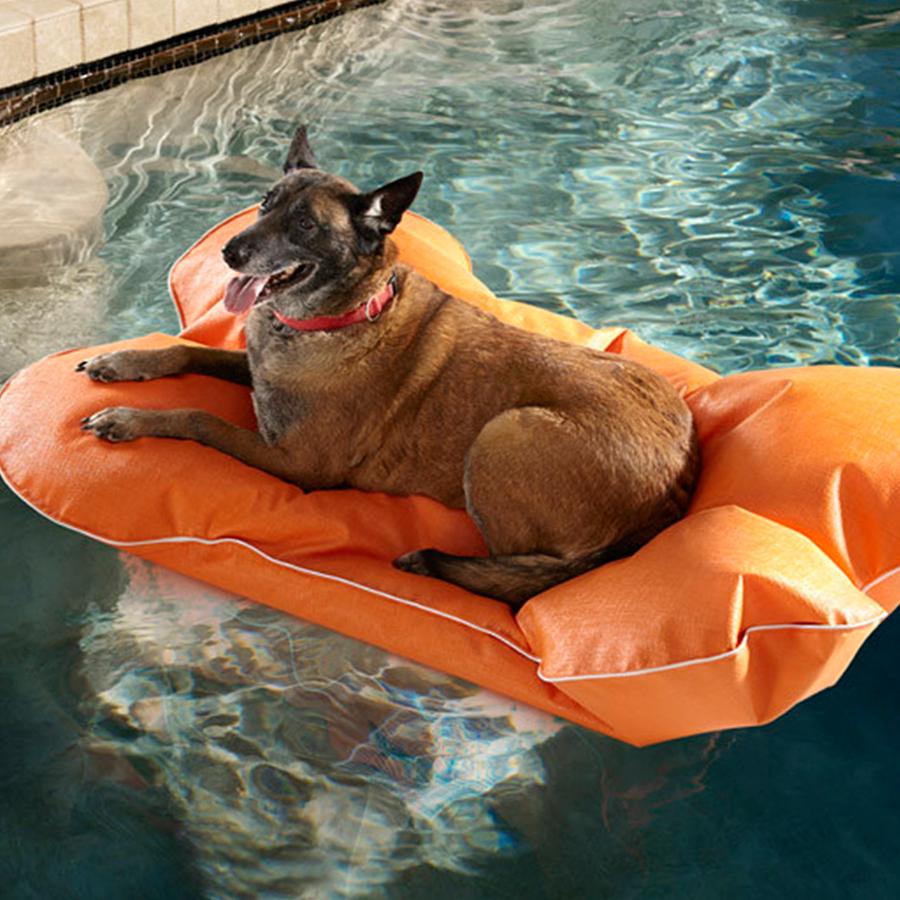
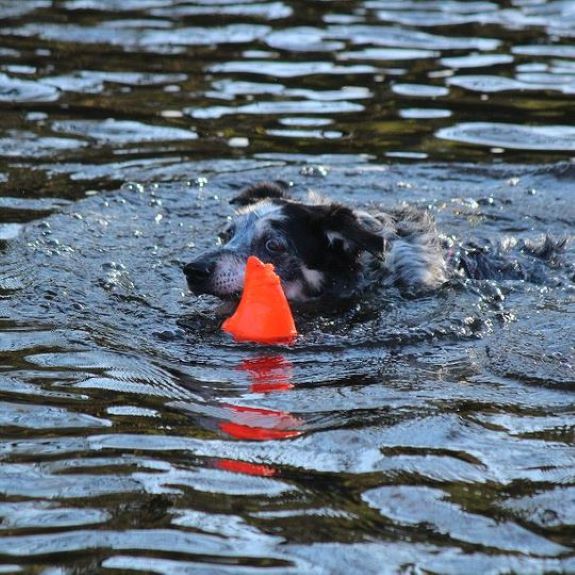
Although pups are famous for enjoying lake water, why should they doggy paddle if they don’t have to? This bright orange, bone shaped float is perfect for any medium-sized dog. It’s built to resist odors and mildew — plus the vibrant color is great for lake safety.
If your dog loves playing fetch indoors, they’ll love playing in the lake too! That’s exactly what these floating squeaky toys are for. With any dog toy, you’ll want to make sure it’s hardy enough for their teeth. As such, most brands such as this one from Calling All Dogs make them to be durable to withstand dogs biting down on them.
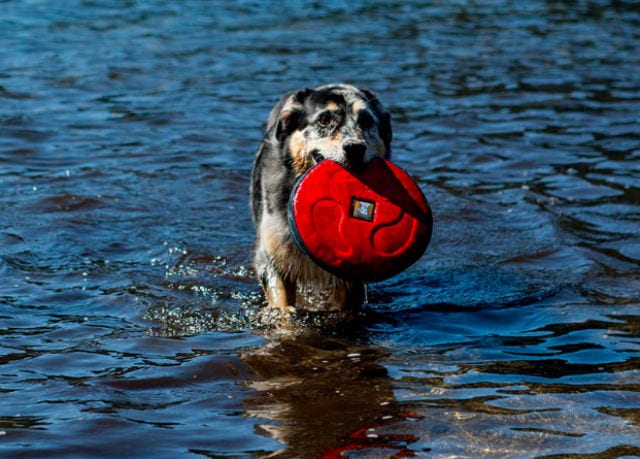
For the pup who enjoys chasing frisbees more than balls, this Ruffwear Hover Craft is for you. Essentially a floating frisbee, this toy is perfect for the open water, where you can throw it as far and wide as you’d like. Since it can be used on land or water, it’s also a versatile toy!
Oh no, there’s a shark in the water! Actually, it’s just the amphibious shark fin toy. This fun, floating toy from Chuck It always sits upright in the water, resembling a fish fin. The bright green and orange colors make it especially visible in water, so your dog can go “hunting” any time of day.
Another one for the dogs trying to reel in the catch of the day! Made from non-toxic materials and recycled rubber, these fake fish are cleared for your pet’s safety on the lake or in a pool. They come in a pack of multiple, brightly colored fish — perfect for a full day of staying active at the lake!
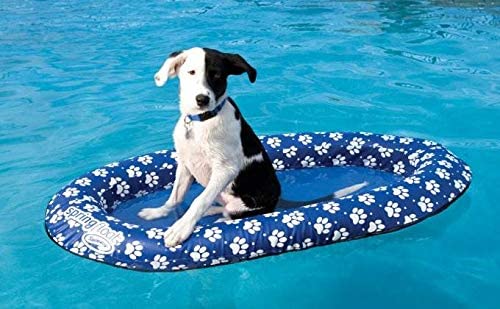
This portable, durable float from Swimways is perfect for your pet to relax on the lake. Although it’s specifically designed for small dogs, it can hold up to 65 pounds. A major plus, the fabric is paw-and-claw friendly so it won’t get destroyed by your pup after just one day of summer fun.
Does your dog love chasing squirrels, and you’re always pulling them away? Then your pet will absolutely love this chewable flying squirrel. Since it floats, this lake toy can be used in the water or in your backyard. Complete with glow-in-the-dark corners, you can play fetch on cool summer evenings!
We hope you and your pampered pooch enjoy the lake this summer!
After a long winter of cozying up inside by the fire, spring is here, and that means it’s time to get OUTSIDE! According to the Outdoor Industry Association, heading out into the fresh air is the best way to de-stress during these challenging times. As health officials have strongly discouraged traveling to recreation spots during the pandemic, they do recommend engaging in outdoor activities close to home—especially with family members in our own backyards. The rewards to our physical and mental health are reason enough to get out there, as many studies suggest that outdoor exercise is directly associated with increased energy, feelings of revitalization, and positive engagement.
When the weather warms up in your neck of the woods, consider adding some of these socially distanced lawn games to your must-do list. These fun games can bring an element of excitement, teamwork, and friendly competition to your outdoor get-togethers and help create new memories. Just remember to be safe and have hand sanitizer ready to clean any shared play equipment.
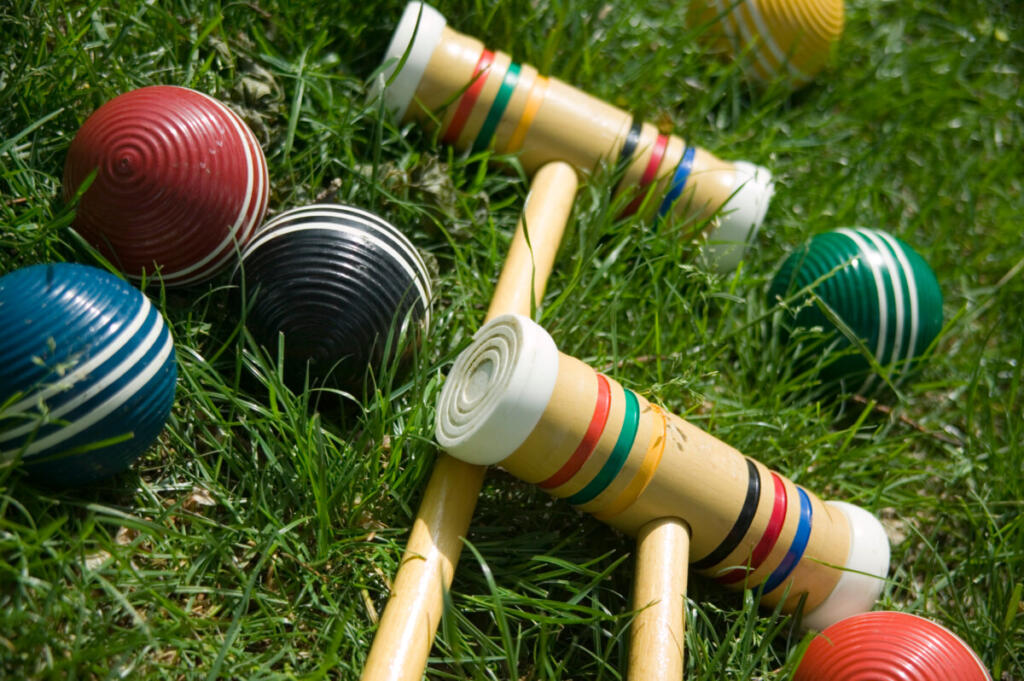
Croquet is an Old-World sport that began hundreds of years ago. Back in the day, the six-wicket international game was typically played in a formal manner—wearing crisp and starched all-white apparel—while adhering to a decidedly rigid set of rules. Today, the nine-wicket American version is far more relaxed, all-inclusive, and can be played on any lawn anywhere. Freshly mowed grass is still preferable and creates an even, level surface for the balls to roll smoothly. To “croquet” means to ruthlessly smack your opponent’s ball far away—a HUGE part of the fun indeed.
For a deeper dive into croquet and all its forms, visit the United States Croquet Association. If you’re looking for a great croquet set for your lake home lawn, check out these Amazon best sellers.
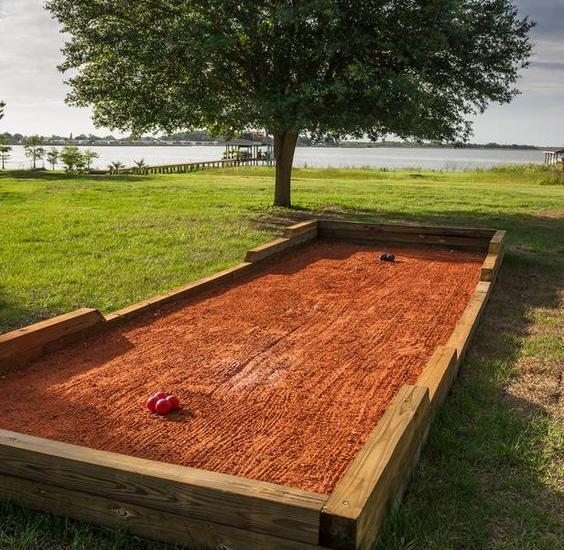
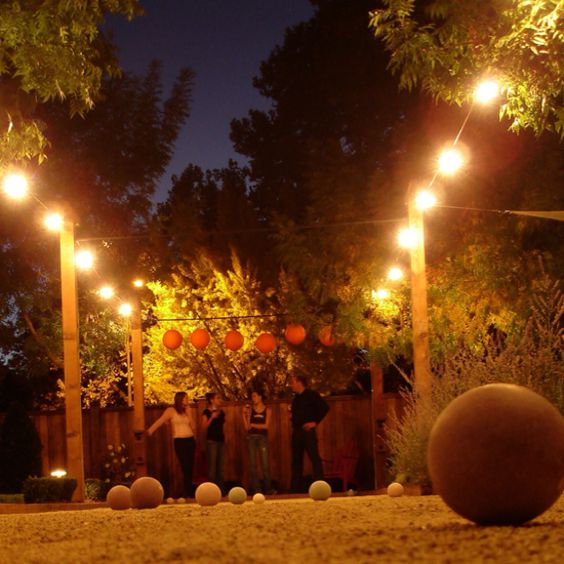
Preferably played outdoors with a glass of wine in hand—so sayeth the Italians—the beautiful game of bocce has a captivating and complex history. Also known as Italian lawn bowling, it is the third most-played sport in the world and one of the oldest yard games known. According to the United States Bocce Federation, Roman soldiers played Bocce to unwind between confrontations with the Carthaginians. Some believe this ancient version of the game involved throwing big rocks at a smaller rock, and now, 2,000 years later, our modern-day adaptation basically adheres to the same concept.
Over the last few years, everyone from Gen-Xers to baby boomers to winery owners has caught up with the Romans, claims Bocce Builders of America. And why not? This is an outdoor sport that anyone can enjoy, especially at the lake. It’s the perfect activity for safe social distancing while capturing the spirit of joyful comradery we’ve all been craving during the pandemic.
Regulation bocce courts are 91 feet by 13 feet, but the dimensions of home courts can be whatever fits into your backyard. Variations are acceptable provided foul lines for throwing, mid-court lines for first throw of the pallino (the smaller target ball), and inbound markers are clearly established.
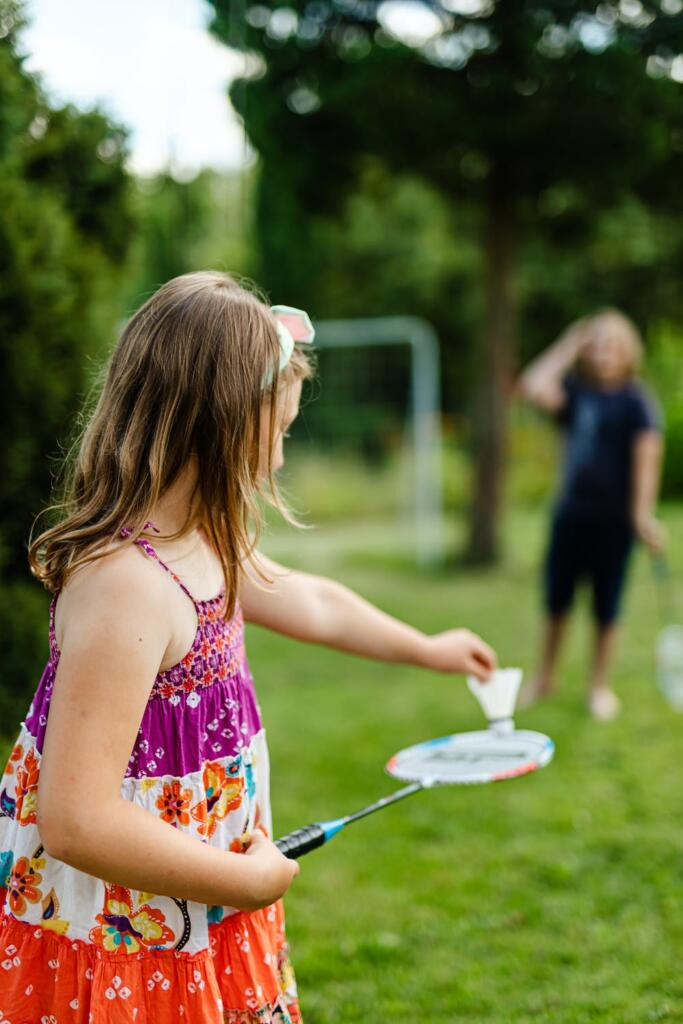
Badminton or volleyball, anyone? There’s a reason why both kids and adults love these engaging net games you can quickly set up on the lawn at the lake. You can play either one of these team sports out in the fresh air with safe social distancing yet still feel like you’re part of a competitive group.
For an instant, easy-to-assemble fun, check out the Beyond Outdoors Standard Volleyball/Badminton Set that includes a net, stakes, four badminton racquets, two shuttlecocks, a volleyball, and an air pump.
This all-weather set of giant dice is just the thing to shake things up on the lawn at your lake house. Made of sustainably sourced kiln-dried New Zealand pine, this literal bucket of fun includes 20+ dice games—Yardzee (Yahtzee), Farkle, Bunco, Pig, and more—plus five dry-erase laminated and reusable scorecards, and a handy lidded bucket for easy storage. Jumbo dice are 150x regular dice size with deeply carved dots and rounded edges for safety and comfort. The game creators at Splinter Woodworking Co.—now known as SWOOC Games—partner with Trees for the Future and will plant a tree for every order. Check out their Giant Tower Game and other awesome lawn games, all made with eco-friendly materials.
Whether it’s a traditional game of horseshoes or a lively party game like Kan Jam, get outside and get your game on!
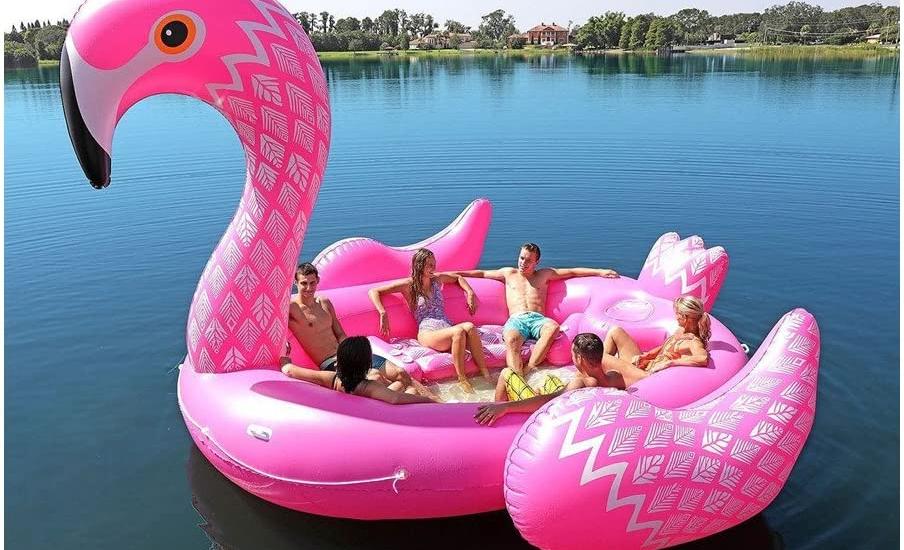
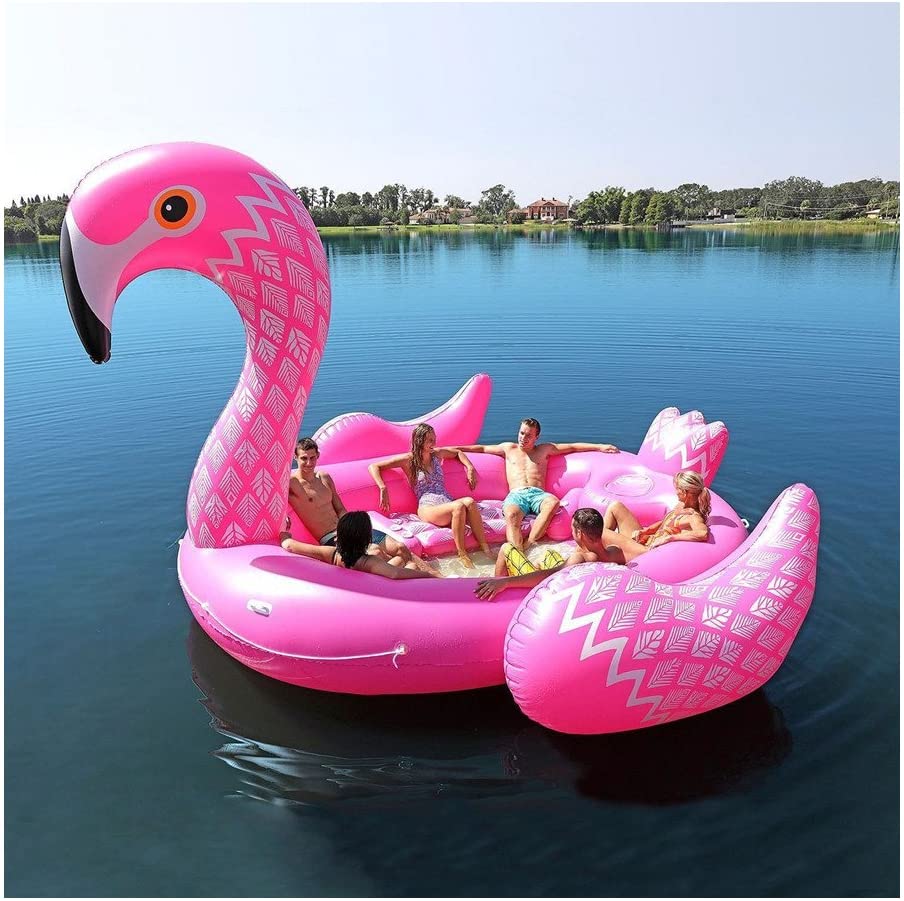
It’s summertime at the lake! During this season, there’s nothing better than relaxing on a float, drifting the day away. Whether you choose a simple raft or a luxurious eight-person inflatable, there’s no shortage of ways to enjoy an afternoon on the water. As a lake homeowner, it’s likely you already have a storage shed full of lake toys from 2020 and earlier years. But if you and your family are in the market for some new floats this season, you’re in luck. Today, we’re reviewing some of the top floats for 2021.
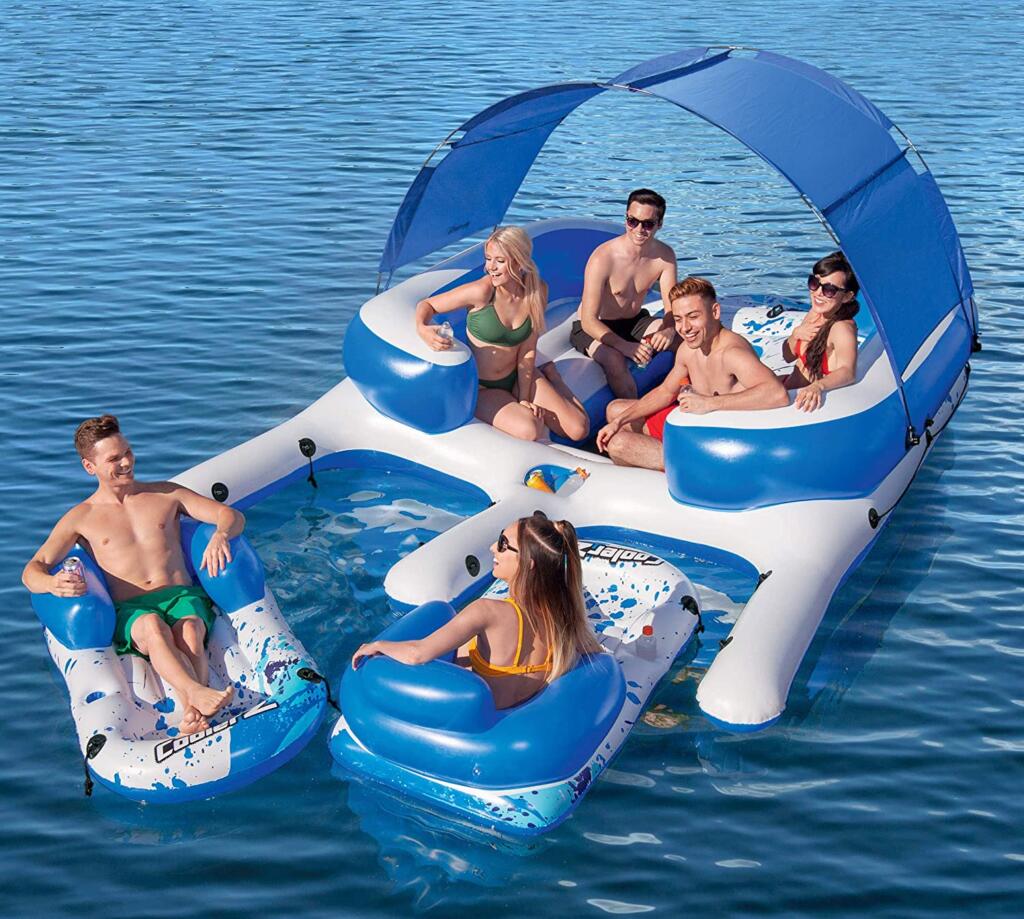
Looking for an all-inclusive float that the whole family or friend group will love? The Bestway Tropical Breeze III is perfect. There’s plenty of seating for everyone with multiple features such as two detachable rafts, a canopy, and a mesh interior. As a whole, this top float can hold eight people, and it’s complete with six cup holders. If you’re trying to stay close to the dock, it also includes attached ropes for anchoring.
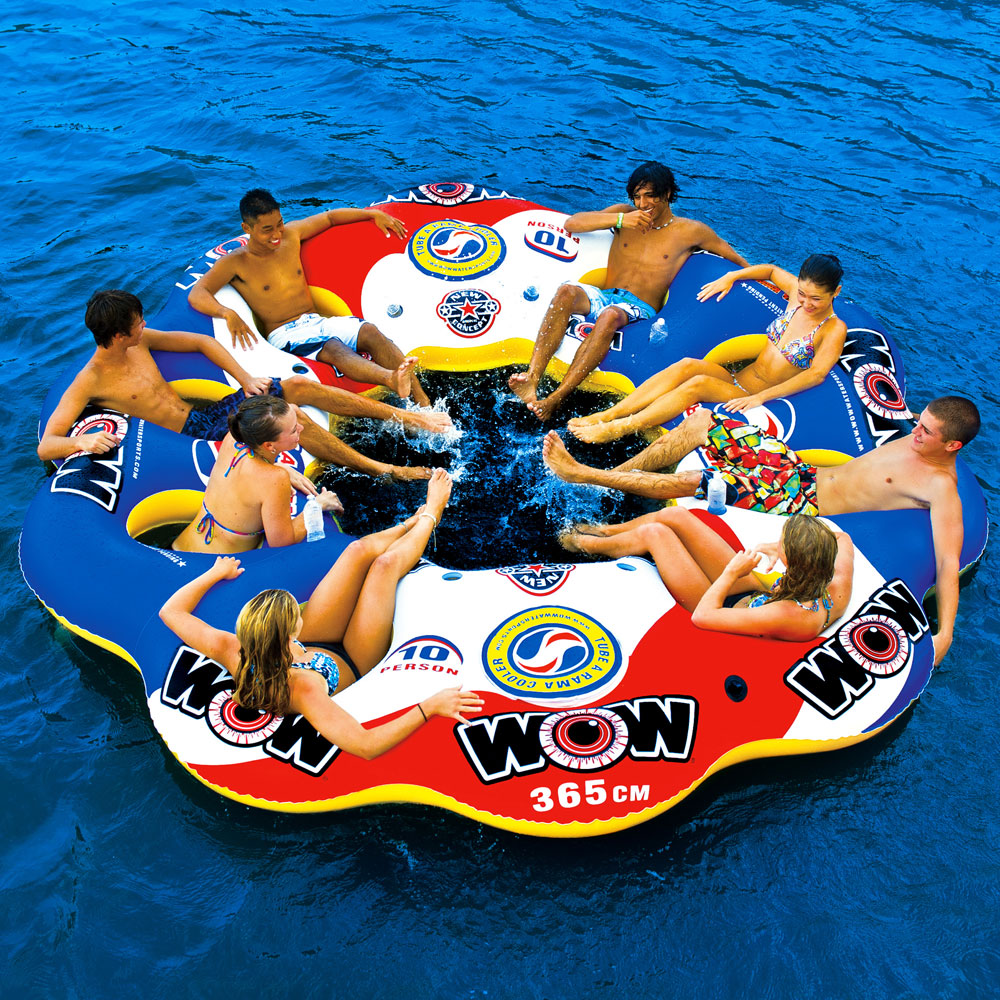
With this circular inflatable, you and your crew can spend all day chatting on the lake. The WOW Watersports Floating Island can hold up to 10 people on its party-size 12-foot-long surface. Made of heavy-duty PVC plastic, this lake float is meant to last. It also comes with eight cup holders, so there’s plenty of room for beverages. In the center, there’s a mesh area for anyone who wants to be immersed in water while still enjoying the raft.
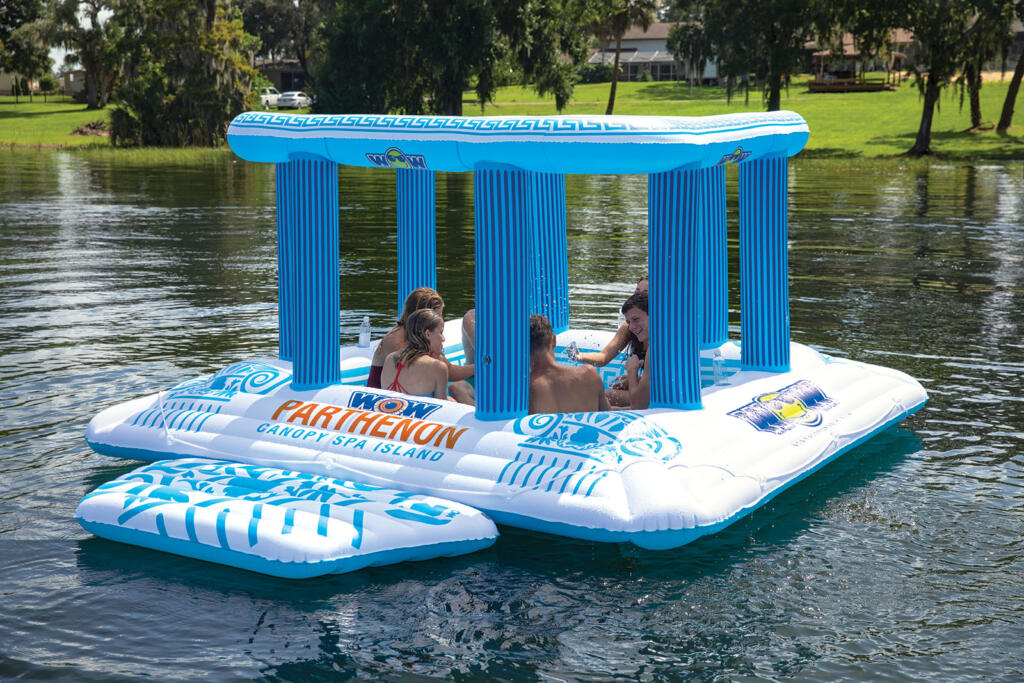
With this top float, you can bring the magic of Ancient Greece to your lake house. But this fun theme is only part of the reason why the Wow Parthenon Spa Island is a great option. Made of PVC plastic, this eight-person float is extremely durable. But its most defining feature is being fully shaded, making this float perfect for a hot day. After all, how else did the ancient Greeks make it through the Mediterranean heat? Also, keep in mind that an electric pump is sold separately to inflate and deflate it.
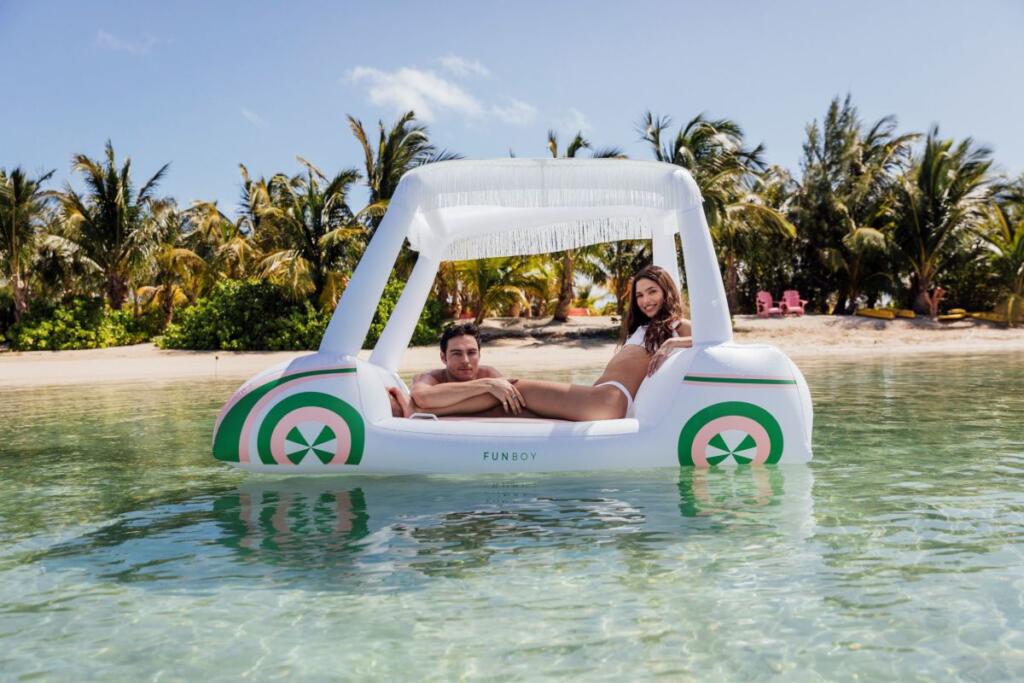
Many of us lake-dwellers are fans of golf. But with the Funboy Golf Cart float, you can bring a golf cart directly to the water. In addition to being a fun, two-person float, this inflatable doubles as a convertible with a fringe roof that’s removable. This way, you have the option of basking in the sun or keeping it shady. Additionally, the brand Funboy is donating 20% of all product proceeds to Feeding America, a nonprofit promoting hunger relief in the U.S.
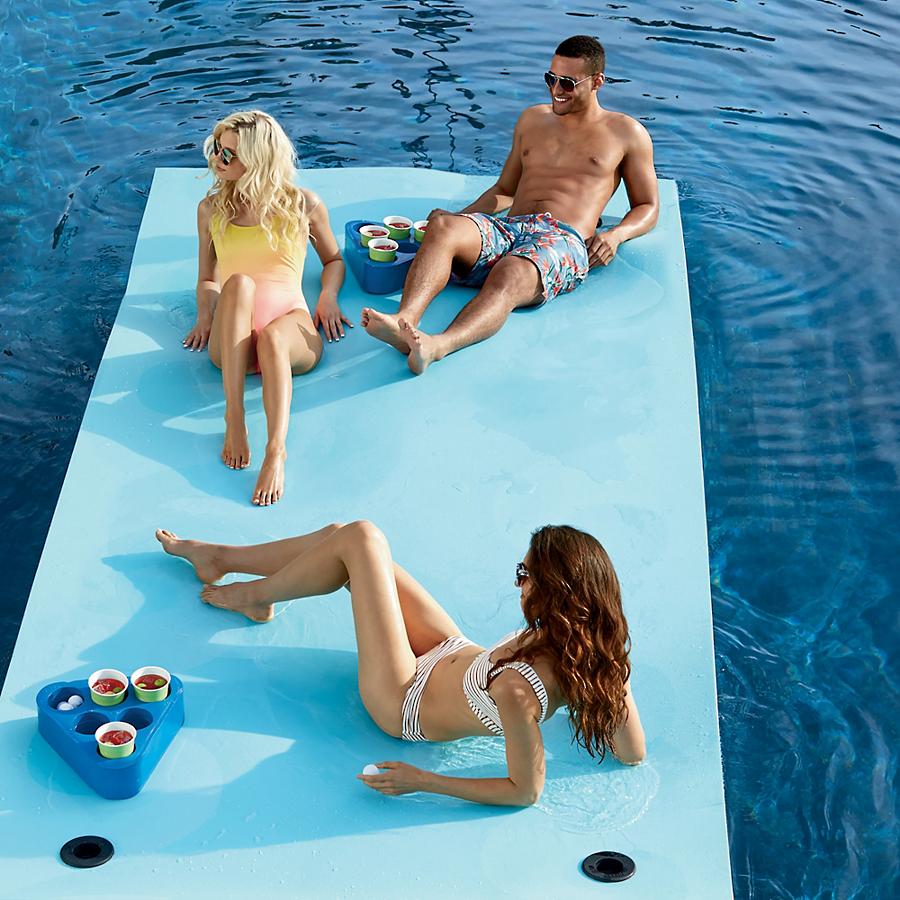
Although this top float is more on the expensive side, the Aqua Beach Wave Floating Party Mat is undoubtedly worth it. The design looks simple — essentially a massive floating mat — but it’s actually very durable with impressive features. It’s made of cross-linked foam, which will keep this mat both afloat and intact. It also has four cup holders for a small group and hook straps so you don’t float too far from the dock.
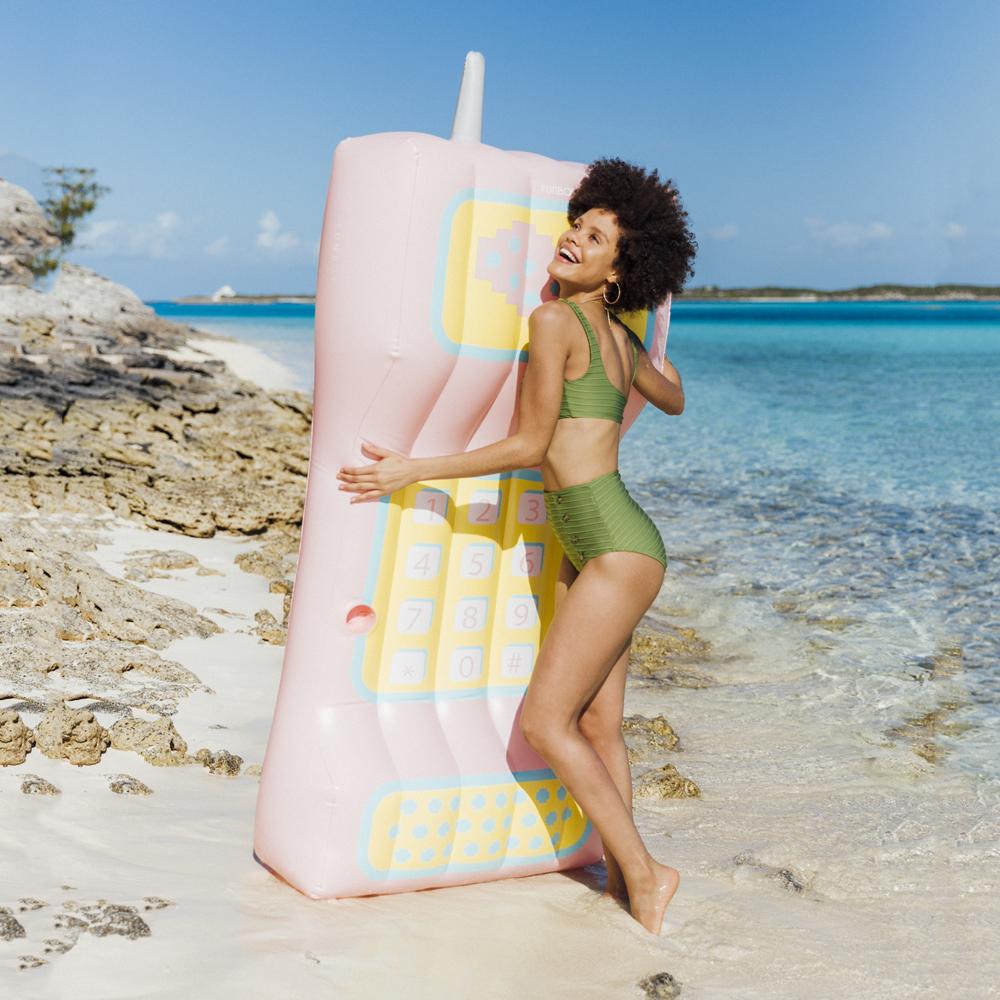
Hello? The lake is calling! If you’re looking for a relatively inexpensive float for one person, look no further than this product from Funboy. This candy-colored retro phone lounger float is cute, simple, and perfect for the lake. Made from 100% PVC vinyl, it’s easy to maintain, wipe, and clean. Plus, its small size makes it easy to transport from the pool to the lake and back.
From our lake house to yours, we hope you enjoy your summer lounging on these top floats!
During the summertime at the lake, you’re likely spending tons of time outdoors. Whether you’re going boating or hitting the trails, it’s necessary to stay hydrated in the summer heat. However, for those of us living the lake lifestyle, we need hearty water bottles. Not any plastic contraption will do. To help you choose the best water bottle this summer, we’ve compiled reviews of some top choices. Check out these summer water bottles to try this year.
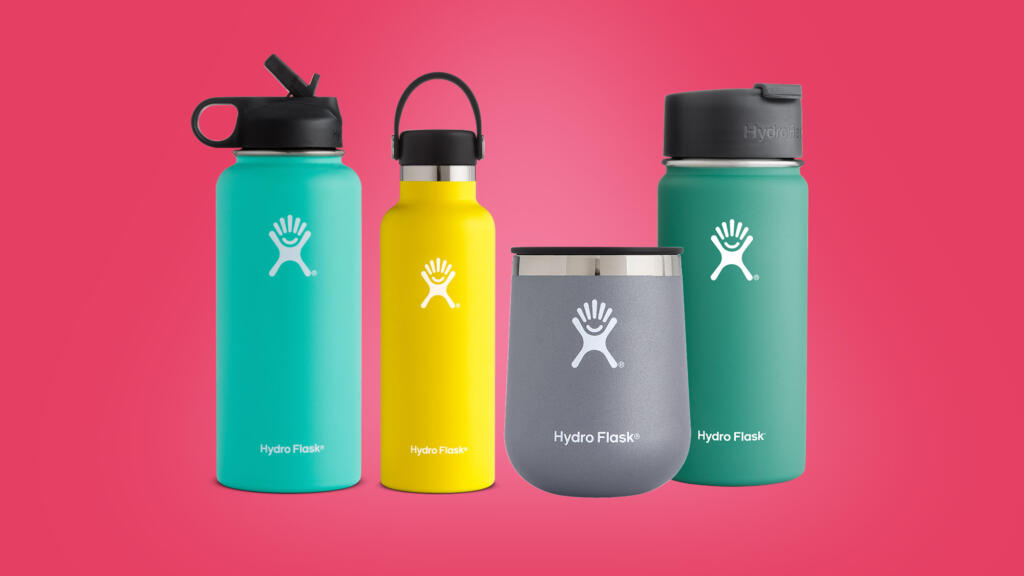
The hydro flask water bottle is often lauded as one of the most popular water bottles in recent years. It’s easy to understand why. The 18/8 stainless steel material provides double-wall vacuum insulation, which keeps drinks cold for up to 24 hours and hot beverages hot for up to 12 hours. They’re also dishwasher safe, making it easy to clean this water bottle along with the rest of your dishes. By buying a hydro flask water bottle, you’re also doing the earth a favor! This brand supports several non-profit organizations that help maintain public parks.
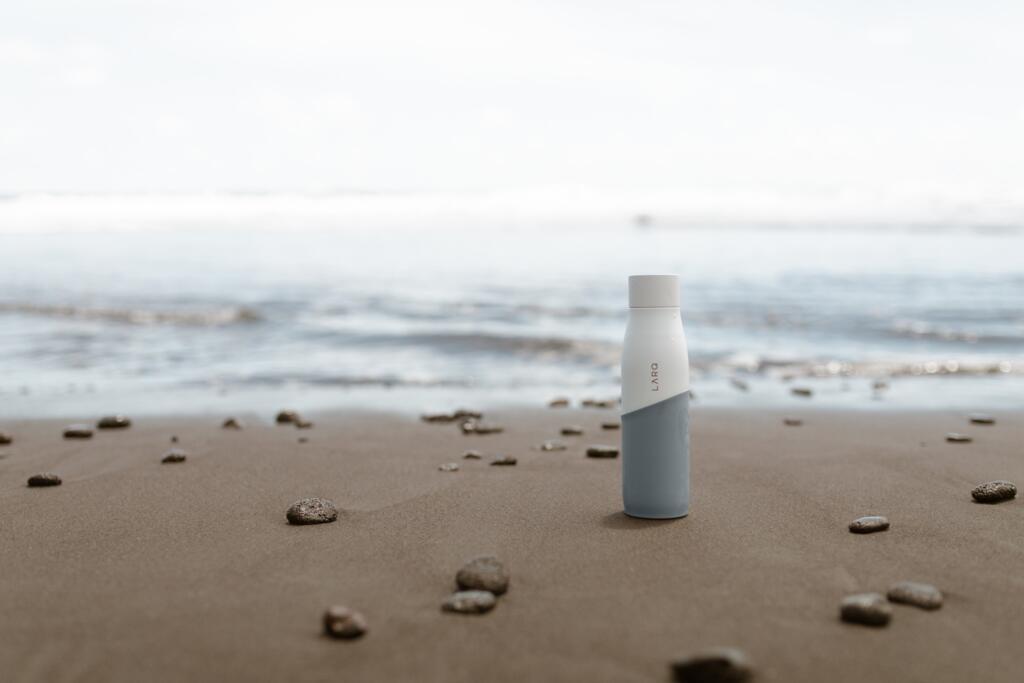
One of the most annoying things about most water bottles is that they’re a hotbed for bacteria growth. Although these bacteria are not typically harmful to humans, they’re undoubtedly obnoxious. With the LARQ self-cleaning water bottle, you don’t have to worry! Using an LED light that switches on inside the cap, this water bottle purifies up to 99.9% of the bacteria inside. However, please note that this water bottle doesn’t clean microplastics, chlorine, or metals, so be sure to use clean water.
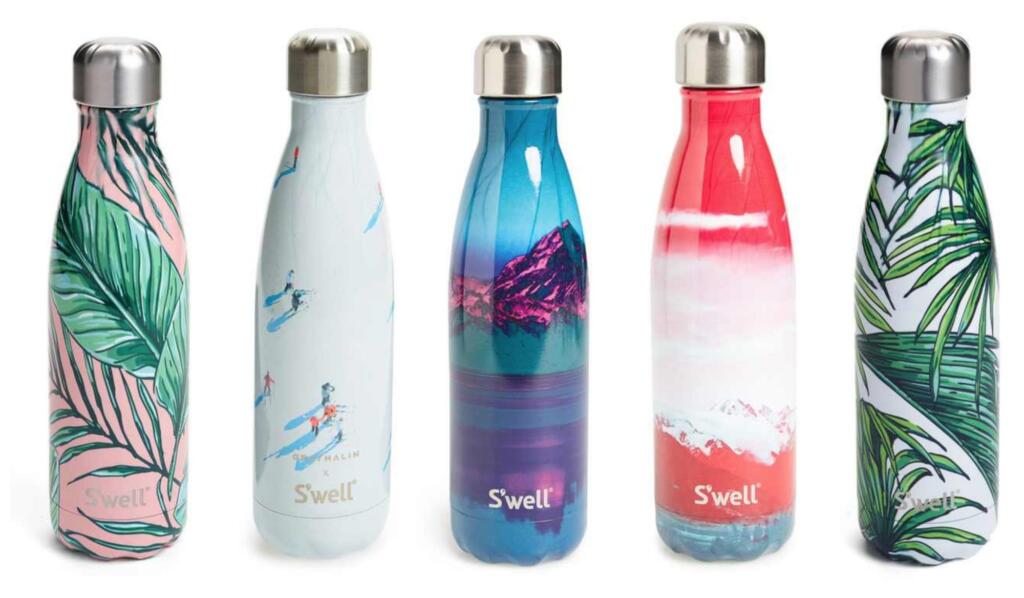
Made of high-grade 18/8 stainless steel with a fun silhouette, the Swell water bottles are as effective as they are sleek. Like the hydro flask, the Swell’s triple-layer vacuum insulated frame will keep cold drinks cool for up to 24 hours and hot beverages hot for 12. With the Swell, you also get the added aesthetic benefit. This brand is known for its stylish designs ranging from watercolor to granite to faux wood. When cleaning this product, remember that it’s hand wash only!
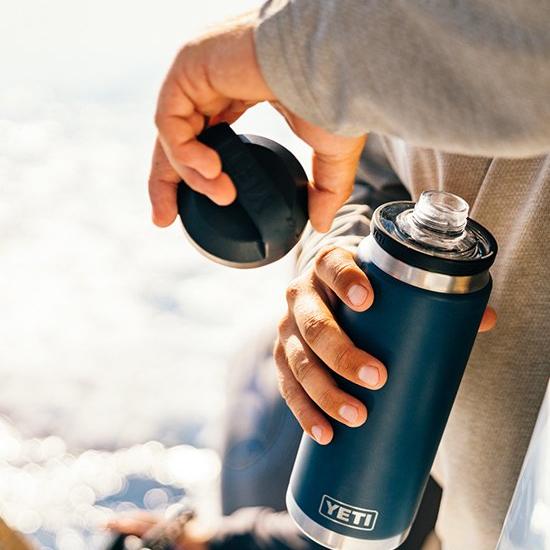
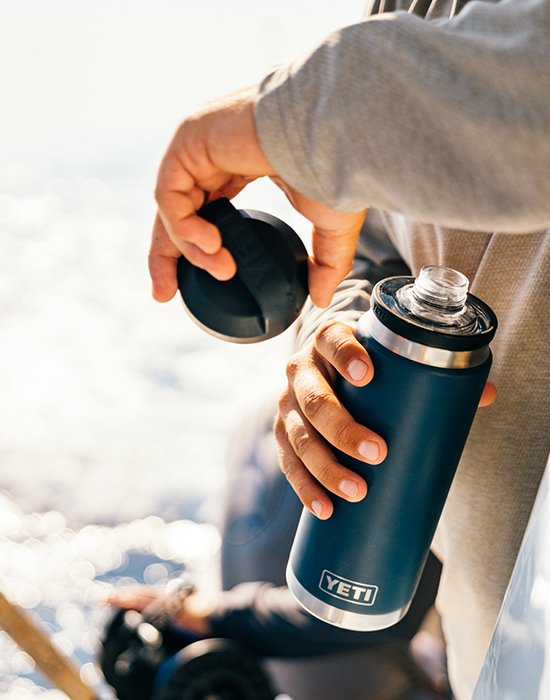
Also made of 18/8 stainless steel, the Yeti Rambler is a practical choice for any outdoor activity such as hiking, backpacking, or boating. The handle and screw lid makes it easy to transport to any of your lakeside adventures. The straightforward design is perfect for anyone who wants a durable, no-nonsense water bottle. The only downside of the Yeti is that it’s a bit heavier than these other options. However, if a few extra grams of weight doesn’t scare you away, the Yeti might be your water bottle of choice!
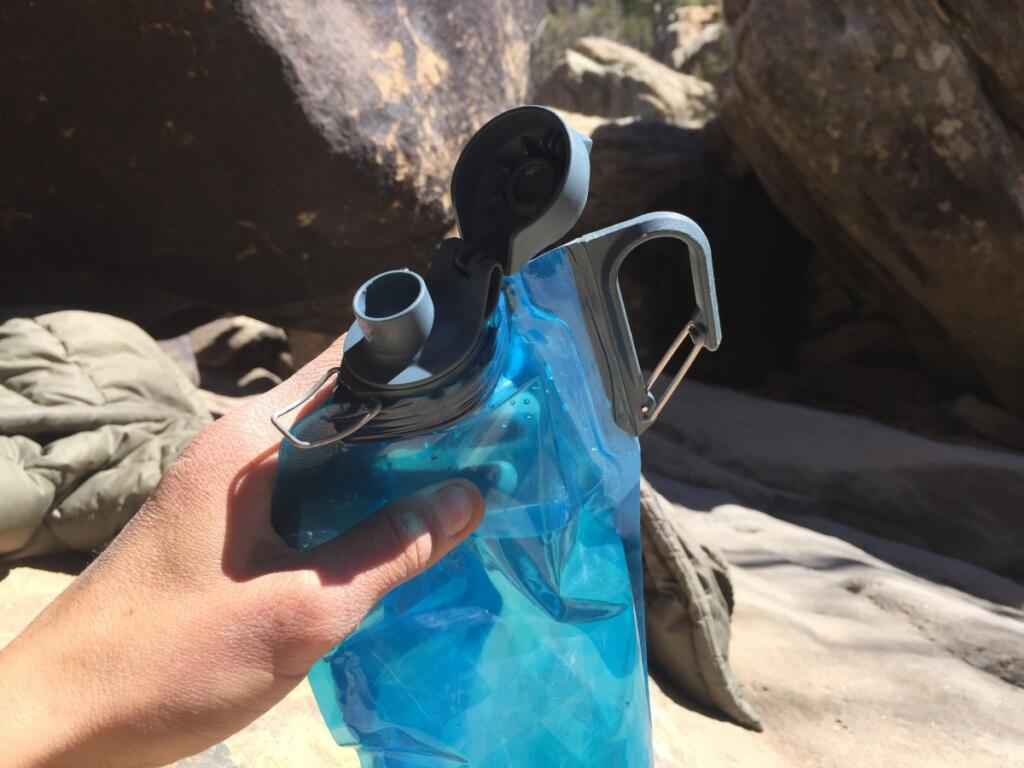
If a traditional water bottle is not your cup of tea, the Platypus might be perfect for you. This foldable water bottle allows you to easily store it in a backpack or purse once you’re done drinking from it. You can also clip it to a carabiner. Plus, it’s inexpensive, so you can buy several for yourself and your family for quick outings. Although it doesn’t retain heat or cold like the other products on this list, its collapsible feature makes it more portable and flexible than other choices on the market. Although it’s made of plastic, the mechanics behind this product keep your water tasting fresh.
No matter which reusable water bottle you choose, we hope you enjoy your active summer at the lake!