
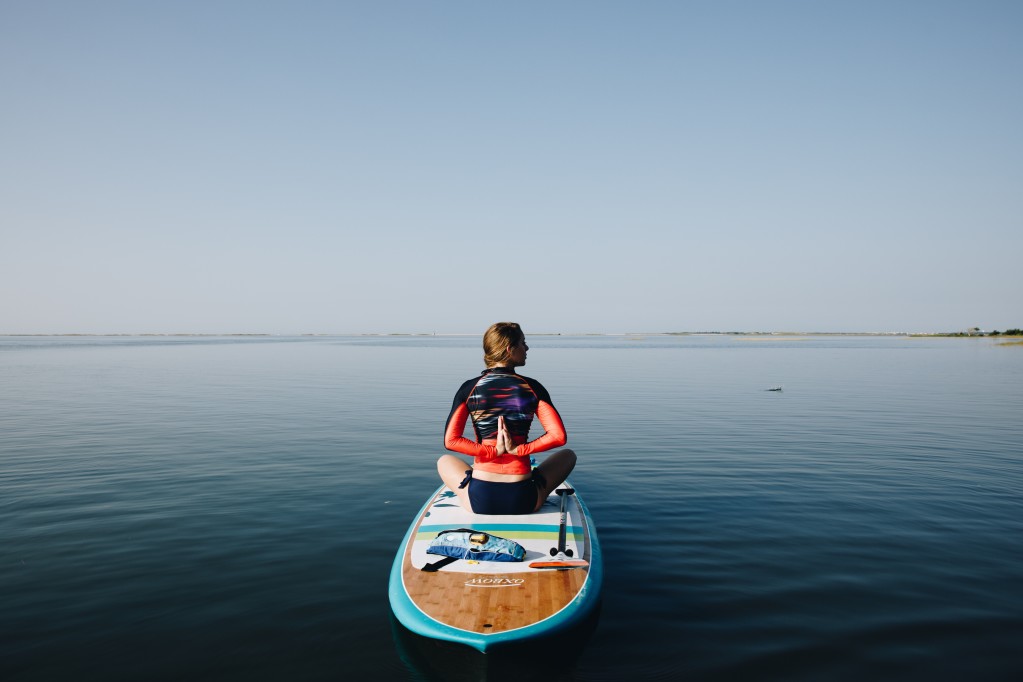
SUP Yoga: The Basics

Are you someone who enjoys yoga on the boat dock? If you’re feeling like taking on a new lake hobby, consider SUP yoga. An acronym for Stand Up Paddleboard yoga, this activity refers to standing up on a paddleboard in a body of water. Typically, this sport is practiced in calmer bodies of water such as lakes or harbors. SUP yoga has become a trending activity in recent years, embraced both by yogis and paddleboarders alike. Today, we’re going to be answering some common questions about SUP yoga on the lake.

What exactly is SUP yoga?

Image courtesy of Real Style Network

Essentially, SUP yoga involves doing the same types of yoga positions that you would in a traditional yoga class and applying them to a paddleboard surface on the water. In yoga, finding balance is a key component of the practice. And what better place to challenge your stability than standing on a paddleboard? 

However, the physical component is only a surface-level part of this activity. The origins of SUP yoga come from yoga itself, a 5,000-year-old practice from Northern India, with roots in Hinduism and Buddhism. At its core, yoga is less about challenging your body and more about the mind-body connection. Therefore, when doing SUP yoga, it’s helpful to consider what a pose may be teaching you or even settle into the experience of quietly breathing.

How difficult is SUP yoga?

Image courtesy of Isle

As you might expect, SUP yoga is considerably more challenging than yoga on land. You’re always grounded on a solid surface on land, whereas with SUP, you have to adjust your movements to the wind and water currents. Plus, your surface (a paddleboard) is more restricted than it would be on land. These extra challenges require a more intense sense of balance.

What equipment do I need?
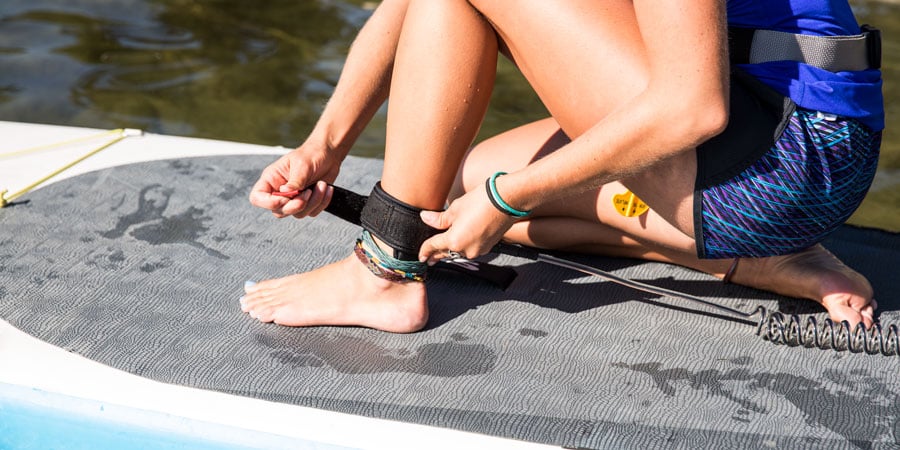
Photo courtesy of REI

First and foremost, you’ll need a paddleboard. While there are a few different options you can choose from, a stable inflatable platform is generally recommended. This is because the thickness of the board affects its stability. You’ll also need a leash and personal flotation device (PFD) for your safety. When doing SUP yoga, it’s also important to wear proper attire. Clothes that are both stretchy and water-resistant are ideal. Bathing suits with a rashguard will usually do the trick! 

What are the benefits?

Image courtesy of Little Rock Soiree

One of the most apparent benefits of SUP yoga is the joy of being outdoors. Doing yoga on the water is a unique experience that will allow you to connect with nature. In addition, the mental health benefits of being outdoors, especially near a body of water, are well-documented. With SUP yoga, you’ll get these stress-relieving benefits. Additionally, from a physical standpoint, SUP yoga practice will help you build muscles that on-land yoga won’t. It’s a full-body workout that increases your flexibility and strengthens your muscles.

How do I get started?

Image courtesy of Pau Hana Surf Supply

Probably the best way to get started with SUP yoga is by taking a class. If you Google search for “SUP yoga classes {insert name of your town or city}” you’re bound to come up with results. If you choose to start out on your own, the following poses are suitable for beginners: downward-facing dog, chair pose, warrior 2, boat pose, and savasana. You can also check out several YouTube videos detailing how to do these poses on your paddleboard. 

If you’re looking to jump on board the trend of SUP yoga (no pun intended), we hope this information helps! And most of all, we hope you enjoy your time on the lake this summer.
Pro Tips on Controlling These Common Water-Loving Lake Pests

Photo courtesy of Weeder’s Digest

Summer is just around the corner and if you’re a lake homeowner, that means you’re probably gearing up to enjoy the outdoors. Whether you’re boating, swimming, or soaking up the sun, you’ll most likely encounter a host of creepy-crawly creatures and other flying insects that weren’t invited to the party. We all know the usual suspects—from mosquitos to mayflies—so we talked to pest control expert Wesley Wheeler, founder, and owner of Bug Lord, who helped us compile a list of some of the most common lake pests and ways to control them.

Mosquitoes

Photo courtesy of Consumer Reports

Mosquitoes go hand-in-hand with lake life because they breed in shallow pools of water, which are quite common around most lakes. They’re also attracted to standing water, yard debris, and clogged gutters and drains. While mosquitoes are a menace in every U.S. state, Minnesota has such an impressive population that they’ve been not so endearingly named the unofficial state bird. Having a very flat topography as well, the land of 10,000 lakes delivers ideal conditions for spawning hordes of mosquitoes that are difficult to treat.

“Mosquitoes can travel miles from their breeding grounds, so it’s not always possible to treat your own property and take out the population,” says Wheeler. “Instead, using mosquito repellents with an active ingredient of DEET (chemical name, N, N-diethyl-meta-toluamide) or oil of lemon eucalyptus are proven to be effective,” he adds. There are many natural options for controlling mosquitos with ingredients such as rosemary oil, peppermint oil, cedar oil, and even garlic that are more eco-friendly and much safer to use than chemical pesticides. Severe mosquito problems might require more potent chemical intervention. Check out this list of natural and chemical yard sprays for the best options as well as other pesticide-free strategies for mosquito control.

Chinch Bugs

Photo courtesy of Modern Pest Control, Inc.

Lake homes are all about enjoying the great outdoors, but when your lush green lawn turns into a barren wasteland, you have a real eyesore on your hands. If you live on the Gulf Coast, Florida, Georgia, or South Carolina, there’s a good chance you have St. Augustine grass, which is susceptible to chinch bug infestations.

Chinch bugs will suck the moisture out of your grass and replace it with poison that kills it. These bugs are very tiny and hard to see unless you’re down on your hands and knees inspecting the grass. A chinch bug infestation typically starts as a patch of dead grass that doesn’t respond to watering. The patch will slowly expand until you realize what’s happening.

“Once you recognize what the problem is, I recommend treating it by spreading some pesticide granules on your lawn (DeltaGard G or Talstar granules work great) and watering the lawn once applied,” explains Wheeler. “You should see results quickly, and this will kill other insects like ants and spiders too,” he notes.

Giant Water Bugs

Photo courtesy of Wikipedia

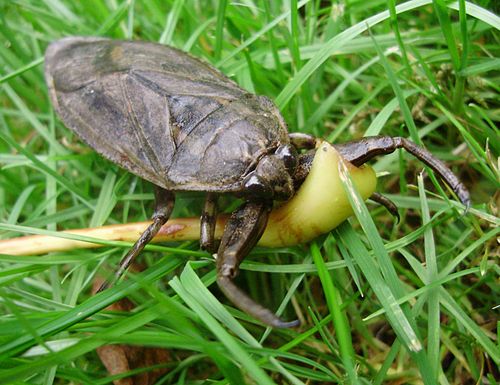
The giant water bug is a very suitable name for a creature that can grow more than four inches long! These bugs look like giant cockroaches, but they have front pincers, and unlike cockroaches, they have a stinging bite. Some people call giant water bugs “toe biters” for good reason.

Giant water bugs live in most regions of the U.S. along the fringes of lakes. Luckily for us, they typically don’t bother humans, so you can usually avoid them easily enough. “You may, however, find them swarming your porch lights at night—that’s right, they fly,” says Wheeler. “If this becomes an issue, you can use a classic bug zapper outside, which will make short work getting rid of them.” Be sure to turn off your porch lights, so there’s no competing light source.

Ticks

Photo courtesy of Bug Lord

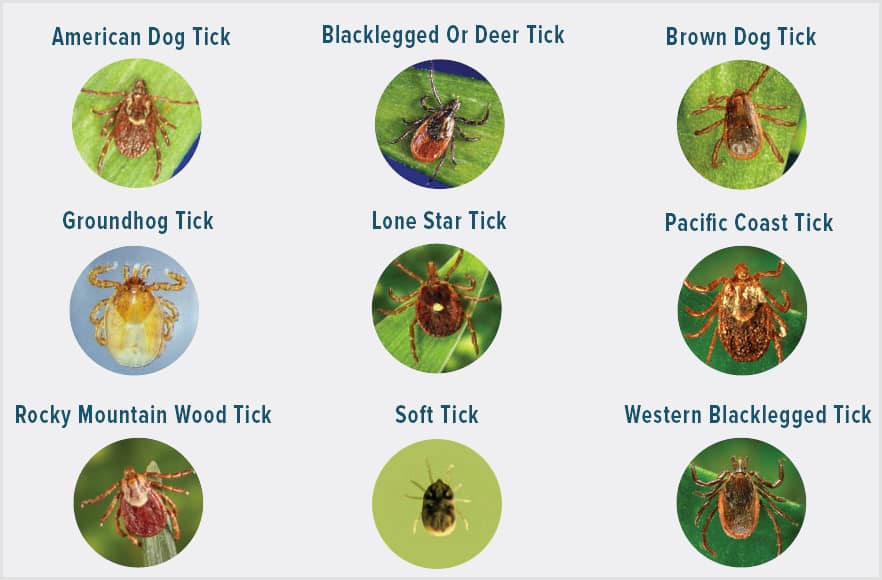
Ticks are a vast and growing problem in the Northeastern United States because they can spread some nasty diseases to humans—Lyme Disease being the most prominent one. If you have a wooded lake house in the New England region, you probably have ticks around your home.

There are some easy ways to make your yard less welcoming to ticks. Start by cleaning up yard debris (leaves, downed branches, deadwood, tall grass, and weeds). “A barrier of wood chips or stones between your yard and the woods can stop them from crossing over,” notes Wheeler. “You should also do what you can to keep deer and small mammals off your property, as ticks use these animals as hosts to feed on,” he adds. Remember to fence off any gardens or flower beds that may attract deer. Check out this list for other surefire ways to rid your lake home property of ticks.

Midges

Photo courtesy of Wikipedia

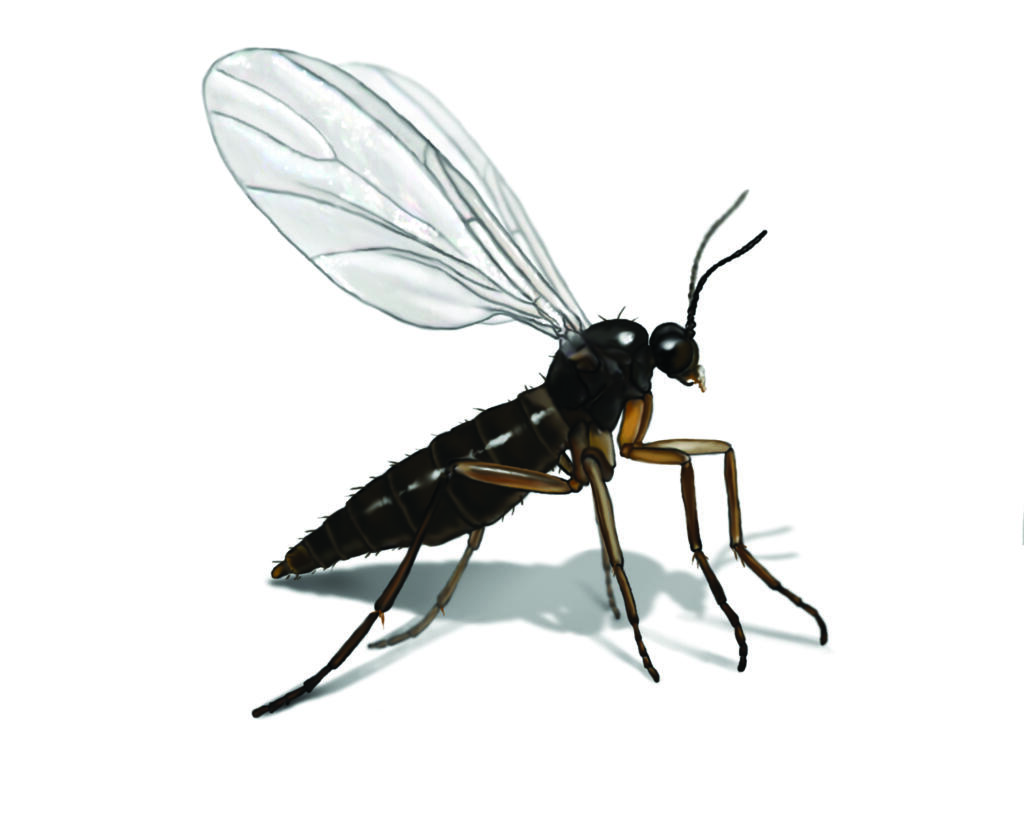
Midges are flying insects that many people mistake for mosquitoes, but most varieties don’t bite humans. “Seattle sees swarms of midges emerge around the lakes in numbers that seem almost biblical,” says Wheeler. “They can fly half a mile from their breeding ground (and much farther in a strong wind) so proactively preventing these insects isn’t an option,” he adds. “Your best course of action is to avoid turning on outdoor lights until an hour after sunset.”

Midges are attracted to light and are most active as the sun is going down, so if you can avoid luring them towards your home, you’ll see a lot less of them. You can also place a “decoy” light further from your home to draw the bugs to this area instead of your living space.

Gnats

Photo courtesy of Orkin

These pests are very similar to midges. Depending on the type of gnat, they can be tough to prevent. Fungus gnats may lay their eggs in damp, overwatered areas or decaying wood and mulch. Getting rid of those environments will help. Other gnats lay their eggs in lake water, which isn’t safe to treat with pesticides.

“Some lakes, such as California’s Clear Lake, introduced certain fish species that compete with gnats for zooplankton—its preferred food source,” says Wheeler. “An outdoor bug zapper or decoy light will also help control gnats.”

So, if you’re heading out to enjoy your lakeside setting, fear not! Encountering these pests and other familiar lake-loving creatures such as ants and flies is a natural part of lake living and doesn’t have to spoil your time outdoors. Arming yourself with knowledge (and insect repellent) and consulting a professional for any severe pest issues is always your best bet.

Sipping Season: The Best Summer Wine Pairings

Photo courtesy of Thrillist

Summer is always a reason to celebrate, especially when you’re lucky enough to be at the lake. It’s that blissful time—the sweetest of all seasons—when the world slows down, and we allow ourselves to kick back, relax, and enjoy. So, let’s break out the wine and get this party started!

If you don’t know the difference between a buttery chardonnay and a full-bodied, fruity rosé, we’re here to help. We’ve put together an easy-to-navigate list of our favorite summer wines and the perfect foods to pair them with. Feel free to use our cheat sheet anytime you want to dazzle your guests and show off your wine acumen. Bon appétit!    

Rosé

Photo courtesy of Hospitality Marketplace

Once considered second-rate by the wine world, rosé has made a fantastic comeback over the past few years. A popular choice, especially in summer, rosé boasts the best of both worlds when it comes to wine—embodying some of the best aspects of both red and white all in one bottle. So how is it different from other wines?

It’s all in the winemaking technique. Rosé is made from dark-colored red wine grapes that are macerated with their skins on, which creates its beautiful blush color. The skins are then removed after several hours, followed by the usual fermentation process. Because the skins are removed early on, rosé develops some of the same color and flavor characteristics as red wine, yet without the bitter tannins.

Like red wine, rosés are made from a variety of different grapes and come in a vast selection of styles. This versatile wine takes on a multitude of different flavor personalities as well—from light and dry, to elegant and fruity, to bubbly champagnes and other sparkling options. To demystify all the food-pairing choices, simply look at the color.

As the award-winning food and drink author Jeanette Hurt explains in her post for Wisconsin Cheese, “Light, delicate rosés are generally a subtle pink, while full-bodied rosés have deeper hues of salmon or pink.” So how do we know what to serve with this mind-boggling array of pretty pink wines? Remember this rule: Richer colors complement more intense flavors. Here’s your go-to list of perfect pairings.

Smell the Rosés

  • Sushi, lobster, salmon, tuna, paella, grilled chicken, lamb, duck, barbecue
  • Olives, garlic, anchovies, tapenade, patés, salad Niçoise, light pasta, mildly spicy curry and rice dishes
  • Fresh strawberries, pears, cantaloupe, honeydew, watermelon, raspberries, blackberries, red plums
  • Brie, fresh mozzarella, chèvre, feta, mascarpone, baby Swiss, Gouda, Gruyère, fontina, Colby, young and aged Cheddar, Havarti, Manchego, Pecorino Romano

Sparkling Rosés and Rosé Champagnes

  • Lighter styles prefer pairings with tapas, citrusy salads, sushi, seafood, and even canapés, cakes, fruit tarts, and muffins
  • Dry sparkling rosés pair well with fatty, fried foods, spicy dishes, and barbecue
  • More robust champagnes can pair with grilled lobster, lamb, or even pheasant and grouse
  • Strawberries, blueberries, raspberries, blackberries
  • Camembert, Brie, chèvre, ricotta, and feta

Chardonnay

Photo courtesy of Wine Enthusiast Magazine

When it comes to white wines, Chardonnay reigns supreme because it pairs beautifully with lots of different foods. Called Chablis in France, Chardonnay comes in a variety of styles depending on where it’s made, its maturity level when you drink it, and whether or not it’s oaked. Served chilled, Chardonnay’s refreshing nature is a summer favorite. Rule of thumb: Pair crisp, unoaked Chardonnays with simple flavors that don’t overpower, and pair oaked Chardonnays with toasty, more robust foods.

Tried-and-True Chardonnay Companions

  • Sashimi, grilled halibut or cod, shrimp, lobster, crab, scallops, pan-seared salmon, seared tuna, seasoned poultry or pork, grilled or roasted foods that are caramelized, risotto, pasta, and any mild, buttery, or creamy dish
  • Caesar salad, salad Niçoise, sweet corn, sweet bell peppers, avocados, butternut squash, sweet potatoes
  • Apples, mangoes, peaches, pears, grapes
  • Butterkäse, Asiago, Havarti, parmesan, Gruyère, fontina

Pinot Gris

Photo courtesy of La Crema

Known in Italy as Pinot Grigio, this delightful white wine with notes of citrus and tropical fruit comes in a broad range of styles, from crisp and light, to rich and full-bodied. Hence, its versatility offers a wide range of pairing options. You really can’t go wrong with this one—it gets along with most any food. Same rule of thumb: the richer the wine, the more it stands up to robust flavors.

Pinot Gris Pleasers

  • Sushi, oysters, calamari, grilled scallops, and Chilean sea bass, pan-seared tilapia, grouper, and snapper, grilled or oven-roasted lemon chicken, veal, pork, lamb, barbecue, creamy pasta dishes
  • Artichokes, asparagus, spring peas, roasted vegetables, salads with creamy vinaigrette
  • Apples, pears, oranges, grapefruit
  • Brie, mozzarella, Parmigiano Reggiano, Gouda, Roquefort, Manchego

Pinot Noir

Photo courtesy of Lake Minnetonka Magazine

The highly versatile ruby-red Pinot Noir is one of the few varietals that pairs with both fish and meat. It’s best known for its delightful bright acidity as well as its fruity notes of cranberry, strawberry, raspberry, and black cherry. Oaked styles can reveal rich notes of vanilla, clove, black tea, and tobacco. This all-around pleasant wine is best served slightly chilled at about 55°F—ideal for summer.
Pinot Noir Perfection

  • Poached, grilled, or oven-baked salmon, seared tuna, grilled lobster, herb-roasted pork, ham, lamb, chargrilled steak, roast duck, turkey
  • Root vegetables, grilled asparagus, sundried tomatoes, kale, collard greens, spring peas, summer squash, roasted herbed mushrooms
  • Apples, berries, cherries, figs
  • Brie, goat cheese, medium cheddars, smoked Gouda, Manchego, Gruyère, Swiss, provolone, Camembert, Taleggio

Prosecco

Photo courtesy of Pinterest

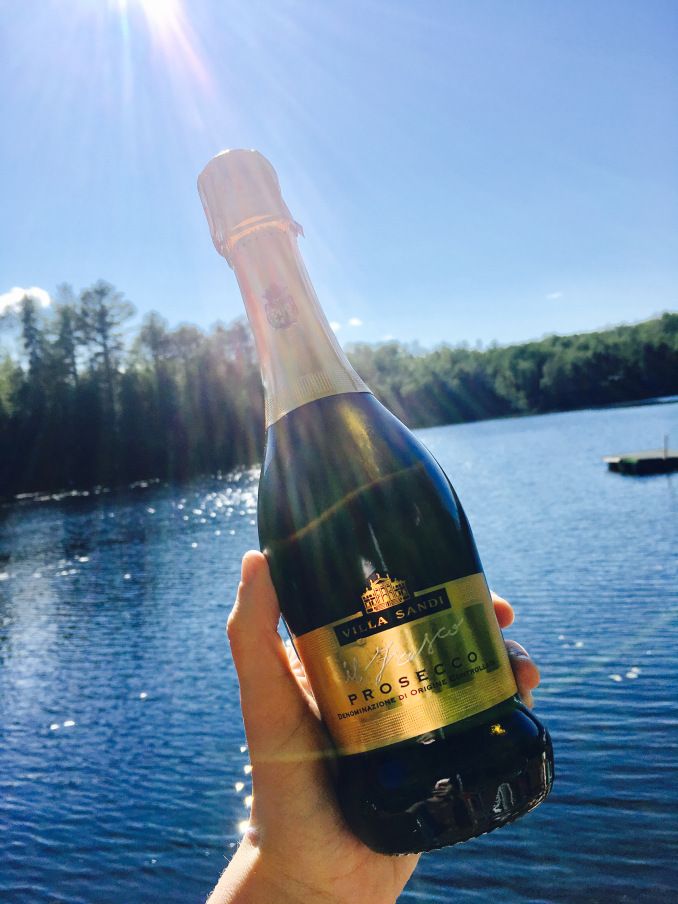
This crisp and fruity bubbly from the Veneto region of Italy is undoubtedly a summertime staple. Just a bit sweeter than other sparkling wines, Prosecco is best served with party-style fair—think finger foods and canapés.  

Pop the Cork!

  • Sushi, seafood, smoked salmon, prosciutto and other cured meats, chicken, turkey, Asian dishes (Thai noodles), quiche, frittatas
  • White asparagus, roasted tomatoes, artichokes, avocados, stuffed mushrooms, fruit salads
  • Mango, passion fruit, raspberries, pomegranate, sorbets, fruit tarts
  • Camembert, Brie, mozzarella, Gorgonzola, ricotta, goat cheese, parmesan, Emmentaler

If you want to discover other classic food and wine pairings at a glance, check out this helpful guide. Now let’s raise a glass—cheers!  

How Climate Change is Affecting Your Lake House

Photo courtesy of Pixabay via Pexels

On the Lake Homes Realty Blog, we often cover how to handle inclement weather at your lake house. Whether it’s snowheat, or extreme weather in general, we understand how nature’s elements can impact lake property more than traditional real estate. But what about the slow, seemingly irreversible changes in overall global weather patterns? Yes, we’re talking about climate change.

These gradual changes in our earth’s environment may be harder to recognize, but they still impact your lake property. To understand more, we talked with Katie Severance, realtor and author of an upcoming book: “The Brilliant Home Buyer: Buying a Home in the New Economy.” Armed with her extensive real estate work and personal experience on Lake George, she shared her expertise on how climate change is affecting your lake house.

What is Climate Change?

Photo courtesy of NASA – Global Climate Change

It’s been more than 50 years since the Stanford Research Institute first spoke about climate change. In 2021, climate change continues to be a heavily discussed topic among environmentalists, businesses, politicians, and families at dinner tables. There’s a lot to understand about climate change, but in short, climate change is a detrimental phenomenon that refers to the significant changes in average weather conditions across the globe. 

A significant part of climate change is global warming, the increase in average global temperature due to excess carbon dioxide (CO2) in the atmosphere. These increased CO2 levels trap heat within the atmosphere, making the earth hotter. This process is also known as the “greenhouse effect.” Here in the U.S., the burning of fossil fuels for electricity and gas emissions for transportation are two huge contributors to the greenhouse effect.

What Does Climate Change Mean for Lakes?

Climate change operates like a domino effect. When global temperatures rise, it affects every component of the natural world. With bodies of water specifically, rising temperatures cause Antarctic ice caps to melt and ocean levels to rise. Besides water level, hotter air means more powerful hurricanes, more frequent droughts, and heavier rainfall. In freshwater systems specifically, this can mean increased flooding and sediment erosion, both of which can affect your shoreline. It also impacts lake stratification, which in turn, is detrimental to the homeostasis of aquatic life. 

Although the exact impact of climate change on your lake house will vary based on your region, the two biggest things to keep in mind for your lake property are wind and water. For water specifically, consider both water quality and water table. “You want to know how the water table and water quality have been impacted in the last five years,” Katie says. “One of the ways to learn this information is to get the lake association’s minutes from their meetings if they meet monthly.” She also adds that talking to a local insurance broker could be helpful since they know your specific insurance needs.

How Can I Protect My Lake Home?

Photo courtesy of Northern Lights Landscapes

As climate change continues to worsen, your lake home’s likelihood of avoiding floods becomes more precarious. Katie adds, “Now more than ever, when you go to buy a property, you need to get flood insurance.” By law, realtors need to disclose to buyers whether their home is in a flood zone. But just because your home isn’t in a flood zone doesn’t mean you should neglect insurance. 

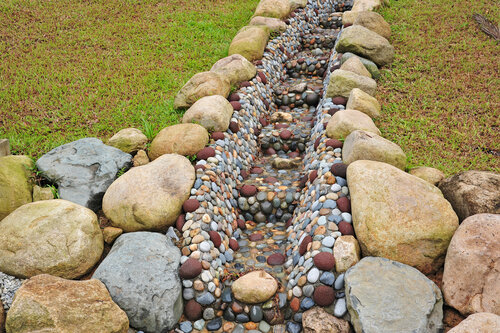
Looking at FEMA maps, asking for an elevation certificate, and ensuring that your house is on the highest soil point can all help protect your home from flooding. “Water is lazy,” Katie says. “It goes to the place that’s easiest to run to.” As such, make sure your gutters slope away from your house. The basement is also important to consider. Katie recommends installing both a French drain and a sump pump to ensure that your basement won’t flood. 

As lake homeowners, we’re proclaimed lovers of nature. That said, it’s on us to do our part in protecting the planet from the continued effects of climate change. In addition to protecting your property, check out these resources to make more green decisions in your own life.

Lakeside Living: The Essential Outdoor Kitchen

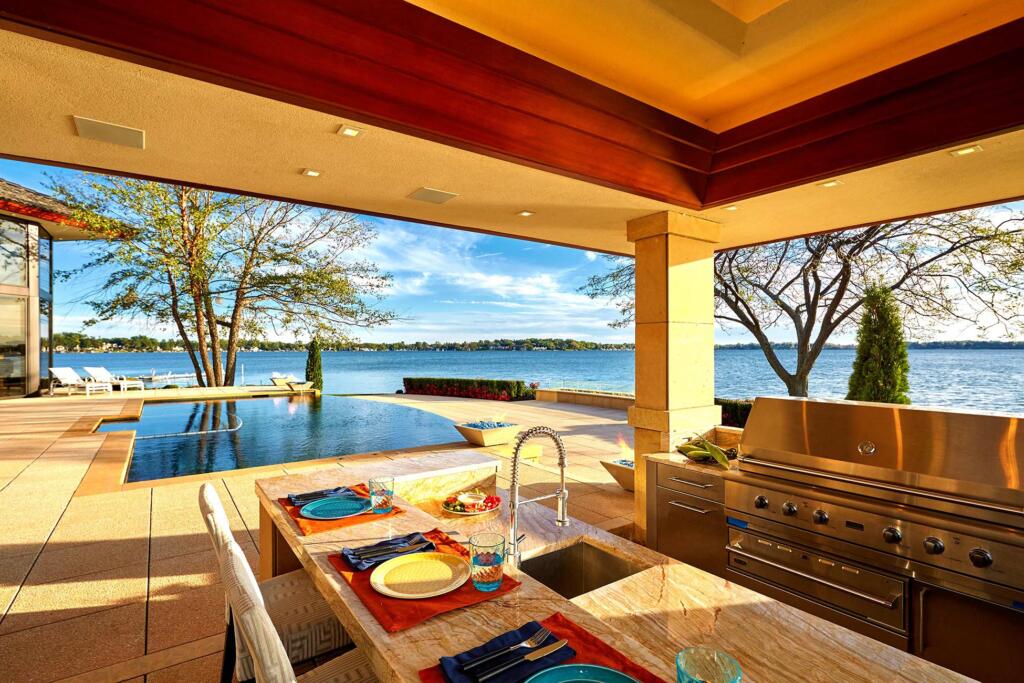
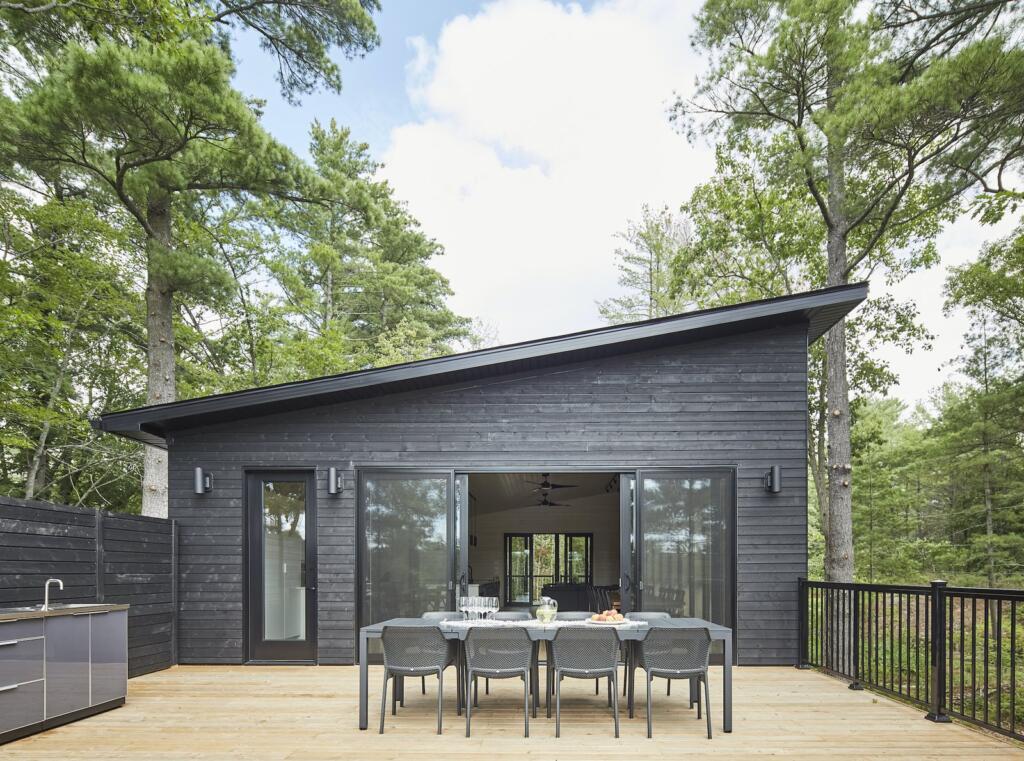
Photo courtesy of DesRosiers Architects

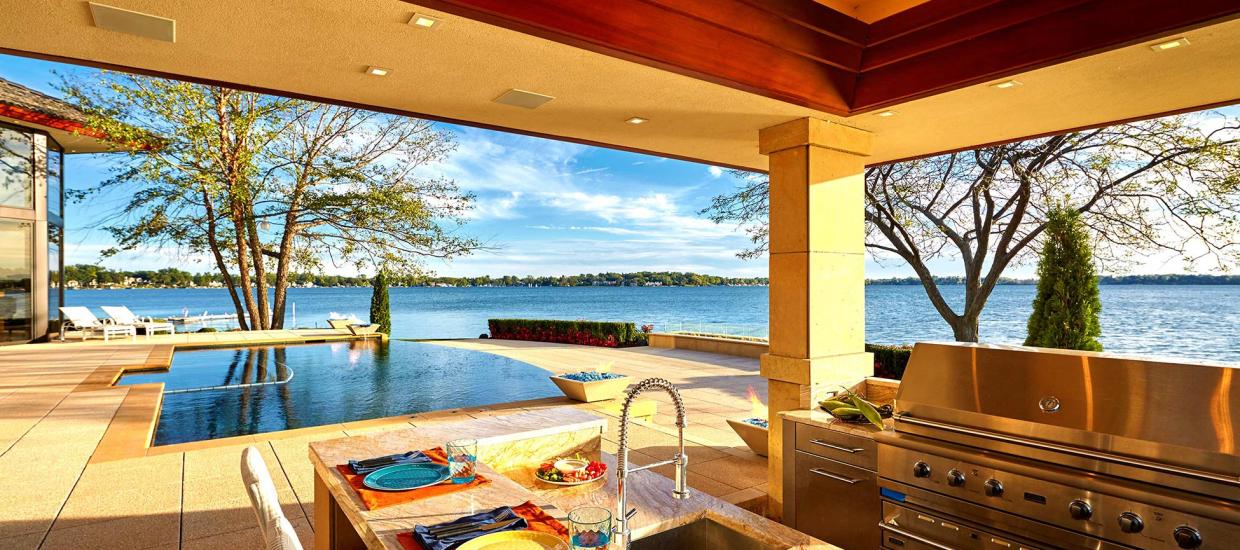
As lake lovers, we thoroughly embrace outdoor living and the scenic natural beauty that surrounds us. So much it seems, we’ve taken all the creature comforts we enjoy inside and seamlessly transitioned them to the great outdoors—including our kitchens!

The pandemic has made us realize that this essential outdoor space provides a luxurious retreat and creates a blissful stay-cation environment anytime we want it. So, what’s trending now in outdoor kitchens? We went to the experts to get their 2021 A-list.

Full-Scale Functionality

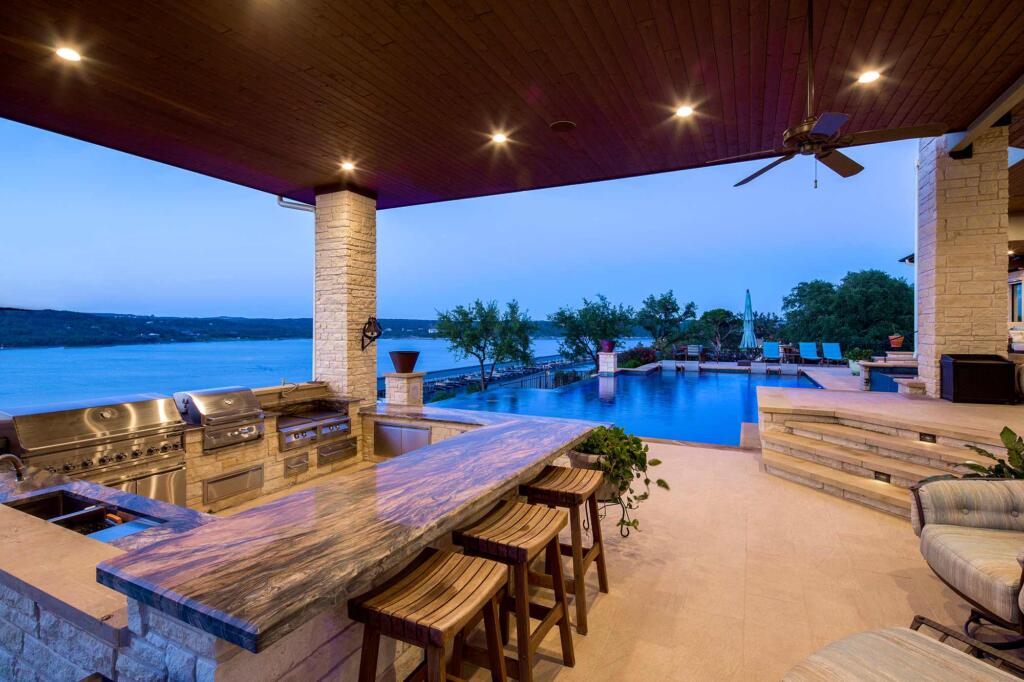
Photo courtesy of Sterling Custom Homes

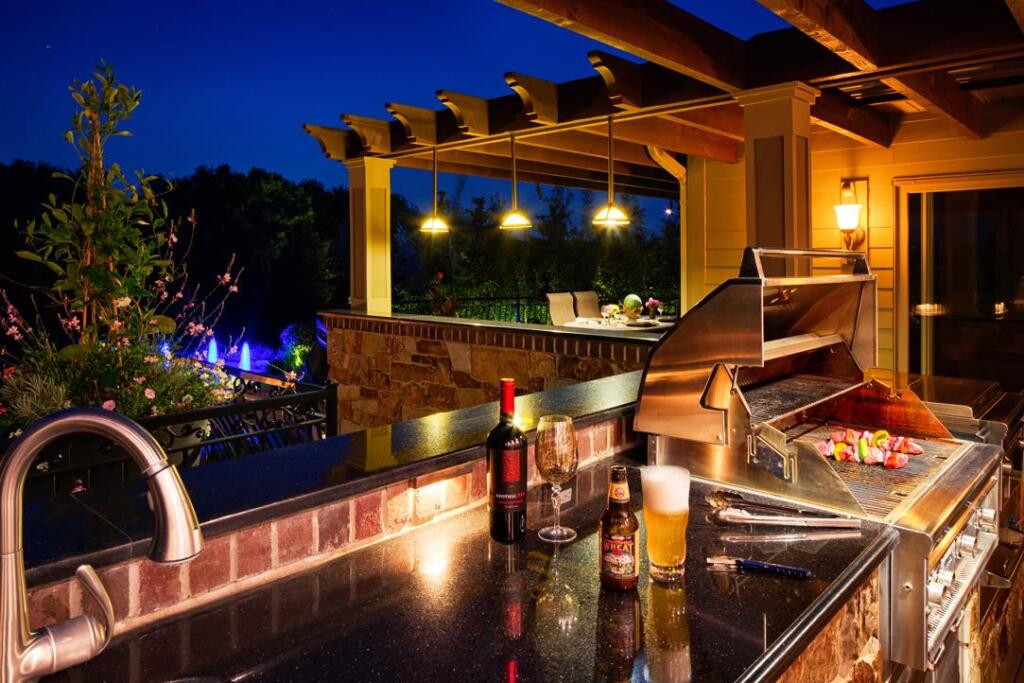
“Several years ago, it was more common to see small set-ups, simple grill islands, modest wet bars, and other similar designs,” says interior designer Whitney L. Paden, sales director for Werever Outdoor Cabinetry in Riverview, FL. “Now our customers are not only including a grill, sink, and refrigerator, but want additional side burners, power burners for large boils and wok cooking, pizza ovens, cocktail centers, and more. We see the outdoor kitchen become an entertaining oasis—and really, a destination,” she sums.

“The outdoor kitchen/living space has become paramount to experiencing a healthy lifestyle in the days since COVID-19,” says interior designer Cristie Schlosser, RID, ASID, owner of Schlosser Design Group, LLC in Dallas, TX. Cristie is also president of the North Texas Plains Chapter of the National Kitchen & Bath Association, the world’s leading trade association for the kitchen and bath industry. “Those who did not have an outdoor kitchen—just a grill—ramped up their desire to spend more time living outdoors. 

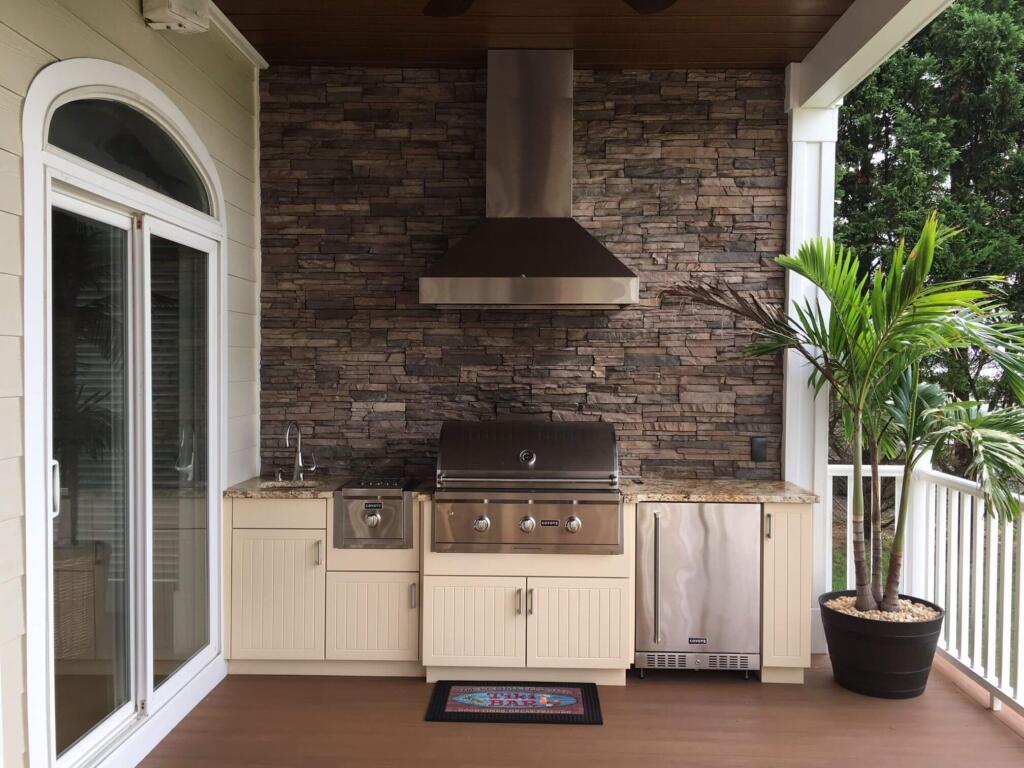
As a result, we’re now designing outdoor kitchens with deep sinks for prep and cleaning, frost-free outdoor-rated faucets, built-in grills with proper ventilation, and exhaust hoods to draw the smoke away, especially when the grill is close to the entry of your home. 

Using stainless steel is also critical when planning for longevity,” she notes. High-performing wine coolers, stainless-steel sinks, and built-in two-sided grills top the wish list for 2021. 

Sufficient Storage

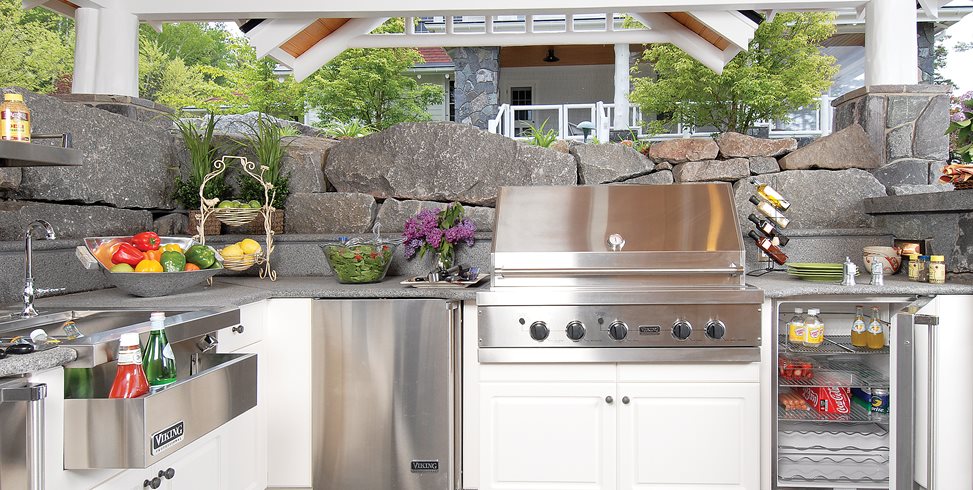
Photo courtesy of Landscaping Network

Since lake homeowners are spending more time than ever before in their outdoor spaces, more storage is an absolute necessity—the bigger, the better. Ample outdoor storage also prevents us from having to run in and out of the house numerous times. Whitney recommends weather-resistant kitchen cabinets that are made of marine-grade high-density polyethylene (HDPE). “Our cabinetry specifically has become quite popular as a fully functioning storage and utility solution in the outdoor environment, providing pull-out trash cans, drawer storage for utensils and other kitchen goods, and cabinet space for smaller appliances and cookware,” she says. Added storage for pull-out smokers is also becoming a popular request.

Superstar Surfaces

Photo courtesy of Dekton

“Surface options for outdoor spaces have improved greatly,” comments Cristie. “I love using sintered materials for countertops and backsplashes. These easy-to-clean, highly compact porcelain and quartz slabs are thinner and lighter weight with gorgeous stonelike patterns—Neolith and Dekton are two brands we specify,” she notes. This high-tech process of sintering involves an accelerated version of the change that natural stone undergoes when subjected to high temperatures and pressure over thousands of years. “I think the use of sintered materials is going to the biggest and most long-lasting trend,” she says. “You can build an outdoor kitchen that looks luxurious—like it was meant to be indoors—through the use of these strong heat, frost, and stain-resistant panels.”

In addition, there are now outdoor-rated options for quartz and granite—not all types can be used outside due to the resin content applied in the manufacturing process that yellows over time. Cristie advises homeowners to be aware that using materials unauthorized for outdoor use may also void any warranties. For more information on outdoor kitchen countertop options, visit HGTV.

Elegant Earth Tones

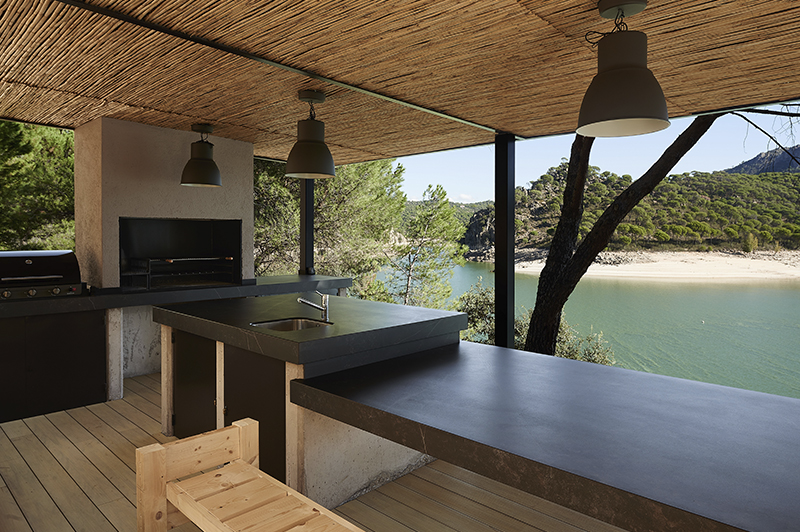
Photo courtesy of Dwell

Our deepened desire to connect with the outdoors has prompted earth tones to emerge once again. Experts at Werever Outdoor Cabinets report that “shades of ocean blue, terracotta, beige, brown, and emerald green embody this color palette,” and influential brands like Benjamin Moore have named the soothing hue Aegean Teal as the Color of the Year for 2021.

“When it comes to color, we see a strong interest in gray as well, whether lighter or darker in value,” says Whitney. “We also introduced sapphire blue to our collection for spring 2021, and this is quickly becoming a favorite. Rich dark brown espresso still remains our most popular color year after year and throughout the entire country,” she notes. “Navy blue kitchens are trendy in lake and coastal areas and can provide a beautiful deep-toned yet eye-popping aesthetic.”

Photo courtesy of Werever Outdoor Cabinets

Whitney reports that the other end of the earth tone spectrum is also popular, with warmer hues and woodgrain finishes making a comeback. Undoubtedly, earthy shades align with our recent quest for all things organic. The overall look emanates a refreshing outdoorsy vibe, something that lake homeowners—and people everywhere—celebrate wholeheartedly after a year spent on lockdown. 

Looking Forward

Photo courtesy of Plesser’s Appliance Blog

As the world reopens and we begin to see the light at the end of the tunnel, it’s exciting to realize the long-term benefits of an outdoor kitchen. Aside from increasing the value of our lake homes, they now have become an essential component of our “new normal.” With a heightened consciousness of indoor dining risks, we’re all likely to continue outdoor get-togethers regularly and long into the future. With that in mind, Cristie offers these common-sense tips:

  • Build a kitchen that fits the style of your home and doesn’t look like an afterthought.
  • Keep in mind the sun’s direction when most of the cooking will occur, and strategize where to provide the appropriate type of shade. 
  • Prepare for cooking outdoors year-round—rain, snow, or sleet.
  • Make sure your space can handle the outdoors’ wear and tear and meet your cooking needs—and always buy the best quality grill you can afford.

So head outside and get cooking! When the time comes for all of us to gather once again, our outdoor kitchens will be there, offering a relaxing oasis where good times always happen.

5 Patio Umbrellas for the Best Summer Shade

Photo courtesy of Amazon.com

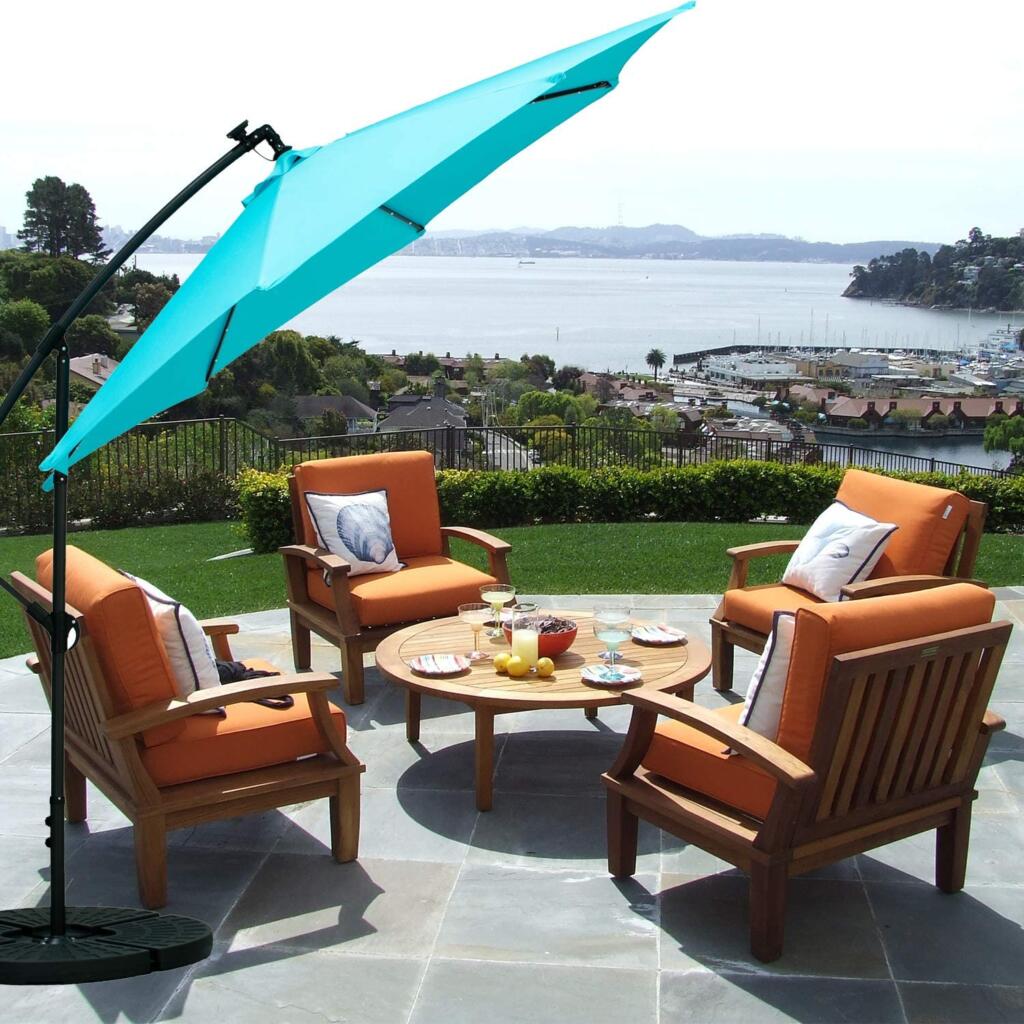
Whether you’re enjoying lunch on the patio or relaxing on your boat dock, outdoor umbrellas provide the necessary protection from the sun’s harmful UV rays. In addition to wearing sunscreen, an umbrella adds an extra layer of UPF (ultraviolet protection factor) to keep you safe. This summer, patio umbrellas are an absolute must-have item on the lake. Check out some of the newest patio umbrellas on the market that will give you the summer shade you need!

9’ Market Umbrella by Abba Patio

Photo courtesy of The Spruce

This patio umbrella was ranked the “best overall” by The Spruce’s list of the best umbrellas for 2021. Perhaps its most outstanding feature is the push-button tilt that allows the umbrella to sit at an angle so that you can position your shade directly in front of the sun. The water-resistant and UV-resistant fabric will keep you free from burns while you enjoy the afternoon. Durable and easy to use, this patio umbrella is made to last for many years at your lake house.

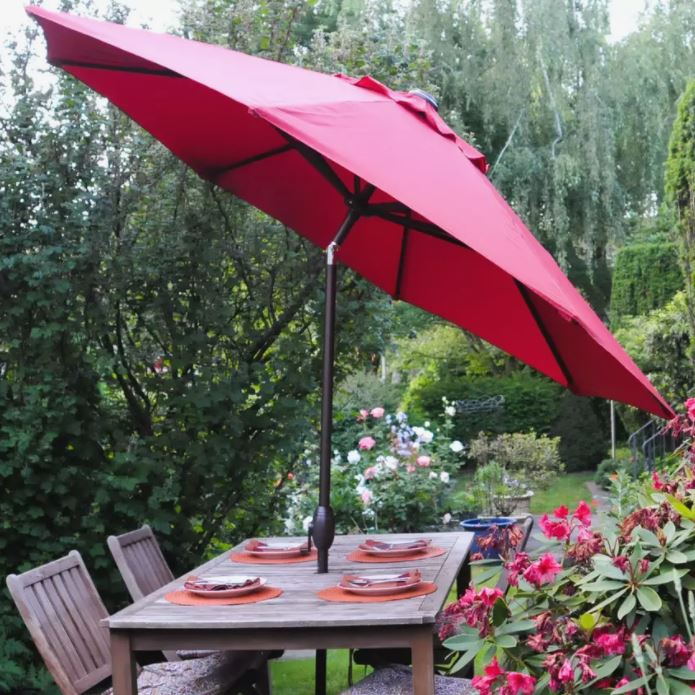
Sunbrella Market Umbrella by EliteShade

Photo courtesy of Eurmax.com

Specifically built to withstand winds, the Market Umbrella from EliteShade is designed with three tiers of ventilation. These vents allow both hot or cold air to filter through without knocking over your umbrella. Plus, the crank open pole makes this product much stronger than others on the market, offering even more protection from toppling over. For those of us in particularly windy lake areas, this umbrella is a dream! It also comes in a variety of colors, from Macaw Green to Royal Blue, that will stand out in your backyard.

9’ Patio Umbrella by SunnyGlade

Photo courtesy of Amazon.com

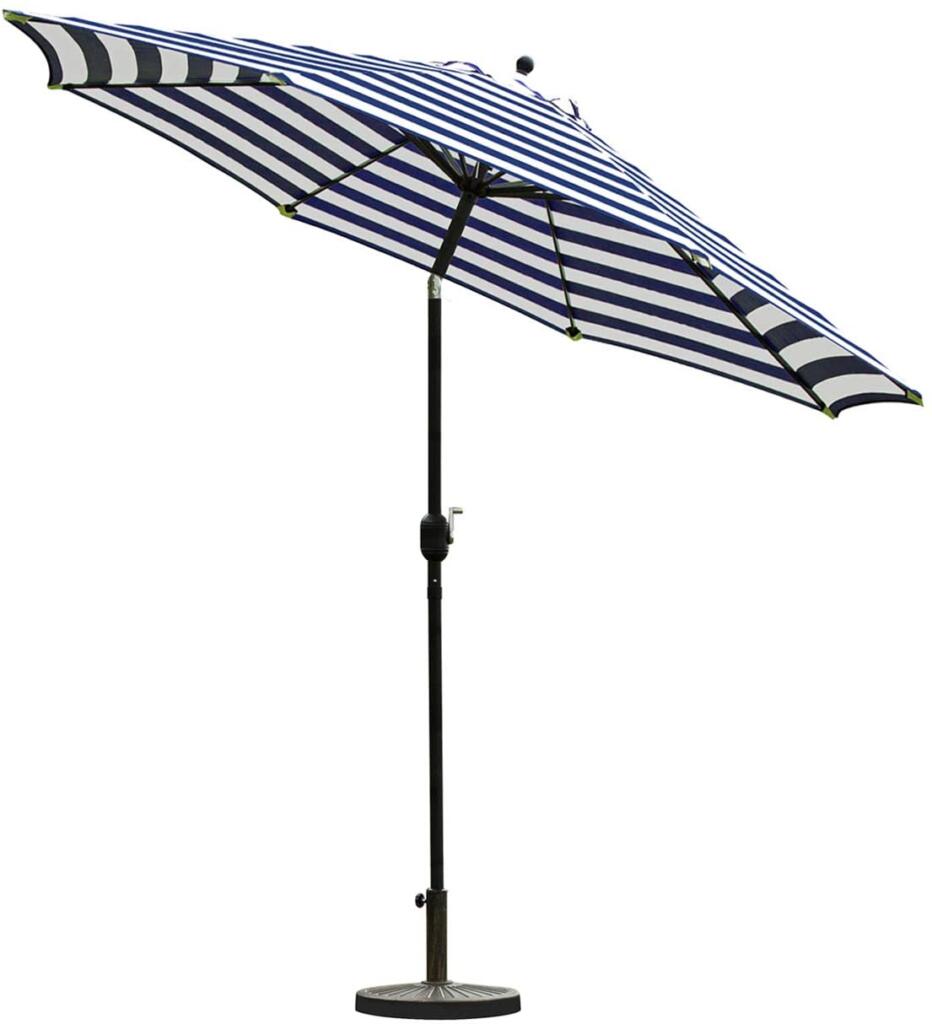
If your outdoor space is on the smaller side, this 9’ patio umbrella from SunnyGlade might be perfect for your lake house. Made from 100% waterproof polyester with a sturdy aluminum pole, this product is made to last. Its size is perfect for a table with four to six chairs, making it ideal for small gatherings with family or friends. Although this product comes in various colors, the navy and white stripes evoke a particularly stunning nautical design vibe.

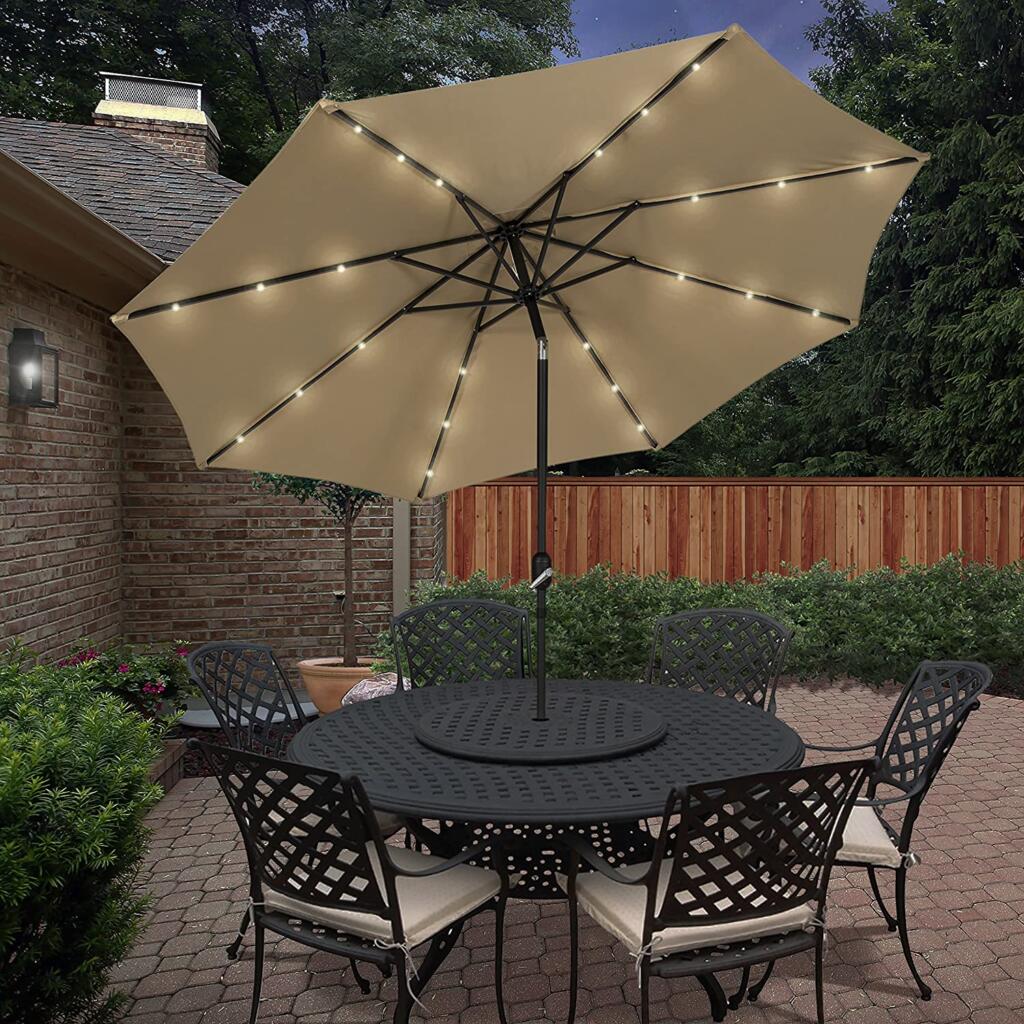
Solar LED Umbrella from Best Choice Products

Photo courtesy of Amazon.com

We all love lounging under an umbrella on hot summer days. But what about when those days start turning into nights? There’s a crucial window of time somewhere between 6 pm and 8 pm where you need both shade and light. Enter the solar LED umbrella. In addition to highly durable fabric, this patio umbrella also boasts 24 built-in solar-powered lights that last for 6-7 hours at a time. This umbrella will bring a newfound ambiance to summer nights.

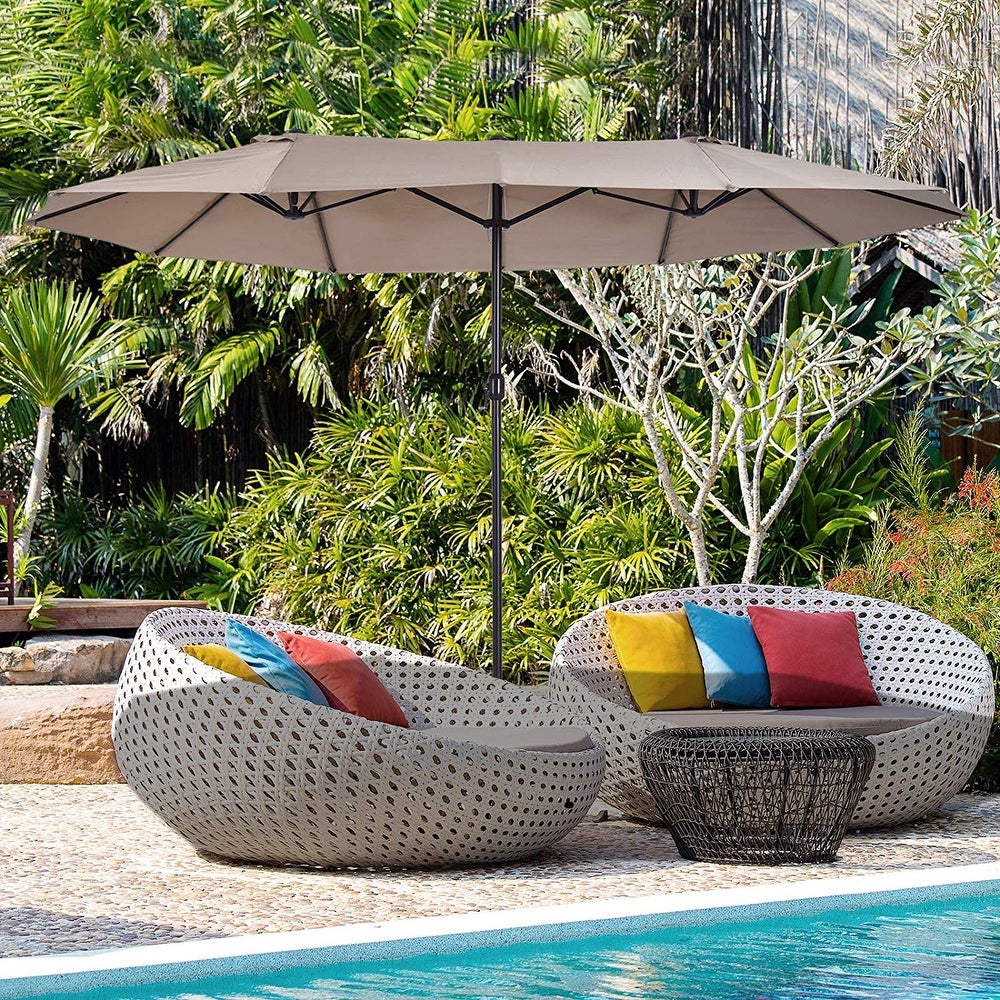
North Bend Rectangular Market Umbrella

Photo courtesy of Overstock.com

Who said that all umbrellas needed to be round? This rectangular market umbrella from North Bend is essentially two umbrellas in one, providing maximum canopy shade. The rectangular shape makes it perfect for a double set of lounge chairs or a balcony. With water-resistant, anti-UV fabric, this product protects you from both rain and sun. What more could you need for life on the lake? 

Stay cool this summer!

Best Trees to Plant at the Lake

Photo courtesy of @maginnis via Twenty20

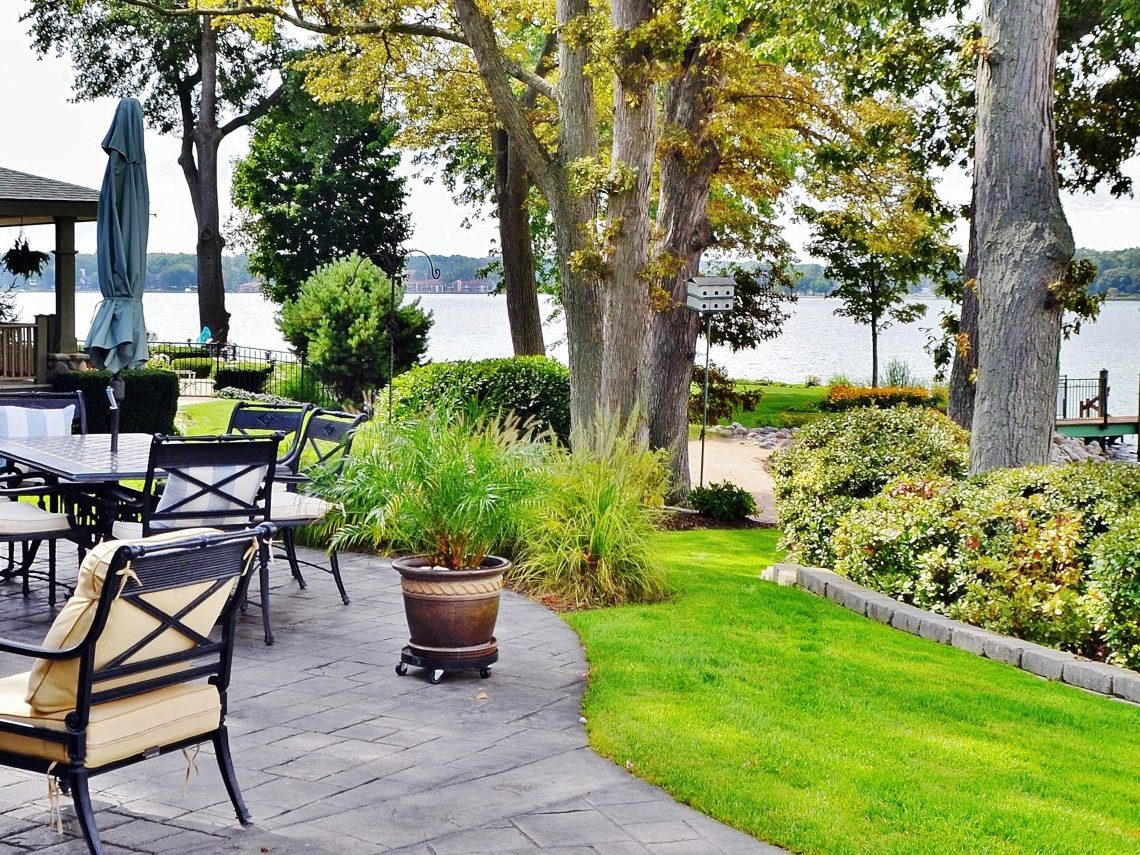
The image is picturesque — sitting blissfully under a tree by the lake, reading a book. As lake lovers, we know there’s something inherently peaceful about waterside foliage. But aside from aesthetic value, there are environmental benefits to planting trees at your lake house. Strong tree roots decrease the power that waves have over the shoreline, helping with erosion control. Plus, the oxygen that trees emit is good for air quality. They also provide food and shelter for the local wildlife, and the more trees you have, the more likely you are to attract birds to your lake house — a win-win for you and the environment. 

However, the best trees to plant at the lake can tolerate a high amount of water in the soil. With most trees, this level of water exposure would lead to overwatering and death. So how can you know what trees to pick? One helpful concept to understand is the ordinary high water mark (OHWM). This refers to the typical water level of your lake, indicated by the “mark” it leaves on your shoreline. Soil conditions differ significantly above and below the OHWM. As such, we will focus on trees that can be planted closer to this mark than others. Check out some of our favorite recommendations for trees that flourish by the lake.

Oak Trees

Photo courtesy of @vasiliy2020 via Twenty20

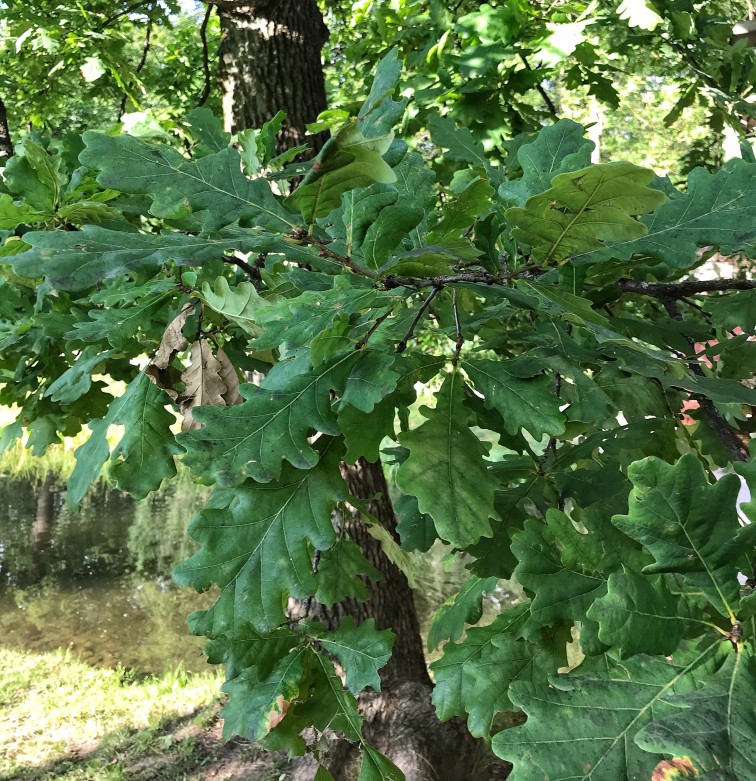
A good rule of thumb is always to choose native plants whenever possible. If you pick plantings according to your lake home’s USDA Gardening Zone, they will be more likely to thrive. Depending on the species, oak trees are hardy in almost every zone in the U.S. Although not every oak tree is best near a body of water, some species like pin oak, water oak, and willow oak are perfect trees to plant by the lake. For example, the pin oak is hardy in zones 4-8. Fast-growing and large, these oak trees are tolerant of wet soil, making them ideal choices for your shoreline. Plus, their acorns are a valuable food resource for squirrels and other surrounding wildlife.

Red Maple Trees

Photo courtesy of Champagne on Tuesdays

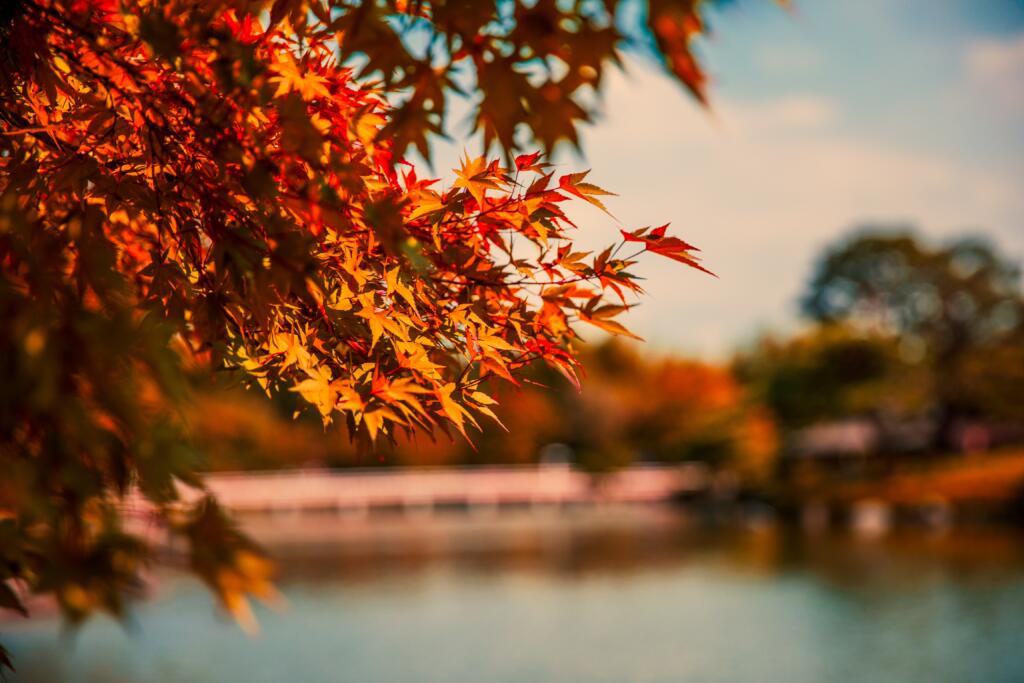
Also known as the swamp maple or water maple, red maples are the most abundant type of tree in the Eastern United States, according to the U.S. Forest Service. Red maples are renowned for their year-round beauty. However, they’re particularly stunning during the fall when their vibrant red leaves are on display. These trees can grow in a lot of zones depending on the specific species. A few shoreline-friendly choices are the “October Glory,” which is native to zones 4-9, and the Burgundy Belle, hardy in zones 5-9. If you’re a landscaping newbie, these sturdy plants are an excellent choice. Fast-growing and able to withstand just about any weather, red maples are both beautiful and low maintenance.

Pear Trees

Photo courtesy of @Duvinchi via Twenty20

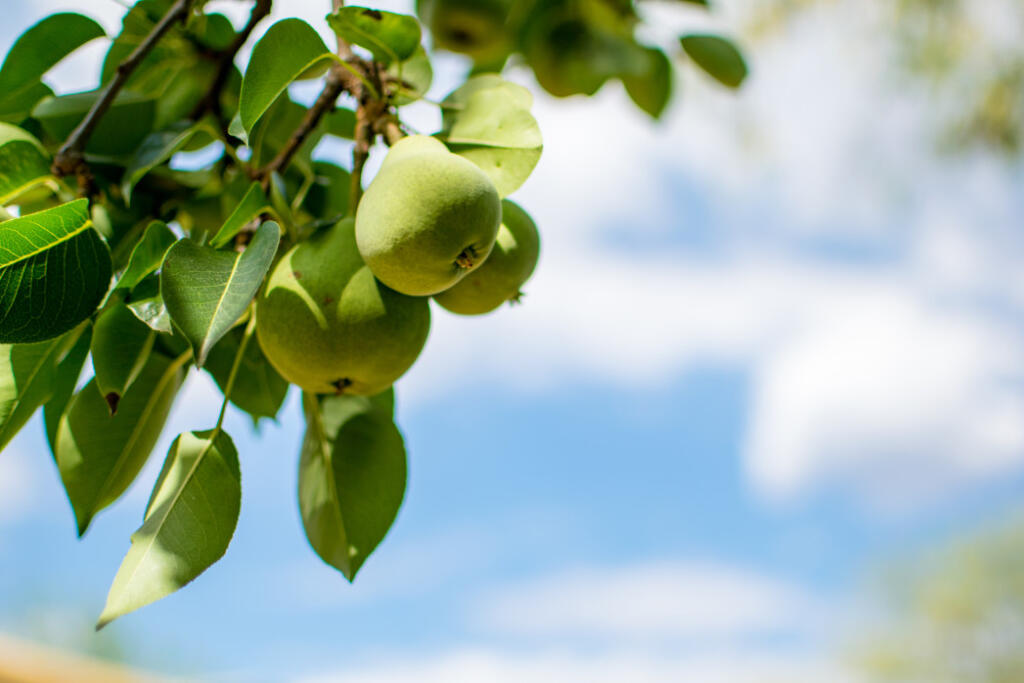
Pear trees have so much to offer beyond one line in the “12 Days of Christmas” song. Whether you choose a fruit-producing or flowering pear tree, they’re fantastic trees to plant at the lake. A benefit of flowering pear trees like “Whitehouse” and “Bradford” (native to zones 5-8) is that their lack of fruit production will leave your shoreline clean from fallen pears. However, you could also choose a fruit-producing pear tree if you like to eat fresh fruit at your lake house. These trees require a lot of sunlight, so be sure to plant in an area where another tree will not mask its growth. Further, since they can grow to be 40 feet tall, you might consider planting a dwarf variety. Finally — don’t forget to prune pear trees. This process should begin early on in their growth.

Willow Trees

Photo courtesy of @rachaeldions via Twenty20

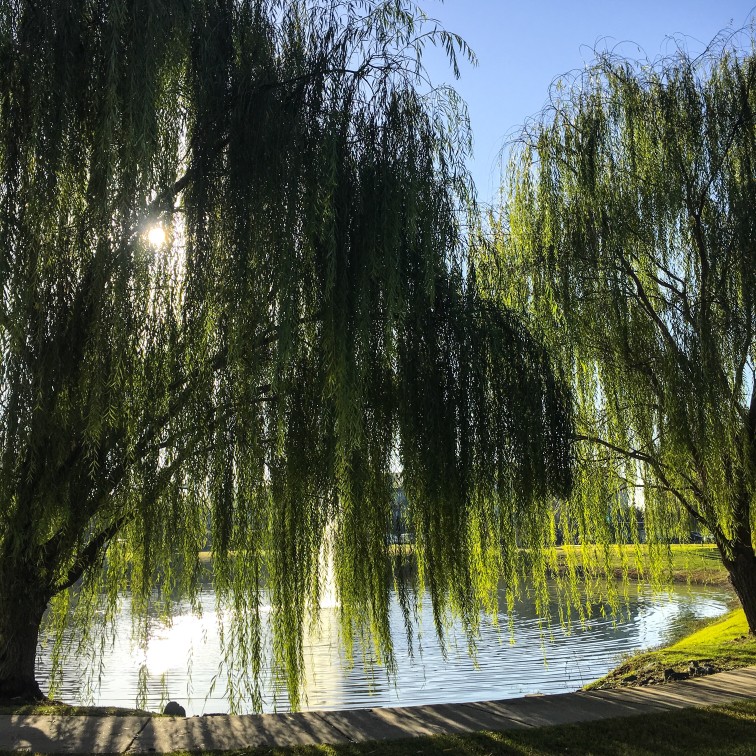
Easily identified by their wide frames and sweeping branches, willow trees are almost emblematic of lake life. Of course, we’re thinking of weeping willows, the trees whose branches resemble falling tears. These iconic trees provide a lot of shade and cover, particularly attractive to wildlife seeking shelter from the elements. However, weeping willows are not the only ones in the family to plant by your shoreline. Smaller willow shrubs also make great lakeside plants. On the larger end, black willows typically grow between 20 and 40 feet high. These southern trees (hardy in zones 6-8) feature large trunks, which usually evolve into knots and twists as the tree grows. 

Of course, one of the best parts about planting a tree is that you get to watch it grow over the years. We hope you enjoy the longevity of these shoreline trees just as much as your lake house. 


How to Handle Inclement Weather at the Lake

Photo courtesy of Frank Cone via Pexels

In part due to climate change, extreme weather is increasing across the world. As a result, heavier rains and high winds directly affect freshwater systems. Since we spend a lot of time outdoors at the lake, it’s crucial to know what to do when encountering these extreme conditions. To make it easier, we compiled a few basic rules to help you stay safe in inclement weather at the lake.

Thunder and Lightning

Photo courtesy of Fernando Flores, CC BY-SA 3.0, via Wikimedia Commons

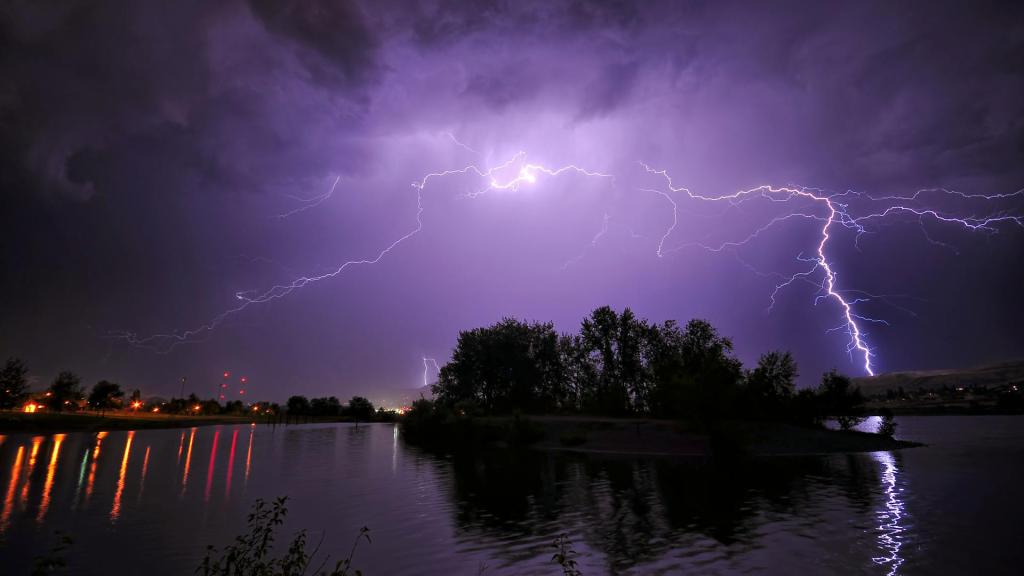
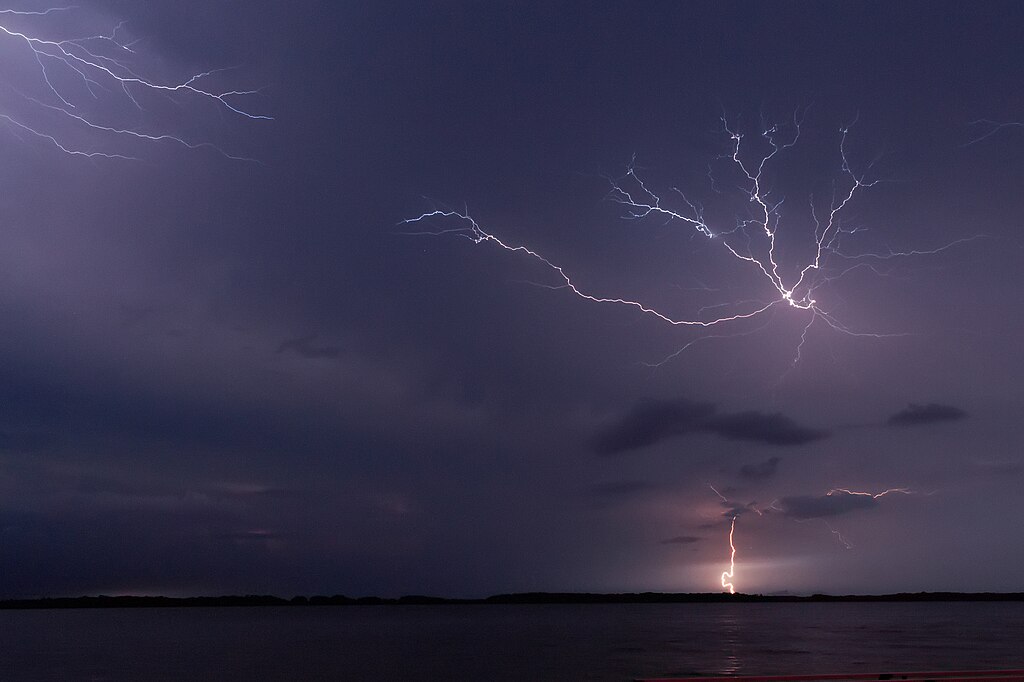
According to the CDC, the optimal rule for this type of inclement weather is: “When thunder roars, go indoors!” It’s no wonder why. Where thunder is, lightning is not far behind, which is dangerous or even fatal. To protect yourself from thunder and lightning at the lake, keep the 30-30 rule in mind. If you see lightning, count to 30. If you hear thunder before reaching 30, go indoors and do not go back outside until 30 minutes after the last sound of thunder. 

Also, keep in mind that lightning is essentially a giant electrical blast in the sky. As such, it can travel through metal and electronic devices, and it’s best to avoid these materials during a storm. This also includes avoiding water since lightning can travel through plumbing.

High Winds

Photo courtesy of Biswarup Ganguly, CC BY 3.0, via Wikimedia Commons

According to The Weather Channel, high winds are the biggest threat to boaters in lake areas. These winds create choppy waves that can easily overturn a boat or fill it with water. This can be especially detrimental if improper flotation devices are used. Be sure to check the weather ahead of time and avoid going out on the lake in high winds. If you do end up there, according to Boatus, “head into the waves at a slight angle, and reduce your speed. This will help you maintain control and avoid falling off of a wave or having a wave break over your stern.” Also, avoid large areas of open water as winds are likely to be stronger there. If you’re caught outside on the land, a good rule of thumb is to seek shelter next to a building.

Tornadoes

Photo courtesy of Espen Bierud on Unsplash

If your lake house is located in the southeast or midwest, chances are, you’re no stranger to tornadoes. These regions most commonly experience tornadoes, especially during the late spring and early summer. A common myth about tornadoes is that they cannot cross lakes or other bodies of water. However, this is simply false. Tornadoes can cross bodies of water, and they can also form on bodies of water — a phenomenon known as a “waterspout.” Tornadoes can also change directions at any time, so anticipating their specific route will not ensure safety. Seek shelter immediately during a tornado in an interior room on the lowest floor of your building.
Hurricanes

Image courtesy of Open Water Chicago via WBCKFM.com

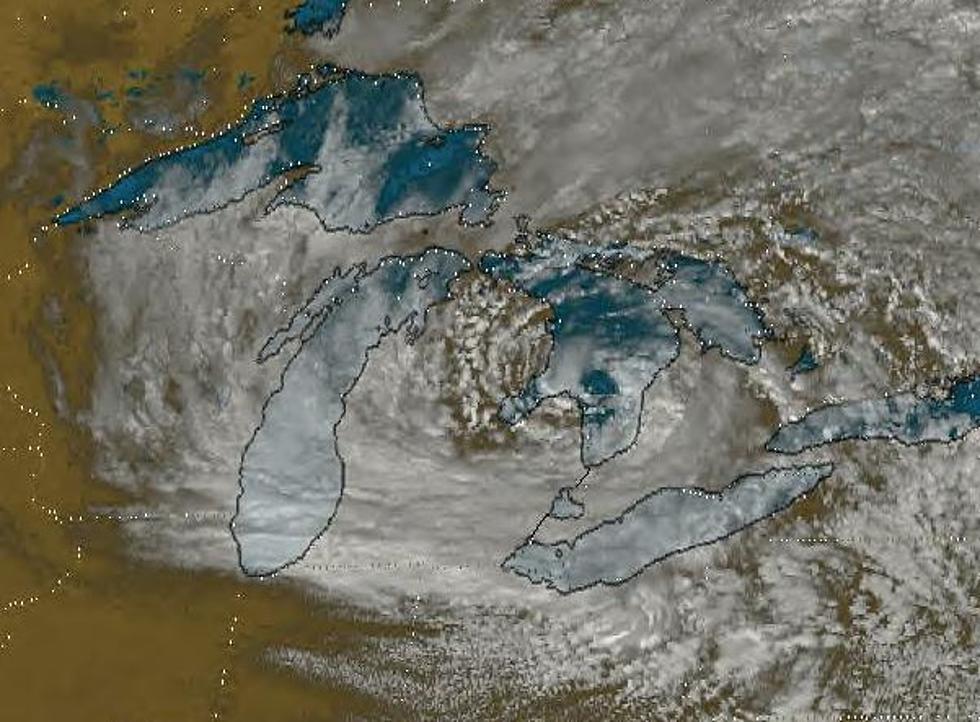
Typically, we think of hurricanes as a form of inclement weather that only affects beach houses. However, hurricanes can still be an issue if you live on a lake in a coastal region. For example, in 1996, a dangerous hurricane hit the Great Lakes region. Although this is the only time a Category I hurricane has impacted the Great Lakes, it’s not entirely out of the question. If you find yourself facing a hurricane, be sure to avoid low-lying, flood-prone areas and instead seek higher ground. And of course, staying away from windows is critical due to the threat of glass breaking.

Snow and Hail

Image courtesy of WNEP.com

Although many forms of inclement weather take place in the spring and summer, there are certain conditions to watch out for during the winter months. To protect you and your lake home from the damage of snow, you can prepare your house by securing your pipes for the winter and owning a snow shovel and other tools. However, one often overlooked form of inclement weather is a hailstorm. They form when raindrops are carried upwards by thunderstorm drafts. 

According to the NOAA, hailstorms outnumber thunderstorms in the U.S. with a 5 to 1 ratio. At a lake house, the best thing to do is take cover. Another important thing to remember is that if you have a garage, use it! Vehicle damage is very common with hailstorms, as these heavy balls of ice can easily break through glass. For the same reason, stay away from windows in your lake house. 
From us at Lake Homes Realty, stay safe out there!

An Introduction to Vertical Gardening

Photo courtesy of Home World Design

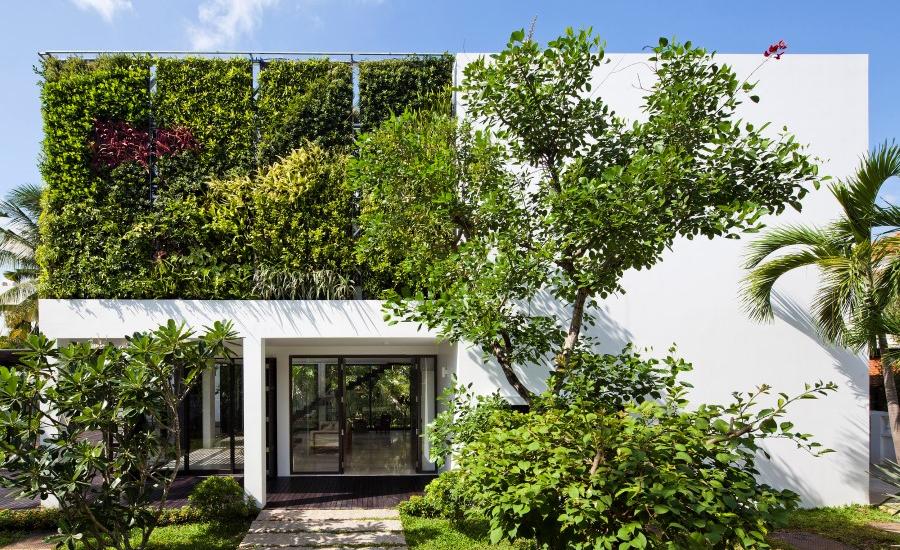
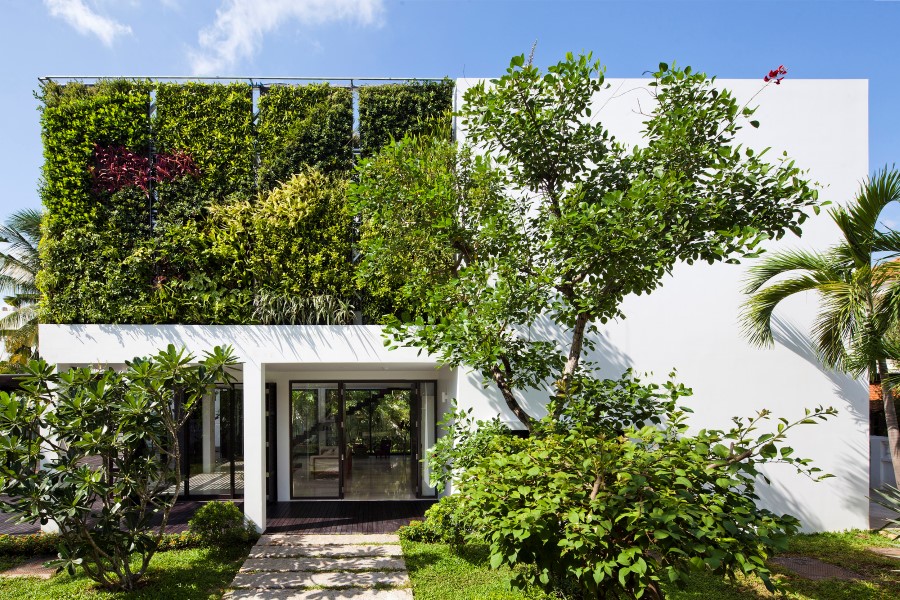
On the Lake Homes Realty blog, we’ve covered a lot of landscaping topics. By now, you’re probably well versed in cultivating gardens that adhere to your USDA zone, as well as new low-irrigation techniques like xeriscaping. But have you heard of the latest trend — vertical gardening? Especially perfect for those with smaller backyards, vertical gardening makes the most use of the space you have. Think of it as the landscaping equivalent of New York City’s architectural strategy — when there’s limited space, build upwards with skyscrapers! Today, we’re diving into the basics of the vertical gardening trend and how you can implement it at your lake house.

What is Vertical Gardening?

Photo courtesy of @lenaivanovaphoto via Twenty20

In the broadest sense, vertical gardening is essentially vegetation growing on a non-horizontal surface such as a wall, trellis, or fence. Although it’s certainly a hot new trend, vertical gardening has been around since the beginning of recorded history. The history of vertical gardening begins in 3000 BCE with grapevines in the Mediterranean area. Whether for growing food or decorating homes, these vines were known for climbing up walls and trellises. Today, nearly any non-horizontal surface is perfect for growing vegetables, adding beautiful greenery to your landscape, or indoor herb gardening.

Why is Vertical Gardening so Popular?

Photo courtesy of House Beautiful Magazine

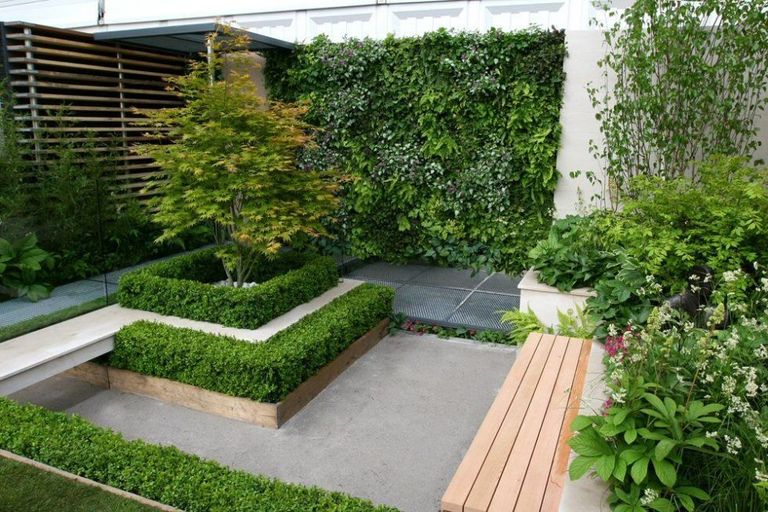
One of the most logistical benefits of vertical gardening is that it doesn’t take up too much space. If your backyard is small, or you’re living in a more urban lake area, you may need to conserve space on your property. The limits are your own property with horizontal gardening, but with vertical gardening, the sky’s the limit! From an environmental perspective, they also reduce your carbon footprint — a win-win for both you and the environment. Plus, your plants are more likely to thrive with added air circulation than on the moist ground. 

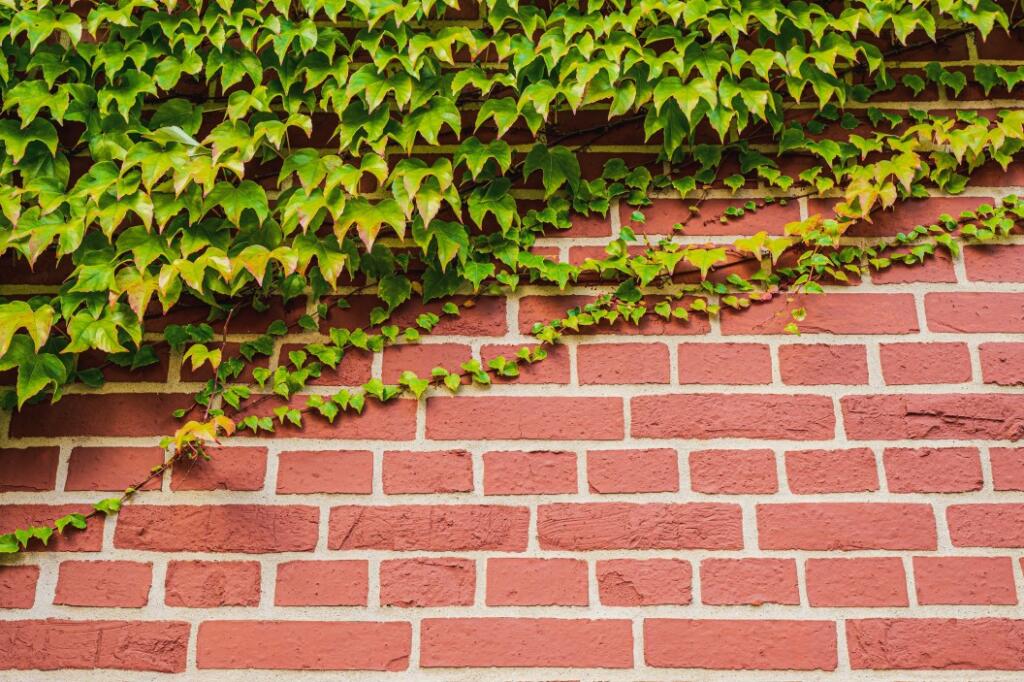
There are also aesthetic benefits to vertical gardening. A wall of blooming greenery adds dimension to your backyard. In the same way that wall art rounds out an interior design, vertical gardening draws the eye upward and offers a holistic look. Plus, there’s no better way to disguise an unattractive wall than with a whole lot of ivy.

What Makes It Perfect for Lake Houses?

Photo courtesy of Catriona Tudor Erler via Smith Mountain Laker Magazine

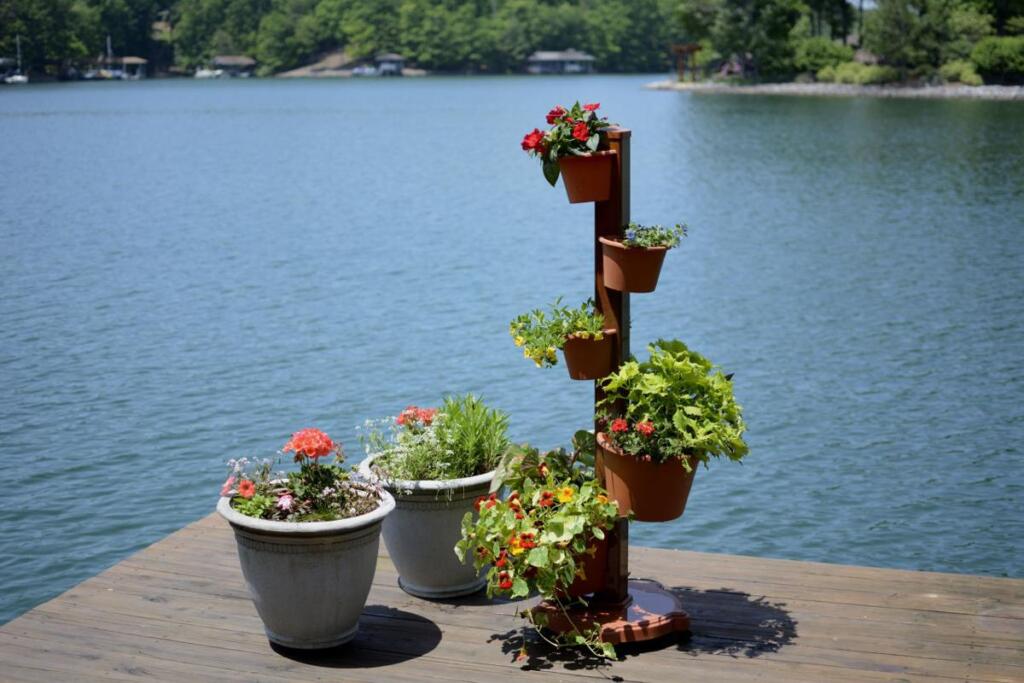
Have you ever wanted to incorporate greenery onto your boat dock but didn’t have enough room? Enter vertical gardening. For smaller spaces like boat docks, vertical gardening is the perfect solution. The same goes for your screened-in porch overlooking the lake. Further, vertical gardening is simply another way of showing off your biophilic design. This design trend embraces the natural world and also reflects the values of many lake homeowners who spend a lot of time appreciating nature.

How Can You Incorporate Vertical Gardening?

Photo courtesy of Pinterest

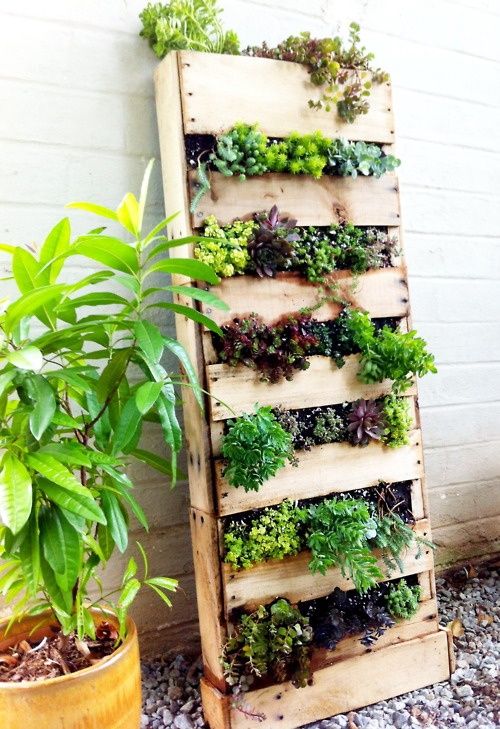
There are tons of different ways to incorporate vertical gardens into your lake home. If you’re looking to get creative, try a DIY project. For example, you can simply re-pot your house plants into wooden crates and stack them on top of each other to create a farm-chic vertical garden. Less mainstream but delightfully creative strategies include succulent frames and monogrammed planters. If you’re not so crafty, look for an existing vertical surface to use. Perhaps you’re not so crazy about one wall of your lake house. Or maybe the fence dividing your home from the neighbor’s could use a makeover. Think outside the box with these vertical surfaces. We bet there’s a way to incorporate vertical gardening.

Whether you’re a gardening newbie or you have a green thumb, we hope you find some fun ways to use vertical gardening at your lake house!