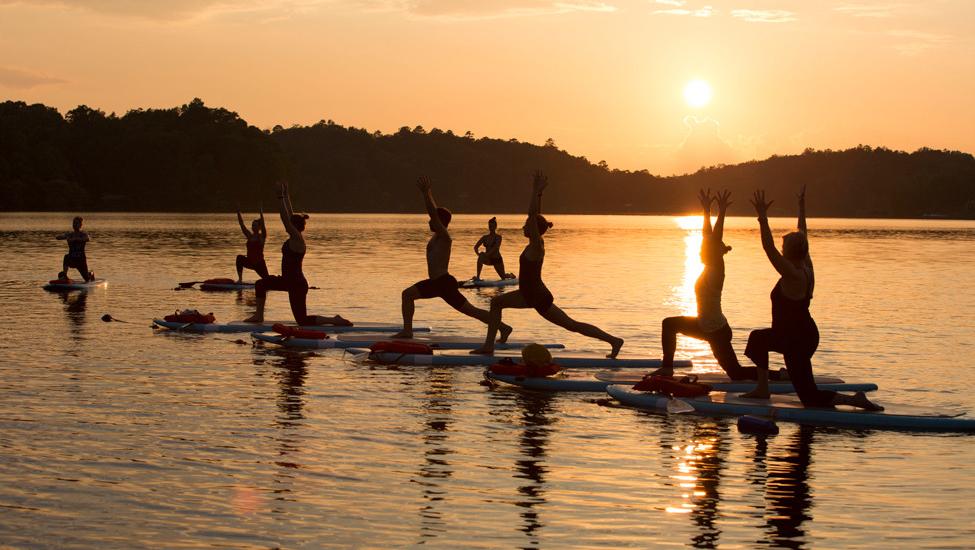
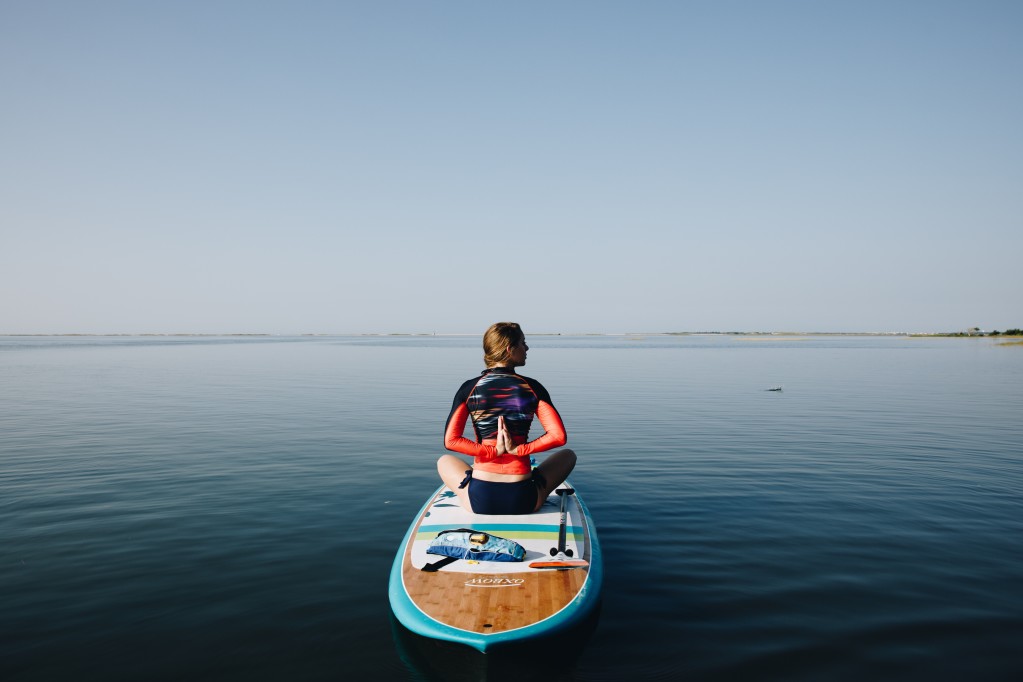
Are you someone who enjoys yoga on the boat dock? If you’re feeling like taking on a new lake hobby, consider SUP yoga. An acronym for Stand Up Paddleboard yoga, this activity refers to standing up on a paddleboard in a body of water. Typically, this sport is practiced in calmer bodies of water such as lakes or harbors. SUP yoga has become a trending activity in recent years, embraced both by yogis and paddleboarders alike. Today, we’re going to be answering some common questions about SUP yoga on the lake.
Essentially, SUP yoga involves doing the same types of yoga positions that you would in a traditional yoga class and applying them to a paddleboard surface on the water. In yoga, finding balance is a key component of the practice. And what better place to challenge your stability than standing on a paddleboard?
However, the physical component is only a surface-level part of this activity. The origins of SUP yoga come from yoga itself, a 5,000-year-old practice from Northern India, with roots in Hinduism and Buddhism. At its core, yoga is less about challenging your body and more about the mind-body connection. Therefore, when doing SUP yoga, it’s helpful to consider what a pose may be teaching you or even settle into the experience of quietly breathing.
As you might expect, SUP yoga is considerably more challenging than yoga on land. You’re always grounded on a solid surface on land, whereas with SUP, you have to adjust your movements to the wind and water currents. Plus, your surface (a paddleboard) is more restricted than it would be on land. These extra challenges require a more intense sense of balance.
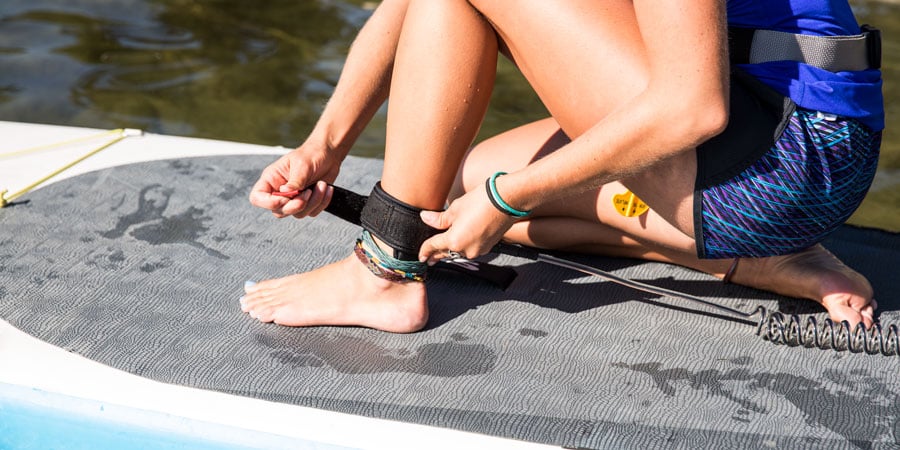
First and foremost, you’ll need a paddleboard. While there are a few different options you can choose from, a stable inflatable platform is generally recommended. This is because the thickness of the board affects its stability. You’ll also need a leash and personal flotation device (PFD) for your safety. When doing SUP yoga, it’s also important to wear proper attire. Clothes that are both stretchy and water-resistant are ideal. Bathing suits with a rashguard will usually do the trick!
One of the most apparent benefits of SUP yoga is the joy of being outdoors. Doing yoga on the water is a unique experience that will allow you to connect with nature. In addition, the mental health benefits of being outdoors, especially near a body of water, are well-documented. With SUP yoga, you’ll get these stress-relieving benefits. Additionally, from a physical standpoint, SUP yoga practice will help you build muscles that on-land yoga won’t. It’s a full-body workout that increases your flexibility and strengthens your muscles.
Probably the best way to get started with SUP yoga is by taking a class. If you Google search for “SUP yoga classes {insert name of your town or city}” you’re bound to come up with results. If you choose to start out on your own, the following poses are suitable for beginners: downward-facing dog, chair pose, warrior 2, boat pose, and savasana. You can also check out several YouTube videos detailing how to do these poses on your paddleboard.
If you’re looking to jump on board the trend of SUP yoga (no pun intended), we hope this information helps! And most of all, we hope you enjoy your time on the lake this summer.
When it comes to toys at the lake, there are plenty of options on the market that can add to your summer fun. Inflatables, water guns, and even toys for pets. But what if you’re on a budget or don’t have time to go out and buy an inflatable? Just a few supplies and your creative mind are enough to make fun lake toys for the summer. For many of these projects, all you need is floating material and some rope. Check out some ideas to make your DIY lake toys!
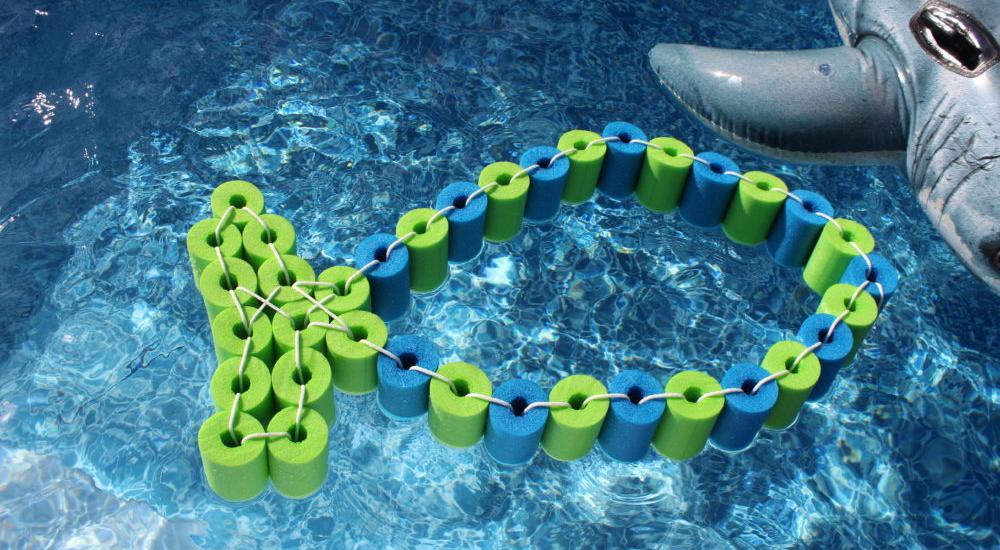
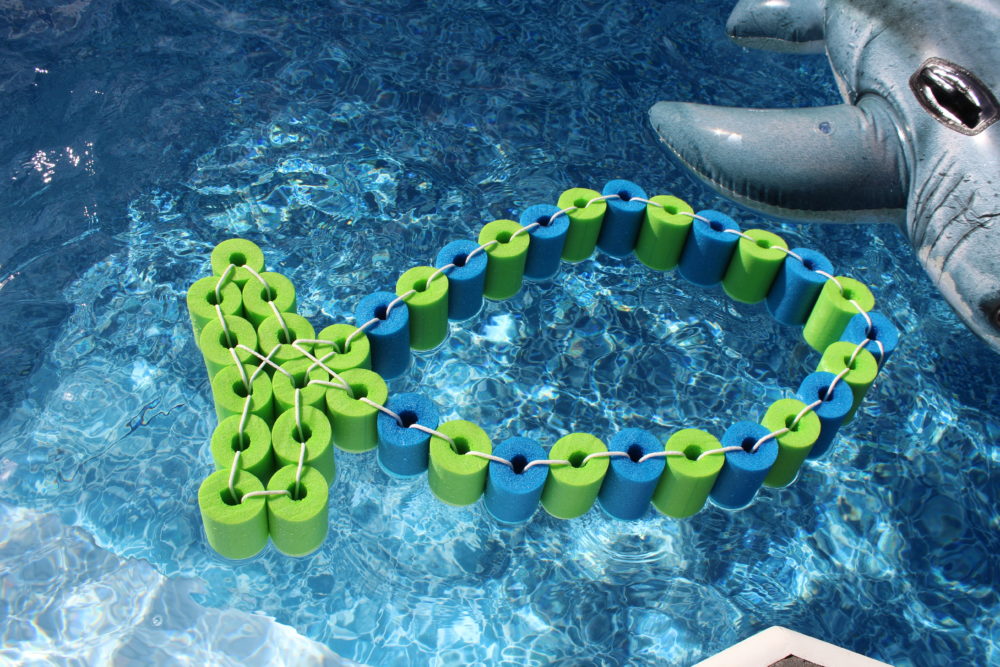
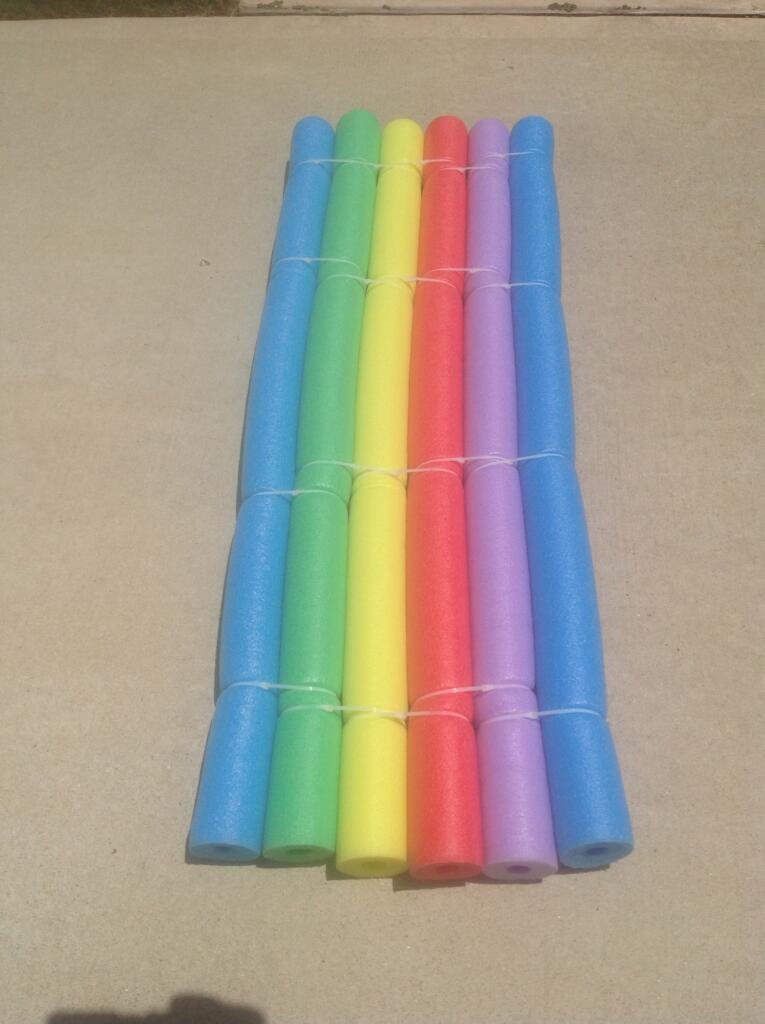
Why get just one pool float when you can make an entire raft? With this swim noodle raft, all you need are zip ties, several pool noodles, and a pair of scissors. Once you’ve tied them together, you’ll have your full-sized inflatable. Although it may not be as buoyant as one filled with air, it’s still perfect for lounging on the lake. Just make sure all the sharp ends of the ties are cut off before diving in.
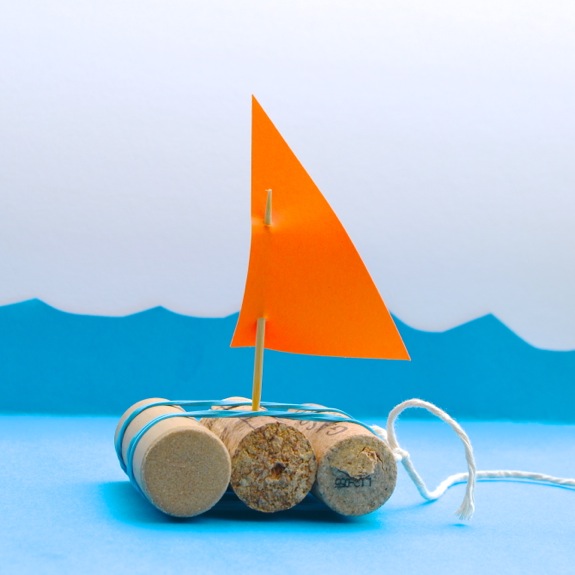
Calm waters on the lake today? Try building one of these small toy boats. This is a perfect crafting activity with just a few supplies needed. A few corks from wine bottles, a toothpick, some construction paper, and rubber bands are all you need. In addition to setting these little boats out to sea, the creative activity part of building these DIY lake toys will be fun for both parents and kids.
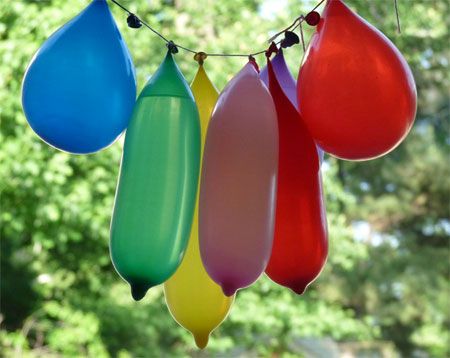
There’s nothing like creating your waterpark in the backyard of your lake home. For this DIY lake toy, the only necessary components are balloons and water. From there, just hang them with rope or string on a nearby tree and treat these water balloons like a pinata. See who is the most soaked by the end!
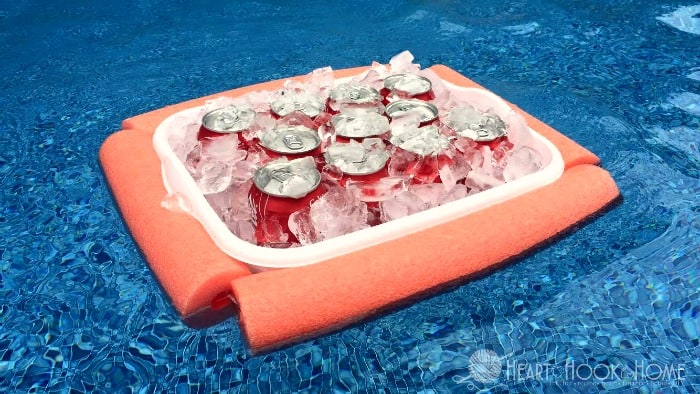
Who says you have to get out of the water to enjoy a beverage? While there are undoubtedly great floating coolers on the market, this DIY option is super simple and can work in a lake or pool. Just take your usual ice bucket, fill it with your drink of choice, and wrap it in severed pool floats with a rope to connect the contraption. Just don’t let these drinks float away when some big waves roll by.
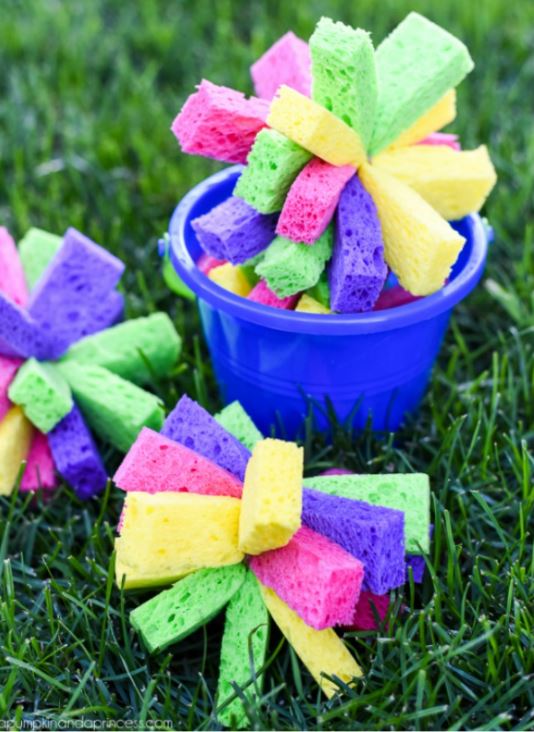
Whether for an outdoor shower, a makeshift car wash, or simply for tossing around in the backyard, these sponge bombs are perfect. They’re super simple to make, too! Essentially, your task is cutting up sponges, tying them together, and dipping them in water. From there, you have a durable, colorful lake toy on your hands that’s fun for a variety of activities.
When it comes to summertime at the lake, a big budget isn’t necessary. You can easily make your toys to enjoy on a hot summer’s day. Plus, these crafts can be great opportunities to bond with family and friends. Whatever DIY toys you make this season, we hope you enjoy your time at the lake!
Summer is just around the corner and if you’re a lake homeowner, that means you’re probably gearing up to enjoy the outdoors. Whether you’re boating, swimming, or soaking up the sun, you’ll most likely encounter a host of creepy-crawly creatures and other flying insects that weren’t invited to the party. We all know the usual suspects—from mosquitos to mayflies—so we talked to pest control expert Wesley Wheeler, founder, and owner of Bug Lord, who helped us compile a list of some of the most common lake pests and ways to control them.
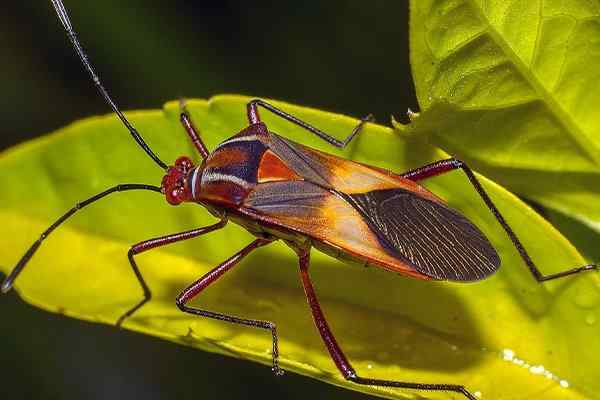
Mosquitoes go hand-in-hand with lake life because they breed in shallow pools of water, which are quite common around most lakes. They’re also attracted to standing water, yard debris, and clogged gutters and drains. While mosquitoes are a menace in every U.S. state, Minnesota has such an impressive population that they’ve been not so endearingly named the unofficial state bird. Having a very flat topography as well, the land of 10,000 lakes delivers ideal conditions for spawning hordes of mosquitoes that are difficult to treat.
“Mosquitoes can travel miles from their breeding grounds, so it’s not always possible to treat your own property and take out the population,” says Wheeler. “Instead, using mosquito repellents with an active ingredient of DEET (chemical name, N, N-diethyl-meta-toluamide) or oil of lemon eucalyptus are proven to be effective,” he adds. There are many natural options for controlling mosquitos with ingredients such as rosemary oil, peppermint oil, cedar oil, and even garlic that are more eco-friendly and much safer to use than chemical pesticides. Severe mosquito problems might require more potent chemical intervention. Check out this list of natural and chemical yard sprays for the best options as well as other pesticide-free strategies for mosquito control.
Lake homes are all about enjoying the great outdoors, but when your lush green lawn turns into a barren wasteland, you have a real eyesore on your hands. If you live on the Gulf Coast, Florida, Georgia, or South Carolina, there’s a good chance you have St. Augustine grass, which is susceptible to chinch bug infestations.
Chinch bugs will suck the moisture out of your grass and replace it with poison that kills it. These bugs are very tiny and hard to see unless you’re down on your hands and knees inspecting the grass. A chinch bug infestation typically starts as a patch of dead grass that doesn’t respond to watering. The patch will slowly expand until you realize what’s happening.
“Once you recognize what the problem is, I recommend treating it by spreading some pesticide granules on your lawn (DeltaGard G or Talstar granules work great) and watering the lawn once applied,” explains Wheeler. “You should see results quickly, and this will kill other insects like ants and spiders too,” he notes.
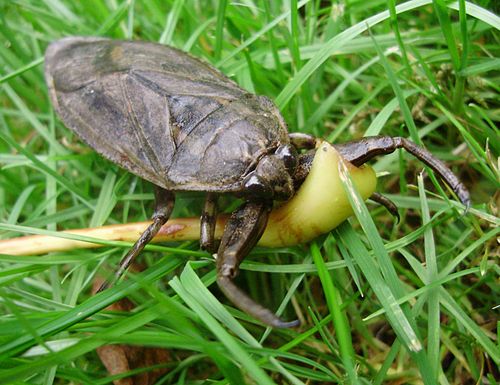
The giant water bug is a very suitable name for a creature that can grow more than four inches long! These bugs look like giant cockroaches, but they have front pincers, and unlike cockroaches, they have a stinging bite. Some people call giant water bugs “toe biters” for good reason.
Giant water bugs live in most regions of the U.S. along the fringes of lakes. Luckily for us, they typically don’t bother humans, so you can usually avoid them easily enough. “You may, however, find them swarming your porch lights at night—that’s right, they fly,” says Wheeler. “If this becomes an issue, you can use a classic bug zapper outside, which will make short work getting rid of them.” Be sure to turn off your porch lights, so there’s no competing light source.
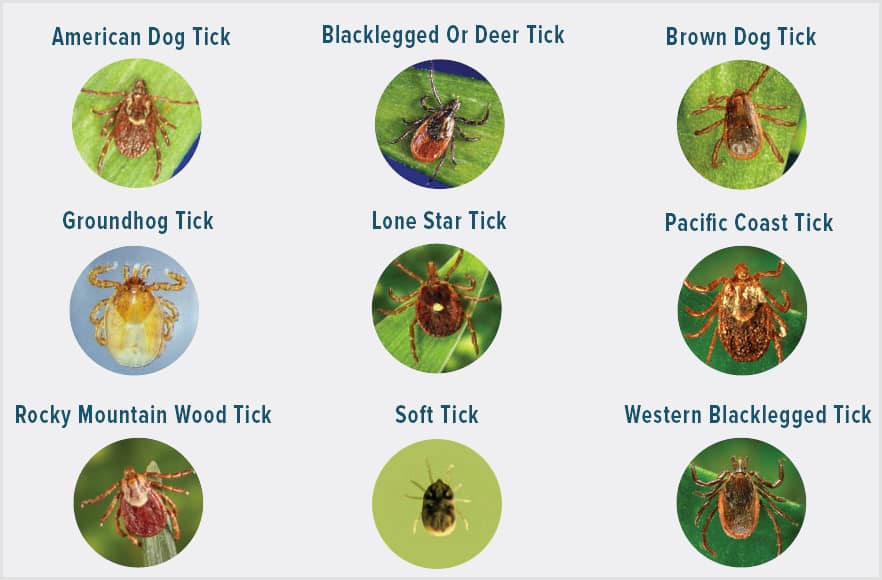
Ticks are a vast and growing problem in the Northeastern United States because they can spread some nasty diseases to humans—Lyme Disease being the most prominent one. If you have a wooded lake house in the New England region, you probably have ticks around your home.
There are some easy ways to make your yard less welcoming to ticks. Start by cleaning up yard debris (leaves, downed branches, deadwood, tall grass, and weeds). “A barrier of wood chips or stones between your yard and the woods can stop them from crossing over,” notes Wheeler. “You should also do what you can to keep deer and small mammals off your property, as ticks use these animals as hosts to feed on,” he adds. Remember to fence off any gardens or flower beds that may attract deer. Check out this list for other surefire ways to rid your lake home property of ticks.
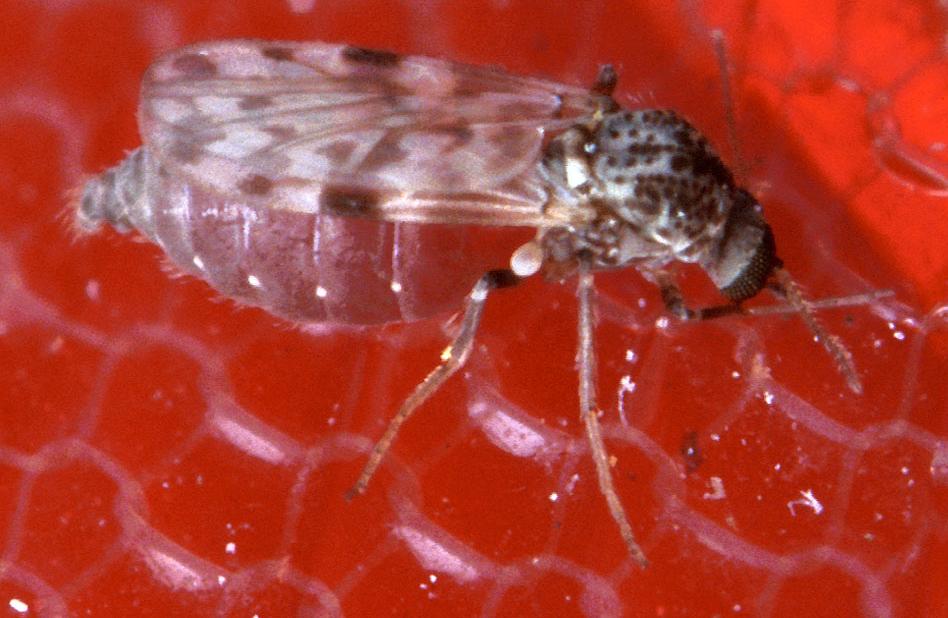
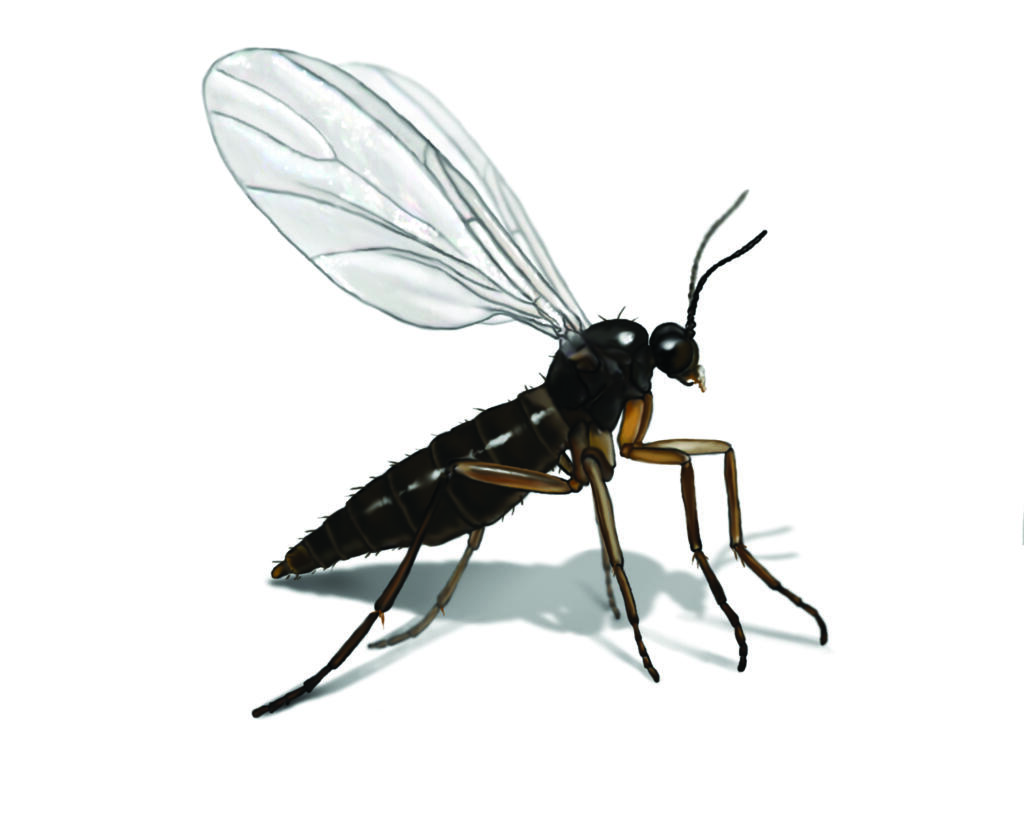
Midges are flying insects that many people mistake for mosquitoes, but most varieties don’t bite humans. “Seattle sees swarms of midges emerge around the lakes in numbers that seem almost biblical,” says Wheeler. “They can fly half a mile from their breeding ground (and much farther in a strong wind) so proactively preventing these insects isn’t an option,” he adds. “Your best course of action is to avoid turning on outdoor lights until an hour after sunset.”
Midges are attracted to light and are most active as the sun is going down, so if you can avoid luring them towards your home, you’ll see a lot less of them. You can also place a “decoy” light further from your home to draw the bugs to this area instead of your living space.
These pests are very similar to midges. Depending on the type of gnat, they can be tough to prevent. Fungus gnats may lay their eggs in damp, overwatered areas or decaying wood and mulch. Getting rid of those environments will help. Other gnats lay their eggs in lake water, which isn’t safe to treat with pesticides.
“Some lakes, such as California’s Clear Lake, introduced certain fish species that compete with gnats for zooplankton—its preferred food source,” says Wheeler. “An outdoor bug zapper or decoy light will also help control gnats.”
So, if you’re heading out to enjoy your lakeside setting, fear not! Encountering these pests and other familiar lake-loving creatures such as ants and flies is a natural part of lake living and doesn’t have to spoil your time outdoors. Arming yourself with knowledge (and insect repellent) and consulting a professional for any severe pest issues is always your best bet.
Summer is always a reason to celebrate, especially when you’re lucky enough to be at the lake. It’s that blissful time—the sweetest of all seasons—when the world slows down, and we allow ourselves to kick back, relax, and enjoy. So, let’s break out the wine and get this party started!
If you don’t know the difference between a buttery chardonnay and a full-bodied, fruity rosé, we’re here to help. We’ve put together an easy-to-navigate list of our favorite summer wines and the perfect foods to pair them with. Feel free to use our cheat sheet anytime you want to dazzle your guests and show off your wine acumen. Bon appétit!
Once considered second-rate by the wine world, rosé has made a fantastic comeback over the past few years. A popular choice, especially in summer, rosé boasts the best of both worlds when it comes to wine—embodying some of the best aspects of both red and white all in one bottle. So how is it different from other wines?
It’s all in the winemaking technique. Rosé is made from dark-colored red wine grapes that are macerated with their skins on, which creates its beautiful blush color. The skins are then removed after several hours, followed by the usual fermentation process. Because the skins are removed early on, rosé develops some of the same color and flavor characteristics as red wine, yet without the bitter tannins.
Like red wine, rosés are made from a variety of different grapes and come in a vast selection of styles. This versatile wine takes on a multitude of different flavor personalities as well—from light and dry, to elegant and fruity, to bubbly champagnes and other sparkling options. To demystify all the food-pairing choices, simply look at the color.
As the award-winning food and drink author Jeanette Hurt explains in her post for Wisconsin Cheese, “Light, delicate rosés are generally a subtle pink, while full-bodied rosés have deeper hues of salmon or pink.” So how do we know what to serve with this mind-boggling array of pretty pink wines? Remember this rule: Richer colors complement more intense flavors. Here’s your go-to list of perfect pairings.
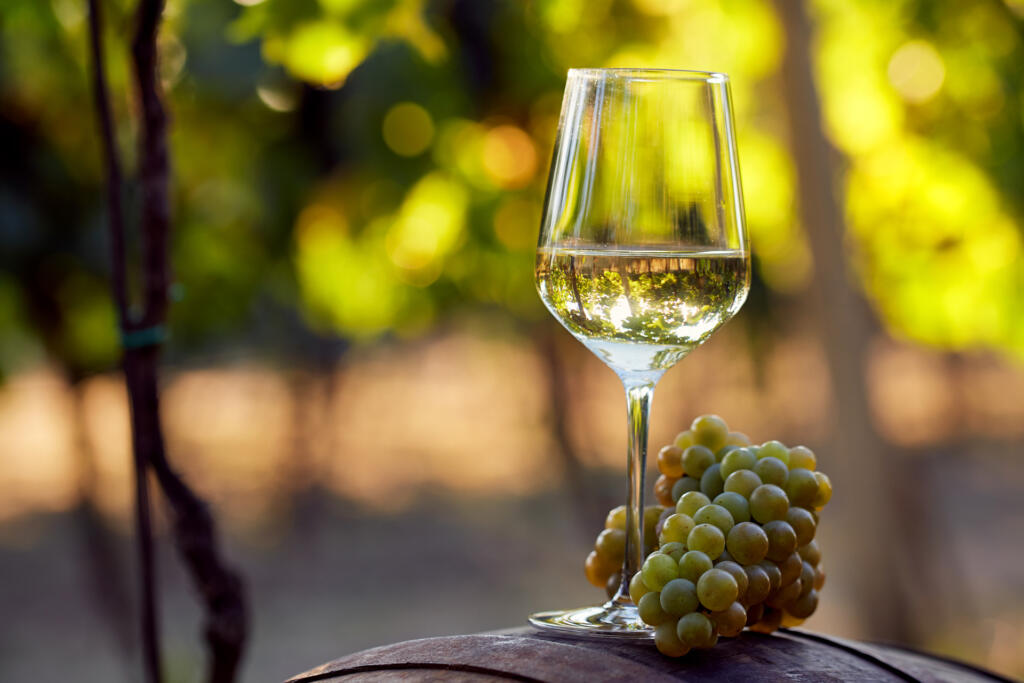
When it comes to white wines, Chardonnay reigns supreme because it pairs beautifully with lots of different foods. Called Chablis in France, Chardonnay comes in a variety of styles depending on where it’s made, its maturity level when you drink it, and whether or not it’s oaked. Served chilled, Chardonnay’s refreshing nature is a summer favorite. Rule of thumb: Pair crisp, unoaked Chardonnays with simple flavors that don’t overpower, and pair oaked Chardonnays with toasty, more robust foods.
Tried-and-True Chardonnay Companions
Sashimi, grilled halibut or cod, shrimp, lobster, crab, scallops, pan-seared salmon, seared tuna, seasoned poultry or pork, grilled or roasted foods that are caramelized, risotto, pasta, and any mild, buttery, or creamy dish
Caesar salad, salad Niçoise, sweet corn, sweet bell peppers, avocados, butternut squash, sweet potatoes
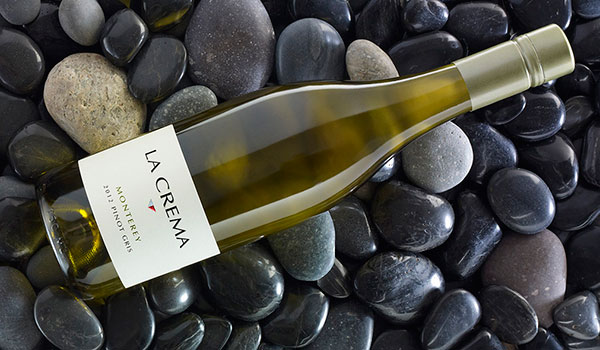
Known in Italy as Pinot Grigio, this delightful white wine with notes of citrus and tropical fruit comes in a broad range of styles, from crisp and light, to rich and full-bodied. Hence, its versatility offers a wide range of pairing options. You really can’t go wrong with this one—it gets along with most any food. Same rule of thumb: the richer the wine, the more it stands up to robust flavors.
Pinot Gris Pleasers
Sushi, oysters, calamari, grilled scallops, and Chilean sea bass, pan-seared tilapia, grouper, and snapper, grilled or oven-roasted lemon chicken, veal, pork, lamb, barbecue, creamy pasta dishes
Artichokes, asparagus, spring peas, roasted vegetables, salads with creamy vinaigrette
The highly versatile ruby-red Pinot Noir is one of the few varietals that pairs with both fish and meat. It’s best known for its delightful bright acidity as well as its fruity notes of cranberry, strawberry, raspberry, and black cherry. Oaked styles can reveal rich notes of vanilla, clove, black tea, and tobacco. This all-around pleasant wine is best served slightly chilled at about 55°F—ideal for summer.
Pinot Noir Perfection
Poached, grilled, or oven-baked salmon, seared tuna, grilled lobster, herb-roasted pork, ham, lamb, chargrilled steak, roast duck, turkey
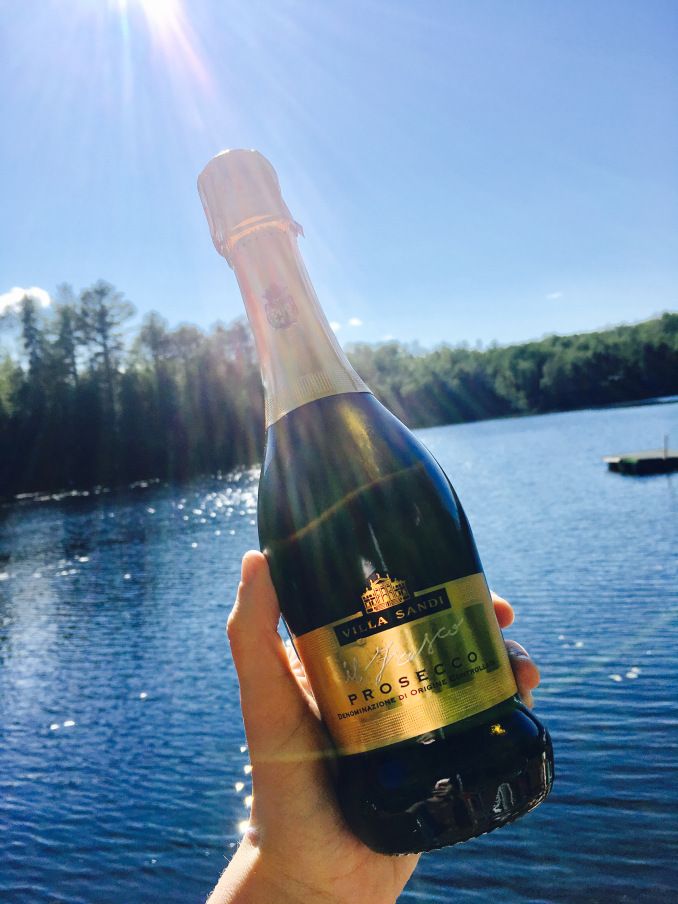
This crisp and fruity bubbly from the Veneto region of Italy is undoubtedly a summertime staple. Just a bit sweeter than other sparkling wines, Prosecco is best served with party-style fair—think finger foods and canapés.
Pop the Cork!
Sushi, seafood, smoked salmon, prosciutto and other cured meats, chicken, turkey, Asian dishes (Thai noodles), quiche, frittatas
White asparagus, roasted tomatoes, artichokes, avocados, stuffed mushrooms, fruit salads
Mango, passion fruit, raspberries, pomegranate, sorbets, fruit tarts
On the Lake Homes Realty Blog, we often cover how to handle inclement weather at your lake house. Whether it’s snow, heat, or extreme weather in general, we understand how nature’s elements can impact lake property more than traditional real estate. But what about the slow, seemingly irreversible changes in overall global weather patterns? Yes, we’re talking about climate change.
These gradual changes in our earth’s environment may be harder to recognize, but they still impact your lake property. To understand more, we talked with Katie Severance, realtor and author of an upcoming book: “The Brilliant Home Buyer: Buying a Home in the New Economy.” Armed with her extensive real estate work and personal experience on Lake George, she shared her expertise on how climate change is affecting your lake house.
It’s been more than 50 years since the Stanford Research Institute first spoke about climate change. In 2021, climate change continues to be a heavily discussed topic among environmentalists, businesses, politicians, and families at dinner tables. There’s a lot to understand about climate change, but in short, climate change is a detrimental phenomenon that refers to the significant changes in average weather conditions across the globe.
A significant part of climate change is global warming, the increase in average global temperature due to excess carbon dioxide (CO2) in the atmosphere. These increased CO2 levels trap heat within the atmosphere, making the earth hotter. This process is also known as the “greenhouse effect.” Here in the U.S., the burning of fossil fuels for electricity and gas emissions for transportation are two huge contributors to the greenhouse effect.
What Does Climate Change Mean for Lakes?
Climate change operates like a domino effect. When global temperatures rise, it affects every component of the natural world. With bodies of water specifically, rising temperatures cause Antarctic ice caps to melt and ocean levels to rise. Besides water level, hotter air means more powerful hurricanes, more frequent droughts, and heavier rainfall. In freshwater systems specifically, this can mean increased flooding and sediment erosion, both of which can affect your shoreline. It also impacts lake stratification, which in turn, is detrimental to the homeostasis of aquatic life.
Although the exact impact of climate change on your lake house will vary based on your region, the two biggest things to keep in mind for your lake property are wind and water. For water specifically, consider both water quality and water table. “You want to know how the water table and water quality have been impacted in the last five years,” Katie says. “One of the ways to learn this information is to get the lake association’s minutes from their meetings if they meet monthly.” She also adds that talking to a local insurance broker could be helpful since they know your specific insurance needs.
As climate change continues to worsen, your lake home’s likelihood of avoiding floods becomes more precarious. Katie adds, “Now more than ever, when you go to buy a property, you need to get flood insurance.” By law, realtors need to disclose to buyers whether their home is in a flood zone. But just because your home isn’t in a flood zone doesn’t mean you should neglect insurance.
Looking at FEMA maps, asking for an elevation certificate, and ensuring that your house is on the highest soil point can all help protect your home from flooding. “Water is lazy,” Katie says. “It goes to the place that’s easiest to run to.” As such, make sure your gutters slope away from your house. The basement is also important to consider. Katie recommends installing both a French drain and a sump pump to ensure that your basement won’t flood.
As lake homeowners, we’re proclaimed lovers of nature. That said, it’s on us to do our part in protecting the planet from the continued effects of climate change. In addition to protecting your property, check out these resources to make more green decisions in your own life.
Whether you’re a beginner or a seasoned ‘green thumb,’ anyone who attempts to garden—from hostas to hydrangeas—needs to have some basic knowledge to get things growing. And as a lake homeowner, it’s essential to know a few lake-specific garden terms to ensure you get the most from your scenic waterside landscape.
We spoke with Peter Wodarz, the owner of Gardenbau Group and a landscape architect/project manager for Michael Schmechtig’s firm Sheldon Landscape in Lake Geneva, Wisconsin. This full-service landscape management company and its award-winning staff have served residents throughout the beautiful lake region for more than 42 years. Here, Peter shares—and demystifies—some of his top gardening terms and tells us why these are important to lake homeowners.
An annual is a plant that lives for just one growing season. You must replant annuals every year, as they will sprout, flower, seed—and then die in the winter. “Annuals provide seasonal displays of abundant color and texture,” says Peter. “Their colorful masses—mixed in with perennial borders and shrub beds— brighten the landscape throughout the season, and annual displays in containers bring a splash of color to front entrances, porches, balconies, and piers,” he adds.
The advantage for many lake homeowners is that annual plants quickly display their color and hold it all summer long—the most common time for lake dwellers to enjoy their outdoor setting. New varieties of New Guinea impatiens and begonias are perfect for shadier areas of the garden. Marigolds and petunias are common choices for sunnier spots, and in the southern regions, they can provide three full seasons of color. Pansies, vincas, and zinnias are trusted standbys for long seasonal colors in warmer climates.
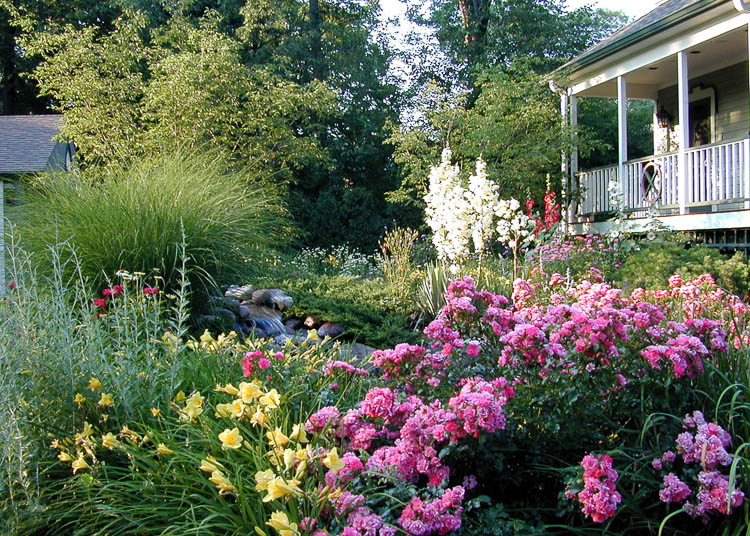
Perennials are plants that return year after year with little required care. These “forever” plants are often used to highlight the seasons as different varieties typically provide color for four to six weeks when in bloom. Woven together, they can form a tapestry of color.
“Perennials such as coneflowers, bee balm, catmint, and astilbe found in Midwest lake home regions provide easy care with long seasonal color displays,” says Peter. “They are perfect for those weekend staycation days meant for relaxing at the water’s edge and not toiling in the garden.”
Other easy-to-grow perennials include Shasta daisies, black-eyed Susan, yarrow, hardy hibiscus, aster, Siberian iris, daylilies, hostas, and moss phlox. When designing your lake home garden, be sure to plant a mix of varieties that will flower at different times of the year to ensure a continuous burst of blooms. If you’re unsure of what to plant, ask a gardening professional to recommend perennials—and annuals—that will thrive in your garden zone.
“Native plants thrive in their natural environment—the region’s climate and soil conditions—and therefore require little care and watering,” says Peter. The U.S. Forest Service defines native plants as: “All indigenous terrestrial and aquatic species that evolved and occur naturally in a particular region, ecosystem, and habitat.” Life forms include hardwood trees, conifer trees, shrubs, grasses, wildflowers, and others. Generally, native North American species are recognized as those appearing on the continent prior to European settlement.
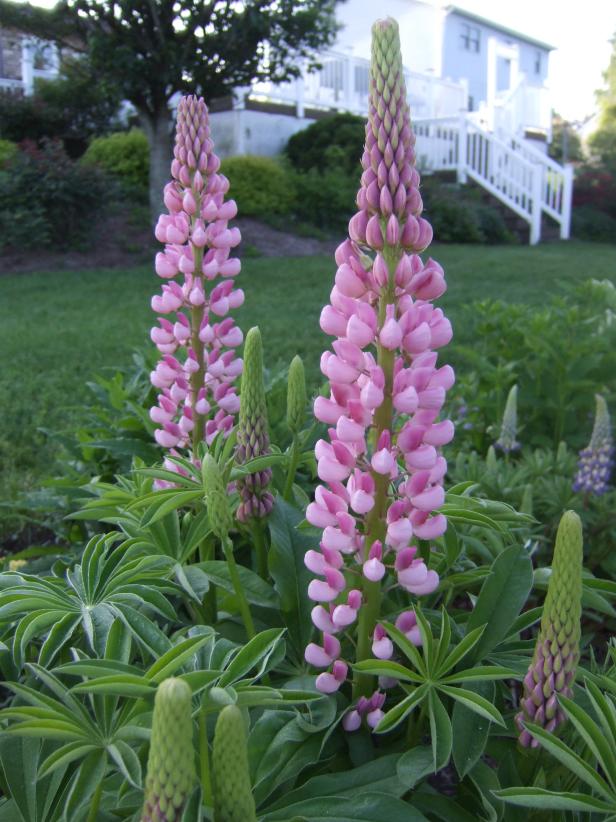
“Native plants in the Midwestern region such as blazing star, false indigo, and blue star can attract birds and butterflies common to the area, adding movement and activity to the lake home lifestyle,” Peter adds.
These plants also create beautiful landscapes, promote biodiversity, and offer many environmental benefits, making them essential for lake home gardens. Large swaths of native plantings also provide habitat for wildlife such as foxes, rabbits, and other small mammals. For a list of native plants in your region, visit PlantNative.
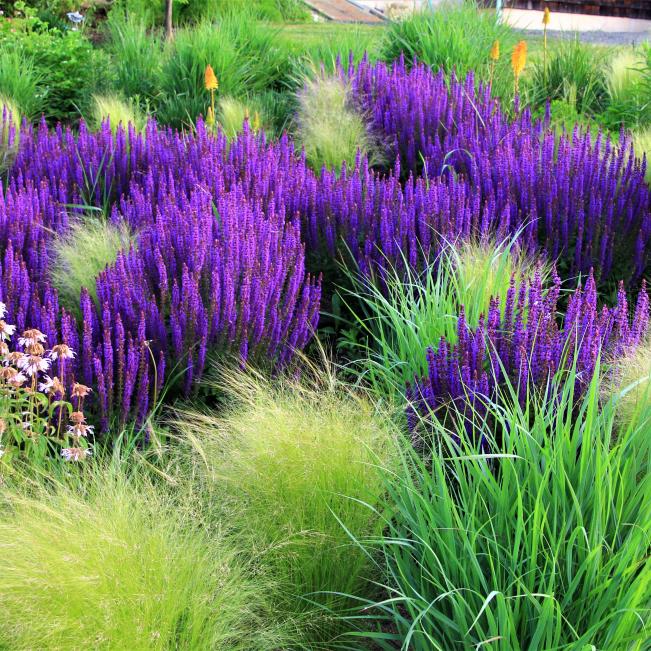
Ornamental grasses bring a dynamic element to your lakeside environment. They sway gracefully with the breeze, color the landscape, and provide beautiful visual interest even in winter. There are many types and sizes of ornamental grasses that can punctuate your exterior spaces with tall plumes or large, vibrant masses low to the ground.
“One type of tall grass ideal for screening out unpleasant views is maiden grass,” says Peter. “Varieties such as ‘Purpurascens’ (flame grass) begin to flower in late summer and retain their showy plumes through winter. It begins to turn red in late summer, changing to a striking orange-red in fall,” he explains. Prairie dropseed is another outstanding ornamental grass that reaches a height of nearly two feet. Airy seed heads appear in late summer and dramatically capture the morning sunlight as it peeks over the water. It can be used in large masses or interspersed with perennials to provide contrasting foliage. To find the best options for sun and shade, visit HGTV.
Raised Beds
Photo courtesy of Hortus, Ltd./P. Allen Smith via HGTV
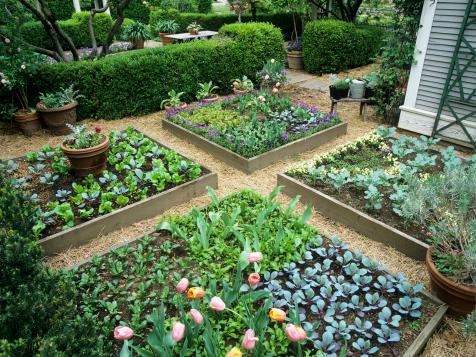
Raised beds are typically used to grow annual flowers and vegetable gardening. They help prevent overwatering and allow the plants to perform their best. Combined with a permaculture technique of using logs and wood chips at the bottom of the raised bed, proper soil moisture is much easier to maintain. As the logs decompose, they act as a sponge soaking up excess moisture and releasing it when the plants need it. This makes the task of daily watering unnecessary and provides peace of mind when you’re out of town or occupied with friends and family.
“Raised beds typically warm up quicker, giving lake homeowners a jump on the season,” explains Peter. “They also deter slugs and snails, making pest management easier as well,” he adds. By merely adding fresh compost and not tilling the soil every year, weeds are suppressed, freeing up time to enjoy life while still reaping a harvest of fresh vegetables and flowers. For more information, visit HGTV.
One of the most compelling elements of any lake home is the view. When properly placed, an outdoor terrace provides a setting for daily activities while capturing that all-important vista.
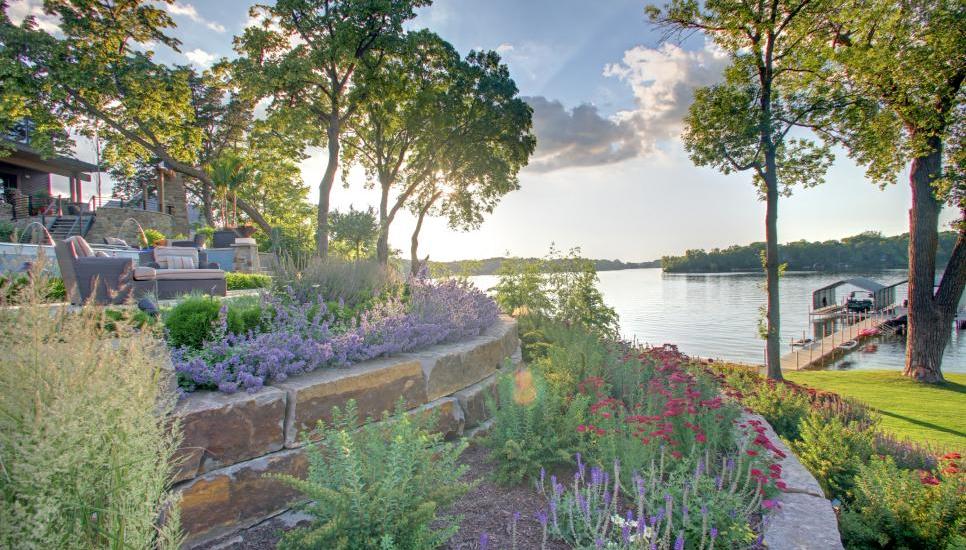
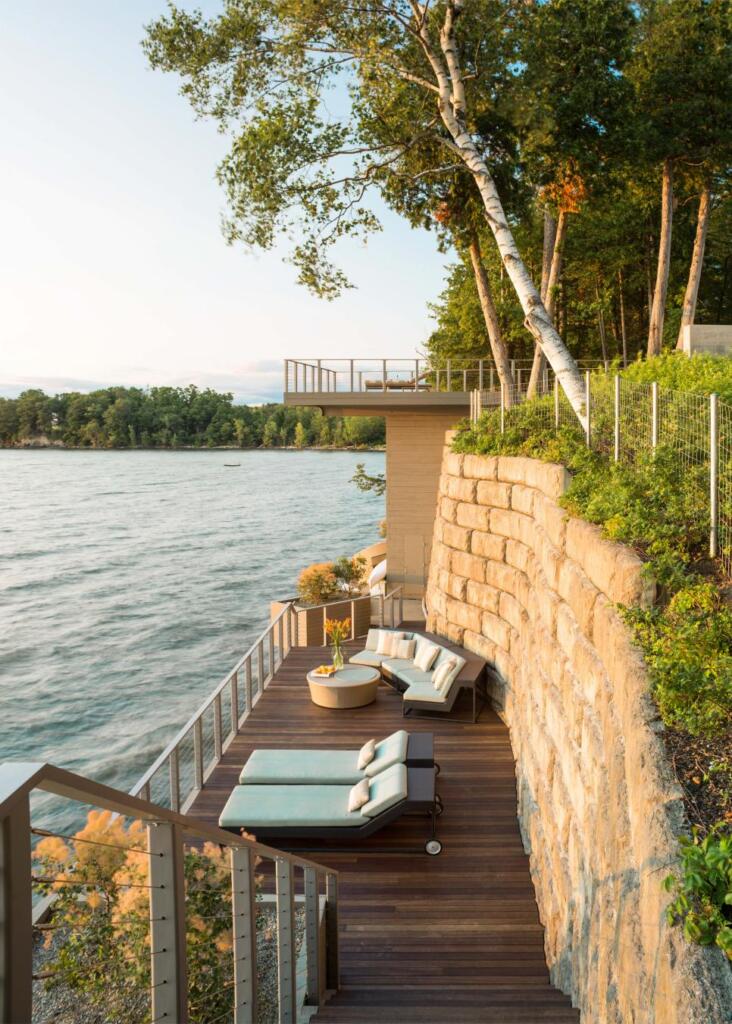
Lake homes are typically situated on a sloped lot, with the terrain angled towards the water. This can be used to the homeowner’s advantage to create a beautiful backyard terrace. Nestling the terrace into the hill can be done using a retaining wall of natural stone or other material, which will hold back the slope while also creating the opportunity to incorporate a seating area directed toward the water.
“Constructing the walls of locally sourced materials such as granite boulders or outcrop stone can help tie the area to its natural surroundings, making it feel at home in the landscape,” Peter explains. “You can reiterate this look in the materials chosen for your terrace surface as well. Large irregular flagstone pieces lend a casual lake house vibe, while patterned stone such as bluestone creates a more formal aesthetic,” he notes.
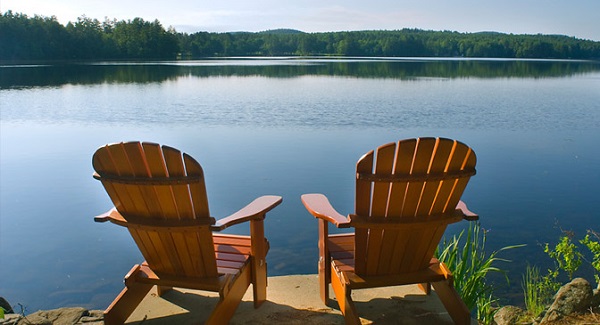
Nothing says relax more than a pair of Adirondack or lounge chairs looking out over the water. Having some moveable seating allows you to capture that perfect sun and water angle throughout the day, and incorporating a fire pit into your terrace extends the entertainment possibilities into the night. Bringing the elements of fire and water together make for a great gathering spot for friends and family. For more techniques on terracing, talk to a landscape professional.
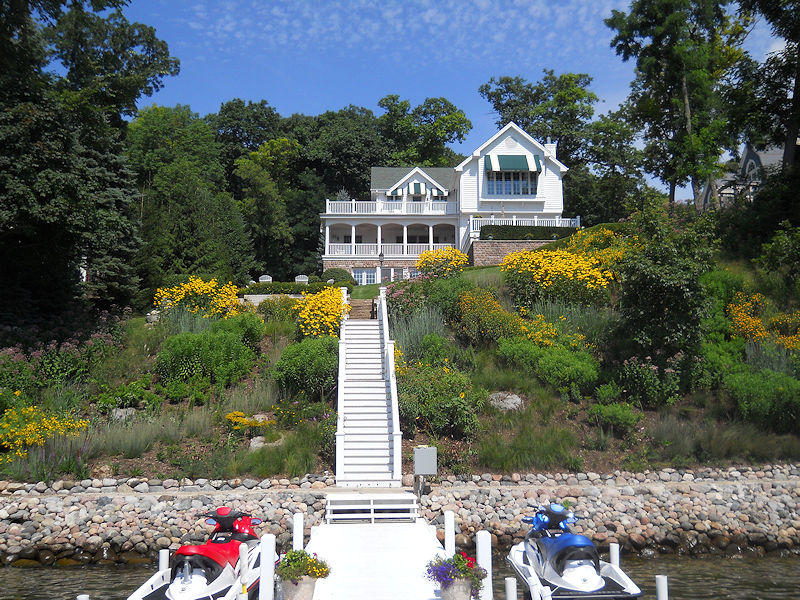
Many shoreline properties are sloped towards the lake and require thoughtful solutions to avoid erosion. Plants play an essential role in stabilizing the sloped areas by setting down deep roots. These plants work together to hold soil in place.
“Plants such as Siberian Iris, fox sedge, and Joe Pye weed are valuable plants used to prevent soil erosion and add color to the landscape,” says Peter. “The Iris variety Caesar’s Brother blooms from late spring to early summer and has graceful grass-like foliage. Fox sedge is very adaptable and has a spray of bronze seed heads in late summer, creating a beautiful display,” he adds.
For more information, visit Solitude Lake Management, or contact your lake management professional to help determine the best plant species for your area.
Ready to start a gardening project at your lake home? Get growing, enjoy, and share your results with us!
The image is picturesque — sitting blissfully under a tree by the lake, reading a book. As lake lovers, we know there’s something inherently peaceful about waterside foliage. But aside from aesthetic value, there are environmental benefits to planting trees at your lake house. Strong tree roots decrease the power that waves have over the shoreline, helping with erosion control. Plus, the oxygen that trees emit is good for air quality. They also provide food and shelter for the local wildlife, and the more trees you have, the more likely you are to attract birds to your lake house — a win-win for you and the environment.
However, the best trees to plant at the lake can tolerate a high amount of water in the soil. With most trees, this level of water exposure would lead to overwatering and death. So how can you know what trees to pick? One helpful concept to understand is the ordinary high water mark (OHWM). This refers to the typical water level of your lake, indicated by the “mark” it leaves on your shoreline. Soil conditions differ significantly above and below the OHWM. As such, we will focus on trees that can be planted closer to this mark than others. Check out some of our favorite recommendations for trees that flourish by the lake.
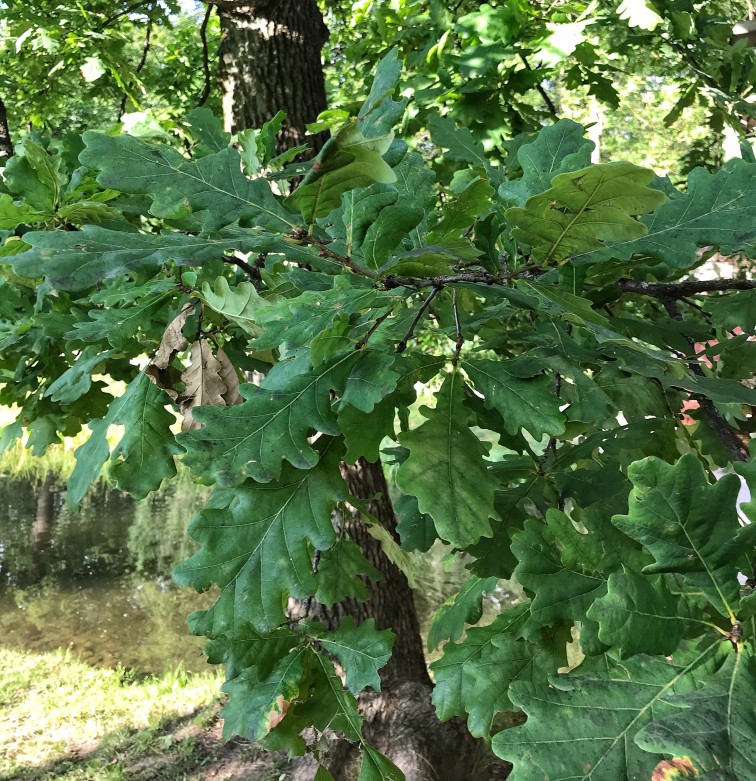
A good rule of thumb is always to choose native plants whenever possible. If you pick plantings according to your lake home’s USDA Gardening Zone, they will be more likely to thrive. Depending on the species, oak trees are hardy in almost every zone in the U.S. Although not every oak tree is best near a body of water, some species like pin oak, water oak, and willow oak are perfect trees to plant by the lake. For example, the pin oak is hardy in zones 4-8. Fast-growing and large, these oak trees are tolerant of wet soil, making them ideal choices for your shoreline. Plus, their acorns are a valuable food resource for squirrels and other surrounding wildlife.
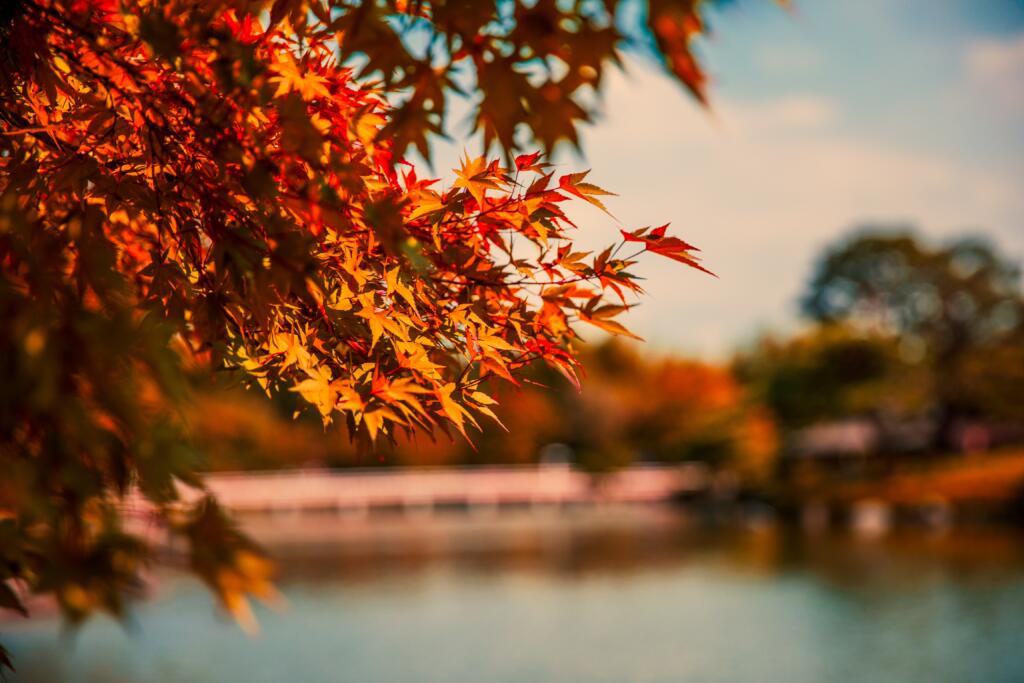
Also known as the swamp maple or water maple, red maples are the most abundant type of tree in the Eastern United States, according to the U.S. Forest Service. Red maples are renowned for their year-round beauty. However, they’re particularly stunning during the fall when their vibrant red leaves are on display. These trees can grow in a lot of zones depending on the specific species. A few shoreline-friendly choices are the “October Glory,” which is native to zones 4-9, and the Burgundy Belle, hardy in zones 5-9. If you’re a landscaping newbie, these sturdy plants are an excellent choice. Fast-growing and able to withstand just about any weather, red maples are both beautiful and low maintenance.
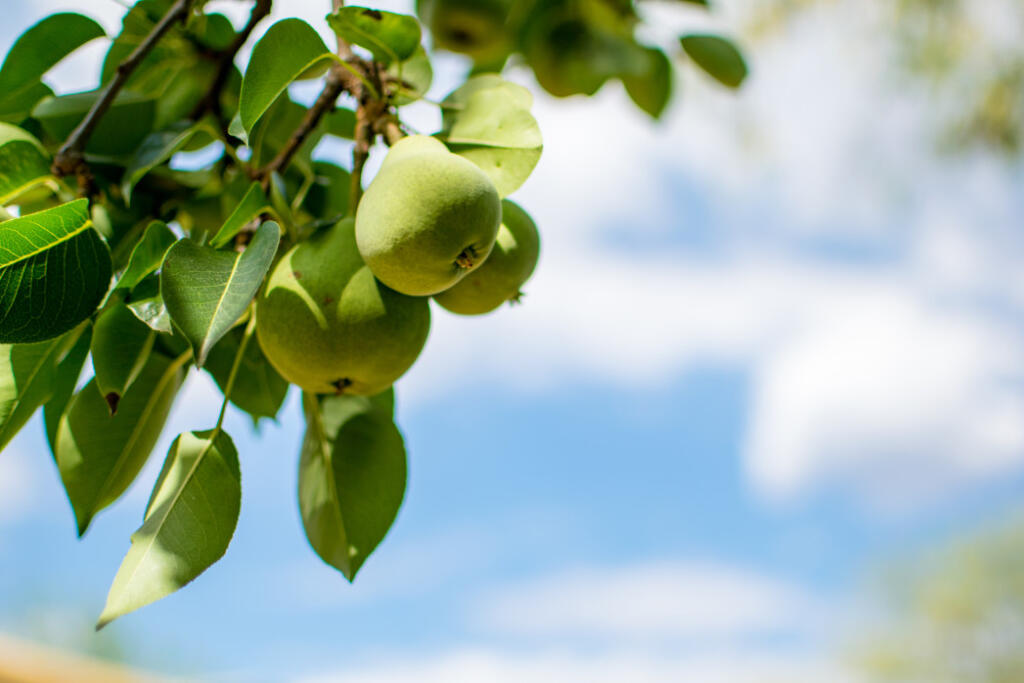
Pear trees have so much to offer beyond one line in the “12 Days of Christmas” song. Whether you choose a fruit-producing or flowering pear tree, they’re fantastic trees to plant at the lake. A benefit of flowering pear trees like “Whitehouse” and “Bradford” (native to zones 5-8) is that their lack of fruit production will leave your shoreline clean from fallen pears. However, you could also choose a fruit-producing pear tree if you like to eat fresh fruit at your lake house. These trees require a lot of sunlight, so be sure to plant in an area where another tree will not mask its growth. Further, since they can grow to be 40 feet tall, you might consider planting a dwarf variety. Finally — don’t forget to prune pear trees. This process should begin early on in their growth.
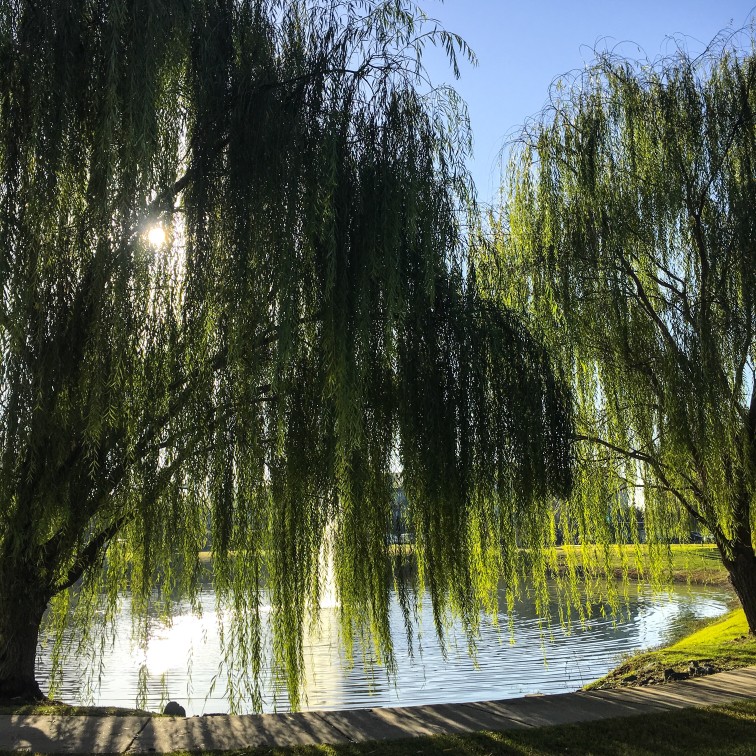
Easily identified by their wide frames and sweeping branches, willow trees are almost emblematic of lake life. Of course, we’re thinking of weeping willows, the trees whose branches resemble falling tears. These iconic trees provide a lot of shade and cover, particularly attractive to wildlife seeking shelter from the elements. However, weeping willows are not the only ones in the family to plant by your shoreline. Smaller willow shrubs also make great lakeside plants. On the larger end, black willows typically grow between 20 and 40 feet high. These southern trees (hardy in zones 6-8) feature large trunks, which usually evolve into knots and twists as the tree grows.
Of course, one of the best parts about planting a tree is that you get to watch it grow over the years. We hope you enjoy the longevity of these shoreline trees just as much as your lake house.
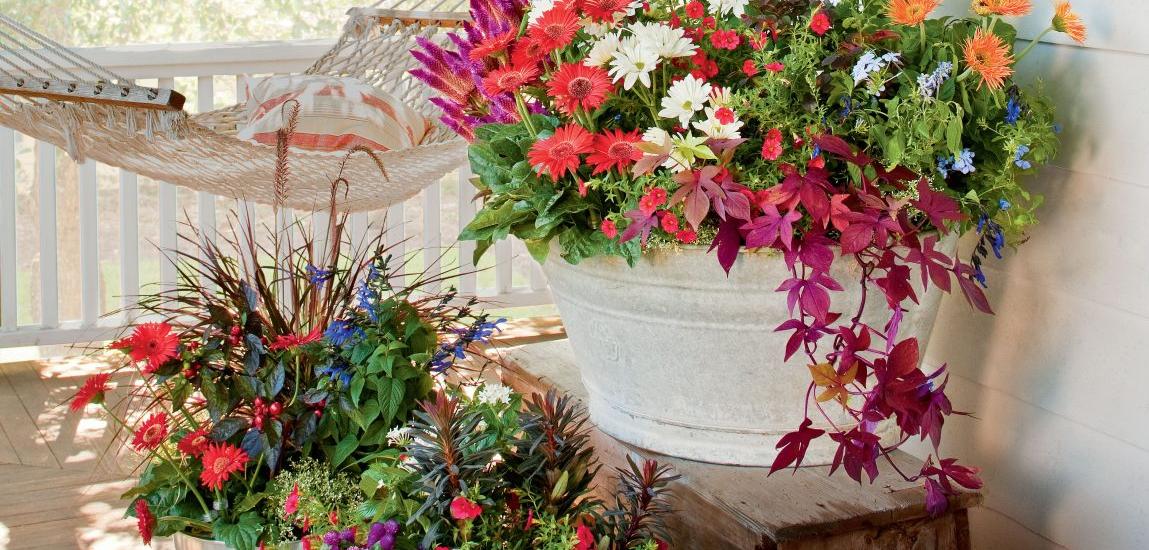
After a long winter, there’s nothing more blissful than springtime at the lake. This is the season for planting, getting back outside, and bringing nature’s vibrant life into our lake homes and outdoor spaces. The perfect way to do this, especially in a lakeside setting, is with container gardening.
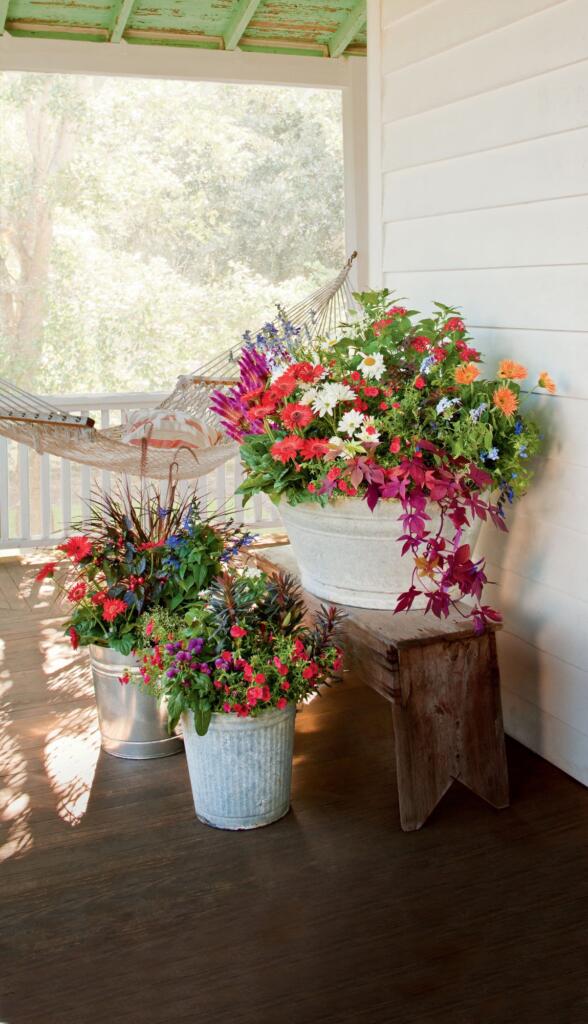
We’re undoubtedly happier and more relaxed when surrounded by the natural beauty that comes with lake living, but not everyone has ample space for in-ground gardening. No worries. You can still enjoy the beauty without all the fuss by setting up container gardens on your deck, porch, patio, or entryway.
Even if you don’t have much outdoor space, using containers and planters can bring joyful color and fragrant greens to any area on your property. To help you get started, we spoke to two gardening experts for some inspiring tips.
“Container gardening can lend an incredibly decorative accent to your lake home,” says Melanie Evans, a master gardener and a gardening consultant for Factory Direct Hose based in Middleton, Idaho. Melanie has assisted clients with their gardening and product needs for more than 15 years in all climates, including some of the top golf courses in the country as well as the U.S. Embassy in Russia.
“The variety of containers available allow you to design your small-scale garden in a way that fits your needs and complements your lake home’s unique aesthetic,” she adds. Melanie also notes that indoor container gardens can be a great asset to your lake house’s interior design. The options and combinations are endless, from hanging baskets and window boxes to a cluster of matching pots or large single decorative containers.
“Many lake homeowners are seasonal residents, making the upkeep of a small garden plot difficult,” she explains. “Container gardens are the perfect solution for those wanting to reap the benefits of a seasonal garden without having the space get overgrown with weeds when you leave for the winter. If worse comes to worst, and the plants die, the cleanup is easy and as simple as dumping out the container,” she sums.
Growing your plants— and vegetables—in containers also allows for portability. Seasonal lake house residents have the option of taking their favorite year-round plants with them when they leave.
“On a large lakefront landscape with lots of sun, it’s best to plant one species per pot,” says Jason VanderMey, managing partner of West Coast Gardens in Surrey, British Columbia. “This will give the plants space and allow for more design flexibility with the best color contrast—plus, it will look more natural in lakeside areas,” he adds. If you plant multiple species together, carefully consider color, height, and bloom times. Make sure they have similar growing conditions, and your container is large enough to accommodate them.
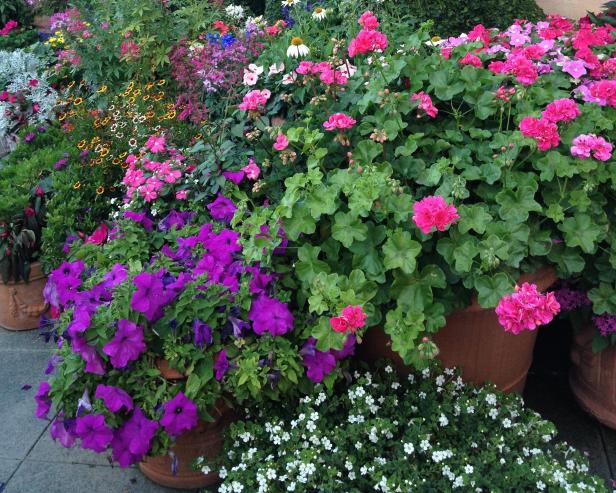
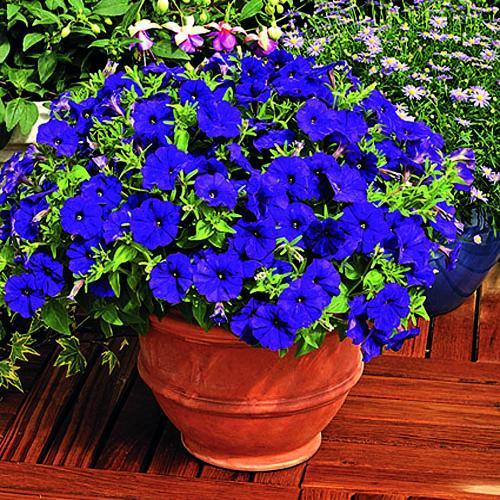
Are you looking to WOW your friends and neighbors? Jason suggests planting lots of radiant flowers—like petunias. They smell wonderful, the colors are beautiful, and they’re easy to maintain. These flowering plants grow quickly and fill in densely, creating vibrant, eye-catching focal points. Plant them in decorative containers, hanging baskets, or window boxes for instant beauty anywhere at your lake home. They love full sun and grow well in most well-drained soils. “When you water your flowers, be sure to feed them with a water-soluble fertilizer like SUPER-BLOOM-15-30-15.
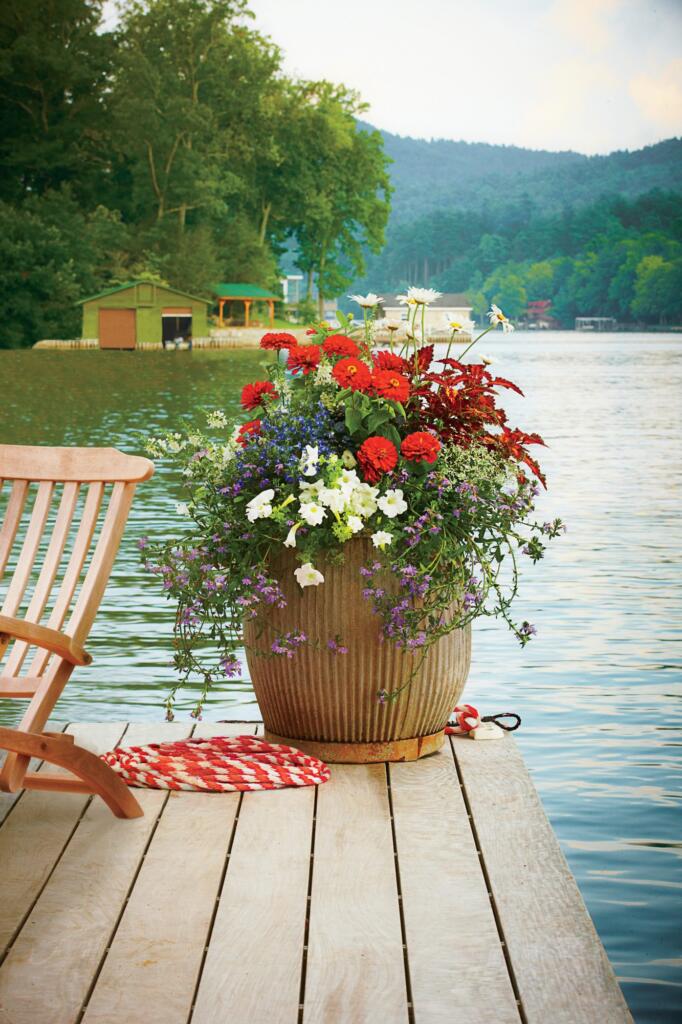
If you want to bring bright pops of color to your front porch, patio, or dock, there are lots of flower options. Pansies, violas, hydrangeas, calibrachoas, geraniums, marigolds, and chrysanthemums all thrive in pots.
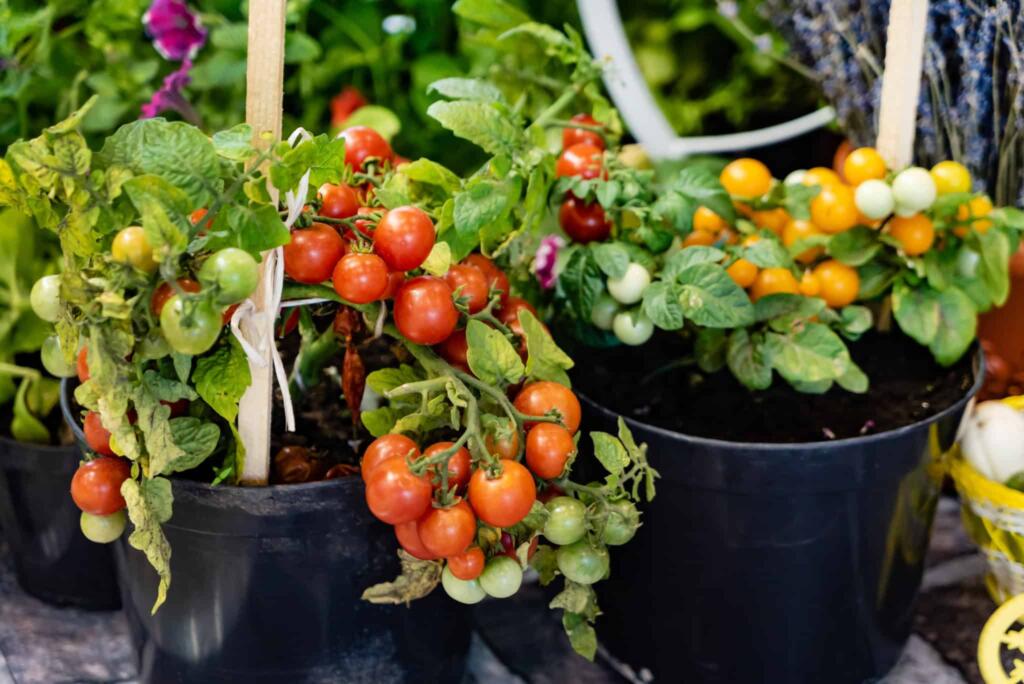
Vegetables that are ideally suited for growing in containers include tomatoes, cucumbers, peppers (sweet and chili), peas, carrots, eggplant, green onions, leafy greens, potatoes, beans, squash, and radishes. Avoid planting pumpkins, corn, and melons, which require more space to thrive. For container veggies, remember this: the bigger the pot, the better. For tips on growing and choosing the proper container for your vegetables, talk to your local gardening specialist or visit this helpful post on Houzz.
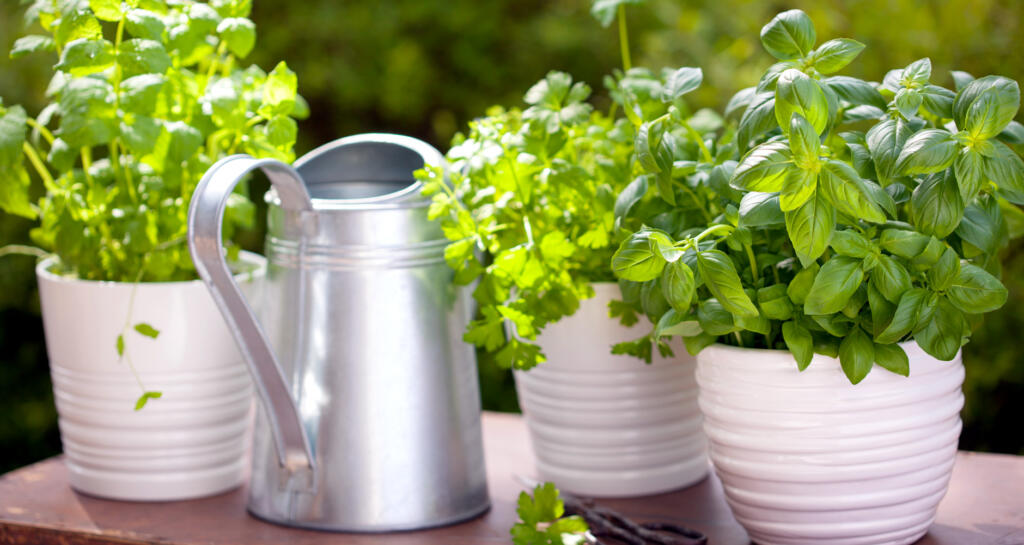
If you enjoy cooking, herbs are the perfect thing to plant in your container garden. Herbs that thrive in containers include chives, basil, dill, cilantro, garlic, fennel, lemon balm, sage, mint, marjoram, parsley, rosemary, and thyme. “When it comes to planting herbs, keep in mind that many thrive in Mediterranean-like climates—meaning, they need plenty of sunlight and moderate temperatures,” says Melanie. Herbs can thrive in both indoor and outdoor settings if these criteria are met.
“Try having one close to the kitchen,” says Jason. “That way, you’ll always have fresh herbs on hand. I love it when I’m cooking and can reach out the window for fresh basil.”
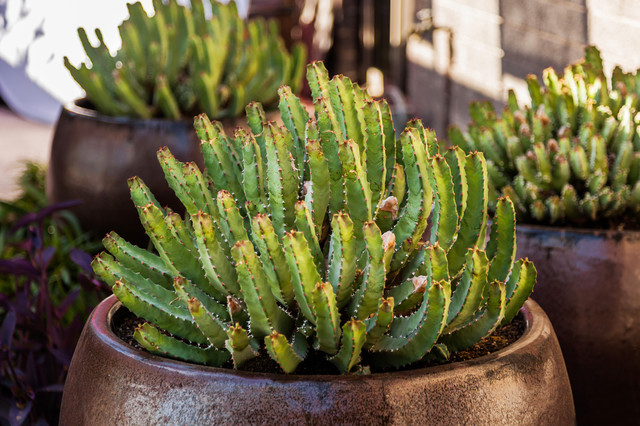
If your containers are basking in high temperatures and bright sun, succulents and cacti are heat tolerant and incredibly easy to grow. They lend a beautiful texture accent to almost any landscape or indoor area. Make sure your containers provide proper drainage and aren’t too large. The soil will take longer to dry out in oversized containers.
Click here for more expert tips and ideas on how you can create a lush look with container gardens for your lakeside setting.
Before you get going on your container garden, here are Melanie’s simple basics that will steer you in the right direction:
Make sure to consider the shape and size of the plant’s root system before selecting a container. Keep in mind that the smaller the container, the more likely the plant will dry out. Large and deep containers are less prone to drying out and allow plants to deepen their roots.
Water your container garden thoroughly and fertilize it every week or two. With succulents and cactus, the soil should be almost dry before you water again. Regardless of the size of your container, you must make sure it drains well. If your container has no drainage holes, water will get backed up in your plant and cause disease.
If you’re in doubt, a local nursery professional can help you select the perfect plant and the ideal container.
Want to create a luxuriant lake landscape of your own using containers? We’d love to hear your story and see your results.
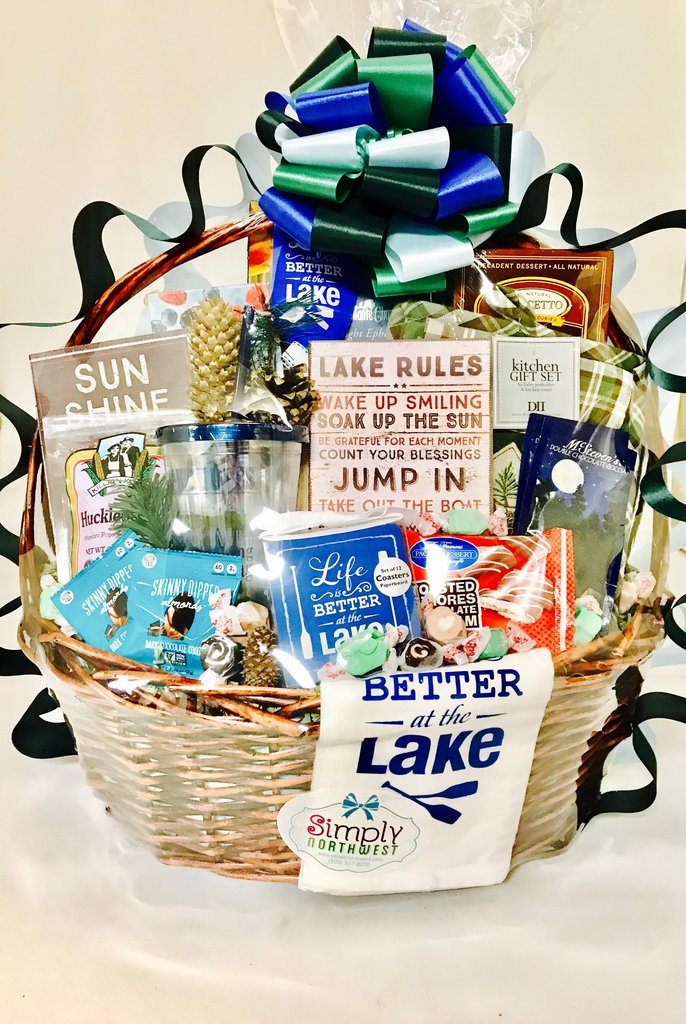
Regardless of whether or not you celebrate Easter, the gifts associated with this holiday are instantly recognizable. Peeps, chocolate rabbits, robin’s egg candies, and the all-encompassing gift basket. Gift baskets are incredibly versatile, whether it’s a “welcome to the company” assortment of sweets or an “I’m sorry” message expressed through Edible Arrangements. The versatility of gift baskets makes them easy to customize to the recipient. Plus, creating them can be fun! If you need a gift for a lake lover, try tailoring a gift basket to their favorite lake hobbies. Here’s some inspiration for creating gift baskets for your loved ones who love the lake.
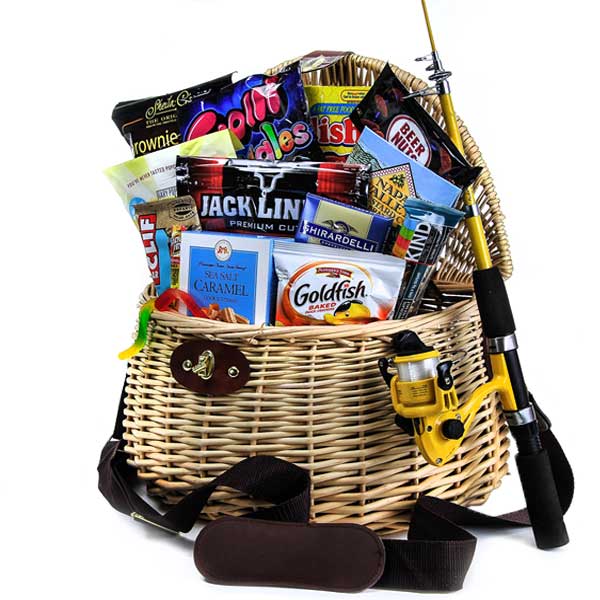
If you know any anglers, you know that they’re nowhere to be found on a sunny summer afternoon. That’s because they spend hours in a canoe, hoping to reel in a fish. A gift basket of outdoorsy snacks in a cute fishing basket is the perfect gift for these friends. They’ll need some fuel while they’re on the water.
Whether it’s Thanksgiving, game day, or another event, many of us like to host guests at our lake home. But the hosts and hostesses in your life need some relaxation too. The gift baskets that will suit them the most contain delectable goods like wines and cheeses. This time, you’re bringing the party to them!
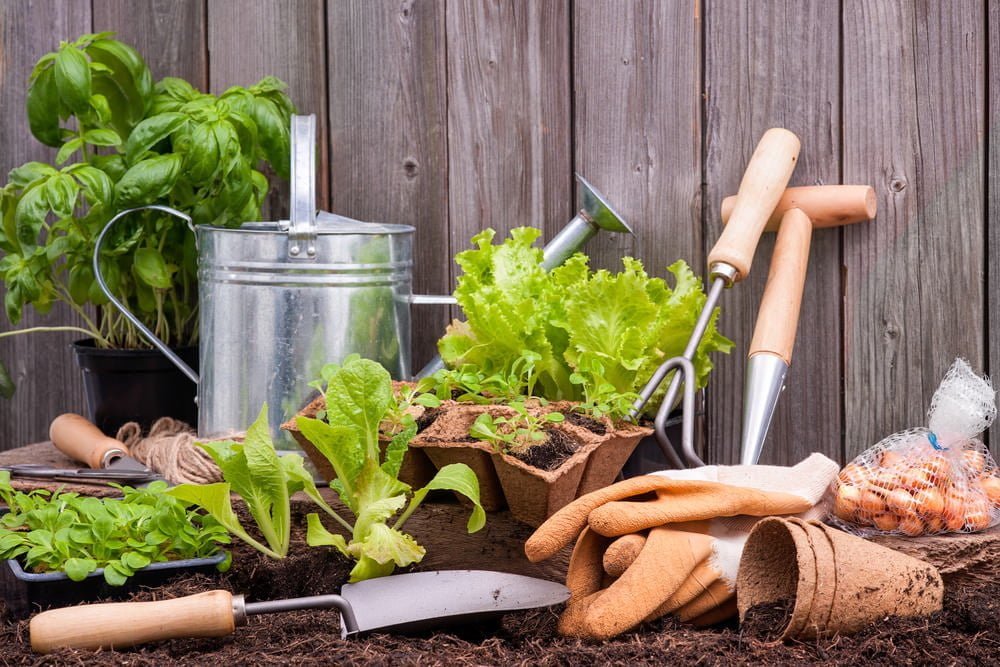
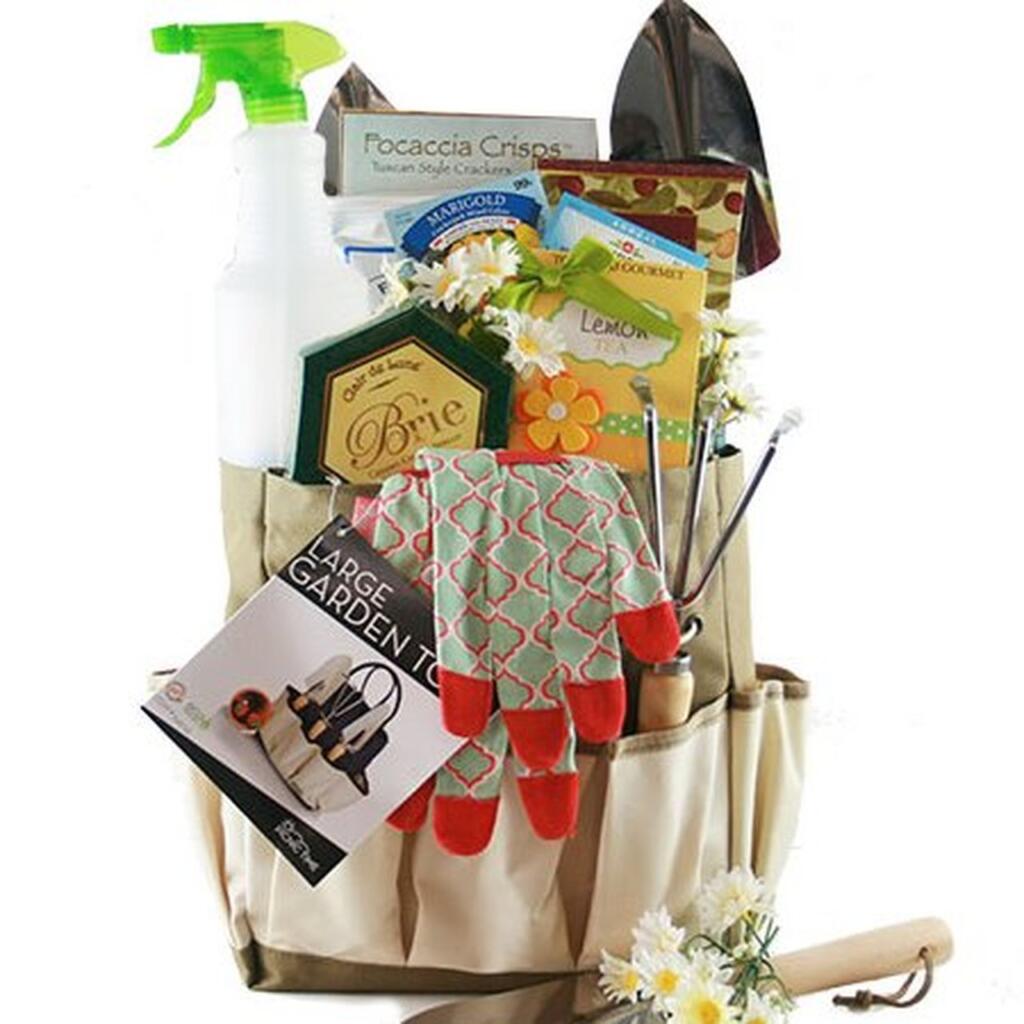
Many of us lake lovers have impressive gardens in our backyards. When it comes to native plants and landscaping solutions, these friends seem to have all the answers. To make things a little easier for them, create a gift basket with some of the latest gardening tools. Your gardener pal will undoubtedly appreciate a nice new pair of gloves, an extra shovel, and a packet of seeds for a new plant.
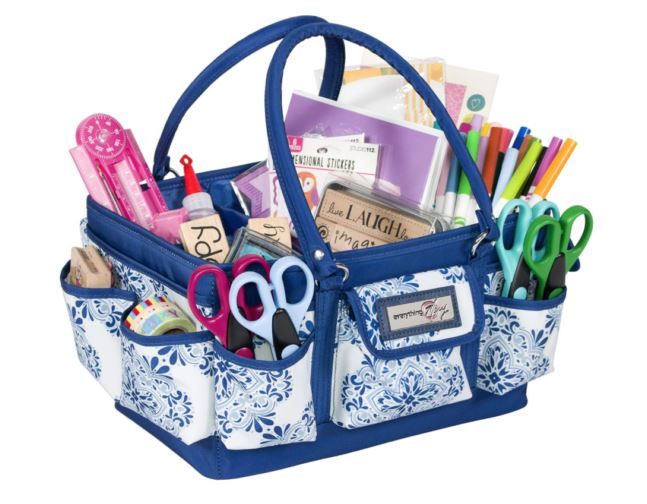
Do you have a friend who’s always in the middle of a creative craft project? Whether it’s creating DIY decor for their lake home or stitching a sofa cover together, some people are simply crafty. For this person, a gift basket full of supplies from Michael’s or Blick would be perfect.
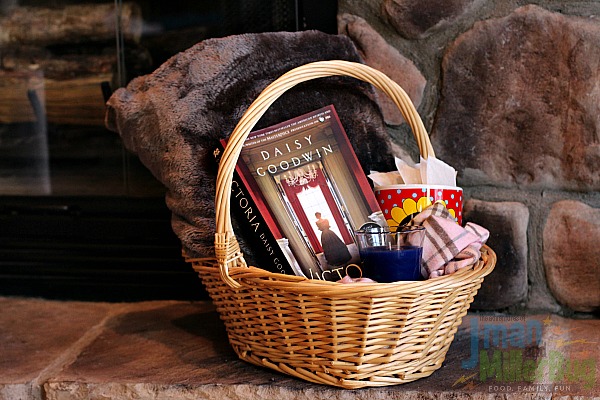
There’s something about front porches that evoke a sense of relaxation, especially with a beautiful view of the lake. If your friend typically goes to the lake solely for the cozy porch experience, put together a gift basket that screams “hygge.” Your friend will love a combination of books, mugs, and soft blankets for those misty mornings enjoying a cup of coffee.
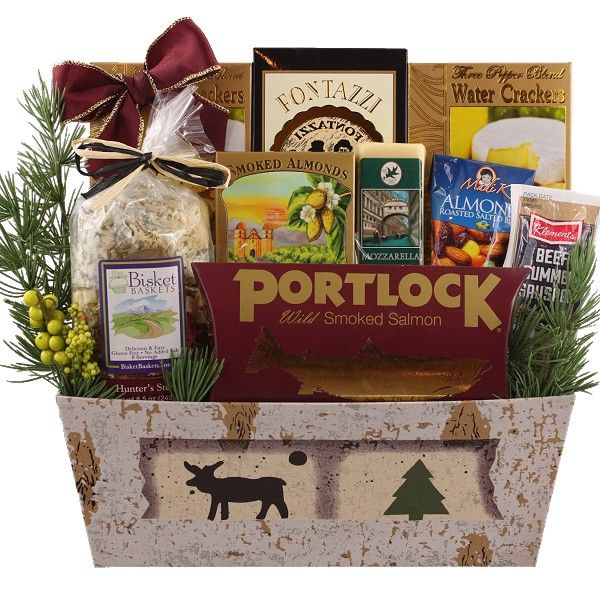
Some lake-dwellers spend more time getting lost in the woods than they do at their lake house. When preparing a gift basket for your hiking-fanatic friends, an assortment of trail snacks is a great option. They’ll definitely appreciate beef jerky, toasted almonds, and other outdoorsy favorites.
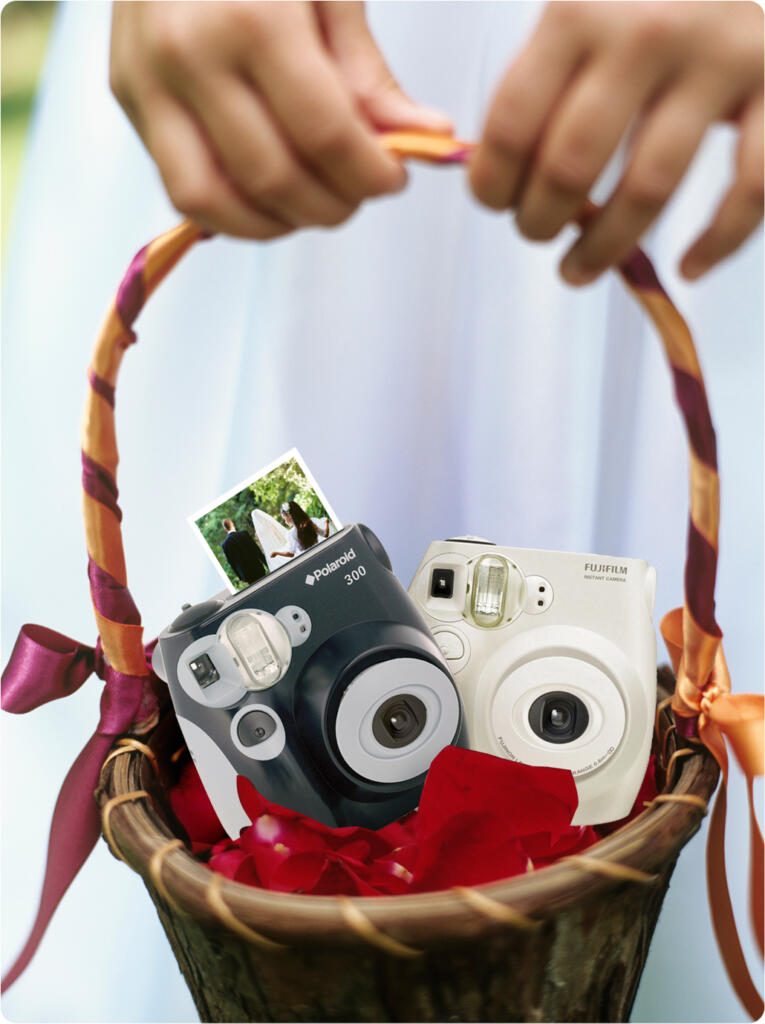
Since lakeside surroundings are so beautiful, many lake homeowners are hobby photographers. For your friend who’s always taking pictures, get them a gift basket that caters to this pursuit. If they already own a nice camera, add an inexpensive Polaroid camera to the basket so they can capture more moments instantly!
Lake houses are all about relaxation, family, friends, and fun. In this spirit, game night is a popular lake home activity that spans across every season. For the one who’s always challenging the group to another round of Scrabble, a gift basket of games is a perfect choice! From card games to board games, they’ll surely appreciate the assortment.