

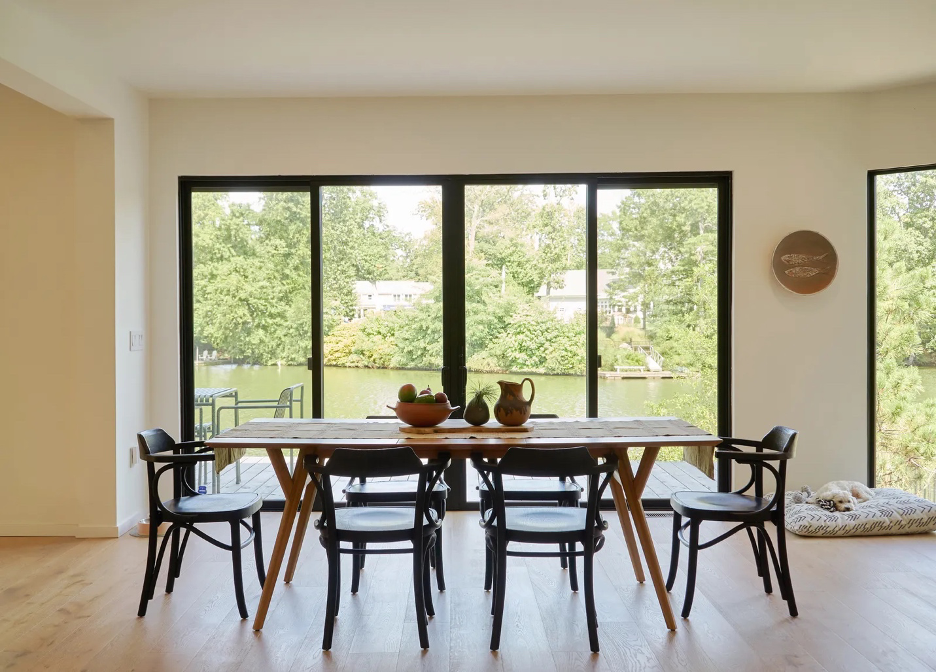
Lake homes have always been about perspective—what you see, how you unwind, and the pace you keep once you arrive. But lately, many homeowners are rethinking what those spaces should feel like. After years of layered trends, bold statements, and fast-turnover décor, there’s a noticeable shift toward interiors that are quieter, more deliberate, and built to last. That’s exactly where Japandi style enters the conversation—and why it resonates now more than ever.
Japandi isn’t about chasing a look; it’s about refining how a home functions and feels over time. For lake property owners, that distinction matters. These are not purely decorative spaces—they’re places where mornings start slowly, where the view carries the room, and where durability is just as important as atmosphere. A Japandi approach strips away excess without sacrificing warmth, combining the disciplined simplicity of Japanese design with the comfort-driven practicality of Scandinavian interiors. The result is a home that feels intentional, not styled.
At a time when many lake homeowners are investing in long-term usability—multi-season living, hybrid work retreats, and low-maintenance materials—Japandi offers a framework that aligns with those priorities. It allows the architecture, the landscape, and the lifestyle to lead, rather than competing with them.
A Brief History and Why It Still Matters
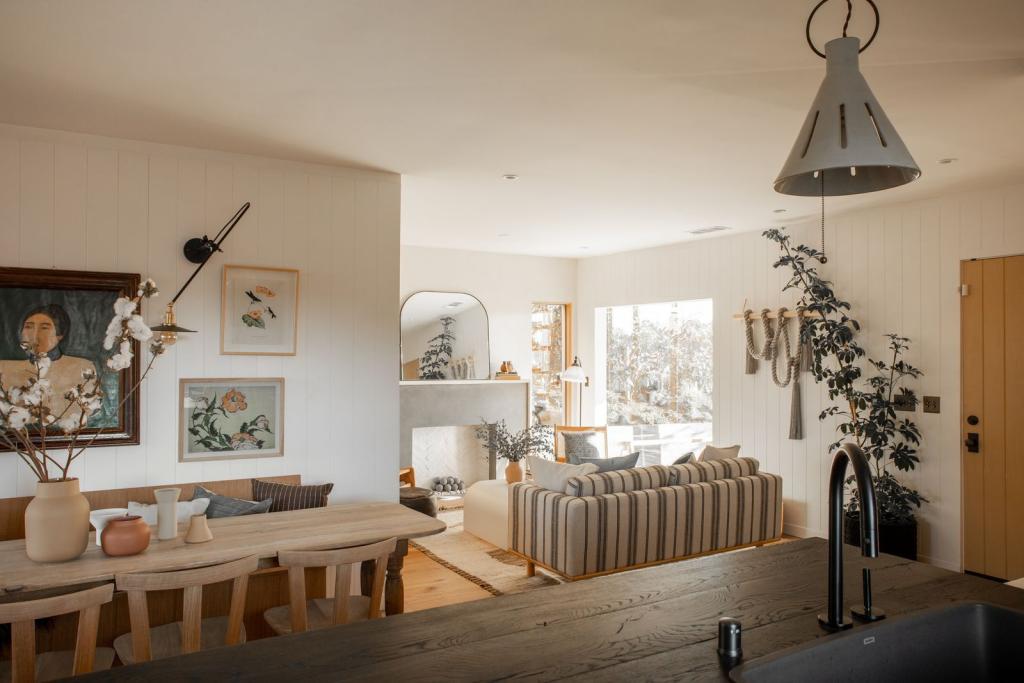
Japandi is less a fusion and more a convergence. Japanese design contributes principles like wabi-sabi (embracing imperfection) and spatial mindfulness, while Scandinavian interiors bring hygge—comfort, warmth, and livability. Both cultures prioritize craftsmanship, natural materials, and human-centered design.
Its relevance today is tied to how people use their homes. Lake properties are increasingly multi-seasonal, often doubling as remote-work retreats or gathering spaces. Japandi supports this evolution with interiors that are adaptable, calming, and intentionally designed rather than overly styled.
For a closer look at how this approach translates in practice, here are thoughtful ways to incorporate Japandi style into every major space in your lake home—balancing function, setting, and regional sensibility.
Landscape-Focused Living Spaces
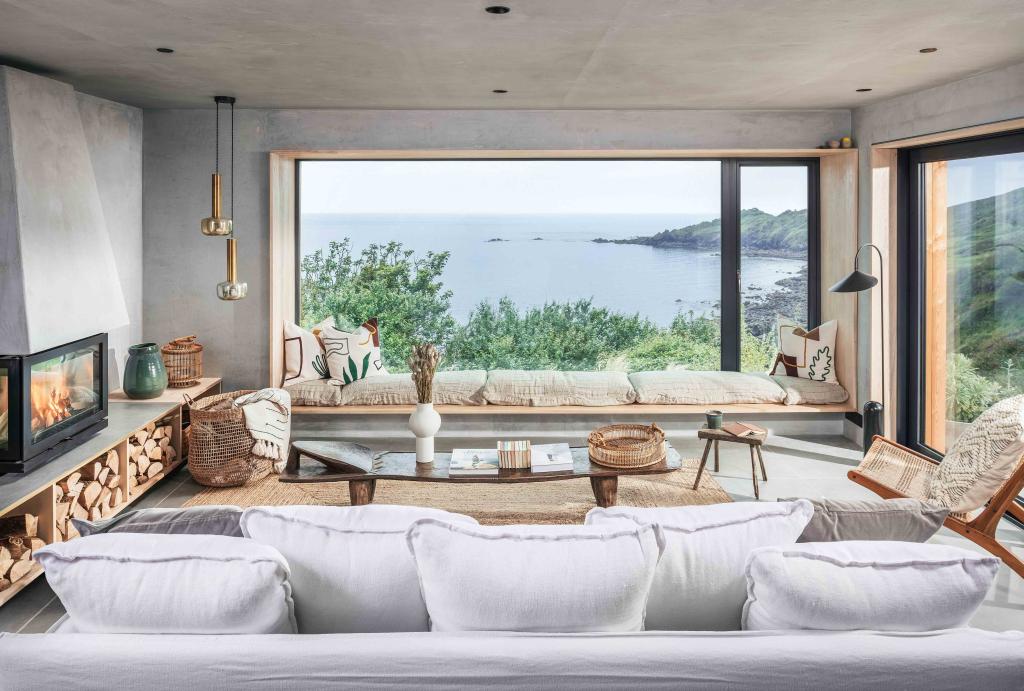
Concept: Low-profile furniture, neutral tones, and a strong emphasis on natural light.
Why it works: In lake homes, the living room often frames the view. Japandi keeps sightlines clean and avoids visual clutter, making the landscape the focal point.
Best regions: Pacific Northwest, Northern Great Lakes, and Upper East lake regions, where seasonal light shifts benefit from soft, layered interiors.
How to implement:
- Choose a low, structured sofa in linen or wool
- Incorporate light woods like oak or ash alongside darker accents (walnut or black-stained wood)
- Use a single statement ceramic or sculptural object instead of multiple accessories
- Keep window treatments minimal or absent
Dining Simplicity

Concept: Functional simplicity with an emphasis on communal gathering.
Why it works: Dining spaces in lake homes often transition from casual breakfasts to evening entertaining. Japandi’s unfussy approach supports both.
Best regions: Mid-Atlantic, Southeast, and California lake regions, where indoor-outdoor dining is common.
How to implement:
- Opt for a solid wood dining table with visible grain
- Mix Scandinavian chairs with Japanese-inspired benches
- Use soft, diffused lighting (paper lanterns or matte pendants)
- Keep table settings minimal—stoneware over formal china
Clean-Lined Kitchen
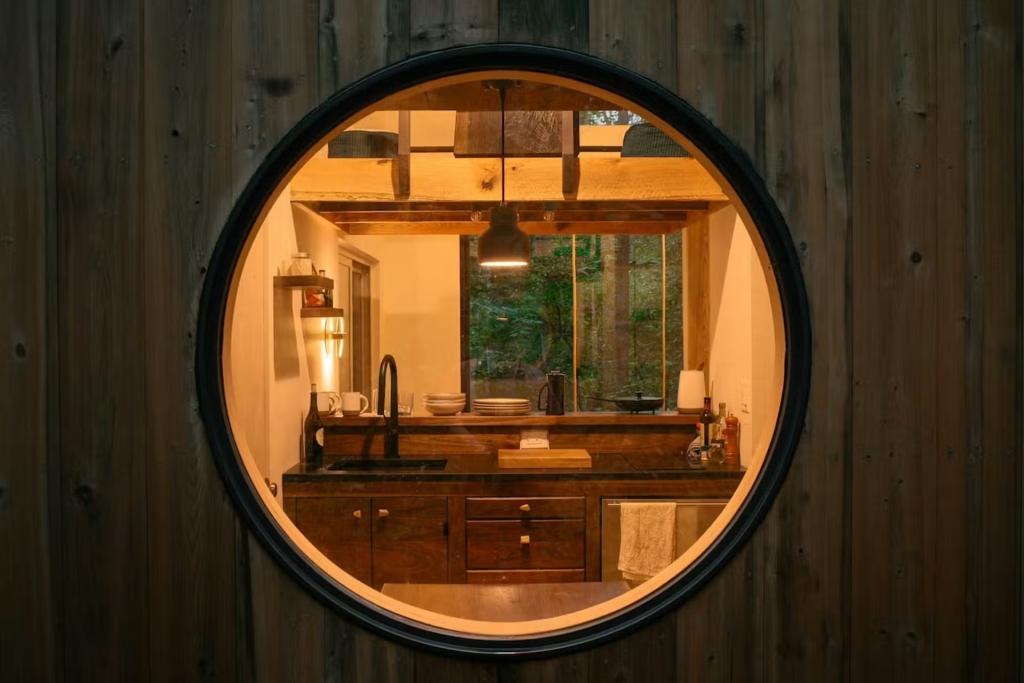
Concept: Clean lines, integrated storage, and material honesty.
Why it works: Japandi kitchens are highly functional without feeling sterile—ideal for lake homes where cooking is often social and seasonal.
Best regions: Southwest (Texas) lake regions and California, where durability and heat-conscious materials matter.
How to implement:
- Flat-panel cabinetry in muted tones (taupe, charcoal, soft white)
- Open shelving with curated, not crowded, dishware
- Natural stone or composite countertops with subtle movement
- Hidden storage to maintain visual calm
Indoor-Outdoor Fluidity
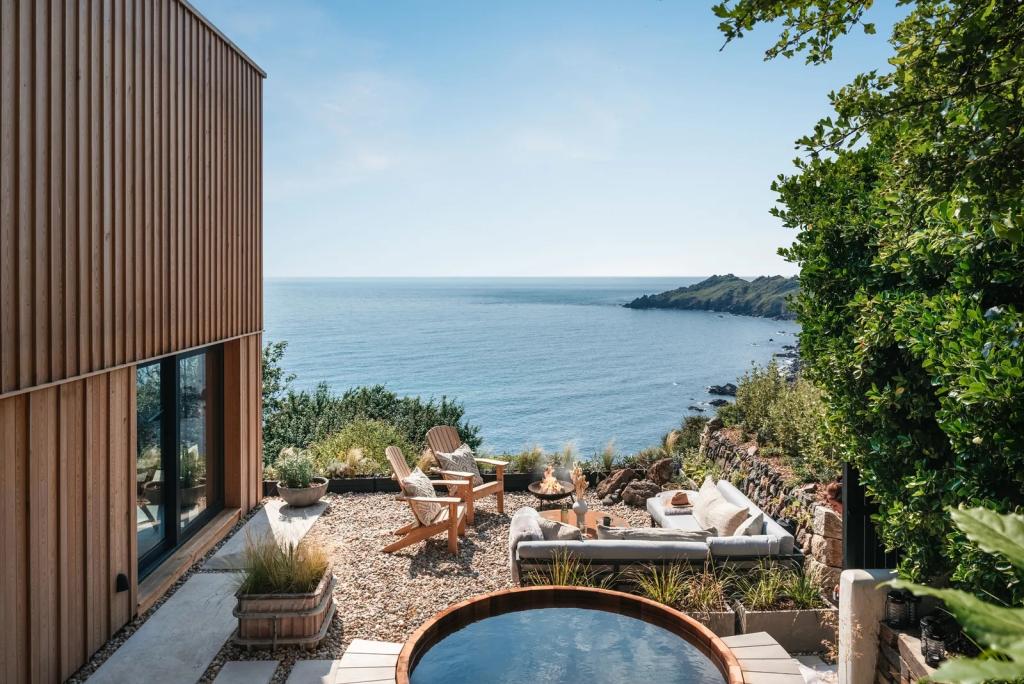
Concept: Seamless indoor-outdoor flow with restrained furnishings.
Why it works: This is where Japandi excels in lake settings—connecting structure to nature without overdesigning the experience.
Best regions: Southeast, Pacific Northwest, and Northern Great Lakes, where porches and covered decks are essential.
How to implement:
- Use teak, cedar, or powder-coated metal furniture with simple silhouettes
- Add neutral outdoor cushions in weather-resistant fabrics
- Incorporate gravel, stone, or wood decking rather than overly decorative finishes
- Keep plantings intentional—grasses, bonsai-inspired forms, or native species
Rest
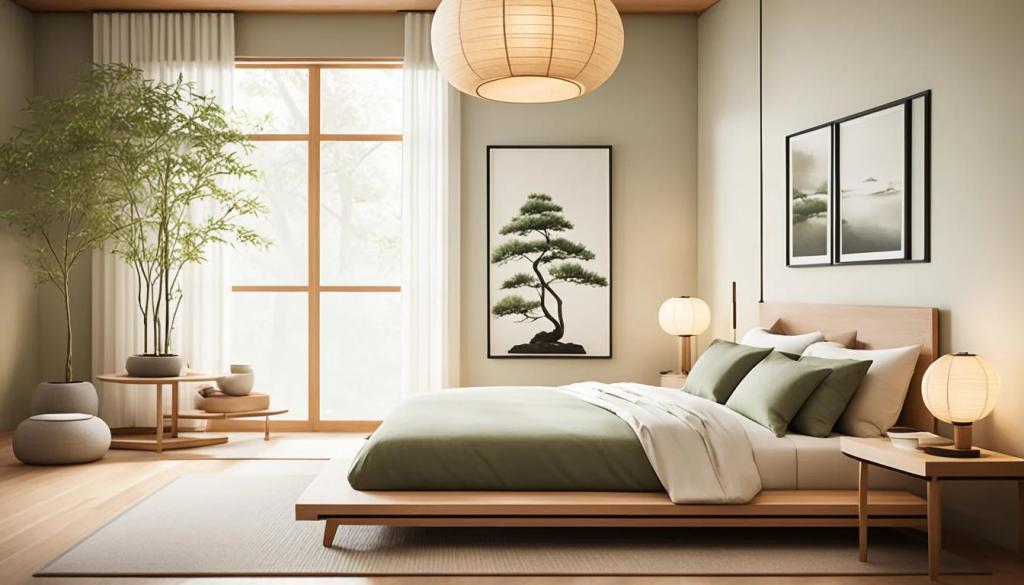
Concept: Restful minimalism with layered textures.
Why it works: Lake homes are retreats first. Japandi bedrooms emphasize sleep, quiet, and sensory comfort without excess.
Best regions: Upper East, Northern Great Lakes, and Pacific Northwest, where cooler climates favor cozy restraint.
How to implement:
- Platform beds in natural wood
- Linen bedding in neutral tones (sand, gray, off-white)
- Minimal décor—one artwork or textile feature
- Soft lighting with paper or fabric shades
Rejuvenate
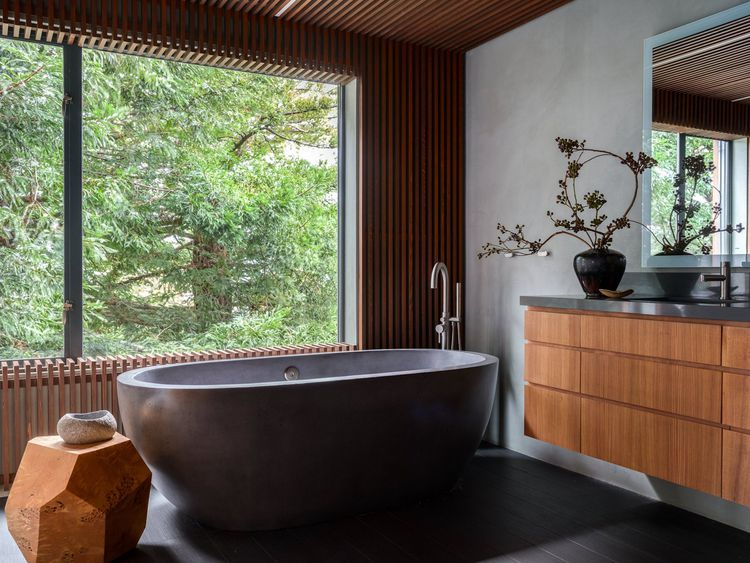
Concept: Spa-like simplicity grounded in natural materials.
Why it works: Bathrooms in lake homes benefit from a retreat-like feel. Japandi’s influence turns even small spaces into restorative environments.
Best regions: California and Southwest lake regions, as well as the Southeast for humidity-conscious design.
How to implement:
- Stone or wood vanities with clean lines
- Neutral tile palettes with subtle texture
- Freestanding soaking tubs if space allows
- Minimal hardware in matte black or brushed finishes
Japandi style isn’t about strict rules—it’s about disciplined choices. For lake homeowners, that discipline translates into spaces that feel grounded, livable, and connected to their surroundings. It resists the impulse to overdecorate and instead focuses on what matters—material, light, proportion, and purpose. Across diverse U.S. lake regions—from the wooded shores of the Great Lakes to the sunlit edges of Texas reservoirs—the principles hold steady while the execution adapts. That flexibility is part of its strength. Japandi doesn’t impose a look; it refines what’s already there. For more design tips to enhance your lake life, visit Lake Homes Lifestyles.