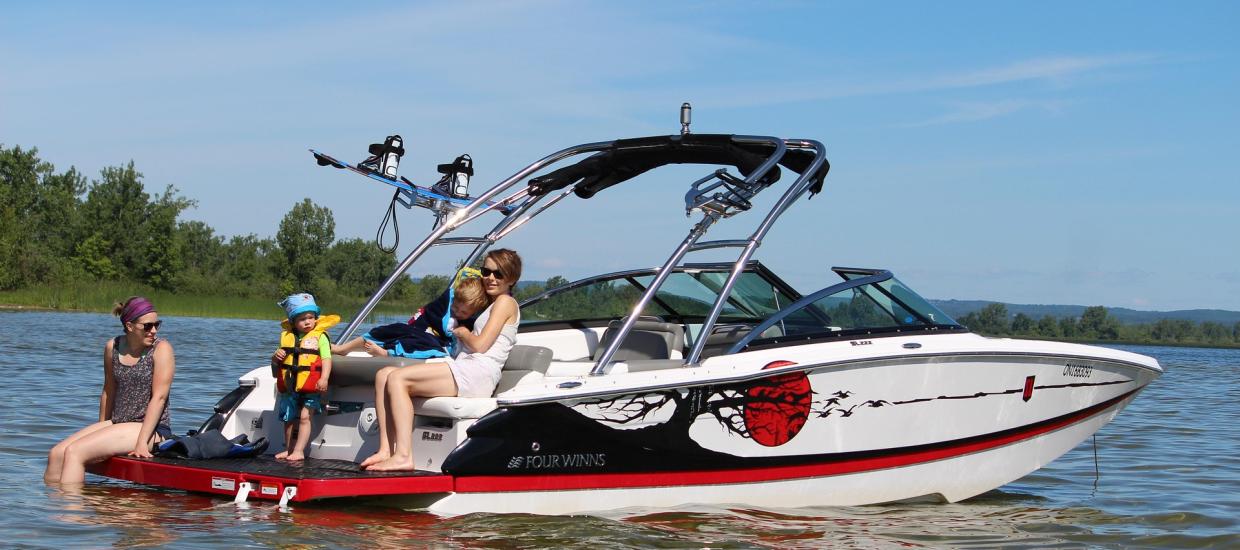
Spring is here, and there’s no better way to enjoy the lake than on a boat. While you’re out cruising, why not accompany your day with an awesome playlist? From oldie classics to today’s latest hits, we’ve got the best tunes to celebrate springtime out on the water.
Spring is Here – Ella Fitzgerald
Three Little Birds – Bob Marley & The Wailers
As It Was – Harry Styles
Unwritten – Natasha Bedingfield
Brazil – Declan McKenna
Dog Days Are Over – Florence + The Machine
Borderline – Tame Impala
Riptide – Vance Joy
Bubbly – Colbie Caillat
You Are The Sunshine of My Life – Stevie Wonder
Golden Hour – Kacey Musgraves
Spring Vacation – The Beach Boys
It Might as Well Be Spring – Frank Sinatra
Happy – Pharrell Williams
Feeling Good – Nina Simone
Go Your Own Way – Fleetwood Mac
Dreams – The Cranberries
Sunday Best – Surfaces
Flowers – Miley Cyrus
I Can See Clearly Now – Johnny Nash
I’m Like a Bird – Nelly Furtado
On Top of The World – Imagine Dragons
Mr. Blue Sky – ELO
Sunshine on My Shoulders – John Denver
My Girl – The Temptations
Rosa – Grimes
Ain’t No Sunshine – Bill Withers
Don’t Worry, Be Happy – Bob Marley
Spring Fever – Elvis Presley
Butterflies – Kacey Musgraves
Want to listen to more? Be sure to check out our other playlists!
Pricing is an important factor when it comes to buying and selling a lake home. On the buyer’s side, you typically want to find a home that is within your budget and not something astronomically outrageous. From the seller’s side, pricing a home appropriately means more people are willing to look at it. Glenn Phillips, CEO of Lake Homes Realty, breaks down 7 different signs that a lake home is not priced realistically.
Days-on-Market (DOM): Transparency is important. If your home has been on the market longer than 60-90 days, specifically for lake properties, it typically indicates that something isn’t right about the transaction. If the home is priced about 10-15% or more up than what the market is realistically expecting, people won’t take the time to even look at the home.
Big Appraisal Gap: This was a bigger deal during the COVID frenzy, where people were willing to pay a higher price for the home than the appraisal price. However, since we have shifted from that, people aren’t as willing to spend that money.
“Back on the Market”: This could indicate a price problem, either an issue with the mortgage appraisal not matching or an issue with the house, and the buyer and seller couldn’t agree on how to solve it in terms of the price.
Massive $ Increase: This relates to an increase in the price of the house from when it was initially purchased to now, and there hasn’t been much done or changed about the property. If the seller can’t explain why there would be such a price increase, it more than likely means the home is overpriced.
Multiple Price Cuts: The home has a lot of days on the market, as well as multiple cuts in the price. They might not even be significant price cuts. However, a buyer can see this and expect more cuts to happen before even looking at the property.
Sellers: No (or Few) Showings: Having nobody come to look at the property is a key indicator that the home is priced poorly. Having people come and view your home is something that should be happening.
Sellers: No Offers (or Similarly Low): Having people come and look at the home is great, but receiving no offers or even low offers means the pricing is off. If you’re receiving low offers, it can often be the buyer trying to offer at a more accurate price point.
Having a home that sits on the market for months due to pricing is something no seller or buyer, for that matter, wants. Ensuring you have priced your lake home appropriately is key in ensuring you can sell it. If you’re struggling with pinpointing what price is right for your home, contact one of our lake agents today! They would be more than willing to help you out!
Now is the time when you have decided to either buy a lake home or sell the one you currently have. However, you have to make a pretty big decision, which real estate agent to work with? Before you decide to choose one randomly, check out what Lake Homes Realty’s CEO, Glenn Phillips, has to say when it comes to mistakes made when hiring an agent.
Generalist Instead Of Specialist: The biggest mistake people usually make is hiring an agent who doesn’t specialize in lake real estate. A general real estate agent might know the nuances of transactions and other facets of the real estate world but not necessarily the ins and outs of the lake market. There are many different rules and regulations when it comes to buying and selling within the realm of lake real estate.
Family As A Favor: Everyone would love to help out family, especially if they are new to the world of real estate. There are other ways to help out your family without negatively affecting your transactions. This is where working with a specialist really benefits you.
Just Picking A Friend: Similarly to the family aspect, working alongside someone who knows what it really takes to work within this market is always going to be better than simply just someone you know. That friend might not know the exact questions that need to be asked and a plethora of other things that a seasoned lake agent will know.
Only Think Local: This is particularly a mistake when selling. There are ways to target buyers in various parts of the country. This will help directly target lake buyers within many different states. A lake agent knows how to go about this and the ways you can truly target dedicated lake buyers.
These 4 mistakes are common in selling lake properties. However, they don’t have to be. A great way to avoid these is by working alongside a seasoned lake real estate expert. There are many different agents who would love to help you navigate the process of buying or selling lake property. Check them out at https://www.lakehomes.com/ and ask any other questions you might have.
When you are buying or selling, there may be terms thrown around, such as ” Highest” or “Best” when referring to offers. In reality, it’s not an auction. It’s actually the furthest thing from it. Lake Homes Realty’s CEO, Glenn Phillips, breaks down the different meaning meanings behind these terms.
Not An Auction!
Highest $ May Not Win: The highest is strictly just a number. This does not ensure whoever offers the highest amount will be the one purchasing the property. The seller is the one who decides who they want to do a transaction with.
Seller Selects Their Buyer: When it comes down to the transaction, it is fully up to the seller to decide how and if they want to proceed.
Look To “De-risk The Deal”– Remove the probability the seller might become uncomfortable with the offer.
Cash Versus Mortgage: Over half of the transactions done at Lake Homes Realty are made in cash. That doesn’t mean mortgages don’t happen. In the instances when a mortgage is in play, there is always the chance it won’t go through. There could even be an appraisal gap. Using cash is one less risk.
Timeframe Might Be Important: A seller could want to move very quickly or they might not have a time constraint. Utilizing the time frame and the nuances that come with it can help to make your offer the best.
Size Of Earnest Money: As a seller, seeing someone with a bigger size of earnest money can lead the seller to think they have more intent on wanting to purchase the home.
Fewer Contingencies: It’s not just the mortgage aspect. There could be home inspections, HOA fees, and a whole list of other things. If you are able to eliminate any of those extra contingencies, that can remove the possibility that the seller is uncomfortable.
Simplicity: If things become too complex, it can lead to the seller becoming confused, which, in turn, leads to the seller saying no.
When it really comes down to it, the “Highest and Best” offer can be great but can also hold a lot more nuance than people might realize. If you still have questions regarding which ways to navigate offers, talk with an agent at https://www.lakehomes.com/. They would be more than happy to help you along your real estate journey.
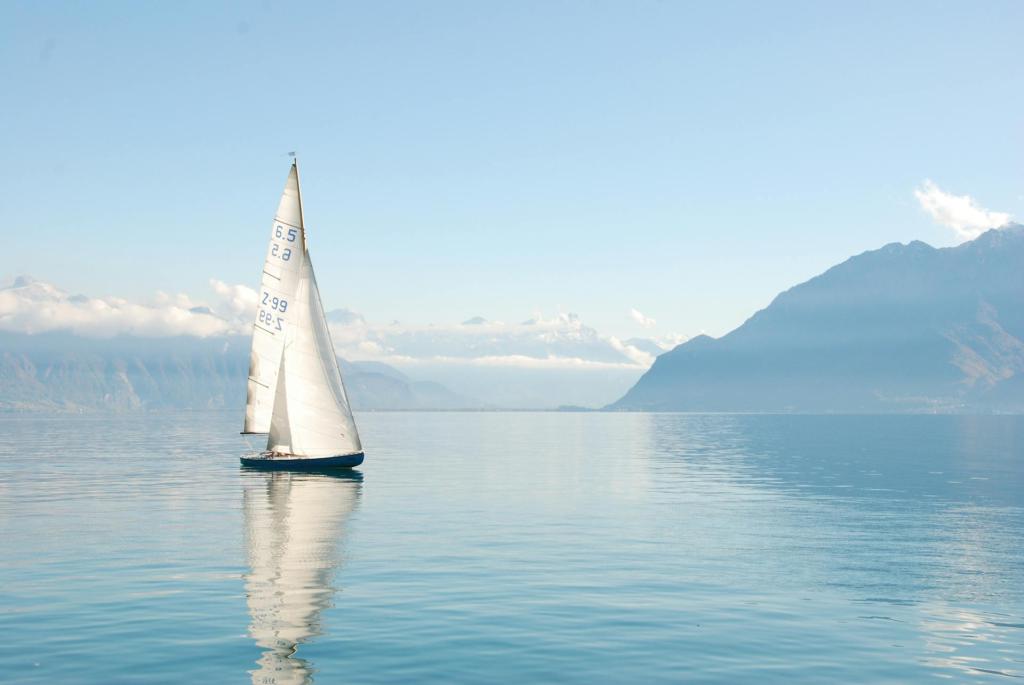
Sailing is one of the classic joys of lake living. On a day with a gentle wind, there’s nothing better than hoisting the mainsail and enjoying a quiet afternoon. Whether for recreation or transportation, sailing has permeated cultures worldwide since ancient times. Because of these early roots, unlike motorized boats, operating a sailboat requires a specific skill set and knowledge of terminology.
In addition to understanding the lingo of sailboats, it’s also important to know the different types. In general, sailboats can be categorized in various ways based on their primary hull design, the keel, and the mast. For those new to the lexicon, a hull refers to the body of the boat, a keel is the main structural backbone, and a mast is a towering pole that holds sails in place. Today, we’ll be using the hull-based categorization system. For an introductory crash course, check out these three basic types of sailboats!
Monohulls are the most common type of sailboats. This classic structure is defined by a single body with a large beam, usually sporting a classic, clean look. Part of their popularity is their ability to provide both storage and stability simultaneously. However, monohull sailboats have decreased in popularity recently for those who engage in sailing competitions since the extra storage space isn’t conducive for higher speeds. If you’re curious about the keel categorization, traditional monohulls tend to have full keels, cutaway keels, or fin keels.
One of the most common designs in the monohull family is a dinghy, a short sailboat for one or two people that’s easy to maneuver. Although the name implies shabby characteristics, dinghies are useful little boats to have at a lake house. Other varieties of monohulls include cutters (a medium-sized sailboat with three sails), sloops (a single mast with one mainsail and one headsail), ketches (two main masts with one around midship), and schooners (more than two sails which are supported on masts). A sloop is probably the one that comes to mind when thinking of a modern sailboat.
Often nicknamed cats, catamarans are defined by their double hulls. More specifically, catamarans have twin-hulled structures attached together by specialized members. Appropriately, the word means “tied pieces of wood” in Tamil, a South Indian language. The twin hulls provide stability for these boats, which are popular for their expansive interior room and increased deck space. Although these boats have a higher speed than monohulls, they tend to sail more off-course because their keels are not as heavy.
A few specific types include beach catamarans (popular for day sailing and among those with little sailing experience) and charter catamarans (much larger boats that usually feature both sails and a motor). Outside of the sailing world, motorized cats are gaining popularity among lake homeowners. Boats like pontoons and other “power cats” are well-regarded among anglers and cruisers alike.
Multi-hull sailboats feature anywhere between three and five hulls, although a three-hull variation is most common. These three-hull types, also known as trimarans, typically have a main hull and two side hulls for stability. On some of these boats, the side hulls can fold inward to make the boat more narrow. Due to their large beam and low center of gravity, these sailboats are very stable. As such, they make popular sailboats which only require small engines for propelling forward. Beyond the trimaran, four and five-hulled sailboats are rarely used commercially or by lake homeowners.
We hope this brief introduction serves as a helpful foray into sailboat types! If you’re looking to learn more, stay up-to-date by subscribing to Lake Homes Lifestyles for more insights on all things sailing.
When people think of mollusks, their minds often drift to the ocean—colorful seashells, squids with mesmerizing camouflage, or deep-sea nautiluses that have remained unchanged for millions of years. But there’s another world of mollusks, one that thrives in rivers, lakes, and streams: freshwater mollusks. Though they don’t get the same spotlight as their marine cousins, these soft-bodied creatures play a vital role in aquatic ecosystems and have fascinating survival strategies that deserve our attention.
Two Worlds, One Family: The Differences Between Freshwater and Marine Mollusks
Though freshwater and marine mollusks share a common ancestry, they have evolved unique adaptations to thrive in their respective environments.
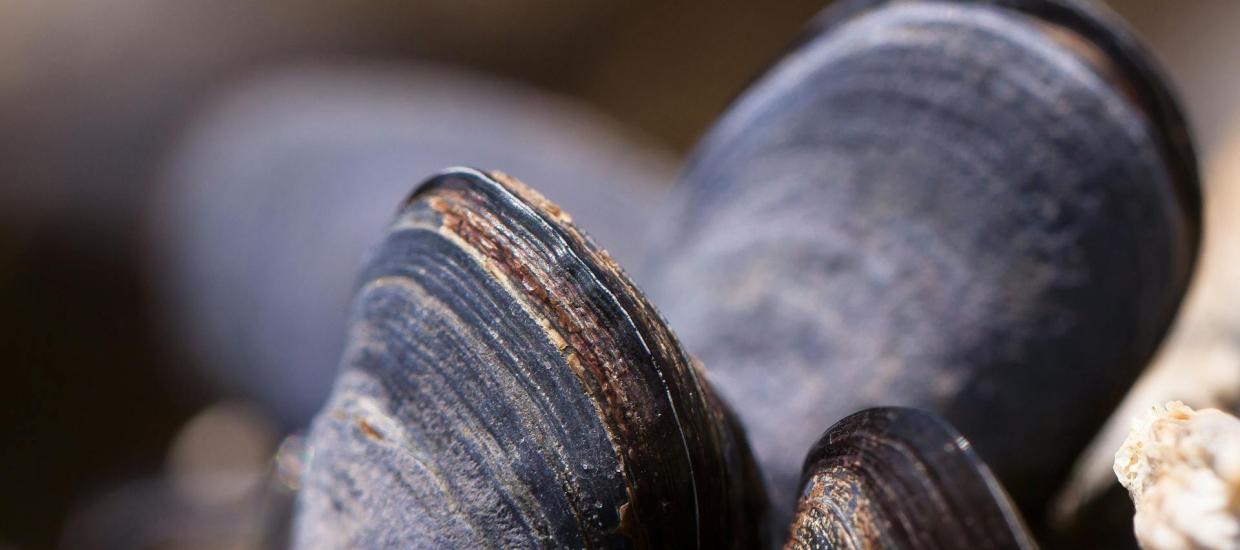
Freshwater mollusks, like mussels and snails, inhabit rivers, lakes, and streams. They must withstand fluctuating temperatures, water flow, and oxygen levels. To aid in survival, many freshwater species rely on host fish to transport their larvae, helping them spread and establish new populations. Their shells tend to be thinner and more delicate due to the lower mineral content in freshwater.
Marine mollusks, on the other hand, include species like clams, oysters, and octopuses, which dwell in saltwater environments ranging from shallow shores to the deep sea. Many marine species are filter feeders, thriving in the nutrient-rich ocean, while cephalopods, such as squids and octopuses, have developed remarkable intelligence and agility. Their shells are often thicker and more calcium-rich due to the abundance of minerals in seawater, providing better protection against predators.
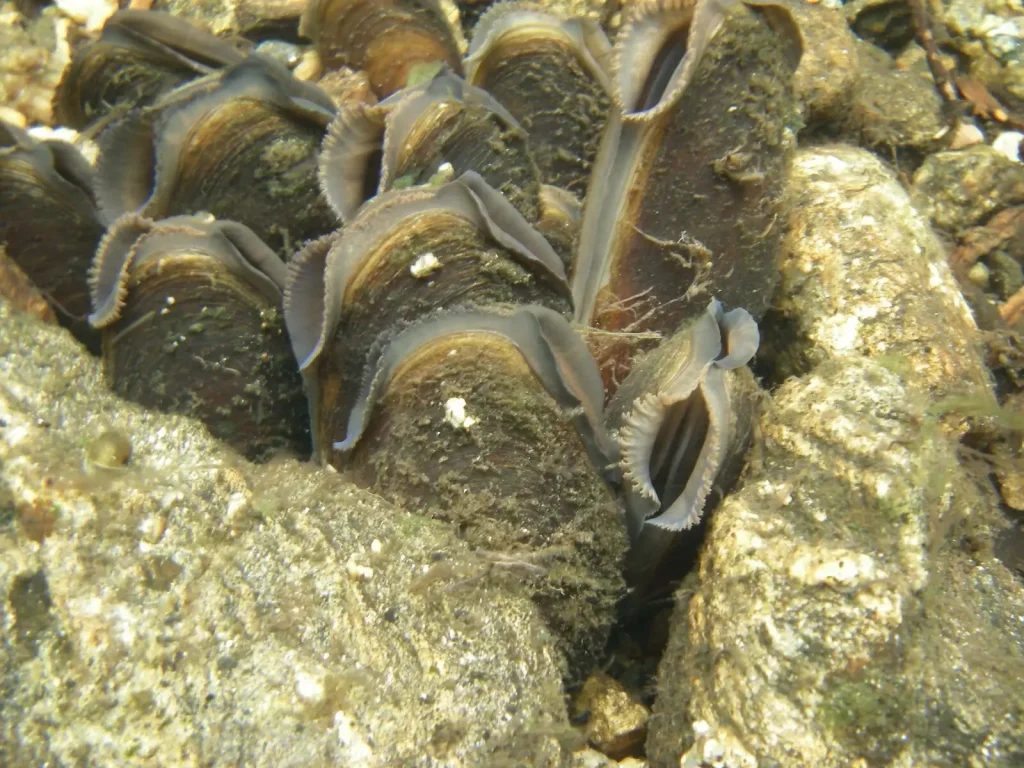
Freshwater mussels are nature’s ultimate water purifiers, acting as living filters that help maintain the clarity and health of aquatic ecosystems. These mollusks continuously pump water through their bodies, capturing bacteria, algae, and organic debris. By removing excess nutrients and pollutants, they play a crucial role in preventing harmful algal blooms and maintaining the delicate balance of their environment.
The filtering power of mussels is truly impressive. A single mussel can filter up to 15 gallons of water per day, meaning that a dense mussel bed can purify thousands of gallons daily. This natural filtration benefits not only aquatic plants and animals but also humans, who rely on clean water for drinking, fishing, and recreation. Many conservationists are now recognizing mussels as key indicators of water quality, using their presence (or absence) to gauge the health of a river or lake.
However, despite their incredible benefits, freshwater mussels face numerous threats, including pollution, habitat destruction, and climate change. Many species are now endangered, making it more important than ever to protect these natural water filters. Conservation efforts, such as habitat restoration and reducing industrial runoff, are essential to ensuring that mussels continue to provide their invaluable ecosystem services for generations to come.
With over 1,000 species worldwide, freshwater mollusks showcase an astonishing variety of shapes, sizes, and colors. Some, like the Zebra Mussel, have gained attention for their invasive tendencies, but many others are vital to their native habitats. The Snuffbox Mussel and the Purple Lilliput Mussel, for example, are not just beautiful but are also indicators of a thriving ecosystem.
Despite their small size, freshwater mussels have a massive impact on their ecosystems. These tiny titans create microhabitats by burrowing into riverbeds, stabilizing sediments, and preventing erosion. Their presence enhances biodiversity, providing shelter for aquatic insects, fish, and other small organisms. As they filter water, they also recycle nutrients, enriching the ecosystem and supporting the food web. Without mussels, many freshwater habitats would lose their balance, making them essential players in maintaining a thriving aquatic environment.
Freshwater mollusks have developed some of the most ingenious survival strategies in the animal kingdom. Many species of mussels use fish-like lures to trick predatory fish into unknowingly assisting in their reproduction. These lures, often resembling small minnows or insects, attract fish that attempt to bite, only to be met with a cloud of mussel larvae (called glochidia) that attach to the fish’s gills. The host fish then transports the larvae to new areas, helping the mussels spread and colonize different parts of the waterway.
Beyond their clever reproductive tactics, many freshwater mollusks are also masters of camouflage. Some bury themselves in sediment to avoid predators, while others have shells that blend seamlessly with riverbeds and lake bottoms. This adaptation not only helps them avoid being eaten but also protects them from strong currents and environmental changes. These unique abilities make freshwater mollusks a vital yet often overlooked part of aquatic ecosystems, demonstrating how even the smallest creatures can have a profound impact on nature.
Freshwater mollusks shape their environments in ways that often go unnoticed. As natural water filters, they improve clarity and quality, while their presence stabilizes sediments and provides shelter for countless aquatic species. Their intricate relationships with fish and other wildlife highlight the complexity of freshwater ecosystems. Though they may not receive the same attention as their marine counterparts, these mollusks play an irreplaceable role in maintaining the delicate balance of rivers, lakes, and streams.
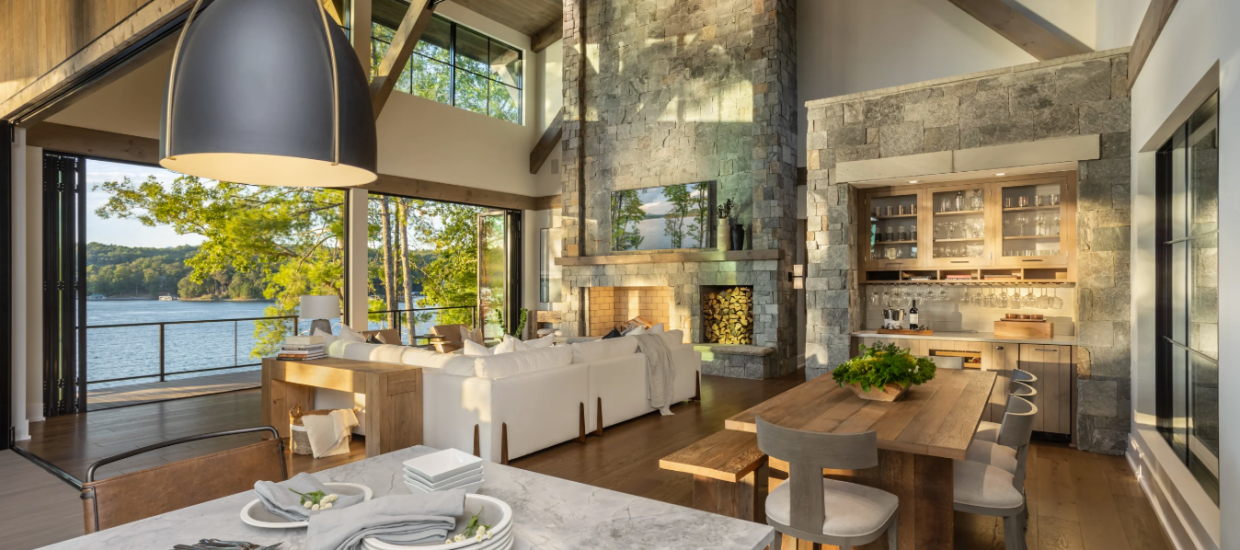
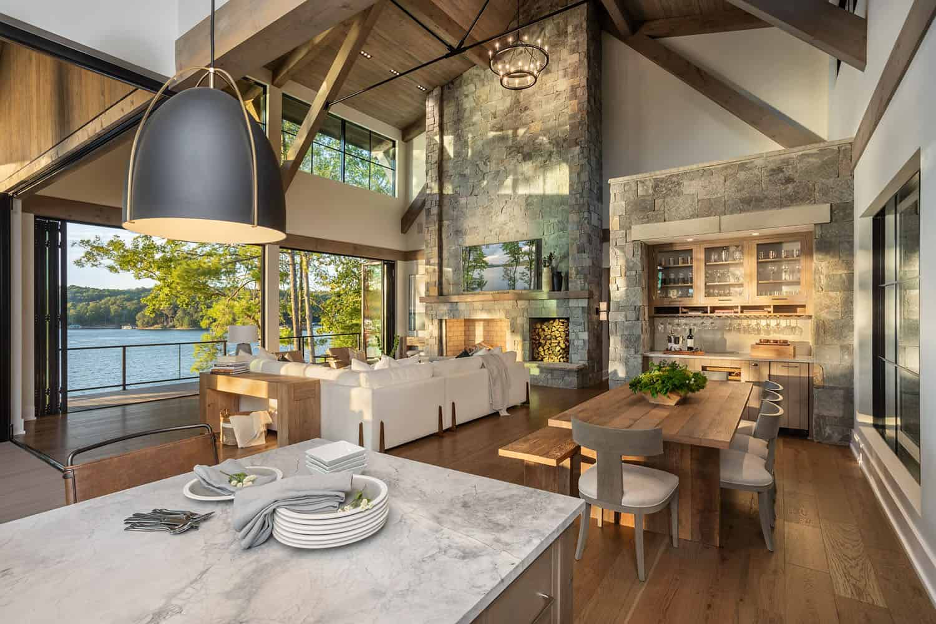
Many of us aspire to live the lake life. For most, a lake home embodies a serene and picturesque lifestyle, often reflecting a harmonious blend of nature and modern comfort. The kitchen—the heart of the home— plays a crucial role in fostering this balance. In 2025, kitchen design trends are embracing sustainability, natural aesthetics, and smart functionality. These trends cater to homeowners looking to create stylish yet practical spaces that enhance their lakeside living experience. From the integration of natural materials to cutting-edge technology, each trend emphasizes a seamless connection between the home and its scenic surroundings.
Whether you are renovating an existing space or designing a new one, these trends will help you create a kitchen that is both visually stunning and highly functional. Below, we explore the top kitchen design trends that are making waves in 2025 and how you can effortlessly incorporate them into your own lake home interior.
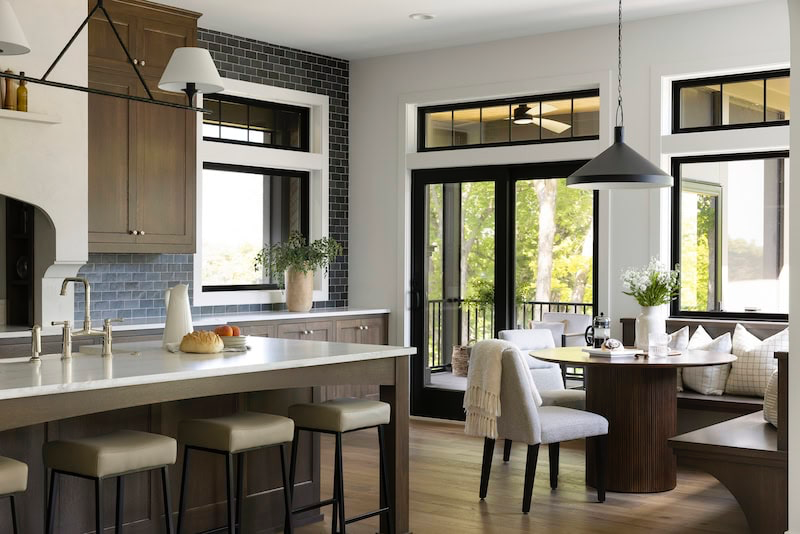
Illustration: In 2025, the multi-purpose island is having an especially hot moment in the spotlight—kitchen islands with built-in storage, additional seating, integrated sinks, and other innovative add-ons.
Why It’s Popular: As the hub of the kitchen, an island provides extra workspace, storage, and socializing opportunities, making it an essential feature in modern homes.
How to Incorporate: Customize your island with hidden drawers, built-in charging stations, or a beverage fridge. This trend works well in large kitchens but can also be adapted for compact spaces with extendable surfaces.
Illustration: Think reclaimed woods, bamboo cabinets, and biodegradable countertops.
Why It’s Popular: Sustainability remains a top priority for homeowners and eco-friendly materials provide both aesthetic appeal and environmental benefits. Natural textures create a warm, inviting atmosphere that aligns with the tranquil setting of a lake home.
How to Incorporate: Opt for salvaged wood for cabinetry, invest in sustainable flooring options like cork or bamboo, and use recycled glass backsplashes for a unique touch. This trend works well in kitchens but can also extend to dining areas and outdoor cooking spaces.
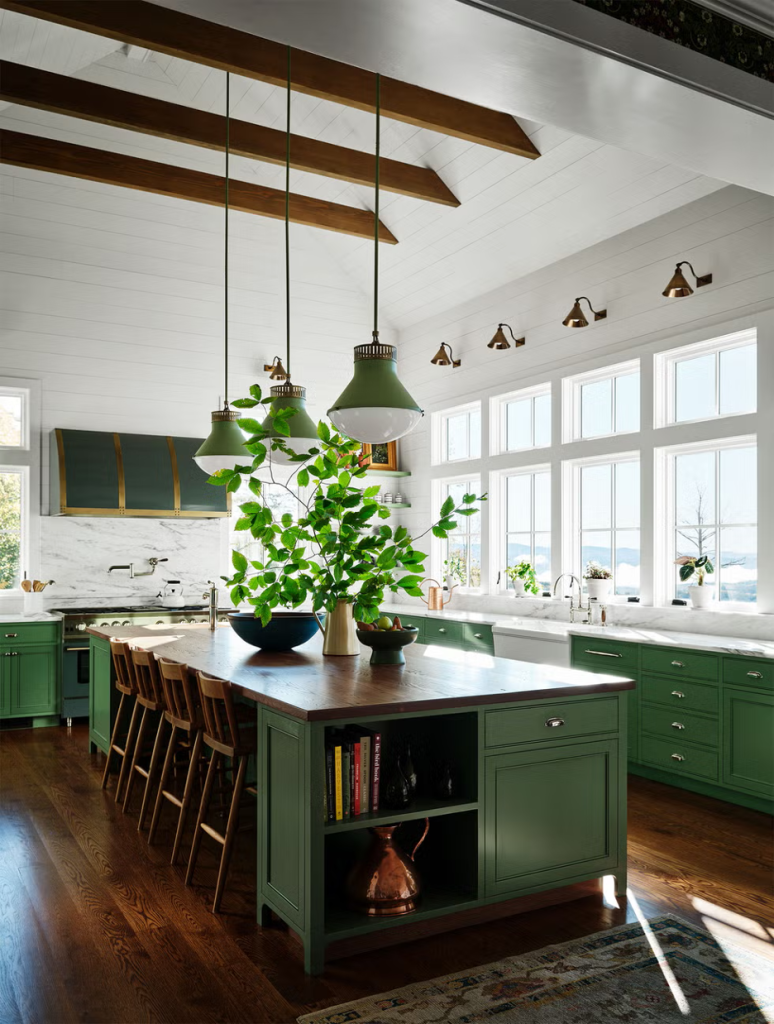
Illustration: Shades of moss green, deep blues, and warm neutrals like sand and taupe.
Why It’s Popular: Homeowners are moving away from stark white kitchens, embracing color palettes inspired by nature to evoke calmness and serenity.
How to Incorporate: Paint cabinetry in muted green tones, add terracotta tiles for warmth, or introduce natural fiber rugs and linens. This trend is especially effective in open-concept kitchens that flow into living or dining spaces.
Illustration: Touchless faucets, smart refrigerators, and voice-activated lighting and appliances.
Why It’s Popular: Convenience is key, and smart technology enhances both efficiency and comfort. Automated features make cooking and entertaining easier while maintaining a sleek, clutter-free aesthetic.
How to Incorporate: Install motion-sensor lighting, use smart thermostats for energy efficiency, and upgrade to Wi-Fi-enabled appliances. These additions can extend beyond the kitchen to pantries and outdoor cooking areas for a fully connected experience.
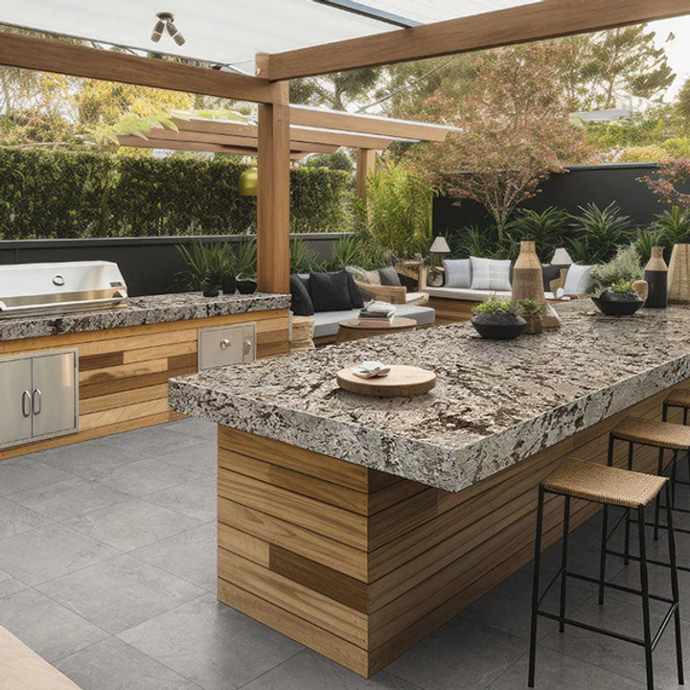
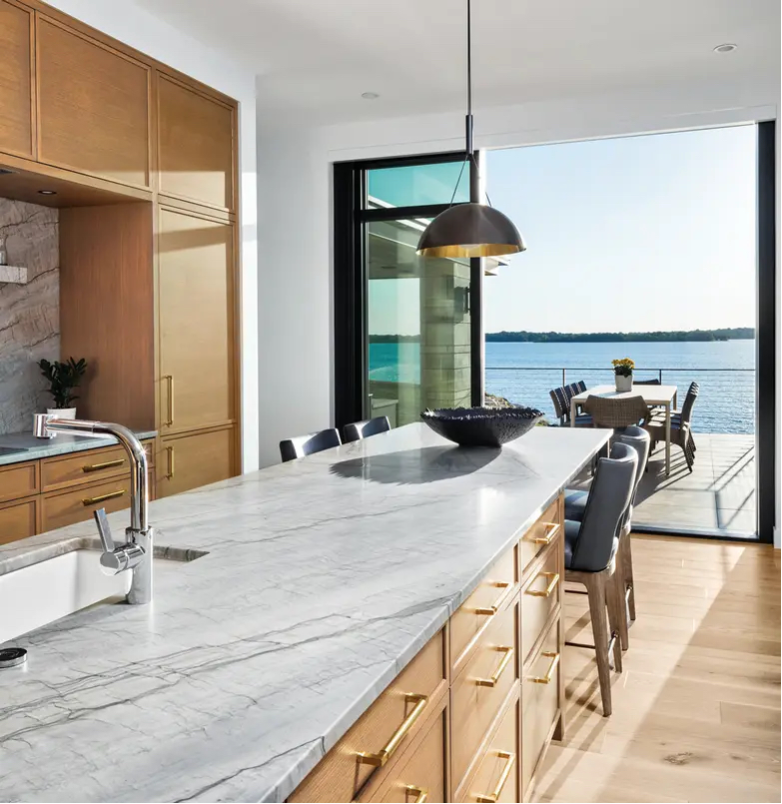
Why It’s Popular: Lake homes thrive on a seamless connection between indoor and outdoor spaces. This trend maximizes natural light and promotes an open, airy ambiance.
How to Incorporate: Consider retractable doors leading to a deck, incorporate outdoor dining spaces with built-in grills, and use weather-resistant materials to maintain continuity. This design works well in kitchens adjacent to patios or waterfront views.
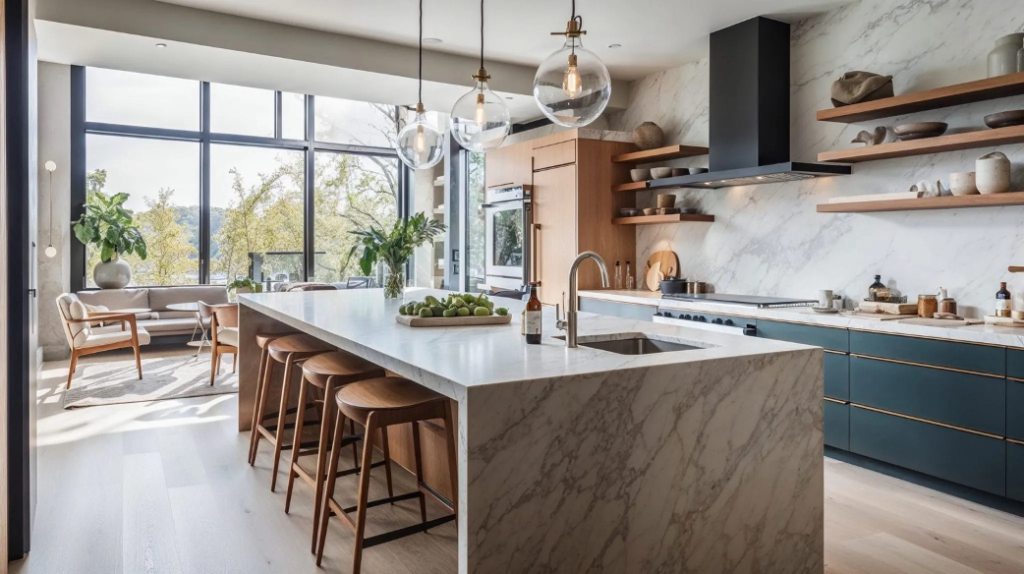
Illustration: Over-sized woven lights, different-sized glass globe pendants, and sculptural LED fixtures.
Why It’s Popular: Lighting serves as both a functional and decorative element, adding character and ambiance to the kitchen.
How to Incorporate: Choose fixtures that reflect your home’s aesthetic, such as rustic wooden chandeliers for a cozy lodge feel or sleek geometric pendants for a modern touch. This trend extends to dining areas and even kitchen islands.
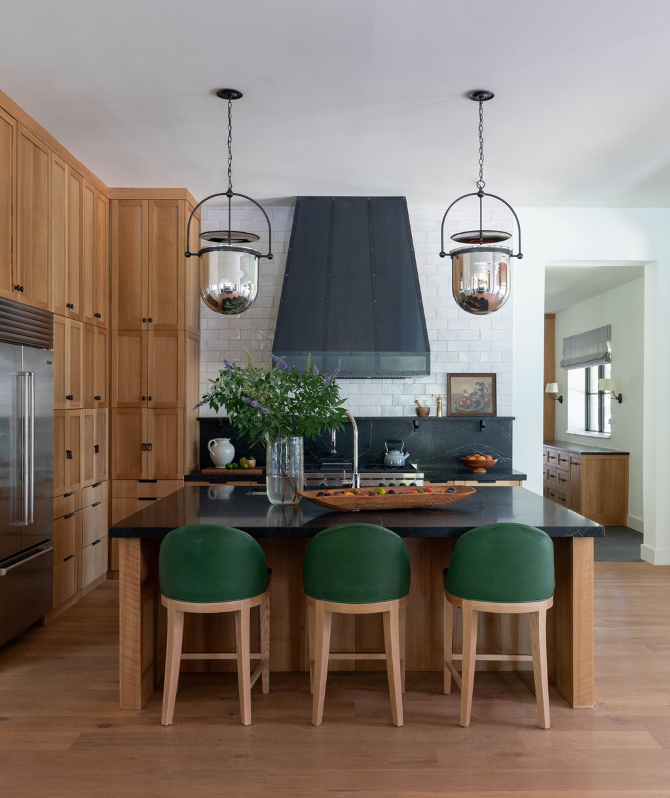
Illustration: Zellige tiles, compelling pattern/color combinations, and dramatic stone surfaces.
Why It’s Popular: Unique backsplashes add personality and dimension to kitchen designs, moving beyond the standard subway tile look.
How to Incorporate: Choose tiles that reflect your style—stark color contrasts for a moody feel or earthy terracotta for a rustic charm. This trend is ideal for kitchens but can also enhance wet bars and butler’s pantries.
In 2025, lake home kitchens are embracing a blend of nature, technology, and artistry to create spaces that are both beautiful and practical. By incorporating organic materials, tranquil colors, and seamless technology, homeowners can craft a kitchen that enhances their lakeside lifestyle. Whether you are drawn to smart innovations or prefer the warmth of reclaimed wood, these trends offer versatile ways to elevate your kitchen design. With thoughtful integration, your lake home kitchen can become a perfect balance of style, functionality, and harmony with the surrounding landscape. For more design inspiration, visit Lake Home Lifestyles.
Selling a lake home comes with several questions, but some are better than others. Glenn Phillips, CEO of Lake Homes Realty, discusses 5 questions to avoid when selling a lake home.
“How many views did my listing get online?” The truth is that there’s no right answer to this question. If you get plenty of views, you start to think the websites aren’t good or the buyers aren’t serious. However, if you aren’t getting any, you’re still upset since there’s no traffic. The right amount of views is the one that leads to a transaction. The real reason sellers ask this is to know why they aren’t getting a transaction. Most of the time, if the property is marketed well, the home isn’t properly priced.
“Should we counter-offer?” In negotiation, you always counter-offer. Not giving a counteroffer eliminates any chance of a negotiation. Counter-offers aren’t always about price; they can include extra property or furniture. Work through the negotiation to keep the discussion going until you reach a transaction.
“Can you co-list with my relative?” What this question really means is that you want to hire an agent to do the work and split the check with your relative. If you don’t feel your agent is worth the money, don’t hire them.
“Where is your office?” Office location for lake agents isn’t important. Most lake home buyers come from cities or states away and don’t want to come into town to look at an office. Lake home buyers would rather look at the house than go to an office.
“Does your brokerage have a lot of agents?” This is more of a filler question when interviewing agents. Instead, ask them how they differentiate themselves from the other agents to be successful.
Asking your agent the right questions can make a world of difference when selling lake homes. Visit lakehomes.com to connect with expert lake agents who are ready to guide you to a successful transaction.
Lake home sellers use some common phrases that may end up costing them money. Glenn Phillips, CEO of Lake Homes Realty, discusses 4 things lake home sellers say that could backfire.
“Let’s leave room for negotiations.” No matter what price you set for your house, the buyer will always try to meet you somewhere between your price and their price. Additionally, appropriately priced homes sell quickly and don’t sit on the market. Intentionally overpricing causes frustration and costs you money by having your home sit on the market.
“We can reduce the price later.” Lake Homes Realty data suggests that overpriced homes don’t get offers and sit on the market. Overpriced homes also cause contention with your agent, as you believe they aren’t doing their job well. Once you start reducing your price, you’re training buyers to offer lower than the list price.
“This is the price I need so I can…” Often, sellers price their home with the intention of paying for a trip, debt, or some other expense. However, this has nothing to do with what the market says. Buyers don’t care about what you want to buy with the transaction money. Your home will only sell for what the market says it’s worth, not what you need to pay for something else.
“I really don’t have to sell.” Listing a home costs everyone involved time and money. If you don’t have to sell, then don’t. Playing around with the market costs you and other people a lot of time and money.
These common phrases often cost sellers extra time and money. Selling a lake home is a business transaction, so you should treat it like one. Visit lakehomes.com to connect with expert lake agents ready to guide you through lake real estate.