4 Best Plants to Prevent Bugs at Your Lake Home

Bugs: nature’s biggest nuisances. While some – like bees, praying mantises and ladybugs – are helpful to the environment, others can be a real buzz kill during lake season.

These four plants will not only spruce up your curb appeal but also help keep pests from ruining your fun in the sun. So, check out this list of the four best plants to prevent bugs at your home, and get growing!
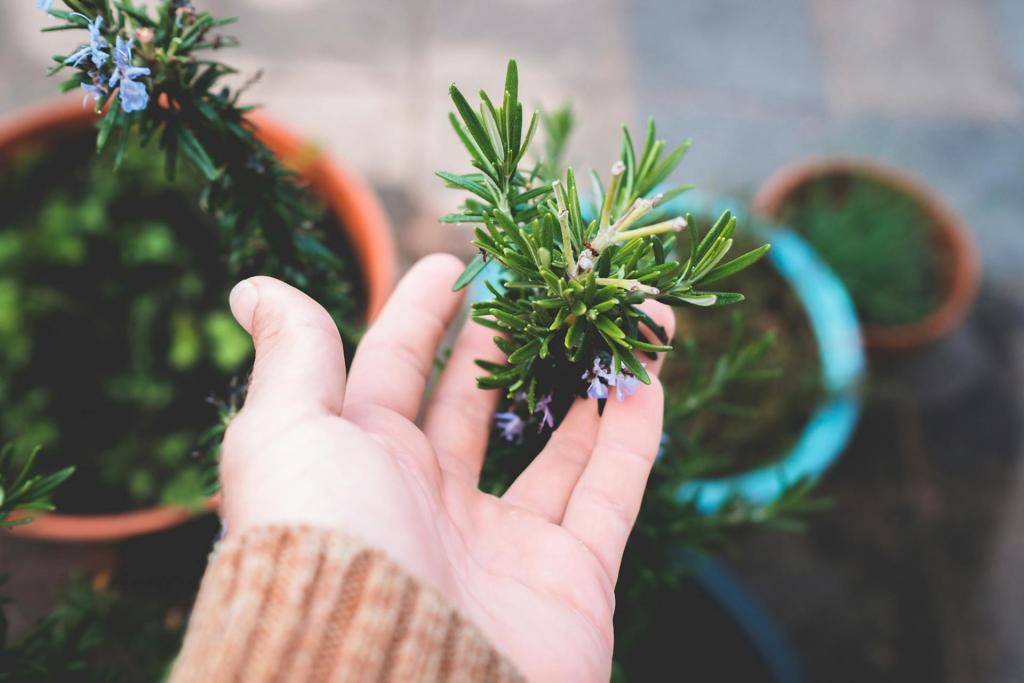
Photo courtesy of Lachlan Ross via Pexels

Lemongrass

Lemongrass, often used for medicinal purposes in teas and as a cooking spice, is a surprisingly effective mosquito repellent.

These plants — characterized by tubular stocks, a bulbous base and blade-like leaves — contain citronella oil.

This essential oil works by masking smells insects (like mosquitoes) find attractive.

In people, these attractive aromas include carbon dioxide, which we produce by exhaling, and some chemicals found in human sweat.

Lemongrass is a warm-weather plant, which requires full sunlight for six to eight hours a day to thrive.

If planting lemongrass in a garden, be sure to spread plants several feet apart to allow optimal growth.

If you’re planting lemongrass in an area where temperatures drop to below 40 degrees Fahrenheit, grow the herb in a planter rather than in the ground. That way, you can take the plants inside during the winter to avoid freezing.

Also water your lemongrass plants regularly, as they are prone to drying out when left unattended, and keep them in nutrient-rich soil that drains well.

Chrysanthemums

Members of the daisy family, chrysanthemums come in a variety of colors making them perfect for brightening your yard and, even better, preventing bugs from encroaching on your good time.

These flowering plants are characterized by the shape of their petals. Some chrysanthemums feature thick, rounded flowers while others feature tubular petals that stick out like spikes.

Chrysanthemums contain pyrethrum, commonly found in natural pesticides. This chemical is effective at repelling, and even killing, such insects as ants, fleas, ticks and roaches.

To grow your own, be sure to plant your flowers where they will receive between 5 and 6 hours of sunlight daily.

You should also avoid planting your chrysanthemums in low-lying areas that may collect water, or in damp window boxes, because they are susceptible to mildewing.

Rosemary

Like lemongrass, rosemary is another cooking herb that does well to keep mosquitoes at bay. Also similar to lemongrass, rosemary puts off a strong aromatic smell that masks those that attract such insects.

Experts recommend throwing a few sprigs of rosemary on the grill while cooking out to not only enhance the flavor of your meal, but also to drive flies and other bugs away with the smoke.

Rosemary is a perennial, shrub-like plant that is best grown when potted. This herb can survive in a wide range of temperatures and sunlight and can grow up to four feet tall. Rosemary also produces small, indigo-colored flowers.

You can harvest up to a third of a rosemary stem at a time. Once harvested, you can dry your rosemary stems to use later in cooking, teas and in bug repelling.

Petunias

Vibrant colored petunias are effective at deterring a number of insects including aphids and different types of beetles.

There are two types of this flower: grandiflora and multiflora.

When planting petunias at the lake, consider planting the latter type to prevent bugs at your home.

Distinguished by numerous small buds, multiflora petunias are not as susceptible to wet conditions as grandiflora.

It’s best to start growing your petunias from transplants; however, should you grow them straight from the seed, pot and grow your flowers inside until they can be transplanted.

Petunias are perennials, like rosemary, which means you and your lake home guests can enjoy them year-round.

They don’t require much watering and can grow in partial shade, though the plant will produce fewer flowers than if it were grown in the sun.

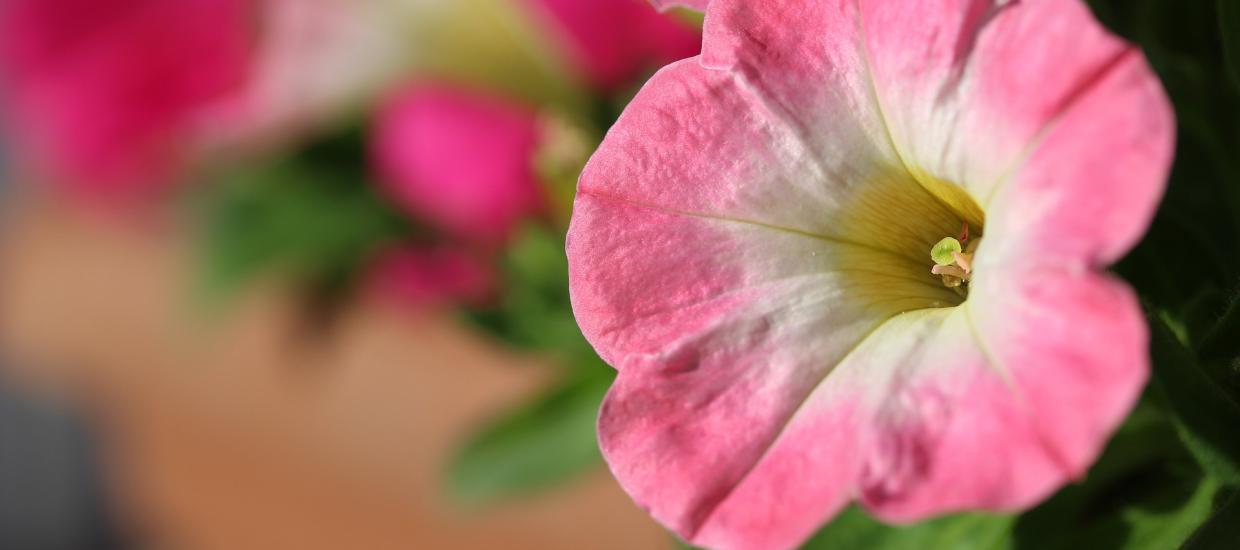
The most popular varieties of this flower include Petunia Plus Reds, also known as the hummingbird petunia, and Suncatcher Pink Lemonade petunias, which feature a yellowy center with a pink rim.

What to Expect From Home Design in 2019

The new year is the perfect opportunity to give your home a fresh look. Check out the home design trends experts predict will gain popularity in 2019 and help increase the value of your lake home!

Dark Exteriors

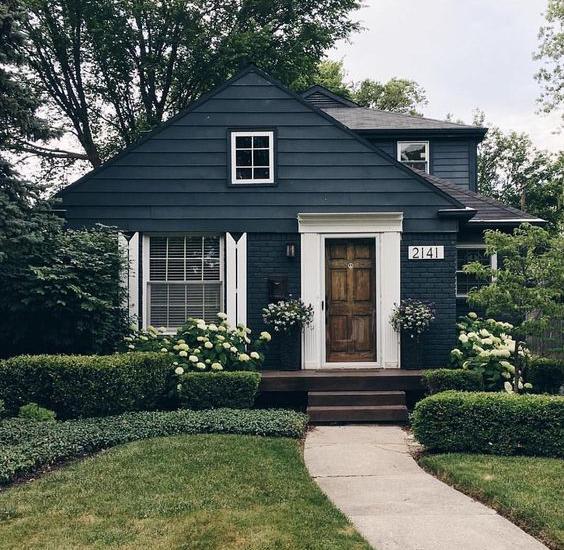
In 2019, expect to see more dark home exteriors   in combinations of navy, steel grays and flat, deep reds, accented with contrasting colors like white door frames and/or natural wood shutters.

In choosing paint or material colors to work with, consider the personality you want your home’s appearance to communicate.

Dark blues are often associated with integrity and power, while dark reds communicate vigor and leadership. Charcoals and steel-gray tones often represent sophistication and masculinity.

Such combinations will help create a stark and compelling new look to your lake home, as well as yield as much as 43 percent return on investment.

Mismatched Metals

Uniformity has its place, but not in 2019.

When you’re working with metals, Invaluable.com advises homeowners to mix no more than three metals in a room, and to choose one dominant material and one to two accents.

Aluminum is a cool-toned metal that works well as a room’s dominant material and is often seen in kitchens, particularly those with stainless-steel appliances. Copper and gold make the best accents to use with silver.

If you want your kitchen to feel warm, incorporate gold and copper in drawer pulls and cabinet handles, lighting fixtures and counter-top baubles.

Or keep your kitchen cool with cast iron fixtures. Replacing these small details can have an almost 90 percent return on investment, according to USA Today.

Also consider using textured metal finishes. For example, if your kitchen appliances are stainless steel and you choose copper as your accent color, swap your coasters with hammer-finished copper ones or replace your backsplash with hammered, bronze sheets.

Spa-Style Landscaping

Simply living at the lake can help reduce your stress thanks to the “blue mind effect,” which is responsible for the feelings of relaxation and peace people experience near the lake. But spa-style landscaping, which is expected to become an emerging trend in 2019, can take these feelings to the next level.

Enhance your shore appeal with a small zen garden under a big pergola. Enclose the area with warm-toned wooden benches and airy drapes, or feature a quiet, miniature reflection pond or tricking waterfall wall.

For something simpler, landscape with aromatic plants along your waterline or retaining wall, such as rosemary or lemongrass.

Gardenias, jasmine and lavender are also calm-inducing plants to include in your landscaping. These flowers fare poorly in consistently moist soils, so try planting them closer to your home than the water.

And be sure to include some stabilizing vegetation too to protect your shoreline, like blue flag irises, lemongrass and cardinal flowers.

In fact, USA Today also reports these small upgrades can more than double your money in resale value.

Interested in more lake home decorating tips and ideas? Read our articles Lake Home Decor: Living in Style and “Unique Landscape Designs for Lakefront Properties.

Strategies for Using Compost

No matter if a compost pile is hot and quick or cool and slow, when it is finished it is a completely new material.

The volume of the original pile will have been reduced due to biochemical breakdown and the water respiration will be approximately 30-50 percent of what it was during the process.

The finished product however, will offer you numerous benefits for different reasons:

Nutrient Rich Soil

Using compost in a garden will improve the quality of the soil, this is why compost is often referred to as a soil conditioner.

Compost will also improve the structure and the texture of the soil which will enable it to better retain the nutrients, moisture and the air that your plants need to grow.

Soil Structure

Mixing the compost into your soil will dramatically improve its structure. The structure of the soil refers to how the inorganic particles combines with the decaying organic particles.

The inorganic particles include silt, sand and clay. Soil that has good structure will be crumbly, drain well and will retain its moisture. You will find that it is very easy to till and turn over for planting.

Water Retention

Sandy soil does not have much water and it is difficult for it to retain nutrients. Soil that has a lot of sand in its composition will feel loose and coarse. Also, it will not hold its shape when you squeeze it in your hand.

Water and soil nutrients will pass through it very quickly since there isn’t anything to hold it together. Using compost will help the soil to bind with the particles and increase nutrients and moisture retention.

Additional Air

Clay soil will feel heavier and be more dense. The particles are smaller and are bound together tightly. When this soil is wet, the clay in it will be sticky and, when squeezed, will hold together.

When you mix in the compost, it will bind the clay into bigger particles that will offer more air space. This will offer your plants more air and better drainage.

Nutrients for Plants

Using compost adds nutrients to the soil. It contains many different basic nutrients that plants needs in order to grow.

In addition to the three main nutrients, which are nitrogen, potassiu, and phosphorous, there are other micro-nutrients that are found in the compost. These micro-nutrients include copper, zinc, iron and manganese.

Fertilizer

Compost is made using different ingredients.

Some end up decaying more quickly than others. Because of this, nutrients are released over a period of time. Compost is deemed a slow releasing type of fertilizer.

If everything decayed at the same rate, the resulting material would not be as useful. Putting the compost in your garden will offer you bigger vegetables, faster growing plants and amazing soil.

There are many people use compost out of convenience. It is something that can be made at home and is natural.

This is a better choice over store-bought fertilizer, which can contain high levels of chemicals.


5 Fun Landscaping Ideas for Your Lake Home

Lake homes offer a beautiful retreat from the business of everyday life. It provides a way to relax and rest. However, it does not just happen. You must put a little work into your personal haven and that includes the landscaping. If you are lacking ideas for your home, then this list will serve you well.

Vanishing Pool Edge

The vanishing pool edge is a serene and classy look when you have lake front property. The purpose of this is to build a pool that seems to just continue on into the water of the lake or ocean.

It offers elegance and simplicity with the allure or having the entire lake in your property. It is also a great idea to plant a beautiful garden on the sides of the pool to offer an even more peaceful and gorgeous way to relax the day away.

Mosaic Tile Art Work

Having a beautiful patio is key to offering a beautiful landscape to your property. Having mosaic tile art work installed for the patio will add to the elegance of the landscaping.

Plant colorful flowers and place on the patio and a garden to match around the edges. Make sure the flowers match the accent colors of the art work in the tiles to pull it all together as a large, majestic relaxing area.

Slope of Nature

If your property slants towards the water, then there are so many options on beautiful visuals that you can use to create a wondrous landscape for your lake home. You are able to install steps into the slope to make them natural. Ensure that you line them with rocks to show the path down, and incorporate a handrail for safety.

Embed small flowerbeds into the slope and maintain the grass length. It will offer a beautiful, precise natural way to the lake with a breathtaking appeal.

Fire Pit

Having a fire pit built to place in the landscaping is not only beautiful, but it is a functional piece of the ambiance. You can have it pull in the surroundings by choosing a great color of brick.

Adding in outside flowerpots with large plants is a wonderful idea to add in greenery on the patio. Plant large greenery on the sides of the patio, it will help create a great flow from the patio to the land.

Balcony of Nature

Another amazing landscaping idea is to build a balcony over the steep slope of your land. You can use natural toned bricks. Add a fire pit in the middle.

The most beautiful nature balconies are those that have greenery in pots on the balcony to help incorporate the scene. It is breath taking and will offer a relaxing area to enjoy your time.

Your landscape is important to the ambiance of your home. Putting special care into the view of the outside will add value and offer you a better place to entertain guests and relax.