Shine On: How to Clean Laminate Floors Like a Pro

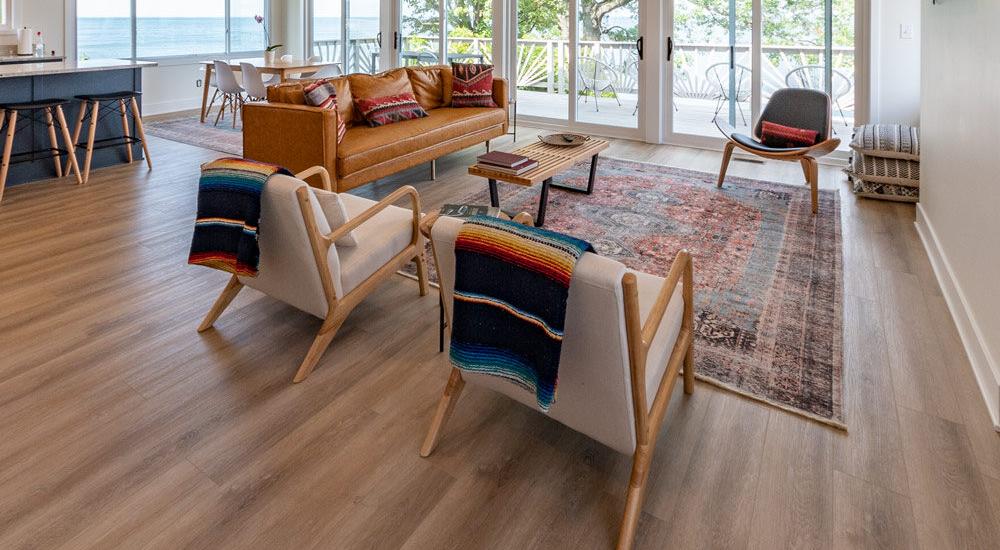
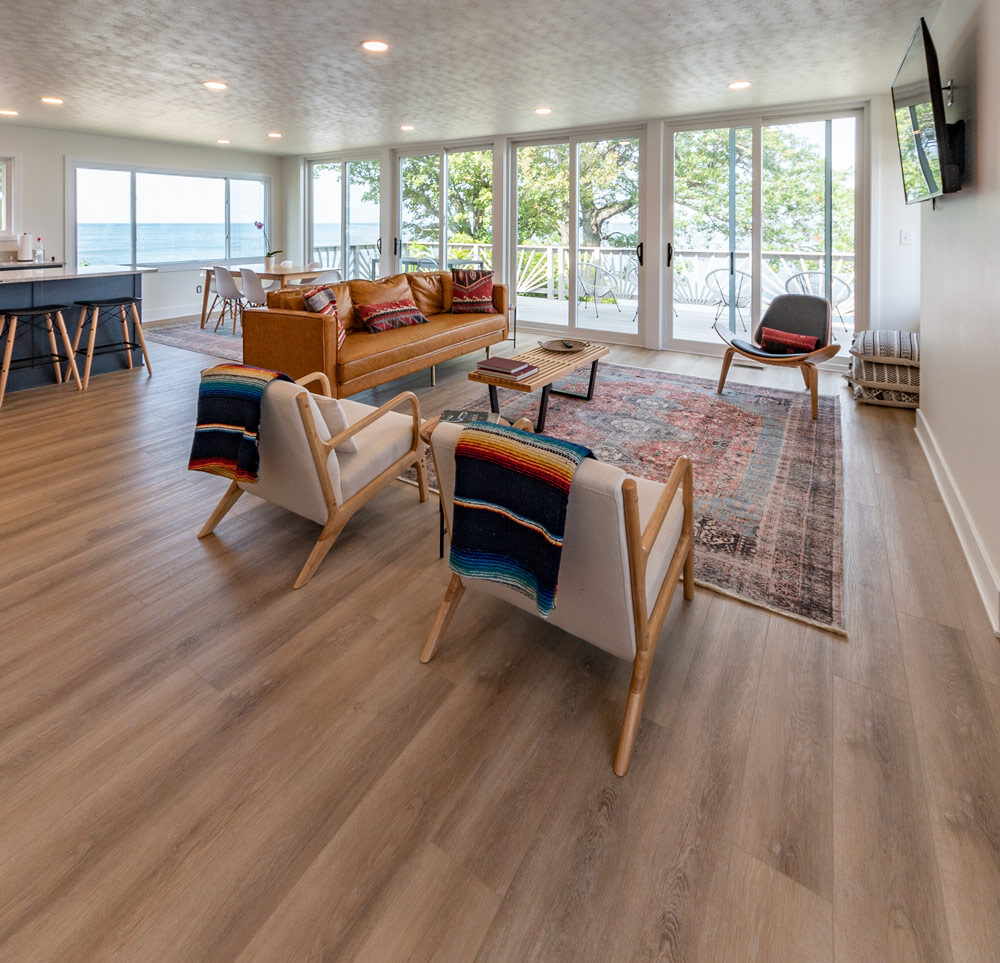
Clean laminate floor in a lake home
Photo courtesy of Best Laminate

Laminate flooring has become a practical staple in many lake homes across the United States. It delivers the look of natural wood with a durability that holds up well against sandy feet, wet towels, fishing gear, and the constant indoor-outdoor flow that defines lake living. From the Upper East and Mid-Atlantic lake districts to the Texas Hill Country and the Pacific Northwest, homeowners appreciate laminate for its affordability and wear resistance. Yet keeping it looking like freshly finished wood requires a slightly different approach than traditional hardwood.

Laminate flooring is built from layered composite materials with a photographic wood grain beneath a clear protective wear layer. That surface resists stains and scratches, but it also means moisture, heat, and abrasive tools can cause long-term damage if used improperly. Excess water can seep between planks and cause swelling or warping, while harsh cleaners and rough scrubbing tools can dull the finish that gives laminate its convincing wood appearance.

For lake homeowners—who often deal with tracked-in grit, fluctuating humidity, and seasonal traffic—smart cleaning habits are essential. The goal is simple: preserve the floor’s finish, remove debris before it scratches the surface, and clean gently enough to avoid moisture damage. With the right techniques and a few practical tools, laminate floors can maintain a warm wood-like glow that complements the relaxed architecture of lakefront homes. The following six strategies focus on cleaning methods and preventative steps that keep laminate floors sparkling while minimizing scuffs and wear.

Start With a Daily Dry Microfiber Sweep

Deep clean laminate floors with mop
Photo courtesy of Home Depot

One of the simplest ways to maintain laminate floors is also the most effective: frequent dry cleaning. A microfiber dust mop or soft broom captures dirt before it becomes abrasive underfoot. Tiny particles of sand—common around lake homes—can behave like sandpaper when ground into laminate surfaces.

Dry mopping works because microfiber attracts dust and grit without scratching the protective wear layer. Removing debris before wet cleaning prevents dirt from smearing across the floor or grinding into the finish.

For lake homes in the Northern Great LakesPacific Northwest, and Upper East lake regions, where pine needles, soil, and lake sand frequently enter the home, this habit is especially valuable. In California and Texas lake regions, dry mopping also removes fine dust common in warmer climates.

Recommended equipment

  • Microfiber dust mop with washable pad
  • Lightweight vacuum without a rotating brush head
  • Soft indoor broom for quick sweeps

Use a Damp—Not Wet—Microfiber Mop
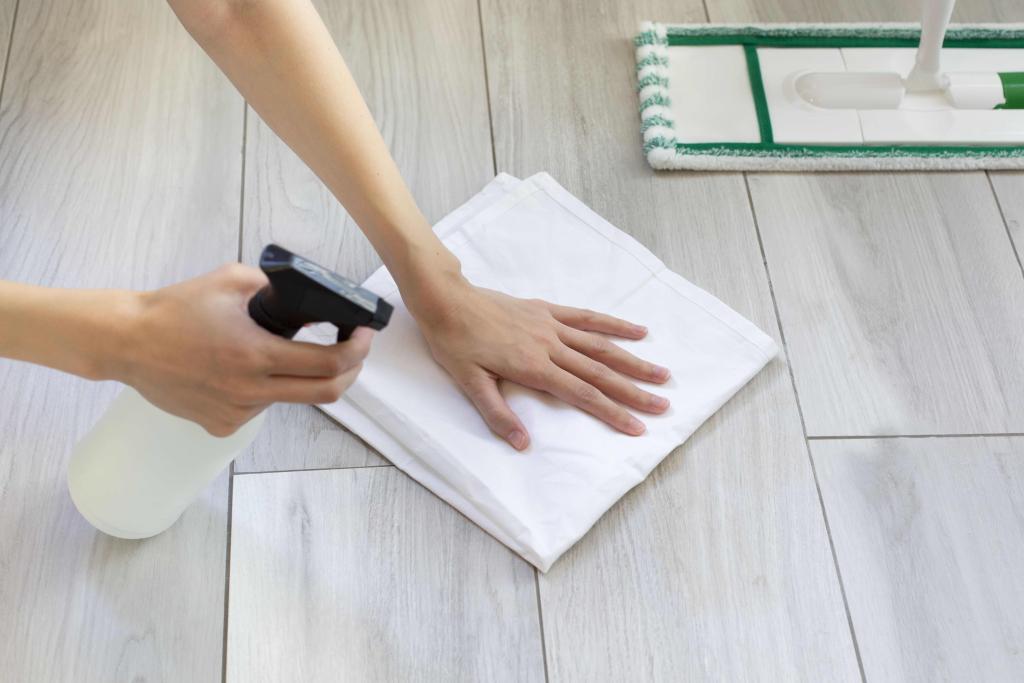
Use a Damp—Not Wet—Microfiber Mop
Photo courtesy of The Spruce

Using the wrong cleaning product is one of the fastest ways to dull laminate floors. Oil soaps, waxes, and many hardwood cleaners leave residue that causes streaks or sticky buildup.

Laminate flooring performs best with pH-neutral cleaners formulated specifically for laminate surfaces. These products lift dirt without leaving film or damaging the protective layer. Using too much soap or harsh chemicals can leave a cloudy appearance that attracts more dirt over time.

In lake homes where open floor plans and sunlight highlight every surface detail—especially in California and Pacific Northwest lake homes with expansive windows—avoiding residue is crucial for maintaining the illusion of natural wood.

Recommended equipment

  • Laminate-specific floor cleaner
  • Spray bottle for controlled application
  • Microfiber mop or cloth

Clean Spills Immediately—Especially Water
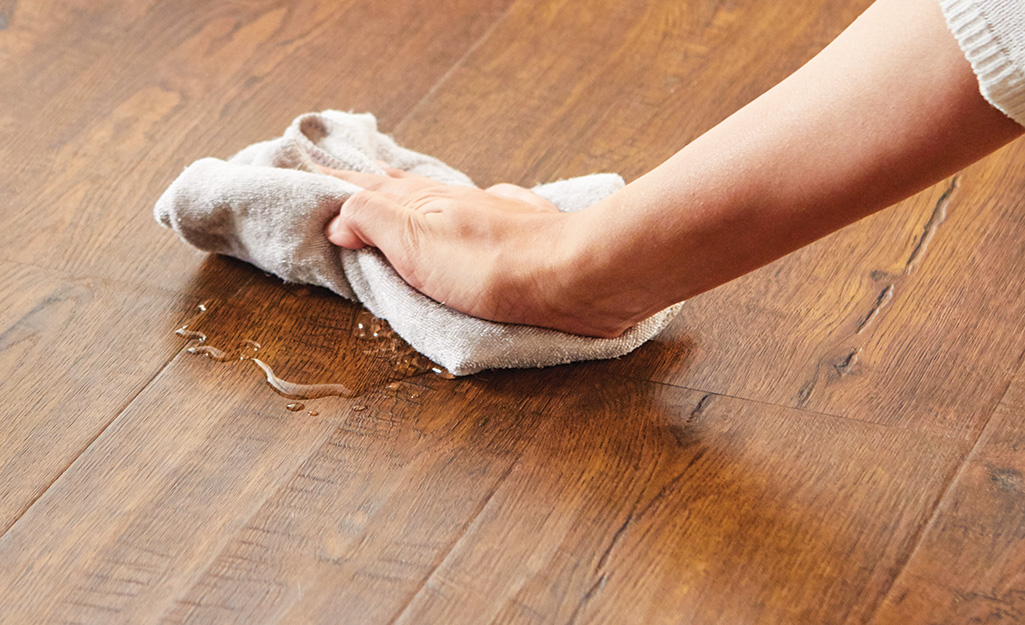
Avoid abrasive tools, heat and steam on laminate floors
Photo courtesy of Home Depot

Water is laminate flooring’s biggest enemy. While many modern laminates are water-resistant, prolonged exposure can cause swelling or lifting at plank seams.

Lake homes naturally face higher spill risks: wet swimsuits, dripping paddleboards, melting ice from coolers, and rainy dock returns. Prompt cleanup prevents moisture from penetrating the seams of the flooring.

Experts recommend wiping spills immediately with a microfiber cloth or sponge rather than allowing liquid to sit on the surface.

This practice is particularly important in the SoutheastMid-Atlantic, and Great Lakes regions, where humidity and frequent water activity increase the likelihood of spills.

Recommended equipment

  • Microfiber cloths
  • Absorbent towels near entryways
  • Entry mats at lakeside doors

Prevent Scuffs With Protective Pads and Entry Mats

Go easy on your laminate floors, prevent scuffs, don'nt wear outdoor shoes inside, use protective pads and entry mats,
Photo courtesy of Home Depot

Preventing damage is often easier than repairing it. Furniture legs, sliding chairs, and grit from outdoor shoes are among the most common causes of laminate scuffs.

Adding felt pads beneath furniture distributes weight and prevents scratching when pieces move slightly across the floor. Entry mats also capture debris before it reaches the laminate surface.

This approach is particularly useful in Northern lake regions and the Upper East, where seasonal boots and heavy gear are common, and in Texas lake homes, where dust and gravel can easily be tracked inside.

Recommended equipment

  • Felt furniture pads
  • Indoor-outdoor entry mats
  • Area rugs in high-traffic zones

Avoid Steam, Abrasive Tools, and Excess Heat
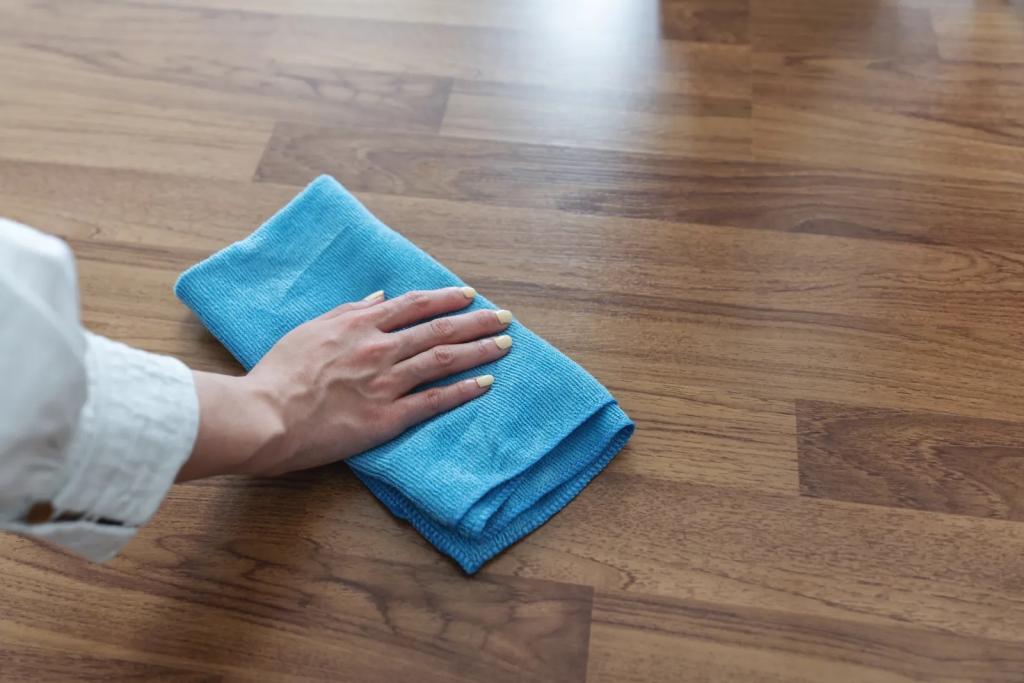
micro-fiber cloth cleaning laminate flooring
Photo courtesy of Sasin Paraksa/Getty Images via Architectural Digest

Many cleaning tools designed for tile or stone floors can damage laminate. Steam mops, stiff scrub brushes, and steel wool can weaken the adhesive layers or scratch the protective surface.

Heat combined with moisture can loosen the bonding layers within laminate planks and cause long-term structural damage. For that reason, steam cleaners are generally discouraged for laminate floors.

This precaution is especially relevant in the Pacific Northwest and Great Lakes regions, where homeowners may be tempted to use steam cleaning for sanitizing during colder months.

Recommended equipment

  • Soft microfiber cleaning pads
  • Non-abrasive cloths
  • Laminate-safe mop heads

Laminate flooring succeeds in lake homes because it combines visual warmth with practical durability. But maintaining that polished wood-like appearance depends less on heavy cleaning and more on consistent, gentle care. Removing grit before it scratches the surface, using minimal moisture, and protecting high-traffic areas all contribute to long-term performance.

For lake homeowners—from the pine-lined lakes of the Northeast to the bright reservoirs of California—these simple habits ensure laminate floors remain both resilient and visually convincing. With the right maintenance routine, laminate flooring can deliver the relaxed elegance of wood while standing up to the daily realities of life by the water. For more cleaning tips and design inspiration, visit Lake Home Lifestyles.


Common Pricing Mistakes to Avoid When Selling Lake Real Estate

Selling a lake property in today’s market is a rewarding yet complex endeavor. And for those who have done their research, know that unlike typical residential homes, lakefront properties are often considered “discretionary assets” — luxury purchases driven by lifestyle rather than necessity. Furthermore, they come with unique characteristics and market dynamics that require careful consideration, especially when it comes to pricing. Setting the right price is crucial — not only to attract savvy buyers but also to protect your equity and further maximize your return. Glenn S. Phillips, CEO of Lake Homes Realty, shares five common pricing mistakes and offers practical advice on how to navigate today’s market.

Overreliance on Automated Valuation Models (AVMs)

In today’s digital age, many sellers turn to online tools known as Automated Valuation Models (AVMs) to estimate their home’s worth. While convenient, AVMs are fundamentally algorithms that rely on limited data and generalized assumptions. The technology has improved for residential homes; however, they remain flawed for lake real estate. They cannot see the variables that actually drive lake property value, such as water depth at the dock, the quality of the view, or the steepness of the path to the shoreline.

The New Reality: A digital tool might tell you what a house is worth based on concrete factors such as square footage, but it will fail to accurately assess unique, nuanced details, such as whether your shoreline is eroding or your dock is the best on the lake. Blindly trusting an AVM can result in leaving money on the table or pricing yourself out of the market entirely.

Using “Active Listings” as a Pricing Benchmark

Photo by Thirdman

A common mistake is pricing your home based on what your neighbor is asking. In the current market, active listings only tell you what sellers hope to get — not what buyers are actually paying. Properties that linger on the market often indicate that their prices are unrealistic.

Pro-Tip: The “10-Day/10-Showing Rule”: In today’s fast-moving information environment, if your property hasn’t seen significant showing activity or serious inquiries within the first 10 days or 10 showings (whichever comes first), the market is sending you a clear signal. You shouldn’t wait three months to adjust; you must listen to the market’s feedback immediately to avoid becoming a “stale” listing.

Setting Unrealistic “Financial Need” Expectations

Many sellers enter the market with emotional or financial expectations that don’t align with current market realities. The phrase “I need to get $X amount” is a dangerous starting point. Whether you’re looking to recoup renovation costs or fund your next purchase, the market is indifferent to your personal financial goals and ultimately dictates what buyers are willing to pay.

Pro-Tip: Personal Financial Goals Detachment: Phillips advises sellers to detach their personal financial goals from the math. “The ‘rich idiot’ buyer of years past has been replaced by a highly informed, data-driven buyer,” he explains. To succeed, you must conduct thorough research into recently closed sales — the only true data points that buyers, lenders, and appraisers will respect.

Emotional Reasoning vs. Objective Market Data

When selling a home, people often believe their custom upgrades add a dollar-for-dollar increase in value. While your custom floors or personally-designed landscaping are beautiful, they may not translate to a proportional price hike if the “comparable sales’ in your area don’t support it.

Pro-Tip: The Pre-Listing Appraisal: One of the most powerful moves a seller can make this year is commissioning an independent appraisal before listing. Having a professional valuation in hand serves as a “shield” against lowball offers and gives prospective buyers (and their lenders) immediate confidence in your asking price.

Failing to Consult a Lake Real Estate Expert

Finally, perhaps the most critical mistake is working with a general real estate agent rather than a lake specialist. While it might be tempting to work with a friend or family member, lake real estate sales require specialized knowledge of unique legalities such as dock permits, Corps of Engineers boundaries, and water rights, which a non-lake agent may miss.

Pro-Tip: Cross-Lake Comparison: Today’s buyers aren’t just looking at one lake; they are “cross-shopping” similar lifestyle lakes across the region or in other parts of the country. A lake expert understands how your property stacks up against a similar home that may be three counties or even states away. They don’t just price your home for your cove — they price it for the entire regional market.

How to Successfully Sell Your Lake Home: Recap

Photo by Thirdman from Pexels

Selling a lake property requires a strategic approach grounded in market knowledge and expert guidance. Here are some actionable steps to help you avoid the common pricing mistakes as outlined by Lake Homes Realty’s CEO, Glenn S. Phillips.

Get Professional Appraisal: Start with a formal appraisal or a detailed market analysis from a lake real estate expert to understand your property’s true market value.

Research Recent Sales: Focus on comparable properties that have recently sold rather than relying on current listings or automated estimates.

Set Realistic Goals: Align your pricing expectations with market realities, balancing your financial needs with what buyers are willing to pay.

Separate Emotion from Pricing: Appreciate your home’s unique features, but let market data guide your pricing decisions.

Hire a Lake Specialist: Choose an agent who specializes in lake properties to leverage their expertise and network.

Pricing a lake property correctly is an art and a science. Avoiding common mistakes such as relying on automated valuations, mimicking neighbors’ prices, setting unrealistic goals, letting emotions cloud judgment, and neglecting expert advice can make a significant difference in your selling experience. With careful preparation and the right support, you can sell your lake home confidently and successfully.

If you’re considering selling a lake property and want more personalized advice, let the lake experts at LakeHomes.com help guide you through every step of the process — from pricing and marketing to closing the sale — ensuring you avoid common pitfalls and make informed decisions.

You can find the original source for this article here: Whiteboard Topics: What Are 5 Pricing Mistakes Made By Lake Home Sellers?

Garden Glory: Practical Planting in 2026 for Your Waterfront Gardening Goals

Waterfront landscape image illustrating Garden Glory: Practical Planting in 2026 for Your Waterfront Gardening Goals
Photo courtesy of Southview Design

Lake homes occupy a unique position in the U.S. property landscape: spectacular views, shifting shorelines, diverse microclimates, and increasing expectations from buyers and communities alike. In 2026, gardening trends for lake properties go beyond curb appeal. They emphasize ecological resilience, purposeful design, and long-term property value. This shift is especially relevant as climatic variability and environmental awareness grow. Today’s lake homeowner isn’t just thinking about flowers and tidy lawn edges. Instead, they’re thinking about how landscapes can support pollinators, conserve water, minimize maintenance, provide productive foodscapes, and create intentional outdoor experiences that suit everyday living. These landscapes also support entertainment during peak season. 

From the Upper East and Mid-Atlantic, where humidity and salt spray create distinct challenges, to the Northern Great Lakes’ short seasons, the Pacific Northwest’s cool, wet climate, the arid demands of Southwest lake regions, and the sun-soaked landscapes of California, each garden trend outlined here offers adaptability plus regional nuance for lake home environments. In addition, this essay explores six of the most relevant gardening trends for 2026. It covers what they are, why they matter for lake home decor and property value, where they make sense, and how to implement them thoughtfully across U.S. lake regions.

Rewilding and Native Plants

Rewilding and Native Plants
Photo courtesy of Future/Mark Bolton via Homes & Gardens

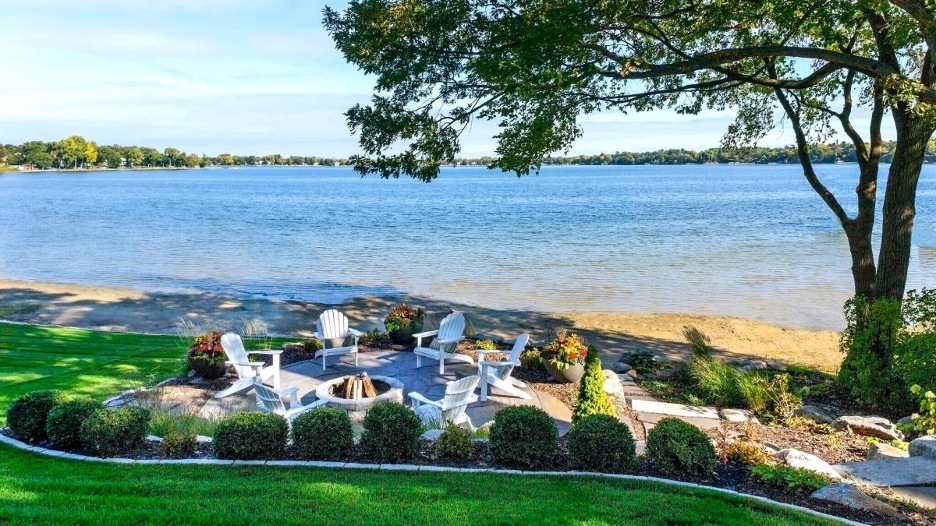
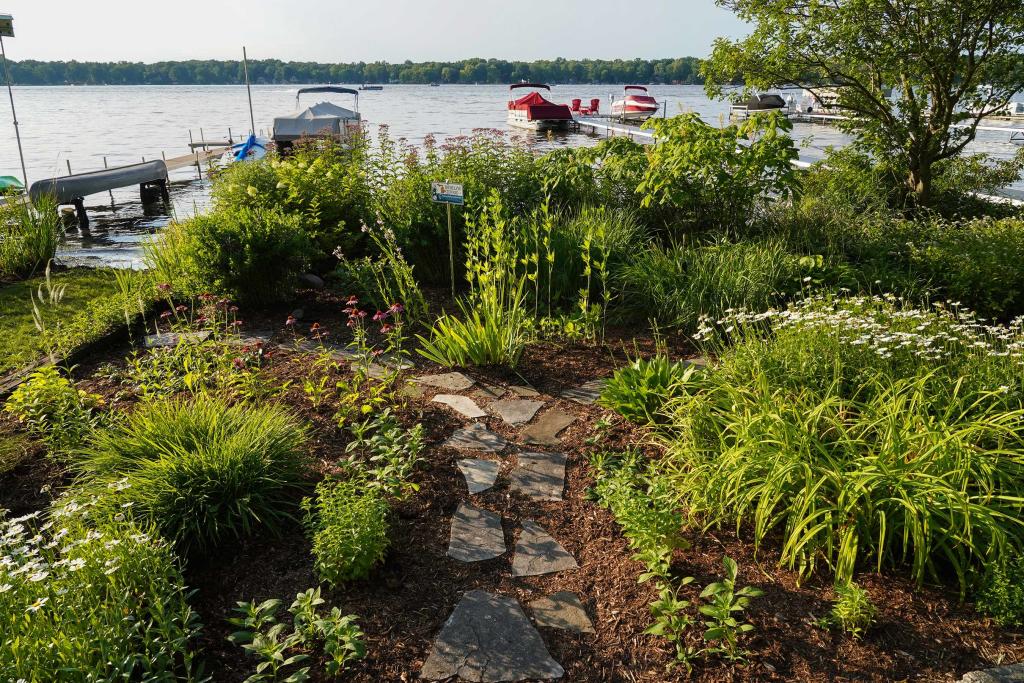
Concept: Rewilding shifts landscapes away from monoculture turfgrass toward intentional native plantings and natural habitat pockets that support local biodiversity, pollinators, birds, and beneficial insects. 

Trend relevance: In lake settings, rewilding works with—not against—the existing ecosystem. Native plants often require less water and fewer inputs while providing complex layers of texture, color, and structure. This is especially important on lakefront slopes and buffer zones where erosion control and runoff filtering are critical. 

Best regions: Across all lake zones, but especially in the Northern Great Lakes, Upper East, Mid-Atlantic, and Pacific Northwest, where native flora naturally thrives and supports regional wildlife.

Implementation:

  • Replace lawn islands with clusters of native grasses and wildflowers.
  • Build micro-habitats near docks and water edges with wetland-adapted species.
  • Work with local extension services to select plants that support pollinators relevant to your region.

Effortless Gardening & Relaxing Retreats

Effortless Gardening & Relaxing Retreats
Photo courtesy of Midwest Living

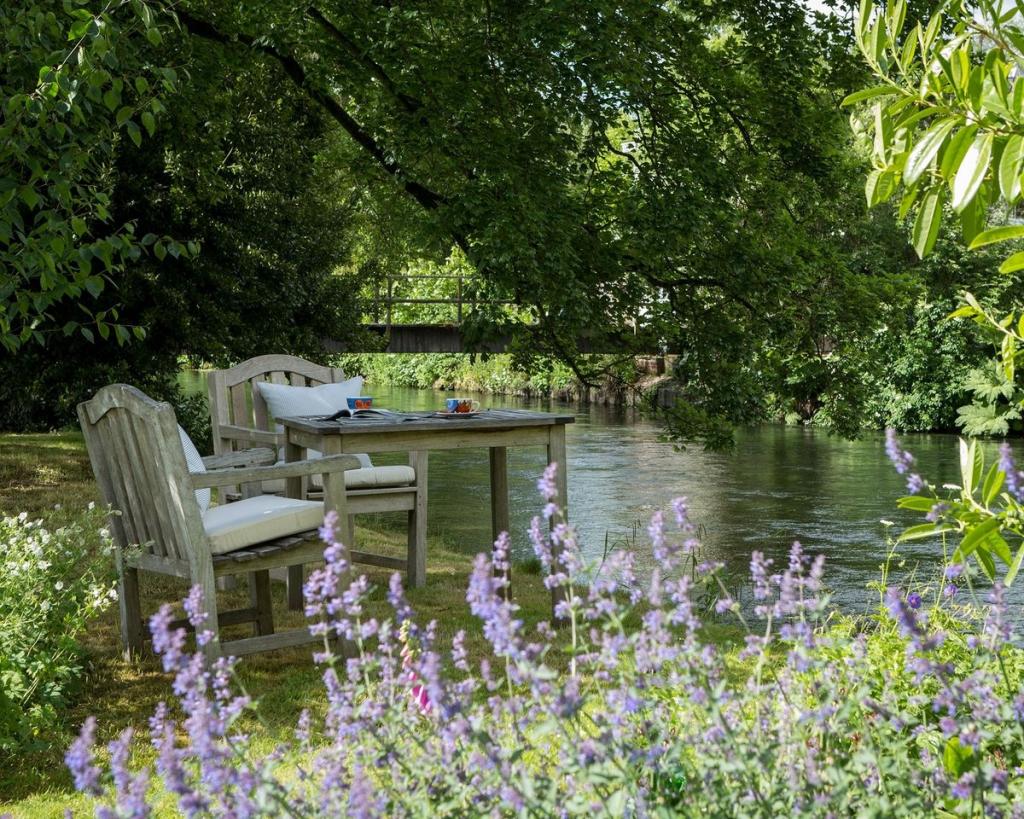
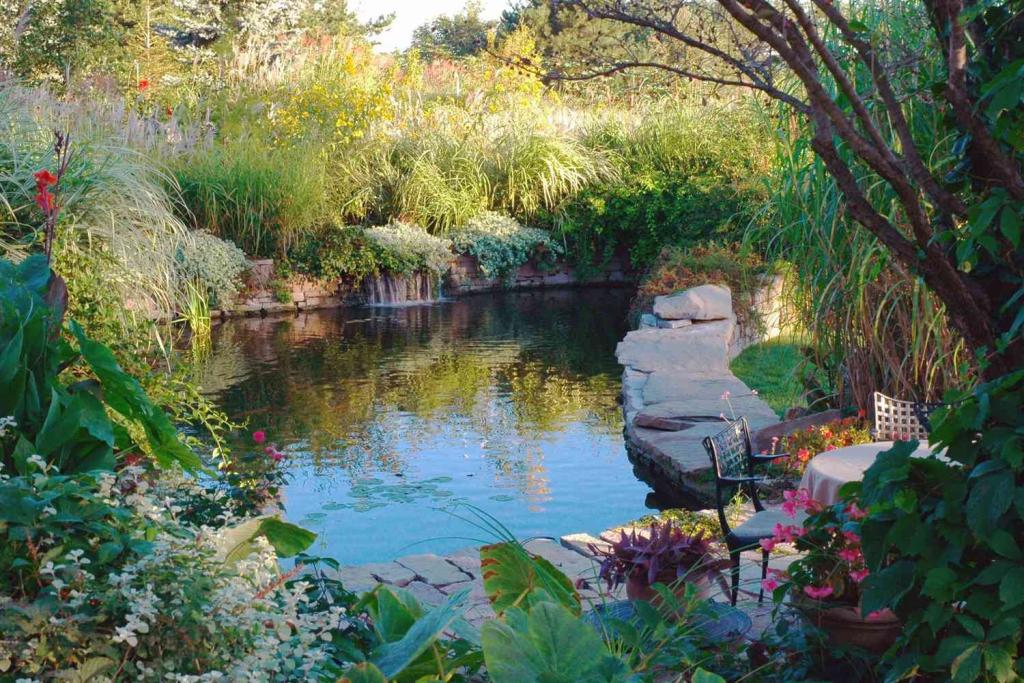
Concept: This trend designs gardens to enhance well-being with minimal maintenance. It emphasizes perennial grasses, simple texture palettes, and spaces that foster decompression. These spaces avoid labor-intensive upkeep.

Trend relevance: Lake homes are often seasonal retreats. Owners want gardens that flourish with minimal intervention while still creating quiet, immersive outdoor retreats. In these gardens, ornamental grasses, evergreen groundcovers, and mixed perennial borders create a seasonal rhythm with minimal maintenance. 

Best regions: Works everywhere, with species selections tailored to local conditions—moisture-loving grasses in the Northeast and Pacific Northwest. Meanwhile, drought-tolerant varieties thrive in the Southwest and California.

Implementation:

  • Use clumping native grasses and easy perennials as foreground layers near seating areas.
  • Integrate simple paths, broad mulch zones, and generous green textures that require little trimming.

Functional & Edible Landscapes

Functional & Edible Landscapes
Photo courtesy of Mark Bugnaski Photography, Michigan State University

Concept: Functional landscapes blend aesthetics with utility—most notably through edible plants, container fruit trees, columnar apples or pears, berry bushes, and herbs woven into ornamental beds. 

Trend relevance: As sustainability becomes a priority, lake property owners want beautiful and bountiful gardens. Edible landscapes offer fresh produce and a compelling lifestyle benefit that buyers increasingly value.

Best regions: Adaptable across regions—choose citrus or figs in Southern California and Texas, and plant apples and berries in the Upper East and Great Lakes. For mixed edible/ornamental herbs, focus on the Mid-Atlantic and Pacific Northwest climates.

Implementation:

  • Position container edibles near outdoor kitchens or patios for easy harvest.
  • Train dwarf fruit trees along sunny fences for screening and yield.
  • Integrate edible perennials, such as currants or herbs, into ornamental borders.

Gravel & Water-Wise Gardening

Gravel & Water-Wise Gardening
Photo courtesy of KG Landscape

Concept: Sustainable gravel gardening emphasizes xeriscaping and water-wise landscapes that lower irrigation needs while enhancing textural interest. Gravel serves both as functional mulch and a visual backdrop for drought-tolerant plants. 

Trend relevance: As droughts and water restrictions become more common, especially in Western and Southwest regions, lake gardens are embracing naturalistic, low-water planting palettes. These palettes still look sophisticated and cohesive.

Best regions: Southwest (including Texas lake regions), California lake communities, and Midwest areas with seasonal drought are ideal. The Northern and East regions can also adopt gravel accents in raised beds or on sunny slopes.

Implementation:

  • Lay gravel pathways or mulch zones with sedum, lavender, and drought-tolerant perennials.
  • Group plants by water need to optimize irrigation efficiency. 

Moody and Curated Colors

Moody and Curated Colors
Photo courtesy of Yahoo! Creators

Concept: Garden palettes in 2026 are trending toward sophisticated, deep tones—from gothic purples and dark burgundies to muted “Kusumi” smoky shades—that provide calming, curated vistas that complement lake views. 

Trend relevance: Deep color schemes anchor landscapes visually to water’s reflective surfaces, creating richness without relying solely on bright annual displays. Coupled with ornamental grasses and natural plant forms, these palettes feel timeless rather than trendy.

Best regions:

  • Pacific Northwest: misty greens and smoky lupines.
  • Northern Great Lakes & Upper East: deep bourgogne perennials with structural shrubs.
  • California: paired with muted succulents and dusky lavender tones.

Implementation:

  • Choose perennials and shrubs with dark foliage (such as black mondo grass and burgundy sedges).
  • Layer muted tones with soft textures to balance formality and nature.

“Lemonading” & Purposeful Spaces

“Lemonating” & Purposeful Spaces
Photo courtesy of SunyawitD, Gardening Know How

Concept: Borrowed from the idea of turning “lemons into lemonade,” this trend focuses on purposeful garden sequences—sensory pathways, accessible layouts, quiet corners, and zones designed for interaction and well-being. 

Trend relevance: Lake homes are increasingly outdoor living homes. Gardens aren’t just decoration. These spaces become places for lounge seating, meditation nooks, outdoor dining, firepit gatherings, or sensory experiences with fragrant plants.

Best regions: Universal, though plant choices and hardscape materials should reflect local climates and seasonal usability.

Implementation:

  • Create sensory zones with fragrant herbs, textured foliage, and sound elements near seating areas.
  • Ensure accessible paths and transitions between the lawn, patio, and lakeside.

The most impactful lake home gardening trends of 2026 don’t just follow fleeting aesthetic fads—they transform landscapes into resilient, purposeful, and valuable extensions of the home. You will see trends in rewilding and native habitat design that support biodiversity, in edible and water-wise gardens that reflect climatic realities, and in color and space planning that deepen the sense of place. Each trend aligns environmental responsibility with long-term lifestyle and economic value. Across U.S. lake regions—from the misty Upper East and Great Lakes to the sun-drenched California shores—thoughtful implementation of these approaches will help ensure gardens endure the test of time. In turn, they will elevate the experience and worth of every lake property. For more tips to enhance your lake life, visit Lake Homes Lifestyles.

Considerations for Buying a Lake Home on a Leased Lot

Purchasing a lake home is a dream for many, offering tranquility, recreation, and a unique lifestyle. For some, this dream might involve a property situated on a leased lot, a scenario that can sometimes raise questions. However, as we’ve seen, owning a home on leased land, particularly around lakes, is a common and often advantageous arrangement. Let’s explore why this model persists and what buyers should consider today.

Photo by Pixabay

Understanding the Landscape: Why Leased Lots Exist

The prevalence of leased lots, especially around larger lakes, often stems from the history of their development. Many of these significant bodies of water were created by power companies or governmental entities such as the Army Corps of Engineers. To maintain control over the surrounding land for various purposes, such as water management, environmental preservation, or future development, these entities often choose to lease the land rather than sell it outright. This allows them to retain ownership while enabling individuals and families to build and enjoy homes on the property.

The Transferability of Leases: Continuity for Buyers

One of the primary advantages of purchasing a home on a leased lot is that the lease agreement typically transfers to the new owner upon sale. This means you don’t have to renegotiate terms from scratch or worry about the lease expiring when ownership changes. The existing lease becomes part of the property transaction, providing a seamless transition for the buyer. However, keep in mind that the landowner—such as a utility or government agency—must often approve or process the transfer as part of the closing. Therefore, it’s crucial to thoroughly review the terms of the existing lease during the due diligence period to understand all its conditions and any potential future implications.

Flexibility in Homeownership: Beyond the Lease Term

The concern about the finite nature of a lease term can be a deterrent for some buyers. However, the reality is often more flexible. Most leases include renewal options, but the terms and guarantees vary widely by lake and landowner, and they are not always automatic. This means that if you wish to continue your residency beyond the initial lease period, you generally have the right to renew it, often under terms that are negotiated at the time of renewal. Furthermore, if you decide to sell your home before the lease expires, the lease can be transferred to your buyer, mirroring the process you experienced when you purchased the property. This built-in flexibility mitigates the risk of a predetermined end to your homeownership.

Financing Your Lake Home Dream

A common misconception is that financing a home on leased land is more difficult. While it might require working with lenders who are familiar with this type of transaction, it is by no means impossible. Local banks and credit unions, particularly those with a strong presence in lake communities, often have experience with leased lot financing. They understand the market and the legal frameworks involved when working with the specific landowner (e.g., a power company or the Army Corps of Engineers).

It’s advisable to connect with these types of lenders early in your search to get pre-approved and understand their specific requirements, such as the typical term rule for leasehold mortgages, which require the remaining lease term to exceed the mortgage term by 5 to 10 years. For example, if you are seeking a 30-year mortgage, the landowner must be able to verify at least 35 to 40 years of remaining lease time or guaranteed renewals. If the lease is shorter, you may be required to take a 15-year mortgage or provide a larger down payment.

Key Considerations for Today’s Buyer

When considering a lake home on a leased lot in the current market, here are some updated points to emphasize:

  • Lease Term and Renewal: Pay close attention to the remaining length of the lease. Understand the renewal clauses, any potential increases in lease payments, and the conditions under which a lease might not be renewed. Also, be aware that lease payments often increase at renewal or periodically.
  • Leaseholder’s Policies: Familiarize yourself with the policies of the entity that owns the land. This could include rules about property modifications, landscaping, or use of the lake.
  • Community Association: In some cases, leased lots may be part of a larger community or homeowners’ association. Understand the role and responsibilities of this association.
  • Market Value and Appreciation: While you own the structure, the land value is influenced by the lease. Research how leased lot properties have historically appreciated in value compared to those on owned land in the same area.
  • Due Diligence is Paramount: As with any real estate purchase, thorough due diligence is essential. This includes a detailed review of the lease agreement, understanding all associated costs, and ensuring you are comfortable with the long-term implications.

The Enduring Appeal of Lake Living

Buying a lake home on a leased lot can offer a unique and accessible entry into lakefront living. The inherent advantages of transferable leases, renewal options, and the potential for unique property locations often outweigh the complexities. By approaching the process with a clear understanding of the lease terms and conducting diligent research, buyers can confidently pursue their dream of owning a beautiful lake home.

Want more videos like this one? Subscribe to our YouTube channel!

Want more articles like this one? Visit Lake Homes Lifestyles for more lake home tips and advice.

Original source can be found here: Whiteboard Topics: Why Buy a Lake Home on a Leased Lot?

Mushroom Magic: Bring Earthy Elegance to Your Lakeside Meals with These Edible Varieties

Fresh edible mushroom varieties on a wooden tabletop
Photo courtesy of The Chef & The Dish

At lake homes from the cool, forested shores of the Pacific Northwest to the moss-draped oaks lining Gulf region lakes, ingredient choices shape not just flavor—but experience. Mushrooms are especially effective in that role: they bridge casual lakeside grilling and thoughtful kitchen technique. They anchor salads, soups, grains, and mains with umami depth and textural contrast.

A Home Cook’s Guide

Photo courtesy of The Kitchn

Because mushrooms vary widely in structure and taste, knowing how to identify them — and how they respond to heat and pairing — is as important as selecting them.

So, what makes mushrooms reliably delicious in a lake kitchen? Most are sturdy enough to be grilled or sautéed over open flames. They stand up to bold seasoning and mix seamlessly with local proteins — trout, catfish, pork, or simply good pasta or rice. Whether you’re entertaining or feeding family after a kayak outing, these mushrooms deserve a place on your counter and on your plate. In our guide below, you’ll find seven widely available mushrooms that perform well in regional dishes.

Button & Cremini Mushrooms

Button & Cremini Mushrooms show in stuffed mushroom recipe
Recipe with Photo courtesy of The Food Geek

White buttons and their deeper-colored cremini cousins are the most familiar mushrooms in American kitchens. They are prized for their mild, savory flavor that gains richness when browned. In Eastern and Mid-Atlantic lake homes, sauté sliced cremini with garlic and herbs to finish grilled perch or walleye. Alternatively, fold them into a light mushroom broth with seasonal greens. In Southeastern lakes, add them to warm mushroom-and-corn salads that pair beautifully with chilled rosé. Around Gulf-region lakes, they become an accessible component in fajita mixes or in pasta tossed with local shrimp and basil. They also lend themselves well to creamy risottos, mushroom-topped grilled pizzas, or sautéed with butter and thyme as a simple but deeply satisfying side.

Portobello

Grilled Portobello mushrooms
Recipe with Photo courtesy of Well Plated by Erin

Portobellos are mature Agaricus bisporus mushrooms with broad caps and a firm, meaty texture. Their robust, savory flavor develops even more character when grilled or roasted. At Pacific Northwest lake homes, brush large caps with olive oil and cracked black pepper, then grill alongside salmon or trout. Slice and toss into a warm farro salad with scallions and toasted almonds. In California lake regions, portobello strips elevate grilled vegetable platters, vegetarian burgers, and soups. They also perform well stuffed with herbed cheeses or mixed with wild rice and herbs. Their texture makes them an excellent vegetarian “steak” and a hearty partner for smoky local wines.

Shiitake

Shiitake mushrooms in an Asian-inspired soup
Recipe with Photo courtesy of Frederick Hardy, Food & Wine

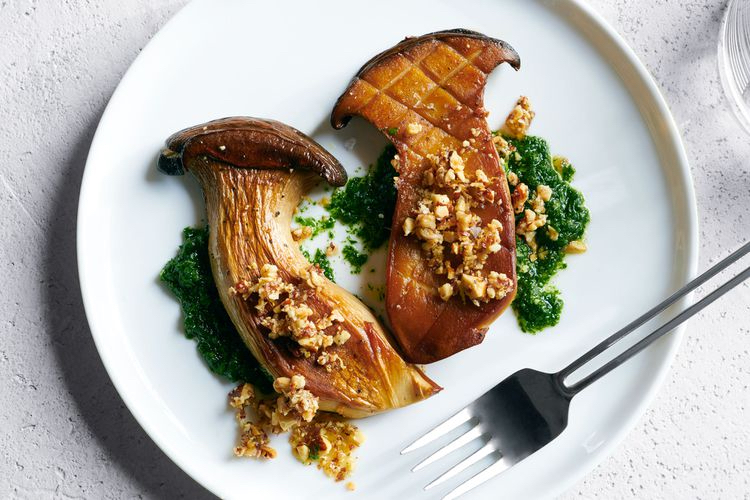
Shiitake mushrooms offer an intense, umami-rich profile and a firm texture that stands up to high heat. Commonly featured in editorial recipe roundups, shiitakes support robust plates from starters to mains. In Mid-Atlantic lake kitchens, use them to deepen a broth-based soup after an evening fishing trip. Around Gulf region lakes, stir-fry shiitakes with shrimp, lime, and scallions for tacos or grain bowls. In Northern lake regions, sautéed shiitakes add a savory backbone to wild rice pilaf or creamy pasta. Additionally, they excel in pan sauces, risottos, and composed salads. Their soaking liquid (for dried mushrooms) makes a flavorful stock base.

Oyster Mushrooms

Grilled Oyster Mushrooms with pesto
Recipe with Photo courtesy of David Malosh, Food & Wine

Oyster mushrooms have delicate, layered shapes and a mild yet slightly sweet flavor, earning them frequent inclusion in sophisticated recipe collections for seasonal cooking. Their texture is tender but firm enough to grill in skewers or sauté quickly over high heat. In Southeastern lake regions, sautéed oyster mushrooms paired with butter beans and herbs make an elegant side. At Eastern lake homes, fold lightly cooked oyster mushrooms into pasta with lemon zest and Parmesan. In California lake kitchens, crisp, quickly sautéed oyster mushrooms make a welcome topping for summer salads or a component in rice bowls. Their mild flavor makes them especially versatile with lighter proteins and fresh herbs.

Chanterelle

Chanterelle mushrooms with greens and a white sauce
Recipe with Photo courtesy of Victor Protasio, Food & Wine

Chanterelles are prized for their golden color, gentle apricot-like aroma, and peppery finish. Especially abundant in cooler climates like the Pacific Northwest, they demand simple preparation that lets their flavor shine: sauté in butter with fresh herbs. Pair them with grilled fish on a cool lakeside evening or fold them into risotto with local asparagus in late spring. In California lake regions, use chanterelles in pasta with garlic and sage, or finish them with a nutty touch on polenta. Their delicate aroma is best honored with minimal heavy ingredients. Therefore, use a splash of wine, a sprinkle of sea salt, and gentle sautéing.

Morel

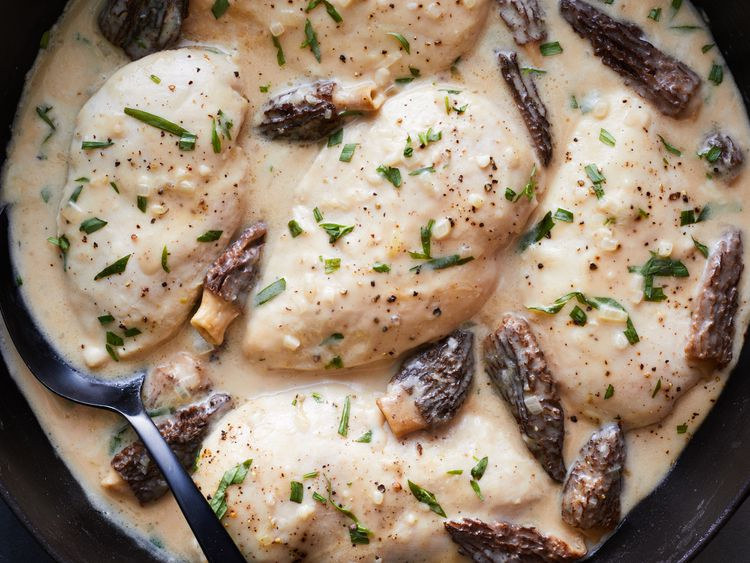
Morel mushrooms in a creamy chicken terragon entree
Recipe with Photo courtesy of Alison Miksch, Food & Wine

Morels are a seasonal delight that chefs and serious cooks prize for their honeycomb-like caps and rich, nutty, earthy flavor. Often foraged in spring, morels benefit from careful cleaning and thorough cooking. In Northern lake states, sauté them in butter and serve over grilled walleye. Alternatively, fold into a spring risotto with asparagus. In Mid-Atlantic lake kitchens, use them in a light cream sauce over pasta or as a garnish on a composed salad with grains. Their complex flavor makes them a luxury ingredient — ideal for special gatherings like lakeside brunches or holiday meals.

Maitake (Hen of the Woods)

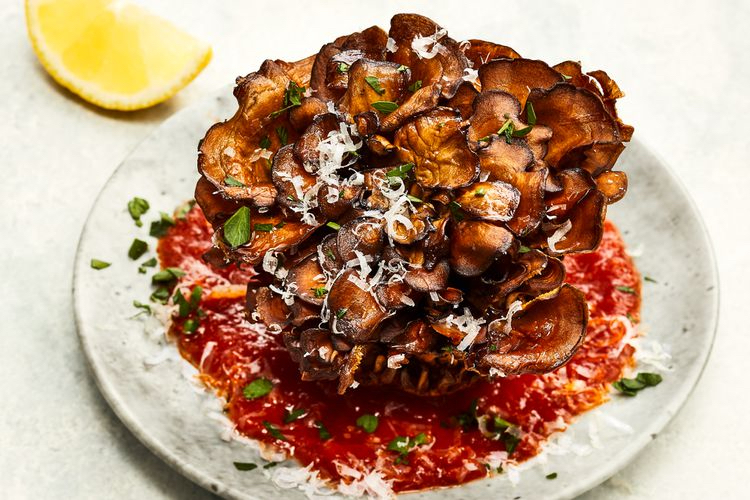
Maitake (Hen of the Woods) mushrooms in an Italian-inspired dish with Marinara
Recipe with Photo courtesy of Victor Protasio, Food & Wine

Maitake mushrooms grow in graceful, ruffled clusters with a robust, earthy flavor and a texture that crisps attractively when roasted. Tear or trim the clusters, then roast with olive oil, salt, and herbs until the edges brown. At Mid-Atlantic lake homes, serve roasted maitakes with grilled pork chops or mix them into wild rice pilaf. In Gulf region lake kitchens, finish with chili flakes and lime for bold appetizers. In cooler Northern lake climates, pair maitake with barley or rye-based dishes or toss it into hearty soups. Their texture and flavor make them a great alternative to meat in vegetarian mains.

From everyday buttons to sought-after morels, mushrooms bring depth and versatility to the lakeside kitchen. Across the country’s lake regions, these mushrooms adapt to seasonal ingredients, a variety of proteins, and multiple entertaining styles. Thus, they are dependable allies for both weekday dinners and weekend gatherings. Serve them simply, season them thoughtfully, and let the inherent flavors do the work. For more inspired recipe ideas to live your best lake life, visit Lake Homes Lifestyles.

Commanding Colors That Create Instant Curb Appeal— and Shoreline Envy—for Your Lakeside Home

Image illustrating Commanding Colors That Create Instant Curb Appeal— and Shoreline Envy—for Your Lakeside Home
Photo courtesy of OneKindesign

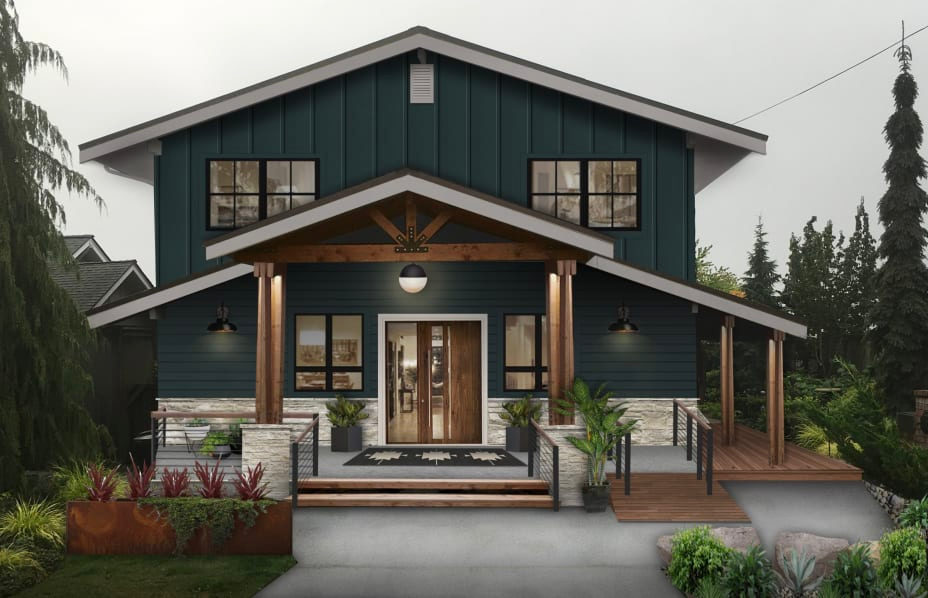
Selecting an exterior paint color for your lake home is both an aesthetic decision and a strategic investment. In lake communities across the United States—whether in the Northeast, Mid-Atlantic, Southeast, Gulf Coast, Pacific Northwest, or California—the exterior of your home is constantly on display. It’s viewed from the road, from neighboring docks, and often from the water itself. That visibility means your exterior paint color choice does more than protect the siding; it defines how your home fits into its setting. A classic white can signal timelessness and architectural clarity, while a daring hue can inject personality and modern edge. Either approach can deliver substantial curb appeal when chosen thoughtfully.

Begin with the fundamentals. Consider your architectural style first. A Colonial, Craftsman, Mediterranean, lake cottage, or contemporary build each carries design cues that suggest certain palettes. Crisp whites sharpen the symmetry of traditional facades, while earthy greens and charcoals reinforce the grounded nature of cabins and Craftsman homes. Next, study your landscape and regional light. Northern lake regions with dense evergreens and long winters benefit from colors with depth and contrast. Southern and Western lake homes, exposed to strong sunlight, often look best in hues that soften glare and complement sandy or dry terrain. Furthermore, ensure your exterior paint color harmonizes with your surroundings.

Finally, think about your lifestyle and taste. Your exterior color expresses your personality as much as your interiors do. It sets expectations before guests even step inside and creates a powerful first impression for potential buyers. A well-selected shade can elevate perceived value, modernize dated architecture, and position your lake property as both refined and inviting. In short, the right exterior paint color helps boost your home’s appeal.

Northeast Lake Regions

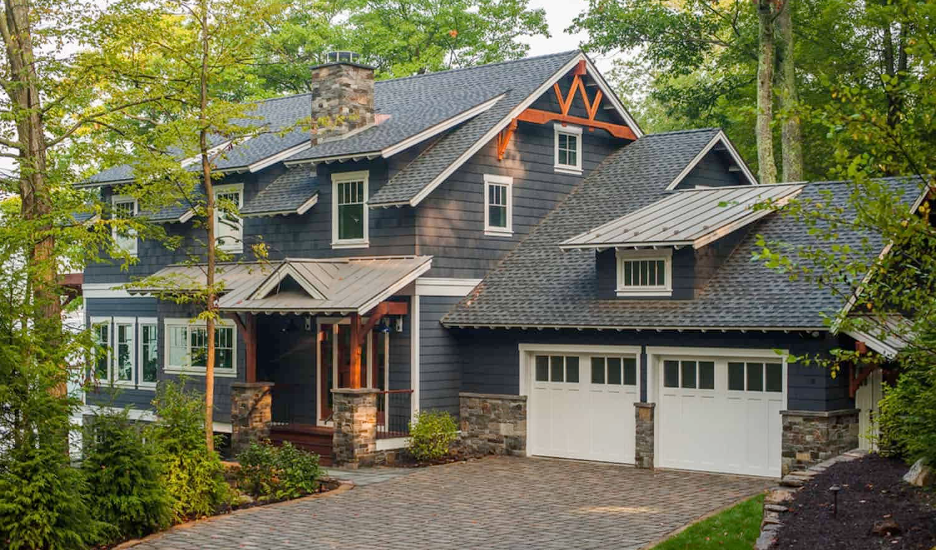
image illustrating preferred paint colors for Northeast Lake Regions
Photo courtesy of Vrbo

Deep Charcoal or Navy (Trending)
Moody exteriors are increasingly popular in wooded lake settings. Rich charcoal or navy enhances architectural details and provides a striking contrast against greenery and winter snow. Look to:

These tones feel contemporary yet grounded, particularly on modern farmhouse or updated traditional homes. Choosing a deep exterior paint color is ideal for Northeast lake properties with pronounced seasonal shifts.

Classic White with Nuance
White remains a top-performing exterior choice here, particularly when paired with black shutters or natural wood doors. The key is selecting a white with warmth or subtle undertones to prevent starkness against snow or gray skies. Consider:

Both offer clean sophistication while maintaining depth in varied light conditions.

Mid-Atlantic Lake Regions

image illustrating preferred paint colors for Mid-Atlantic Lake Regions
Photo courtesy of Vrbo

Lake homes in Pennsylvania, Maryland, and Virginia often blend brick, stone, and transitional farmhouse styles. In many cases, exterior paint color options complement these materials beautifully.

Muted Blue-Green (Emerging Favorite)
Blue-green tones subtly echo the lake without feeling literal. They complement white trim and dark window frames.

Sophisticated Greige or Stone
Greige continues to appeal for its flexibility and broad buyer acceptance, pairing beautifully with masonry elements.

Southeast Lake Regions

image illustrating preferred paint colors for Southeast Lake Regions
Photo courtesy of Addison’s Wonderland

Across the Carolinas, Georgia, and Alabama, lake homes often feature wraparound porches, board-and-batten siding, and Southern cottage influences.

Warm, Creamy Whites
Softer whites perform beautifully in bright Southern light and lend a welcoming tone to porch-heavy architecture.

Soft Sage Green (On Trend)
Green hues feel rooted in lush landscapes and add understated distinction.

Gulf Coast Lake Regions

image illustrating preferred paint colors for Gulf Coast Lake Regions
Photo courtesy of Home Bunch

Texas and Gulf-adjacent lake homes often contend with strong sun and feature stucco, Mediterranean, or contemporary architecture.

Bold Blue-Gray (Modern Statement)
For a striking presence against expansive water views, blue-grays deliver depth and sophistication.

Warm Taupe or Sandy Neutral
These shades soften intense light and blend seamlessly with limestone and native grasses.

Pacific Northwest Lake Regions

image illustrating preferred paint colors for Pacific Northwest Lake Regions
Photo courtesy of Brick & Batten

Lake homes in Washington and Oregon are often surrounded by dense evergreens and overcast skies, with Craftsman and modern designs prevalent.

Earthy Green-Gray
Green-grays embed the home naturally into forested surroundings.

Warm Off-White with Wood Accents (Current Trend)
Soft whites paired with cedar or black trim create a refined Northwest modern look.

California Lake Regions

image illustrating preferred paint colors for California Lake Regions
Photo courtesy of Airbnb

From alpine Northern California lakes to Southern California reservoirs, architectural styles range from rustic-modern to Mediterranean to sleek contemporary.

California’s Warm White
California’s bright, shifting light favors creamy whites that avoid starkness.

Muted Clay or Desert Terracotta (Emerging Trend)
Inspired by California’s terrain, clay-based hues add warmth and individuality.

A thoughtfully selected exterior paint color does more than refresh siding—it defines how your lake home fits into its surroundings. When your choice respects architectural style, responds to regional light and landscape, and reflects your personal aesthetic, it becomes a strategic enhancement rather than a surface update. In lake communities where scenery already commands attention, the most compelling homes feel both distinctive and deeply connected to their surroundings. For more design inspiration, visit Lake Home Lifestyles.

Purpose-Driven: The Most Enduring Kitchen Trends for Your Lake Home in 2026

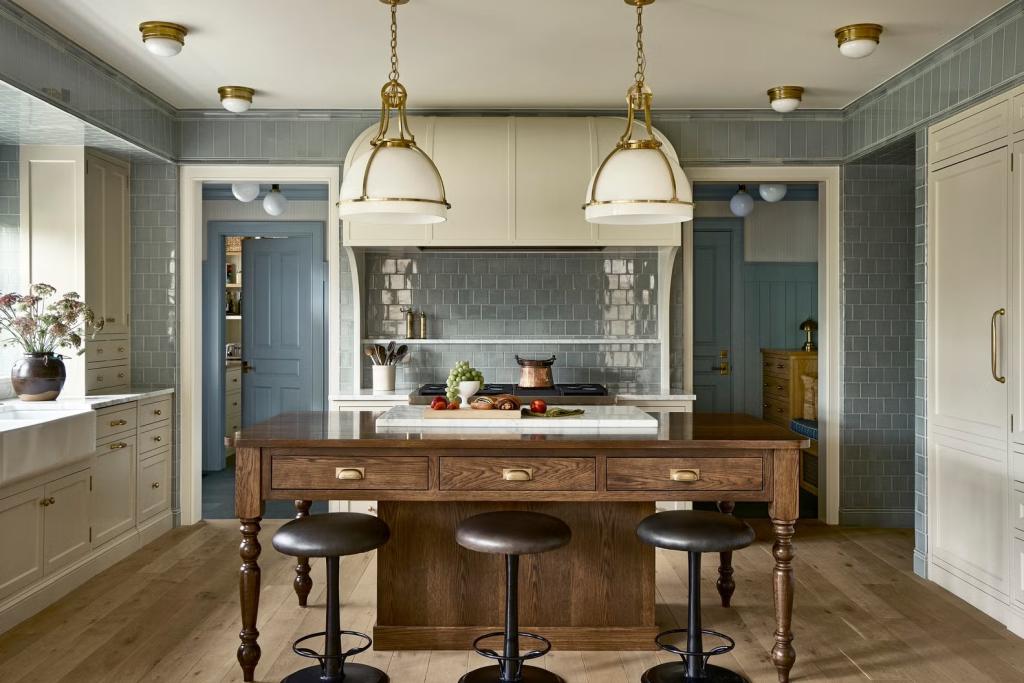
Palmer Custom Builders Top Kitchen Trends, 2026
Photo Courtesy of Palmer Custom Builders

For lake homeowners, the kitchen is rarely a closed-off, purely utilitarian space. Instead, it functions as a social hub after a day on the water. It is also a prep zone for casual group meals and a visual anchor that often connects directly to decks, docks, or panoramic views. As 2026 unfolds, kitchen design for lake homes across the U.S. is moving toward longevity, adaptability, and regional sensitivity. It is moving away from short-lived visual statements. Savvy lake-property owners are increasingly focused on choices that enhance everyday use while quietly increasing resale value—materials that weather humidity, finishes that age gracefully, and layouts that support both large gatherings and low-key weekends.

Unlike primary residences, lake homes experience fluctuating occupancy, varied climate conditions, and heavier wear during peak seasons. The most relevant kitchen trends for 2026 reflect this reality. Designers are emphasizing performance-driven materials, flexible storage solutions, and understated palettes that complement water-facing views rather than compete with them. Across regions—from the Upper East and Northern Great Lakes to Texas lake country and California reservoirs—the strongest kitchens share a common thread. In particular, they feel intentional, grounded, and resilient.

The following six kitchen trends define 2026 for lake homes, balancing modern sensibility with practical design decisions. These decisions hold their value well beyond the current cycle.

Soft-Neutral Color Palettes with Regional Depth

Kitchen Trend Illustrating Soft-Neutral Color Palettes with Regional Depth
Photo courtesy of Meagan Larsen Photography, NKBA via Forbes

Rather than stark white or trend-heavy hues, 2026 kitchens are embracing layered neutrals inspired by local landscapes. Think warm taupes, muted clay tones, softened sage, and stone-inflected grays. These palettes feel modern without being rigid and allow lake views to remain the focal point.

This approach works especially well in the Upper East and Mid-Atlantic, where seasonal light shifts dramatically. It also works in the Pacific Northwest and Northern Great Lakes, where overcast days benefit from warmer undertones. In California and the Southeast, sun-washed neutrals help temper brightness.

Implementation is simple: use a neutral base on cabinetry or walls, then introduce depth through veined countertops, textured backsplashes, or mixed wood tones. These palettes age well and appeal to a broad range of future buyers.

Purpose-Driven Cabinetry with Integrated Storage

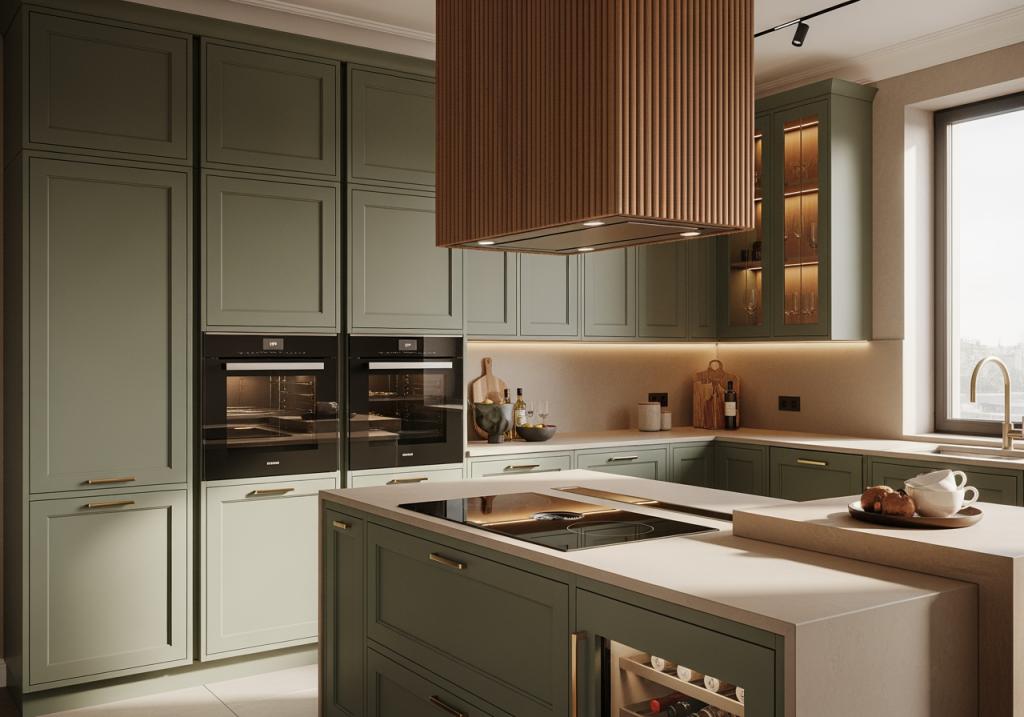
2026 kitchen trend illustrating Purpose-Driven Cabinetry with Integrated Storage
Photo courtesy of Michael Clifford Photography and Martha Dayton Design via Canadian Log Homes

Cabinetry in 2026 lake homes is less about ornamentation and more about performance. Flat-panel or lightly detailed doors dominate. These are paired with interiors designed for real lake-life storage—cooler drawers, appliance garages, and concealed recycling or tackle storage.

This trend is particularly practical in Texas lake regions and the Southeast, where entertaining is frequent. It is also helpful in Northern Great Lakes homes that require efficient storage during seasonal use. Streamlined cabinetry reduces visual clutter while maximizing capacity.

To implement, prioritize high-quality box construction and interior fittings. Consider a mix of closed storage and limited open shelving to balance display and durability without sacrificing resale appeal.

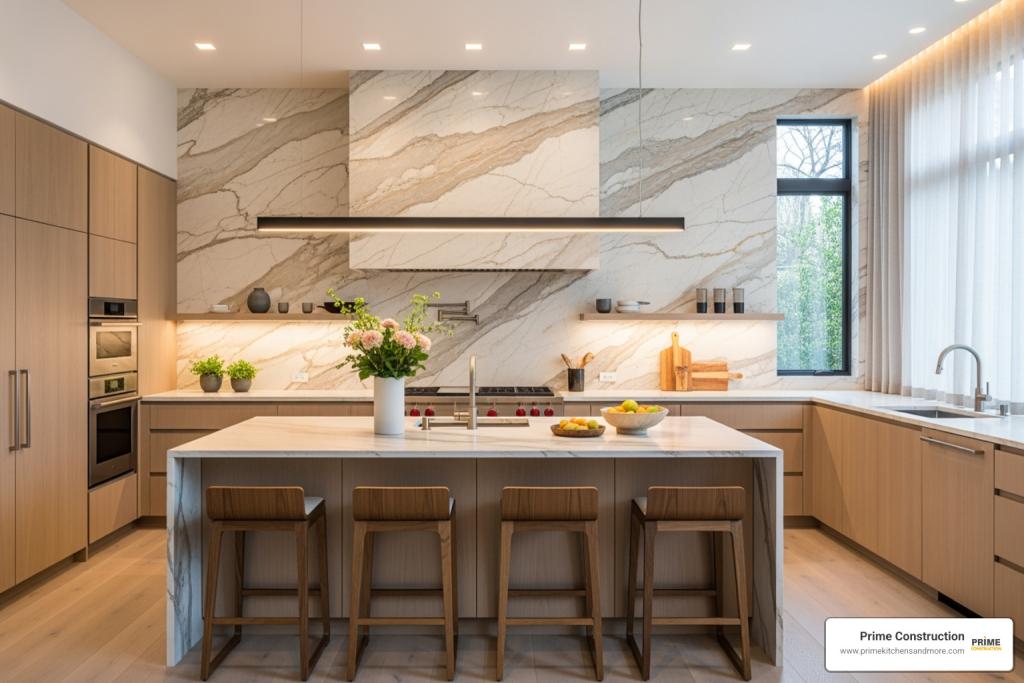
Durable, Low-Contrast Backsplashes

2026 kitchen trend illustrating Durable, Low-Contrast Backsplashes
Photo courtesy of Prime Construction

High-contrast tile patterns are giving way to quieter, tactile backsplash materials. Slab stone, handmade-look ceramic tiles, and subtle stacked stone are leading choices in 2026. As a result, they offer visual interest without overwhelming the space.

This trend suits Pacific Northwest and California lake homes especially well, as organic materials naturally align with their surroundings. In the Upper East and Mid-Atlantic, neutral backsplashes provide a sense of continuity with historic architecture.

Homeowners can implement this trend by extending countertop material up the wall or choosing tiles with tonal variation rather than bold patterning. These choices are easier to maintain and feel timeless rather than trend-bound.

Advanced, Energy-Efficient Appliances

2026 kitchen trend illustrating Advanced, Energy-Efficient Appliances
Photo courtesy of Hackrea

Appliance trends for 2026 emphasize quiet performance, energy efficiency, and seamless integration. Panel-ready refrigerators, induction cooktops, and convection speed ovens are increasingly standard in lake kitchens.

This is particularly relevant in Northern Great Lakes and Upper East regions, where energy efficiency matters during colder months. It is also relevant in California, where sustainability standards influence buyer expectations. Texas and Southeast lake homes benefit from induction cooking’s reduced heat output.

Implementation involves prioritizing appliance packages that balance technology with reliability. Choosing brands known for longevity helps protect long-term value while supporting everyday ease of use.

Natural Stone and Composite Countertops

2026 kitchen trend illustrating Natural Stone and Composite Countertops
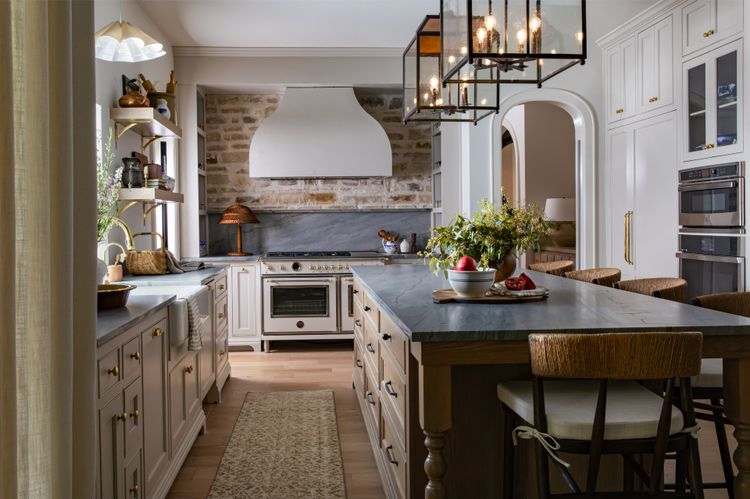
Photo courtesy Ashley Sullivan / Design by Kelsey Leigh Design Co. via The Spruce

Countertops in 2026 favor materials that wear gracefully. Honed granite, quartzite, and high-quality composites dominate, offering durability against moisture, temperature changes, and heavy use.

This trend works universally across lake regions, but is especially valuable in the Mid-Atlantic, Southeast, and Pacific Northwest, where humidity and seasonal shifts are common. In California lake homes, lighter-toned stone enhances indoor-outdoor continuity.

Homeowners should opt for subtle veining and matte finishes to avoid visual fatigue. These materials photograph well, age better, and remain attractive to future buyers.

Layered Lighting with Warm Metal Hardware

2026 kitchen trend illustrating Layered Lighting with Warm Metal Hardware
Photo courtesy of Matthew Kisiday, House Beautiful

Lighting strategies in 2026 focus on flexibility. Layered lighting—combining recessed fixtures, under-cabinet lighting, and understated pendants—creates adaptability for different times of day and seasonal use. Warm metal hardware finishes like brushed brass, aged bronze, and soft black complement this approach. These finishes feel grounded and resist trend fatigue better than high-polish alternatives.

This trend is especially effective in the Southeast, Texas, and California, where evening entertaining is common. It is also beneficial in Northern regions where interior lighting quality impacts comfort during darker months.Implementation involves dimmable systems and restrained hardware selections that complement cabinetry without dominating it.

The strongest kitchen trends for lake homes in 2026 prioritize longevity over spectacle. By focusing on durable materials, regionally informed palettes, and performance-driven design choices, lake homeowners can create kitchens that feel current while remaining adaptable for years to come. These trends enhance daily living and respect regional conditions. They also quietly reinforce property value—an essential balance for any well-considered lake home investment. For more design tips to enhance your lake life, visit Lake Homes Lifestyles.

Sweet Spot: Romantic Valentine’s Day dishes that will inspire you to stay in.

toasting champagne glasses over romantic Valentine's Day dinner at the lake
Photo Courtesy Villa Cariola

For lake lovers with homes that function as true retreats, Valentine’s Day dinner is an invitation to slow the pace and cook with intention. These seven recipes suit different lake regions across the U.S. They reflect climate, seasonal rhythms, and how people actually live in their lake homes. Some lake homes mean long winter evenings by the fire. Meanwhile, others have mild coastal-lake nights that call for lighter fare. Each dish balances comfort with polish. As a result, each is well-suited for a quiet, romantic evening in.

Classic French Bouillabaisse with Rouille

Classic French Bouillabaisse with Rouille
Photo Courtesy of Isa Zapata, Epicurious

This classic Provençal seafood stew is built on a deeply aromatic broth of fennel, tomatoes, saffron, and herbs. It is layered with firm white fish and shellfish and finished with garlicky rouille spread over toasted bread. Its long simmer and warming depth make it especially well-suited to Upper East lake regions such as the Adirondacks, New England, and the Northern Great Lakes. Those winter nights invite slow cooking. Additionally, it fits the Pacific Northwest, where seafood-driven meals feel natural year-round. Expect 3 to 3½ hours of prep and simmering. Serve with a crusty baguette and a simple green salad dressed with lemon. Pour a crisp Sauvignon Blanc for the perfect acidity to brighten the rich broth without overpowering the seafood. Visit Epicurious for the recipe.

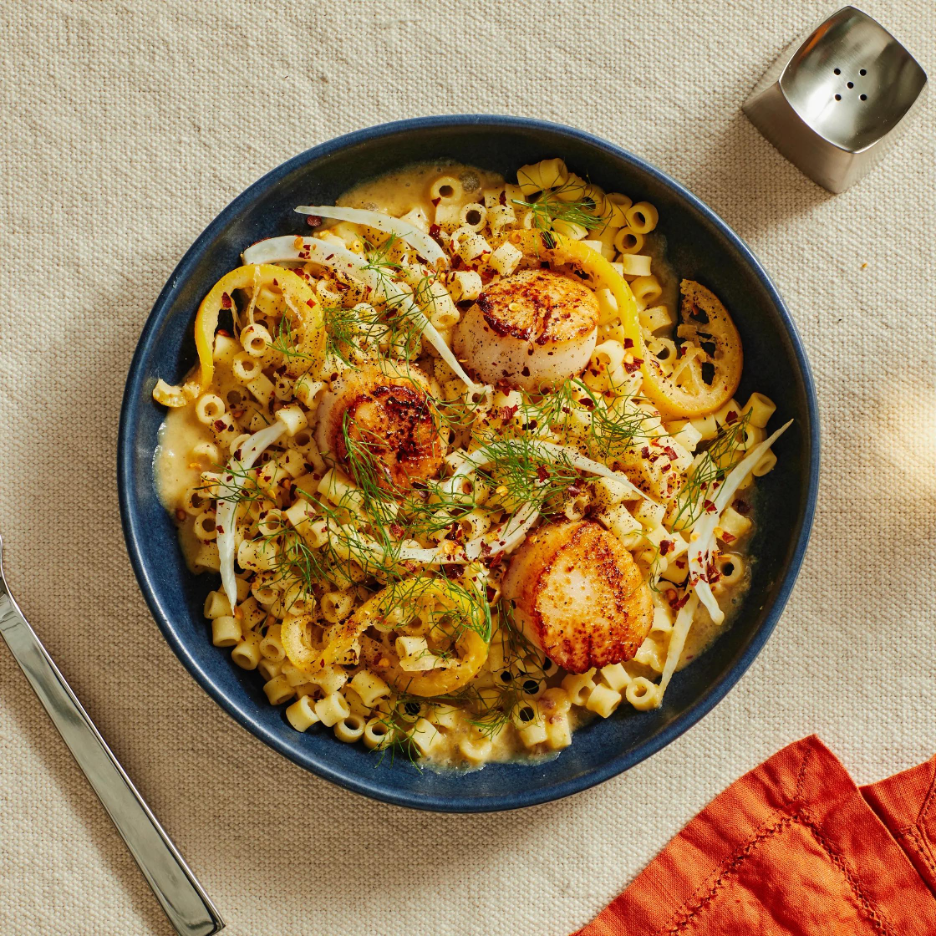
Citrus-Butter Scallops with Tiny Pasta

Citrus-Butter Scallops with Tiny Pasta
Photo courtesy of Isa Zapata, Bon Appétit

This elegant pasta dish combines sweet, pan-seared scallops with tiny pasta, shaved fennel, and a citrus-butter sauce that balances richness with brightness. The refined yet approachable flavor profile suits California lake regions, where lighter, produce-driven meals are favored even in cooler months. It also suits Mid-Atlantic lake areas influenced by coastal cooking traditions. The dish comes together in 30 to 40 minutes, making it ideal for a relaxed but polished Valentine’s dinner. Serve with roasted asparagus or broccolini. Pair with an oaked Chardonnay, whose structure complements the butter sauce while echoing the scallops’ natural sweetness. Visit Bon Appétit for the recipe.

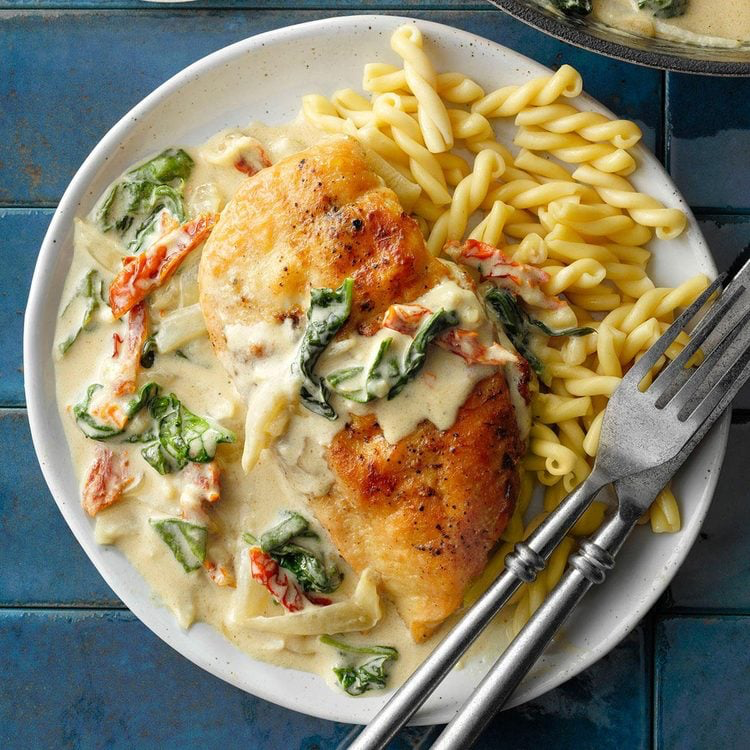
Creamy Tuscan Chicken Skillet

Creamy Tuscan Chicken Skillet
Photo courtesy of Taste of Home

This savory one-skillet dish features seared chicken simmered with sun-dried tomatoes, garlic, spinach, and cream, creating a comforting yet well-balanced entrée with minimal cleanup. It’s especially well-suited to Southeastern lake regions, where cozy meals are welcome, but heavy winter fare isn’t always necessary. It also fits Mid-Atlantic lake homes, where practical, crowd-pleasing dishes shine on long weekends. The recipe takes about 30 minutes from start to finish. Serve with crusty bread or buttered egg noodles. Pair with a chilled Pinot Grigio for its pleasing acidity, which cuts through the cream while keeping the meal light yet deeply satisfying. Visit Taste of Home for the recipe.

Sichuan Chicken in Chili Oil Sauce

Sichuan Chicken in Chili Oil Sauce
Photo courtesy of The Woks of Life

Bold and fast-moving, this Sichuan-style chicken stir-fry layers chili oil, ginger, garlic, and numbing peppercorn heat with tender chicken and crisp vegetables. The lively spice profile makes it an excellent fit for California lake regions, where global flavors are embraced. Additionally, it suits Texas Gulf lake areas, where heat-forward cooking feels natural. The dish cooks quickly, taking under 30 minutes, making it ideal for an energetic Valentine’s evening. Serve over jasmine rice. Balance the spice with a ginger-lime sparkling cocktail or mocktail. Combine ginger syrup, fresh lime juice, and sparkling water for a refreshing, festive counterpoint. Visit The Woks of Life for the full instructions and recipe.

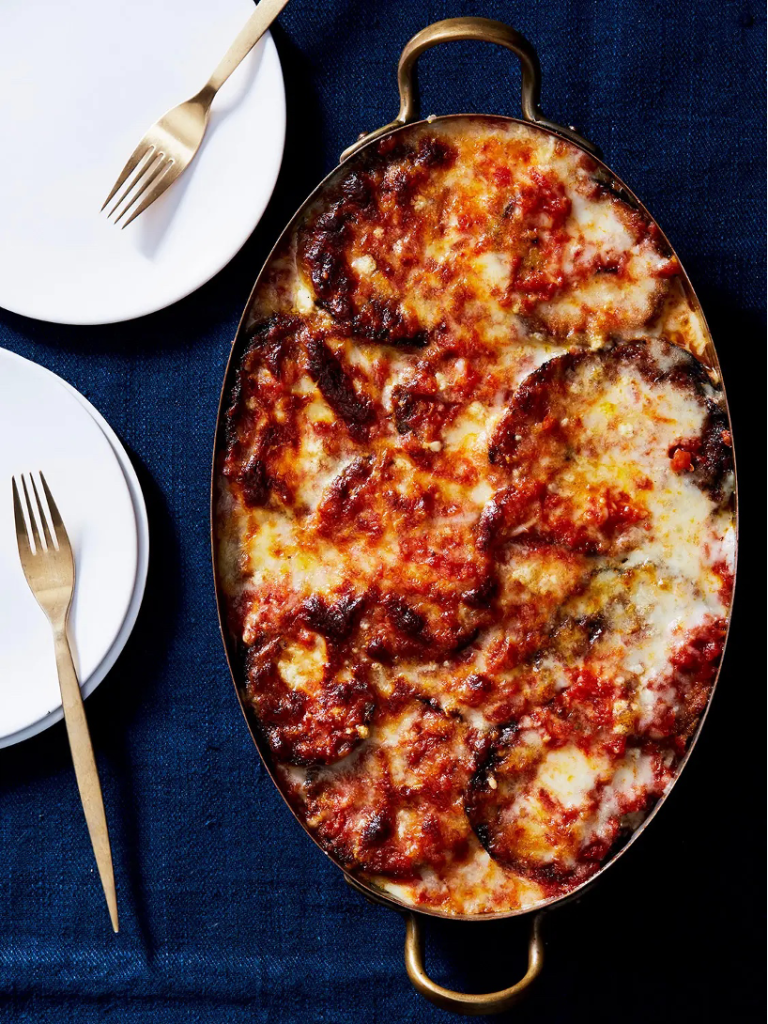
Eggplant Parmigiana

Eggplant Parmigiana
Photo courtesy of Linda Pugliese, Saveur

This classic Italian eggplant parmigiana layers tender pan-fried eggplant with slow-simmered tomato sauce, mozzarella, and Pecorino Romano, baked until bubbling and golden. Its hearty, oven-driven preparation makes it ideal for Upper East lake regions and the Mid-Atlantic, where winter weekends favor dishes that reward time and patience. Prep takes about 20 minutes, with several hours of baking and resting that deepen the flavors. Serve with garlic bread and a peppery arugula salad. Pour a Chianti Classico for a bright acidity and red-fruit notes to complement the tomato sauce and rich cheese layers. Visit Saveur for the recipe.

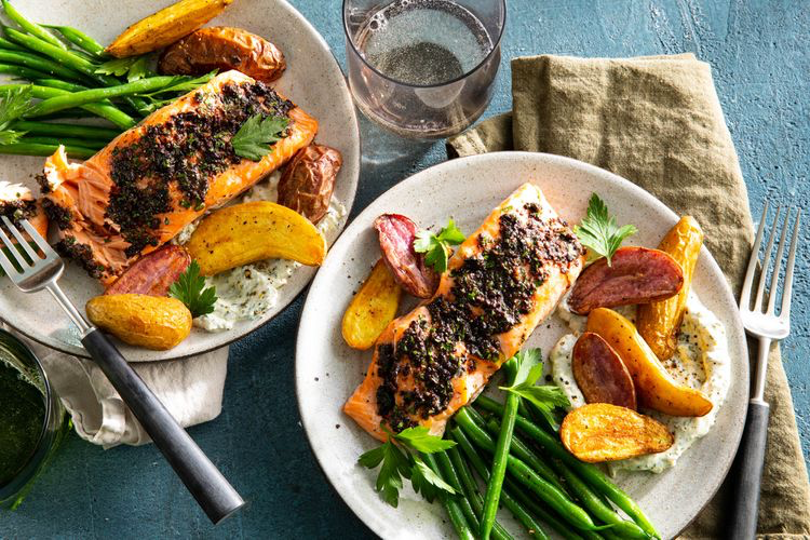
Sheet-Pan Salmon with Black Olive Butter

Sheet-Pan Salmon with Black Olive Butter
Photo courtesy of Will Dickey, Food & Wine

This elegant sheet-pan entrée centers on salmon fillets coated in a rich compound butter made from mashed garlic and briny oil-cured olives. This delectable dish suits Pacific Northwest lake homes, where salmon is a natural staple, and California lake regions, where lighter meals fit the climate year-round. The meal cooks quickly—about 55 minutes total—making it ideal for an unfussy but polished Valentine’s dinner. Fingerling potatoes, lightly dressed with olive oil and seasoned simply with salt and pepper, are roasted first until tender. Meanwhile, the salmon is added toward the end so it cooks gently without drying out.

To finish the dish, a chilled yogurt sauce brightened with lemon and capers is spooned alongside, offering a refreshing counterpoint to the warm, savory flavors and underscoring how effortless yet refined this meal feels. Pair with a sparkling rosé for a refreshing acidity and fine bubbles that lift the herbs and refresh the palate between bites. For the recipe, visit Food & Wine.

Chicken Satsivi (Chicken in Walnut Sauce)

Chicken Satsivi (Chicken in Walnut Sauce)
Photo courtesy of Jennifer Chase, Epicurious

This Georgian specialty features chicken coated in a velvety walnut sauce seasoned with coriander, fenugreek, and warm spices, finished with pomegranate seeds for a jewel-like Valentine’s presentation. Its richness and depth make it especially well-suited to Upper East and Northern Great Lakes regions, where winter evenings call for deeply comforting meals. The recipe requires 1½ to 2 hours of prep and simmering. Serve with rice pilaf or roasted root vegetables. Pair with a medium-bodied red wine such as Saperavi or Pinot Noir, which complements the nutty sauce without overwhelming its subtle spice. Visit Epicurious for the recipe.

Across lake regions and climates, the most memorable Valentine’s dinners are the ones that feel aligned with place and pace. These recipes respect that mindset, offering warmth where winters linger, brightness where milder weather prevails, and enough elegance to make the evening feel intentional without being overwrought. With thoughtful wine or cocktail pairings and a relaxed approach to cooking, each dish becomes part of a Valentine’s celebration that feels anchored, personal, and perfectly suited to lake-home living. For more inspired recipe ideas to live your best lake life, visit Lake Homes Lifestyles.
Soul-Warming Resolutions: New Year’s Eve-worthy recipes for that last meal of the year.   

Festive NYE table with various foods and Champagne
Photo Courtesy of Moet Hennessy, Marie Claire

As the year winds down and the air takes on that brisk sense of renewal at your lakeside retreat, New Year’s Eve offers the opportunity to craft a dinner that combines the warmth you crave with a touch of sparkle worthy of the turning year. In a lake-home setting—whether your porch looks out over misted water at dawn or you’re nestled in a modern cabin by the shore—the food should feel inviting, relaxed, and accessible. Yet, it should be memorable enough to mark the transition.

Think dishes you can prepare without undue stress, leveraging quality ingredients and straightforward techniques. This way, you’re able to engage with guests or settle in with your partner rather than be buried in the kitchen. At the same time, these dishes should carry a modest sense of occasion: a crusty loaf alongside a rich stew, a dish with seafood or duck. Something that feels hearty and soul-warming but isn’t fussy. With that in mind, here are seven options that strike that balance—each a celebratory dish from a reputable source, offering a distinct flavor profile.

Classic Duck à l’Orange

Classic Duck à l’Orange
Photo Courtesy of Travis Rainey, Gourmet

For a truly elegant New Year’s Eve entrée, this classic Duck à l’Orange from vintage Gourmet (via Epicurious) delivers refined, celebratory energy. It does so without leaning too much on seasonal or Christmas-specific elements. The recipe balances crisp, golden duck with a bright, sophisticated orange sauce made from fresh citrus, stock, and a touch of caramelized sugar for depth. It feels festive in a timeless way—special enough for the holiday yet universally appropriate. The glossy finish and aromatic profile present beautifully on a buffet-style table alongside sparkling wine or Champagne cocktails. Moreover, because the duck roasts hands-off, hosts can maintain a relaxed flow while preparing other offerings. For prep time and roasting, you’ll need approximately 2 ¼ hours. Visit Epicurious for this classic recipe from Gourmet.

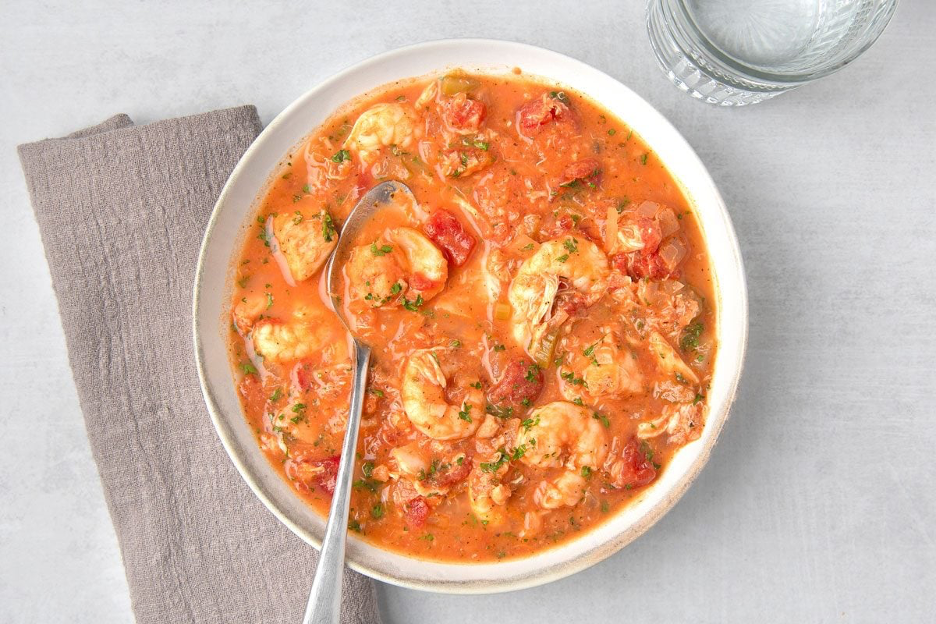
Seafood Cioppino

Seafood Cioppino
Photo courtesy of Christine Ma, Taste of Home

If a hearty soup is more your style, this tomato-based seafood stew brings haddock, shrimp, clams, and crabmeat into a rich, warm, and satisfying broth. It’s perfect for a lakeside winter evening. The flavor profile features bright brine from shellfish, depth from tomato and herbs, and the comfort of crusty bread to dip. Prep time is about 30 minutes, cook time around 1 hour 15 minutes. So, roughly 1 hour 45 minutes total for the full recipe. You can build the base ahead. Then finish the seafood closer to mealtime so the dish feels composed without juggling everything late in the evening. Visit Taste of Home for this satisfying and celebratory recipe.  

Roasted Cornish Hens

Roasted Cornish Hens
Photo courtesy of Jennifer Causey, Food & Wine

Cornish hens make a perfect New Year’s Eve addition because they feel luxurious without being fussy. Their individual size adds a tailored, restaurant-quality touch. With this Food & Wine–style preparation, you can pair your roasted hens—seasoned simply with olive oil, garlic, herbs, and citrus—with a fragrant wild rice pilaf studded with toasted almonds, herbed mashed potatoes, or a salad tossed with mustard vinaigrette. Choose whatever sides suit you and your guests the best. You can also serve this with lightly charred broccolini drizzled with lemon to keep the plate bright and modern. The trio looks cohesive on a party table, offers upscale winter flavors without heaviness, and complements the other dishes without duplicating any ingredients or profiles. It’s an elevated yet accessible option that rounds out the holiday menu beautifully. Prep time is 20 minutes, with a total time of approximately 2 ¼ hours. Visit Food & Wine for roasting instructions.
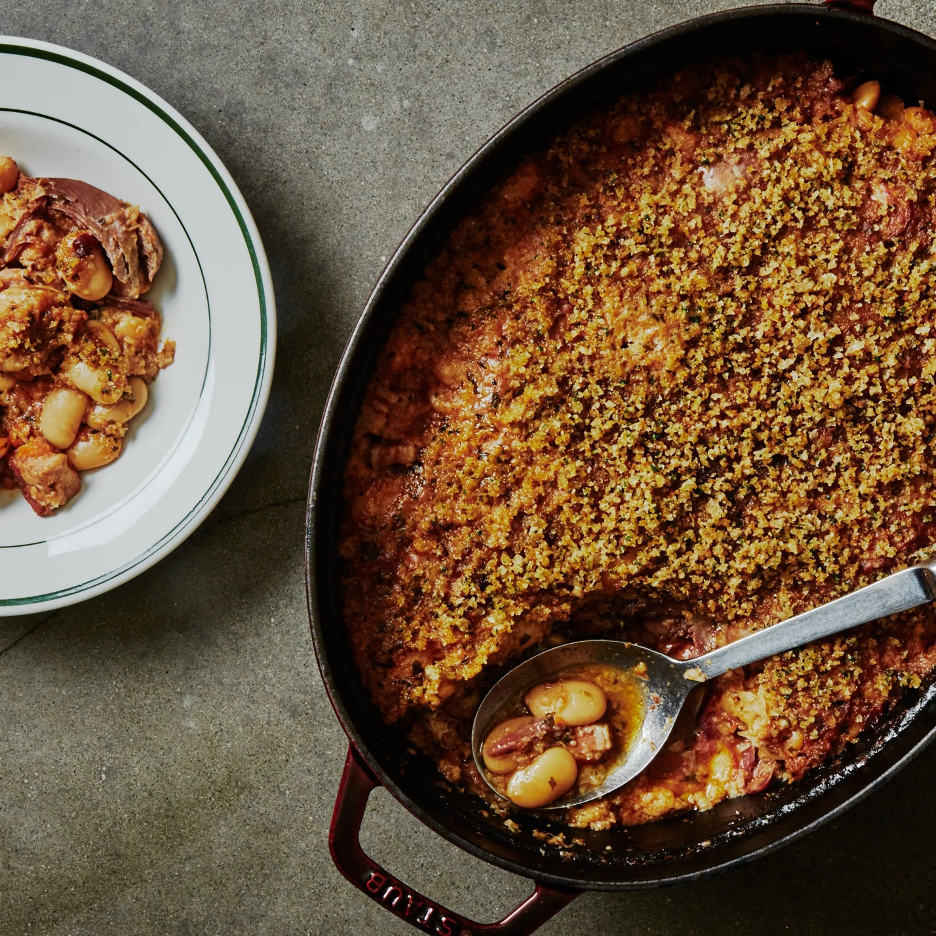
Sausage and White Bean Cassoulet

Sausage and White Bean Cassoulet
Photo courtesy of Alex Lau, Epicurious

For the hearty, low-stress main that still conveys effort and depth, this bean-and-sausage cassoulet is ideal. The dish features white beans and Italian sausage in a richly seasoned bean ragout—comforting, filling, and practically made for a crisp lakeside night. The flavor profile reveals creamy beans, savory sausage, herbs, and a gently baked top. Because it’s simpler than the fully traditional version, it’s manageable for a New Year’s Eve gathering. Prep time is about 15-20 minutes, and cook time is about 45 minutes. So plan for about an hour to complete. It lends itself to being assembled ahead of time and warmed, which is ideal for a relaxed evening. Visit Epicurious for the recipe.
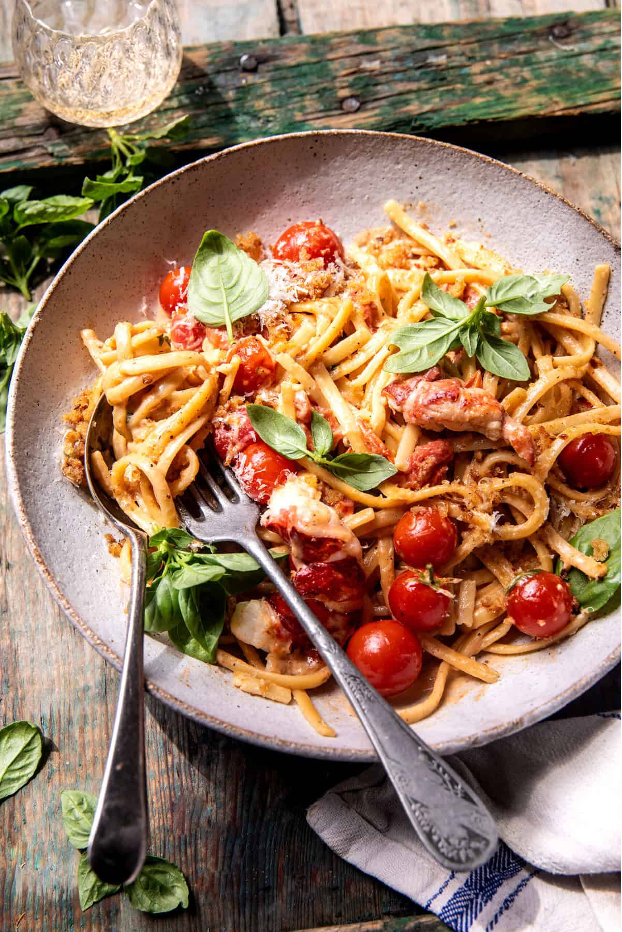
Creamy Tomato Lobster Linguine with Garlic Breadcrumbs

Creamy Tomato Lobster Linguine with Garlic Breadcrumbs
Photo courtesy of Half-Baked Harvest

This pasta recipe features lobster tails in a tomato-cream sauce with garlic, herbs, and crispy garlic breadcrumbs on top. The flavor profile highlights sweet lobster meat, bright tomato, and herb sauce with a rich cream underpinning. The garlic breadcrumbs bring delectable crunch and texture. Prep and cook time is around 30 minutes. Surprisingly versatile, this dish is also perfect in summer climates. But for your lake-home New Year’s Eve setting, it offers the elegance of lobster yet remains approachable. Visit Half-Baked Harvest for the recipe.

Gougères with Smoked Salmon, Caviar, & Prosciutto

Gougères with Smoked Salmon, Caviar, & Prosciutto
Photo courtesy of Fred Hardy, Food & Wine

If you’re hosting an appetizers-only soiree, consider these gourmet nibbles as satisfying starters. This elegant Gougères with Smoked Salmon, Caviar, & Prosciutto leans a bit more toward “celebration” without all the effort if you’re pressed for time. Choux pastry puffs filled with Gruyère are topped with smoked salmon, prosciutto, or caviar as you like. The flavor mix highlights airy pastry, salty cheese, and smoked fish and meat for a luxe finish. You’ll need approximately 20 minutes of prep and 25-30 minutes of baking, for a total of 45-50 minutes. This works well for pre-assembling earlier in the day and heating just before guests arrive. This lets you kick off with something elegant but not overly fussy. For the recipe, visit Food & Wine.

Veggie Tempura Platter

Veggie Tempura Platter
Photo courtesy of Allrecipes

For an offering that brings freshness, color, and texture to the menu, this assorted veggie tempura works well as a side or part of a shared platter. Add this to your arsenal of appetizers and serve it alongside Gougères with Smoked Salmon for your vegetarian guests. The dish features sweet potato slices, onion half-rings, bell pepper, green beans, and shiitake mushrooms. All are coated in batter and deep-fried until crisp. You can serve it with soy sauce or an array of dipping sauces. The flavor profile blends lightly sweet vegetables with crisp batter, and the dipping sauce brings a savory finish. Plan for 25 minutes of prep and 15 minutes of cooking, for a total of about 40 minutes. It’s a smart choice for a lake-home kitchen because you can prep your vegetables while another dish cooks. Fry just before serving for maximum crispness. Visit Allrecipes for the instructions.

For the lake-home host who wants a New Year’s Eve that feels simultaneously relaxed and elevated, the lineup above balances comfort and style. Each dish has been chosen with an eye toward manageable preparation, robust flavor, and a little bit of occasion — whether you’re toasting over the shoreline or dining indoors while the wind whistles outside. With these recipes in hand, you can settle into your lake-home kitchen with confidence, spend time with guests, and ring in the new year with good food, good company, and the right tone for a memorable evening. For more inspired recipe ideas to live your best lake life, visit Lake Homes Lifestyles.