
Sunsets may be one of the universe’s most mesmerizing creations. They turn the skies from beautiful blue into vibrant pinks, oranges, and reds, smears of purple streaked with elongated tendrils of sunbeams.
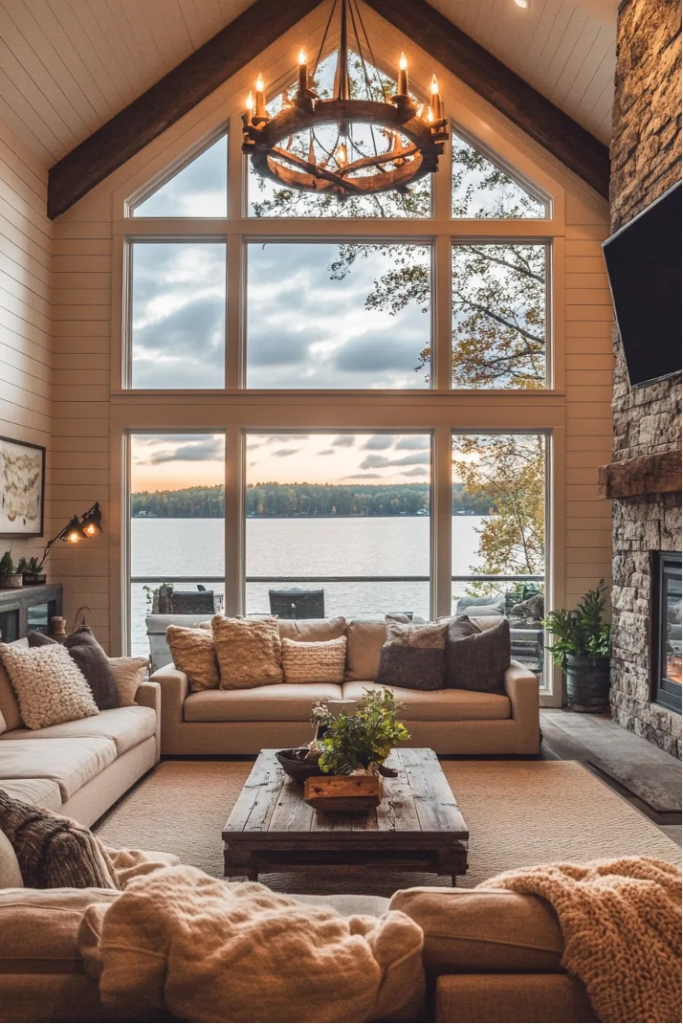
After a long day of swimming, boating, fishing, and grilling, there’s nothing more captivating or more calming than the sun setting over a glass-smooth lake. And no matter how many days you spend staring out toward the horizon from your lake home, each day brings a sunset completely unlike the day before.
Hundreds of lakes across the country roll out the red carpets for out-of-this-world Fourth of July festivities.
Family-friendly activities include spectacular fireworks displays, poker runs, boat parades, and concerts by local artists.
Even if your lake doesn’t put on a grand show, most permit lake homeowners to privately shoot fireworks from their docks, decks, and backyards. Plus, no matter the degree to which you party for patriotism, at the lake, you can always count on there being good ol’ home-cooked food for the soul.
We all lead busy lives, and sometimes it’s hard to find time for quality family bonding.
That’s not the case at the lake. In fact, all the time you spend at the lake can be time spent with family, be it with those related to you by blood or the family members you choose to share the lake with.
At the lake, family time isn’t necessarily characterized by sharing stories around the dinner table, though that’s certainly one option. No, for most lake homeowners, family moments shared at the lake take place around fire pits and grills, on floaties and rope swings, and in the kitchen while the summer showers roll through.
From boating to paddleboarding to fishing, there are plenty of things to do on the lake. However, if you need a break from water activities, going on a picnic or lounging lakeside in your backyard is the perfect way to relax and enjoy the picturesque lake views.
If staying active is more your style, hiking or taking a stroll around the lake is a great option. Additionally, it’s a fantastic opportunity to observe wildlife while taking in the natural landscape.
Ask any lake homeowner, or any lake lover for that matter, what their favorite memories are, and you’re guaranteed to hear a litany of wonderful things that happened at the lake. That’s because life’s best moments are made at the lake.
The lake is where grandfathers teach their grandkids to fish, where favorite uncles grill the best hamburgers, and where sons and daughters learn to swim.
It’s the perfect place to gather in celebration of birthdays, holidays, and milestones, like graduations and baby showers.
And the lake is where s’mores are shared, where minnows are turned into pets, and where some of life’s important lessons are learned.
Memories made at the lake are more than special; they are priceless.
It’s all these things and more that make lake living so worthwhile. They are why buying a lake home is more than a real estate transaction; it’s about attaining a lifestyle—the lake experience.
If you’re ready to invest in your best future, let us — the lake people — help make your dream a reality.
This article was originally published on July 31, 2019.
Let’s be honest: few things trigger a full-body shiver quite like spotting a spider scuttling across your bathroom floor at 11 p.m. But before you reach for a shoe, vacuum, or flamethrower (please don’t), take a moment to identify your uninvited houseguest. Chances are, it’s more roommate than threat.
Here’s your crash course in becoming a spider sleuth—minus the fear factor.
First, Don’t Panic: Most House Spiders Are Harmless
Yes, spiders look like tiny Halloween decorations that came to life. But despite their bad PR, most of them are not dangerous. In fact, many are helpful! House spiders eat flies, mosquitoes, roaches, and even other spiders. They’re basically pest control with eight legs and zero complaints.
Now, let’s get to know your common creepy-crawly tenants.
Common House Spider (Parasteatoda tepidariorum)
Cellar Spider (Pholcidae)
Jumping Spider (Salticidae)
Wolf Spider (Lycosidae)
Black Widow (Latrodectus)
Brown Recluse (Loxosceles reclusa)
Sac Spider (Cheiracanthium)
Orb Weaver (Araneidae)
Funnel Web Grass Spider (Agelenidae)
Trapdoor Spider (Ctenizidae)
1. Common House Spider (Parasteatoda tepidariorum)
Also known as: That one in the corner How to identify: Small (under ¼ inch), brownish-yellow body, round abdomen with subtle patterns Web type: Messy, tangled cobwebs usually found in basements, garages, or ceiling corners
These are the spiders you’re most likely to see hanging out in forgotten corners. They’re timid, rarely leave their webs, and pose no threat to humans. Females tend to stay put, while males may wander in search of mates. They feed on insects that get caught in their webs and help keep your home bug-free.
Also known as: Daddy Longlegs (but technically not the true one) How to identify: Tiny peanut-shaped body with extremely long, thin legs Web type: Loose, wispy webs in quiet, undisturbed corners or ceilings
Cellar spiders may look fragile, but they’re persistent web-builders and great at capturing prey. They can vibrate rapidly in their webs when threatened—a defense move that makes them hard to catch. Despite persistent myths, their venom is not dangerous to humans, and they’re excellent at controlling other pest populations.
Also known as: The fuzzy one that stares back How to identify: Compact, fuzzy body; short legs; big, forward-facing eyes Web type: None. They roam and hunt during the day.
These charming little hunters are among the most visually engaging spiders. Their excellent vision and curious behavior often lead them to track movement—even watching you as you watch them. They don’t spin catch webs but rely on precise leaps to snag prey. With over 300 species in North America, they come in a variety of colors and patterns.
Also known as: The big fast one that made you yell How to identify: Large, hairy body; brown/gray coloring; noticeable eyes that reflect light Web type: None. These are hunters that roam.
Wolf spiders are robust, solitary hunters that prefer chasing prey to spinning webs. They are nocturnal and tend to hide during the day under furniture or along baseboards. Female wolf spiders are unique in that they carry their egg sacs with them and even tote their spiderlings on their backs after hatching—a surprisingly nurturing trait.
How to identify: Shiny black body with a red hourglass on the underside of the abdomen Web type: Irregular, strong webs in secluded spaces like sheds or woodpiles
Known for their potent venom and iconic red hourglass, black widows are often misunderstood. They are not aggressive and will retreat when possible. Bites are rare and usually occur only when they are accidentally pressed against skin. If bitten, medical attention should be sought immediately.
How to identify: Light to dark brown with a violin-shaped marking on the back Web type: Flat, messy webs in dark corners
The brown recluse lives up to its name—it’s shy and prefers dark, undisturbed areas like closets, attics, or cardboard boxes. They are more common in the central and southern U.S. Though their bites can cause serious reactions, they are very rare. Most encounters happen when the spider is unknowingly trapped against the skin.
Also known as: The yellow sac spider How to identify: Pale yellow to light green, about 1/4 inch long Web type: Small sac-like webs in corners or folds of fabric
Sac spiders are night hunters that build silk retreats rather than webs to catch prey. They can deliver a painful bite if disturbed, which may cause mild skin irritation. They’re often found near ceilings, behind pictures, or in closets.
Also known as: The garden web artist How to identify: Colorful bodies, long legs, often seen near circular webs Web type: Classic round spiral webs outdoors
Though not typically indoor spiders, orb weavers can sometimes set up shop near porches, patios, or inside open sheds. They build stunning, symmetrical webs and usually rebuild them every night. Harmless and fascinating to watch.
Also known as: The turbo weaver How to identify: Brown-gray body with stripes, long spinnerets Web type: Funnel-shaped webs in grass, window wells, and basement corners
These spiders build sheet-like webs that funnel down into a small retreat, where they wait to ambush prey. Though fast and elusive, they are not dangerous to humans. They’re more common in basements or areas with grass access.
Also known as: The hidden ambusher How to identify: Thick-bodied, usually dark brown or black, lives in burrows Web type: None—uses silk to line burrows and create camouflaged “trapdoors”
Rarely seen indoors, but worth noting for curious minds. Trapdoor spiders are ground-dwellers and known for their stealthy ambush tactics. While not harmful to humans, they’re a marvel of natural engineering with their hinged, silk-sealed homes.
Spider Web Decoder: What Their Webs Say About Them
Messy webs in corners? Common House Spider or Cellar Spider
No web, just a fuzzy jumper? Jumping Spider
Burrow outside near your steps? Likely a Wolf Spider
Perfect, circular web outdoors? Not a house spider, but an Orb Weaver
Should You Remove Them?
If you’re squeamish, gently relocating spiders outside is a kind option. But if you can tolerate them, they’re beneficial in controlling other pests in your home.
To minimize spider appearances, reduce clutter, fix leaks, seal cracks, and clean regularly. Fewer bugs mean fewer spiders.
Spiders get a bad rap, but most of the ones you find indoors are helpful and harmless. Understanding how to identify common house spiders can save you stress—and maybe even a few bugs.
So next time you see one dangling from the ceiling, take a breath. With a little knowledge and a lot less fear, you might just realize you’ve got nature’s pest control on your side.
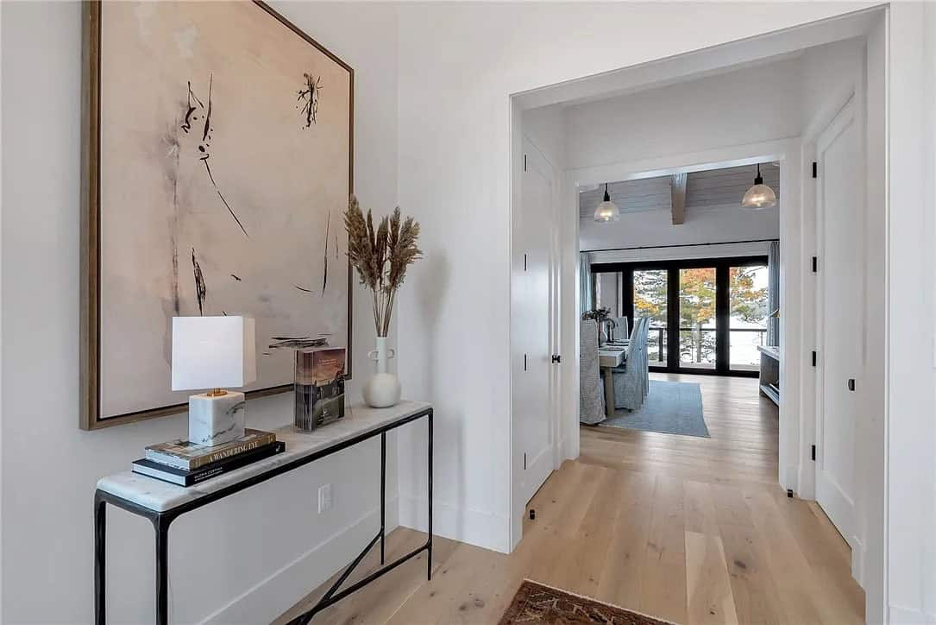
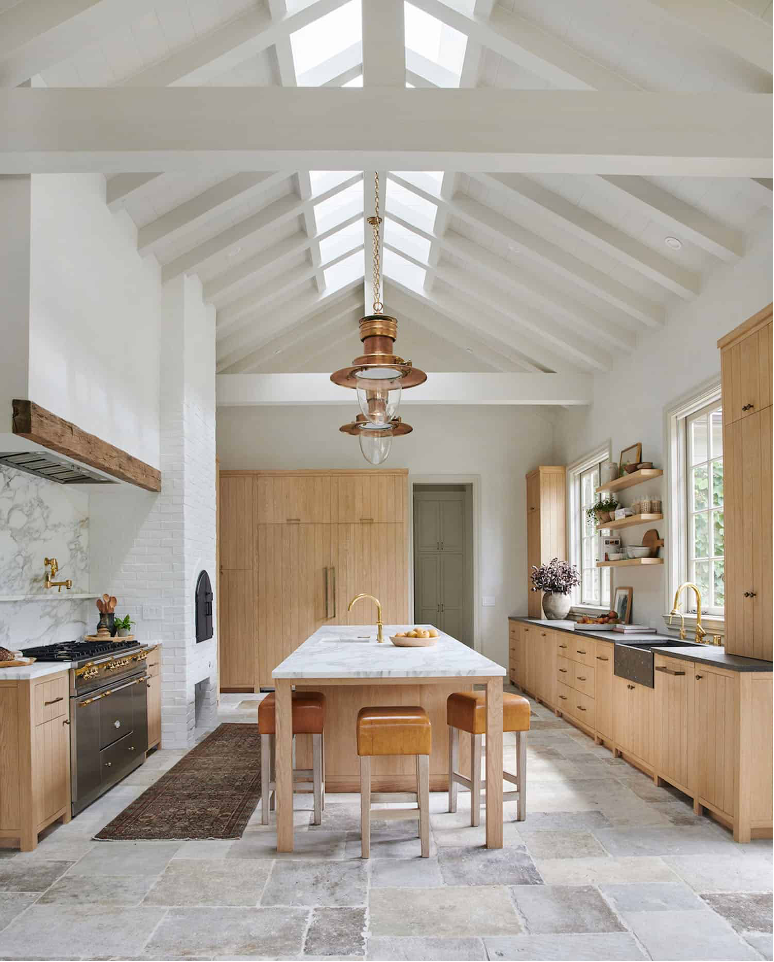
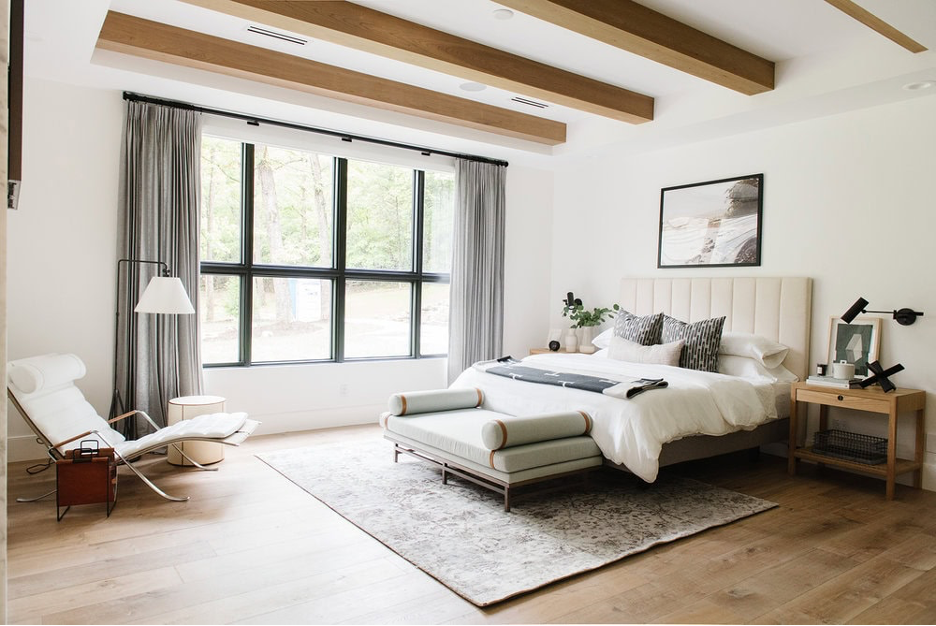
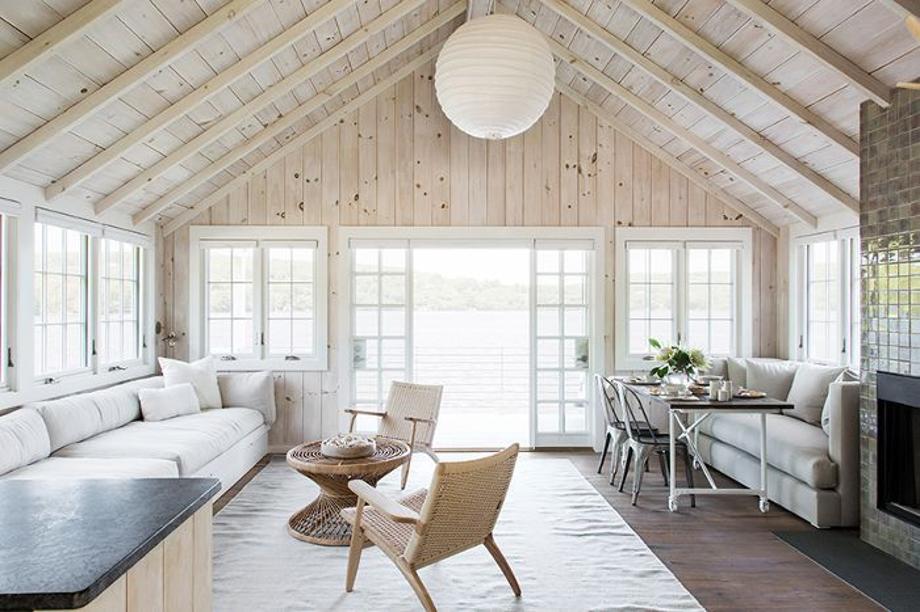
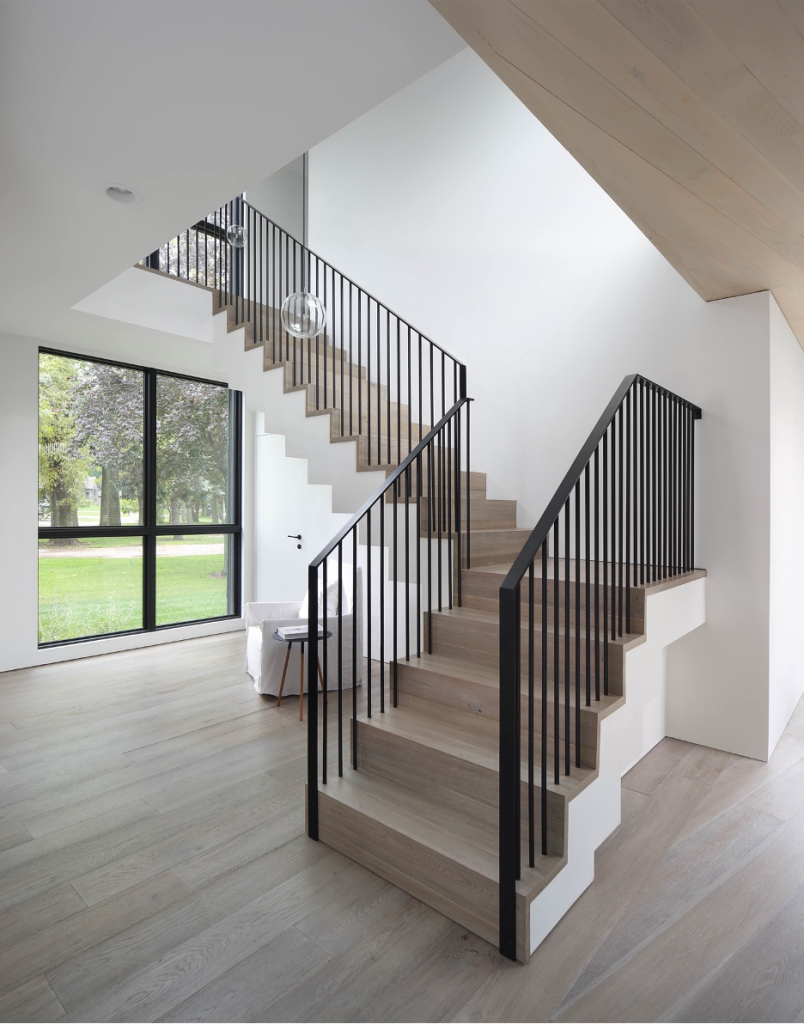
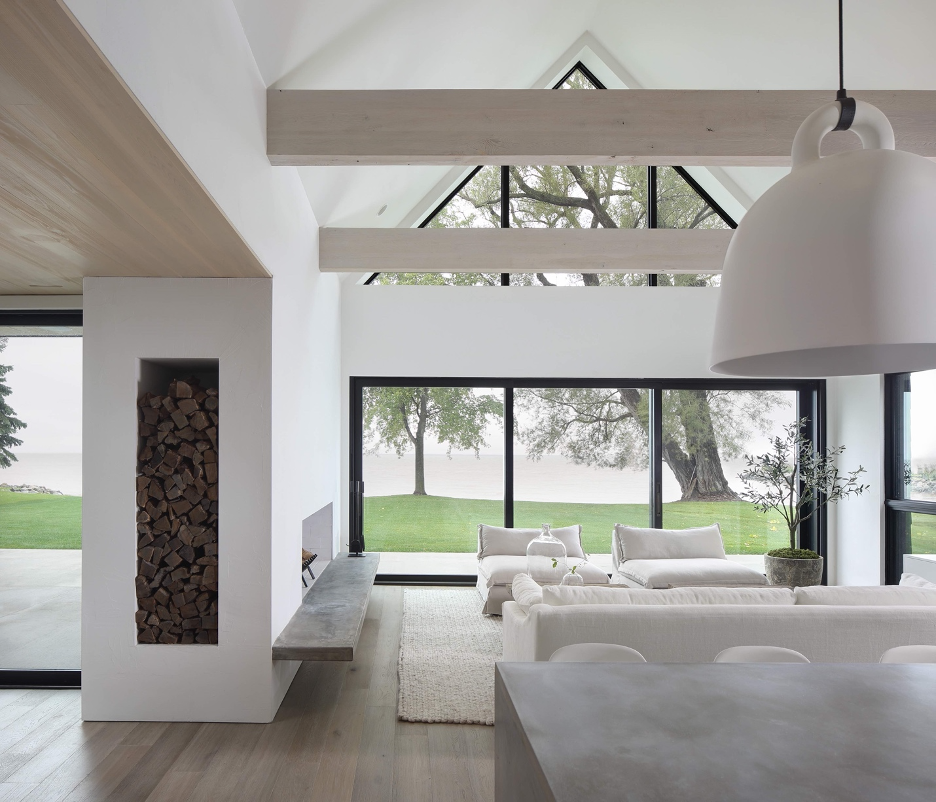
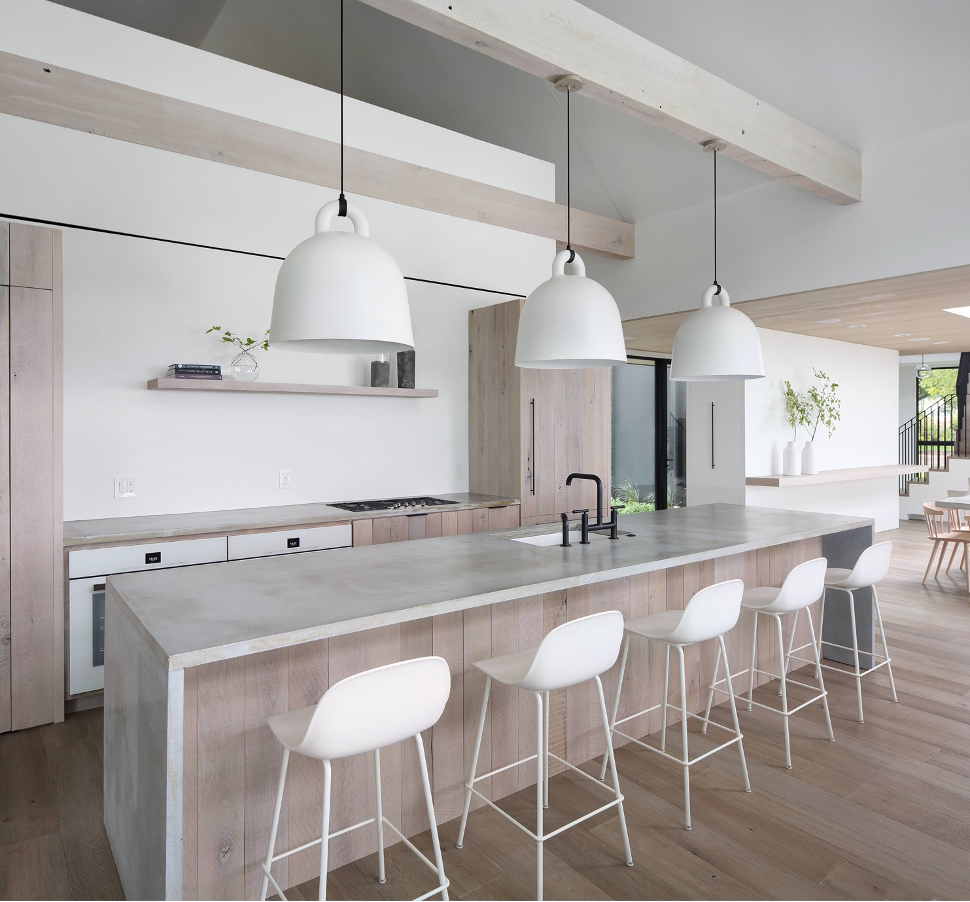
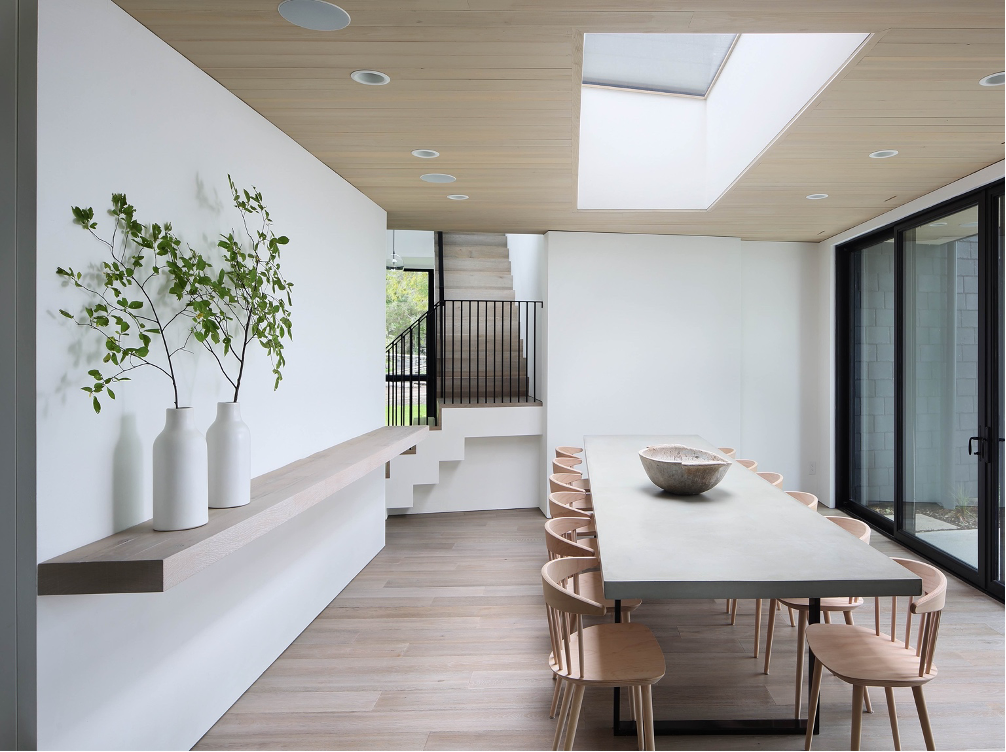
Summer at the lake is more than a season—it’s a lifestyle. For homeowners who retreat to lake properties from the Upper East and Mid-Atlantic to the Texas Gulf, Northern lake regions, Pacific Northwest, and California, summer invites a chance to refresh spaces with intention and modern ease. While lake homes often embody a laid-back elegance, this season calls for subtle yet impactful design updates. These updates should feel curated, not cliché. Today’s best summer décor strikes a balance between style and simplicity, featuring layered textures, functional upgrades, and a touch of nostalgia done right. The goal is to enhance the indoor-outdoor flow, accommodate summer entertaining, and evoke sensory delight without overwhelming the natural beauty that surrounds our lake homes.
From elevated outdoor zones to modernized guest spaces, these seven savvy ideas are tailored to today’s lake home lifestyle. Whether you’re prepping for long-weekend guests or spontaneous sunset cocktails on the dock, these fresh solutions create a timeless summer vibe. Plus, they honor regional character as well. Read on for elegant, well-edited ways to transform your lake house into a welcoming oasis that feels effortlessly inviting all summer long.
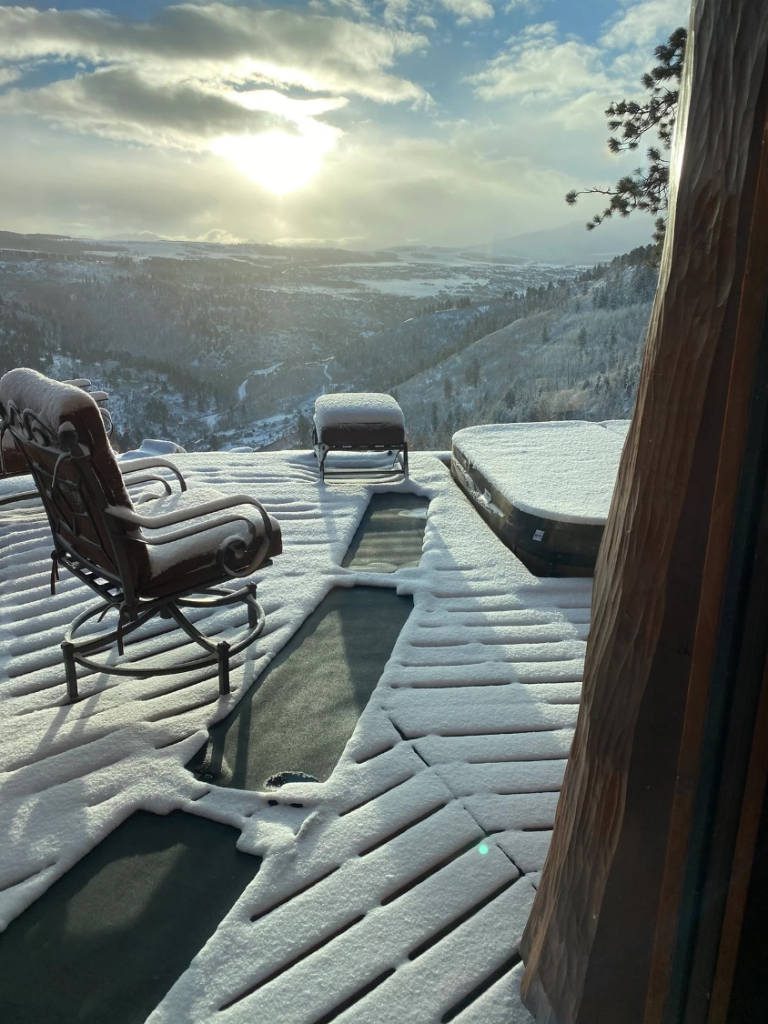
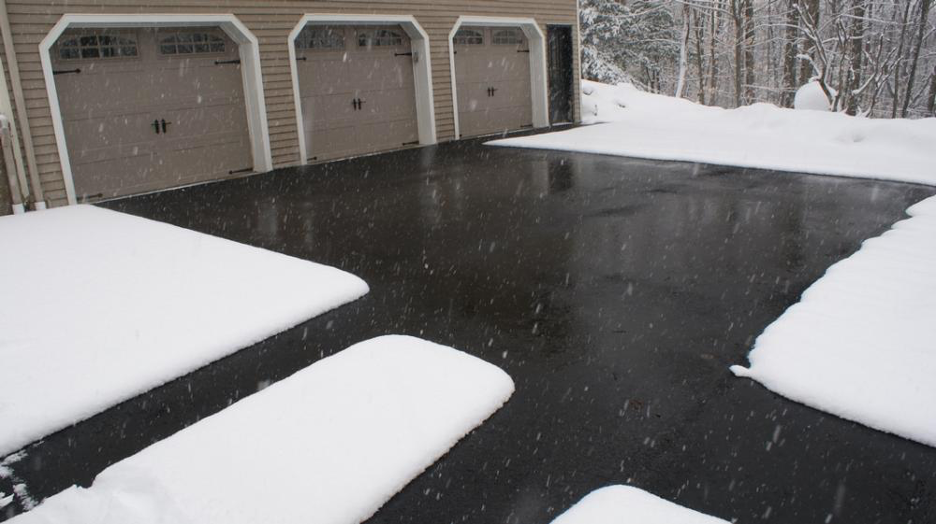
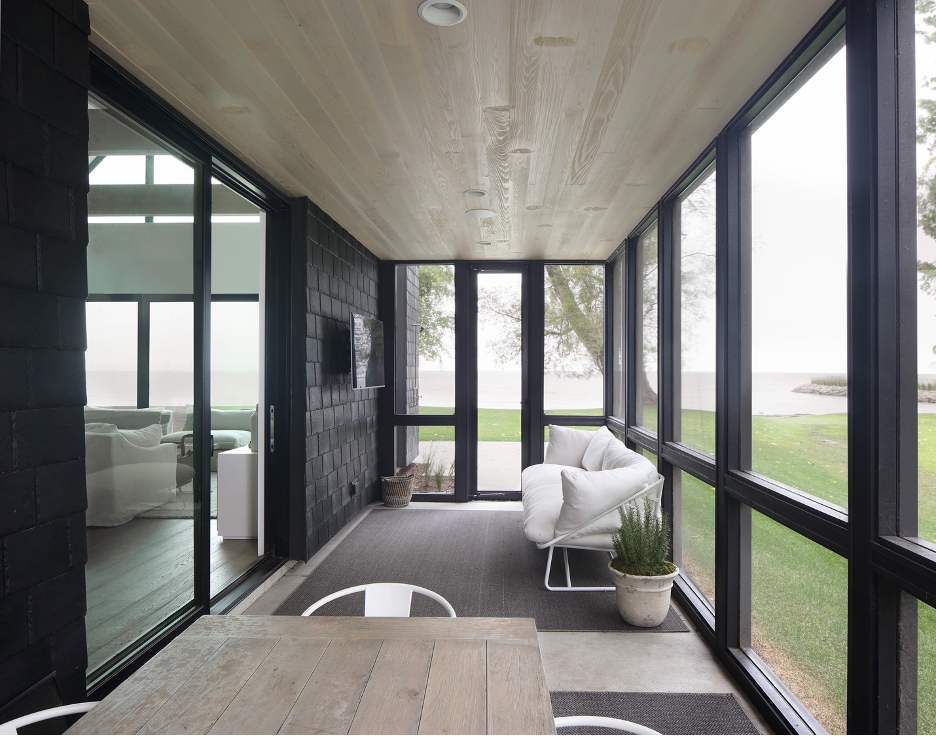
In climates like the Pacific Northwest and Northern lake regions, where weather shifts quickly, lake homeowners benefit from transition zones that allow year-round use. Consider updating screened porches or sunrooms with sliding glass or folding patio doors to enhance their functionality. These features blur the line between inside and out. Durable performance rugs, indoor-outdoor textiles, and water-resistant slipcovers ensure style and comfort regardless of the forecast. In the Southeast and Mid-Atlantic lake regions, ceiling fans and retractable insect screens create a refreshing breeze. Meanwhile, radiant floor heating under stone tile in cooler zones adds year-round usability. Keep the palette light and natural—linen, rattan, white oak, and pale neutrals. This echoes the landscape while providing a calming backdrop for guests and family alike.
Outdoor areas are the heart of summer lake living, especially in regions such as California, the Southeast, and the Texas Gulf Coast. In these areas, warm evenings stretch into fall. Rather than crowding decks and patios with seasonal clutter, focus on clean-lined furniture with durable, all-weather materials. Think teak, aluminum, or woven resin in modern silhouettes. Add a freestanding pergola or extend shade with a motorized canopy for sun protection without blocking the view. Use modular outdoor sectionals or built-in benches with storage. This offers flexible seating that suits both quiet afternoons and lively gatherings. Enhance ambiance with low-voltage lighting, lanterns, or LED path lights. Keep things functional with an outdoor beverage station or rolling bar cart.
Layer Neutral Textures for Understated Sophistication
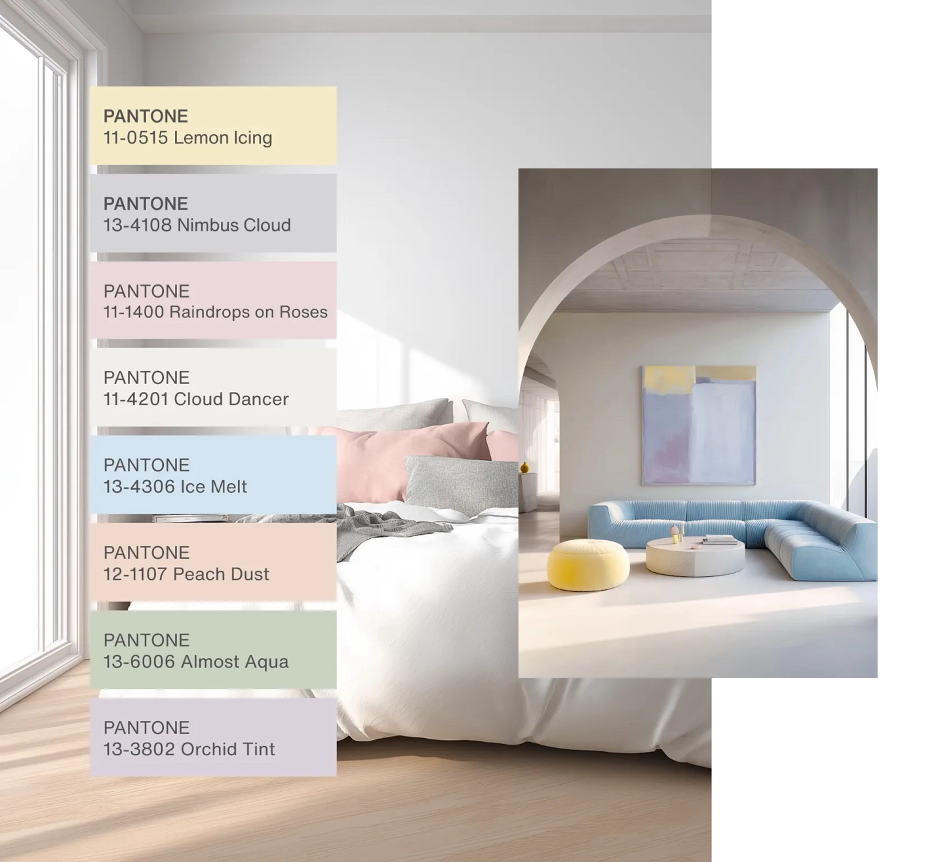
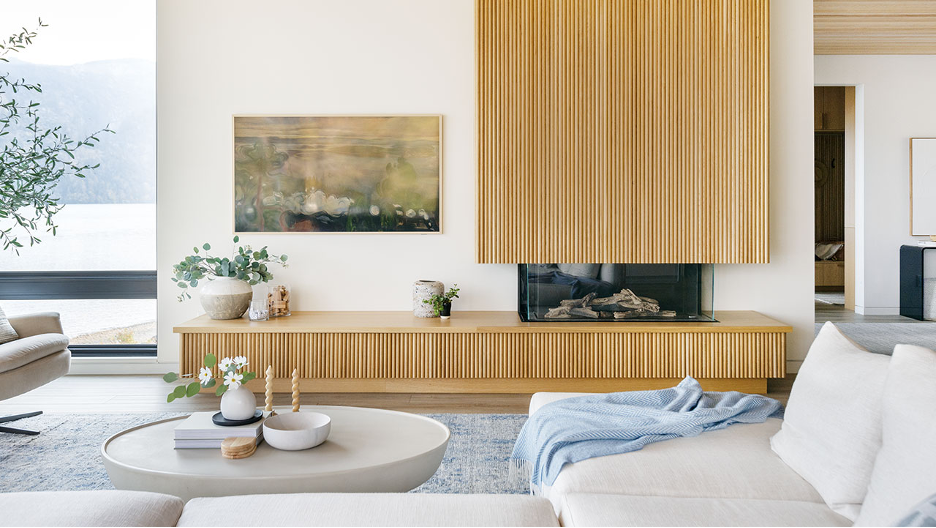
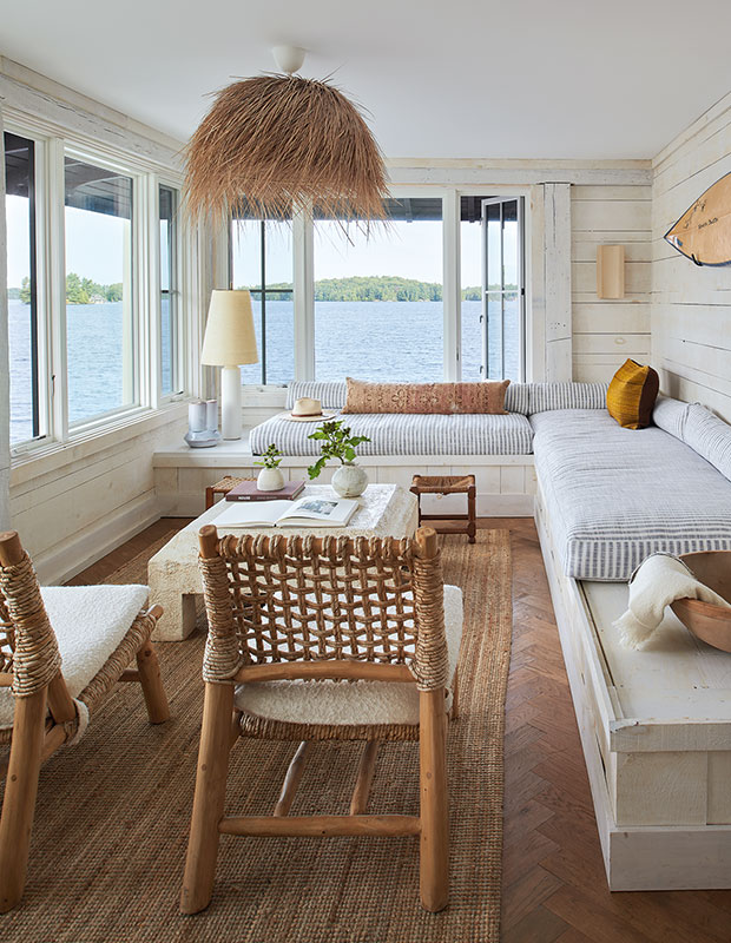
For those who favor a neutral summer palette, texture becomes the key design element. Throughout the Upper East and Northern lake regions, opt for layered linens, boucle throws, nubby jute rugs, and light wood tones. Summer-weight slipcovers in creamy ivory or beige freshen up living rooms without a complete furniture overhaul. Add ceramic vases with beach grass or locally foraged greens to bring nature in. Style mantels or bookshelves with driftwood, handmade pottery, or woven baskets for a natural, rustic look. Textural layering feels elevated without needing bold color or pattern. It is ideal for second homes that benefit from low-maintenance polish.
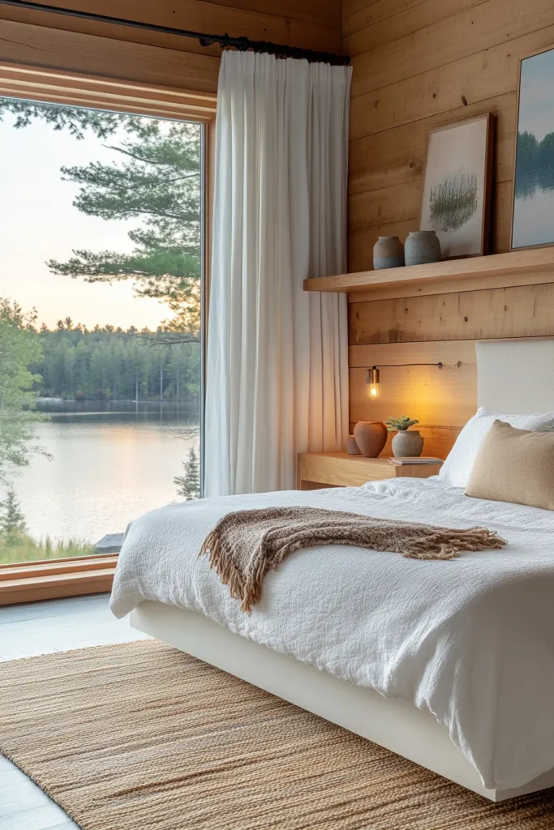
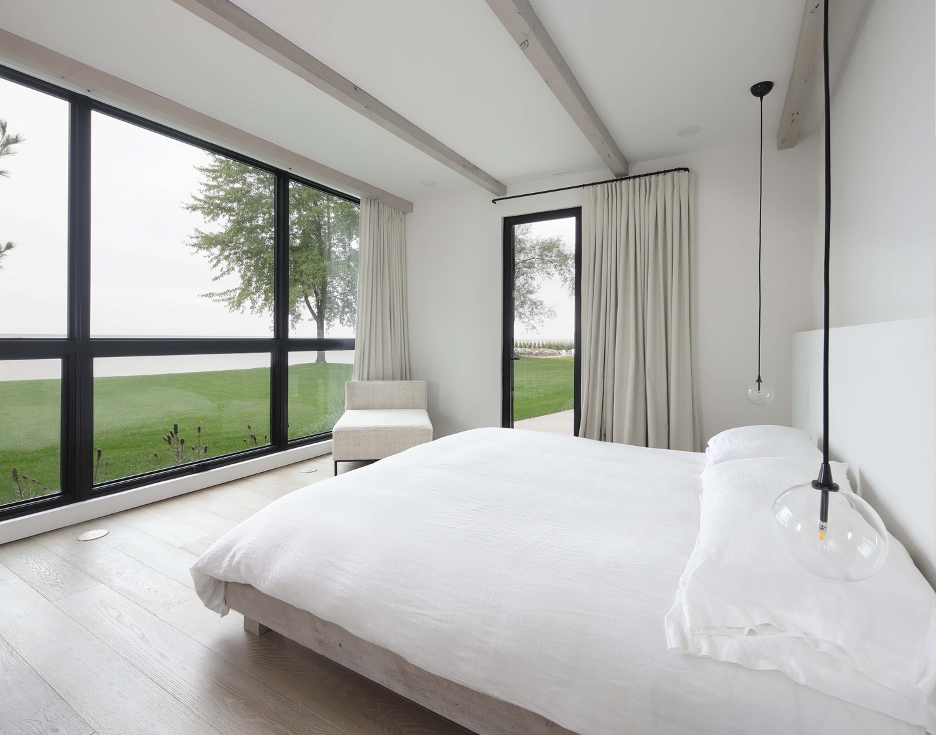
Lake homes often host extended family or friends during the summer, so guest rooms and bathrooms deserve attention. In Northern or Upper East lake regions, consider white matelassé bedding layered with soft throws and crisp hotel-style sheets. Add a small bedside bouquet, water carafe, and reading light for a thoughtful touch. In warmer zones like the Southeast or Texas Gulf, light cotton robes, scented sachets, and a curated mix of summer reads elevate the experience. Bathrooms benefit from natural fiber rugs, handmade soaps, eucalyptus sprigs in vases, and high-quality white towels. These easy upgrades feel indulgent without requiring renovation.
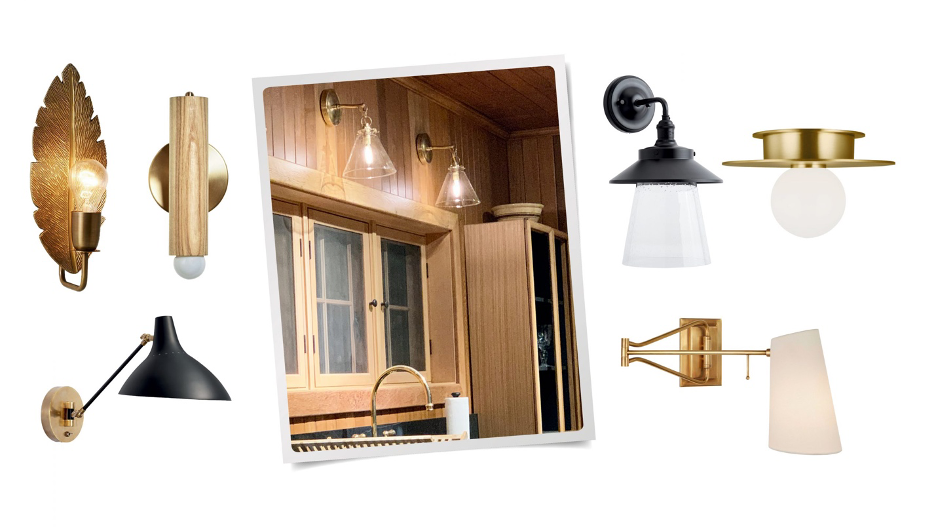
Themes like nautical or nostalgic Americana are summer staples but can easily feel dated if overdone. The trick is subtlety. In California and the Mid-Atlantic, layer in tone-on-tone navy or crisp white striped pillows. Consider vintage boat oars mounted as minimalist wall art, or coastal abstract prints in neutral hues. In Texas Gulf or Southeast lake homes, lean into regional nostalgia with mid-century wicker chairs. Retro coolers as side tables or vintage lake signage reinterpreted in clean fonts and soft palettes are other options. Think refined—not kitschy—and mix these elements with contemporary touches. Consider black metal accents or minimalist lighting for balance.
Refresh Summer Dining with Creative Tablescapes and Lighting
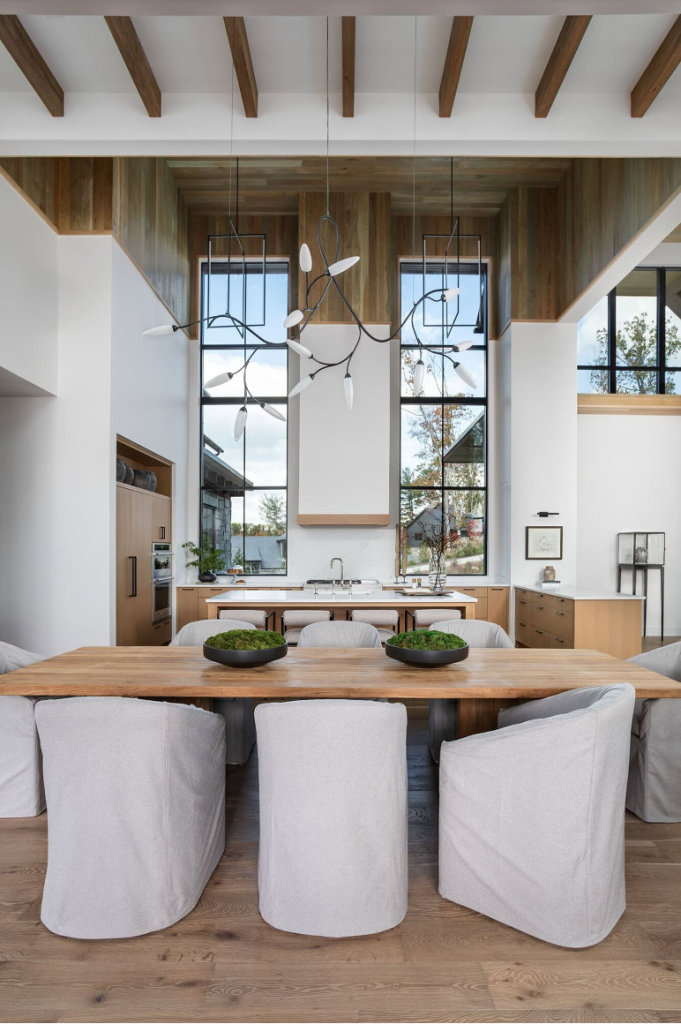
Dining areas—whether inside, on a screened porch, or al fresco—deserve a seasonal refresh. In Pacific Northwest and California lake homes, lean into minimalist ceramic dishware, linen runners, and foraged greenery as a centerpiece. For Southeast or Mid-Atlantic homes, experiment with bold summer fruit arrangements (such as citrus, peaches, and berries) and casual bistro lights overhead. Try mixing natural wood or rattan chargers with mismatched vintage glassware and modern flatware for a curated yet effortless look. Don’t forget the lighting—add cordless rechargeable table lamps, hurricane candles, or low-hanging pendants to create an intimate and memorable meal experience.
A true summer refresh engages more than just the eye. Diffusers with scents like sea salt, citrus, or fresh herbs create a mood the moment you enter. Place them strategically in entryways, bathrooms, and bedrooms. Candles in hurricane glass containers add flicker and fragrance during evening hours. Summer flower arrangements—whether store-bought hydrangeas or wildflowers from a nearby trail—breathe life into any room. In outdoor spaces, consider a hammock underneath a pergola surrounded with fragrant flowers, or a trickling water feature near a lounge area. These small but layered touches resonate exceptionally well across all lake regions, from quiet Northern hideaways to social Gulf Coast retreats.
Modern summer décor at the lake is all about elegant restraint, thoughtful textures, and subtle sensory elevation. Whether your property is nestled in the Pacific Northwest or basking in sunshine in the Southeast, the best updates are those that support your lifestyle—entertaining, relaxing, and hosting. They also honor the natural rhythms of summer. These seven curated ideas strike the balance between comfort and style. They offer a roadmap for a memorable season that feels just right, inside and out. For more lake-inspired design ideas, visit Lake Homes Lifestyles.
Wake up to the serene beauty of Central Texas lakes, where luxury and nature blend seamlessly. These five stunning waterfront properties set a new standard for upscale living with breathtaking lake views, private water access, and custom design. Whether it’s a Mediterranean-inspired villa or a unique hillside retreat, each home features spacious layouts, premium amenities, and peaceful surroundings. Located in exclusive communities or on expansive estates, they offer both privacy and tranquility—ideal for a lakeside getaway or a forever home.
Need some tunes to accompany your 4th of July celebration at the lake? Check out this playlist! Curated to accommodate a variety of genres, from pop to classic rock to country and more, you won’t be disappointed with this patriotic soundtrack.
The Star Spangled Banner – Chris Stapleton
Brandy (You’re a Fine Girl) – Looking Glass
Never Too Much – Luther Vandross
Sweet Home Alabama – Lynyrd Skynyrd
Sweet Escape – Gwen Stefanie
God’s Country – Blake Shelton
We Didn’t Start the Fire – Billy Joel
Stay the Night – Zedd ft. Haley Williams
Life is a Highway – Rascal Flatts
America the Beautiful – Ray Charles
All I Wanna Do – Sheryl Crow
Something Just Like This – The Chainsmokers & Coldplay
American Saturday Night – Brad Paisley
Tongue Tied – GROUPLOVE
Cruise – Florida Georgia Line
Summer – Calvin Harris
I Gotta Feeling – Black Eyed Peas
Born in the USA – Bruce Springsteen
Semi-Charmed Life – Third Eye Blind
Dexys Midnight Runners, Kevin Rowland – Come On Eileen
While grilled burgers and store-bought chips have long held a place at 4th of July lake gatherings, today’s lake homeowners are curating more intentional and elevated holiday spreads. Whether you’re entertaining guests dockside, picnicking under the trees, or launching fireworks from a pontoon, the right appetizers can anchor your 4th of July celebration. They add regional flavor, conversation-starting presentations, and inventive twists on familiar ingredients.
Especially across varied lake regions—from the breezy Pacific Northwest to the sunny Gulf Coast—seasonal produce and local specialties offer opportunities to impress on the 4th of July. You can do this without overcomplicating your prep. The following snack and appetizer recipes go beyond the standard fare. They blend regional flair with crowd-pleasing appeal. Each dish speaks to a specific region of the country. They cover a broad spectrum of tastes, including vegetarian, seafood, meat, poultry, sweet, dip-focused, and kid-friendly bites.
Southeastern lake regions, including Georgia’s Lake Oconee and North Carolina’s Lake Norman, are known for their sweet, juicy peaches in early July. Grilled peach-and-burrata crostini is a refined yet simple vegetarian option that makes the most of this seasonal bounty. Thick-sliced peaches are lightly grilled to bring out their sugars. They are then layered over creamy burrata on toasted baguette slices. A drizzle of local honey, a sprinkle of flaky salt, and a few torn basil leaves add complexity and freshness to the dish. This interpretation incorporates pesto and balsamic glaze for a flavorful balance. Serve these on a wooden board for a rustic, lake-house aesthetic. This is perfect for warm Fourth of July twilight gatherings. Visit Recipe Runner for this juicy recipe.
Maryland Blue Crab and Corn Fritters with Chipotle Aioli
For lake homes around Deep Creek Lake in Maryland or Lake Wallenpaupack in Pennsylvania, blue crab reigns supreme in the summer. Combine sweet lump crabmeat with fresh corn, minced onions, and your preferred seasoning (such as Old Bay) in crisp fritters. Serve them with a lemon or spicy aioli. These bite-sized snacks seamlessly blend coastal influences with an easy-going inland style. They can be pan-fried or cooked in an air fryer for a lighter version. The balance of crunch, sweetness, and spice is perfect for lakeside cocktail hours. You can make them ahead and warm them on a grill pan. Visit Urban Cookery for their interpretation of this recipe.
The Upper East lake regions—think Lake George in New York or Lake Winnipesaukee in New Hampshire—favor traditional fare with a hint of contemporary kick. These chicken skewers are marinated in a blend of salt, pepper, chili powder, and olive oil, then grilled and brushed with a peach preserves glaze. The result is a perfect interplay of sweet and spicy. Serve them with lime wedges skewered with red, white, and blue cocktail sticks for a festive presentation if desired. They also reheat well over a campfire grill for late-night snacking. Check out this home cook’s rendition at I Am Homesteader.
In Gulf Coast and Texas lake communities, such as Lake Travis or Lake Martin, bold flavor profiles are a given. Smoked Andouille sausage, sliced thick and seared on a hot grill pan, pairs perfectly with a house-made Creole mustard dip—made by mixing whole grain mustard, a dash of Tabasco, and a touch of mayonnaise. Serve these sausage rounds on small toothpicks or skewers with pickled okra or jalapeño coins for a distinctly Southern flair. They’re hearty enough for meat lovers and hold up well in warm, humid conditions typical of July in this region. For an elevated yet quick recipe incorporating dry white wine, visit Platings + Pairings.
At lakefront homes in California—like Lake Tahoe or Big Bear Lake—guests appreciate dips that are bold, fresh, and layered. This charred poblano corn dip hits all the marks: smoky poblano peppers, grilled corn kernels, cream cheese, sour cream, lime juice. Some recipes also incorporate Monterey Jack, so feel free to create your own signature dish. It’s typically finished with chopped cilantro and served warm in a cast-iron skillet alongside corn tortilla chips or jicama slices for dipping. California’s abundant produce and preference for bright flavors shine here, making it a standout dip. It pairs well with crisp white wine or agave cocktails, especially on the 4th of July. For this classic recipe, visit Taste and See.
Lakes in the Pacific Northwest—like Lake Chelan in Washington or Oregon’s Crater Lake—are surrounded by berry farms that hit peak season around the 4th of July. Mini berry shortcake cups offer a make-ahead dessert that’s as beautiful as it is delicious. Use mason jars or compostable cups to layer fresh strawberries, blackberries, and blueberries with whipped cream and buttery shortcake cubes. A splash of lemon zest or elderflower syrup elevates the flavor. Chill these in a cooler or fridge until dessert time for a refreshing end to the meal. Visit Carson Farmers Market for a scrumptious multi-layered recipe using fresh yellow butter cake, whipped cream, and no-bake cheesecake. Berry types are not specified here, so use what’s available in your region to create a red, white, and blue theme celebrating the 4th of July.
For kids (and adults with a nostalgic streak), mini corn dog muffins are a playful, mess-free option. Made by combining cornbread batter with chopped hot dogs or mini sausages, these bake up in mini muffin tins and travel well from kitchen to dock. Serve with squeeze bottles of ketchup and mustard for easy dipping. They’re especially popular with families celebrating the 4th of July across U.S. lake regions. They can be tailored with locally made sausages or even a vegetarian version using plant-based hot dogs. These snacks are easy to prepare in bulk and disappear quickly once served.
Whether you’re entertaining at a lakeside lodge in the Northeast or a breezy dock house in the Pacific Northwest, your 4th of July menu can reflect both your region and your creativity. These snack and appetizer ideas offer a polished yet approachable blend of textures, temperatures, and flavor profiles that sets them apart from typical holiday fare. Better yet, each recipe is designed to travel well and hold up outdoors. With just a bit of planning, your holiday spread can taste as memorable as the fireworks lighting up your lake. For more lake-inspired recipes, visit Lake Homes Lifestyles.
Cedar Bluff, situated in the northeastern region of Alabama, offers breathtaking views and an unparalleled lake lifestyle on Weiss Lake. With its quintessential small-town vibe and affordable cost of living, Cedar Bluff provides many opportunities for both homeowners and investors. When you’re ready to start the next chapter of your life at the lake, working with a professional lake expert to help you navigate the nuances of lake real estate makes all the difference.
Sustainability isn’t a buzzword for lake homeowners—it’s a practical necessity. Whether your retreat is tucked along the tree-lined shores of the Adirondacks, perched above a misty lake in the Pacific Northwest, or sun-drenched in a Texas Gulf basin, energy efficiency and environmental stewardship go hand-in-hand with lakeside living. Seasonal temperature swings, regional biodiversity, and water proximity offer challenges and opportunities.
Thankfully, sustainable upgrades don’t require major renovations or specialized crews. Thoughtful, easy-to-implement DIY projects can yield a meaningful environmental impact. They lower utility costs, conserve resources, and preserve the natural surroundings that drew you to the lake in the first place. From rainwater collection to smart appliance integration, these manageable sustainability updates can be tailored to suit regional climates, home styles, and homeowner schedules. The key is choosing enhancements that are affordable, replicable, and impactful. Below are seven smart and regionally appropriate DIY ideas. These will make your lake home more eco-conscious while still functional and inviting.
Rainwater harvesting is one of the simplest and most regionally adaptive sustainability upgrades. This is especially true in areas with regular rainfall like the Pacific Northwest, Mid-Atlantic, and Northern lake regions. A rain barrel placed beneath a roof downspout can capture runoff and store it for non-potable uses. Uses include watering gardens, rinsing outdoor gear, or maintaining landscape beds. Systems like the FCMP Outdoor Rain Barrel are homeowner-friendly and equipped with overflow valves and fine-mesh screens to prevent debris buildup. With minimal effort, you reduce demand on well or municipal water and make use of a renewable source already flowing across your roof.
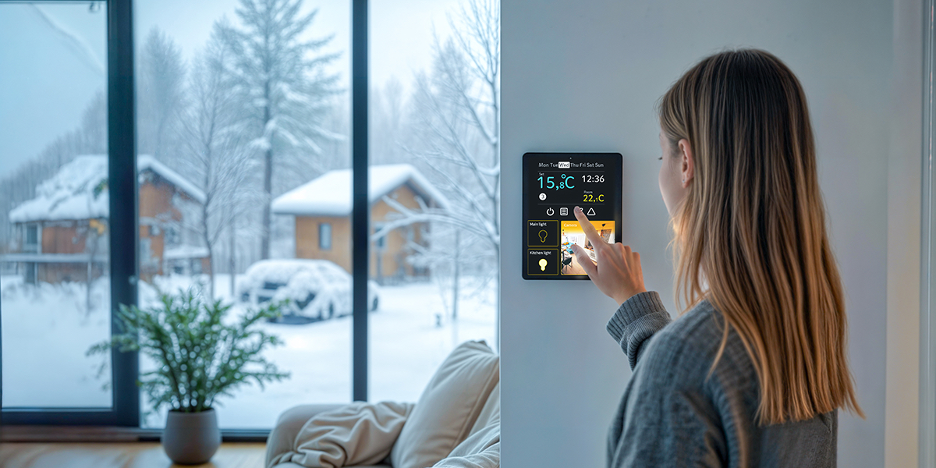
Installing a smart thermostat can significantly reduce unnecessary energy use. This is especially helpful in lake homes that may sit unoccupied for stretches during the off-season. For properties in the Upper East, Southeast, or California lake regions, where seasonal temperature changes drive HVAC use, an upgrade to a device like the Google Nest Learning Thermostat lets you monitor and adjust your home’s temperature remotely. These systems adapt to your schedule over time and often provide suggestions for maximizing efficiency. Installation typically takes under an hour. It immediately improves energy control without sacrificing comfort when you return to the lake.
Older lake homes, especially in the Northern and Mid-Atlantic regions, are prone to air leaks around windows and doors. This leads to drafts and higher heating or cooling costs. Applying self-adhesive weather stripping to window frames and attaching under-door sweeps can drastically reduce air infiltration. Products like the 3M Indoor Weather Sealing Kit provide a fast and cost-effective solution. It adds an extra layer of insulation without the need for replacement windows. This simple DIY can be completed in an afternoon, improving thermal efficiency year-round.
Switching to LED bulbs indoors and adding solar-powered fixtures outdoors is a smart and low-effort strategy to lower electricity use. This is especially valuable in sunny regions like the Southeast and Texas Gulf. Solar lighting can reliably illuminate walkways, porches, and docks without drawing from the grid. Indoors, LED bulbs last longer and consume a fraction of the energy of incandescent models. Consider solar units such as Ring Smart Solar Lights. They integrate motion sensors and weather-resistant designs for dependable outdoor lighting and sustainability that complements the lake lifestyle.
Energy-efficient window treatments can help regulate indoor temperature. They keep spaces cool in the summer and insulated in the winter. This is particularly useful in lake homes regions, including the Southeast, California, and the Upper East. Solar heat gain or cold drafts can impact comfort and utility costs here. Installing reflective or cellular window shades is a straightforward project. It offers outsized returns, both in energy savings and light control. Options such as SelectBlinds Cordless Cellular Shades come in various sizes and finishes. They offer DIY installation that requires only basic tools and no professional help.
For lake properties in humid regions—particularly the Mid-Atlantic, Southeast, and Texas Gulf—a whole-home dehumidifier can protect the structural integrity of your home while improving air quality. High humidity encourages mold growth and strains your HVAC system. However, a dedicated unit like the Aprilaire E100 Dehumidifier can efficiently pull moisture from the air across large areas. While some models require professional integration, many high-capacity systems can be installed in basements, crawl spaces, or attics with minimal guidance. This makes it a worthwhile sustainability project to tackle as the humidity season approaches.
Outdated appliances often consume far more electricity and water than necessary, undermining other sustainability efforts. You can dramatically improve your home’s overall efficiency by replacing just one high-use item, such as a refrigerator, washer, or dishwasher. Focus on Energy Star-certified options available through the Energy Star Product Finder, which offers vetted appliances across every major category. While upgrading appliances isn’t the lowest-cost DIY, it is one of the most impactful in the long term. This is especially true for full-time residents or seasonal homeowners who host large gatherings and rely heavily on kitchen or laundry equipment.
Sustainable living at the lake isn’t limited to off-grid solutions or full-scale renovations. Simple, regionally appropriate DIYs like rain barrels, weatherproofing, dehumidifiers, and appliance upgrades allow homeowners to reduce their ecological footprint meaningfully. These projects are low-barrier, low-maintenance, and—when chosen wisely—pay off quickly in savings and performance. Whether weekend retreating in the Northeast or living year-round in the Pacific Northwest, these enhancements strengthen your connection to the landscape and safeguard the water, air, and wildlife that define lake life. Small choices, tailored to local climates and property needs, are a powerful way to align comfort and conservation. For more home improvements for your lake home, visit Lake Homes Lifestyles.
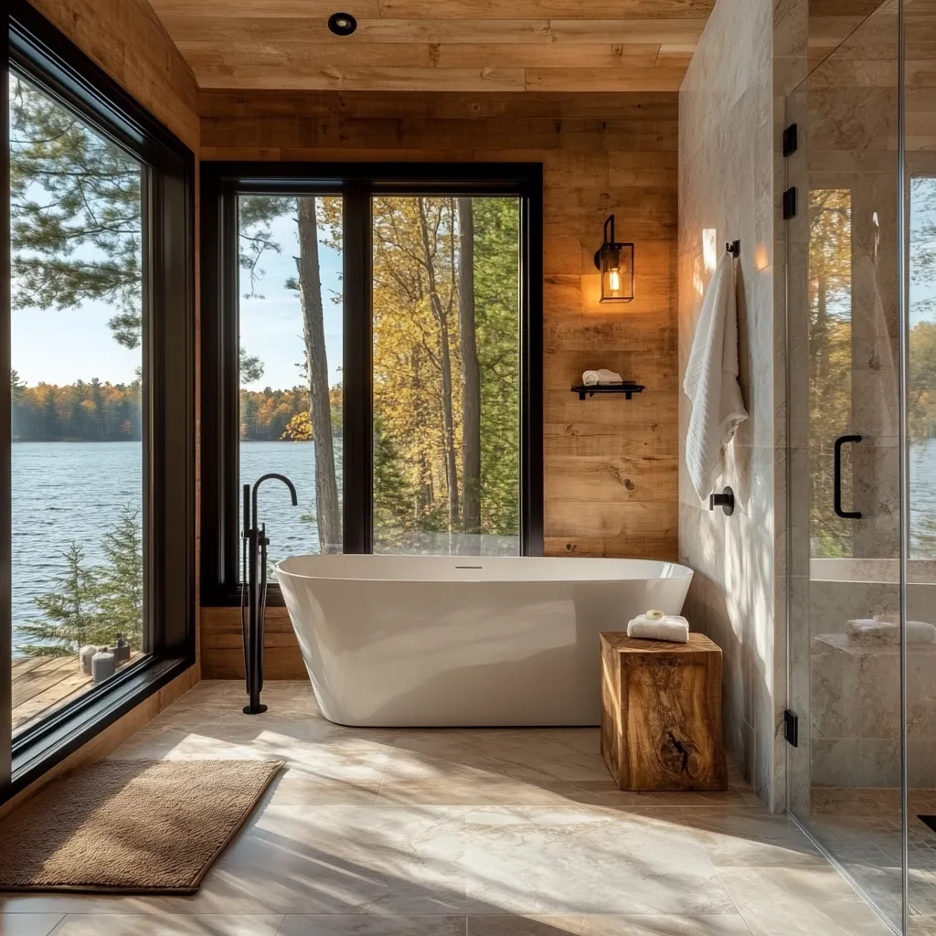
From luxurious mansions close to Houston to peaceful lakefront getaways in Livingston, these five Texas residences set new standards for high-end living. With spacious floor plans, top-of-the-line furnishings, and luxurious amenities reminiscent of a resort, each home presents a distinct combination of opulence and coziness perfect for entertaining or unwinding in elegance.