

Snowfall brings a sense of serenity to lake homes across the U.S., but it also introduces environmental challenges. Traditional salt-based deicers and gas-powered snow removal tools can harm nearby waterways—especially around lakes, where runoff quickly enters the ecosystem. Excess sodium and chloride can alter water chemistry, harm fish habitats, and degrade shorelines. For lake homeowners who prioritize sustainability, the goal is to manage snow effectively while preserving water quality and the surrounding landscape. Across diverse lake regions—from the snow-heavy Northern states to the milder climates of the Southeast and California—innovative methods and materials are reshaping how snow is managed. The following six eco-friendly approaches reduce environmental impact. These methods extend the longevity of outdoor materials and align with the mindful stewardship lake living requires.
Brine Solutions Made from Sugar Beet Byproducts
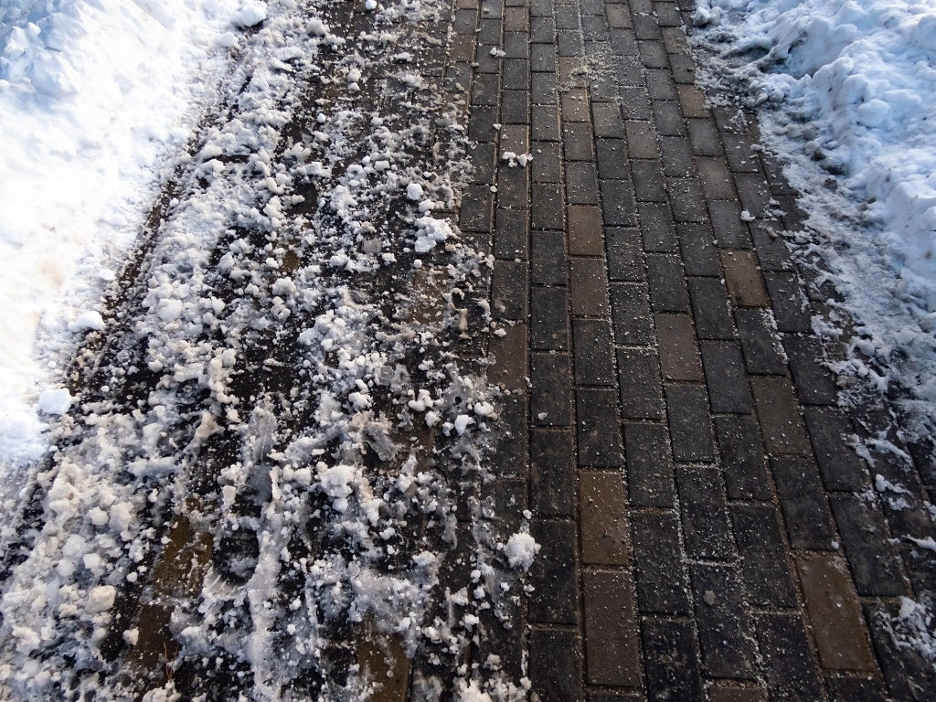
In the Upper East and Northern lake regions, where heavy snowfalls are routine, pet-friendly brine solutions made from sugar beet byproducts are a sustainable way to reduce ice buildup. When mixed with salt brine, beet-based deicers like Beet-It Ice Melter lower the freezing point of water. This allows homeowners to use less salt overall, dramatically decreasing chloride runoff into lakes. Thus, it minimizes harm to fish and aquatic vegetation. While beet brine can sometimes stain light-colored concrete, homeowners can use diluted blends and apply them before snowfall. This option offers strong melting power at a lower ecological cost, making it ideal for colder lake climates.
Heated Walkway Systems and Driveway Mats
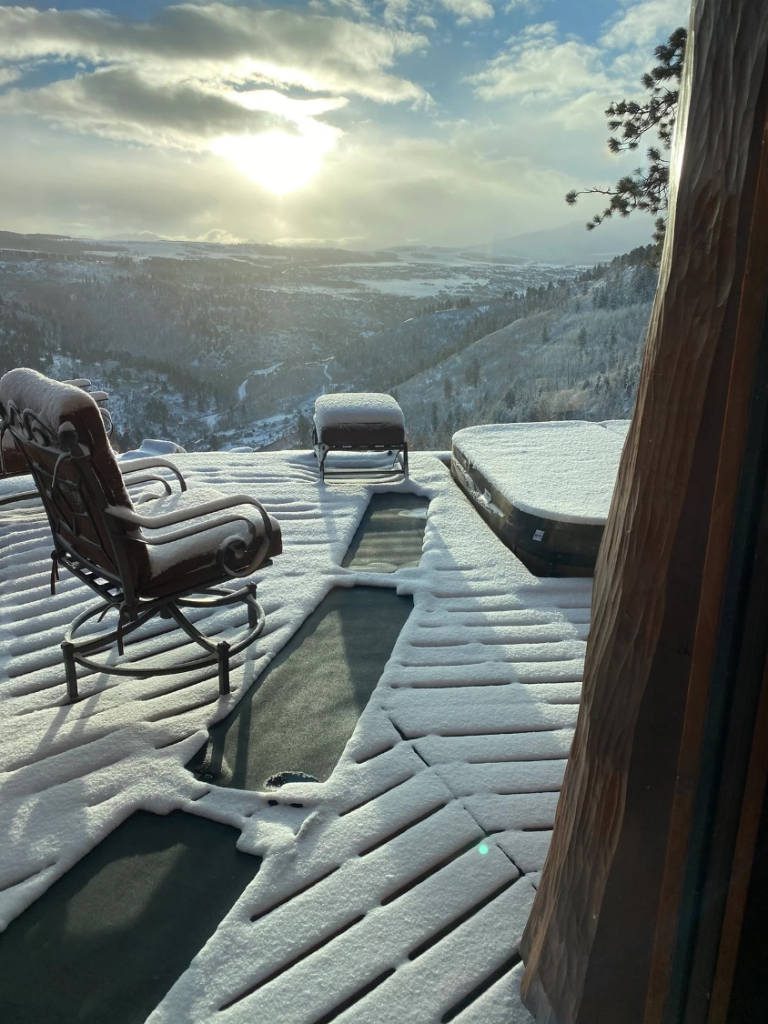
Electric snow-melting mats are an excellent choice for the Mid-Atlantic, Pacific Northwest, and Northern lake regions. They are ideal for homeowners who want to avoid chemical runoff altogether. Products such as HeatTrak Heated Snow Melting Mats lay directly on walkways, decks, or stairs to prevent snow accumulation using low-voltage heat. These mats are energy-efficient and easy to deploy. They eliminate the need for salt or mechanical scraping, which can damage concrete and decking materials. They’re particularly effective for small, high-traffic areas like front steps or docks, providing safety and convenience while keeping nearby soil and water free from chemical contamination.
Cordless Snow Shovels and Electric Snow Blowers
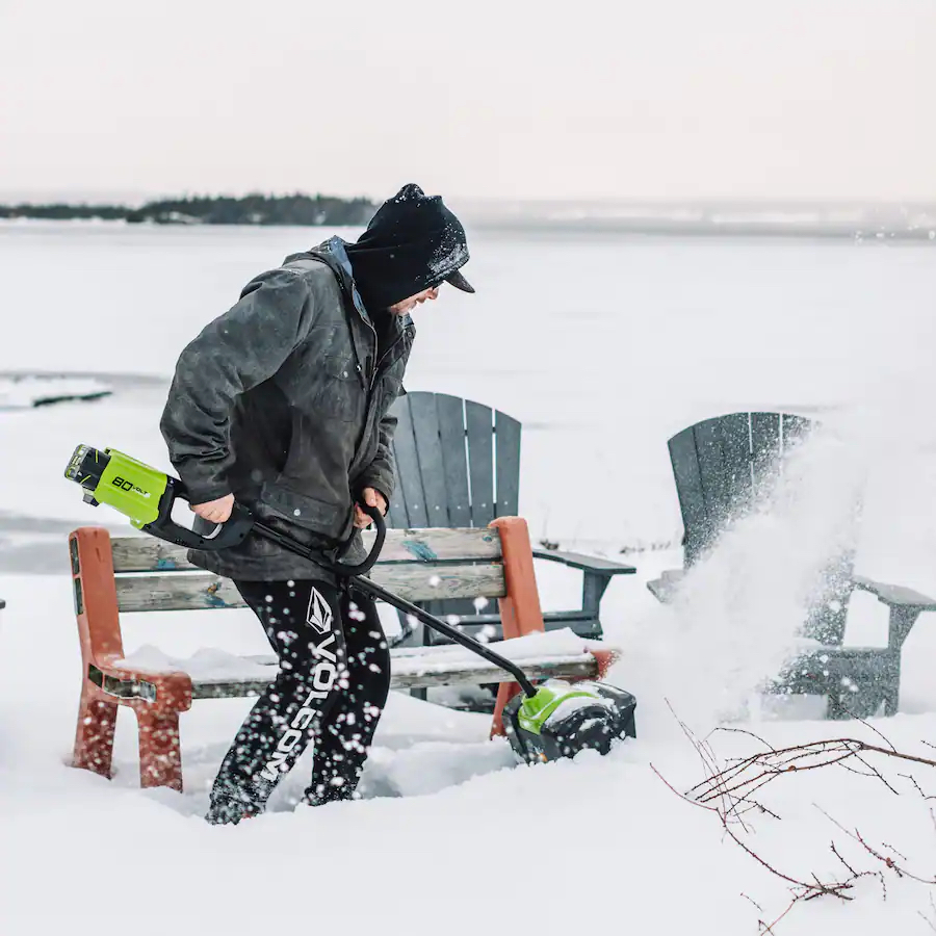
Gas-powered snow blowers release carbon emissions and oil residues that can wash into lake basins during thaws. For homeowners in Upper East, Northern, and Mid-Atlantic lake regions, switching to electric snow blowers like the EGO Power+ 56V model offers a quieter, cleaner alternative. Cordless models are ideal for driveways and walkways, producing zero direct emissions and significantly reducing maintenance. Even in California and the Pacific Northwest, where snowfall is sporadic, compact cordless snow shovels offer an efficient, battery-powered option for smaller clearings. This is achieved without the environmental toll of gasoline exhaust or fuel spills.
Gravel, Sand, or Alfalfa Meal for Traction
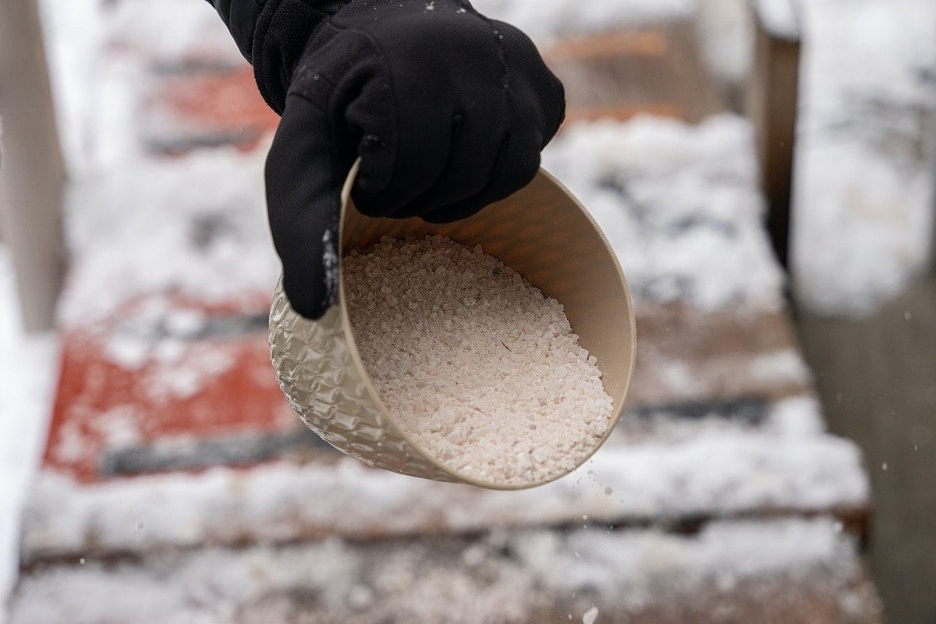
For Gulf lake regions or Southeastern areas where snow is rare but slippery ice can occur, traction materials like pea gravel or coarse sand are practical, eco-friendly solutions. These materials provide grip without contributing to chemical runoff or harming vegetation. Alfalfa meal, a natural fertilizer, can also add traction while enriching the soil as it breaks down. Because these materials are biodegradable and non-toxic, they are especially useful near garden borders, lakeshores, and flagstone paths. The key is to sweep up excess material after the thaw to prevent sediment from entering the lake water.
Snow Fences and Strategic Windbreaks
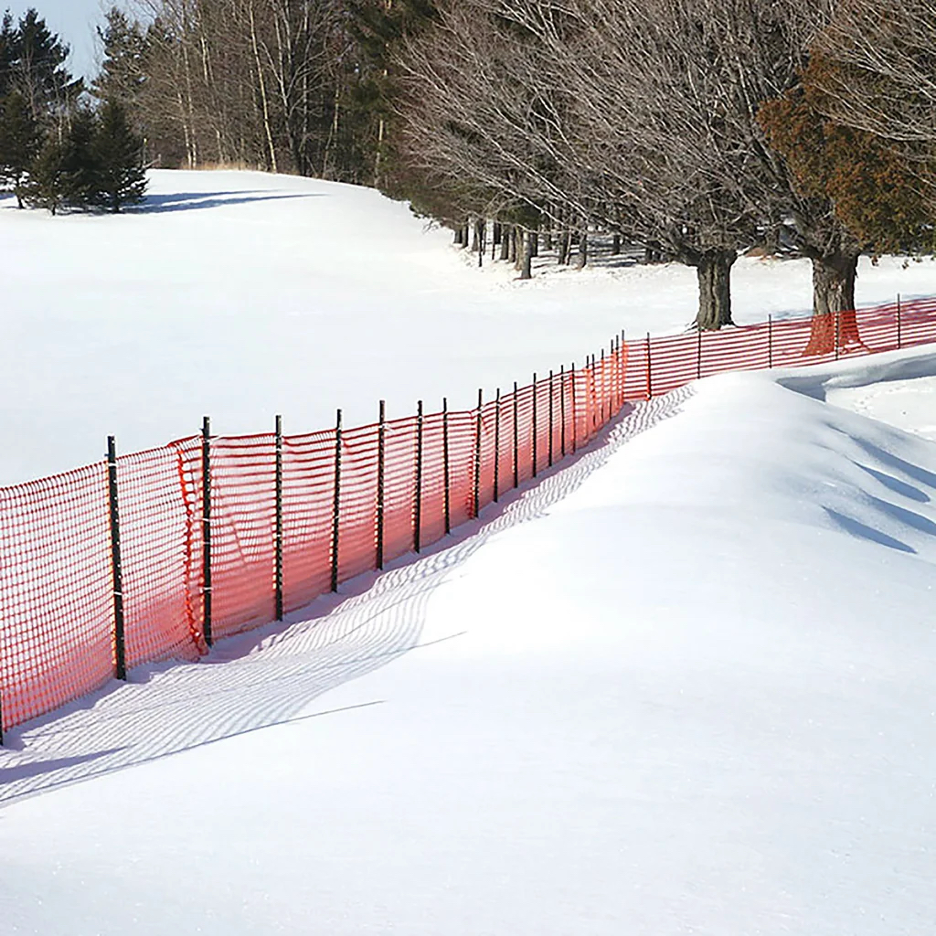
For lake properties in Northern and Upper East regions, where drifting snow can block driveways or bury docks, installing temporary snow fences or natural windbreaks can reduce accumulation. By controlling how snow drifts form, these structures limit the need for mechanical clearing or deicing agents. Homeowners can pair fencing with strategically planted evergreen shrubs or windbreak trees suited to their region. This further reduces snow buildup. This passive method uses nature’s own patterns to manage winter weather while protecting the shoreline ecosystem from chemical exposure.
Radiant Systems and Permeable Paving for Long-Term Solutions
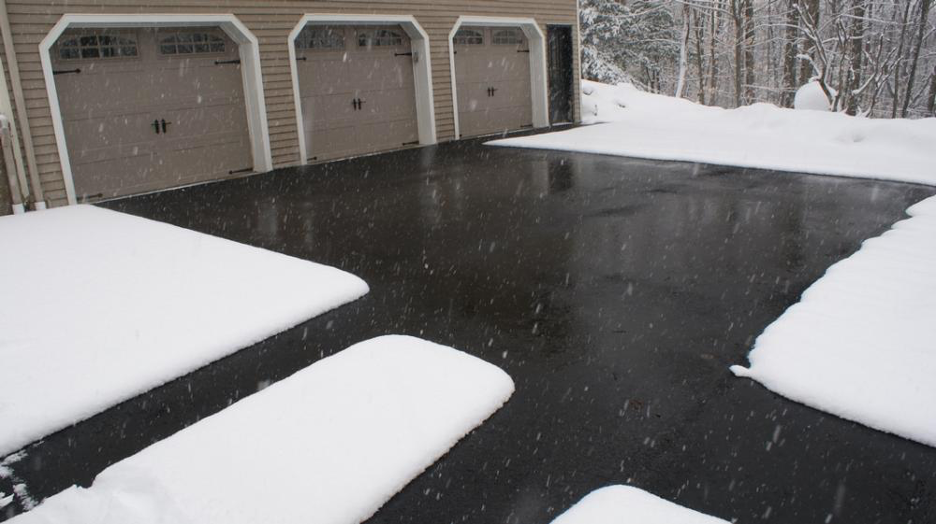
In regions such as the Pacific Northwest and California lake areas, where snowfall is lighter, but freeze-thaw cycles can still cause surface damage, permeable pavers and radiant heating systems offer long-term sustainability. Porous surfaces allow snowmelt to drain naturally into the ground, filtering out impurities before they reach the lake. When combined with low-voltage radiant heating systems beneath driveways or patios, they create efficient melt zones. Consequently, they prevent ice buildup without the need for salt or mechanical clearing. Though these systems require an initial investment, they reduce annual maintenance costs, protect water quality, and enhance the architectural appeal of modern lake properties.
Across every U.S. lake region, the move toward sustainable snow removal reflects a broader environmental consciousness among homeowners. By shifting away from salt-heavy or fuel-dependent methods, lake property owners not only preserve the natural beauty of their surroundings but also extend the life of their driveways, decks, and landscapes. Whether through organic brine blends, renewable power tools, or passive solutions like windbreaks, each of these methods demonstrates how practical innovation can align with ecological stewardship. Snow management no longer has to come at the cost of water purity or shoreline health—it can be part of a balanced approach to sustainable lake living. For more home improvement ideas to live your best lake life, visit Lake Homes Lifestyles.