


A well-maintained bathroom does more than sparkle—it protects your investment, preserves indoor air quality, and creates a more comfortable retreat after long days spent on the water. Whether your lake home overlooks the Adirondacks, the Chesapeake watershed, the Tennessee Valley, the Texas Hill Country, the Great Lakes, the Cascade Mountains, or Northern California’s alpine lakes, bathrooms contend with unique challenges. Damp towels, sandy feet, sunscreen residue, mineral-rich well water, humidity, and frequent weekend guests all contribute to grime that accumulates faster than many homeowners realize.
Fortunately, keeping a bathroom genuinely clean doesn’t require expensive products or marathon cleaning sessions. The secret is working methodically from the highest surfaces downward so dust, soap scum, and debris aren’t redistributed onto freshly cleaned areas. Establishing a consistent routine also prevents mildew from gaining a foothold and eliminates the need for aggressive scrubbing later.
Rather than viewing bathroom cleaning as an unpleasant obligation, think of it as preventive home maintenance. A clean bathroom lasts longer, functions better, and feels more welcoming. With the right supplies and an organized approach, even a thorough deep clean can be completed efficiently. Follow these six manageable steps to restore your bathroom to a fresh, hygienic space worthy of your favorite lake retreat.
Start at the Top—Dust Ceilings, Lighting, and Vents
Why it matters
Cleaning always works best from the top down. Dust, cobwebs, pollen, and insects naturally settle on ceilings, light fixtures, exhaust fans, and crown molding before drifting onto lower surfaces. Lake homes, particularly in the Upper East, Pacific Northwest, and Northern Great Lakes, often accumulate additional pollen and airborne debris from surrounding forests.
Supplies
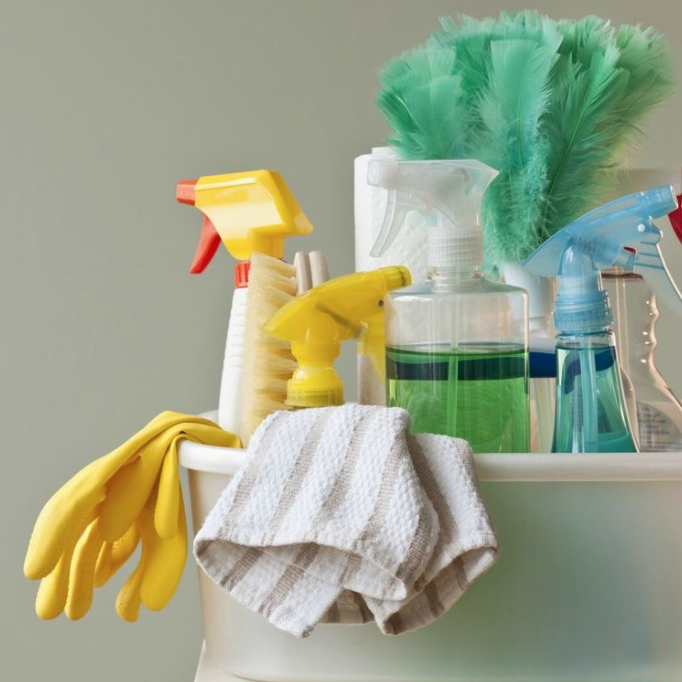
- Extendable microfiber duster
- Vacuum with brush attachment
- Step stool
- Microfiber cloth
- Mild all-purpose cleaner
How to do it
Gather your supplies. Dust the ceiling corners first before cleaning light fixtures. Remove exhaust fan covers and vacuum accumulated dust to improve ventilation. Wipe mirrors and upper trim once loose debris has been removed. Improving airflow also helps reduce the humidity that encourages mildew growth.
Tackle the Shower, Tub, and Tile
Why it matters
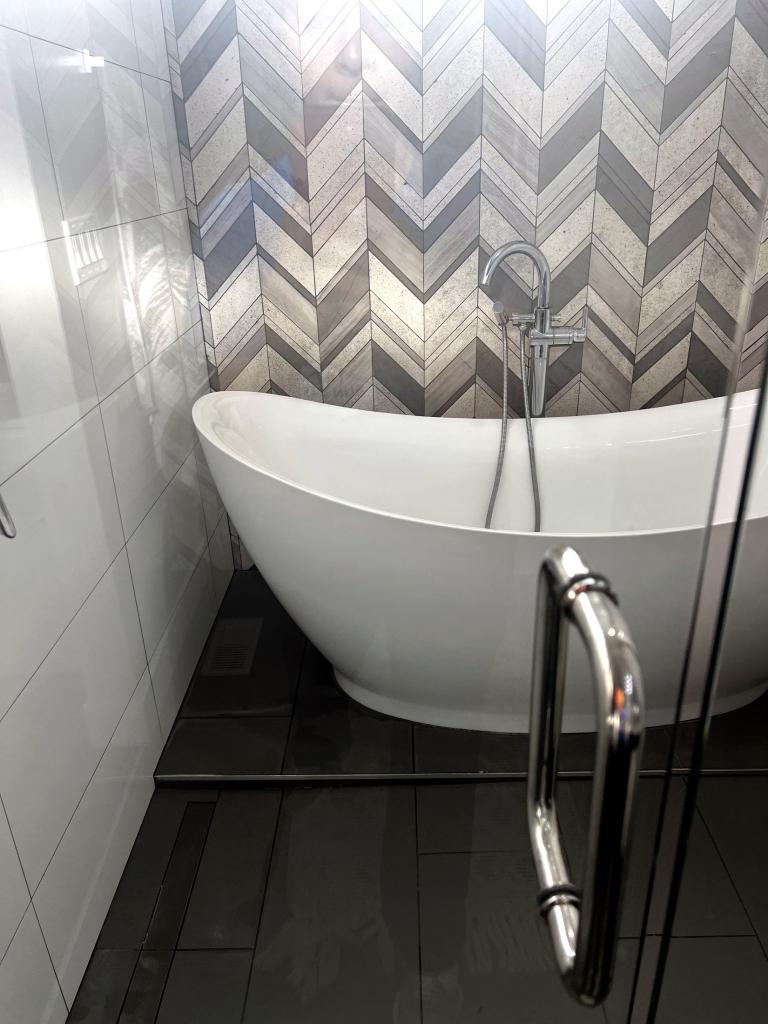
Soap scum, body oils, hard-water deposits, and mildew build quickly in wet environments. Homes around Texas reservoirs and many California lake regions often contend with mineral-heavy water, while bathrooms in the Southeast and Mid-Atlantic battle persistent humidity.
Supplies
- Non-abrasive bathroom cleaner
- Soft scrub brush
- Grout brush
- Squeegee
- White vinegar solution (for mineral buildup)
- Microfiber cloths
How to do it
Spray shower walls, tile, and tubs generously and allow the cleaner to dwell for several minutes before scrubbing. Use a grout brush along joints where mildew develops first. Rinse thoroughly, then finish with a squeegee to reduce water spotting and future soap scum.
For natural stone such as marble or limestone, avoid acidic cleaners and use products specifically formulated for stone surfaces.
Sanitize the Toilet Thoroughly
Why it matters
The toilet harbors bacteria, but surrounding surfaces—including flush handles, seat hinges, and nearby floors—often collect just as many germs through everyday use.
Supplies
- Toilet bowl cleaner
- Toilet brush
- Disinfecting spray
- Disposable gloves
- Microfiber cloths
How to do it
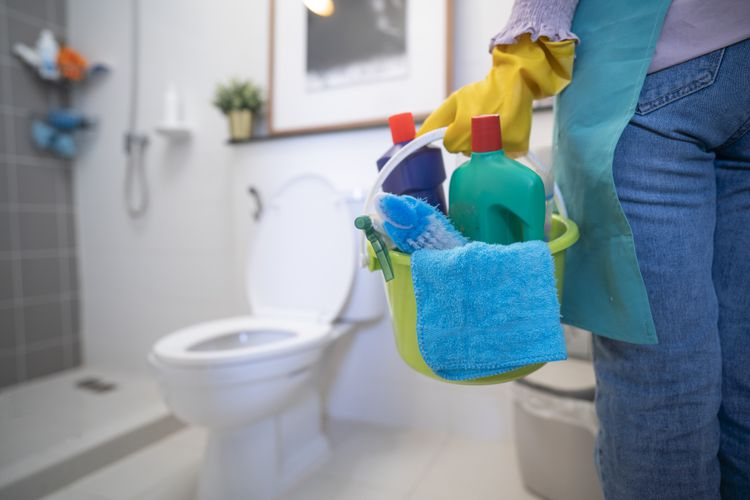
Apply bowl cleaner beneath the rim first, allowing it to work while cleaning the exterior. Wipe the tank, handle, lid, seat, hinges, and base before scrubbing inside the bowl. Finish by disinfecting nearby walls and flooring where splashes frequently occur.
Replacing your toilet brush every six months also helps maintain better hygiene. Or better yet, opt for a toilet wand with disposable brush heads.
Refresh the Vanity, Sink, and Countertops
Why it matters
Bathroom counters collect toothpaste, cosmetics, sunscreen, hand soap, and grooming products. In vacation homes, products may sit unused for weeks, allowing residue to harden.
Supplies
- Glass cleaner
- Non-abrasive surface cleaner
- Soft microfiber cloth
- Toothbrush for tight corners
- Drawer organizer (optional)
How to do it
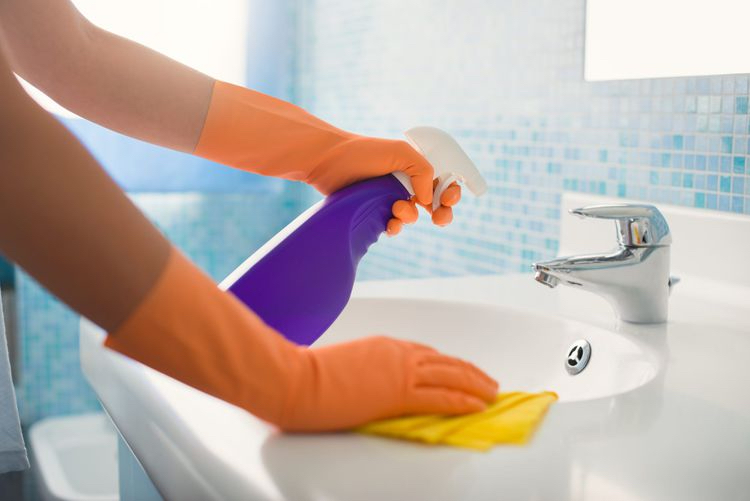
Remove everything from the countertop before cleaning. Wipe faucets carefully, paying attention to the base where mineral deposits develop. Clean mirrors last using a lint-free microfiber cloth for a streak-free finish.
While everything is off the counter, discard expired medications and consolidate duplicates to reduce clutter.
Clean Floors and Frequently Touched Surfaces
Why it matters
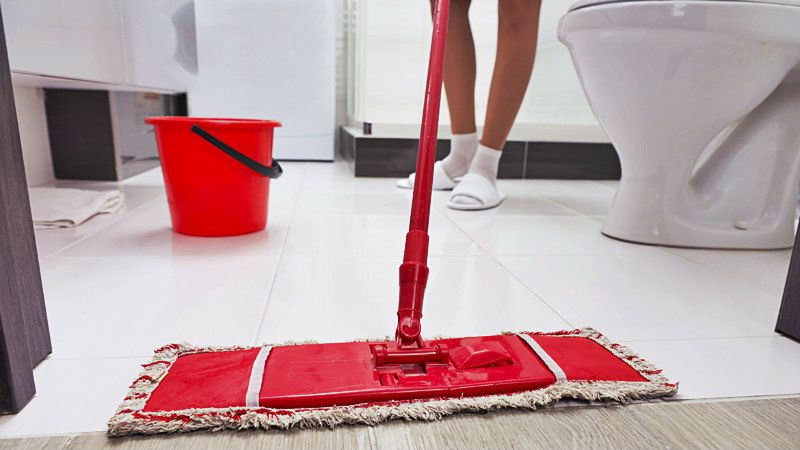
Lake homes see muddy shoes, wet swimsuits, sandy feet, fishing gear, and pets tracking in debris. Floors often harbor more dirt than homeowners expect.
Supplies
- Vacuum
- Microfiber mop
- Floor cleaner suitable for your flooring
- Disinfecting wipes
How to do it
Vacuum thoroughly around the toilet, vanity, and baseboards before mopping. Finish by disinfecting high-touch surfaces including cabinet knobs, drawer pulls, light switches, and door handles.
If your bathroom features luxury vinyl plank, engineered hardwood, or natural stone, use manufacturer-approved cleaners to preserve the finish.
Finish with Fresh Textiles and Preventive Maintenance
Why it matters
A freshly cleaned bathroom can quickly lose its appeal if damp towels, dirty bath mats, or overflowing wastebaskets remain. Finishing touches also help extend the results of your deep clean.
Supplies
- Fresh towels
- Clean bath mats
- Laundry basket
- Wastebasket liner
- Fabric-safe disinfectant spray
How to do it
Replace all towels and bath mats with freshly laundered versions. Empty trash bins, refill soap dispensers, restock toilet paper, and wash reusable shower curtains as needed.
To keep cleaning manageable, spend just five minutes after guests leave or before departing your lake house. Wiping down the shower with a squeegee, hanging towels to dry, and leaving the exhaust fan running for 20 minutes after showers dramatically slows mildew growth—particularly in the humid Southeast, wooded Pacific Northwest, and lakeside cabins throughout the Great Lakes.
Deep cleaning a bathroom is less about working harder than working smarter. A top-to-bottom strategy eliminates wasted effort while preventing dirt from spreading onto already-clean surfaces. Regular maintenance also protects finishes, extends the life of fixtures, and reduces the buildup of mold, mildew, and hard-water stains that often accompany lake living. Whether your weekend retreat sits beside Lake George or Lake Tahoe, a consistent routine ensures your bathrooms remain as welcoming as the views outside. By investing a little time every week—and an occasional deep clean—you’ll spend less time scrubbing and more time enjoying everything that drew you to lake life in the first place. For more on how to live your best lake life, visit Lake Homes Lifestyles.