

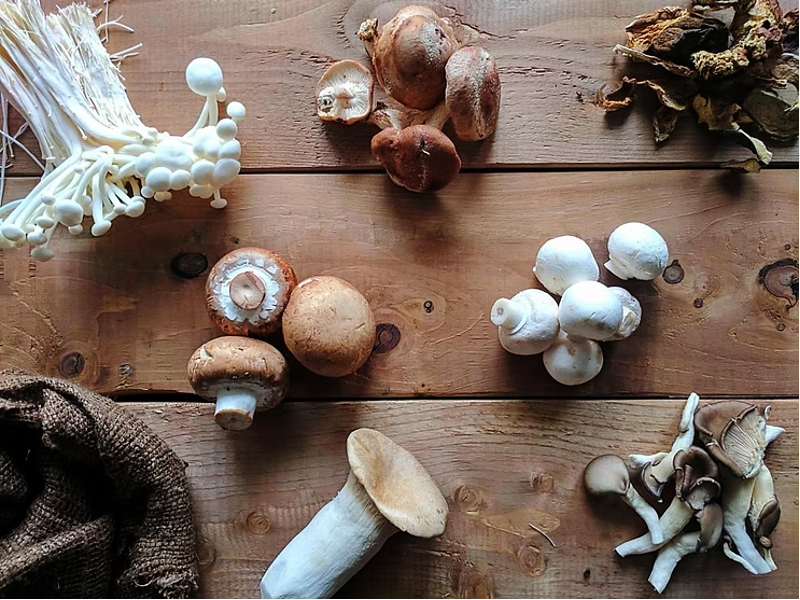
At lake homes from the cool, forested shores of the Pacific Northwest to the moss-draped oaks lining Gulf region lakes, ingredient choices shape not just flavor—but experience. Mushrooms are especially effective in that role: they bridge casual lakeside grilling and thoughtful kitchen technique. They anchor salads, soups, grains, and mains with umami depth and textural contrast.
A Home Cook’s Guide
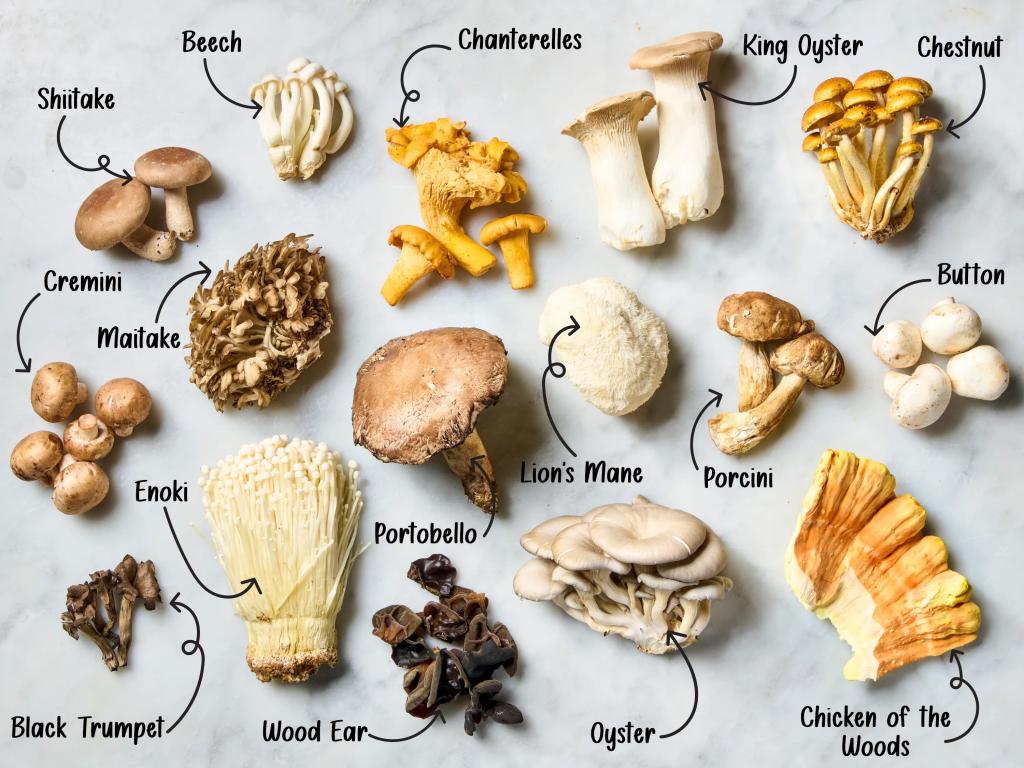
Because mushrooms vary widely in structure and taste, knowing how to identify them — and how they respond to heat and pairing — is as important as selecting them.
So, what makes mushrooms reliably delicious in a lake kitchen? Most are sturdy enough to be grilled or sautéed over open flames. They stand up to bold seasoning and mix seamlessly with local proteins — trout, catfish, pork, or simply good pasta or rice. Whether you’re entertaining or feeding family after a kayak outing, these mushrooms deserve a place on your counter and on your plate. In our guide below, you’ll find seven widely available mushrooms that perform well in regional dishes.
Button & Cremini Mushrooms
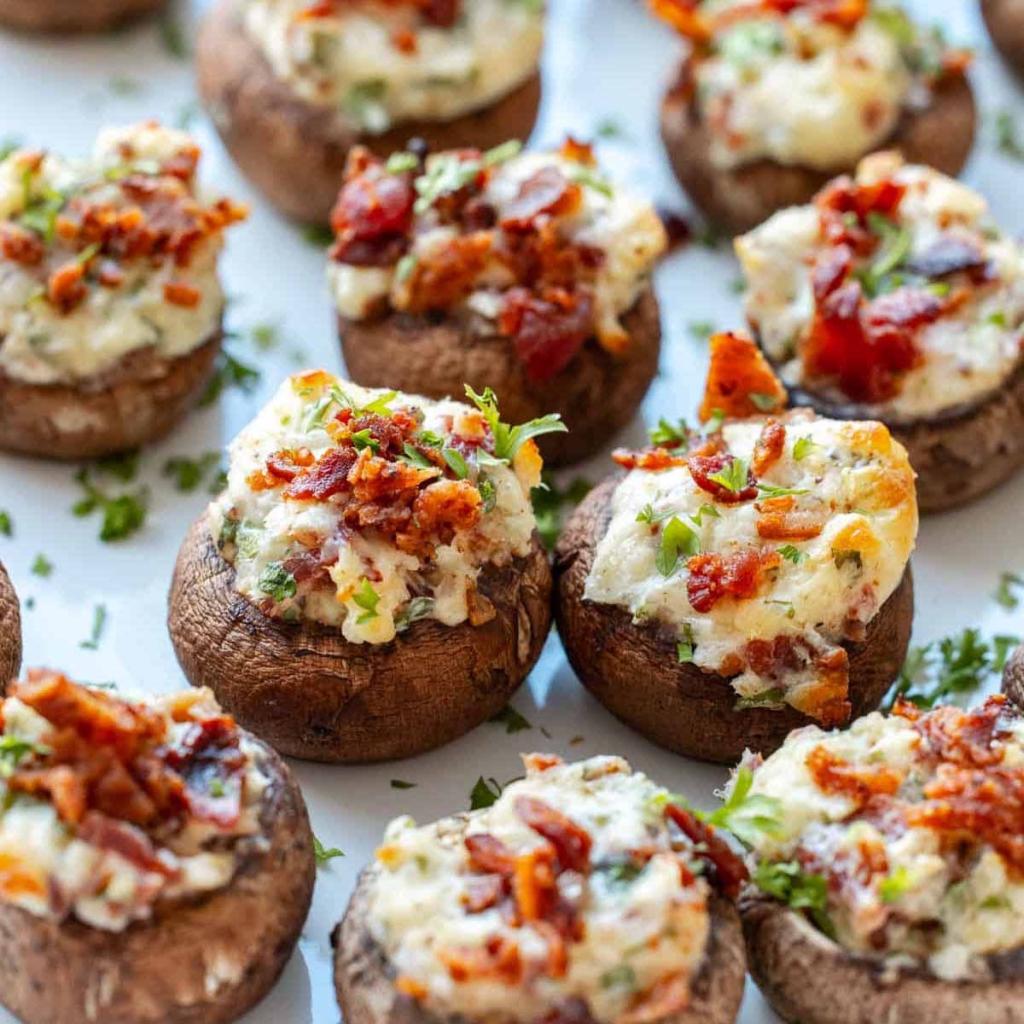
White buttons and their deeper-colored cremini cousins are the most familiar mushrooms in American kitchens. They are prized for their mild, savory flavor that gains richness when browned. In Eastern and Mid-Atlantic lake homes, sauté sliced cremini with garlic and herbs to finish grilled perch or walleye. Alternatively, fold them into a light mushroom broth with seasonal greens. In Southeastern lakes, add them to warm mushroom-and-corn salads that pair beautifully with chilled rosé. Around Gulf-region lakes, they become an accessible component in fajita mixes or in pasta tossed with local shrimp and basil. They also lend themselves well to creamy risottos, mushroom-topped grilled pizzas, or sautéed with butter and thyme as a simple but deeply satisfying side.
Portobello
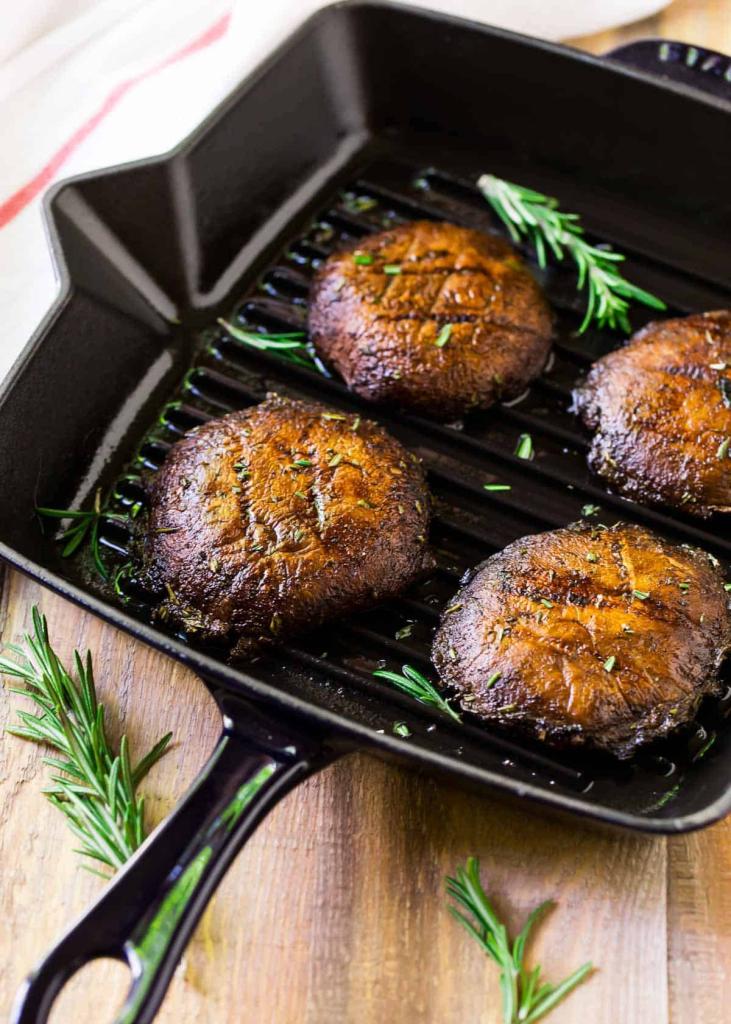
Portobellos are mature Agaricus bisporus mushrooms with broad caps and a firm, meaty texture. Their robust, savory flavor develops even more character when grilled or roasted. At Pacific Northwest lake homes, brush large caps with olive oil and cracked black pepper, then grill alongside salmon or trout. Slice and toss into a warm farro salad with scallions and toasted almonds. In California lake regions, portobello strips elevate grilled vegetable platters, vegetarian burgers, and soups. They also perform well stuffed with herbed cheeses or mixed with wild rice and herbs. Their texture makes them an excellent vegetarian “steak” and a hearty partner for smoky local wines.
Shiitake
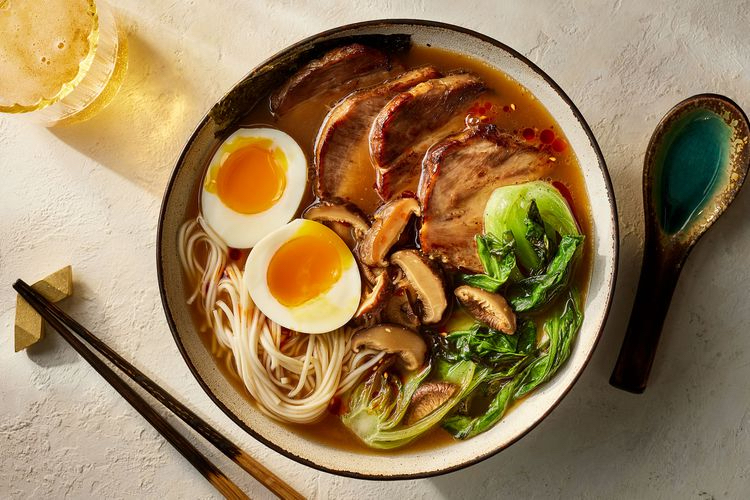
Shiitake mushrooms offer an intense, umami-rich profile and a firm texture that stands up to high heat. Commonly featured in editorial recipe roundups, shiitakes support robust plates from starters to mains. In Mid-Atlantic lake kitchens, use them to deepen a broth-based soup after an evening fishing trip. Around Gulf region lakes, stir-fry shiitakes with shrimp, lime, and scallions for tacos or grain bowls. In Northern lake regions, sautéed shiitakes add a savory backbone to wild rice pilaf or creamy pasta. Additionally, they excel in pan sauces, risottos, and composed salads. Their soaking liquid (for dried mushrooms) makes a flavorful stock base.
Oyster Mushrooms
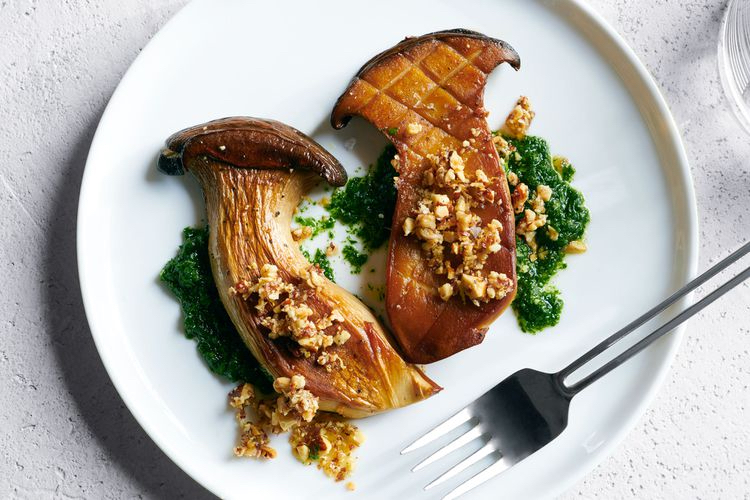
Oyster mushrooms have delicate, layered shapes and a mild yet slightly sweet flavor, earning them frequent inclusion in sophisticated recipe collections for seasonal cooking. Their texture is tender but firm enough to grill in skewers or sauté quickly over high heat. In Southeastern lake regions, sautéed oyster mushrooms paired with butter beans and herbs make an elegant side. At Eastern lake homes, fold lightly cooked oyster mushrooms into pasta with lemon zest and Parmesan. In California lake kitchens, crisp, quickly sautéed oyster mushrooms make a welcome topping for summer salads or a component in rice bowls. Their mild flavor makes them especially versatile with lighter proteins and fresh herbs.
Chanterelle
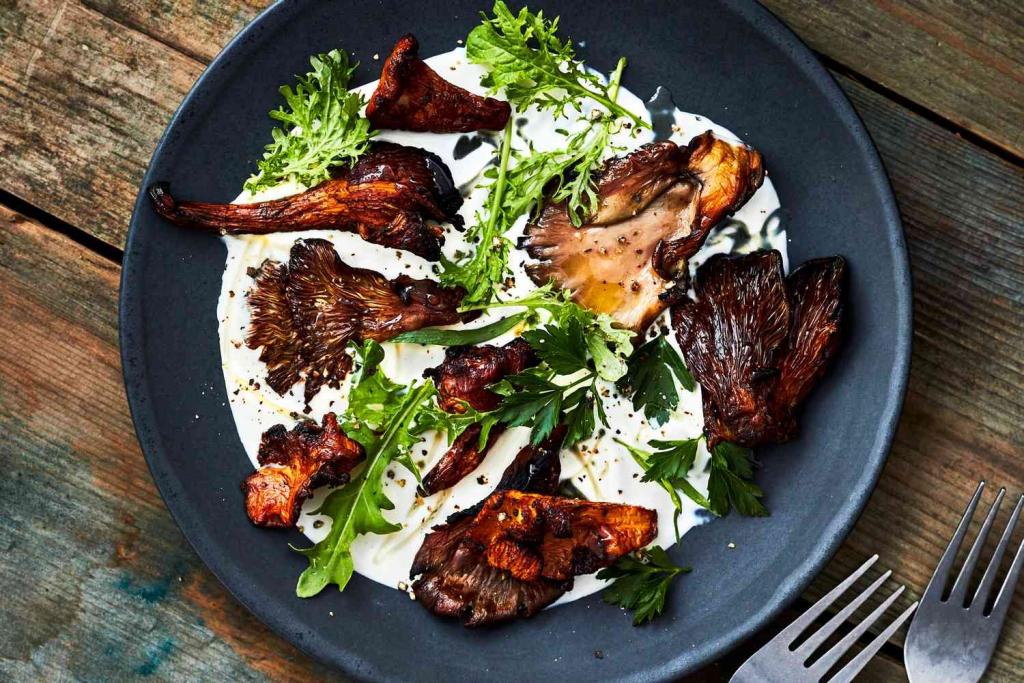
Chanterelles are prized for their golden color, gentle apricot-like aroma, and peppery finish. Especially abundant in cooler climates like the Pacific Northwest, they demand simple preparation that lets their flavor shine: sauté in butter with fresh herbs. Pair them with grilled fish on a cool lakeside evening or fold them into risotto with local asparagus in late spring. In California lake regions, use chanterelles in pasta with garlic and sage, or finish them with a nutty touch on polenta. Their delicate aroma is best honored with minimal heavy ingredients. Therefore, use a splash of wine, a sprinkle of sea salt, and gentle sautéing.
Morel
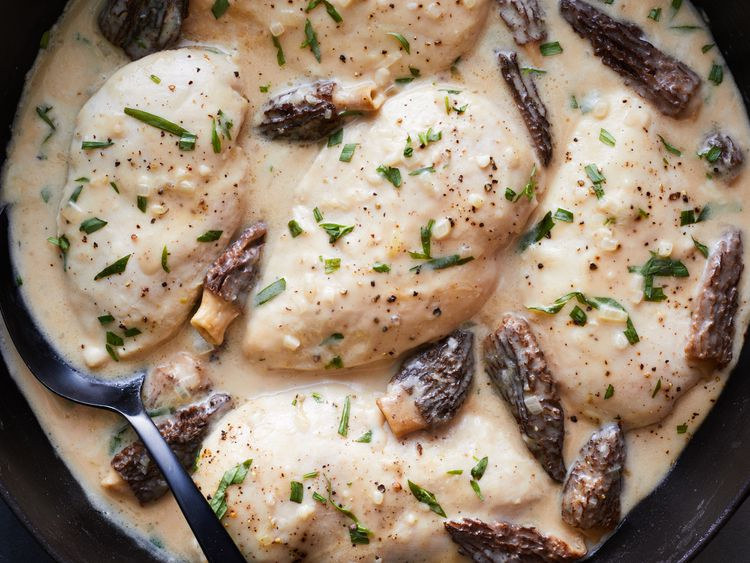
Morels are a seasonal delight that chefs and serious cooks prize for their honeycomb-like caps and rich, nutty, earthy flavor. Often foraged in spring, morels benefit from careful cleaning and thorough cooking. In Northern lake states, sauté them in butter and serve over grilled walleye. Alternatively, fold into a spring risotto with asparagus. In Mid-Atlantic lake kitchens, use them in a light cream sauce over pasta or as a garnish on a composed salad with grains. Their complex flavor makes them a luxury ingredient — ideal for special gatherings like lakeside brunches or holiday meals.
Maitake (Hen of the Woods)
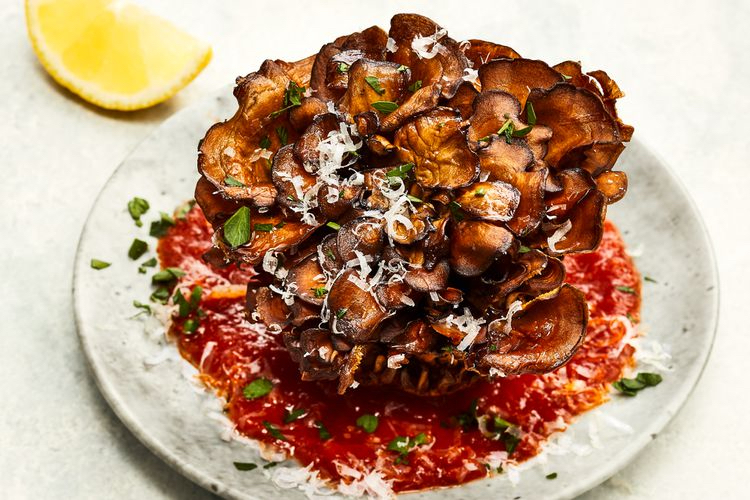
Maitake mushrooms grow in graceful, ruffled clusters with a robust, earthy flavor and a texture that crisps attractively when roasted. Tear or trim the clusters, then roast with olive oil, salt, and herbs until the edges brown. At Mid-Atlantic lake homes, serve roasted maitakes with grilled pork chops or mix them into wild rice pilaf. In Gulf region lake kitchens, finish with chili flakes and lime for bold appetizers. In cooler Northern lake climates, pair maitake with barley or rye-based dishes or toss it into hearty soups. Their texture and flavor make them a great alternative to meat in vegetarian mains.
From everyday buttons to sought-after morels, mushrooms bring depth and versatility to the lakeside kitchen. Across the country’s lake regions, these mushrooms adapt to seasonal ingredients, a variety of proteins, and multiple entertaining styles. Thus, they are dependable allies for both weekday dinners and weekend gatherings. Serve them simply, season them thoughtfully, and let the inherent flavors do the work. For more inspired recipe ideas to live your best lake life, visit Lake Homes Lifestyles.