

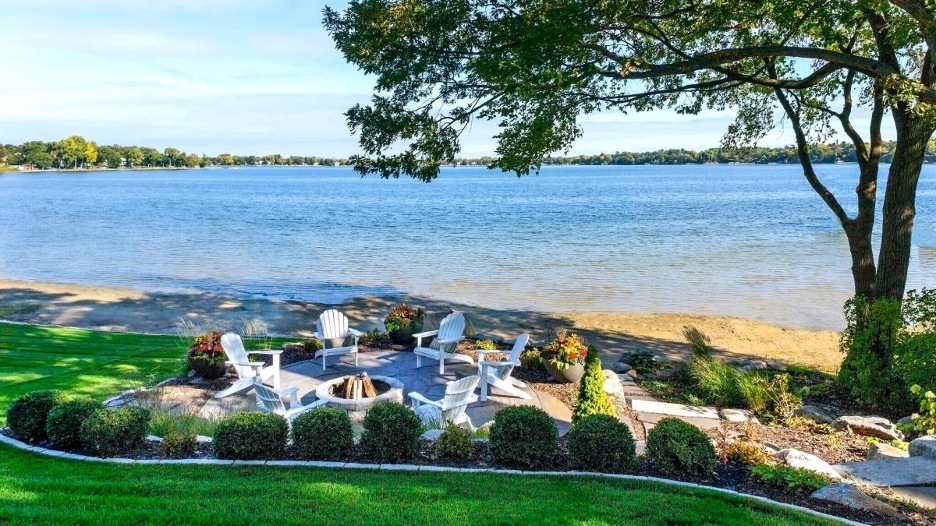
Lake homes occupy a unique position in the U.S. property landscape: spectacular views, shifting shorelines, diverse microclimates, and increasing expectations from buyers and communities alike. In 2026, gardening trends for lake properties go beyond curb appeal. They emphasize ecological resilience, purposeful design, and long-term property value. This shift is especially relevant as climatic variability and environmental awareness grow. Today’s lake homeowner isn’t just thinking about flowers and tidy lawn edges. Instead, they’re thinking about how landscapes can support pollinators, conserve water, minimize maintenance, provide productive foodscapes, and create intentional outdoor experiences that suit everyday living. These landscapes also support entertainment during peak season.
From the Upper East and Mid-Atlantic, where humidity and salt spray create distinct challenges, to the Northern Great Lakes’ short seasons, the Pacific Northwest’s cool, wet climate, the arid demands of Southwest lake regions, and the sun-soaked landscapes of California, each garden trend outlined here offers adaptability plus regional nuance for lake home environments. In addition, this essay explores six of the most relevant gardening trends for 2026. It covers what they are, why they matter for lake home decor and property value, where they make sense, and how to implement them thoughtfully across U.S. lake regions.
Rewilding and Native Plants
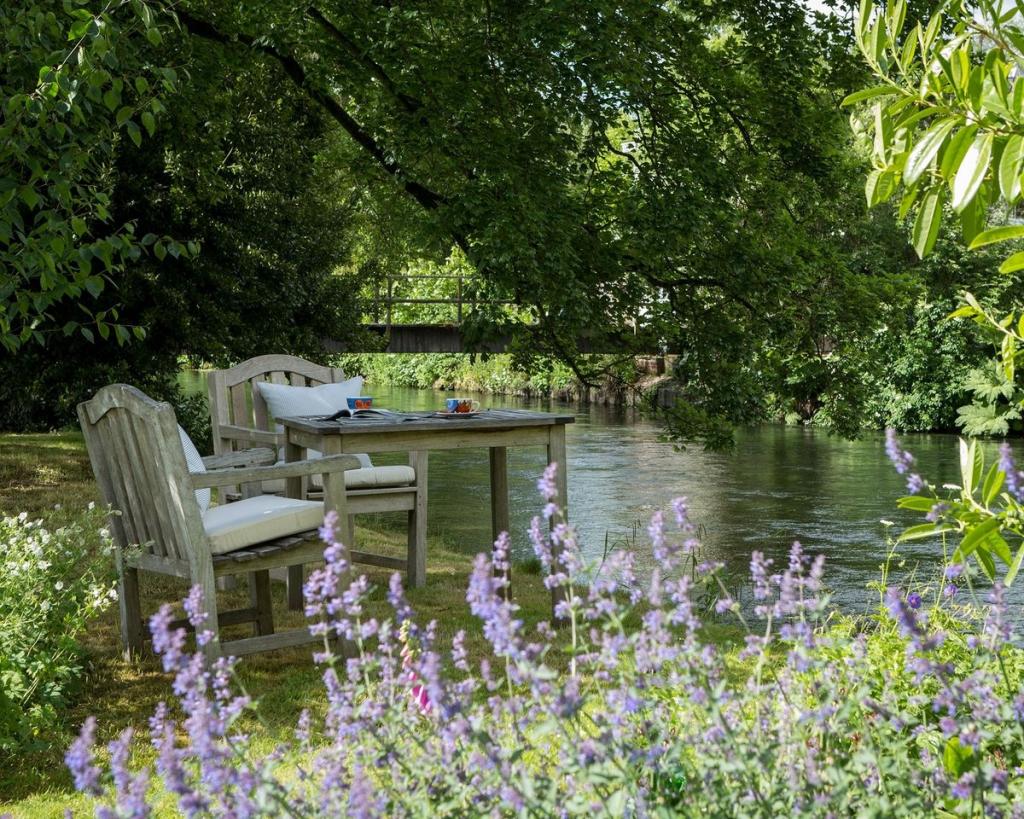
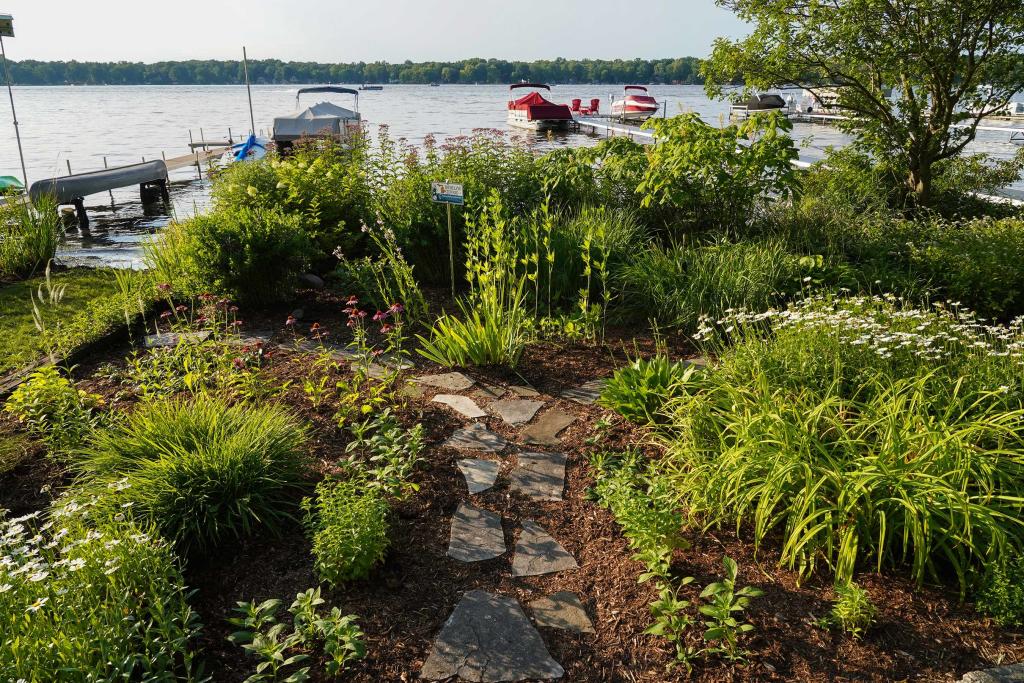
Concept: Rewilding shifts landscapes away from monoculture turfgrass toward intentional native plantings and natural habitat pockets that support local biodiversity, pollinators, birds, and beneficial insects.
Trend relevance: In lake settings, rewilding works with—not against—the existing ecosystem. Native plants often require less water and fewer inputs while providing complex layers of texture, color, and structure. This is especially important on lakefront slopes and buffer zones where erosion control and runoff filtering are critical.
Best regions: Across all lake zones, but especially in the Northern Great Lakes, Upper East, Mid-Atlantic, and Pacific Northwest, where native flora naturally thrives and supports regional wildlife.
Implementation:
- Replace lawn islands with clusters of native grasses and wildflowers.
- Build micro-habitats near docks and water edges with wetland-adapted species.
- Work with local extension services to select plants that support pollinators relevant to your region.
Effortless Gardening & Relaxing Retreats
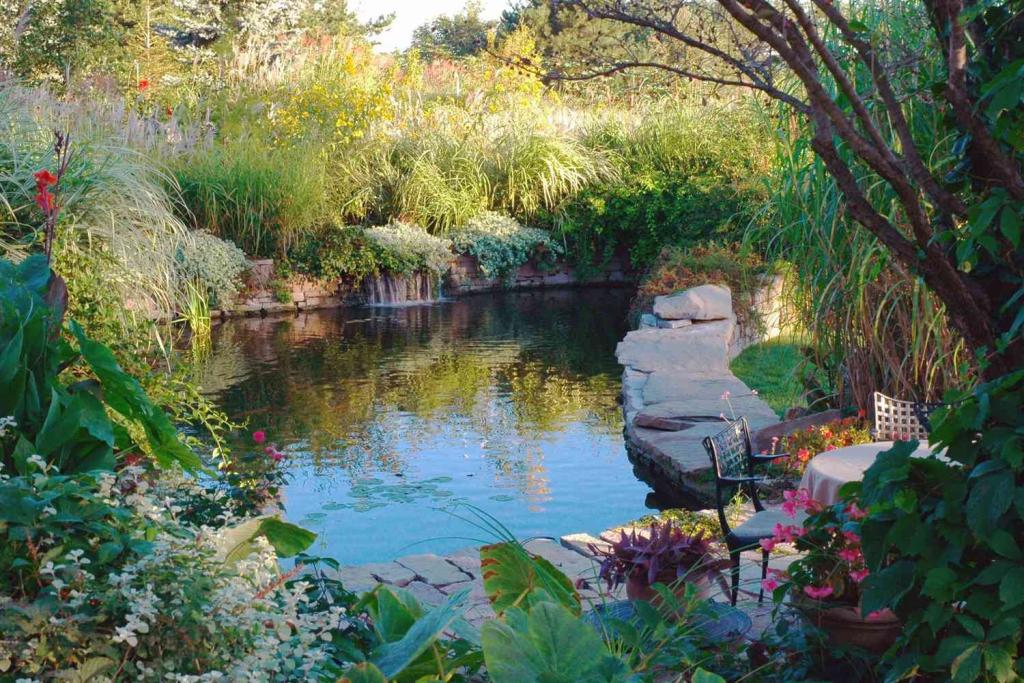
Concept: This trend designs gardens to enhance well-being with minimal maintenance. It emphasizes perennial grasses, simple texture palettes, and spaces that foster decompression. These spaces avoid labor-intensive upkeep.
Trend relevance: Lake homes are often seasonal retreats. Owners want gardens that flourish with minimal intervention while still creating quiet, immersive outdoor retreats. In these gardens, ornamental grasses, evergreen groundcovers, and mixed perennial borders create a seasonal rhythm with minimal maintenance.
Best regions: Works everywhere, with species selections tailored to local conditions—moisture-loving grasses in the Northeast and Pacific Northwest. Meanwhile, drought-tolerant varieties thrive in the Southwest and California.
Implementation:
- Use clumping native grasses and easy perennials as foreground layers near seating areas.
- Integrate simple paths, broad mulch zones, and generous green textures that require little trimming.
Functional & Edible Landscapes
Concept: Functional landscapes blend aesthetics with utility—most notably through edible plants, container fruit trees, columnar apples or pears, berry bushes, and herbs woven into ornamental beds.
Trend relevance: As sustainability becomes a priority, lake property owners want beautiful and bountiful gardens. Edible landscapes offer fresh produce and a compelling lifestyle benefit that buyers increasingly value.
Best regions: Adaptable across regions—choose citrus or figs in Southern California and Texas, and plant apples and berries in the Upper East and Great Lakes. For mixed edible/ornamental herbs, focus on the Mid-Atlantic and Pacific Northwest climates.
Implementation:
- Position container edibles near outdoor kitchens or patios for easy harvest.
- Train dwarf fruit trees along sunny fences for screening and yield.
- Integrate edible perennials, such as currants or herbs, into ornamental borders.
Gravel & Water-Wise Gardening
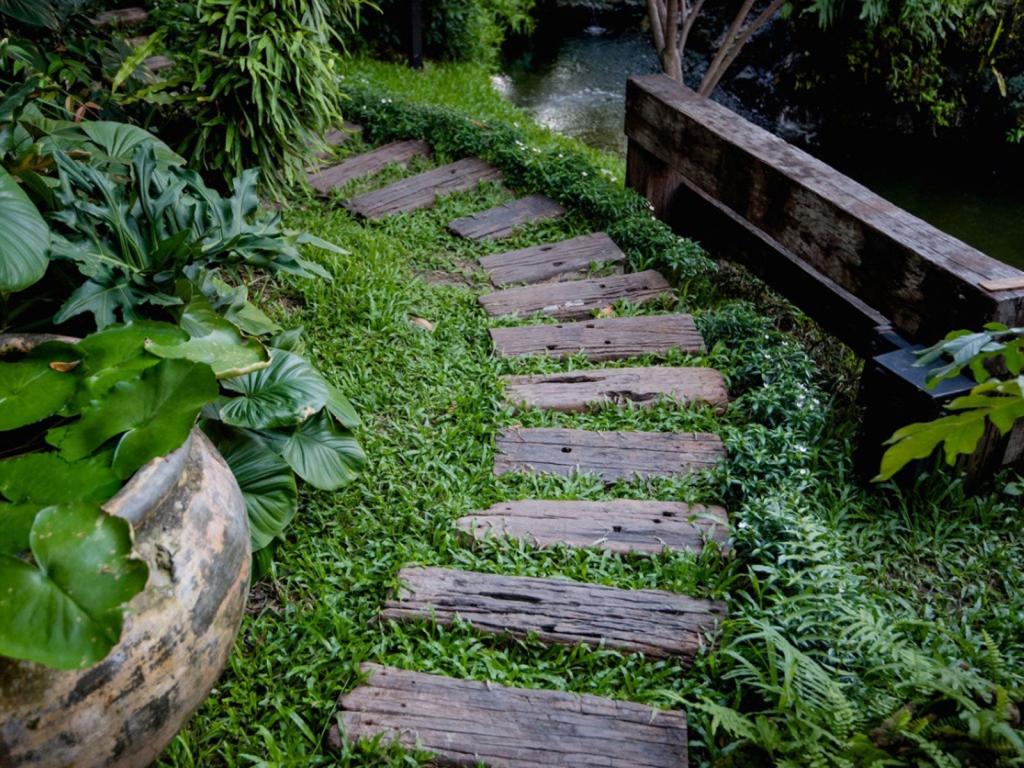
Concept: Sustainable gravel gardening emphasizes xeriscaping and water-wise landscapes that lower irrigation needs while enhancing textural interest. Gravel serves both as functional mulch and a visual backdrop for drought-tolerant plants.
Trend relevance: As droughts and water restrictions become more common, especially in Western and Southwest regions, lake gardens are embracing naturalistic, low-water planting palettes. These palettes still look sophisticated and cohesive.
Best regions: Southwest (including Texas lake regions), California lake communities, and Midwest areas with seasonal drought are ideal. The Northern and East regions can also adopt gravel accents in raised beds or on sunny slopes.
Implementation:
- Lay gravel pathways or mulch zones with sedum, lavender, and drought-tolerant perennials.
- Group plants by water need to optimize irrigation efficiency.
Moody and Curated Colors
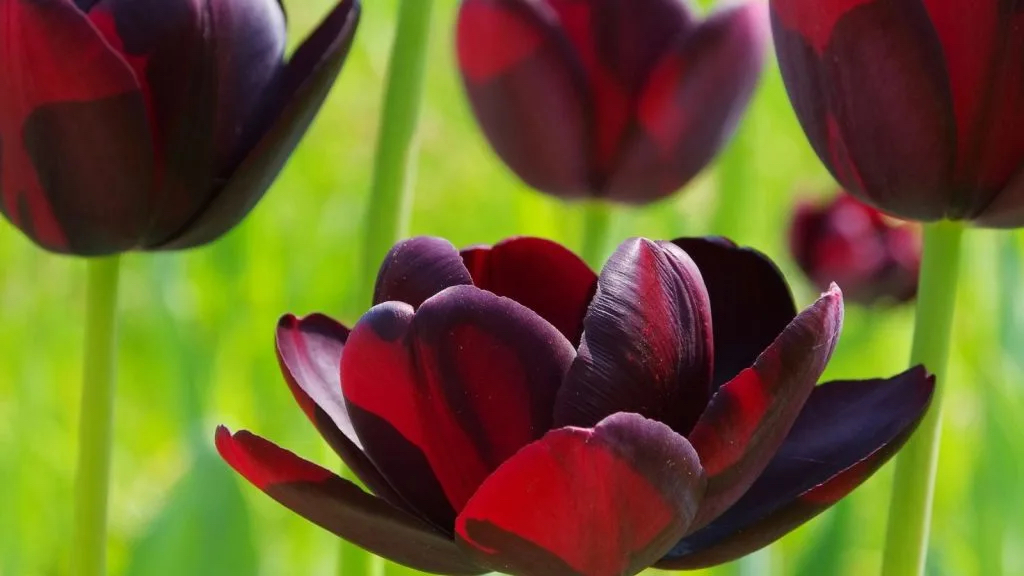
Concept: Garden palettes in 2026 are trending toward sophisticated, deep tones—from gothic purples and dark burgundies to muted “Kusumi” smoky shades—that provide calming, curated vistas that complement lake views.
Trend relevance: Deep color schemes anchor landscapes visually to water’s reflective surfaces, creating richness without relying solely on bright annual displays. Coupled with ornamental grasses and natural plant forms, these palettes feel timeless rather than trendy.
Best regions:
- Pacific Northwest: misty greens and smoky lupines.
- Northern Great Lakes & Upper East: deep bourgogne perennials with structural shrubs.
- California: paired with muted succulents and dusky lavender tones.
Implementation:
- Choose perennials and shrubs with dark foliage (such as black mondo grass and burgundy sedges).
- Layer muted tones with soft textures to balance formality and nature.
“Lemonading” & Purposeful Spaces
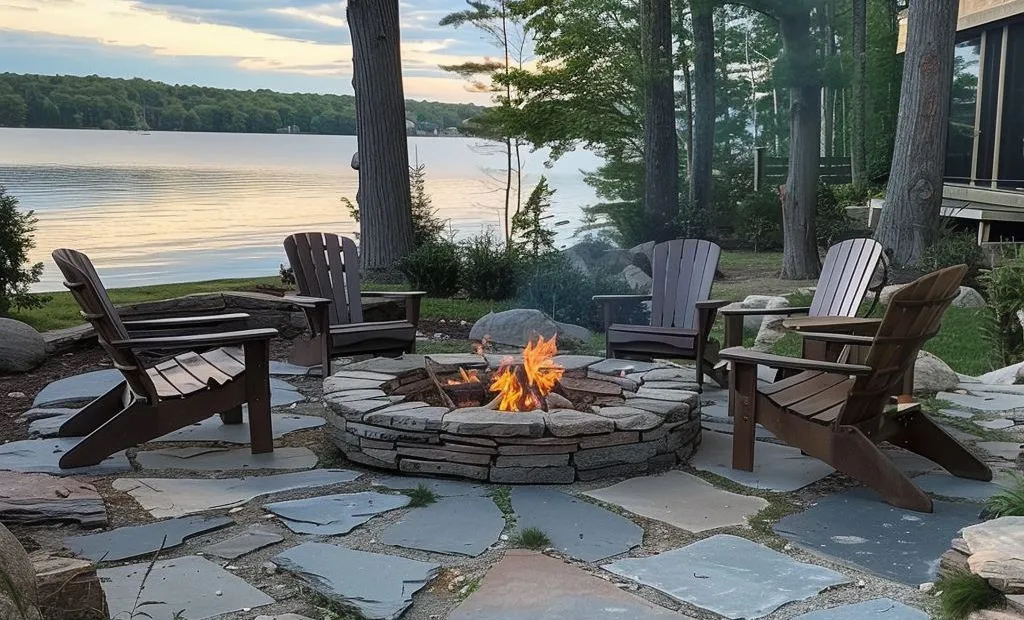
Concept: Borrowed from the idea of turning “lemons into lemonade,” this trend focuses on purposeful garden sequences—sensory pathways, accessible layouts, quiet corners, and zones designed for interaction and well-being.
Trend relevance: Lake homes are increasingly outdoor living homes. Gardens aren’t just decoration. These spaces become places for lounge seating, meditation nooks, outdoor dining, firepit gatherings, or sensory experiences with fragrant plants.
Best regions: Universal, though plant choices and hardscape materials should reflect local climates and seasonal usability.
Implementation:
- Create sensory zones with fragrant herbs, textured foliage, and sound elements near seating areas.
- Ensure accessible paths and transitions between the lawn, patio, and lakeside.
The most impactful lake home gardening trends of 2026 don’t just follow fleeting aesthetic fads—they transform landscapes into resilient, purposeful, and valuable extensions of the home. You will see trends in rewilding and native habitat design that support biodiversity, in edible and water-wise gardens that reflect climatic realities, and in color and space planning that deepen the sense of place. Each trend aligns environmental responsibility with long-term lifestyle and economic value. Across U.S. lake regions—from the misty Upper East and Great Lakes to the sun-drenched California shores—thoughtful implementation of these approaches will help ensure gardens endure the test of time. In turn, they will elevate the experience and worth of every lake property. For more tips to enhance your lake life, visit Lake Homes Lifestyles.